Poor Man’s Cookies
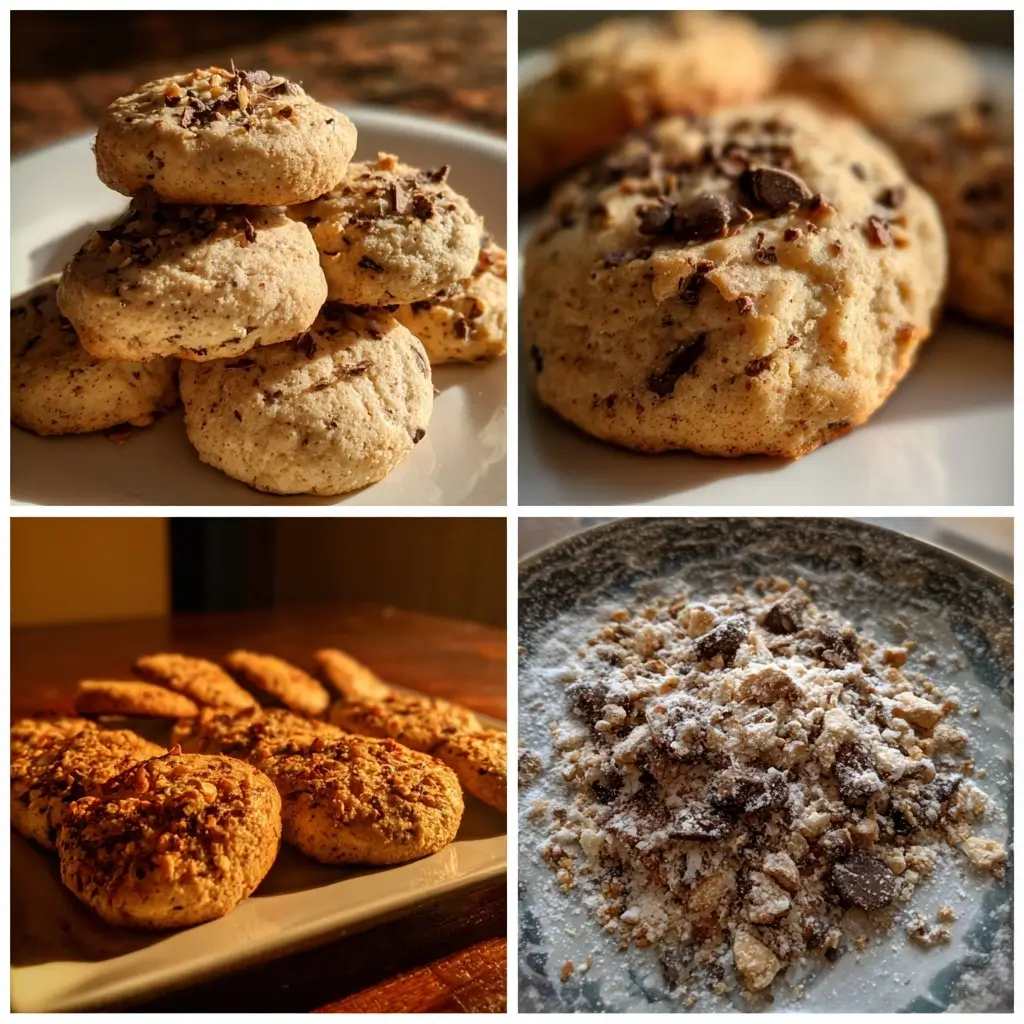
Poor Man’s Cookies: A Humble Treat with Big Flavor
There’s something deeply comforting about a simple, no-fuss dessert that requires just a handful of pantry staples and delivers warmth, sweetness, and nostalgia in every bite. Enter Poor Man’s Cookies—a humble, old-fashioned treat that emerged during times of economic hardship but has since earned a beloved place in American kitchens. These cookies are not only easy to make but also incredibly forgiving, making them perfect for beginner bakers or anyone craving a quick homemade treat without the need for fancy ingredients or special equipment. Despite their name, these cookies offer rich flavor and satisfying texture, proving that delicious desserts don’t have to be complicated or expensive.
The History Behind Poor Man’s Cookies
The origins of Poor Man’s Cookies trace back to the early 20th century, particularly during the Great Depression when families across America had to stretch every dollar and rely on inexpensive, readily available ingredients. With sugar, butter, and eggs often in short supply or too costly, home bakers turned to creative alternatives. Poor Man’s Cookies were born out of this necessity—using minimal ingredients like flour, sugar, shortening (or lard), baking soda, vinegar, and milk or water to create a sweet, cake-like cookie that satisfied dessert cravings without breaking the bank.
These cookies became especially popular in rural communities and among large families who needed affordable yet filling treats. They were often made quickly before church on Sundays or served to unexpected guests with pride. Over time, the recipe was passed down through generations, with slight variations emerging from region to region and family to family. Though modern pantries are far more stocked than they were decades ago, the charm of Poor Man’s Cookies lives on—not because we’re poor, but because we value simplicity, frugality, and the joy of baking with heart.
Ingredients Breakdown: Simple, Affordable, and Accessible
One of the greatest strengths of Poor Man’s Cookies is the accessibility of their ingredients. You likely already have everything you need in your kitchen right now. Let’s take a closer look at each component and its role in creating this delightful treat:
- All-Purpose Flour: The backbone of the dough, providing structure and a soft, cake-like texture. It’s inexpensive and found in nearly every household.
- Sugar: Granulated white sugar adds sweetness and helps the cookies brown slightly at the edges. Some variations use brown sugar for a deeper molasses flavor.
- Shortening or Butter: Traditionally, vegetable shortening (like Crisco) was used due to its affordability and long shelf life. However, butter can be substituted for richer flavor. In older recipes, even lard was used as a fat source.
- Baking Soda: This leavening agent reacts with the acid (vinegar or buttermilk) to help the cookies rise slightly, giving them a tender crumb.
- Vinegar: Often white vinegar, it activates the baking soda and adds a subtle tang that balances the sweetness. In some versions, buttermilk or sour milk replaces vinegar and milk.
- Milk or Water: Liquid is necessary to bring the dough together. Milk adds richness, while water keeps costs even lower—true to the “poor man” ethos.
- Vanilla Extract: Not always included in the most basic versions, but a splash enhances the overall flavor profile significantly.
- Salt: A pinch enhances all the other flavors and prevents the cookies from tasting flat.
- Nuts or Raisins (Optional): While not part of the original minimalist recipe, many bakers add chopped walnuts, pecans, or raisins for extra texture and flavor.
The beauty lies in how few ingredients are needed—no eggs, no fancy extracts, no chocolate chips (though you can certainly add them if desired). This makes Poor Man’s Cookies ideal for emergency baking, camping trips, or situations where refrigeration or specialty items aren’t available.
Step-by-Step Recipe: How to Make Poor Man’s Cookies
Making Poor Man’s Cookies is refreshingly straightforward. There’s no creaming butter and sugar, no chilling the dough, and no rolling or shaping required. Just mix, drop, and bake!
- Preheat Your Oven: Start by preheating your oven to 350°F (175°C). Line a baking sheet with parchment paper or lightly grease it with shortening or butter to prevent sticking.
- Mix Dry Ingredients: In a medium-sized mixing bowl, whisk together 2 cups of all-purpose flour, 1 cup of granulated sugar, 1 teaspoon of baking soda, and a pinch of salt (about ¼ teaspoon). Ensure they are well combined to avoid pockets of baking soda in the final product.
- Add Fat: Cut in ½ cup of softened shortening or room-temperature butter using a pastry cutter, fork, or your fingers until the mixture resembles coarse crumbs. If you’re using cold shortening straight from the fridge, let it soften slightly first or melt it gently and stir it in.
- Combine Wet Ingredients: In a separate small bowl or measuring cup, mix 1 teaspoon of white vinegar with 1 cup of milk or water. You’ll notice it curdle slightly—that’s normal and actually mimics buttermilk, helping with leavening and tenderness.
- Form the Dough: Pour the vinegar-milk mixture into the dry ingredients along with 1 teaspoon of vanilla extract (if using). Stir gently with a wooden spoon or spatula until a soft dough forms. It should be moist but not sticky—if it’s too wet, add a little more flour; if too dry, add a splash more milk.
- Drop the Cookies: Using a tablespoon or a small ice cream scoop, drop rounded portions of dough onto the prepared baking sheet, spacing them about 2 inches apart. These cookies won’t spread much, so you can place them fairly close, but leave room for even baking.
- Bake Until Golden: Place the baking sheet in the preheated oven and bake for 10 to 12 minutes, or until the tops are set and the edges are lightly golden. Avoid overbaking—they should remain soft and slightly springy to the touch.
- Cool Slightly: Remove from the oven and let the cookies cool on the baking sheet for 3–5 minutes before transferring them to a wire rack to cool completely—or enjoy them warm, straight off the tray!
Tips for Perfect Poor Man’s Cookies Every Time
- Don’t Overmix the Dough: Once the wet and dry ingredients come together, stop stirring. Overmixing can develop gluten, leading to tough cookies.
- Use Fresh Baking Soda: Check the expiration date. Old leavening agents won’t activate properly, resulting in flat, dense cookies.
- Adjust Consistency as Needed: Humidity and flour density vary. If the dough seems too sticky, add a bit more flour—one tablespoon at a time. If too crumbly, add milk by the teaspoon.
- Try Melted Shortening: For an even easier method, melt the shortening and mix it directly into the wet ingredients before combining with the dry. This simplifies cleanup and ensures even distribution.
- Watch the Bake Time Closely: Ovens vary, and these cookies go from perfectly baked to dry very quickly. Start checking at 9 minutes.
- Double the Batch: Since ingredients are cheap and the process is fast, consider making two trays at once. They freeze well and reheat beautifully.
- Serve Warm: These cookies taste best when slightly warm. Reheat briefly in the microwave (5–10 seconds) if eating later.
Variations and Customizations
While traditional Poor Man’s Cookies are plain and simple, there’s plenty of room for creativity. Here are some popular variations to suit different tastes and dietary needs:
- Oatmeal Poor Man’s Cookies: Replace half the flour with old-fashioned oats for added chewiness and fiber.
- Fruit-Filled Version: Stir in ½ cup of raisins, dried cranberries, or chopped dates for natural sweetness and texture.
- Nutty Delight: Add ½ cup of chopped walnuts, pecans, or peanuts for crunch and protein.
- Chocolate Chip Twist: Yes, even though it goes against the “poor man” idea, adding a handful of chocolate chips turns these into a crowd-pleasing favorite.
- Spiced Cookies: Mix in ½ teaspoon of cinnamon, a pinch of nutmeg, or even pumpkin pie spice for a cozy fall variation.
- Lactose-Free Option: Use water instead of milk and dairy-free margarine or coconut oil in place of butter/shortening.
- Gluten-Free Adaptation: Substitute the all-purpose flour with a 1:1 gluten-free baking blend. Results may vary slightly in texture but still yield tasty cookies.
- Buttermilk Upgrade: Replace the vinegar-milk combo with 1 cup of real buttermilk for a richer, tangier flavor.
- Drop-Scone Style: Make larger mounds of dough and bake a few minutes longer for a cross between a cookie and a scone—delicious split open and buttered!
Health Considerations and Nutritional Value
Poor Man’s Cookies are inherently modest in nutritional content due to their minimalist ingredients, but understanding their composition can help you make informed choices—especially if serving to children, diabetics, or those with dietary restrictions.
Nutritional Profile (per cookie, based on 24 cookies per batch):
- Calories: ~80–100 kcal
- Carbohydrates: ~12–15g (mostly from sugar and flour)
- Sugars: ~6–8g
- Fat: ~3–4g (depending on shortening/butter used)
- Protein: ~1–2g
- Fiber: ~0.5g (can increase with oats or whole wheat flour)
- Sodium: ~80–100mg (mainly from baking soda and salt)
Health Notes:
- Low in Protein and Fiber: These cookies are primarily simple carbohydrates. Pair them with a glass of milk or a side of fruit to balance the meal.
- Suitable for Egg-Free Diets: Naturally egg-free, making them safe for those with egg allergies.
- Can Be Made Vegan: Use plant-based shortening and non-dairy milk to make a fully vegan version.
- Refined Sugar Content: High in added sugar. To reduce, try cutting the sugar to ¾ cup or using a natural alternative like coconut sugar (though texture may change).
- Trans Fat Warning: Traditional shortening may contain trans fats. Opt for non-hydrogenated brands or use butter or healthier oils like coconut oil.
- Digestive Sensitivity: The combination of baking soda and vinegar may cause gas or bloating in sensitive individuals—use aluminum-free baking soda and monitor reactions.
Ingredients
- 2 cups all-purpose flour
- 1 cup granulated sugar
- 1 teaspoon baking soda
- ¼ teaspoon salt
- ½ cup shortening (such as Crisco) or unsalted butter, softened
- 1 teaspoon white vinegar
- 1 cup milk or water
- 1 teaspoon vanilla extract (optional)
- ½ cup chopped nuts or raisins (optional)
Directions
- Preheat oven to 350°F (175°C). Grease or line a baking sheet with parchment paper.
- In a large bowl, combine flour, sugar, baking soda, and salt. Whisk to blend evenly.
- Add shortening or butter and cut in until mixture resembles coarse crumbs.
- In a separate container, mix vinegar and milk (or water); let sit for 1 minute to curdle slightly.
- Pour wet ingredients into dry ingredients. Add vanilla extract if using. Stir until a soft dough forms.
- If desired, fold in nuts or raisins.
- Drop tablespoon-sized scoops of dough onto the baking sheet, spacing about 2 inches apart.
- Bake for 10–12 minutes, or until tops are set and edges are lightly golden.
- Cool on the baking sheet for 5 minutes, then transfer to a wire rack.
- Serve warm or store in an airtight container for up to 5 days.
FAQ (Frequently Asked Questions)
Q: Why are they called “Poor Man’s Cookies”?
A: The name reflects their origin during times of economic hardship when people used inexpensive, accessible ingredients to make a satisfying dessert without relying on costly items like eggs, butter, or chocolate.
Q: Can I make these cookies without shortening?
A: Yes! Butter, margarine, coconut oil, or even lard can be used as substitutes. Each will alter the flavor and texture slightly.
Q: Do these cookies need refrigeration?
A: No. Store them in an airtight container at room temperature for up to 5 days. For longer storage, freeze for up to 3 months.
Q: Why did my cookies turn out flat or hard?
A: Overmixing, too much liquid, or expired baking soda can lead to undesirable textures. Also, overbaking causes dryness. Follow the recipe closely and watch bake time carefully.
Q: Can I freeze the dough?
A: Absolutely. Scoop the dough into balls, freeze on a tray, then transfer to a freezer bag. Bake from frozen, adding 1–2 minutes to the bake time.
Q: Are Poor Man’s Cookies the same as depression cookies?
A: Very similar. “Depression cookies” is another name for budget-friendly cookies made during the Great Depression. Recipes vary, but the concept is identical—simple, economical, and nourishing.
Q: Can I use self-rising flour?
A: Not recommended, as self-rising flour already contains baking powder and salt. Using it could throw off the balance of leavening and seasoning.
Summary
Poor Man’s Cookies are a testament to the ingenuity and resilience of home bakers who made something sweet out of very little. Simple, affordable, and endlessly adaptable, these cookies bring comfort with every bite.
Whether you’re on a tight budget, short on time, or just craving a nostalgic treat, this timeless recipe proves that happiness can be baked with just a few humble ingredients.