Hot Milk Cake
Introduction
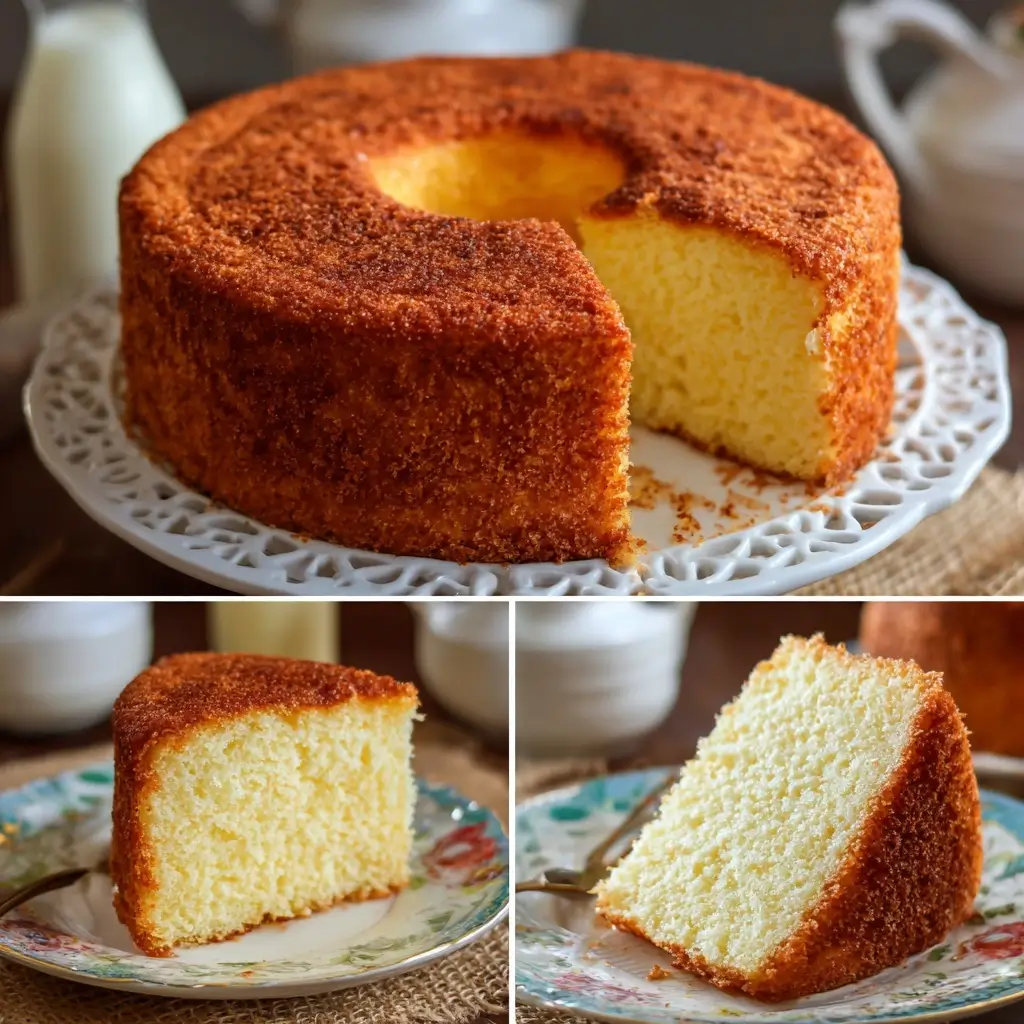
The Hot Milk Cake is a timeless classic, cherished across generations for its simplicity, delicate crumb, and comforting flavor. Unlike more elaborate desserts that rely on heavy frostings or intricate techniques, the Hot Milk Cake stands out through its elegant minimalism—using just a few pantry staples to create something truly special. It’s often referred to as “milk cake” due to the warm milk used in the batter, which gives the cake a uniquely tender texture and subtle richness. Whether served plain, dusted with powdered sugar, or paired with fresh fruit and whipped cream, this cake embodies homey warmth and nostalgic charm.
This dessert has long been a favorite among bakers looking for a quick, no-fuss recipe that still delivers impressive results. Its light sweetness makes it perfect for afternoon tea, brunch, or even as a humble yet satisfying dessert after dinner. The cake’s versatility allows it to be dressed up or down depending on the occasion, making it a reliable staple in any baker’s repertoire. With its golden crust, soft interior, and gentle aroma of vanilla and butter, the Hot Milk Cake is comfort baking at its finest.
The History
The origins of the Hot Milk Cake trace back to early 20th-century American home baking, a time when simplicity and practicality were prized in the kitchen. Recipes like this emerged during an era when ingredients were limited, ovens were inconsistent, and cooks relied on tried-and-true formulas passed down from family members. The concept of warming milk before incorporating it into a cake batter wasn’t new—it had roots in European baking traditions where scalded milk was commonly used in breads and cakes to improve texture and shelf life.
One of the earliest known printed versions of the Hot Milk Cake appeared in community cookbooks and women’s magazines around the 1920s and 1930s. These publications often featured “butter cakes” made with basic ingredients such as flour, sugar, eggs, butter, and milk—deliberately designed to be accessible and affordable. The technique of heating the milk with butter (and sometimes a bit of baking soda) helped emulsify the fat, leading to a smoother batter and a finer crumb. This method also contributed to the cake’s moistness without requiring additional liquid or leavening agents beyond baking powder.
Over time, the Hot Milk Cake became associated with Depression-era cooking, where frugality and resourcefulness were essential. It required no exotic ingredients, could be made quickly by hand, and used minimal equipment. In post-war America, as convenience foods began to rise in popularity, recipes like the Hot Milk Cake remained beloved for their authenticity and homestyle appeal. Today, it enjoys a quiet renaissance among modern bakers seeking retro desserts with genuine character. Food historians and culinary bloggers alike have revived interest in this understated gem, celebrating its role in the evolution of American baking culture.
Ingredients Breakdown
The beauty of the Hot Milk Cake lies in its straightforward ingredient list—each component plays a crucial role in creating the final texture and flavor profile. Let’s take a closer look at what goes into this deceptively simple dessert:
- Butter: Unsalted butter is typically used to control the salt level in the cake. It’s melted with the milk to help distribute fat evenly throughout the batter, contributing to a rich mouthfeel and helping create a soft, velvety crumb.
- Milk: Whole milk is preferred for its fat content, which adds moisture and tenderness. Heating the milk with butter helps dissolve the fat and activates certain chemical reactions during mixing, enhancing both structure and flavor.
- Granulated Sugar: Provides sweetness and aids in browning the crust. It also helps aerate the batter when creamed with eggs, contributing to a lighter texture.
- Eggs: Act as a binding agent and provide structure through protein coagulation during baking. They also contribute to leavening when beaten with sugar, trapping air bubbles that expand in the oven.
- All-Purpose Flour: The foundation of the cake, providing gluten for structure. Sifted flour ensures a lump-free batter and a delicate texture.
- Baking Powder: A chemical leavener that reacts with liquids and heat to produce carbon dioxide, causing the cake to rise. Since the Hot Milk Cake doesn’t use baking soda (unless buttermilk is substituted), baking powder is the primary rising agent.
- Salt: Enhances overall flavor by balancing sweetness and highlighting other ingredients.
- Vanilla Extract: Adds aromatic depth and a warm, floral note that complements the dairy richness. Pure extract is recommended over imitation for superior flavor.
Optional additions may include lemon zest, almond extract, or a splash of rum for extra complexity, but the traditional version remains delightfully unadorned. Each ingredient serves a functional purpose, working together harmoniously to create a cake that is greater than the sum of its parts.
Step-by-Step Recipe
Follow these detailed instructions to bake a perfectly tender and golden Hot Milk Cake every time:
- Preheat the Oven: Begin by preheating your oven to 350°F (175°C). This ensures consistent baking from the moment the cake goes in. Grease an 8-inch round or square cake pan thoroughly with butter or non-stick spray, then lightly dust it with flour, tapping out any excess. Alternatively, line the bottom with parchment paper for easy removal.
- Heat the Milk and Butter Mixture: In a small saucepan over medium-low heat, combine 1 cup (240 ml) of whole milk and ½ cup (1 stick or 113 g) of unsalted butter. Warm gently until the butter is completely melted and the mixture is hot but not boiling—around 110–120°F (43–49°C). Remove from heat and set aside to cool slightly while you prepare the other ingredients. Do not skip warming this mixture; it’s key to the cake’s texture.
- Cream Eggs and Sugar: In a large mixing bowl, add 2 large eggs and ¾ cup (150 g) granulated sugar. Using a hand mixer or stand mixer fitted with the paddle attachment, beat on medium-high speed for about 3–4 minutes, until the mixture is pale yellow, thickened, and falls off the beaters in ribbons. This step incorporates air, which helps the cake rise and become light.
- Incorporate Dry Ingredients: In a separate bowl, sift together 1 cup (120 g) all-purpose flour, 1½ teaspoons baking powder, and ¼ teaspoon salt. Sifting prevents lumps and ensures even distribution of leavening agents. Gradually add the dry ingredients to the egg-sugar mixture, folding gently with a spatula or mixing on low speed just until combined. Avoid overmixing to prevent developing too much gluten, which can make the cake tough.
- Add Warm Milk Mixture: Slowly pour the warm milk and butter mixture into the batter in a steady stream, mixing on low speed or stirring by hand until fully incorporated. The batter will be thin—this is normal. Stir in 1 teaspoon of pure vanilla extract (or other flavorings if desired).
- Pour into Pan and Bake: Transfer the batter into the prepared cake pan, smoothing the top with a spatula. Place in the center rack of the preheated oven and bake for 30–35 minutes, or until a wooden skewer or toothpick inserted into the center comes out clean and the top is golden brown. The cake should spring back when lightly pressed.
- Cool and Serve: Allow the cake to cool in the pan for 10 minutes before running a knife around the edges and transferring it to a wire rack to cool completely. For best texture, let it rest for at least 30 minutes before slicing. Dust with powdered sugar, serve plain, or accompany with berries and whipped cream.
Tips
- Use Room Temperature Eggs: While the milk is heated, ensure your eggs are at room temperature to help them whip up better with the sugar, resulting in a fluffier cake.
- Don’t Overmix: Once you add the flour and wet ingredients, mix only until combined. Overmixing develops gluten and leads to a dense or rubbery texture.
- Monitor Oven Temperature: Use an oven thermometer to verify accuracy. Even slight deviations can affect rise and browning.
- Check Doneness Early: Ovens vary, so start checking for doneness at 28 minutes. A cake that’s overbaked will dry out quickly.
- Cool Properly: Cooling in the pan for 10 minutes sets the structure, but leaving it too long can trap steam and make the bottom soggy.
- Enhance Flavor: Add a teaspoon of lemon zest or a dash of almond extract along with the vanilla for a nuanced twist.
- Make Ahead: This cake keeps well at room temperature for 2–3 days in an airtight container. It can also be frozen for up to 2 months—wrap tightly in plastic and foil.
- Double the Recipe?: Yes! Simply double all ingredients and use a 9×13-inch baking pan. Bake for 35–40 minutes.
Variations and Customizations
The Hot Milk Cake is wonderfully adaptable, serving as a blank canvas for creative interpretations. Here are some popular variations to suit different tastes and occasions:
- Lemon Hot Milk Cake: Add the zest of one lemon to the batter and replace 2 tablespoons of milk with fresh lemon juice. Top with a simple glaze made from powdered sugar and lemon juice for a bright, citrusy treat.
- Almond Hot Milk Cake: Substitute ½ teaspoon of almond extract for half the vanilla. Garnish with sliced almonds before baking for added crunch.
- Chocolate Swirl Version: Mix 2 tablespoons of cocoa powder with 2 tablespoons of sugar and swirl into the batter before baking using a knife. The result is a marbled effect with pockets of chocolatey goodness.
- Spiced Cinnamon Cake: Add 1 teaspoon of ground cinnamon and a pinch of nutmeg to the dry ingredients. Serve warm with a dollop of whipped cream for a cozy fall dessert.
- Dairy-Free Option: Replace butter with vegan margarine and use full-fat coconut milk or oat milk instead of dairy milk. Ensure your baking powder is aluminum-free and gluten-free if needed.
- Gluten-Free Adaptation: Swap all-purpose flour for a high-quality 1:1 gluten-free flour blend containing xanthan gum. Results may vary slightly in texture but remain delicious.
- Mini Cupcakes: Pour batter into lined muffin tins and bake at 350°F for 18–22 minutes. Perfect for parties or portion control!
- Fruit-Topped Baking: Arrange thinly sliced apples, peaches, or berries in the bottom of the pan before pouring in the batter. Bake as usual for a rustic upside-down style cake.
- Boozy Infusion: Stir in 1–2 tablespoons of dark rum, bourbon, or Grand Marnier into the warm milk mixture for an adult-friendly version.
- Layered Celebration Cake: Bake two layers and fill with vanilla pastry cream or whipped cream. Dust with confectioners’ sugar or decorate simply with fresh flowers.
Health Considerations and Nutritional Value
While the Hot Milk Cake is a delightful indulgence, it’s important to understand its nutritional composition, especially for those managing dietary restrictions or health goals.
A typical slice (1/8th of an 8-inch cake) contains approximately:
- Calories: 220–250
- Total Fat: 10–12 g (mostly from butter)
- Saturated Fat: 6–7 g
- Cholesterol: 60–70 mg
- Carbohydrates: 30–35 g
- Sugars: 18–20 g
- Protein: 3–4 g
- Sodium: 150–200 mg
Considerations:
- Diabetes-Friendly Modifications: Reduce sugar to ½ cup and use a natural alternative like erythritol or monk fruit sweetener. Monitor blood glucose responses accordingly.
- Heart Health: High in saturated fat due to butter and whole milk. For a heart-healthier version, substitute part of the butter with unsweetened applesauce or mashed banana (up to ¼ cup), though texture will be denser.
- Lactose Intolerance: Can be adapted using lactose-free milk and butter substitutes. Always check labels on margarines and spreads.
- Weight Management: Due to moderate calorie density, enjoy in moderation. Pairing with fresh fruit increases fiber and volume, promoting satiety.
- Kid-Friendly: Contains common allergens—dairy, eggs, and wheat. Be cautious when serving to children with food sensitivities.
- Energy Source: Provides quick energy from carbohydrates and fats, making it suitable as an occasional snack for active individuals.
Note: This cake lacks significant fiber, vitamins, or minerals unless enhanced with whole grains or fruits. For improved nutrition, consider adding grated zucchini, carrots, or mashed bananas to boost moisture and nutrient content naturally.
Ingredients
- ½ cup (1 stick or 113 g) unsalted butter
- 1 cup (240 ml) whole milk
- ¾ cup (150 g) granulated sugar
- 2 large eggs, at room temperature
- 1 cup (120 g) all-purpose flour, sifted
- 1½ teaspoons baking powder
- ¼ teaspoon salt
- 1 teaspoon pure vanilla extract
Directions
- Preheat oven to 350°F (175°C). Grease and flour an 8-inch round or square cake pan.
- In a small saucepan, heat milk and butter over medium-low heat until butter melts and mixture is warm (not boiling). Set aside to cool slightly.
- In a large bowl, beat eggs and sugar with an electric mixer on medium-high speed for 3–4 minutes, until thick and pale.
- Sift together flour, baking powder, and salt. Gradually fold into the egg mixture on low speed or by hand until just combined.
- Slowly add the warm milk-butter mixture while mixing gently. Stir in vanilla extract until smooth.
- Pour batter into the prepared pan and smooth the top.
- Bake for 30–35 minutes, or until a toothpick inserted in the center comes out clean and the top is golden.
- Cool in the pan for 10 minutes, then transfer to a wire rack to cool completely before serving.
FAQ
Q: Why is the milk heated in this recipe?
A: Heating the milk with butter helps melt the fat completely, creating a uniform emulsion that improves texture and tenderness. It also contributes to a finer crumb and faster hydration of the flour.
Q: Can I make this cake without eggs?
A: Yes, though texture will change. Try substituting each egg with ¼ cup unsweetened applesauce, 1 tablespoon ground flaxseed mixed with 3 tablespoons water, or commercial egg replacer. Results may be denser.
Q: My cake sank in the middle—what went wrong?
A: Common causes include underbaking, opening the oven door too early, overmixing the batter, or inaccurate oven temperature. Make sure your baking powder is fresh and avoid sudden temperature changes.
Q: Can I use skim milk instead of whole milk?
A: You can, but the cake may be less moist and rich. Whole milk contributes fat and creaminess that skim milk lacks. If using lower-fat milk, consider adding 1 extra tablespoon of melted butter for compensation.
Q: How do I store leftover Hot Milk Cake?
A: Keep in an airtight container at room temperature for up to 3 days. For longer storage, wrap tightly and freeze for up to 2 months. Thaw at room temperature before serving.
Q: Is this cake suitable for cupcakes?
A: Absolutely! Fill muffin cups ⅔ full and bake at 350°F for 18–22 minutes. Makes about 12 standard cupcakes.
Q: Can I add mix-ins like chocolate chips or nuts?
A: Yes! Fold in ⅓ cup of mini chocolate chips, chopped walnuts, or dried fruit after combining all ingredients. Just be mindful not to overload the batter.
Q: Why did my cake turn out dry?
A: Overbaking is the most common culprit. Check for doneness starting at 28 minutes. Also, measure flour correctly—too much flour leads to dryness. Spoon flour into the measuring cup and level off; don’t scoop directly from the bag.
Summary
The Hot Milk Cake is a cherished vintage dessert known for its tender crumb, subtle sweetness, and ease of preparation using simple pantry ingredients. Baked to golden perfection, it offers timeless appeal whether enjoyed plain or customized with flavors and toppings.