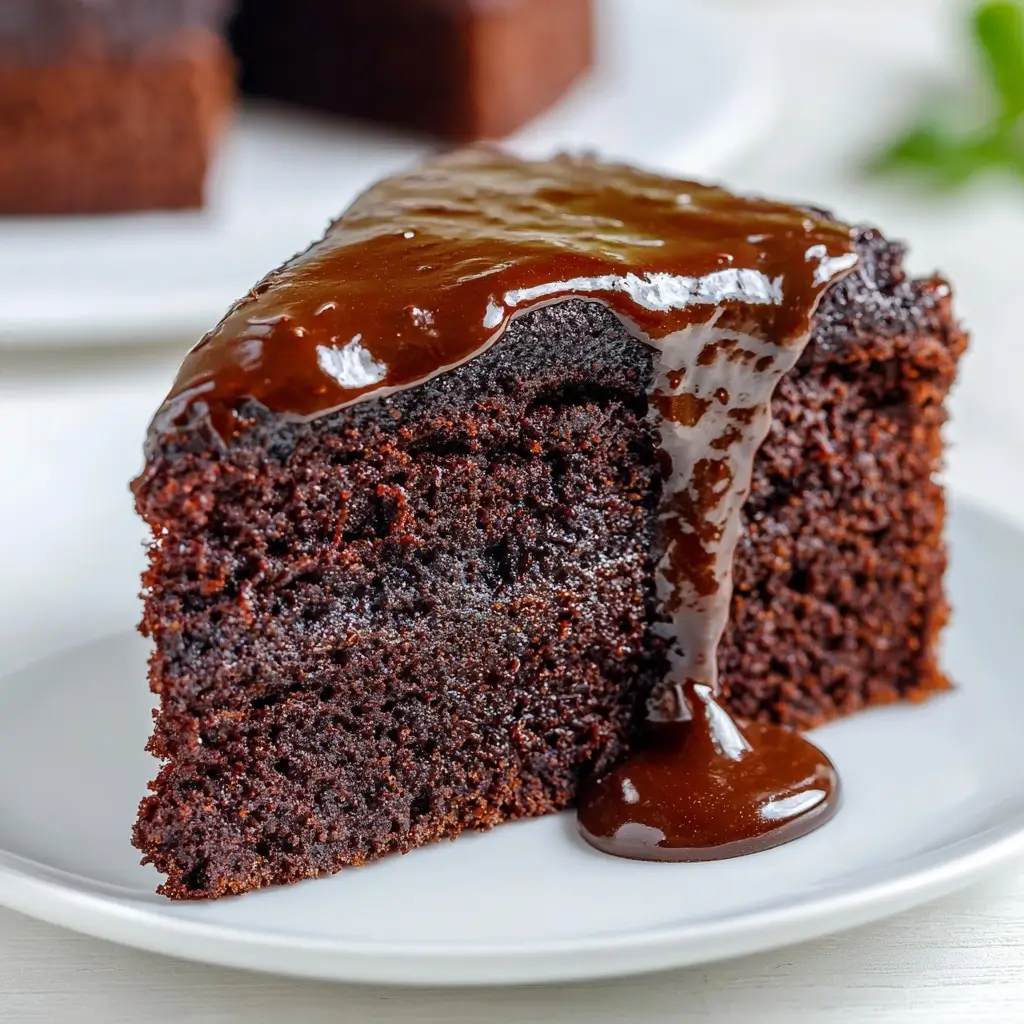
Moist Chocolate Cake
Introduction
There’s something undeniably magical about a perfectly moist chocolate cake. Whether it’s the rich aroma that fills your kitchen, the velvety texture that melts on your tongue, or the deep, indulgent flavor that satisfies even the most intense chocolate cravings — a well-made chocolate cake is more than just dessert; it’s an experience. This recipe is designed to deliver the ultimate moist chocolate cake, one that’s tender, deeply chocolaty, and so soft it practically dissolves in your mouth. Ideal for birthdays, celebrations, or simply when you need a little comfort in a slice, this cake promises to become your go-to favorite.
The History
The history of chocolate cake is a delicious journey that spans centuries and continents. Chocolate itself originated with the ancient Mesoamerican civilizations, such as the Mayans and Aztecs, who consumed it as a bitter beverage. When Spanish explorers brought cacao back to Europe in the 16th century, it gradually transformed into a sweetened drink enjoyed by royalty and nobility. By the 18th and 19th centuries, advancements in chocolate processing — including the invention of cocoa powder by Coenraad van Houten in 1828 — made chocolate more accessible and easier to incorporate into baking.
The first known chocolate cake recipe appeared in American cookbooks in the late 1800s. As leavening agents like baking powder and baking soda became widely available, cakes evolved from dense, flat confections to lighter, fluffier creations. The 20th century saw the rise of boxed cake mixes, which popularized chocolate cake in households across America. However, nothing compares to a homemade version — especially one crafted for maximum moisture and flavor. Our modern take honors that tradition while perfecting the balance of richness, tenderness, and depth of chocolate taste.
Ingredients Breakdown
Every ingredient in this moist chocolate cake plays a crucial role in achieving its signature texture and flavor. Let’s take a closer look:
- All-Purpose Flour: Provides structure to the cake. We use spooned-and-leveled flour to ensure accuracy and avoid a dry, dense crumb.
- Granulated Sugar: Sweetens the cake and helps retain moisture. It also contributes to browning during baking.
- Cocoa Powder (Unsweetened, High-Quality): The heart of the chocolate flavor. We recommend using Dutch-process cocoa for a deeper, smoother taste, though natural cocoa works too.
- Baking Soda & Baking Powder: These leavening agents work together to create a light, airy texture while ensuring the cake rises beautifully.
- Salt: Enhances all the other flavors and balances the sweetness.
- Eggs (Large, Room Temperature): Provide structure, richness, and help emulsify the batter. Room temperature eggs blend more smoothly into the mixture.
- Vegetable Oil: Unlike butter, oil remains liquid at room temperature, contributing significantly to the cake’s moistness and staying power.
- Vanilla Extract: Adds a warm, aromatic depth that complements the chocolate without overpowering it.
- Hot Coffee: Not only intensifies the chocolate flavor but also helps “bloom” the cocoa, unlocking its full potential. Don’t worry — you won’t taste the coffee!
- Buttermilk: Adds tanginess and tenderness while reacting with baking soda to create lift. Its acidity keeps the crumb soft and fine.
Step-by-Step Recipe
- Preheat and Prepare: Preheat your oven to 350°F (175°C). Grease and flour two 9-inch round cake pans or line them with parchment paper for easy release.
- Mix Dry Ingredients: In a large mixing bowl, sift together 2 cups (250g) all-purpose flour, 2 cups (400g) granulated sugar, ¾ cup (75g) unsweetened cocoa powder, 2 teaspoons baking soda, 1 teaspoon baking powder, and 1 teaspoon salt. Sifting ensures no lumps and even distribution.
- Combine Wet Ingredients: In a separate bowl, whisk together 2 large eggs, ½ cup (120ml) vegetable oil, 2 teaspoons vanilla extract, 1 cup (240ml) buttermilk, and 1 cup (240ml) hot brewed coffee. The coffee should be freshly brewed and hot — not boiling, but very warm.
- Combine Wet and Dry: Gradually add the wet ingredients to the dry ingredients, mixing on low speed with a hand mixer or stand mixer until just combined. Do not overmix — stop as soon as the batter is smooth and uniform.
- Pour and Bake: Divide the batter evenly between the prepared pans. Tap the pans gently on the counter to remove air bubbles. Bake for 30–35 minutes, or until a toothpick inserted into the center comes out clean or with a few moist crumbs.
- Cool Completely: Allow the cakes to cool in the pans for 10 minutes, then run a knife around the edges and invert them onto wire racks. Remove parchment if used and let cool completely before frosting — at least 1–2 hours.
- Frost and Serve: Once cooled, frost with your favorite chocolate buttercream, ganache, or whipped cream frosting. Decorate as desired and slice with a sharp knife for clean cuts.
Tips
- Use Room Temperature Ingredients: Eggs and buttermilk mix more evenly into the batter when they’re not cold, resulting in a smoother texture.
- Don’t Overmix: Overmixing develops gluten, which can make the cake tough. Mix until just combined after adding the dry ingredients.
- Sift Your Cocoa Powder: Cocoa tends to clump. Sifting it with the flour prevents pockets of dry cocoa in your cake.
- Hot Liquid is Key: The hot coffee (or hot water, if preferred) helps bloom the cocoa, enhancing the chocolate flavor dramatically.
- Check Oven Temperature: Use an oven thermometer to ensure your oven is at the correct temperature. An inaccurate oven can lead to uneven baking or dryness.
- Cool Before Frosting: A warm cake will melt the frosting and slide apart. Patience ensures a professional-looking finish.
- Store Properly: Keep the cake covered at room temperature for up to 2 days or refrigerate for up to 5 days. Bring to room temperature before serving for best texture.
Variations and Customizations
This moist chocolate cake is incredibly versatile. Here are some creative ways to customize it:
- Gluten-Free Version: Substitute the all-purpose flour with a 1:1 gluten-free baking blend. Ensure your cocoa powder and other ingredients are certified gluten-free.
- Dairy-Free Option: Replace buttermilk with a dairy-free alternative (like almond or soy milk mixed with 1 tablespoon lemon juice or vinegar) and use dairy-free chocolate in the frosting.
- Vegan Adaptation: Use flax eggs (2 tablespoons ground flaxseed + 6 tablespoons water), plant-based milk with acid for buttermilk, and vegan butter or shortening in the frosting.
- Add Ins: Fold in chocolate chips, chopped nuts, or dried cherries for extra texture and flavor.
- Flavor Infusions: Add a pinch of cinnamon, espresso powder, orange zest, or a splash of liqueur like Grand Marnier or Kahlúa for a unique twist.
- Layered Desserts: Turn this cake into a trifle, parfaits, or cake pops. Crumble leftovers and layer with whipped cream and berries.
- Mini Versions: Bake in cupcake tins for 18–22 minutes for individual servings. Great for parties!
- Decorative Touches: Top with fresh berries, edible flowers, chocolate shavings, or gold leaf for an elegant presentation.
Health Considerations and Nutritional Value
While this moist chocolate cake is undeniably indulgent, there are ways to enjoy it mindfully and even make healthier modifications:
- Portion Control: Enjoy a modest slice as part of a balanced diet. One serving (1/12th of the cake) is satisfying without being excessive.
- Reduced Sugar Options: You can reduce the sugar by ¼ cup without drastically affecting texture. Alternatively, use coconut sugar or a sugar substitute like erythritol (though results may vary).
- Healthier Fats: While oil contributes to moisture, you can partially replace it with unsweetened applesauce or mashed banana (replace up to half the oil).
- Protein Boost: Add a scoop of cocoa-flavored protein powder to the dry ingredients for a more filling dessert.
- Nutrient-Rich Toppings: Pair with Greek yogurt, fresh fruit, or a dusting of powdered peanut butter for added nutrition.
- Calorie Estimate: One slice (1/12 of the cake) contains approximately 350–400 calories, depending on frosting. Fat content is around 15–20g, carbs 50–60g, and protein 4–6g.
- Occasional Treat: Remember, desserts are meant to be enjoyed. This cake, while rich, can be part of a healthy lifestyle when consumed in moderation.
Ingredients
- 2 cups (250g) all-purpose flour
- 2 cups (400g) granulated sugar
- ¾ cup (75g) unsweetened cocoa powder (Dutch-process or natural)
- 2 teaspoons baking soda
- 1 teaspoon baking powder
- 1 teaspoon salt
- 2 large eggs, room temperature
- ½ cup (120ml) vegetable oil (or canola oil)
- 2 teaspoons pure vanilla extract
- 1 cup (240ml) buttermilk, room temperature
- 1 cup (240ml) hot brewed coffee (or hot water)
Directions
- Preheat oven to 350°F (175°C). Grease and flour two 9-inch round cake pans, or line with parchment paper.
- In a large bowl, sift together flour, sugar, cocoa powder, baking soda, baking powder, and salt.
- In another bowl, whisk eggs, oil, vanilla, buttermilk, and hot coffee until well blended.
- Pour wet ingredients into dry ingredients. Mix on low speed until just combined. Do not overmix.
- Divide batter evenly between the two pans. Smooth tops with a spatula.
- Bake for 30–35 minutes, or until a toothpick comes out clean.
- Cool in pans for 10 minutes, then transfer to wire racks to cool completely.
- Frost once fully cooled. Store covered at room temperature or refrigerate for longer shelf life.
FAQ
Can I make this cake ahead of time?
Yes! Bake and cool the layers up to two days in advance. Wrap tightly in plastic wrap and store at room temperature, or freeze for up to 3 months.
Can I use water instead of coffee?
Absolutely. While coffee enhances chocolate flavor, hot water works just fine if you prefer to omit coffee.
Why is my cake dry?
Overbaking, too much flour, or overmixing can cause dryness. Measure flour correctly (spoon and level), set a timer, and avoid overmixing.
Can I freeze the cake?
Yes! Unfrosted layers freeze beautifully. Wrap in plastic and foil, then thaw at room temperature before frosting.
What frosting pairs best with this cake?
Chocolate buttercream, Swiss meringue buttercream, chocolate ganache, or cream cheese frosting are all excellent choices.
Can I bake this as a sheet cake?
Yes. Pour into a 9×13-inch greased and floured pan. Bake for 35–40 minutes, or until a toothpick comes out clean.
Is this cake suitable for kids?
Definitely! Kids love the rich chocolate flavor. Just be mindful of portion size due to sugar content.
Summary
A luxuriously moist chocolate cake with a tender crumb, deep cocoa flavor, and perfect balance of sweetness — ideal for any occasion. Easy to customize, reliable to bake, and unforgettable in every bite.