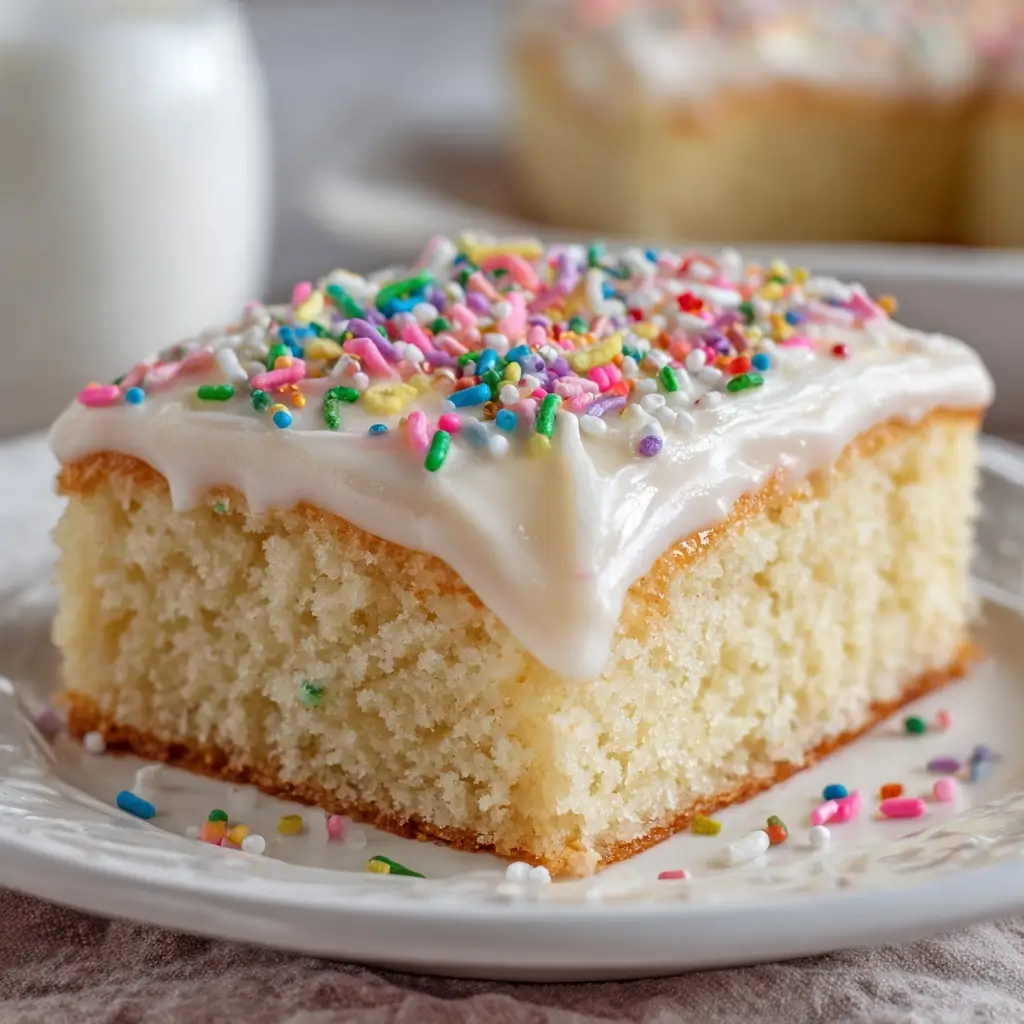
White Texas Sheet Cake
White Texas Sheet Cake: A Sweet Southern Classic
The White Texas Sheet Cake is a beloved staple of American dessert culture, particularly cherished in the Lone Star State. This moist, fluffy, and richly sweet confection has its roots deeply embedded in the heart of Southern baking traditions. Known for its simplicity, large serving size, and decadent flavor, it’s a go-to dessert for church potlucks, family reunions, holiday gatherings, and backyard barbecues across Texas and beyond. Unlike its more chocolatey cousin, the classic Texas sheet cake, the white version embraces a vanilla-forward profile, offering a lighter, airier alternative that appeals to those who prefer a less intense sweetness with a creamy finish.
The History of the White Texas Sheet Cake
The origins of the Texas sheet cake date back to the mid-20th century, when home bakers began adapting traditional layer cakes into simpler, larger formats that could feed crowds with minimal effort. The original Texas sheet cake was typically a chocolate version baked on a rimmed baking sheet—often a half-sheet pan—and topped with a warm, cooked chocolate icing that soaked into the cake, creating a fudgy, moist texture. As American tastes diversified and vanilla became a popular alternative to chocolate, the “white” variation emerged as a lighter counterpart.
This adaptation likely gained traction in the 1960s and 70s, coinciding with the rise of convenience baking and the popularity of boxed cake mixes. Home economists and community cookbooks from Texas frequently featured both chocolate and white versions, emphasizing ease of preparation and crowd-pleasing appeal. The White Texas Sheet Cake evolved not just as a dessert but as a symbol of Texan hospitality—generous, unpretentious, and deliciously satisfying. Over time, it transitioned from humble community kitchens to gourmet bakeries, where modern twists now include premium ingredients and decorative finishes, though the core spirit remains unchanged.
Ingredients Breakdown: What Makes It Special
The beauty of the White Texas Sheet Cake lies in its accessible yet carefully balanced ingredients. Each component plays a crucial role in achieving the signature light crumb, moist texture, and subtly sweet flavor. Here’s a detailed look at what goes into this Southern favorite:
- All-Purpose Flour: Provides structure and stability. Sifted to prevent clumping and ensure even rising.
- Granulated Sugar: Adds sweetness and helps tenderize the crumb. Also contributes to browning during baking.
- Baking Powder and Baking Soda: Leavening agents that work together to give the cake its airy lift. Baking powder reacts with liquids, while baking soda needs an acid (like buttermilk or vinegar) to activate.
- Salt: Enhances flavor and balances the sweetness.
- Unsalted Butter: Adds richness and moisture. Melted and cooled slightly before use to incorporate evenly.
- Whole Milk or Buttermilk: Buttermilk adds tang and tenderness due to its acidity; whole milk provides creaminess. Both help hydrate the dry ingredients.
- Eggs: Act as binders and add structure while contributing to the cake’s soft texture.
- Vanilla Extract: The star flavor enhancer. Pure vanilla extract gives depth and warmth to the sweetness.
- Sour Cream or Greek Yogurt (optional): Often added for extra moisture and a slight tang, improving shelf life and mouthfeel.
- Powdered Sugar (for frosting): Forms the base of the creamy vanilla buttercream or ermine-style icing.
- Butter (for frosting): Creates a smooth, spreadable consistency when creamed with powdered sugar.
- Milk or Cream (for frosting): Adjusts the thickness of the frosting for easy spreading.
- Vanilla Bean Paste or Extract (for frosting): Intensifies the vanilla flavor, especially when using real vanilla bean paste.
The combination of these ingredients results in a cake that’s neither too dense nor too delicate—perfect for slicing into generous squares and serving at any occasion.
Step-by-Step Recipe for White Texas Sheet Cake
Serves: 12–16 | Prep Time: 20 minutes | Bake Time: 25–30 minutes | Total Time: ~1 hour
Ingredients
For the Cake:
- 2 ½ cups (315g) all-purpose flour
- 2 cups (400g) granulated sugar
- 2 teaspoons baking powder
- ½ teaspoon baking soda
- ½ teaspoon salt
- 1 cup (240ml) whole milk, at room temperature
- ½ cup (120ml) buttermilk, at room temperature
- ½ cup (115g) unsalted butter, melted and slightly cooled
- 3 large eggs, room temperature
- 2 teaspoons pure vanilla extract
- ½ cup (120g) sour cream (optional, for extra moisture)
For the Vanilla Buttercream Frosting:
- 1 cup (230g) unsalted butter, softened
- 4 cups (480g) powdered sugar, sifted
- ¼ teaspoon salt
- 2 teaspoons pure vanilla extract
- 4–6 tablespoons heavy cream or whole milk
- Optional: 1 teaspoon vanilla bean paste for flecks and enhanced flavor
Directions
- Preheat oven to 350°F (175°C). Grease a 13×18-inch rimmed baking sheet (half-sheet pan) and line it with parchment paper, leaving overhang on two sides for easy removal. Lightly grease the parchment as well.
- In a large mixing bowl, whisk together the flour, sugar, baking powder, baking soda, and salt until thoroughly combined.
- In a separate bowl or large measuring cup, whisk the milk, buttermilk, melted butter, eggs, vanilla extract, and sour cream (if using) until smooth and fully blended.
- Pour the wet ingredients into the dry ingredients. Use a hand mixer or stand mixer fitted with a paddle attachment to beat on medium speed for 2–3 minutes, until the batter is smooth, creamy, and free of lumps. Do not overmix.
- Pour the batter into the prepared pan, using an offset spatula to spread it evenly into the corners.
- Bake for 25–30 minutes, or until a toothpick inserted into the center comes out clean or with a few moist crumbs. The cake should be golden on top and spring back lightly when touched.
- Cool completely in the pan on a wire rack. This may take 1–2 hours. For faster cooling, place in the refrigerator after 30 minutes at room temperature.
- While the cake cools, prepare the frosting. In a large bowl, beat the softened butter with an electric mixer on medium speed until creamy, about 2 minutes.
- Add the sifted powdered sugar, salt, and vanilla extract. Begin mixing on low to avoid a sugar cloud, then increase to medium-high and beat for 3 minutes until fluffy.
- Add 4 tablespoons of cream or milk, one tablespoon at a time, beating well after each addition. Adjust to reach a spreadable but thick consistency. Add more liquid if needed.
- Frost the cooled cake. Lift by the parchment overhang if needed to access edges. Spread the frosting evenly across the top using an offset spatula or bench scraper for a smooth finish.
- Cut into squares using a sharp knife dipped in hot water and wiped clean between cuts for clean edges.
- Serve at room temperature or chilled. Store leftovers covered in the refrigerator for up to 5 days.
Tips for Perfect White Texas Sheet Cake
- Use room temperature ingredients: Cold eggs or dairy can cause the batter to curdle and affect texture. Take them out 1–2 hours before baking.
- Sift your dry ingredients: Prevents lumps and ensures even distribution of leaveners.
- Don’t overmix the batter: Once the wet and dry ingredients are combined, mix only until smooth. Overmixing develops gluten, leading to a tough cake.
- Check for doneness early: Ovens vary. Start checking at 22 minutes. An overbaked sheet cake becomes dry quickly due to its thin profile.
- Cool completely before frosting: Warm cake will melt the buttercream, causing it to slide off or absorb unevenly.
- Use parchment paper: Ensures effortless removal and clean slicing without scratching your pan.
- Chill before cutting: For ultra-clean slices, refrigerate the frosted cake for 30 minutes before cutting.
- Double the frosting? If you love thick frosting, increase the buttercream by 50% or opt for a meringue-based icing for a lighter topping.
Variations and Customizations
The White Texas Sheet Cake is incredibly versatile. Try these creative twists to personalize your dessert:
- Lemon White Sheet Cake: Add 2 tablespoons lemon zest and 3 tablespoons lemon juice to the batter. Replace vanilla extract with lemon extract. Top with lemon buttercream.
- Almond Vanilla Cake: Substitute 1 teaspoon of vanilla extract with almond extract. Garnish with sliced toasted almonds.
- Coconut White Cake: Add 1 cup shredded sweetened coconut to the batter. Frost with coconut buttercream and sprinkle toasted coconut on top.
- Berry Swirl Cake: Gently fold 1 cup fresh raspberries or blueberries into the batter. Serve with whipped cream and fresh fruit on the side.
- Funfetti Version: Add ½ cup rainbow sprinkles to the batter. Use white chocolate chips for extra fun.
- Dairy-Free Option: Use plant-based butter, almond milk, and coconut yogurt. Ensure powdered sugar is vegan-friendly.
- Gluten-Free Adaptation: Swap all-purpose flour for a high-quality 1:1 gluten-free blend. Add ½ teaspoon xanthan gum if not included.
- Boozy Cake: Brush the cooled cake with a simple syrup infused with Grand Marnier, bourbon, or rum for added moisture and flavor.
- Layered Style: Bake two cakes and stack them with frosting and fresh fruit for a sheet-cake-inspired layer cake.
- Decorated Occasion Cake: Pipe borders, add edible flowers, or write messages with colored icing for birthdays or baby showers.
Health Considerations and Nutritional Value
While undeniably delicious, the White Texas Sheet Cake is a treat best enjoyed in moderation. Here’s a general nutritional breakdown per serving (based on 16 servings):
- Calories: ~380–420 kcal
- Total Fat: 18–22g (mostly from butter and eggs)
- Saturated Fat: 11–13g
- Cholesterol: 85–95mg
- Sodium: 250–300mg
- Total Carbohydrates: 50–55g
- Sugars: 35–40g (primarily from granulated and powdered sugar)
- Protein: 4–5g
- Fiber: 0–1g
Considerations:
- High in Sugar: This cake contains significant added sugars. Diabetics or those managing blood sugar should consume sparingly or explore sugar substitutes like erythritol or monk fruit in both cake and frosting.
- Gluten Content: Contains wheat flour. Those with celiac disease or gluten sensitivity must use certified gluten-free alternatives.
- Dairy Content: Contains milk, butter, and potentially sour cream. Lactose-intolerant individuals may need substitutions.
- Portion Control: Cutting smaller squares (e.g., 2×2 inches instead of 3×3) can reduce calorie intake per serving.
- Nutrient Density: Low in vitamins and minerals. Pair with a side of fresh fruit or a green salad to balance the meal.
- Keto-Friendly? Not suitable for ketogenic diets due to high carbohydrate content. However, low-carb flours and sugar alcohols can be used for a keto adaptation (though texture may vary).
Frequently Asked Questions (FAQ)
Can I make this cake ahead of time?
Yes! Bake and frost the cake up to 2 days in advance. Store covered at room temperature for 1 day or refrigerate for longer. Bring to room temperature before serving for best texture.
Can I freeze the White Texas Sheet Cake?
Absolutely. Wrap unfrosted cake layers tightly in plastic wrap and foil, or freeze the fully frosted cake on a tray before wrapping. Thaw overnight in the refrigerator, then bring to room temperature before serving.
Why did my cake turn out dry?
Overbaking is the most common cause. Check early and use a toothpick test. Also, ensure you’re measuring flour correctly—spoon and level, don’t scoop directly from the bag.
Can I use a boxed cake mix?
Yes. Use a 15.25-ounce box of white cake mix. Follow package instructions for a 9×13-inch pan, but double the recipe for a half-sheet pan. Adjust baking time accordingly.
What pan size should I use?
A standard half-sheet pan (13×18 inches) is ideal. A quarter-sheet (9×13 inches) will yield a thicker cake but requires adjusted baking time (start checking at 20 minutes).
Can I make it eggless?
Yes. Substitute each egg with ¼ cup unsweetened applesauce, mashed banana, or commercial egg replacer. Texture may be slightly denser.
How do I store leftovers?
Cover tightly with plastic wrap or place in an airtight container. Refrigerate for up to 5 days. Freeze for up to 3 months.
Can I use oil instead of butter?
Yes. Substitute melted butter with an equal amount of neutral oil (like canola or vegetable). The cake will be slightly more moist but less rich in flavor.
Is this cake suitable for kids?
Definitely! Its mild sweetness and soft texture make it a hit with children. Customize with funfetti, cartoon-themed decorations, or serve with ice cream for a party favorite.
Summary
The White Texas Sheet Cake is a timeless Southern dessert that combines simplicity, generosity, and delightful vanilla flavor in one unforgettable treat. Perfect for gatherings or satisfying a sweet craving, this easy-to-make cake delivers moist, tender crumb and creamy frosting in every bite.