Key Lime Pie
Introduction
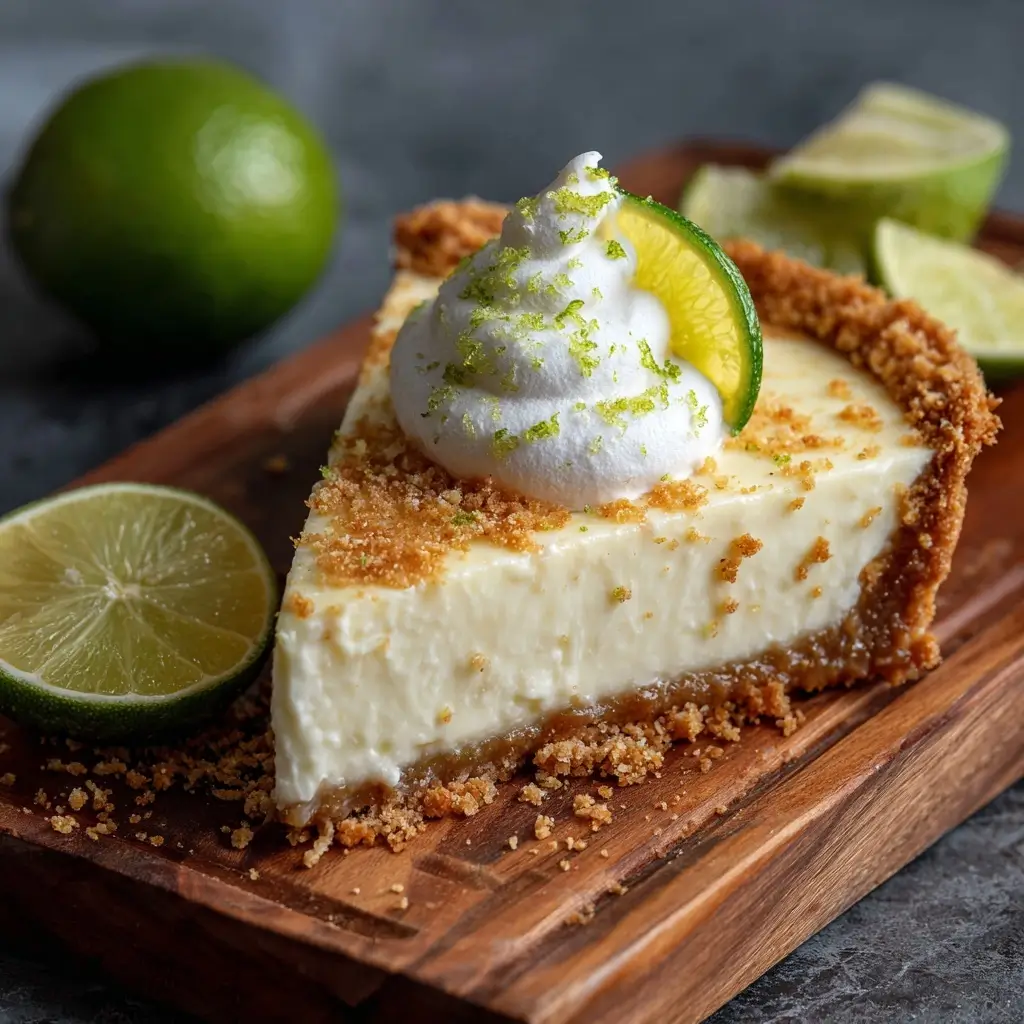
Key Lime Pie is one of the most iconic and beloved desserts in American cuisine, particularly associated with the sunny shores of the Florida Keys. This creamy, tangy, and refreshingly sweet pie has captured the hearts—and taste buds—of dessert lovers across the country and around the world. With its vibrant green-tinged filling, flaky crust, and cloud-like meringue or whipped topping, Key Lime Pie is more than just a dessert—it’s a symbol of tropical relaxation and culinary simplicity. Whether you’re enjoying it on a sweltering summer day or as a nostalgic treat during the holidays, this pie offers a perfect balance of tartness and sweetness that makes each bite utterly irresistible.
The History
The origins of Key Lime Pie can be traced back to the late 19th century in the Florida Keys, where both limes and condensed milk were readily available. Before refrigeration became common, fresh milk was hard to come by in the subtropical climate, but sweetened condensed milk—a shelf-stable alternative—was widely used. The native Key limes, smaller and more aromatic than the common Persian lime, grew abundantly in backyard groves throughout the islands. Resourceful home cooks combined these ingredients with egg yolks to create a custard that could set without baking, resulting in what would eventually become known as Key Lime Pie.
Though early versions may have been baked slightly to stabilize the filling, modern interpretations often rely on the acidity of the lime juice to “cook” the eggs through a process called denaturation, similar to ceviche. Over time, the recipe evolved, gaining popularity not only locally but nationally, especially after being featured in cookbooks and promoted by tourism boards. In 2006, Key Lime Pie was officially designated as the “State Pie of Florida,” cementing its status as a cultural and culinary treasure. Today, variations abound, but purists still swear by the traditional method using real Key limes, graham cracker crust, and a fluffy topping.
Ingredients Breakdown
The magic of Key Lime Pie lies in its simplicity—just a handful of high-quality ingredients come together to create a rich, velvety dessert. Let’s break them down:
- Key Limes: These small, thin-skinned limes are more fragrant and slightly more acidic than regular limes. They give the pie its signature tart flavor and pale yellow-green hue. If true Key limes are unavailable (they can be hard to find outside Florida), Persian limes can be used as a substitute, though the flavor will be less intense.
- Sweetened Condensed Milk: This thick, sugary milk provides the base for the custard, adding sweetness and creaminess while helping the filling set. It’s essential to use sweetened condensed milk, not evaporated milk, which lacks sugar and won’t yield the same texture.
- Egg Yolks: Traditionally, three large egg yolks are used to enrich the custard and help it thicken. Some recipes call for baking the pie briefly to fully cook the eggs, while others rely on the lime juice’s acidity to firm up the mixture.
- Graham Cracker Crust: A buttery, crunchy foundation made from crushed graham crackers, sugar, and melted butter. It complements the tart filling perfectly and adds textural contrast.
- Whipping Cream or Meringue (optional): Many versions of Key Lime Pie are topped with softly whipped cream or a toasted meringue. Whipped cream adds a cool, airy finish, while meringue brings a delicate sweetness and visual flair.
- Zest and Juice: Freshly grated Key lime zest enhances the aroma, while the juice delivers the unmistakable tang that defines the pie.
Each ingredient plays a crucial role in achieving the perfect balance between sweet, tart, creamy, and crunchy—making every component indispensable.
Step-by-Step Recipe
- Prepare the Crust: Preheat your oven to 350°F (175°C). In a medium bowl, combine 1 ½ cups finely crushed graham cracker crumbs, ⅓ cup granulated sugar, and 6 tablespoons melted unsalted butter. Mix until the crumbs are evenly moistened. Press the mixture firmly into the bottom and up the sides of a 9-inch pie dish. Bake for 8–10 minutes until lightly golden. Remove and let cool completely on a wire rack.
- Juice the Limes: Roll 12–16 Key limes (or 4–6 Persian limes) on the counter to loosen the juice. Cut them in half and juice them using a citrus juicer or reamer. You’ll need about ½ cup (4 oz / 120 ml) of fresh lime juice. While juicing, grate the zest of 2–3 limes for added fragrance.
- Make the Filling: In a large mixing bowl, pour one 14-ounce can of sweetened condensed milk. Add the lime juice and zest. Stir gently to combine. Then, add 3 large egg yolks and whisk for 1–2 minutes until smooth, thickened, and slightly pale yellow. Do not overmix.
- Assemble the Pie: Pour the filling into the cooled graham cracker crust. Smooth the top with a spatula. At this point, you can either chill the pie to set (no-bake method) or bake it for stability and food safety.
- Baking Option (Recommended for Fully Cooked Eggs): If baking, place the pie in the preheated oven at 350°F for 15 minutes, or until the filling is just set and no longer jiggly in the center. Avoid overbaking to prevent cracking.
- Cool and Chill: Allow the pie to cool to room temperature, then refrigerate for at least 4 hours—or preferably overnight—to allow the filling to fully set and flavors to meld.
- Add Topping: Just before serving, top with freshly whipped cream or meringue. For whipped cream, beat 1 cup heavy cream with 2 tablespoons powdered sugar and ½ teaspoon vanilla extract until stiff peaks form. Spread or pipe decoratively over the pie.
- Serve: Slice with a sharp knife dipped in hot water for clean cuts. Garnish with additional lime zest or thin lime slices if desired.
Tips
- Use Fresh Limes: Never substitute bottled lime juice. The flavor difference is dramatic, and fresh juice is essential for authentic taste.
- Don’t Skip the Zest: Lime zest contains essential oils that enhance the aroma and depth of flavor significantly.
- Cool the Crust Completely: Always let the baked crust cool before adding the filling to prevent sogginess or premature setting.
- Avoid Overmixing: Once you add the egg yolks, mix just until smooth. Overbeating can incorporate too much air and lead to bubbles or cracks.
- Chill Thoroughly: Patience is key. Rushing the chilling process results in a runny filling. Overnight refrigeration yields the best texture.
- Prevent Weeping in Meringue: If using meringue, spread it all the way to the edges of the crust to seal it and prevent shrinking. Bake at low heat (325°F) for 10–12 minutes until golden.
- Wipe the Rim: After pouring the filling, use a damp paper towel to clean any smudges on the edge of the crust for a clean presentation.
- Freezing? While not traditional, you can freeze Key Lime Pie for up to 1 month. Wrap tightly in plastic and thaw in the fridge before serving. Note: whipped cream may lose texture.
Variations and Customizations
While the classic Key Lime Pie is timeless, there are many creative ways to personalize this dessert:
- Coconut Key Lime Pie: Add ½ cup shredded coconut to the crust or fold ¼ cup coconut milk into the filling for a tropical twist.
- Gluten-Free Version: Use gluten-free graham crackers or a nut-based crust (like almond flour and butter) for a celiac-friendly option.
- Vegan Key Lime Pie: Substitute condensed milk with a vegan version (coconut milk-based), use flax eggs (1 tbsp ground flax + 3 tbsp water per egg yolk), and opt for a plant-based crust.
- Mini Pies: Make individual servings using muffin tins or tart pans. Perfect for parties!
- Baked vs. No-Bake: Traditionalists prefer the no-bake version for its silky texture, but baking ensures the eggs are fully cooked, which is safer for pregnant individuals, young children, or those with compromised immune systems.
- Lime Varieties: Experiment with kaffir lime leaves (infused in cream) or Meyer lemons for a floral-citrus hybrid flavor.
- Boozy Pie: Add 1–2 tablespoons of rum, tequila, or Grand Marnier to the filling for an adult version.
- Crust Alternatives: Try chocolate cookie crust, shortbread, or even a pretzel crust for a sweet-and-salty contrast.
- Fruit Toppings: Top with mango salsa, raspberry coulis, or fresh berries for added color and freshness.
- Layered Parfaits: Layer the filling with graham cracker crumbs in glasses for a deconstructed version.
Health Considerations and Nutritional Value
Key Lime Pie is undeniably delicious, but like most desserts, it should be enjoyed in moderation. Here’s a breakdown of its nutritional profile and health considerations:
- Calories: One slice (1/8 of a 9-inch pie) typically contains 300–400 calories, depending on the recipe and toppings.
- Sugar Content: High due to sweetened condensed milk and added sugar in the crust. A single serving can contain 25–35 grams of sugar—close to the daily recommended limit for women.
- Fat: Contains saturated fat from butter and egg yolks. Using reduced-fat alternatives can lower this, but may affect texture and flavor.
- Calcium and Protein: Provides some calcium and protein from dairy and eggs, though not in significant amounts.
- Food Safety: Raw egg yolks pose a minimal risk of salmonella. To mitigate this, use pasteurized eggs or briefly cook the filling over a double boiler before pouring into the crust.
- Dietary Modifications: Diabetics should be cautious due to high sugar content. Low-sugar or sugar-free condensed milk alternatives exist but may alter taste and consistency.
- Portion Control: Serve smaller slices with fresh fruit on the side to balance indulgence with nutrition.
- Allergens: Contains dairy, eggs, and wheat (in traditional graham crackers). Always check labels for allergen warnings if serving to sensitive individuals.
While not a health food, Key Lime Pie can be part of a balanced diet when enjoyed occasionally and mindfully.
Ingredients
- 1 ½ cups graham cracker crumbs (about 10 full crackers)
- ⅓ cup granulated sugar
- 6 tablespoons unsalted butter, melted
- 1 (14 oz) can sweetened condensed milk
- ½ cup (4 oz) fresh Key lime juice (from 12–16 Key limes or 4–6 Persian limes)
- 1 tablespoon finely grated Key lime zest
- 3 large egg yolks, at room temperature
- 1 cup heavy whipping cream (for topping)
- 2 tablespoons powdered sugar (for whipped cream)
- ½ teaspoon pure vanilla extract (for whipped cream)
- Lime slices or zest (for garnish, optional)
Directions
- Preheat oven to 350°F (175°C). In a bowl, mix graham cracker crumbs, granulated sugar, and melted butter. Press firmly into a 9-inch pie dish, covering bottom and sides evenly.
- Bake crust for 8–10 minutes until lightly golden. Cool completely on a wire rack.
- Juice the limes to get ½ cup of juice. Grate 1 tablespoon of zest from 2–3 limes.
- In a large bowl, combine sweetened condensed milk, lime juice, and zest. Stir well.
- Add egg yolks and whisk for 1–2 minutes until thick and smooth.
- Pour filling into cooled crust. Smooth the top with a spatula.
- Option 1 (No-Bake): Refrigerate for at least 4 hours or overnight.
- Option 2 (Baked): Bake at 350°F for 15 minutes until filling is set. Cool, then refrigerate.
- When ready to serve, make whipped cream: beat heavy cream, powdered sugar, and vanilla until stiff peaks form.
- Spread or pipe whipped cream over the chilled pie. Garnish with lime zest or slices.
- Slice and serve cold. Store leftovers covered in the refrigerator for up to 4 days.
FAQ
Can I use bottled lime juice?
No, bottled juice lacks the fresh, vibrant flavor and natural oils found in freshly squeezed limes. It also often contains preservatives that can affect the texture and taste.
Why is my pie runny?
This usually happens if the pie wasn’t chilled long enough or if too much juice was added. Ensure proper chilling time and measure juice accurately.
Can I make Key Lime Pie ahead of time?
Absolutely! It keeps well in the fridge for 3–4 days. Add whipped cream just before serving to maintain texture.
Is Key Lime Pie supposed to be green?
No. Authentic Key Lime Pie has a pale yellow or light green tint from the lime juice and egg yolks. Bright green versions often use food coloring.
Can I freeze Key Lime Pie?
Yes, but without whipped cream. Wrap tightly and freeze for up to 1 month. Thaw in the refrigerator before serving.
Are Key limes necessary?
Ideal, yes—but Persian limes work in a pinch. You may need to adjust the amount slightly to match the tartness.
What’s the difference between Key Lime Pie and regular lime pie?
True Key Lime Pie uses Key limes (more aromatic and tart), has a simpler ingredient list, and traditionally features a graham cracker crust. Regular lime pies may use artificial flavors or different crusts.
Can I make it without eggs?
Traditional texture relies on eggs, but some no-egg versions use gelatin or cornstarch as a thickener. Results vary.
Summary
Key Lime Pie is a refreshing, tangy dessert that combines fresh lime juice, sweetened condensed milk, and a buttery graham cracker crust for a perfect balance of sweet and sour. Chilled to perfection and topped with whipped cream, it’s a timeless treat that brings the taste of the tropics to any table.