Vanilla Bean Pound Cake
Introduction
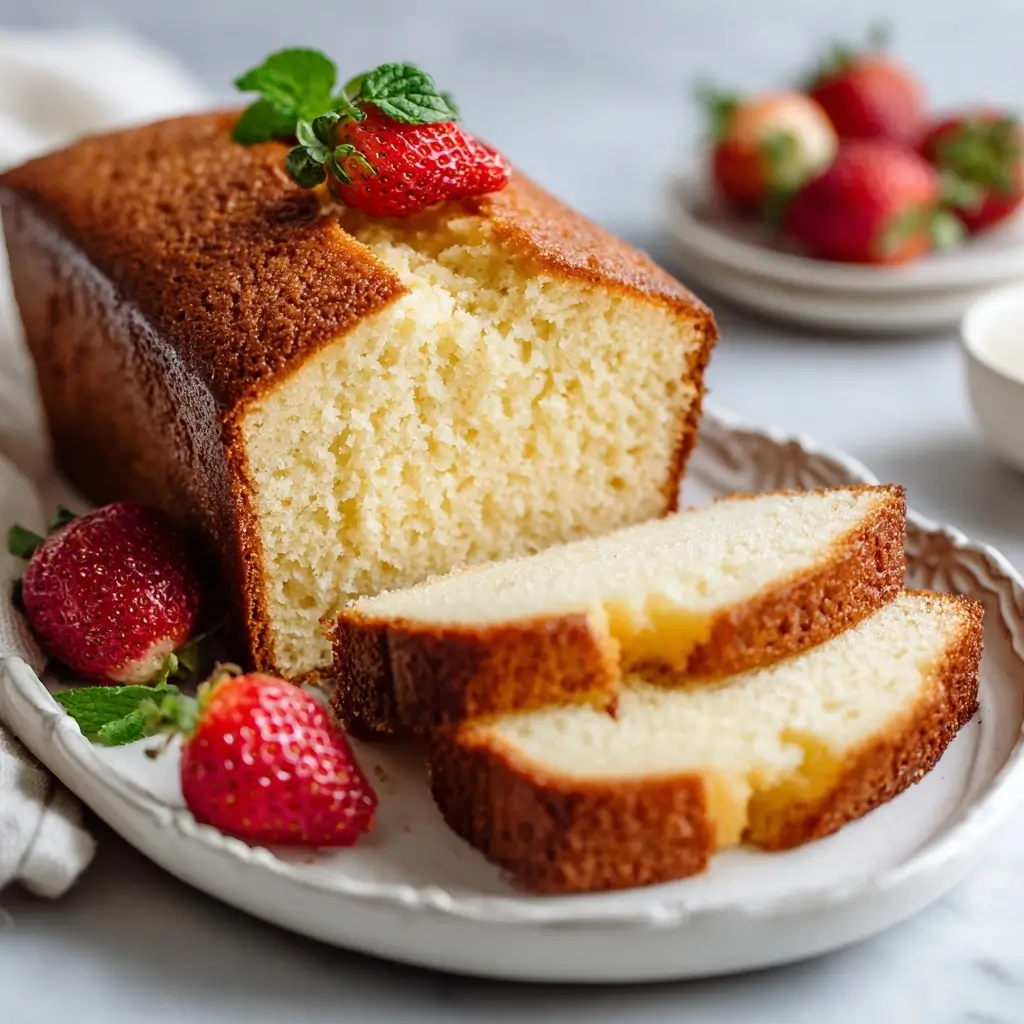
There’s something undeniably comforting about the rich, buttery aroma of a freshly baked Vanilla Bean Pound Cake wafting through the kitchen. This timeless dessert, with its golden crust, tender crumb, and luxurious flecks of real vanilla bean, is more than just a cake—it’s a celebration of simplicity and elegance. Revered for its dense yet moist texture and pure vanilla flavor, this classic confection has graced dinner tables, holiday gatherings, and afternoon tea services for generations. Whether served plain, dusted with powdered sugar, or paired with fresh berries and whipped cream, a slice of Vanilla Bean Pound Cake offers a moment of indulgence that feels both nostalgic and sophisticated.
The History
The origins of pound cake trace back to 18th-century Europe, where it was first documented in English cookbooks as a straightforward recipe calling for one pound each of flour, sugar, butter, and eggs—hence the name “pound cake.” This easy-to-remember ratio made it accessible even to home bakers with limited measuring tools. The cake was prized not only for its richness but also for its long shelf life, making it ideal for storage before modern refrigeration. As baking techniques evolved, so did the recipe. By the 19th century, leavening agents like baking powder began to appear, lightening the traditionally dense texture. The American South adopted and refined the pound cake, turning it into a symbol of hospitality and culinary pride. Adding real vanilla bean—a luxury ingredient once reserved for the elite—elevated the humble pound cake into a gourmet treat. Today, the Vanilla Bean Pound Cake stands as a testament to centuries of culinary tradition, blending historical roots with contemporary refinement.
Ingredients Breakdown
The magic of a perfect Vanilla Bean Pound Cake lies in the quality and balance of its ingredients. Each component plays a crucial role in achieving the signature texture and flavor profile:
- Unsalted Butter: Provides richness and contributes to the cake’s dense, velvety crumb. Using unsalted butter allows control over the salt content and ensures freshness.
- Granulated Sugar: Not only sweetens the cake but also aerates the batter when creamed with butter, contributing to a fine, even texture.
- Large Eggs: Act as both a binder and leavening agent. Room-temperature eggs integrate more smoothly into the batter, preventing curdling.
- Pure Vanilla Extract: Enhances the overall vanilla flavor. While the vanilla bean provides visual and aromatic depth, extract ensures consistent taste throughout.
- Vanilla Bean: The star ingredient. Scraping the seeds from a whole vanilla pod infuses the cake with speckles of flavor and an intoxicating floral aroma that imitation vanillas simply can’t match.
- All-Purpose Flour: Offers structure. Sifted to remove lumps, it ensures a smooth batter and even rise.
- Baking Powder: A small amount introduces lift, transforming the traditionally heavy pound cake into a more tender, airy dessert without sacrificing density.
- Salt: Balances sweetness and enhances all other flavors, making them pop.
- Sour Cream (or Whole Milk): Adds moisture and fat, contributing to a luxuriously soft crumb. Sour cream also lends a subtle tang that rounds out the sweetness.
Using high-quality, preferably organic ingredients—especially European-style butter with a higher fat content—can dramatically improve the final product.
Step-by-Step Recipe
- Preheat and Prepare: Preheat your oven to 325°F (165°C). Generously grease a 9×5-inch loaf pan with softened butter, then dust with flour, tapping out excess. Alternatively, use parchment paper to line the bottom and sides for effortless removal.
- Cream Butter and Sugar: In a large mixing bowl or stand mixer fitted with a paddle attachment, beat 1½ cups (340g) unsalted butter on medium speed until creamy, about 1 minute. Gradually add 1¾ cups (350g) granulated sugar and beat on high for 4–5 minutes until the mixture is pale, fluffy, and almost white. Scrape down the sides as needed.
- Incorporate Vanilla Bean and Extract: Split one vanilla bean lengthwise and scrape the seeds into the butter-sugar mixture. Add 1 tablespoon of pure vanilla extract. Mix briefly to distribute the speckles evenly.
- Add Eggs One at a Time: Crack in 4 large eggs, one at a time, beating well after each addition. Wait until each egg is fully incorporated before adding the next. This prevents curdling and ensures a smooth emulsion. After the last egg, beat for another 30 seconds to aerate.
- Combine Dry Ingredients: In a separate bowl, sift together 2¼ cups (280g) all-purpose flour, 1½ teaspoons baking powder, and ½ teaspoon fine sea salt. Whisk to blend thoroughly.
- Mix in Dry Ingredients Alternately with Sour Cream: With the mixer on low, add the dry ingredients in three parts, alternating with ½ cup (120g) full-fat sour cream in two parts. Begin and end with the flour mixture. Mix only until just combined—do not overmix, as this can lead to a tough cake.
- Scrape and Smooth: Use a rubber spatula to scrape the batter from the sides and bottom of the bowl, folding gently to ensure uniformity. Transfer the batter into the prepared loaf pan, smoothing the top with an offset spatula for an even rise.
- Bake: Place the pan in the center of the preheated oven. Bake for 70–85 minutes, or until a wooden skewer inserted into the center comes out clean or with just a few moist crumbs. The top should be deeply golden brown and spring back lightly when touched.
- Cool Properly: Let the cake cool in the pan on a wire rack for 15 minutes. Then, carefully invert it onto the rack, remove the pan, and allow it to cool completely before slicing—this helps prevent crumbling.
Tips
- Room-Temperature Ingredients: Ensure butter, eggs, and sour cream are at room temperature (about 70°F) for seamless blending and a lump-free batter.
- Don’t Overbake: Even if the cake looks done, check early and often. Overbaking leads to dryness. Use a thermometer: the internal temperature should read around 200–205°F when done.
- Use a Scale: For precision, weigh your ingredients. Baking is a science, and volume measurements can vary significantly.
- Rotate the Pan: If your oven has hot spots, rotate the pan halfway through baking for even browning.
- Loaf Pan Size Matters: A 9×5-inch pan is ideal. Smaller pans may cause overflow; larger ones yield flatter cakes.
- Rest Before Slicing: Allow the cake to cool completely—ideally for 2 hours—to set the crumb and achieve clean slices.
- Enhance Flavor: Brush the warm cake with a simple syrup made from equal parts sugar and water, infused with extra vanilla, to lock in moisture and intensify flavor.
Variations and Customizations
The beauty of Vanilla Bean Pound Cake lies in its versatility. Once you’ve mastered the classic version, try these creative twists:
- Lemon Vanilla Bean: Add 2 tablespoons of finely grated lemon zest and 1 tablespoon of lemon juice to the batter. Serve with a lemon glaze.
- Almond Vanilla: Substitute ½ cup of flour with almond flour and add 1 teaspoon of almond extract for a nutty complexity.
- Chocolate Swirl: Melt ½ cup of dark chocolate and swirl into the batter before baking for a marbled effect.
- Berry-Studded: Fold in 1 cup of fresh raspberries or blueberries (tossed in flour) for bursts of juicy tartness.
- Glazed Top: Drizzle with a vanilla or cream cheese glaze after cooling. Add sprinkles or edible flowers for elegance.
- Mini Loaves or Bundt: Divide the batter among mini loaf pans (adjust baking time to 40–50 minutes) or pour into a greased and floured Bundt pan for a stunning presentation.
- Spiced Vanilla: Add ½ teaspoon of ground cinnamon, nutmeg, or cardamom for a warm, aromatic twist—perfect for fall and winter.
Health Considerations and Nutritional Value
While undeniably delicious, traditional Vanilla Bean Pound Cake is rich in calories, saturated fat, and sugar. A typical slice (1/12th of the cake) contains approximately:
- Calories: 380–420
- Total Fat: 22–25g (mostly from butter)
- Saturated Fat: 13–15g
- Carbohydrates: 45–50g
- Sugars: 30–35g
- Protein: 6–7g
- Cholesterol: ~100mg
To make a lighter version:
- Replace half the butter with unsweetened applesauce or mashed banana.
- Use a sugar substitute like erythritol or monk fruit, though this may affect texture.
- Substitute all-purpose flour with a whole wheat pastry or gluten-free blend.
- Reduce sugar by ¼ cup without drastically compromising taste.
- Use Greek yogurt instead of sour cream for added protein.
Enjoy in moderation as part of a balanced diet. Those with dairy, egg, or gluten sensitivities should explore allergen-friendly alternatives carefully.
Ingredients
- 1½ cups (340g) unsalted butter, softened
- 1¾ cups (350g) granulated sugar
- 4 large eggs, room temperature
- 1 vanilla bean, split and seeds scraped
- 1 tablespoon pure vanilla extract
- 2¼ cups (280g) all-purpose flour, sifted
- 1½ teaspoons baking powder
- ½ teaspoon fine sea salt
- ½ cup (120g) full-fat sour cream, room temperature
Directions
- Preheat oven to 325°F (165°C). Grease and flour a 9×5-inch loaf pan or line with parchment paper.
- In a stand mixer, beat butter and sugar on high until light and fluffy (4–5 minutes).
- Mix in vanilla bean seeds and vanilla extract.
- Add eggs one at a time, beating well after each. Scrape bowl as needed.
- In a separate bowl, whisk together flour, baking powder, and salt.
- With mixer on low, add dry ingredients in three parts, alternating with sour cream in two parts. Begin and end with flour. Mix until just combined.
- Transfer batter to loaf pan, smooth top, and tap gently to release air bubbles.
- Bake 70–85 minutes, until golden and a skewer comes out clean.
- Cool in pan 15 minutes, then transfer to wire rack to cool completely.
- Slice with a serrated knife and serve.
FAQ
Can I use vanilla paste instead of a vanilla bean?
Yes! Vanilla paste combines the flavor of extract with the visual appeal of real seeds. Use 1–2 teaspoons in place of the bean.
Why is my pound cake dense?
Density is traditional, but excessive heaviness may result from overmixing, cold ingredients, or expired baking powder.
How do I store Vanilla Bean Pound Cake?
Wrap tightly in plastic wrap and store at room temperature for up to 3 days, or refrigerate for up to 1 week. Freeze for up to 3 months.
Can I freeze this cake?
Absolutely. Cool completely, wrap in plastic and foil, and freeze. Thaw overnight in the refrigerator or at room temperature for 2–3 hours.
Why did my cake crack on top?
A crack is normal and often indicates proper rise and a good crust. To minimize cracking, bake at a slightly lower temperature or place a pan of water in the oven for steam.
Can I make this in a bundt pan?
Yes. Use a 10-cup Bundt pan and increase baking time to 60–75 minutes. Check for doneness with a skewer.
What makes this different from regular vanilla cake?
Pound cake has a higher butter and egg content, resulting in a denser, richer texture compared to lighter, fluffier vanilla cakes.
Summary
A luxuriously rich Vanilla Bean Pound Cake, bursting with real vanilla flavor and boasting a velvety crumb, is the ultimate expression of classic baking craftsmanship. Simple in ingredients but exceptional in taste, it’s a timeless dessert that brings warmth and elegance to any occasion.