Double Chocolate Layer Cake
Double Chocolate Layer Cake: A Decadent Delight for Chocolate Lovers
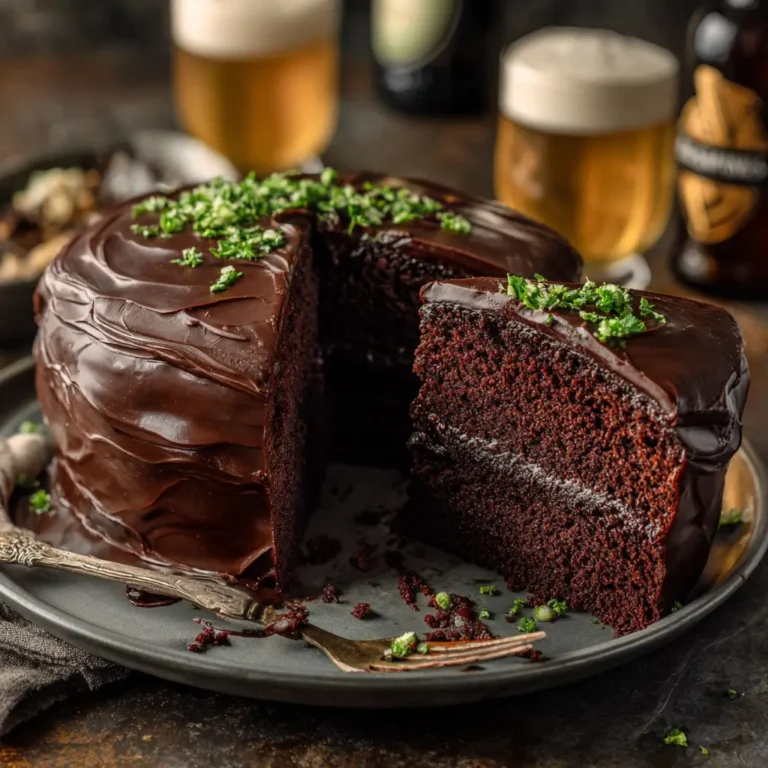
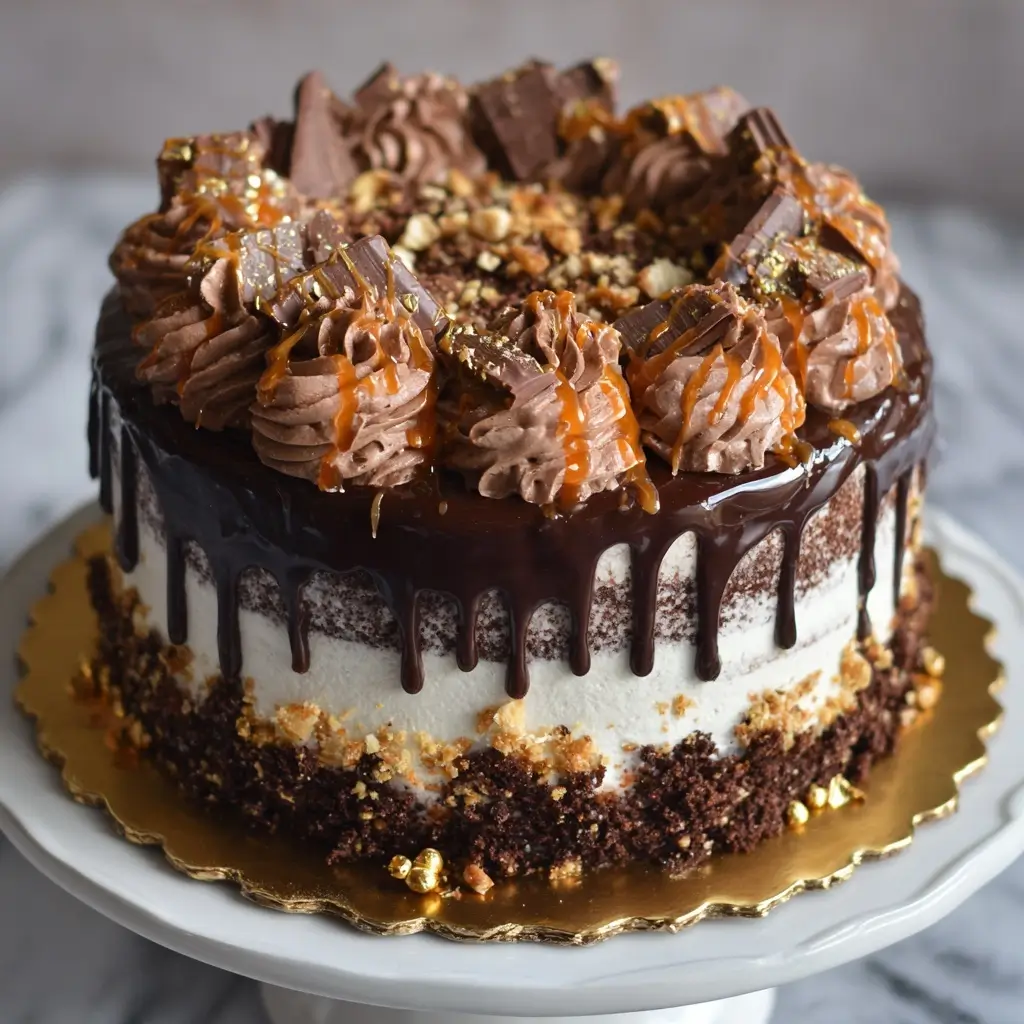
If you’re a true chocolate enthusiast, nothing satisfies the craving quite like a rich, moist, and deeply indulgent Double Chocolate Layer Cake. This luxurious dessert features layers of ultra-chocolatey cake smothered in a silky chocolate ganache or buttercream frosting, creating an irresistible treat perfect for birthdays, celebrations, or simply satisfying a sweet tooth. With its dense crumb, intense cocoa flavor, and velvety finish, this cake stands as a masterpiece in the world of desserts. Whether you’re baking for a crowd or treating yourself to a slice with a cup of coffee, this double chocolate creation promises pure bliss in every bite.
The History of Chocolate Cake
The story of chocolate cake traces back to the early 1800s when Dutch chemist Coenraad van Houten invented a method for processing cocoa beans into a fine powder—now known as “Dutch-processed cocoa.” This innovation made chocolate more accessible for baking and led to the development of chocolate cakes. By the late 19th century, cookbooks began featuring recipes that combined cocoa with sugar, flour, and eggs to create tender chocolate confections.
The concept of layer cakes emerged during the Victorian era, where elaborate desserts symbolized status and celebration. As ovens improved and ingredients became more widely available, home bakers embraced multi-layered cakes adorned with frosting. The double chocolate variation—a cake that uses both cocoa in the batter and melted chocolate—didn’t gain widespread popularity until the mid-20th century, coinciding with the rise of gourmet baking and premium chocolate brands.
Today, the Double Chocolate Layer Cake is a modern classic, often elevated with high-quality dark chocolate, espresso to deepen flavor, and creative additions like chocolate curls, berries, or liqueurs. It’s a testament to how far chocolate has come—from a sacred Mesoamerican beverage to the star of one of the world’s most beloved desserts.
Ingredients Breakdown: Why Each Matters
To achieve the perfect Double Chocolate Layer Cake, understanding your ingredients is crucial. Every component plays a role in texture, moisture, structure, and, of course, flavor. Here’s a detailed look at what goes into this decadent dessert:
- All-Purpose Flour: Provides the structural base of the cake. It contains just the right amount of gluten to give the cake support without making it tough.
- Granulated Sugar: Sweetens the cake and contributes to its tender texture by interfering with gluten formation. It also helps with browning during baking.
- Cocoa Powder (Unsweetened, preferably Dutch-processed): Imparts deep chocolate flavor. Dutch-processed cocoa is alkalized, resulting in a smoother, richer taste compared to natural cocoa.
- Baking Soda & Baking Powder: Work together as leavening agents. Baking soda reacts with acidic ingredients (like buttermilk or vinegar), while baking powder provides additional lift for a fluffy crumb.
- Salt: Enhances all flavors, balancing sweetness and intensifying the chocolate notes.
- Eggs: Add richness, structure, and help emulsify the batter. They also contribute to the cake’s golden color and soft texture.
- Butter (Unsalted): Adds moisture, flavor, and tenderness. Creaming butter with sugar traps air, helping the cake rise.
- Vegetable Oil: Keeps the cake moist. Unlike butter, oil remains liquid at room temperature, contributing to a softer crumb.
- Vanilla Extract: Complements the chocolate with warm, floral notes, enhancing overall complexity.
- Buttermilk: Adds acidity, which activates the baking soda and tenderizes the gluten. It also keeps the cake moist and rich.
- Hot Coffee or Hot Water: Dissolves cocoa and intensifies chocolate flavor. Coffee, in particular, deepens the taste without making the cake taste like coffee.
- Dark Chocolate (70% cacao or higher): Melted and folded into the batter or frosting, this is what makes the cake “double” chocolate. High-quality chocolate ensures a smooth, glossy finish and complex flavor.
Step-by-Step Recipe: How to Make the Ultimate Double Chocolate Layer Cake
Follow these detailed instructions to create a show-stopping Double Chocolate Layer Cake from scratch. This recipe yields a three-layer 8-inch cake, ideal for 10–12 servings.
Ingredients
For the Chocolate Cake Layers:
- 2 cups (250g) all-purpose flour
- 2 cups (400g) granulated sugar
- ¾ cup (75g) unsweetened Dutch-processed cocoa powder
- 2 tsp baking powder
- 1½ tsp baking soda
- 1 tsp salt
- 2 large eggs, at room temperature
- 1 cup (240ml) buttermilk, at room temperature
- ½ cup (120ml) vegetable oil
- 2 tsp pure vanilla extract
- 1 cup (240ml) hot strong coffee or hot water
For the Chocolate Ganache Frosting:
- 12 oz (340g) high-quality dark chocolate, finely chopped
- 1½ cups (360ml) heavy cream
- ¼ cup (56g) unsalted butter, cubed
- 1 tsp vanilla extract
- Pinch of salt
Optional Garnishes:
- Chocolate shavings or curls
- Fresh raspberries or strawberries
- Edible gold flakes or sprinkles
- Whipped cream rosettes
Directions
- Preheat & Prepare: Preheat your oven to 350°F (175°C). Grease three 8-inch round cake pans with butter or non-stick spray, then line the bottoms with parchment paper. Dust lightly with cocoa powder to prevent sticking.
- Mix Dry Ingredients: In a large bowl, sift together the flour, sugar, cocoa powder, baking powder, baking soda, and salt. Sifting prevents lumps and aerates the mixture for a lighter cake.
- Add Wet Ingredients: In a separate bowl, whisk the eggs, buttermilk, oil, and vanilla until smooth. Gradually add the wet mixture to the dry ingredients, mixing on low speed with a hand mixer or stand mixer until just combined.
- Incorporate Hot Liquid: Carefully pour in the hot coffee (or water) while mixing on low. The batter will be thin—this is normal. Do not overmix; stir just until uniform. The heat helps bloom the cocoa, maximizing chocolate flavor.
- Divide & Bake: Evenly divide the batter among the prepared pans. Tap each pan gently on the counter to release air bubbles. Bake for 28–33 minutes, or until a toothpick inserted into the center comes out clean or with a few moist crumbs.
- Cool Completely: Let the cakes cool in their pans for 10 minutes, then run a knife around the edges and invert them onto wire racks. Remove parchment paper and allow them to cool completely—about 1–2 hours. Warm cakes will melt the frosting.
- Make the Ganache: Place chopped chocolate in a heatproof bowl. Heat the heavy cream in a saucepan over medium heat until it begins to simmer (do not boil). Pour the hot cream over the chocolate and let sit for 2–3 minutes. Gently stir until smooth. Stir in the butter, vanilla, and salt until fully incorporated. Let cool at room temperature for 30–45 minutes, stirring occasionally, until it thickens to a spreadable consistency. For faster cooling, refrigerate in 5-minute intervals, stirring between each.
- Assemble the Cake: Level the tops of the cooled cakes with a serrated knife if needed. Place the first layer on a cake stand or plate. Spread a generous amount of ganache over it. Repeat with the second layer, then top with the final layer. Apply a thin crumb coat over the entire cake and refrigerate for 15–20 minutes to set.
- Frost & Decorate: Once the crumb coat is firm, apply a final, thick layer of ganache. Use a bench scraper or offset spatula for a smooth finish. Pipe decorative borders if desired. Garnish with chocolate shavings, berries, or other toppings.
- Chill Before Serving: Refrigerate the cake for at least 30 minutes to allow the ganache to set. Serve chilled or at room temperature. Store leftovers covered in the refrigerator for up to 5 days.
Tips for Baking Success
- Room Temperature Ingredients: Ensure eggs, buttermilk, and butter are at room temperature for even mixing and better volume.
- Sift Dry Ingredients: Prevents clumping and ensures a light, airy texture.
- Don’t Overmix: Overmixing develops gluten, leading to a dense cake. Mix only until ingredients are combined.
- Use Quality Chocolate: The flavor of the cake hinges on the chocolate. Opt for couverture or baking-grade dark chocolate with at least 70% cocoa.
- Hot Liquid is Key: Never skip the hot coffee or water—it enhances chocolate extraction and improves crumb texture.
- Cool Cakes Thoroughly: Frosting a warm cake causes melting and sliding. Be patient!
- Chill Between Layers: After applying each layer of frosting, a brief chill helps stabilize the cake.
- Sharp Knife for Slicing: Dip a sharp knife in hot water and wipe dry before each cut for clean slices.
Variations and Customizations
This Double Chocolate Layer Cake is incredibly versatile. Try these creative twists to personalize your dessert:
- Moisture Boost: Add ½ cup sour cream or yogurt to the batter for extra richness.
- Flavor Infusions: Stir in 1 tsp instant espresso powder to enhance chocolate depth, or add orange zest for a citrus-chocolate twist.
- Liqueur-Enhanced: Brush cooled cake layers with chocolate liqueur, Kahlúa, or Grand Marnier for a sophisticated kick.
- Fillings: Add a layer of raspberry jam, chocolate mousse, or salted caramel between cake layers.
- Frosting Alternatives: Swap ganache for chocolate buttercream, whipped chocolate ganache, or cream cheese frosting.
- Gluten-Free Version: Replace all-purpose flour with a 1:1 gluten-free baking blend. Ensure cocoa powder is certified gluten-free.
- Dairy-Free Option: Use dairy-free chocolate, coconut cream, and plant-based butter. Substitute buttermilk with almond milk + 1 tbsp vinegar.
- Vegan Adaptation: Use flax eggs (2 tbsp ground flax + 5 tbsp water), dairy-free chocolate, and non-dairy milk. Check sugar for bone char-free certification if needed.
- Mini Versions: Bake as cupcakes (reduce time to 18–22 minutes) or make a sheet cake for easy serving.
- Decor Themes: Perfect for holidays—add red velvet swirls for Valentine’s Day, edible glitter for New Year’s, or mint frosting for St. Patrick’s.
Health Considerations and Nutritional Value
While undeniably delicious, the Double Chocolate Layer Cake is a rich dessert best enjoyed in moderation. Here’s a breakdown of its nutritional profile (per slice, based on 12 servings):
- Calories: ~450–550 kcal
- Total Fat: 25–30g (mostly from butter, cream, and chocolate)
- Saturated Fat: 15–18g
- Carbohydrates: 55–60g
- Sugars: 40–45g (primarily from added sugars)
- Protein: 5–6g
- Fiber: 2–3g (from cocoa and flour)
- Iron & Magnesium: Cocoa provides small amounts of essential minerals.
Health Notes:
- Dark chocolate contains antioxidants like flavonoids, which may support heart health in moderation.
- High sugar and saturated fat content means this cake isn’t suitable for frequent consumption, especially for those managing diabetes, heart conditions, or weight.
- Consider reducing sugar by ¼ cup or using natural sweeteners like coconut sugar (though texture may vary).
- Portion control is key—serve smaller slices with fruit or whipped cream to balance indulgence.
- For a lighter version, explore reduced-fat cocoa, applesauce substitution, or protein-enriched flour blends.
Frequently Asked Questions (FAQ)
Can I make this cake ahead of time?
Yes! Bake and cool the layers up to 2 days in advance. Wrap tightly in plastic and store at room temperature, or freeze for up to 1 month. Frost the day of serving for best appearance.
Why did my cake sink in the middle?
Common causes include underbaking, opening the oven too early, excess leavening, or overmixing. Ensure accurate measurements and avoid sudden temperature changes.
Can I use natural cocoa instead of Dutch-processed?
Yes, but adjust leavening: use only baking soda (not baking powder) if using natural cocoa, as it’s acidic. Dutch-processed is recommended for a milder, richer flavor.
How do I store the cake?
Store frosted cake in an airtight container in the refrigerator for up to 5 days. Bring to room temperature before serving for optimal texture.
Can I freeze this cake?
Absolutely. Freeze unfrosted layers wrapped in plastic and foil for up to 3 months. Frosted cake can be frozen—freeze solid first, then wrap well. Thaw overnight in the fridge.
What can I use instead of buttermilk?
Mix 1 cup milk with 1 tbsp lemon juice or vinegar and let sit for 5 minutes. Greek yogurt thinned with milk also works.
Is this cake safe for kids?
Yes, though due to caffeine from chocolate and coffee, serve in moderation. Omit coffee and use water if preferred.
Summary
The Double Chocolate Layer Cake is a sumptuous fusion of rich cocoa, moist crumb, and luscious frosting—an unforgettable dessert for chocolate devotees. Baked with care and customized to your taste, it’s the ultimate centerpiece for any celebration.