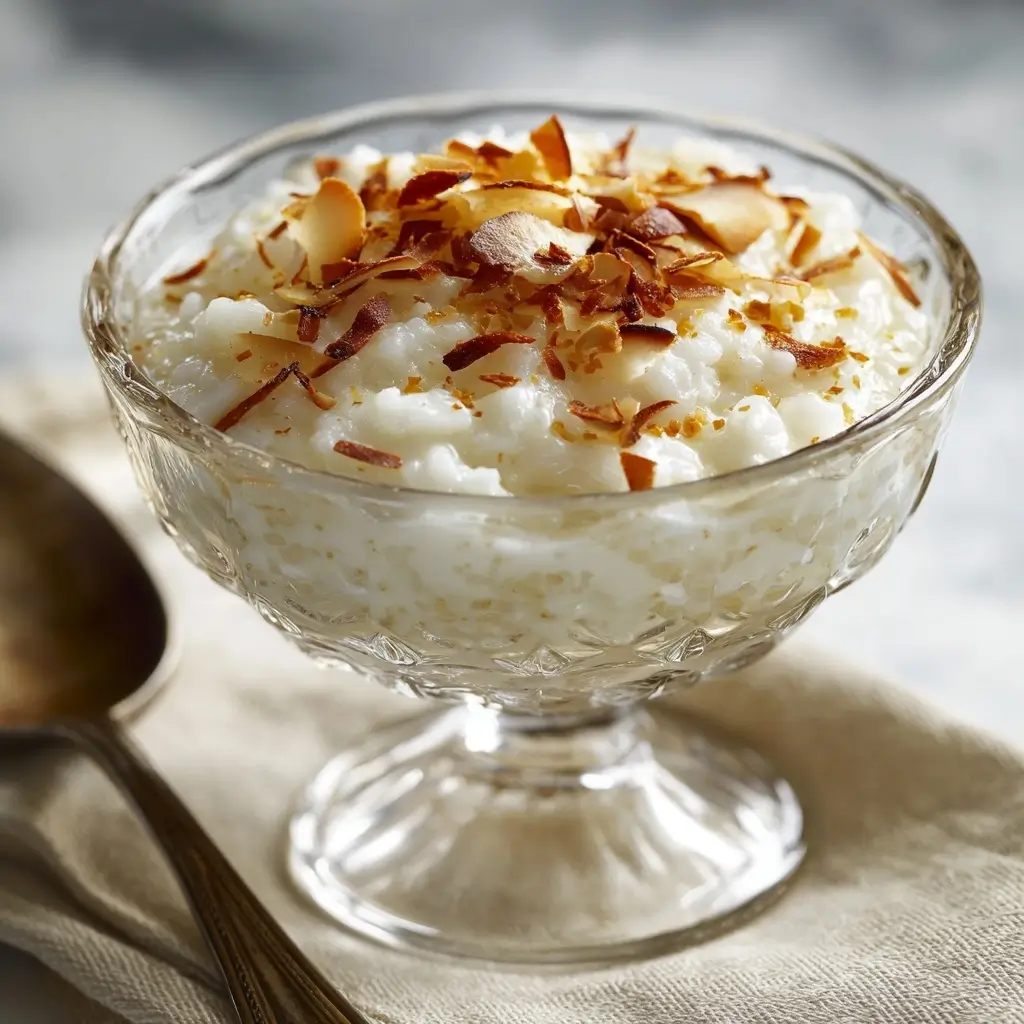
Coconut Rice Pudding
Introduction
Coconut rice pudding is a luscious, creamy dessert that has captured hearts and palates across the globe. With its rich texture, sweet aroma, and tropical flair, this dish brings comfort in every spoonful. Whether served warm on a chilly evening or chilled on a hot summer day, coconut rice pudding offers a delightful balance of simplicity and indulgence. Its origins trace back to ancient culinary traditions where rice, milk, and sugar were combined to create nourishing desserts. Over time, the incorporation of coconut transformed this humble treat into a globally beloved delicacy enjoyed in homes, restaurants, and festivals alike.
The History
The roots of rice pudding extend deep into history, with evidence of similar preparations found in ancient Persia, India, and China. Rice, one of the earliest cultivated grains, was often boiled with milk and sweetened with honey or natural sugars to make a nourishing porridge-like dessert. As trade routes expanded, so did the exchange of ingredients and recipes. Coconut, native to tropical coastal regions across Southeast Asia, the Indian subcontinent, and the Pacific Islands, became a prized addition to rice-based puddings due to its creamy richness and distinct flavor.
In countries like Thailand, Indonesia, Sri Lanka, and the Philippines, versions of coconut rice pudding evolved as integral parts of traditional cuisine. In Thai culture, sticky rice soaked in coconut milk and sweetened with palm sugar—known as Kao Niew Mamuang (Mango Sticky Rice)—is a national favorite. Similarly, in Caribbean nations such as Jamaica and Trinidad, coconut rice pudding is often spiced with cinnamon and nutmeg and baked for a custard-like consistency. These regional adaptations highlight how local tastes, ingredients, and cooking techniques have shaped the evolution of this dessert into a diverse global phenomenon.
Ingredients Breakdown
The beauty of coconut rice pudding lies in its simple yet harmonious combination of ingredients. Each component plays a crucial role in developing the final texture, flavor, and aroma of the dish.
- Rice: Traditionally, short-grain white rice such as Arborio or jasmine rice is used because it releases more starch during cooking, contributing to a creamy texture. Some variations use glutinous (sticky) rice for added chewiness and body.
- Coconut Milk: This is the star ingredient. Full-fat canned coconut milk provides a luxuriously creamy base and imparts a rich, tropical flavor. Light coconut milk can be used for a thinner consistency, though it reduces creaminess.
- Sugar: Granulated white sugar is common, but brown sugar, palm sugar, jaggery, or coconut sugar can add depth and molasses-like notes. The amount can be adjusted based on desired sweetness.
- Water or Additional Liquid: Often used to initially cook the rice before adding coconut milk. Some recipes substitute part of the water with whole milk or evaporated milk for extra richness.
- Spices: Cinnamon, cardamom, cloves, nutmeg, and vanilla are frequently used to enhance flavor complexity. A cinnamon stick or crushed cardamom pods can infuse subtle warmth without overpowering the coconut.
- Salt: A pinch enhances all other flavors and balances the sweetness.
- Optional Add-Ins: Raisins, sultanas, chopped dates, shredded coconut, almonds, cashews, or banana slices can be stirred in for texture and additional flavor layers.
The synergy between these ingredients creates a dessert that’s both comforting and exotic—a perfect marriage of everyday staples and tropical luxury.
Step-by-Step Recipe
Follow this detailed guide to prepare a classic, creamy coconut rice pudding from scratch:
- Prepare Ingredients: Measure out 1 cup of short-grain rice (such as jasmine or Arborio), 1 can (13.5 oz) of full-fat coconut milk, 1 cup of water, ½ to ¾ cup sugar (adjust to taste), ¼ teaspoon salt, 1 teaspoon vanilla extract, and optional spices (e.g., 1 cinnamon stick, 3–4 green cardamom pods lightly crushed).
- Rinse the Rice: Place the rice in a fine-mesh strainer and rinse under cold running water until the water runs clear. This removes excess surface starch and prevents the pudding from becoming overly gummy.
- Cook the Rice: In a medium-sized saucepan, combine the rinsed rice, water, and salt. Bring to a gentle boil over medium heat, then reduce to a simmer. Cover and cook for about 15–18 minutes, or until the rice is tender and water is absorbed. Stir occasionally to prevent sticking.
- Add Coconut Milk and Sugar: Once the rice is cooked, stir in the entire can of coconut milk, sugar, and any chosen spices (cinnamon stick, cardamom, etc.). Mix well and return to a gentle simmer.
- Simmer Slowly: Cook uncovered over low to medium-low heat for 20–25 minutes, stirring frequently to prevent scorching at the bottom. The mixture will gradually thicken as the rice absorbs the coconut milk and releases starch.
- Incorporate Flavor Enhancers: About 10 minutes into simmering, add vanilla extract. If using dried fruit (like raisins), add them now so they plump up. For nuts, toast them separately and stir in at the end.
- Check Consistency: The pudding should be thick, creamy, and slightly porridge-like. If it becomes too thick, add a splash of warm coconut milk or water to loosen. Remove the cinnamon stick or strained cardamom pods before serving.
- Cool and Serve: For a warm dessert, serve immediately. For a chilled version, transfer to serving bowls, cover with plastic wrap (pressed directly onto the surface to prevent a skin from forming), and refrigerate for at least 2 hours.
Tips
- Stir Frequently: Constant stirring prevents the rice from sticking to the bottom and ensures even thickening.
- Use Full-Fat Coconut Milk: The high fat content is essential for creaminess. Shake the can well before opening, or blend if separation occurs.
- Control Sweetness: Start with less sugar—you can always add more later. Taste after the rice has absorbed the liquids.
- Infuse Spices Gently: Whole spices impart better flavor than ground when simmered slowly. Strain them out before serving for a smooth texture.
- Reheat Gently: Leftover pudding thickens in the fridge. Reheat with a little extra coconut milk or water over low heat, stirring continuously.
- Avoid Boiling Vigorously: After adding coconut milk, keep the heat low. High heat may cause the milk to separate or curdle.
- Toast Nuts and Coconut: Enhance flavor by lightly toasting shredded coconut or nuts before adding them.
- Chill Properly: For best results when serving cold, allow the pudding to cool slightly before refrigerating to avoid condensation.
Variations and Customizations
One of the greatest strengths of coconut rice pudding is its versatility. Here are several creative ways to customize it:
- Tropical Fruit Fusion: Stir in diced mango, pineapple, or papaya just before serving. Top with fresh fruit for a vibrant presentation.
- Baked Version: Pour the cooked pudding into a baking dish, top with breadcrumbs or shredded coconut, and bake at 350°F (175°C) for 20–25 minutes for a firmer, custard-like texture.
- Dairy-Free & Vegan: This recipe is naturally vegan if you ensure no animal-derived additives are in your coconut milk. Use coconut sugar instead of refined sugar for a fully plant-based dessert.
- Gluten-Free: Naturally gluten-free, making it suitable for those with sensitivities—just verify that all packaged ingredients (like vanilla extract) are certified GF.
- Floral Notes: Add a few drops of rose water or orange blossom water for an aromatic twist popular in Middle Eastern and South Asian cuisines.
- Chocolate Swirl: Melt dark chocolate and swirl it into individual servings for a decadent variation.
- Savory-Sweet Option: Reduce sugar and add a pinch of chili flakes or sea salt on top for a modern sweet-and-spicy profile.
- Overnight Stovetop Method: Simmer rice very slowly with coconut milk overnight (using a diffuser) for ultra-creamy results—a technique used in some traditional Thai kitchens.
- Rice Type Variations: Try black sticky rice or red rice for visual appeal and a nuttier flavor. Note: these varieties may require longer soaking and cooking times.
- Boozy Twist: Add a tablespoon of rum, Malibu, or coconut liqueur for an adult version—perfect for holiday desserts.
Health Considerations and Nutritional Value
While coconut rice pudding is undeniably delicious, it’s important to consider its nutritional profile, especially when consumed regularly or in large portions.
Nutritional Highlights:
- Energy Source: Rice and coconut milk provide carbohydrates and healthy fats, offering sustained energy.
- Medium-Chain Triglycerides (MCTs): Found in coconut milk, MCTs are metabolized differently than long-chain fats and may support metabolism and brain function.
- Iron and Magnesium: Especially present in whole grain or colored rice varieties like red or black rice.
- Lactose-Free: Ideal for individuals with lactose intolerance since it uses coconut milk instead of dairy.
Considerations:
- High Calorie and Fat Content: Full-fat coconut milk is calorie-dense. A single serving can range from 300–500 calories depending on portion size and added sugar.
- Sugar Levels: Traditional recipes can be high in added sugars. Opt for natural sweeteners or reduce quantities to manage blood sugar levels.
- Low Protein: This dessert is not a significant source of protein. Pair with a protein-rich snack or modify with chia seeds, hemp hearts, or Greek yogurt (if not vegan) to balance macronutrients.
- Glycemic Index: White rice has a higher glycemic index, which may affect blood glucose. Using brown rice or limiting portion sizes can help mitigate this.
To make a healthier version, consider using light coconut milk, reducing sugar, incorporating fiber-rich whole grains, and topping with fresh fruit and nuts for added nutrients.
Ingredients
- 1 cup short-grain white rice (jasmine or Arborio)
- 1 (13.5 oz) can full-fat coconut milk
- 1 cup water
- ½ to ¾ cup granulated sugar (or to taste)
- ¼ teaspoon salt
- 1 teaspoon pure vanilla extract
- 1 cinnamon stick (optional)
- 3–4 green cardamom pods, lightly crushed (optional)
- ¼ cup raisins or dried cranberries (optional)
- 2 tablespoons toasted shredded coconut (for garnish)
- Chopped nuts (almonds, cashews, or pistachios) for topping
Directions
- Rinse the rice thoroughly under cold water until the water runs clear. Drain well.
- In a medium saucepan, combine the rinsed rice, water, and salt. Bring to a boil over medium heat, then reduce to a simmer. Cover and cook for 15–18 minutes, or until rice is tender and liquid is absorbed.
- Stir in the coconut milk, sugar, cinnamon stick, and crushed cardamom pods (if using). Mix well and bring to a gentle simmer.
- Continue cooking uncovered over low heat for 20–25 minutes, stirring frequently to prevent sticking and scorching.
- About 10 minutes into simmering, add the vanilla extract and raisins (if using). Stir to combine.
- Once the pudding reaches a creamy, thick consistency, remove from heat. Discard the cinnamon stick and cardamom pods.
- Let cool slightly. Serve warm, or transfer to individual bowls, cover with plastic wrap touching the surface, and chill for at least 2 hours.
- Before serving, garnish with toasted shredded coconut and chopped nuts. Optionally, drizzle with extra coconut milk or a touch of honey.
FAQ
Can I use brown rice?
Yes, but brown rice requires more liquid and a longer cooking time (about 40–45 minutes). Soak it for 30 minutes beforehand for better results.
How long does coconut rice pudding last in the fridge?
It keeps well for up to 4–5 days when stored in an airtight container. Reheat gently with a splash of coconut milk.
Can I freeze coconut rice pudding?
Yes, though the texture may become slightly grainy upon thawing. Freeze in portions for up to 2 months. Thaw in the refrigerator and reheat slowly.
Why did my pudding turn out watery?
It may need more simmering time to reduce and thicken. Ensure you’re using full-fat coconut milk and not coconut water or light versions.
Is coconut rice pudding safe for kids?
Yes, it’s generally safe and often loved by children. Adjust sugar levels and avoid choking hazards like whole nuts for younger kids.
Can I make this in a rice cooker or Instant Pot?
Absolutely! Use a 1:1 ratio of rice to liquid (water + coconut milk), add sugar and spices, and cook on the “white rice” setting. Stir in vanilla and extras afterward.
What’s the difference between coconut milk and coconut cream?
Coconut cream is thicker and richer, with a higher fat content. You can use it for an even creamier pudding, but it may require dilution with a bit of water.
Summary
Coconut rice pudding is a timeless, creamy dessert that blends the comforting essence of rice with the exotic richness of coconut milk, creating a universally loved treat. Easy to customize and steeped in cultural tradition, it’s a versatile dish perfect for any season or occasion.