Classic Cheesecake
Classic Cheesecake: A Timeless Dessert Delight
The History of Classic Cheesecake
The origins of cheesecake stretch back thousands of years, with its earliest known version dating to ancient Greece around the 5th century BCE. The Greeks prepared a simple dessert made from cheese, honey, and flour, often served to athletes during the first Olympic Games as a source of energy. When the Romans conquered Greece, they adopted and adapted the recipe, adding more ingredients such as eggs and crushing the crust from bread or biscuits, spreading its popularity throughout the Roman Empire.
Over the centuries, cheesecake evolved across Europe, with regional variations emerging in Italy, France, and Germany. However, it wasn’t until the late 19th and early 20th centuries that cheesecake took on its modern American form. The introduction of cream cheese by William Lawrence in 1872 in New York became a pivotal moment. This rich, smooth cheese provided the perfect base for a new kind of creamy dessert. By the 1920s and 1930s, recipes using cream cheese began appearing in cookbooks, and the classic New York-style cheesecake was born—dense, smooth, and luxuriously rich.
In the post-war era, convenience foods like graham crackers and pre-made crusts helped popularize homemade cheesecakes, while restaurants and diners across America began offering their own versions. Today, the classic cheesecake remains a staple at celebrations, holidays, and dinner parties—a beloved dessert that bridges cultures and generations. Its enduring appeal lies not only in its decadent flavor but also in its versatility, allowing bakers to experiment with flavors, textures, and presentations while maintaining its iconic essence.
Ingredients Breakdown
Creating a flawless classic cheesecake begins with understanding each ingredient’s role in achieving the perfect texture, flavor, and structure. Here’s a detailed breakdown:
- Cream Cheese: The star of the show. Full-fat brick-style cream cheese is essential for a rich, creamy texture. It should be softened to room temperature before mixing to ensure a smooth batter without lumps.
- Granulated Sugar: Provides sweetness and helps create a tender crumb. It also contributes to the slight caramelization on the surface during baking.
- Eggs: Act as a binder and provide structure. They also contribute to the custard-like texture. Eggs should be added one at a time and mixed just until incorporated to avoid incorporating too much air, which can cause cracking.
- Sour Cream: Adds tanginess, moisture, and silkiness. It also helps prevent the cheesecake from becoming too dense.
- Vanilla Extract: Enhances flavor with a warm, aromatic note. Pure vanilla extract is preferred over imitation for superior taste.
- Flour or Cornstarch (optional): A small amount helps stabilize the mixture and prevents excessive cracking by strengthening the protein structure.
- Salt: Balances the sweetness and enhances all the other flavors.
For the crust:
- Graham Crackers: Provide a sweet, slightly nutty base. They are crushed into fine crumbs to form the foundation.
- Granulated Sugar: Sweetens the crust and helps it caramelize slightly when baked.
- Butter: Binds the crumbs together and adds richness. Melted unsalted butter is typically used for even distribution.
Optional garnishes include fresh berries, fruit compote, chocolate ganache, whipped cream, or citrus zest, which add visual appeal and complementary flavors.
Step-by-Step Recipe
Follow these detailed steps to create a perfectly smooth and crack-free classic cheesecake.
- Prepare the Crust: Preheat your oven to 325°F (163°C). In a food processor or bowl, crush about 1¾ cups (about 10–12 sheets) of graham crackers into fine crumbs. Mix with ¼ cup granulated sugar and ½ cup melted unsalted butter until the mixture resembles wet sand. Press firmly into the bottom and slightly up the sides of a 9-inch springform pan. Use a flat-bottomed glass or measuring cup to compact the crust evenly. Bake for 10 minutes, then remove and let cool while preparing the filling.
- Prepare the Filling: In a large mixing bowl, beat 4 (8-ounce) blocks of softened cream cheese on medium speed until smooth and creamy, about 2–3 minutes. Scrape down the sides of the bowl. Gradually add 1¼ cups granulated sugar and continue beating until fully combined and fluffy. Add 4 large eggs, one at a time, mixing on low speed after each addition just until blended. Do not overmix. Overmixing incorporates too much air, which can lead to cracks.
- Add Remaining Ingredients: Mix in 1 cup of full-fat sour cream, 2 teaspoons of pure vanilla extract, 1 tablespoon of all-purpose flour (or cornstarch), and ¼ teaspoon of salt. Mix on low speed until just combined. Stop and scrape down the bowl thoroughly. The batter should be silky and free of lumps.
- Pour and Smooth: Pour the filling over the cooled crust. Use a spatula to smooth the top into an even layer. Gently tap the pan on the counter a few times to release any trapped air bubbles.
- Bake Using a Water Bath: Wrap the outside of the springform pan tightly with aluminum foil to prevent water from seeping in. Place the pan inside a larger roasting pan. Carefully pour hot water into the outer pan until it reaches halfway up the sides of the springform (this is called a bain-marie or water bath). The steam helps regulate temperature and prevents cracking.
- Bake: Place in the preheated oven and bake for 60 to 75 minutes. The cheesecake is done when the edges are set but the center still has a slight jiggle—like gelatin—about 2 inches in diameter. Avoid opening the oven door during baking, as sudden temperature changes can cause cracks.
- Cool Gradually: Turn off the oven, crack the door open slightly, and let the cheesecake cool inside for 1 hour. This slow cooling prevents sinking and cracking. Afterward, remove from the water bath, run a knife around the edge (not through the bottom), and chill in the refrigerator for at least 6 hours, preferably overnight.
- Unmold and Serve: Release the springform clamp, gently lift off the sides, and slide the cheesecake onto a serving plate. Garnish as desired and slice with a hot, clean knife for neat pieces.
Tips for the Perfect Cheesecake
- Room Temperature Ingredients: Ensure cream cheese, eggs, and sour cream are at room temperature (about 1–2 hours out of the fridge) to blend smoothly and avoid lumps.
- Don’t Overmix: Once eggs are added, mix on low speed and stop as soon as ingredients are incorporated. Overmixing whips in air, leading to rising and collapsing, which causes cracks.
- Use a Water Bath: Essential for even heat distribution and moisture retention. If you’re afraid of leaks, use a slow cooker liner or silicone mold inside the springform pan.
- Avoid Sudden Temperature Changes: Never place a hot cheesecake directly into the fridge. Cool slowly in the oven, then at room temperature briefly before refrigerating.
- Chill Thoroughly: At least 6 hours is necessary for the cheesecake to set properly. Overnight chilling yields the best texture and clean slices.
- Sharp Knife Technique: Dip a thin-bladed knife in hot water and wipe it dry before each cut for clean, smooth slices.
- No Springform Pan? You can use a regular cake pan lined with parchment paper, but unmolding will be trickier.
Variations and Customizations
The beauty of classic cheesecake lies in its adaptability. Here are some delicious twists you can try:
- Fruit Swirl: Before baking, drop spoonfuls of raspberry or strawberry puree on top of the batter and swirl with a knife for a marbled effect.
- Chocolate Cheesecake: Melt 4 oz of semi-sweet chocolate and fold into the batter. You can also add a chocolate crust using chocolate graham crackers.
- Lemon Cheesecake: Add the zest and juice of 1–2 lemons for a bright, citrusy flavor. Top with lemon curd after chilling.
- Oreo Cheesecake: Replace the graham cracker crust with crushed Oreos mixed with butter. For extra indulgence, mix mini Oreo chunks into the batter.
- Pumpkin Cheesecake: Fold in 1 cup of pumpkin puree and pumpkin pie spice for a fall favorite.
- Crust Alternatives: Try digestive biscuits, shortbread cookies, gingersnaps, or even pretzels for a salty-sweet twist.
- Mini Cheesecakes: Make individual portions in muffin tins using paper liners. Reduce baking time to 20–25 minutes.
- No-Bake Version: Use whipped cream, gelatin, and cold cream cheese for a chilled no-bake option (though texture differs from baked).
- Dairy-Free/Vegan: Substitute with cashew cream, coconut cream cheese, and vegan butter for a plant-based alternative.
Health Considerations and Nutritional Value
While undeniably delicious, classic cheesecake is a high-calorie, high-fat dessert best enjoyed in moderation. A typical slice (1/12 of a 9-inch cake) contains approximately:
- Calories: 350–450
- Total Fat: 25–30g (mostly saturated)
- Carbohydrates: 30–35g
- Sugars: 20–25g
- Protein: 6–8g
- Calcium: ~15% of daily value
Considerations:
- Saturated Fat: High due to cream cheese, butter, and eggs. Those monitoring heart health may want to limit portion size or opt for reduced-fat versions (though texture may suffer).
- Sugar Content: Significant; consider reducing sugar slightly or using natural sweeteners like maple syrup or monk fruit, though results may vary.
- Gluten-Free Option: Use gluten-free graham crackers or almond flour for the crust.
- Lower-Calorie Tweaks: Substitute part of the cream cheese with Greek yogurt, reduce sugar, and use a lighter crust (e.g., nuts and dates).
- Digestive Sensitivity: Some individuals may find rich dairy products hard to digest. Lactose-free cream cheese and sour cream are available for those with lactose intolerance.
Ingredients
Makes one 9-inch cheesecake (12 servings)
For the Crust:
- 1¾ cups (about 10–12 sheets) graham cracker crumbs
- ¼ cup granulated sugar
- ½ cup (1 stick) unsalted butter, melted
For the Filling:
- 4 (8-ounce) blocks full-fat cream cheese, softened
- 1¼ cups granulated sugar
- 4 large eggs, at room temperature
- 1 cup full-fat sour cream, at room temperature
- 2 teaspoons pure vanilla extract
- 1 tablespoon all-purpose flour or cornstarch
- ¼ teaspoon salt
Optional Garnishes:
- Fresh berries (strawberries, raspberries, blueberries)
- Fruit compote or jam
- Whipped cream
- Chocolate shavings or ganache
- Lemon or orange zest
Directions
- Preheat oven to 325°F (163°C). Grease the sides of a 9-inch springform pan and wrap the outside bottom and sides tightly with heavy-duty aluminum foil.
- To make the crust: Combine graham cracker crumbs, sugar, and melted butter. Press firmly into the bottom and 1 inch up the sides of the pan. Bake for 10 minutes. Let cool completely.
- In a large bowl, beat cream cheese on medium speed until smooth and creamy (2–3 minutes). Add sugar gradually and beat until fluffy.
- Add eggs one at a time, mixing on low speed after each addition until just blended. Scrape down the bowl.
- Mix in sour cream, vanilla, flour (or cornstarch), and salt on low speed until smooth. Do not overmix.
- Pour batter over the cooled crust. Smooth the top with a spatula. Tap pan gently on counter to release air bubbles.
- Place springform pan inside a large roasting pan. Fill roasting pan with hot water until it reaches halfway up the sides of the springform.
- Bake for 60–75 minutes, until edges are set and center still jiggles slightly.
- Turn off oven, open the door slightly, and let cheesecake cool inside for 1 hour.
- Remove from water bath, run a thin knife around the edge (do not cut through), and chill in refrigerator for at least 6 hours or overnight.
- Before serving, release the springform clamp, remove the ring, and transfer to a serving plate. Garnish as desired and slice with a warm, clean knife.
FAQ
Why did my cheesecake crack?
Cracking is usually caused by overmixing, rapid temperature changes, or overbaking. Using a water bath and cooling slowly in the oven helps prevent this.
Can I make cheesecake without a springform pan?
Yes, but unmolding will be difficult. Use a regular cake pan lined with parchment paper with overhanging edges to lift the cake out.
How long does cheesecake last in the fridge?
Properly covered, it lasts 5–7 days in the refrigerator. Freeze for up to 2–3 months wrapped tightly in plastic and foil.
Can I freeze cheesecake?
Yes! Wrap tightly in plastic wrap and aluminum foil. Thaw in the refrigerator overnight before serving.
Why use sour cream in cheesecake?
Sour cream adds moisture, tanginess, and a smoother texture. It also helps prevent the cheesecake from being too dense.
Can I use low-fat cream cheese?
Not recommended. Low-fat versions contain more water and stabilizers, which can result in a softer, less stable texture and increased risk of cracking.
How do I get clean slices?
Dip a sharp knife in hot water, wipe dry, and slice. Clean the knife between cuts for neat edges.
Can I skip the water bath?
You can, but the risk of cracking and uneven baking increases significantly. The water bath ensures gentle, even heat.
Summary
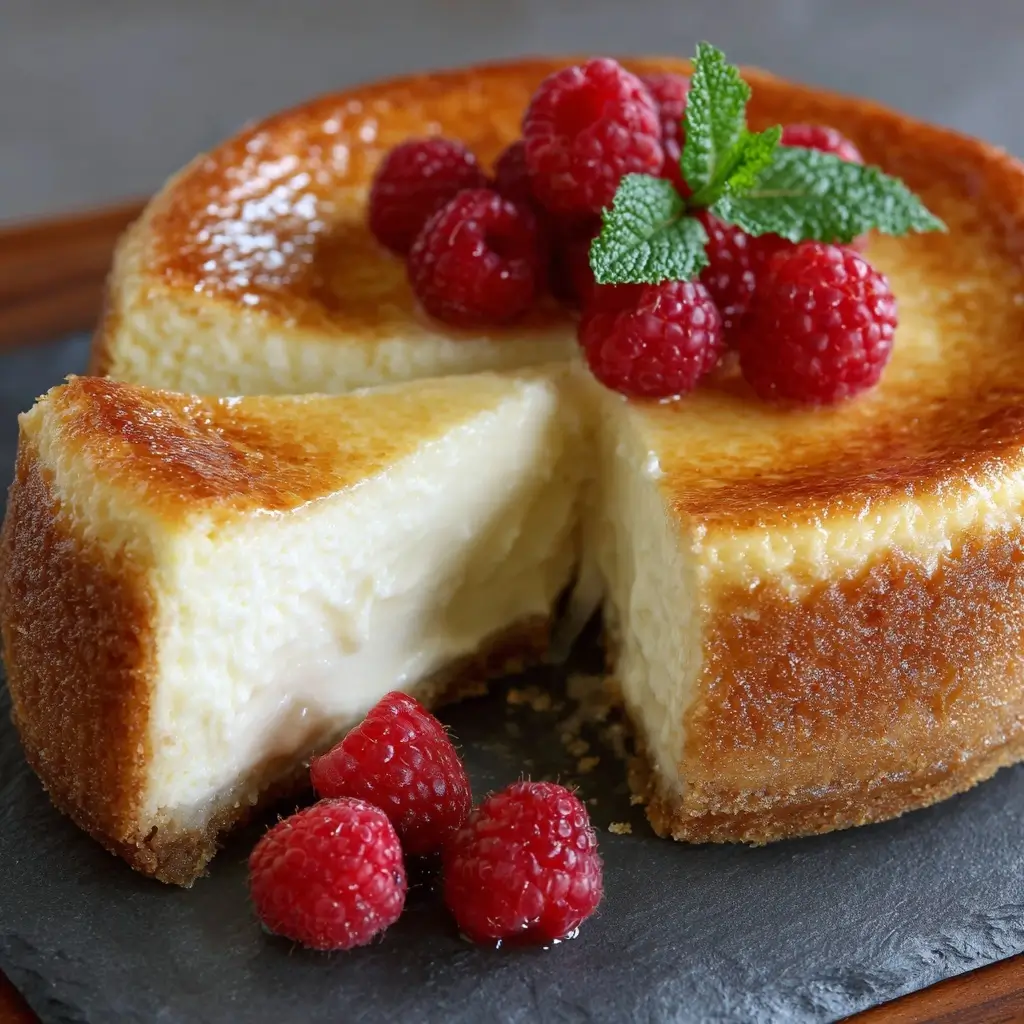
The classic cheesecake is a rich, creamy dessert with a buttery graham cracker crust and velvety filling, baked to golden perfection using a careful water bath method. Time-honored and endlessly customizable, it remains a cherished centerpiece for celebrations and a testament to the art of dessert-making.