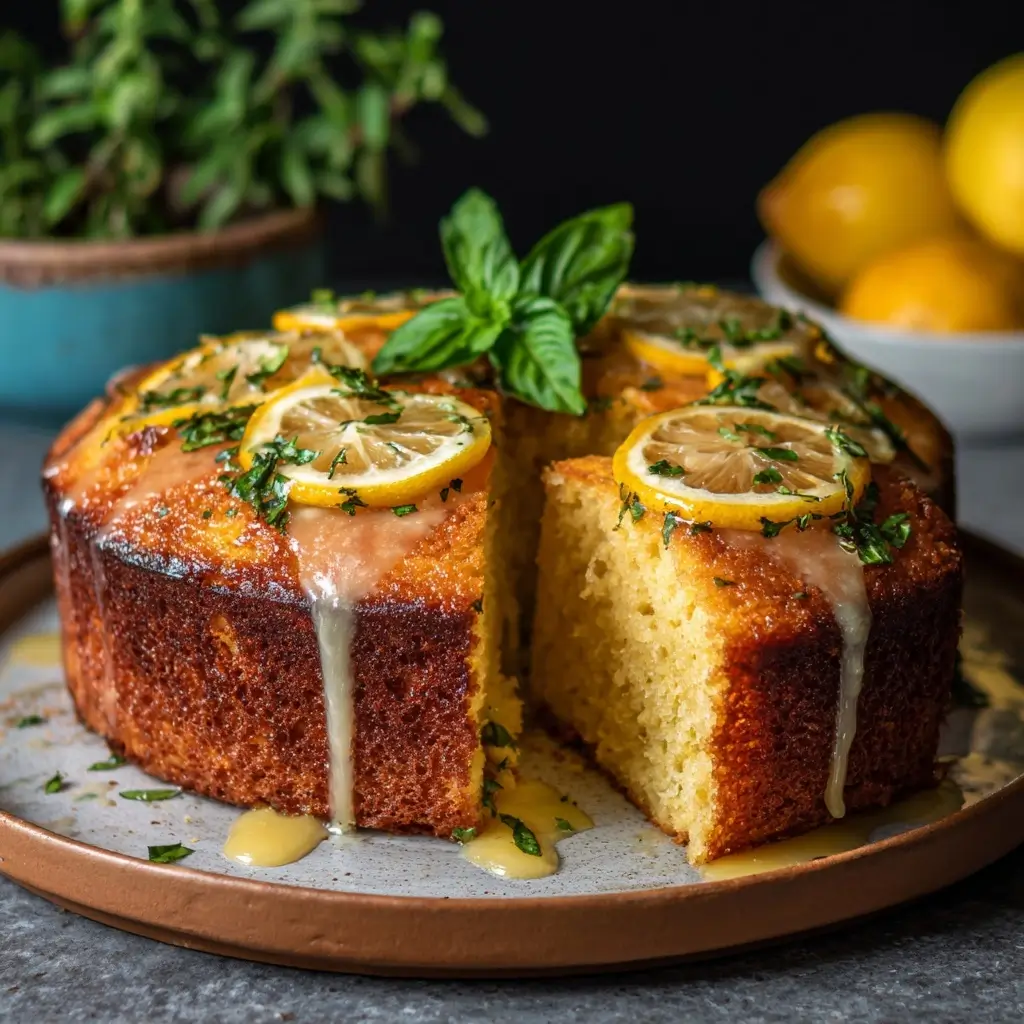
Lemon Basil Olive Oil Cake
Lemon Basil Olive Oil Cake: A Zesty, Herb-Infused Delight
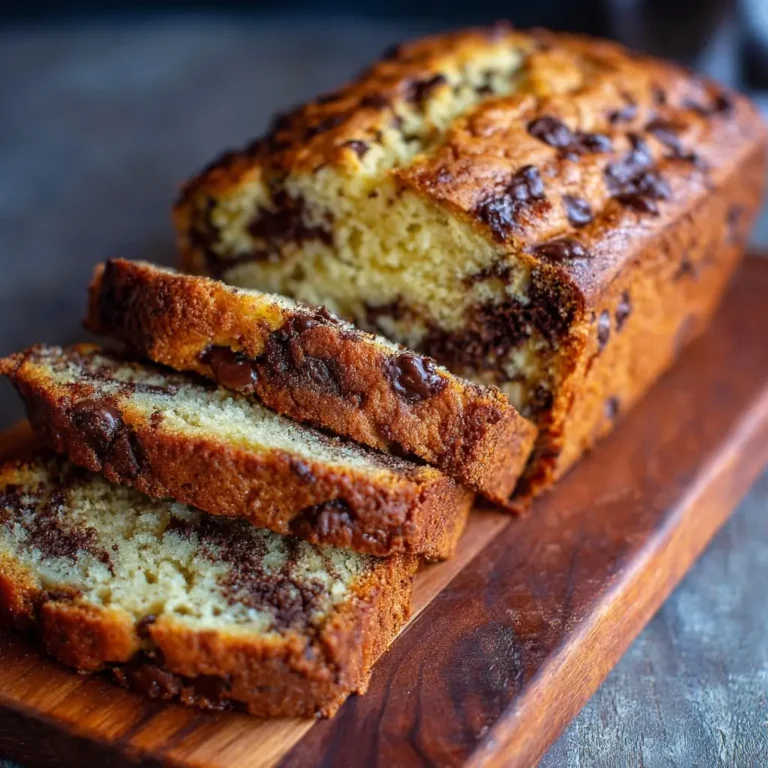
The Lemon Basil Olive Oil Cake is more than just a dessert—it’s a celebration of Mediterranean flavors, where bright citrus meets aromatic herbs and rich, golden olive oil. This cake strikes the perfect balance between rustic charm and refined taste, making it ideal for brunch gatherings, afternoon tea, or as a refreshing dessert after a light dinner. With its moist crumb, vibrant lemon zest, subtle basil undertones, and luxurious use of extra virgin olive oil, this cake offers a unique twist on traditional olive oil cakes that have long been cherished in countries like Italy, Greece, and Spain.
The History
Olive oil-based cakes have deep roots in Mediterranean culinary traditions, especially in regions where olive trees flourish and olive oil is a staple ingredient. Unlike butter-based cakes common in Northern Europe and North America, olive oil cakes emerged in Southern Europe as a flavorful, moist alternative that highlights the quality of local ingredients. In Italy, ciambellone all’olio d’oliva (olive oil loaf) has been a household favorite for generations, often made with simple pantry staples and enhanced with citrus or almonds.
The addition of lemon and herbs like basil brings a modern, botanical flair to this classic concept. While traditional recipes may use rosemary or thyme, pairing lemon with fresh basil adds a surprising yet harmonious note—bright, slightly sweet, and delicately peppery. This fusion reflects contemporary baking trends that emphasize clean flavors, plant-based fats, and seasonal ingredients. The Lemon Basil Olive Oil Cake thus stands at the intersection of heritage and innovation, offering a sophisticated dessert that feels both timeless and refreshingly new.
Ingredients Breakdown
Every ingredient in this Lemon Basil Olive Oil Cake plays a vital role in creating its signature texture and flavor profile. Here’s a detailed look at what goes into this delightful confection:
- Extra Virgin Olive Oil: High-quality EVOO provides a fruity, grassy richness that keeps the cake moist without overpowering other flavors. It also contributes heart-healthy monounsaturated fats.
- Fresh Lemons: Both the zest and juice are used to infuse the cake with tangy brightness. The zest contains essential oils that deliver intense citrus aroma, while the juice adds acidity and moisture.
- Fresh Basil: Finely chopped or infused into the batter, basil adds a subtle herbal complexity. When paired with lemon, it creates a refreshing, almost tropical nuance.
- Granulated Sugar: Sweetens the cake while helping to aerate the batter during creaming. You can reduce slightly for a less sweet version or substitute with coconut sugar for a deeper flavor.
- Eggs: Provide structure, leavening, and emulsification. Room temperature eggs blend more smoothly into the batter.
- All-Purpose Flour: Gives the cake its foundation. For a gluten-free option, a high-quality 1:1 GF flour blend works well.
- Baking Powder & Baking Soda: These leavening agents help the cake rise evenly and achieve a tender crumb.
- Salt: Enhances all the flavors and balances sweetness.
- Plain Greek Yogurt or Sour Cream: Adds moisture and a slight tang, improving texture and shelf life.
- Vanilla Extract: Complements the citrus and herb notes with warm background sweetness.
Optional enhancements include a lemon-basil syrup glaze, candied basil leaves for garnish, or a dusting of powdered sugar for elegance.
Step-by-Step Recipe
Follow these detailed instructions to create a perfectly balanced Lemon Basil Olive Oil Cake with a soft, springy crumb and bold, aromatic flavor.
- Preheat and Prepare: Preheat your oven to 350°F (175°C). Grease a 9-inch loaf pan or round cake pan and line it with parchment paper for easy removal.
- Infuse the Olive Oil (Optional but Recommended): Gently heat 1/4 cup of the olive oil with 6–8 whole basil leaves over low heat for 5–7 minutes. Do not boil. Remove from heat, cover, and let steep for 30 minutes. Strain and cool before using. This step intensifies the herbal flavor subtly.
- Zest and Juice Lemons: Zest 2 large lemons (avoid the bitter white pith) and juice them to yield about 1/3 cup of juice. Set both aside.
- Cream Sugar and Oil: In a large mixing bowl, whisk together 3/4 cup granulated sugar and the infused (or regular) olive oil until smooth and slightly pale, about 2–3 minutes. This helps incorporate air for a lighter texture.
- Add Eggs: One at a time, add 3 large room-temperature eggs, whisking well after each addition until fully incorporated and emulsified.
- Mix in Wet Ingredients: Stir in 1/3 cup lemon juice, 1/2 cup plain Greek yogurt, 1 teaspoon vanilla extract, and 1 tablespoon finely chopped fresh basil. Mix until uniform.
- Dry Ingredients: In a separate bowl, sift together 1 1/2 cups all-purpose flour, 1 1/2 teaspoons baking powder, 1/4 teaspoon baking soda, and 1/4 teaspoon salt. Whisk to combine.
- Combine Wet and Dry: Gradually add the dry ingredients to the wet mixture, folding gently with a spatula until just combined. Do not overmix to avoid a dense cake.
- Pour and Bake: Pour the batter into the prepared pan and smooth the top. Bake for 45–55 minutes, or until a toothpick inserted into the center comes out clean or with a few moist crumbs.
- Cool and Glaze: Allow the cake to cool in the pan for 15 minutes, then transfer to a wire rack. While still warm, brush with a lemon-basil syrup (simmer 1/4 cup sugar, 1/4 cup water, 2 tablespoons lemon juice, and 3–4 basil leaves for 5 minutes; strain and cool slightly) for added moisture and flavor.
- Garnish: Once completely cooled, dust with powdered sugar, drizzle with additional olive oil, or decorate with candied basil leaves and lemon slices.
Tips
- Use High-Quality Olive Oil: Since olive oil is a star ingredient, choose a fruity, medium-intensity extra virgin variety—not too peppery or bitter. Avoid heavily processed or lampante oils.
- Room Temperature Ingredients: Ensure eggs, yogurt, and any dairy are at room temperature to promote even mixing and prevent curdling.
- Don’t Overmix: Once you add the flour, mix only until the batter is just combined. Overmixing develops gluten and leads to a tough cake.
- Check Doneness Early: Ovens vary, so start checking the cake at 40 minutes. The cake should be golden brown and spring back when lightly pressed.
- Let It Rest: Allow the cake to cool slightly before slicing to maintain its structure. It tastes even better the next day as flavors meld.
- Enhance Basil Flavor: For a stronger herbal note, blend a small handful of basil leaves into the wet ingredients using an immersion blender or food processor.
- Storage Tip: Store in an airtight container at room temperature for up to 3 days, or refrigerate for up to 5 days. Bring to room temperature before serving.
Variations and Customizations
This Lemon Basil Olive Oil Cake is incredibly adaptable. Try these creative twists to suit different tastes and occasions:
- Limoncello Version: Replace 2 tablespoons of lemon juice with limoncello liqueur for a boozy, Italian-inspired kick.
- Berry Swirl: Fold in 1 cup of fresh blueberries or raspberries for a summery burst of color and tartness.
- Almond Flour Option: Substitute 1/2 cup of all-purpose flour with almond flour for a nutty depth and slightly denser, fudgy texture.
- Vegan Adaptation: Use flax eggs (3 tablespoons ground flaxseed + 9 tablespoons water), plant-based yogurt, and a neutral oil if needed. Ensure sugar is vegan-certified.
- Gluten-Free: Swap all-purpose flour with a gluten-free blend containing xanthan gum. Add an extra tablespoon of yogurt if the batter seems thick.
- Herb Swap: Try rosemary, mint, or lavender instead of basil for different aromatic profiles. Lavender pairs beautifully with lemon but use sparingly (1/2 teaspoon dried).
- Mini Loaves or Muffins: Divide the batter into mini loaf pans or muffin tins and bake for 20–25 minutes for adorable individual servings.
- Layered Cake: Double the recipe and bake in two 6-inch round pans to create a layered dessert with lemon curd and whipped mascarpone filling.
Health Considerations and Nutritional Value
Compared to traditional butter-based cakes, the Lemon Basil Olive Oil Cake offers several nutritional advantages:
- Heart-Healthy Fats: Extra virgin olive oil is rich in monounsaturated fats and antioxidants like polyphenols, which support cardiovascular health and reduce inflammation.
- No Trans Fats: Unlike shortening or margarine, olive oil contains no trans fats and is naturally cholesterol-free.
- Lower Saturated Fat: Replacing butter with olive oil reduces saturated fat content significantly.
- Probiotics & Protein: Using Greek yogurt adds protein and beneficial probiotics, aiding digestion and increasing satiety.
- Natural Flavors: Relying on real lemon and fresh herbs reduces the need for artificial flavorings or excessive sugar.
A typical slice (1/10 of the cake) contains approximately:
- Calories: 240–270
- Total Fat: 14–16g (mostly unsaturated)
- Saturated Fat: 3–4g
- Carbohydrates: 28–32g
- Sugar: 18–20g (can be reduced to 12–14g with sugar adjustment)
- Protein: 4–5g
- Fiber: 1–2g
To make it healthier, consider reducing sugar by 25%, using whole wheat pastry flour for added fiber, or adding chia or flax seeds for omega-3s. Serve with fresh fruit or a dollop of unsweetened yogurt to enhance nutrition.
Ingredients
- 3/4 cup (150g) granulated sugar
- 1/2 cup (120ml) extra virgin olive oil (infused with basil, optional)
- 3 large eggs, room temperature
- 1/3 cup (80ml) fresh lemon juice (about 2 lemons)
- 1/2 cup (120g) plain Greek yogurt or sour cream
- 1 tablespoon finely chopped fresh basil (plus 6–8 leaves for infusion/syrup)
- 1 teaspoon pure vanilla extract
- 1 1/2 cups (190g) all-purpose flour (or gluten-free 1:1 blend)
- 1 1/2 teaspoons baking powder
- 1/4 teaspoon baking soda
- 1/4 teaspoon fine sea salt
- Zest of 2 lemons
For Lemon-Basil Syrup:
- 1/4 cup (50g) granulated sugar
- 1/4 cup (60ml) water
- 2 tablespoons fresh lemon juice
- 3–4 fresh basil leaves
Directions
- Preheat oven to 350°F (175°C). Grease and line a 9-inch loaf or round cake pan.
- (Optional) Infuse olive oil: Warm 1/4 cup oil with 6–8 basil leaves over low heat for 5 minutes. Remove from heat, cover, steep 30 minutes, then strain and cool.
- Zest and juice 2 lemons. Reserve zest and juice separately.
- In a large bowl, whisk sugar and olive oil (infused or regular) until smooth and slightly lightened in color, about 2–3 minutes.
- Add eggs one at a time, whisking thoroughly after each addition until smooth and emulsified.
- Stir in lemon juice, Greek yogurt, chopped basil, and vanilla extract. Mix until fully combined.
- In another bowl, sift together flour, baking powder, baking soda, salt, and lemon zest.
- Fold dry ingredients into wet mixture using a spatula until just combined. Do not overmix.
- Pour batter into prepared pan and smooth the top. Tap gently on counter to release air bubbles.
- Bake for 45–55 minutes, or until golden and a toothpick comes out clean.
- While baking, prepare syrup: Simmer sugar, water, lemon juice, and basil leaves for 5 minutes. Strain and set aside.
- Let cake cool in pan for 15 minutes. Remove and place on wire rack.
- While still warm, brush generously with lemon-basil syrup.
- Allow to cool completely. Garnish with powdered sugar, olive oil drizzle, candied basil, or lemon slices.
- Slice and serve at room temperature. Best enjoyed within 3 days.
FAQ
Can I make this cake without eggs?
Yes! Use flax eggs (1 tablespoon ground flax + 3 tablespoons water per egg) or commercial egg replacers. Texture will be slightly denser but still delicious.
Why use olive oil instead of butter?
Olive oil creates a moister, silkier crumb and adds a distinctive fruity flavor. It’s also a healthier fat choice, rich in antioxidants and good fats.
Can I freeze this cake?
Absolutely. Wrap tightly in plastic and foil, then freeze for up to 3 months. Thaw overnight in the fridge and bring to room temperature before serving.
How do I prevent the basil from turning black?
Use fresh, bright green leaves and chop them just before adding. Avoid overexposure to heat or air. Candying is a great way to preserve color and texture for garnish.
Can I use dried basil?
Fresh is strongly recommended for optimal flavor and aroma. Dried basil lacks the vibrancy and can taste dusty. If necessary, use 1 teaspoon dried and steep in warm oil.
Is this cake suitable for special diets?
With modifications, yes. It can be made gluten-free, vegan, and lower in sugar. Always check labels for allergens if serving to others.
What does basil taste like in a dessert?
When paired with lemon, basil tastes sweet, floral, and slightly peppery—a sophisticated complement that enhances citrus without tasting “herby” in a savory way.
Can I use lime or orange instead of lemon?
Yes! Lime gives a tropical zing (pair with mint), while orange offers a sweeter, milder profile (try with rosemary). Adjust zest and juice quantities accordingly.
Summary
The Lemon Basil Olive Oil Cake blends Mediterranean tradition with modern botanical flair, delivering a moist, fragrant dessert bursting with lemon zest and herbal elegance. Elevated by high-quality olive oil and fresh basil, it’s a wholesome, flavorful treat perfect for any occasion.