Chicken Tikka Masala
Introduction
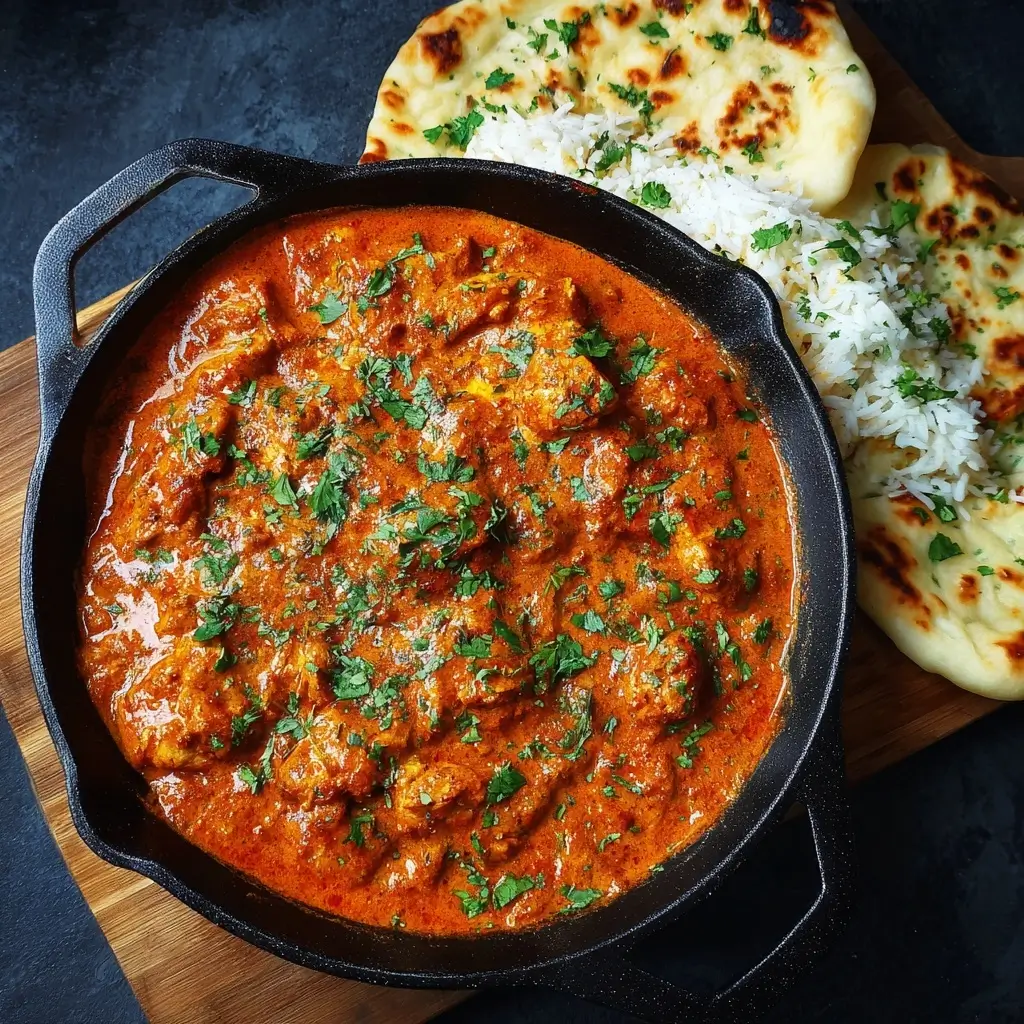
Chicken Tikka Masala is one of the most beloved and iconic dishes in the world of Indian cuisine, often hailed as a symbol of culinary fusion and cultural integration. While its exact origins are hotly debated, there’s no denying that this creamy, aromatic, and deeply flavorful dish has captured the hearts and palates of food lovers across continents. Known for its tender pieces of grilled chicken enveloped in a rich, spiced tomato-based sauce, Chicken Tikka Masala strikes the perfect balance between smokiness, tanginess, and warmth. Whether served with fluffy basmati rice or warm naan bread, it remains a staple in Indian restaurants worldwide and an increasingly popular choice for home cooks seeking comfort, flavor, and authenticity. This comprehensive guide will take you through every aspect of the dish—from its intriguing history to step-by-step preparation, variations, health considerations, and expert tips—ensuring you can master this culinary masterpiece with confidence.
The History
The origins of Chicken Tikka Masala are shrouded in mystery and national pride, with both India and the United Kingdom laying claim to its invention. Many believe the dish was born in the 1960s or 70s in Britain, created by South Asian chefs catering to British tastes who desired a milder, creamier alternative to traditional tandoori dishes. One popular legend attributes its creation to a Bangladeshi chef in Glasgow, Scotland, who, upon receiving a complaint about dry chicken tikka, improvised by adding a sauce made from tomatoes, cream, and spices—thus birthing Chicken Tikka Masala. Another theory suggests it evolved from butter chicken (Murgh Makhani), a North Indian dish developed in Delhi’s Moti Mahal restaurant in the 1950s. Regardless of its true origin, Chicken Tikka Masala quickly became a symbol of British-Indian cuisine and is now considered a national dish by many in the UK. In fact, former Foreign Secretary Robin Cook famously declared it “a true British national dish” in 2001, highlighting how immigrant cultures have enriched British society. Over time, the recipe has been adapted globally, incorporating regional ingredients and preferences while maintaining its core essence: succulent chicken in a velvety, spiced tomato gravy.
Ingredients Breakdown
The magic of Chicken Tikka Masala lies in the harmony of its ingredients, which come together to create layers of flavor, aroma, and texture. The dish is divided into two main components: the marinated grilled chicken (chicken tikka) and the masala sauce.
- For the Chicken Marinade: Boneless chicken thighs or breasts are typically used for their tenderness. They’re marinated in yogurt, which tenderizes the meat and adds richness. Lemon juice provides acidity to enhance flavor and aid in tenderizing. Spices such as ground cumin, coriander, turmeric, garam masala, smoked paprika (or Kashmiri red chili powder for authentic color), garlic, and ginger form the backbone of the marinade, infusing the chicken with deep, earthy warmth.
- For the Masala Sauce: The sauce begins with a base of onions, sautéed until golden, followed by garlic and ginger paste. Tomatoes—either fresh, canned, or puréed—form the acidic foundation. Spices include cumin seeds, bay leaves, cinnamon, cardamom, cloves, and additional ground cumin, coriander, turmeric, and garam masala. Fresh green chilies or dried red chilies add heat, while heavy cream, coconut milk, or cashew paste lends creaminess and balances the spices. Butter or ghee enhances richness and mouthfeel. A touch of sugar may be added to offset the tomatoes’ acidity, and fresh cilantro finishes the dish with a bright note.
Each ingredient plays a critical role, contributing not only to taste but also to the visual appeal and aroma that define this classic dish.
Step-by-Step Recipe
- Marinate the Chicken: Cut 1.5 lbs (700g) of boneless, skinless chicken into bite-sized cubes. In a large bowl, mix together ½ cup plain yogurt, 1 tbsp lemon juice, 1 tbsp grated ginger, 2 minced garlic cloves, 1 tsp ground cumin, 1 tsp ground coriander, ½ tsp turmeric, 1 tsp garam masala, ½ tsp smoked paprika, and salt to taste. Add the chicken, coat thoroughly, cover, and refrigerate for at least 2 hours—or ideally overnight—for maximum flavor and tenderness.
- Cook the Chicken: Preheat oven to 400°F (200°C). Thread the marinated chicken onto skewers or place on a baking tray lined with parchment. Roast for 15–20 minutes, turning halfway, until cooked through and slightly charred at the edges. Alternatively, grill over charcoal for a smokier flavor. Set aside.
- Prepare the Sauce Base: Heat 2 tbsp ghee or vegetable oil in a heavy-bottomed pan over medium heat. Add 1 tsp cumin seeds and let them sizzle for 10 seconds. Add 1 large finely chopped onion and cook until soft and golden (about 8–10 minutes).
- Add Aromatics: Stir in 1 tbsp ginger paste and 2 minced garlic cloves. Cook for 1 minute until fragrant. Add 1 chopped green chili (optional) for heat.
- Incorporate Spices: Add 1 tsp ground cumin, 1 tsp ground coriander, ½ tsp turmeric, 1 tsp garam masala, and ½ tsp paprika. Stir for 30 seconds to toast the spices without burning.
- Add Tomatoes: Pour in 1 can (14 oz / 400g) of crushed tomatoes or 2 cups fresh puréed tomatoes. Simmer for 10–12 minutes, stirring occasionally, until the sauce thickens and oil begins to separate.
- Blend (Optional): For a smooth sauce, carefully transfer the mixture to a blender and purée until silky. Return to the pan.
- Add Cream and Finish: Stir in ½ cup heavy cream or coconut milk. Add the roasted chicken pieces and simmer gently for 10 minutes to allow flavors to meld. Adjust salt and sweetness with a pinch of sugar if needed.
- Garnish and Serve: Sprinkle with freshly chopped cilantro. Optionally, drizzle with a little extra cream for a marbled effect.
Tips
- Use Chicken Thighs: They stay juicier during cooking compared to breast meat, especially when grilled or baked.
- Marinate Overnight: Extended marination not only enhances flavor but also ensures tender, moist chicken.
- Don’t Skip the Char: A slight char on the chicken adds a smoky depth reminiscent of a traditional tandoor oven.
- Bloom the Spices: Toasting ground spices in oil for just a few seconds unlocks their essential oils and intensifies flavor.
- Balance Acidity: If the tomato sauce tastes too sharp, a small amount of sugar or honey helps balance it. Alternatively, use ripe tomatoes or add a splash of cream earlier.
- Avoid Curdling: When adding cream, ensure the sauce isn’t boiling vigorously. Reduce heat to low and stir gently.
- Rest the Dish: Letting the curry sit for 15–20 minutes before serving allows flavors to deepen and harmonize.
- Fresh Spices Matter: Old or stale spices lose potency. Grind whole spices as needed for maximum aroma and impact.
Variations and Customizations
Chicken Tikka Masala is wonderfully adaptable to personal taste and dietary needs. Here are some popular variations:
- Dairy-Free/Vegan Version: Replace yogurt with dairy-free alternatives like coconut yogurt and use coconut milk instead of cream. Ensure garam masala is vegan (no animal-derived additives).
- Gluten-Free: Naturally gluten-free, just confirm all spice blends and accompaniments (like naan) are certified GF.
- Spice Level: Adjust heat by reducing or omitting chilies. For extra kick, add a dash of cayenne or chopped bird’s eye chili.
- Vegetarian/Vegan Alternatives: Use paneer, tofu, mushrooms, or chickpeas in place of chicken for a plant-based twist.
- Smoky Flavor (Dum Style): Place a hot charcoal piece in a small metal bowl inside the pot, drizzle with oil, and cover for 5 minutes to infuse a traditional smoky aroma (known as “dhungar” method).
- Nutty Richness: Blend soaked cashews or almonds into the sauce for added creaminess and body.
- Regional Twists: In the Caribbean, it might include allspice or Scotch bonnet peppers; in the US, chipotle or smoked paprika may be used for a barbecue-inspired profile.
- Instant Pot Version: Marinate and sear chicken, then pressure cook with sauce ingredients for 8 minutes. Quick, convenient, and flavorful.
Health Considerations and Nutritional Value
While Chicken Tikka Masala is undeniably delicious, its nutritional profile can vary significantly depending on preparation methods and ingredient choices. A typical serving (approx. 1.5 cups) contains around 400–600 calories, with protein content ranging from 25–35g, primarily from chicken. The fat content depends heavily on the type of cream and oil used—opting for light cream, Greek yogurt, or coconut milk can reduce saturated fat. Using skinless chicken thighs or breasts keeps cholesterol in check. The dish provides essential nutrients such as B vitamins (especially B6 and B12), iron, selenium, and phosphorus from the chicken, while tomatoes contribute vitamin C, lycopene (a powerful antioxidant), and fiber. Spices like turmeric contain curcumin, known for its anti-inflammatory properties. To make a healthier version:
- Reduce cream or substitute with evaporated milk or blended silken tofu.
- Use less oil and sauté onions in broth instead.
- Limit added sugar and rely on natural sweetness from onions or ripe tomatoes.
- Serve with steamed vegetables or a side salad to increase fiber and nutrient density.
- Pair with brown rice or quinoa instead of white rice for added complex carbs and fiber.
Those monitoring sodium should use low-sodium canned tomatoes and limit added salt. Individuals with lactose intolerance can successfully adapt the recipe using dairy-free alternatives without sacrificing flavor.
Ingredients
For the Chicken Tikka:
- 1.5 lbs (700g) boneless, skinless chicken (thighs preferred)
- ½ cup plain yogurt (dairy or plant-based)
- 1 tbsp lemon juice
- 1 tbsp grated fresh ginger
- 2 cloves garlic, minced
- 1 tsp ground cumin
- 1 tsp ground coriander
- ½ tsp turmeric powder
- 1 tsp garam masala
- ½ tsp smoked paprika or Kashmiri chili powder
- Salt to taste
For the Masala Sauce:
- 2 tbsp ghee or vegetable oil
- 1 tsp cumin seeds
- 1 large onion, finely chopped
- 1 tbsp ginger paste
- 2 cloves garlic, minced
- 1 green chili, slit (optional)
- 1 tsp ground cumin
- 1 tsp ground coriander
- ½ tsp turmeric powder
- 1 tsp garam masala
- ½ tsp paprika
- 1 can (14 oz / 400g) crushed tomatoes or 2 cups fresh tomato purée
- ½ cup heavy cream, coconut milk, or cashew cream
- Salt and sugar to taste
- Fresh cilantro, chopped (for garnish)
Directions
- In a large bowl, combine all chicken tikka marinade ingredients. Add chicken pieces, mix well, cover, and refrigerate for 2–24 hours.
- Preheat oven to 400°F (200°C). Arrange marinated chicken on a baking sheet or skewers. Roast for 15–20 minutes, turning once, until cooked and lightly charred. Set aside.
- In a deep skillet or Dutch oven, heat ghee or oil over medium heat. Add cumin seeds and let them sizzle for 10 seconds.
- Add chopped onions and cook until golden brown, about 8–10 minutes.
- Stir in ginger paste, garlic, and green chili. Cook for 1 minute until aromatic.
- Add ground cumin, coriander, turmeric, garam masala, and paprika. Sauté for 30 seconds to toast the spices.
- Pour in crushed tomatoes. Simmer uncovered for 10–12 minutes, stirring occasionally, until the sauce thickens and oil rises to the surface.
- (Optional) Blend the sauce until smooth using an immersion or countertop blender. Return to the pan.
- Stir in cream or coconut milk. Bring to a gentle simmer.
- Add roasted chicken pieces. Simmer for 10 minutes to allow flavors to blend.
- Season with salt and a pinch of sugar. Adjust spice and cream levels to taste.
- Garnish with fresh cilantro. Serve hot with rice or naan.
FAQ
Is Chicken Tikka Masala Indian?
While inspired by Indian flavors, particularly Punjabi cuisine, the dish as we know it today likely originated in the UK. It’s a product of cultural fusion and is more representative of British-Indian culinary evolution.
Can I make it ahead of time?
Yes! The sauce and chicken can be prepared separately and stored for up to 3 days in the fridge or 3 months in the freezer. Reheat gently and combine before serving.
Why is my sauce too watery?
Simmer longer to reduce excess liquid. Make sure tomatoes aren’t overly juicy, and avoid adding too much cream too early.
Can I use frozen chicken?
It’s best to use fresh chicken for optimal texture and absorption of marinade. If using frozen, thaw completely and pat dry before marinating.
What’s the difference between Chicken Tikka and Chicken Tikka Masala?
Chicken Tikka is the marinated, grilled chicken alone. Chicken Tikka Masala refers to the same chicken served in a creamy, spiced tomato sauce.
How do I store leftovers?
Cool completely and store in an airtight container in the refrigerator for up to 4 days. Reheat on the stove with a splash of water or cream to restore consistency.
Summary
Chicken Tikka Masala is a globally cherished dish that combines smoky grilled chicken with a luxuriously spiced tomato-cream sauce, offering a perfect harmony of flavor and texture. From its disputed origins to its endless adaptability, it remains a testament to the beauty of culinary cross-cultural exchange.