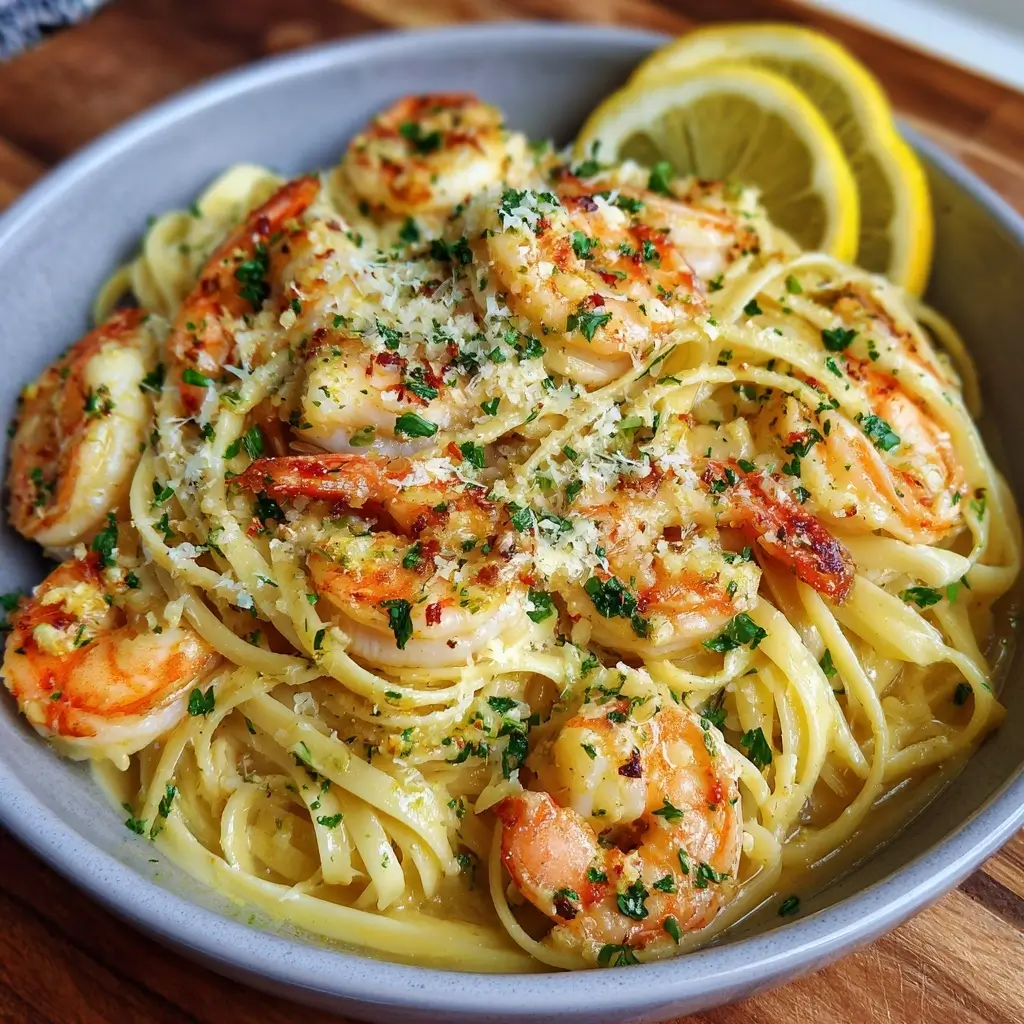
Shrimp Scampi with Linguine
Shrimp Scampi with Linguine: A Classic Italian-American Delight
Shrimp Scampi with Linguine is one of the most beloved dishes in Italian-American cuisine, celebrated for its rich flavors, simplicity, and elegance. This dish features plump shrimp sautéed in a luxurious sauce of garlic, butter, white wine, lemon juice, and parsley, then tossed with perfectly cooked linguine. Whether you’re preparing a romantic dinner for two or hosting a family gathering, Shrimp Scampi delivers restaurant-quality taste with minimal effort. In this comprehensive guide, we’ll explore the history, ingredients, step-by-step preparation, variations, nutritional aspects, and everything you need to know to master this timeless classic.
The History of Shrimp Scampi
The term “scampi” originally refers to a type of small lobster found in the Mediterranean Sea, also known as Dublin Bay prawns or langoustines. In Italy, scampi are typically prepared by boiling and served with olive oil, garlic, and lemon—simple yet flavorful. However, in the United States, where true scampi are less accessible, chefs and home cooks began substituting large shrimp for the traditional crustacean, giving birth to what we now know as “Shrimp Scampi.”
This adaptation became popular in mid-20th century Italian-American restaurants, particularly along the East Coast. Over time, the dish evolved to include butter, white wine, and pasta—elements not always present in the original Italian preparation. Today, Shrimp Scampi with Linguine stands as a symbol of culinary fusion, blending Italian roots with American innovation. Its enduring popularity lies in its balance of richness and brightness, making it a staple on menus across the country.
Ingredients Breakdown: What Makes It Shine
The magic of Shrimp Scampi lies in its ingredient harmony. Each component plays a vital role in building layers of flavor and texture:
- Shrimp: Fresh or high-quality frozen medium to large shrimp (31–40 count per pound) work best. Peeled and deveined, with tails on or off depending on presentation preference.
- Linguine: Long, flat noodles that hold sauce well. A close cousin to fettuccine but slightly narrower, linguine complements the delicate texture of shrimp.
- Butter and Olive Oil: A combination of both adds richness (butter) and fruitiness (olive oil), creating a balanced base for the sauce.
- Garlic: The star aromatic. Freshly minced garlic gives the dish its signature pungent warmth without overpowering.
- White Wine: Dry varieties like Pinot Grigio, Sauvignon Blanc, or unoaked Chardonnay deglaze the pan and add acidity and complexity.
- Lemon Juice and Zest: Brightens the dish, cutting through the richness and enhancing the seafood flavor.
- Fresh Parsley: Flat-leaf (Italian) parsley adds freshness and a pop of color when stirred in at the end.
- Red Pepper Flakes (optional): A pinch adds subtle heat, balancing the sweetness of the shrimp.
- Salt and Black Pepper: Essential for seasoning at every stage.
- Parmesan Cheese (optional): Though not traditional in authentic Italian versions, many American recipes include grated Parmesan for added umami and creaminess.
Using fresh, high-quality ingredients is crucial—especially with a recipe so simple, where each element shines.
Step-by-Step Recipe: How to Make Perfect Shrimp Scampi with Linguine
Follow these detailed steps to create a restaurant-worthy Shrimp Scampi with Linguine right in your kitchen:
- Prepare Ingredients: Peel and devein the shrimp, pat them dry, and season lightly with salt and pepper. Mince 4–5 cloves of garlic. Chop a generous handful of fresh parsley. Zest and juice one lemon. Measure out ½ cup of dry white wine, 4 tablespoons of unsalted butter, and 2 tablespoons of olive oil. Have red pepper flakes ready if using.
- Cook the Pasta: Bring a large pot of salted water to a boil (use about 1 tablespoon of salt per 4 quarts of water). Add 12 ounces of linguine and cook according to package instructions until al dente—usually 8–10 minutes. Reserve 1 cup of pasta water before draining. Do not rinse the pasta; the starch helps the sauce cling.
- Sauté the Garlic: While the pasta cooks, heat a large skillet or saucier over medium heat. Add olive oil and 2 tablespoons of butter. Once the butter melts, add the minced garlic and red pepper flakes (if using). Sauté gently for about 1 minute until fragrant—do not let the garlic brown or it will turn bitter.
- Cook the Shrimp: Increase heat to medium-high. Add the shrimp in a single layer and cook for about 1–2 minutes per side, until they turn pink and opaque. Avoid overcrowding; cook in batches if necessary. Remove the shrimp from the pan and set aside.
- Build the Sauce: In the same skillet, pour in the white wine and lemon juice. Use a wooden spoon to scrape up any browned bits (fond) from the bottom of the pan—this adds depth. Simmer for 2–3 minutes until the liquid reduces by half.
- Emulsify the Sauce: Reduce heat to low. Stir in the remaining 2 tablespoons of cold butter, one piece at a time, swirling constantly to create a silky, emulsified sauce. This technique, called monter au beurre, gives the sauce a luxurious texture.
- Combine Everything: Return the cooked shrimp to the skillet. Add the drained linguine and toss thoroughly to coat. If needed, add reserved pasta water a few tablespoons at a time to loosen the sauce and help it adhere to the noodles.
- Finish and Serve: Stir in most of the chopped parsley and lemon zest. Taste and adjust seasoning with salt, pepper, or more lemon juice. Garnish with remaining parsley and a sprinkle of Parmesan cheese if desired. Serve immediately while hot.
Tips for Success: Elevate Your Shrimp Scampi Game
- Don’t Overcook the Shrimp: Shrimp cook quickly and become rubbery if left too long. Remove them as soon as they turn pink and form a loose “C” shape.
- Use Cold Butter for the Sauce: Adding cold butter at the end creates a smooth, glossy emulsion. If the butter melts too fast, the sauce may break (separate).
- Reserve Pasta Water: The starchy water is essential for adjusting sauce consistency and helping it cling to the pasta.
- Don’t Skip the Lemon Zest: It intensifies citrus flavor without adding extra acidity.
- Season in Layers: Salt each component—shrimp, pasta water, sauce—for balanced flavor throughout.
- Prevent Mushy Garlic: Keep the heat moderate when sautéing garlic. Burnt garlic ruins the dish.
- Use Fresh Seafood: If using frozen shrimp, thaw them overnight in the refrigerator—not under warm water—to preserve texture.
- Cook Pasta Just Before Serving: Al dente pasta waits poorly. Time your steps so everything comes together at once.
Variations and Customizations: Make It Your Own
While classic Shrimp Scampi is delicious as-is, there are countless ways to personalize it:
- Creamy Scampi: Add ¼ to ½ cup of heavy cream or crème fraîche for a richer, velvety sauce.
- Tomato & Basil Scampi: Stir in halved cherry tomatoes and fresh basil during the last minute of cooking for a summery twist.
- Spicy Arrabbiata Style: Double the red pepper flakes and add a splash of Calabrian chili paste for intense heat.
- Garlic Lover’s Version: Roast a whole head of garlic and mash it into the sauce for sweet, mellow garlic notes.
- Gluten-Free Option: Substitute gluten-free linguine (rice or chickpea-based) and ensure all other ingredients are GF-certified.
- Dairy-Free Scampi: Replace butter with vegan butter or additional olive oil, and omit Parmesan.
- Seafood Medley: Combine shrimp with scallops, mussels, or clams for a surf-and-turf style scampi.
- Herb Variations: Swap parsley for tarragon, chives, or dill for a different aromatic profile.
- Wine-Free Version: Replace white wine with low-sodium chicken broth and 1 teaspoon of apple cider vinegar for acidity.
- Baked Scampi: Transfer the finished dish to an oven-safe dish, top with breadcrumbs and Parmesan, and broil for 3–5 minutes for a casserole-style finish.
Health Considerations and Nutritional Value
Shrimp Scampi with Linguine can be part of a healthy, balanced diet when enjoyed in moderation. Here’s a nutritional breakdown (approximate per serving, based on 4 servings):
- Calories: 450–550 kcal
- Protein: 25–30g (shrimp is an excellent source of lean protein)
- Carbohydrates: 50–60g (mostly from pasta)
- Fat: 18–22g (primarily from butter, olive oil, and shrimp)
- Saturated Fat: 8–10g
- Cholesterol: ~180mg (shrimp naturally contains cholesterol, but current research suggests dietary cholesterol has less impact on blood cholesterol than previously thought)
- Sodium: 600–900mg (can be reduced by using less salt and low-sodium ingredients)
- Vitamins & Minerals: High in selenium, vitamin B12, iodine, phosphorus, and antioxidants from garlic and lemon.
Health Tips:
- Choose whole wheat linguine for added fiber and a lower glycemic index.
- Reduce butter usage by increasing olive oil proportion for heart-healthy monounsaturated fats.
- Limit portion size to 1 cup of pasta to manage carbohydrate intake.
- Add steamed vegetables like asparagus, spinach, or broccoli to boost fiber and nutrients.
- Pair with a side salad and a glass of the same white wine used in cooking for a well-rounded meal.
Ingredients
- 12 oz (340g) linguine
- 1 lb (450g) large shrimp, peeled and deveined
- 4–5 cloves garlic, minced
- ½ cup dry white wine (e.g., Pinot Grigio)
- 3 tbsp fresh lemon juice (about 1 lemon)
- 1 tsp lemon zest
- 4 tbsp unsalted butter, divided
- 2 tbsp extra-virgin olive oil
- ¼ tsp red pepper flakes (optional)
- ½ cup chopped fresh parsley, plus extra for garnish
- Salt and freshly ground black pepper, to taste
- Grated Parmesan cheese (optional)
Directions
- Bring a large pot of salted water to a boil. Cook linguine according to package directions until al dente. Reserve 1 cup of pasta water, then drain and set aside.
- In a large skillet over medium heat, warm olive oil and 2 tablespoons of butter. Add minced garlic and red pepper flakes; sauté for 1 minute until fragrant.
- Increase heat to medium-high. Add shrimp in a single layer, season with salt and pepper, and cook 1–2 minutes per side until pink and opaque. Transfer to a plate.
- Pour white wine and lemon juice into the skillet. Simmer 2–3 minutes until reduced by half, scraping up browned bits.
- Reduce heat to low. Whisk in remaining 2 tablespoons of cold butter, one piece at a time, until sauce is smooth and glossy.
- Return shrimp to the skillet. Add cooked linguine and toss to combine. Add reserved pasta water as needed to loosen the sauce.
- Stir in lemon zest, chopped parsley, and additional salt and pepper to taste.
- Serve immediately, garnished with extra parsley and Parmesan cheese if desired.
FAQ: Frequently Asked Questions About Shrimp Scampi with Linguine
Can I use frozen shrimp?
Yes, but thaw them properly in the refrigerator overnight. Never cook frozen shrimp directly—it leads to uneven cooking and excess moisture.
What kind of wine should I use?
A dry, crisp white wine like Pinot Grigio, Sauvignon Blanc, or unoaked Chardonnay works best. Avoid cooking wines—they contain added salt and preservatives.
Is Shrimp Scampi gluten-free?
The sauce is naturally gluten-free, but traditional linguine is made from wheat. Use gluten-free pasta to make it safe for those with celiac disease or sensitivity.
Can I make this ahead of time?
Best served fresh. However, you can prep ingredients in advance—mince garlic, chop parsley, measure liquids—and cook the dish just before serving.
Why did my sauce separate?
Sauces break when butter is added too quickly or at too high a temperature. Always use cold butter and low heat, whisking continuously.
Can I add vegetables?
Absolutely! Sautéed spinach, sun-dried tomatoes, artichoke hearts, or asparagus pair beautifully with scampi.
How do I store leftovers?
Store in an airtight container in the refrigerator for up to 2 days. Reheat gently in a skillet with a splash of water or broth to revive the sauce.
Can I freeze Shrimp Scampi?
Not recommended. Freezing degrades the texture of shrimp and causes the sauce to separate upon thawing.
Summary
Shrimp Scampi with Linguine is a quick, elegant dish that combines tender shrimp, garlic-butter sauce, and al dente pasta for a restaurant-quality meal at home. With its bright lemon notes, fragrant herbs, and rich yet balanced flavor, it’s a timeless favorite for weeknights and special occasions alike.