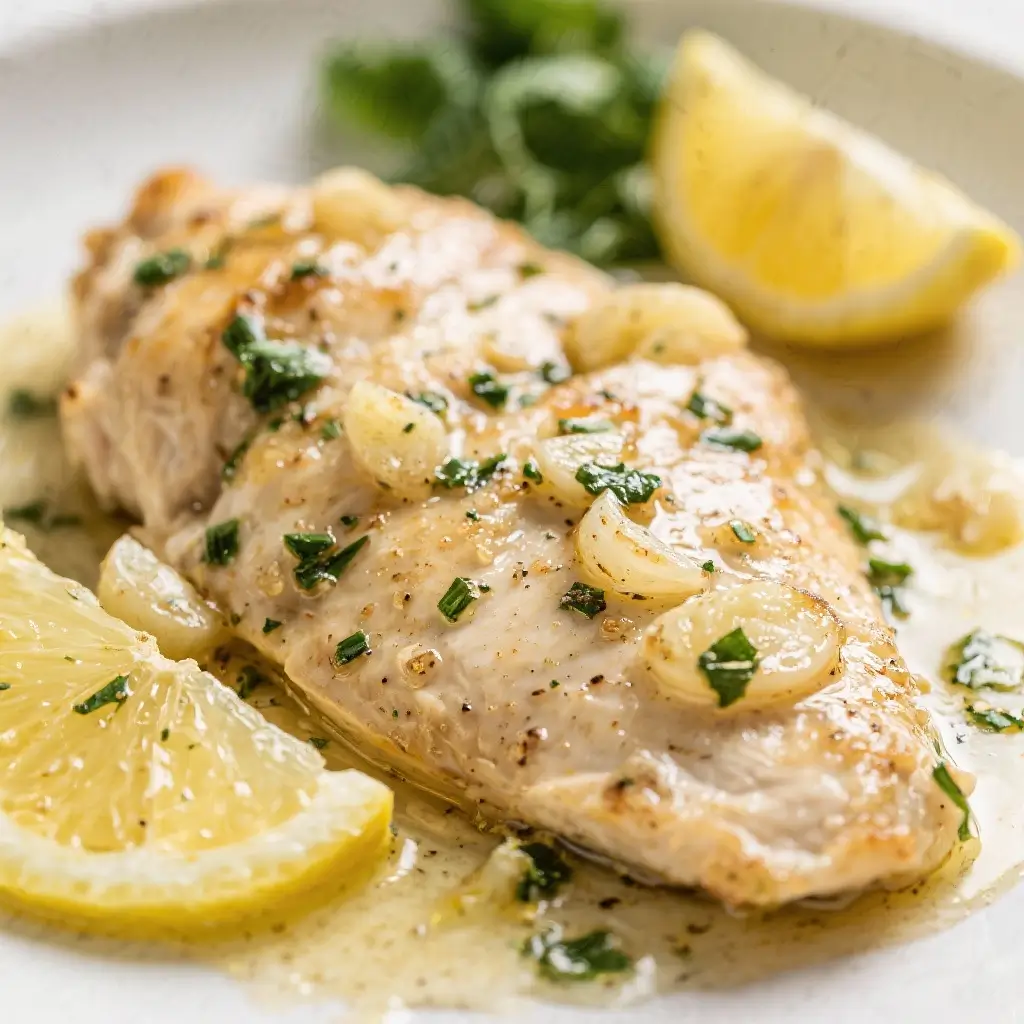
Garlic Lemon Chicken Piccata
Introduction
Garlic Lemon Chicken Piccata is a timeless classic that brings together the bold, vibrant flavors of garlic, lemon, and capers in a rich, buttery sauce. This Italian-American favorite features tender, pan-seared chicken breasts smothered in a tangy, citrus-infused sauce that’s both refreshing and deeply satisfying. Whether you’re preparing a weeknight dinner or impressing guests at a weekend gathering, this dish delivers restaurant-quality results with minimal effort. Its bright acidity cuts through the richness of the chicken, creating a perfectly balanced meal that pairs beautifully with pasta, rice, or roasted vegetables. With its crisp exterior and juicy interior, every bite of Garlic Lemon Chicken Piccata is an explosion of flavor that transports your taste buds straight to the heart of Tuscany.
The History
The origins of Chicken Piccata trace back to Italy, where “piccata” (or “picatta”) refers to a method of cooking meat—typically veal—that is sliced, sautéed, and served in a sauce made from lemon juice, butter, and capers. The word “piccata” itself comes from the Italian verb piccare, meaning “to prick” or “to pierce,” which historically referred to the practice of larding or puncturing the meat to make it more tender before cooking. While traditional Italian piccata was originally made with veal (scaloppine di vitello alla piccata), Italian immigrants in America began adapting the recipe using chicken due to its lower cost and wider availability, giving rise to Chicken Piccata as we know it today.
This adaptation flourished in mid-20th century American-Italian cuisine, becoming a staple on trattoria menus across cities like New York, Boston, and Chicago. Over time, the addition of garlic became a hallmark of the American version, enhancing the zesty profile of the lemon-caper sauce. Today, Garlic Lemon Chicken Piccata stands as a beloved fusion of Old World technique and New World innovation—a dish that celebrates simplicity, freshness, and bold flavor.
Ingredients Breakdown
The magic of Garlic Lemon Chicken Piccata lies in its carefully balanced ingredients, each contributing a unique layer of flavor and texture:
- Chicken Breasts: Boneless, skinless chicken breasts are pounded thin for quick, even cooking and maximum surface area for browning. Their mild flavor serves as the perfect canvas for the vibrant sauce.
- All-Purpose Flour: Used for dredging the chicken, flour creates a delicate crust that helps seal in moisture while thickening the sauce slightly as it cooks.
- Salt and Black Pepper: Essential seasonings that enhance the natural flavor of the chicken and balance the acidity of the lemon.
- Olive Oil and Butter: A combination of olive oil (for high-heat stability) and butter (for richness and flavor) is used to sauté the chicken and form the base of the sauce.
- Garlic: Freshly minced garlic adds depth and aromatic warmth, infusing the dish with a savory backbone that complements the citrus notes.
- Lemon Juice: Freshly squeezed lemon juice provides the signature tartness of the dish. Bottled juice can be used in a pinch, but fresh yields superior brightness and complexity.
- Lemon Zest: Often overlooked, lemon zest intensifies the citrus flavor by adding essential oils that amplify aroma without increasing acidity.
- Capers: These briny, pickled flower buds from the Mediterranean add a salty, tangy pop that defines the piccata experience. Rinse them briefly under water if you prefer a less salty bite.
- Chicken Broth: Acts as the liquid base for the sauce, adding savory depth and helping deglaze the pan to lift up flavorful browned bits (fond).
- Parsley: Fresh flat-leaf parsley is used both during cooking and as a garnish, lending a grassy freshness that balances the richness of the butter and oil.
- Optional Additions: Some variations include white wine for added complexity, or a splash of heavy cream for a silkier sauce.
Step-by-Step Recipe
- Prepare the Chicken: Place 4 boneless, skinless chicken breasts between sheets of plastic wrap or parchment paper. Using a meat mallet or heavy skillet, pound them to an even thickness of about ¼ inch. This ensures uniform cooking and tenderness. Season both sides generously with salt and freshly ground black pepper.
- Dredge in Flour: Spread ½ cup all-purpose flour on a large plate. Lightly coat each chicken breast in the flour, shaking off any excess. Set aside on a clean plate.
- Heat the Pan: In a large skillet (preferably stainless steel or nonstick), heat 2 tablespoons of olive oil and 1 tablespoon of unsalted butter over medium-high heat until the butter melts and begins to sizzle gently.
- Sear the Chicken: Add the floured chicken breasts in a single layer—do not overcrowd the pan. Cook for 3–4 minutes per side, or until golden brown and cooked through (internal temperature should reach 165°F). Transfer the chicken to a plate and cover loosely with foil to keep warm.
- Build the Sauce: Reduce the heat to medium. Add 1 tablespoon of butter to the same skillet. Once melted, stir in 4 cloves of minced garlic and cook for about 30 seconds, just until fragrant—do not let it burn.
- Deglaze the Pan: Pour in ¾ cup of low-sodium chicken broth, scraping the bottom of the pan with a wooden spoon to release all the flavorful browned bits. Allow the mixture to simmer for 2 minutes to reduce slightly.
- Add Citrus and Capers: Stir in ⅓ cup freshly squeezed lemon juice, 1 tablespoon of lemon zest, and 3 tablespoons of drained capers. Bring the sauce to a gentle simmer and cook for another 2–3 minutes.
- Finish with Butter and Herbs: Remove the pan from heat and swirl in 2 tablespoons of cold unsalted butter to create a silky, emulsified sauce. Stir in 2 tablespoons of chopped fresh parsley.
- Return Chicken to Sauce: Gently place the seared chicken breasts back into the skillet, turning to coat them in the sauce. Let them warm through for 1–2 minutes.
- Serve Immediately: Plate the chicken and spoon plenty of sauce over the top. Garnish with additional lemon slices, parsley, and extra capers if desired.
Tips
- Use Fresh Lemons: Always opt for fresh lemon juice and zest. The difference in flavor is dramatic compared to bottled juice.
- Don’t Skip the Zest: Lemon zest contains concentrated citrus oils that elevate the overall aroma and taste of the dish.
- Control Garlic Burn: Garlic burns quickly. Sauté it only until fragrant—about 30 seconds—to avoid bitterness.
- Pound Evenly: Uniform thickness prevents some pieces from drying out while others remain undercooked.
- Rest the Chicken: Allowing the chicken to rest after searing keeps it juicy when reintroduced to the sauce.
- Butter at the End: Adding cold butter off-heat creates a glossy, restaurant-style sauce through emulsification.
- Skillet Choice Matters: Stainless steel pans promote better browning than nonstick, though either works. Avoid cast iron unless seasoned well, as acidic lemon can react with it.
- Thicken the Sauce (if needed): If the sauce is too thin, mix 1 teaspoon of cornstarch with 1 tablespoon of cold water and stir into the simmering liquid.
- Prevent Tough Chicken: Do not overcook. Remove chicken once it reaches 165°F internally; residual heat will continue cooking it slightly.
- Make Ahead Prep: You can pound and flour the chicken ahead of time and refrigerate it for up to 4 hours before cooking.
Variations and Customizations
- White Wine Piccata: Deglaze the pan with ½ cup dry white wine (like Sauvignon Blanc or Pinot Grigio) before adding the broth for a deeper, more complex sauce.
- Chicken Piccata with Cream: Stir in 2–3 tablespoons of heavy cream or crème fraîche at the end for a richer, milder sauce—ideal for those sensitive to acidity.
- Mushroom Piccata: Sauté sliced mushrooms along with the garlic for an earthy twist.
- Shrimp or Scallops Piccata: Substitute chicken with large shrimp or sea scallops for a luxurious seafood version. Adjust cooking time accordingly (shrimp take 2–3 minutes per side).
- Veal Piccata: Return to the traditional roots by using thinly sliced veal cutlets instead of chicken.
- Dairy-Free Option: Replace butter with vegan butter or extra olive oil, and use a dairy-free broth to keep the dish compliant.
- Gluten-Free Version: Use gluten-free flour blend or almond flour for dredging. Ensure all other ingredients (like broth and capers) are certified gluten-free.
- Herb Variations: Experiment with thyme, oregano, or tarragon for different aromatic profiles.
- Spicy Kick: Add red pepper flakes (¼–½ teaspoon) when sautéing the garlic for a subtle heat.
- Extra Vegetables: Serve over steamed asparagus, sautéed spinach, or artichoke hearts to make it a complete one-pan meal.
Health Considerations and Nutritional Value
Garlic Lemon Chicken Piccata can be a nutritious choice when prepared mindfully. Here’s a breakdown of key nutritional aspects:
- Lean Protein Source: Chicken breast is low in fat and high in protein, making it ideal for muscle repair, satiety, and weight management.
- Heart-Healthy Fats: Olive oil contributes monounsaturated fats, which support cardiovascular health. Limiting butter or using a light hand helps manage saturated fat intake.
- Vitamins and Antioxidants: Lemons are rich in vitamin C, a powerful antioxidant that boosts immunity and aids iron absorption. Garlic contains allicin, known for its anti-inflammatory and antimicrobial properties.
- Sodium Awareness: Capers and chicken broth can be high in sodium. To reduce salt content, rinse capers thoroughly and use low-sodium or homemade broth.
- Calorie Control: A typical serving (one chicken breast with sauce) ranges from 350–450 calories depending on preparation. Reducing butter and oil can lower this further.
- Balanced Meal Pairing: Serve with whole grains like quinoa or brown rice, or over zucchini noodles for a low-carb option. Add a side salad or steamed vegetables to increase fiber and micronutrient intake.
- Digestive Benefits: The acidity from lemon juice may aid digestion, especially when consumed with protein-rich meals.
- Allergen Notes: Contains dairy (butter) and possibly gluten (flour). Modifications are available for common dietary restrictions.
Ingredients
- 4 boneless, skinless chicken breasts (about 6 oz each)
- ½ cup all-purpose flour (or gluten-free alternative)
- 1 tsp salt (plus more to taste)
- ½ tsp freshly ground black pepper
- 2 tbsp olive oil
- 3 tbsp unsalted butter (divided)
- 4 cloves garlic, minced
- ⅓ cup freshly squeezed lemon juice (about 2 lemons)
- 1 tbsp lemon zest (from 1–2 lemons)
- 3 tbsp capers, drained and rinsed
- ¾ cup low-sodium chicken broth
- ¼ cup chopped fresh parsley (plus extra for garnish)
- Lemon slices, for serving (optional)
Directions
- Pound chicken breasts to ¼-inch thickness and season with salt and pepper.
- Dredge each breast lightly in flour, shaking off excess.
- In a large skillet, heat olive oil and 1 tablespoon of butter over medium-high heat.
- Add chicken in batches; cook 3–4 minutes per side until golden and cooked through. Transfer to a plate and cover.
- Reduce heat to medium, add 1 tablespoon butter, then sauté garlic for 30 seconds until fragrant.
- Pour in chicken broth, scraping up browned bits. Simmer 2 minutes.
- Stir in lemon juice, lemon zest, and capers. Simmer 2–3 minutes.
- Remove from heat; whisk in remaining 2 tablespoons of cold butter and parsley.
- Return chicken to skillet; warm for 1–2 minutes, turning to coat in sauce.
- Serve immediately with extra sauce, garnished with parsley and lemon slices.
FAQ
Can I use chicken thighs instead of breasts?
Yes, boneless, skinless chicken thighs can be used. They’re more forgiving and stay juicier, but may require slightly longer cooking time.
Why did my sauce separate?
Adding butter too quickly or at too high a temperature can cause the sauce to break. Remove from heat and slowly whisk in cold butter for best results.
Can I make this ahead of time?
The chicken can be prepped in advance, but the dish is best served fresh. Reheating may result in a less vibrant sauce and drier chicken.
What wine pairs well with Chicken Piccata?
A crisp white wine such as Pinot Grigio, Sauvignon Blanc, or Vermentino complements the lemony, briny flavors perfectly.
How do I store leftovers?
Store in an airtight container in the refrigerator for up to 3 days. Reheat gently on the stove with a splash of broth to revive the sauce.
Can I freeze Chicken Piccata?
Freezing is not recommended, as the sauce may separate and the chicken can become dry upon thawing.
Are capers necessary?
While optional, capers are a defining ingredient. For a similar tang, try chopped green olives or a dash of vinegar, though the flavor will differ.
My sauce is too sour—how can I fix it?
Balance excess acidity with a small pinch of sugar, a splash of cream, or additional butter to mellow the sharpness.
Summary
Garlic Lemon Chicken Piccata is a vibrant, restaurant-worthy dish that combines tender chicken with a zesty lemon-garlic sauce accented by briny capers and fresh herbs. Quick to prepare and endlessly customizable, it’s a healthy, flavorful meal that delights both family and guests alike.