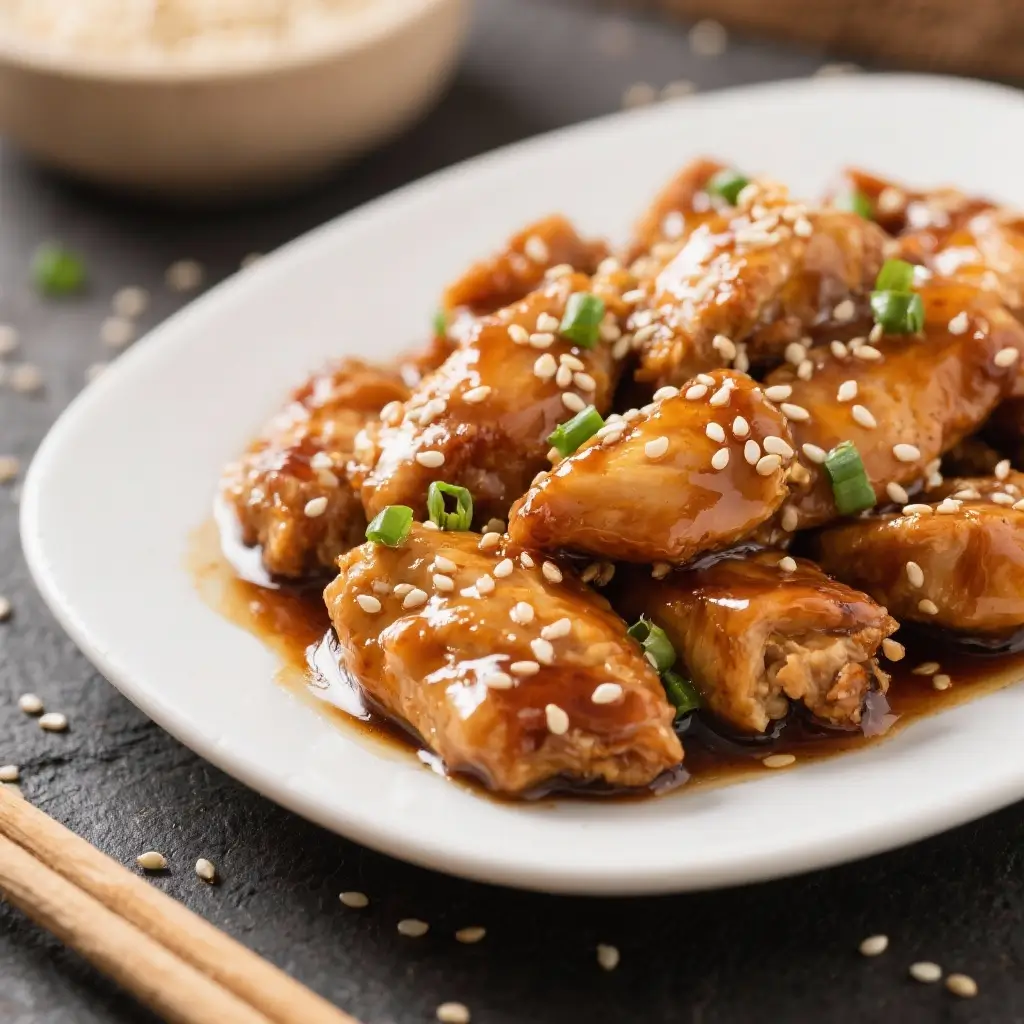
Honey Sesame Chicken
Honey Sesame Chicken: A Sweet and Savory Delight
Honey Sesame Chicken is a beloved dish that combines the perfect balance of sweet, savory, and nutty flavors. Originating from Chinese-American cuisine, this dish has found its way into homes and restaurants across the globe, delighting taste buds with its glossy glaze, tender chicken pieces, and aromatic sesame seeds. Whether served over steamed rice, noodles, or alongside stir-fried vegetables, Honey Sesame Chicken is both comforting and satisfying. This comprehensive guide will walk you through every aspect of the dish—from its historical roots to detailed cooking instructions, nutritional insights, variations, and frequently asked questions—so you can master it in your own kitchen.
The History of Honey Sesame Chicken
While traditional Chinese cuisine features many dishes with sesame oil and soy sauce, Honey Sesame Chicken as we know it today is largely a creation of Chinese-American culinary fusion. It emerged during the mid-20th century when Chinese immigrants adapted their recipes to suit American palates, emphasizing sweeter flavors and more accessible ingredients. The use of honey as a primary sweetener instead of sugar or corn syrup gave the dish its signature sticky sweetness, while toasted sesame seeds added a rich, nutty depth. Over time, the dish gained popularity in takeout menus and home kitchens alike, becoming a staple of Asian-inspired American food. Today, variations exist worldwide, but the core elements—tender chicken, a glossy honey-based sauce, and sesame seeds—remain unchanged.
Ingredients Breakdown: What Makes This Dish Shine
The magic of Honey Sesame Chicken lies in its carefully balanced combination of ingredients, each contributing to the overall flavor, texture, and aroma. Here’s a detailed breakdown:
- Chicken Breast or Thighs: Boneless, skinless chicken breasts are commonly used for their lean texture, but thighs offer more juiciness and flavor due to higher fat content.
- Honey: Provides natural sweetness and helps create a shiny, sticky glaze. Raw or pure honey works best for optimal flavor.
- Soy Sauce: Adds saltiness and umami. Low-sodium soy sauce is recommended to control salt levels.
- Rice Vinegar or Apple Cider Vinegar: Introduces a mild tanginess that balances the sweetness of the honey.
- Garlic and Ginger: Freshly minced garlic and grated ginger lend aromatic warmth and depth.
- Sesame Oil: A small amount adds a distinctive nutty fragrance; use toasted sesame oil for maximum flavor.
- Green Onions and Toasted Sesame Seeds: Used as garnish, they enhance visual appeal and add crunch and freshness.
- Cornstarch: Essential for thickening the sauce and creating a velvety coating on the chicken.
- Vegetable Oil: For sautéing or frying the chicken without overpowering other flavors.
- Optional Add-ins: Bell peppers, broccoli, carrots, or snap peas can be stir-fried alongside for a complete meal.
Step-by-Step Recipe: How to Make Perfect Honey Sesame Chicken at Home
Follow this detailed recipe to achieve restaurant-quality Honey Sesame Chicken in your own kitchen.
Ingredients
- 1.5 lbs (680g) boneless, skinless chicken breasts or thighs, cut into 1-inch cubes
- 3 tablespoons cornstarch
- 1/2 teaspoon salt
- 1/4 teaspoon black pepper
- 3 tablespoons vegetable oil (divided)
- 1/2 cup honey
- 1/4 cup low-sodium soy sauce
- 2 tablespoons rice vinegar (or apple cider vinegar)
- 2 cloves garlic, minced
- 1 tablespoon fresh ginger, grated
- 1 teaspoon toasted sesame oil
- 2 tablespoons water
- 2 green onions, sliced (for garnish)
- 2 tablespoons toasted sesame seeds
- Optional: 1 cup mixed vegetables (bell peppers, broccoli, carrots)
Directions
- Prepare the Chicken: In a large bowl, toss the chicken cubes with 2 tablespoons of cornstarch, salt, and pepper until evenly coated. This step helps seal in moisture and creates a light crust when cooked.
- Pan-Fry the Chicken: Heat 2 tablespoons of vegetable oil in a large skillet or wok over medium-high heat. Add the chicken in a single layer (work in batches if needed) and cook for 4–5 minutes per side, until golden brown and cooked through. Remove and set aside.
- Make the Sauce: In the same pan, reduce heat to medium. Add the remaining 1 tablespoon of oil, then stir in the garlic and ginger. Sauté for 30 seconds until fragrant.
- Combine Liquids: Whisk together honey, soy sauce, rice vinegar, water, and sesame oil in a small bowl. Pour the mixture into the pan and bring to a gentle simmer.
- Thicken the Sauce: In a separate cup, mix 1 tablespoon cornstarch with 2 tablespoons cold water to make a slurry. Slowly pour into the simmering sauce, stirring constantly. Cook for 2–3 minutes until the sauce thickens and becomes glossy.
- Combine Chicken and Sauce: Return the cooked chicken to the pan, tossing to coat evenly with the sauce. If using vegetables, add them now and stir-fry for 3–4 minutes until tender-crisp.
- Garnish and Serve: Sprinkle with sliced green onions and toasted sesame seeds. Serve immediately over steamed white rice, brown rice, quinoa, or noodles.
Tips for the Best Honey Sesame Chicken
- Use Fresh Ingredients: Fresh garlic, ginger, and green onions make a noticeable difference in flavor compared to powdered or dried versions.
- Don’t Overcook the Chicken: To keep it tender, avoid overcooking during the initial sear. The chicken will continue to cook slightly when tossed in the hot sauce.
- Toasting Sesame Seeds: Lightly toast raw sesame seeds in a dry pan over medium heat for 2–3 minutes until golden and fragrant for enhanced flavor.
- Balancing Sweetness: If the sauce is too sweet, add a splash of rice vinegar or a pinch of red pepper flakes for heat and acidity.
- Double the Sauce: If serving over rice or with extra vegetables, consider doubling the sauce ingredients to ensure ample coating.
- Marinate for Extra Flavor: For deeper flavor, marinate the chicken in 1 tablespoon soy sauce and 1 teaspoon cornstarch for 20–30 minutes before cooking.
Variations and Customizations
Honey Sesame Chicken is incredibly versatile. Try these creative twists to suit your preferences:
- Spicy Honey Sesame Chicken: Add 1–2 teaspoons of sriracha, chili garlic sauce, or crushed red pepper flakes to the sauce for a fiery kick.
- Pineapple Honey Sesame Chicken: Stir in 1/2 cup of diced pineapple for a tropical twist that enhances the sweetness.
- Gluten-Free Version: Use tamari or coconut aminos instead of soy sauce and ensure cornstarch is gluten-free certified.
- Vegan Option: Substitute chicken with firm tofu or tempeh. Press and cube the tofu, then pan-fry until crispy before adding to the sauce.
- Baked Version: For a healthier option, coat chicken in cornstarch, bake at 400°F (200°C) for 20–25 minutes, then toss with prepared sauce.
- Slow Cooker Method: Combine all ingredients (except cornstarch slurry) in a slow cooker and cook on low for 4 hours. Thicken with slurry at the end.
- Nut-Free Alternative: Replace sesame seeds with sunflower seeds and omit sesame oil, using avocado or olive oil instead.
Health Considerations and Nutritional Value
While delicious, Honey Sesame Chicken should be enjoyed in moderation due to certain nutritional aspects:
- Sugar Content: Honey is high in natural sugars. One serving can contain 15–25g of sugar depending on the recipe. Opt for raw honey in moderation or use a sugar substitute like monk fruit syrup for lower glycemic impact.
- Sodium Levels: Soy sauce contributes significant sodium. Using low-sodium soy sauce or reducing the amount can help manage blood pressure concerns.
- Protein Source: Chicken provides high-quality protein (about 30g per 4-ounce serving), supporting muscle repair and satiety.
- Healthy Fats: Sesame seeds and oil contain heart-healthy monounsaturated and polyunsaturated fats, along with antioxidants like sesamin and sesamolin.
- Calorie Count: A typical serving (chicken + sauce + 1/2 cup rice) ranges from 400–600 calories. Baking instead of frying and serving with cauliflower rice can reduce calorie intake.
- Dietary Benefits: Rich in flavor without artificial additives when made from scratch. Packed with immune-boosting ingredients like garlic and ginger.
Frequently Asked Questions (FAQ)
Q: Can I make Honey Sesame Chicken ahead of time?
A: Yes! Cook the chicken and sauce separately, store in airtight containers in the fridge for up to 3 days, then reheat and combine before serving. Reheating in a skillet preserves texture better than microwaving.
Q: Why is my sauce too thin?
A: Ensure you’re using a cornstarch slurry and cooking it long enough. The sauce should simmer for 2–3 minutes after adding the slurry to fully thicken. Avoid diluting with extra liquids.
Q: Can I freeze Honey Sesame Chicken?
A: Yes, it freezes well for up to 3 months. Store in freezer-safe containers. Thaw overnight in the fridge and reheat gently on the stove to maintain texture.
Q: Is honey healthy in this dish?
A: In moderation, honey offers antioxidants and antibacterial properties. However, it’s still a form of sugar, so portion control is key, especially for diabetics.
Q: What can I serve with Honey Sesame Chicken?
A: Excellent pairings include steamed jasmine rice, brown rice, quinoa, lo mein noodles, or cauliflower rice. Serve with stir-fried bok choy, broccoli, or a simple cucumber salad for balance.
Q: Can I use honey substitutes?
A: Yes, maple syrup, agave nectar, or brown sugar can replace honey, though the flavor profile will change slightly. Note that substitutions may affect the sauce’s consistency.
Q: How do I prevent the chicken from drying out?
A: Avoid overcooking. Sear just until golden and internal temperature reaches 165°F (74°C). Marinating in a bit of soy sauce and cornstarch helps retain moisture.
Summary
Honey Sesame Chicken is a delectable fusion dish that blends sweet honey, savory soy, and nutty sesame into a harmonious, crowd-pleasing meal. Easy to customize and perfect for weeknight dinners or special occasions, it brings bold flavors and comforting textures to any table.