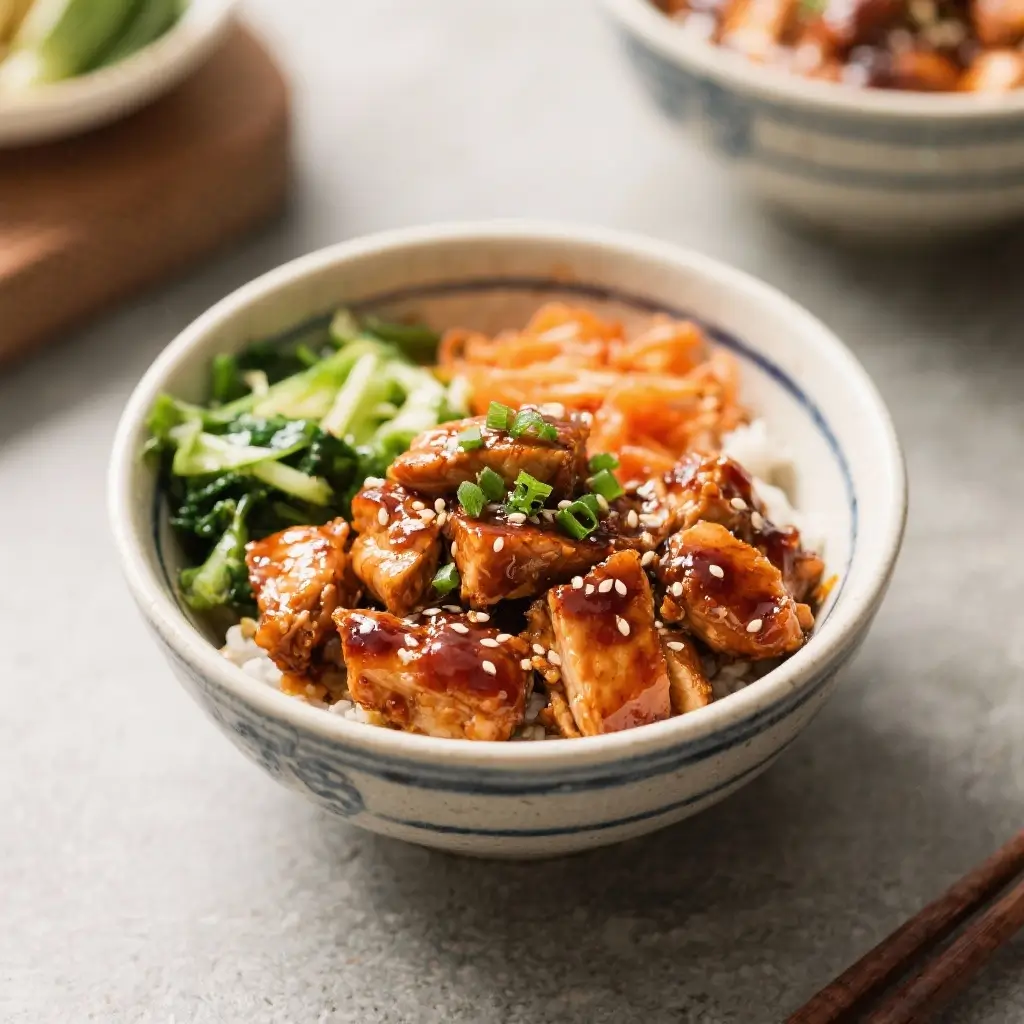
Korean BBQ Chicken Bowls
Introduction
Welcome to the ultimate guide on Korean BBQ Chicken Bowls—a delicious, vibrant, and satisfying meal that brings together the bold flavors of Korea with the convenience and balance of a modern grain bowl. Whether you’re a fan of spicy-sweet marinades, tender grilled chicken, or colorful fresh vegetables, this dish is sure to become a staple in your weekly rotation. Packed with flavor, nutrition, and visual appeal, Korean BBQ Chicken Bowls are perfect for busy weeknights, meal prepping, or impressing guests at dinner parties. In this comprehensive article, we’ll dive deep into every aspect of this beloved dish—from its cultural roots and ingredient breakdown to step-by-step cooking instructions, variations, health benefits, and frequently asked questions.
The History
Korean BBQ, known as gogi-gui (고기구이) in Korean, refers to the traditional method of grilling meat at the table, often enjoyed communally. While beef dishes like bulgogi and galbi are most iconic, grilled chicken has also gained popularity both in Korea and abroad, especially in fusion cuisine. The concept of Korean BBQ bowls—where grilled meats are served over rice with an array of side dishes—emerged as part of the global trend toward healthy, customizable meals inspired by international flavors. Korean BBQ Chicken Bowls are a modern adaptation that combines classic Korean marinades with Western-style bowl formats, making them accessible and easy to prepare at home. This dish reflects Korea’s rich culinary heritage while embracing contemporary dining preferences for balanced, flavorful, and visually appealing meals.
Ingredients Breakdown
The magic of Korean BBQ Chicken Bowls lies in the harmony of sweet, savory, spicy, and umami-rich ingredients. Each component plays a crucial role in building layers of flavor and texture:
- Chicken Breast or Thighs: Boneless, skinless chicken breasts offer a lean option, while thighs provide more juiciness and flavor due to their higher fat content.
- Soy Sauce: The base of the marinade, providing saltiness and depth. Use low-sodium soy sauce if preferred.
- Brown Sugar or Honey: Adds sweetness that balances the salt and spice; helps caramelize the chicken when grilled.
- Sesame Oil: Imparts a nutty aroma and richness essential to Korean cuisine.
- Rice Vinegar or Apple Cider Vinegar: Offers tanginess to brighten the marinade and cut through richness.
- Garlic and Ginger: Freshly minced for pungent, aromatic heat and complexity.
- Gochujang (Korean Chili Paste): A fermented red chili paste that gives authentic spicy-sweet depth. Adjust quantity based on heat preference.
- Sriracha or Red Pepper Flakes (optional): For extra heat.
- Rice (White, Brown, or Black): Serves as the hearty base. Short-grain white rice is traditional, but brown rice adds fiber.
- Vegetables: Common toppings include shredded carrots, cucumber ribbons, sliced green onions, pickled radish, kimchi, and steamed broccoli.
- Kimchi: Fermented spicy cabbage adds probiotics, tang, and heat—essential for authenticity.
- Avocado (optional): For creaminess and healthy fats.
- Soft-Boiled or Fried Egg: Adds protein and richness when the yolk runs over the bowl.
- Garnishes: Sesame seeds, cilantro, nori strips, or crushed peanuts for crunch and visual flair.
- Optional Sauce Drizzle: Extra gochujang mix, sriracha mayo, or a sesame-soy vinaigrette.
Step-by-Step Recipe
- Marinate the Chicken: In a large bowl, whisk together 1/4 cup soy sauce, 2 tablespoons brown sugar, 1 tablespoon sesame oil, 1 tablespoon rice vinegar, 3 minced garlic cloves, 1 tablespoon grated ginger, 1–2 tablespoons gochujang, and 1 teaspoon sriracha (optional). Add 1.5 lbs of thinly sliced chicken (breast or thigh), toss to coat, cover, and refrigerate for at least 30 minutes—or ideally 2 to 4 hours—for maximum flavor.
- Cook the Rice: Rinse 1 cup of rice under cold water until the water runs clear. Cook according to package instructions (typically 1:2 rice-to-water ratio for white rice, simmered for 15–18 minutes). Let it rest covered for 10 minutes after cooking. Fluff with a fork before serving.
- Prepare the Vegetables: While the chicken marinates, julienne carrots, slice cucumbers, chop green onions, and portion out kimchi. You can also quick-pickle carrots and daikon in rice vinegar, sugar, and salt for 20 minutes for added tang.
- Cook the Chicken: Heat 1 tablespoon of oil in a grill pan, skillet, or outdoor grill over medium-high heat. Remove chicken from marinade (reserve excess marinade) and cook for 5–7 minutes per side, depending on thickness, until fully cooked (internal temperature of 165°F). For extra glaze, reduce the reserved marinade in a small saucepan for 3–5 minutes and brush over chicken during last minute of cooking.
- Prepare Toppings: Soft-boil eggs (6–7 minutes for runny yolks), halve avocados, toast sesame seeds, and have all toppings ready.
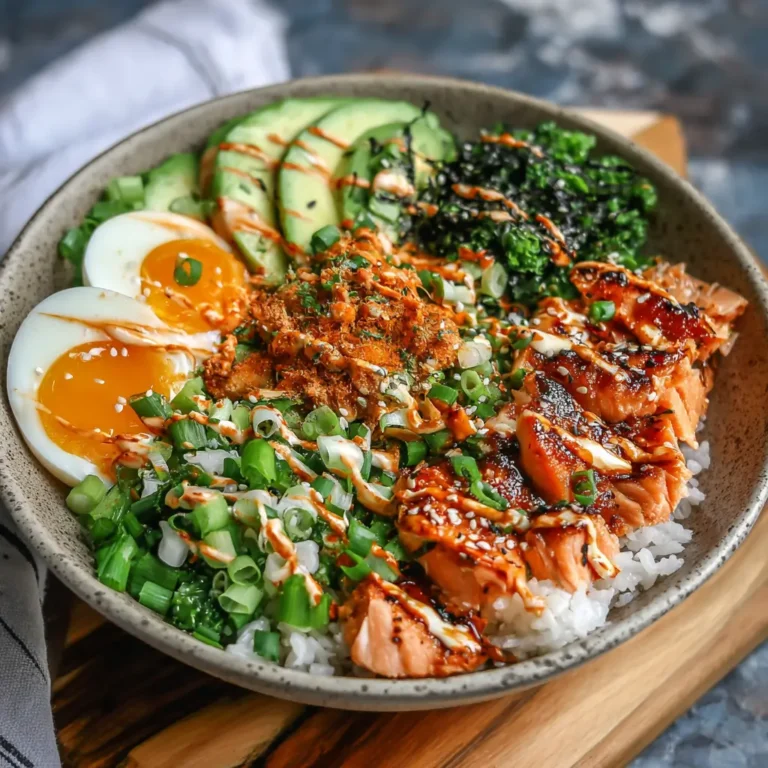
- Assemble the Bowls: Divide cooked rice among serving bowls. Top with sliced grilled chicken, colorful vegetables, kimchi, avocado slices, and a soft-boiled egg. Sprinkle with green onions, sesame seeds, and optional herbs.
- Add Finishing Touches: Drizzle with extra gochujang, sriracha mayo (mix sriracha with mayo), or a sesame-soy dressing. Serve immediately.
Tips
- Thinly Slice Chicken: Cutting chicken against the grain into thin strips ensures tenderness and quicker, more even cooking.
- Don’t Over-Marinate: While longer marination enhances flavor, avoid exceeding 12 hours, especially with acidic ingredients, which can start to “cook” the chicken and alter texture.
- Baste for Shine: Brushing the chicken with reduced marinade during the final minutes of cooking creates a glossy, caramelized finish.
- Use a Grill Pan: For authentic char marks and smoky flavor without needing an outdoor grill.
- Double the Marinade: Make extra marinade to use as a sauce—just boil it for 5 minutes first to kill bacteria from raw chicken contact.
- Meal Prep Friendly: Cook components separately and store in airtight containers. Assemble bowls fresh for best texture.
- Balance Textures: Include crunchy (cucumber, carrots), creamy (avocado, egg yolk), chewy (rice), and tender (chicken) elements for a satisfying bite.
- Adjust Spice Levels: Gochujang varies in heat—start with less and add more to taste. Omit sriracha for mild versions.
- Rest the Chicken: Let cooked chicken rest for 5 minutes before slicing to retain juices.
Variations and Customizations
Korean BBQ Chicken Bowls are incredibly versatile. Here are popular ways to customize them:
- Protein Swaps: Use tofu, tempeh, shrimp, or thinly sliced beef (bulgogi-style) instead of chicken.
- Low-Carb/Keto Version: Replace rice with cauliflower rice or a bed of mixed greens. Increase healthy fats with extra avocado and sesame oil.
- Vegan Option: Marinate firm tofu or mushrooms (shiitake or oyster) in the same sauce. Skip the egg and use vegan kimchi.
- Spice Level Control: Mild: omit gochujang and sriracha. Medium: use 1 tbsp gochujang. Hot: add extra gochujang, red pepper flakes, or fresh chilies.
- Different Grains: Try quinoa, forbidden black rice, or sushi rice for varied textures and nutrients.
- Fruit Twist: Add sliced pineapple or mango for a tropical sweetness that complements the spicy marinade.
- Noodle Bowls: Substitute rice with soba noodles, udon, or glass noodles for a heartier dish.
- Regional Twists: Add Japanese pickles (tsukemono), Thai herbs (mint, basil), or Chinese-style stir-fried bok choy for pan-Asian fusion.
- Kids’ Version: Reduce spice, increase honey, and serve with mild veggies like corn and peas.
- Gourmet Upgrade: Top with truffle oil, microgreens, or crispy fried shallots for a restaurant-quality presentation.
Health Considerations and Nutritional Value
Korean BBQ Chicken Bowls can be a well-balanced meal when thoughtfully composed. Here’s a nutritional overview (approximate per serving, with chicken breast, brown rice, and moderate toppings):
- Calories: 550–700 kcal
- Protein: 35–45g (excellent source from chicken and egg)
- Carbohydrates: 60–80g (mostly complex carbs from rice and vegetables)
- Fat: 15–25g (healthy fats from sesame oil, avocado, and egg)
- Fiber: 6–10g (from vegetables, kimchi, and whole grains)
- Sodium: Can be high due to soy sauce and kimchi—use low-sodium soy sauce and moderate portions if on a restricted diet.
Health Benefits:
- High-Quality Protein: Supports muscle repair and satiety.
- Probiotics: Kimchi promotes gut health through beneficial bacteria.
- Antioxidants: Garlic, ginger, and chili peppers contain anti-inflammatory compounds.
- Essential Minerals: Sesame seeds provide calcium and magnesium; leafy greens offer iron and vitamin K.
- Balanced Macronutrients: When properly portioned, this bowl offers a good mix of protein, carbs, and fats.
Considerations:
- Sodium Content: Monitor intake if managing hypertension. Rinse canned kimchi or make homemade with less salt.
- Sugar in Marinade: Brown sugar and sauces can add up—use natural sweeteners like monk fruit or reduce quantity.
- Allergens: Contains soy, sesame, and potentially gluten (check soy sauce label; use tamari for gluten-free).
- Pregnancy: Ensure kimchi is pasteurized and chicken fully cooked to prevent foodborne illness.
Ingredients
- 1.5 lbs boneless, skinless chicken breast or thighs, thinly sliced
- 1/4 cup soy sauce (low-sodium preferred)
- 2 tbsp brown sugar (or honey)
- 1 tbsp toasted sesame oil
- 1 tbsp rice vinegar
- 3 garlic cloves, minced
- 1 tbsp fresh ginger, grated
- 1–2 tbsp gochujang (Korean red chili paste)
- 1 tsp sriracha (optional, for extra heat)
- 1 cup uncooked rice (white, brown, or black)
- 2 cups water (for rice)
- 1 tbsp neutral oil (canola, vegetable, or avocado) for cooking
- 1 cup shredded carrots
- 1 cucumber, thinly sliced or julienned
- 1/2 cup kimchi
- 2 green onions, sliced
- 1 avocado, sliced
- 4 large eggs (optional, for soft-boiled)
- 1 tbsp sesame seeds (white or black), toasted
- Fresh cilantro or parsley (optional garnish)
- Additional sauce (gochujang mix, sriracha mayo, etc.)
Directions
- In a large bowl, combine soy sauce, brown sugar, sesame oil, rice vinegar, minced garlic, grated ginger, gochujang, and sriracha. Whisk until smooth.
- Add sliced chicken to the marinade, tossing to coat evenly. Cover and refrigerate for 30 minutes to 4 hours.
- While chicken marinates, rinse rice and cook according to instructions. Let stand covered for 10 minutes, then fluff and set aside.
- Heat 1 tbsp oil in a skillet or grill pan over medium-high heat. Remove chicken from marinade (shake off excess) and cook for 5–7 minutes per side until golden and internal temperature reaches 165°F. Optional: Reserve 1/4 cup marinade, bring to a boil in a small saucepan for 5 minutes, then brush onto chicken during last minute of cooking.
- If using eggs, place in boiling water for 6–7 minutes for soft-boiled. Cool, peel, and halve.
- Prepare all toppings: shred carrots, slice cucumber, chop green onions, slice avocado, and portion kimchi.
- To assemble bowls: divide rice among four bowls. Top with sliced chicken, vegetables, kimchi, avocado, soft-boiled egg, and green onions.
- Sprinkle with sesame seeds and herbs. Drizzle with additional sauce if desired. Serve immediately.
FAQ
Can I make this ahead of time?
Yes! Marinate chicken and cook rice up to 2 days in advance. Store components separately in the fridge. Assemble bowls just before eating to maintain freshness and texture.
Is gochujang necessary?
It provides authentic flavor, but you can substitute with a mix of red pepper flakes, tomato paste, and a touch of miso or hoisin for a similar profile.
Can I bake the chicken instead of grilling?
Absolutely. Preheat oven to 400°F, place chicken on a lined baking sheet, and bake for 18–22 minutes, flipping halfway, until cooked through.
How do I store leftovers?
Store in airtight containers for up to 3–4 days. Reheat chicken and rice gently in the microwave. Add fresh toppings like avocado and egg when serving.
Are these bowls gluten-free?
Only if using gluten-free soy sauce (like tamari) and verifying that gochujang and kimchi are certified gluten-free, as some brands may contain wheat.
Can I freeze the marinated chicken?
Yes. Freeze chicken in the marinade for up to 3 months. Thaw overnight in the fridge before cooking.
What can I use instead of kimchi?
Try pickled vegetables, sauerkraut (for tang), or skip it entirely. However, kimchi adds unique probiotic and flavor benefits.
How spicy are these bowls?
Adjustable! Start with 1 tsp gochujang for mild, 1 tbsp for medium, and 2+ tbsp for hot. Taste the marinade before adding chicken.
Summary
Korean BBQ Chicken Bowls are a flavor-packed, nutritious, and highly customizable meal that blends traditional Korean seasonings with modern bowl-style convenience. Perfect for any day of the week, they offer a harmonious balance of sweet, spicy, savory, and fresh elements in every bite.