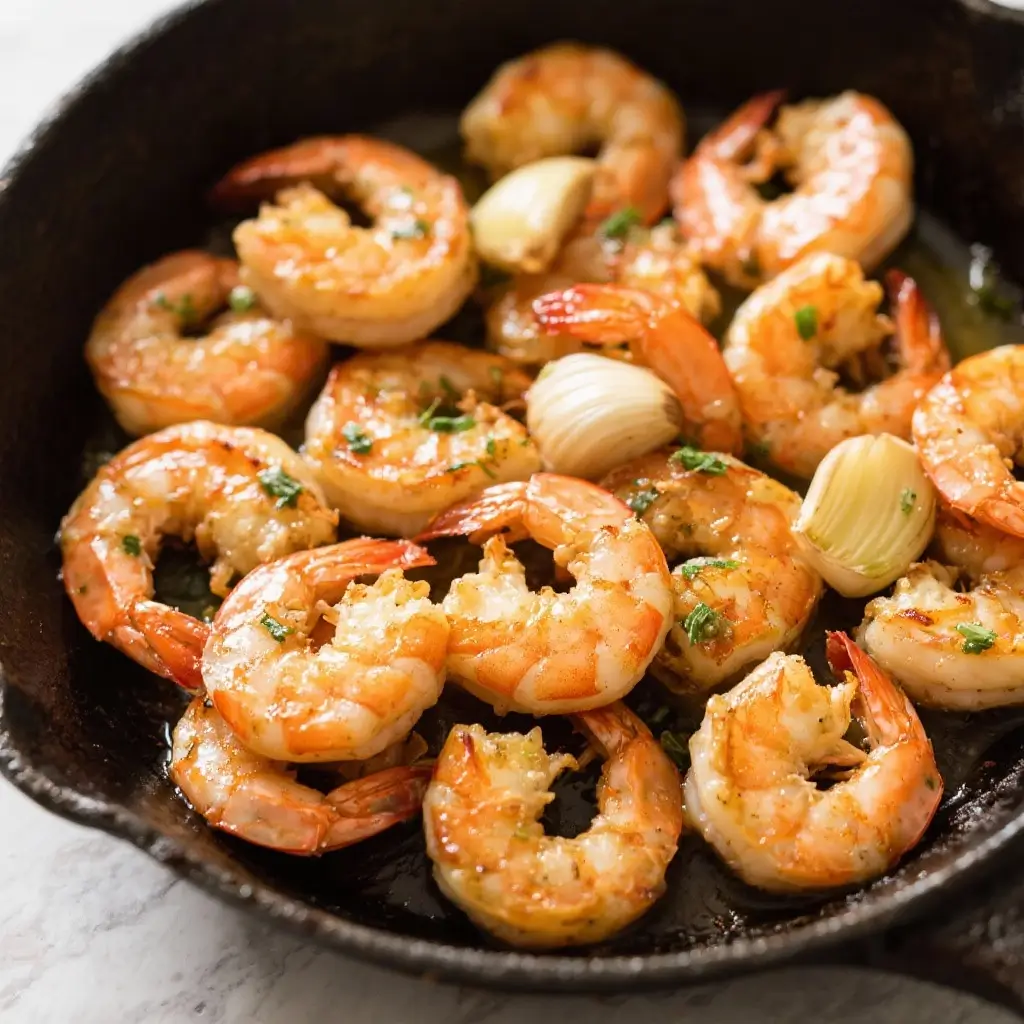
Garlic Butter Shrimp Skillet
Introduction
Welcome to a culinary delight that’s both simple and sophisticated: Garlic Butter Shrimp Skillet. This dish is the perfect marriage of rich, buttery flavors and succulent shrimp, all cooked in one pan for maximum flavor and minimal cleanup. Whether you’re preparing a quick weeknight dinner or impressing guests with an elegant yet effortless meal, this recipe delivers on taste, texture, and aroma. With its golden garlic-infused butter sauce and perfectly seared shrimp, every bite is a burst of savory goodness that will leave your taste buds tingling. The beauty of this skillet lies not only in its deliciousness but also in its versatility—serve it over pasta, rice, mashed potatoes, or even enjoy it straight from the pan.
The History
While the exact origins of Garlic Butter Shrimp Skillet are difficult to pinpoint, dishes featuring shrimp cooked in garlic and butter have deep roots in both Mediterranean and Creole cuisines. In coastal regions of Italy, France, and Spain, seafood has long been prepared with olive oil, garlic, white wine, and herbs—a tradition that inspired many modern variations. Meanwhile, in Louisiana Creole cooking, butter-based shrimp dishes like “Shrimp Creole” or “Café Beignet-style Shrimp” often include garlic, tomatoes, and spices, showcasing the French influence on Southern American cuisine.
The concept of sautéing shrimp quickly in a hot pan with aromatic ingredients gained popularity in mid-20th century American home cooking, especially as frozen shrimp became widely available. The one-pan method made it accessible and efficient for busy households. Over time, chefs and home cooks alike refined the technique, emphasizing high heat, fresh garlic, quality butter, and just the right amount of seasoning to elevate the natural sweetness of the shrimp. Today, Garlic Butter Shrimp Skillet stands as a global favorite—a testament to how simple ingredients, when combined with care, can create something truly extraordinary.
Ingredients Breakdown
- Shrimp: Large, peeled and deveined shrimp (preferably 16/20 count) are ideal for this recipe. They offer a meaty texture and absorb flavors well without overcooking too quickly.
- Butter: Unsalted butter gives control over the salt content and provides a rich, creamy base for the sauce. For extra depth, consider using European-style cultured butter.
- Garlic: Freshly minced garlic is essential—it releases a pungent, aromatic oil when heated, forming the backbone of the dish’s flavor profile.
- Olive Oil: A neutral oil with a high smoke point helps prevent the butter from burning while adding a subtle fruity note.
- Lemon Juice: Freshly squeezed lemon juice adds brightness and cuts through the richness of the butter, balancing the overall taste.
- White Wine (optional): Dry white wine such as Sauvignon Blanc or Pinot Grigio enhances complexity by deglazing the pan and lifting caramelized bits.
- Red Pepper Flakes: These add a gentle heat that complements the sweetness of the shrimp without overpowering it.
- Fresh Herbs: Parsley is most commonly used for freshness and color, though thyme, basil, or chives can be added depending on preference.
- Salt & Black Pepper: Essential seasonings to enhance the natural flavors of the ingredients.
- Optional Add-ins: Shallots, cherry tomatoes, spinach, or capers can be incorporated for additional layers of flavor and texture.
Step-by-Step Recipe
- Prep the Shrimp: Pat the shrimp dry with paper towels to ensure proper searing. Season lightly with salt and black pepper. Set aside.
- Heat the Pan: Place a large skillet (preferably stainless steel or cast iron) over medium-high heat. Add olive oil and allow it to heat until shimmering but not smoking.
- Add Butter: Once the oil is hot, add the unsalted butter. Let it melt slowly, swirling occasionally, until it begins to foam slightly.
- Sauté the Garlic: Reduce the heat to medium and add the minced garlic. Cook gently for about 30–60 seconds, stirring constantly, until fragrant but not browned—burnt garlic turns bitter.
- Seared the Shrimp: Increase the heat back to medium-high. Add the shrimp in a single layer, making sure not to overcrowd the pan. Sear for 1–2 minutes per side, depending on size, until they turn pink and opaque with light golden edges.
- Flavor Boost with Wine (Optional): If using white wine, carefully pour it into the pan to deglaze. Scrape up any browned bits from the bottom, allowing the liquid to reduce by half—this concentrates flavor.
- Add Lemon Juice & Seasonings: Stir in the freshly squeezed lemon juice, red pepper flakes, and chopped parsley. Toss everything together so the shrimp are evenly coated in the bubbling sauce.
- Taste & Adjust: Give the dish a final taste. Add more salt, pepper, lemon juice, or herbs if needed.
- Serve Immediately: Remove from heat and transfer to a serving platter or divide among plates. Garnish with extra parsley and lemon wedges.
Tips
- Don’t Overcook the Shrimp: Shrimp cook very quickly and become rubbery if left too long in the pan. Watch closely—they should curl into a loose “C” shape when done.
- Use Fresh Ingredients: Fresh garlic, lemon juice, and herbs make a noticeable difference compared to dried or bottled substitutes.
- Avoid Cold Shrimp: Let refrigerated shrimp sit at room temperature for 10–15 minutes before cooking to promote even searing.
- Control the Heat: Keep the flame moderate when sautéing garlic to avoid burning. Burnt garlic ruins the entire dish.
- Butter Temperature: Start with cold butter straight from the fridge—it melts more evenly and emulsifies better with other liquids.
- Basting is Key: As the shrimp cook, spoon the hot garlic butter over them to infuse more flavor throughout.
- Rest Before Serving: Allow the dish to rest off the heat for 1–2 minutes before serving; this lets the flavors meld and prevents overcooking.
- Serve Hot: This dish cools quickly, so serve immediately after preparation for the best experience.
Variations and Customizations
- Creamy Version: Stir in heavy cream or crème fraîche at the end for a luxurious, velvety sauce—perfect for pairing with fettuccine.
- Spicy Kick: Increase red pepper flakes or add a dash of hot sauce like Sriracha or Tabasco for more heat.
- Mediterranean Twist: Add sun-dried tomatoes, Kalamata olives, artichoke hearts, and oregano for a Greek-inspired variation.
- Asian Fusion: Swap butter for sesame oil, use ginger instead of garlic, and finish with soy sauce, green onions, and a splash of rice vinegar.
- Herb-Forward: Use a mix of fresh dill, tarragon, and chives for a French bistro-style presentation.
- Vegetable-Packed: Sauté sliced bell peppers, zucchini, mushrooms, or asparagus first, then set aside and add back with the shrimp at the end.
- Wine-Free Option: Replace wine with chicken or vegetable broth mixed with a teaspoon of apple cider vinegar for acidity.
- Dairy-Free Alternative: Substitute butter with vegan butter or coconut oil and use nutritional yeast for a cheesy undertone.
- Garlic Lover’s Dream: Roast whole garlic cloves and mash them into the butter sauce for a deeper, sweeter garlic essence.
- Tomato Basil Style: Add halved cherry tomatoes during the last minute of cooking and stir in fresh basil for a summery twist.
Health Considerations and Nutritional Value
Garlic Butter Shrimp Skillet can be part of a balanced diet when enjoyed in moderation. Shrimp are naturally low in calories and fat while being high in protein, selenium, iodine, and omega-3 fatty acids, which support heart and brain health. However, the butter and added oils increase saturated fat content, so portion control is key.
To make a healthier version:
- Use grass-fed butter or limit the amount and replace part of it with olive oil.
- Reduce butter quantity and incorporate a splash of broth to maintain sauciness.
- Choose wild-caught shrimp over farmed when possible to minimize exposure to antibiotics and pollutants.
- Add leafy greens like spinach or kale to boost fiber and micronutrient content.
- Serve over quinoa, cauliflower rice, or zucchini noodles instead of pasta for lower carbs and higher nutrients.
On average, a 1-cup serving (without grains) contains approximately:
- Calories: 280–350
- Protein: 25–30g
- Fat: 18–22g (mostly from butter and oil)
- Saturated Fat: 8–10g
- Cholesterol: ~180mg (shrimp are naturally high in cholesterol, but current research suggests dietary cholesterol has less impact on blood levels than once thought)
- Sodium: Varies based on added salt—can range from 400–800mg
- Vitamins & Minerals: Rich in vitamin B12, selenium, phosphorus, and antioxidant compounds from garlic and lemon.
Ingredients
- 1.5 pounds (680g) large shrimp, peeled and deveined
- 4 tablespoons unsalted butter
- 2 tablespoons olive oil
- 6 cloves garlic, finely minced
- 1/4 cup dry white wine (such as Pinot Grigio or Sauvignon Blanc; optional)
- 2 tablespoons fresh lemon juice (about 1 lemon)
- 1 teaspoon red pepper flakes (adjust to taste)
- 1/4 cup fresh parsley, chopped
- Salt and freshly ground black pepper, to taste
- Lemon wedges, for serving
- Optional: 1/2 teaspoon lemon zest, 1/4 cup grated Parmesan, 1 cup cherry tomatoes
Directions
- Pat the shrimp dry with paper towels and season lightly with salt and pepper. Set aside.
- In a large skillet, heat olive oil over medium-high heat until shimmering.
- Add the butter and let it melt, swirling gently. Do not let it burn.
- Lower the heat to medium, add the minced garlic, and sauté for 30–60 seconds until fragrant.
- Increase the heat to medium-high. Add the shrimp in a single layer and cook for 1–2 minutes per side, until pink and opaque.
- If using wine, pour it into the pan and scrape the bottom to release any browned bits. Simmer for 2–3 minutes until reduced by half.
- Stir in the lemon juice, red pepper flakes, and half of the chopped parsley. Toss to coat the shrimp evenly.
- Taste and adjust seasoning with additional salt, pepper, or lemon juice as desired.
- Remove from heat and stir in remaining parsley. Optional: sprinkle with lemon zest or Parmesan cheese.
- Serve immediately with lemon wedges on the side and your choice of accompaniment—pasta, rice, crusty bread, or roasted vegetables.
FAQ
Can I use frozen shrimp?
Yes, but make sure to thaw them completely in the refrigerator overnight and pat them very dry before cooking. Wet shrimp will steam instead of sear.
What kind of shrimp should I buy?
Look for wild-caught Gulf or Atlantic shrimp labeled “U/15” or “16/20” for larger sizes. Avoid pre-cooked shrimp, as they tend to become tough when reheated.
Is this recipe gluten-free?
Yes, as long as all ingredients used are certified gluten-free (especially check wine and broth if substituting).
Can I make it ahead of time?
It’s best served fresh, but you can prep ingredients in advance. Mince garlic, chop herbs, and measure liquids ahead of time for faster assembly.
How do I store leftovers?
Store cooled leftovers in an airtight container in the refrigerator for up to 2 days. Reheat gently in a skillet over low heat to avoid overcooking.
Can I freeze Garlic Butter Shrimp Skillet?
Not recommended—the texture of the shrimp deteriorates upon freezing and thawing, becoming mushy.
Why did my sauce separate?
High heat or rapid cooling can cause the butter to break. To fix, remove from heat and whisk in a teaspoon of cold water or lemon juice to re-emulsify.
What sides go well with this dish?
Excellent pairings include garlic bread, angel hair pasta, risotto, steamed broccoli, quinoa, mashed potatoes, or a crisp green salad.
Summary
Garlic Butter Shrimp Skillet is a fast, flavorful, and restaurant-worthy dish that brings gourmet taste to your kitchen with minimal effort. Packed with juicy shrimp, aromatic garlic, and a luscious butter-lemon sauce, it’s a weeknight winner that never fails to impress.