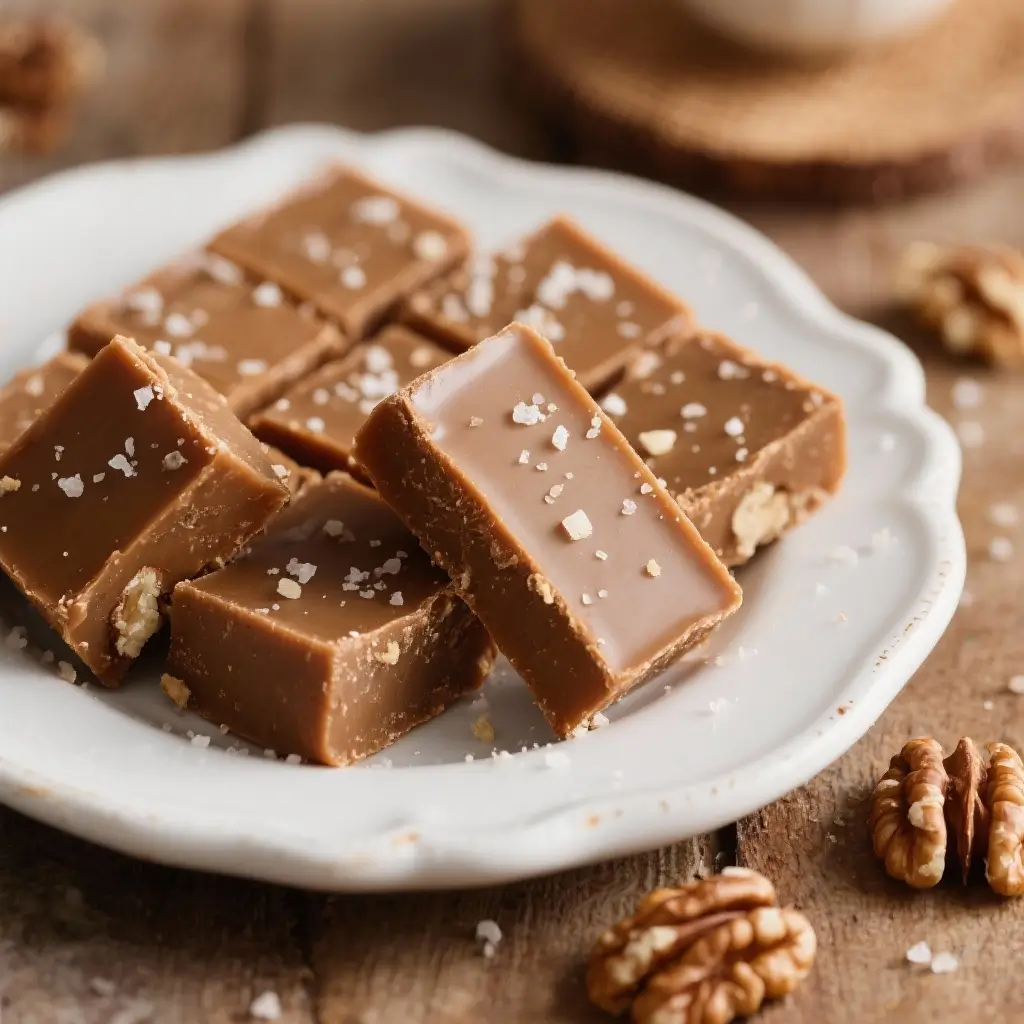
Maple Walnut Fudge with Sea Salt
Maple Walnut Fudge with Sea Salt: A Decadent Delight
The rich, velvety texture of fudge has long been a favorite among dessert lovers, and when you blend the earthy sweetness of pure maple syrup with the satisfying crunch of toasted walnuts and a delicate hint of sea salt, you elevate this classic confection to an artisan-level treat. Maple Walnut Fudge with Sea Salt is not just a sweet indulgence—it’s a sensory experience that balances richness, nuttiness, and a whisper of salinity in every bite. Whether you’re making it for holiday gifts, special occasions, or simply as a weekend kitchen project, this fudge promises to impress.
The History of Fudge
Fudge first gained popularity in the United States during the late 19th century, with origins often traced back to women’s colleges like Vassar, where students experimented with candy recipes. The name “fudge” may have come from the idea of “fudging” a recipe—making do with what was available or adjusting ingredients on the fly. Early versions were typically made with sugar, butter, and milk, cooked to the soft-ball stage and then beaten until smooth.
Over time, regional variations emerged, incorporating local flavors and ingredients. In New England and Canada, where maple syrup flows abundantly from sugar maples each spring, it was only natural that maple would find its way into fudge. Walnuts, known for their robust flavor and heart-healthy fats, became a popular addition, especially in regions where walnut trees thrive. The modern twist of adding flaky sea salt—popularized by the gourmet food movement of the early 2000s—adds complexity, enhancing the sweetness with a sophisticated contrast. Today, Maple Walnut Fudge with Sea Salt stands as a testament to both tradition and culinary innovation.
Ingredients Breakdown
The magic of this fudge lies in the quality and harmony of its ingredients. Each component plays a crucial role in creating a balanced, creamy, and flavorful confection:
- Pure Maple Syrup: Not pancake syrup—this must be 100% pure maple syrup (preferably Grade A Amber or Dark). It provides deep caramel-like sweetness and a distinct woody aroma. Avoid imitation syrups, as they contain corn syrup and artificial flavors that can ruin the texture and taste.
- Heavy Cream: Adds richness and helps achieve the smooth, melt-in-your-mouth consistency. It also assists in dissolving sugar properly during cooking.
- Unsalted Butter: Enhances creaminess and carries flavor. Using unsalted butter allows you to control the salt content precisely, which is essential when pairing with sea salt later.
- Granulated Sugar: Works with the maple syrup to create the proper structure through crystallization control. Too little sugar can result in a soft, sticky fudge; too much can make it grainy.
- Salted Butter (optional): Some bakers use a combination of salted and unsalted butter for layered seasoning, but this depends on preference.
- Vanilla Extract: Adds warmth and depth, rounding out the sharp edges of sweetness.
- Toasted Walnuts: Chopped walnuts provide texture and a nutty counterpoint to the sweetness. Toasting them beforehand intensifies their flavor and removes any raw bitterness.
- Fine Sea Salt (for cooking): A pinch enhances all the other flavors without making the fudge taste salty.
- Flaky Sea Salt (for topping): Maldon or another flaky variety is sprinkled on top just after pouring the fudge into the pan. It delivers bursts of savory contrast with each bite.
- Cornstarch (optional): Sometimes used to prevent sticking or to help with slicing, though not always necessary if the fudge is properly cooled.
Step-by-Step Recipe
Making fudge may seem intimidating, but with careful attention to temperature and timing, it’s entirely achievable at home. Follow these detailed steps to create perfect Maple Walnut Fudge with Sea Salt every time.
- Prepare Your Pan: Line an 8×8-inch baking dish with parchment paper, leaving overhang on two opposite sides. This makes it easy to lift the fudge out once set. Lightly grease the paper with butter or non-stick spray.
- Toast the Walnuts: Preheat your oven to 350°F (175°C). Spread 1 cup of chopped walnuts on a baking sheet and toast for 8–10 minutes, stirring once, until fragrant and slightly darkened. Let cool completely. Toasting is crucial—it brings out oils and prevents a soggy texture.
- Combine Ingredients: In a heavy-bottomed saucepan (to prevent scorching), combine 1 cup pure maple syrup, 1 cup granulated sugar, 1/2 cup heavy cream, 1/4 cup unsalted butter, and a pinch of fine sea salt. Stir gently over medium heat until the sugar dissolves and the butter melts—do not let it boil yet.
- Bring to a Boil: Once the mixture is smooth, increase the heat slightly and bring it to a full rolling boil. Attach a candy thermometer to the side of the pot, ensuring the tip doesn’t touch the bottom.
- Cook to Soft-Ball Stage: Continue boiling without stirring (stirring can cause crystallization) until the temperature reaches 238°F (114°C)—the soft-ball stage. This usually takes 10–15 minutes. Watch carefully, as exceeding the temperature can lead to hard, crumbly fudge.
- Remove from Heat: Once the target temperature is reached, immediately remove the pot from the stove. Let it sit undisturbed for 5–7 minutes to cool slightly—this helps prevent over-beating later.
- Add Flavorings: After cooling, add 1 teaspoon of pure vanilla extract and the cooled toasted walnuts. Do not stir yet.
- Beat Until Thickened: Using a wooden spoon or a hand mixer on low speed, begin beating the mixture. Start slowly to avoid splashing, then increase slightly. Beat for 4–6 minutes until the fudge thickens, loses its gloss, and begins to hold its shape when drizzled. This step is critical—under-beating results in soft fudge; over-beating makes it too firm.
- Pour and Smooth: Quickly pour the mixture into the prepared pan. Use a spatula to spread it evenly, smoothing the top as best as possible.
- Finish with Sea Salt: While still slightly warm, sprinkle a generous amount of flaky sea salt over the surface. You can also drizzle a tiny bit more maple syrup before salting for visual appeal and extra flavor.
- Cool Completely: Allow the fudge to cool at room temperature for 1–2 hours, then refrigerate for at least 2 hours (or up to overnight) to fully set.
- Cut and Serve: Use the parchment overhang to lift the fudge block out of the pan. Place on a cutting board and slice into 1-inch squares using a sharp knife dipped in hot water and wiped dry between cuts for clean edges.
Expert Tips for Success
- Use a Candy Thermometer: Guessing the temperature leads to inconsistent results. A reliable digital or analog thermometer ensures you hit the soft-ball stage accurately.
- Don’t Stir During Cooking: Once boiling begins, avoid stirring. It can trigger premature sugar crystallization, leading to a grainy texture.
- Cool Before Beating: Allowing the mixture to rest off the heat gives the sugars time to stabilize, helping you achieve a smooth, creamy consistency when beating.
- Chop Walnuts Evenly: Uniform pieces distribute better and improve texture. Avoid overly fine chops—they can sink; avoid large chunks—they can break the fudge when cutting.
- Room Temperature Matters: If your kitchen is very warm, chill the pan slightly before pouring, or consider setting the fudge in the fridge immediately after beating to prevent spreading.
- Avoid Humidity: High humidity can make fudge sticky or prevent proper setting. Choose a dry day for best results, or run a dehumidifier if necessary.
- Store Properly: Keep fudge in an airtight container with parchment layers between slices. It lasts up to 2 weeks at room temperature or 3 weeks in the fridge.
Variations and Customizations
This recipe is wonderfully adaptable. Here are some creative twists to personalize your Maple Walnut Fudge:
- Maple Pecan Fudge: Swap walnuts for pecans—a classic Southern variation with a buttery, milder nut flavor.
- Maple Almond Crunch: Use sliced or slivered almonds instead, possibly with almond extract replacing half the vanilla.
- Spiced Maple Fudge: Add 1/4 teaspoon ground cinnamon, a pinch of nutmeg, and a dash of clove for a warm, autumnal profile.
- Smoked Sea Salt: For a bold, complex finish, try smoked sea salt instead of regular flaky salt.
- Dark Chocolate Swirl: Melt 1/2 cup dark chocolate and drizzle over the fudge before it sets, then swirl with a knife.
- Maple Coconut Fudge: Replace walnuts with toasted coconut flakes for a tropical twist.
- Bourbon-Infused: Stir in 1 tablespoon of bourbon after removing from heat—enhances maple notes beautifully.
- Gluten-Free & Vegan Option: Use vegan butter and ensure your maple syrup is certified. Substitute heavy cream with full-fat coconut milk for a dairy-free version (results may vary in texture).
Health Considerations and Nutritional Value
While Maple Walnut Fudge is undeniably a treat, it does offer some redeeming qualities when enjoyed in moderation.
Nutritional Highlights:
- Walnuts: Rich in omega-3 fatty acids, antioxidants, and plant-based protein. They support heart health and brain function.
- Maple Syrup: Contains trace minerals like manganese, zinc, and calcium. It has a lower glycemic index than refined sugar, though it’s still high in carbohydrates.
- Butter and Cream: Provide fat-soluble vitamins (A, D, E, K) and contribute to satiety, but are high in saturated fats.
Per Serving (1-inch square, ~20g):
- Calories: ~110–130
- Fat: 7–9g (mostly from butter and walnuts)
- Carbohydrates: 12–15g (primarily from sugar and maple syrup)
- Sugar: 10–12g
- Protein: 1–1.5g
- Fiber: 0.5–1g (from walnuts)
Considerations:
- This fudge is high in added sugars and calories. Best enjoyed occasionally as part of a balanced diet.
- Those managing diabetes should consume sparingly due to rapid blood sugar impact.
- Nut allergies? Omit walnuts or substitute with sunflower seeds (ensure no cross-contamination).
- For a lighter version, consider using a sugar substitute like erythritol, though texture may change.
Full Ingredient List
- 1 cup pure maple syrup (Grade A Dark recommended)
- 1 cup granulated sugar
- 1/2 cup heavy cream (36% fat)
- 1/4 cup unsalted butter (about 1/2 stick)
- 1/4 teaspoon fine sea salt (for cooking)
- 1 teaspoon pure vanilla extract
- 1 cup chopped walnuts, toasted
- 1–2 teaspoons flaky sea salt (e.g., Maldon), for topping
Detailed Directions
Follow this comprehensive guide to craft restaurant-quality Maple Walnut Fudge in your own kitchen:
- Prep Work: Line an 8×8-inch square pan with parchment paper. Set aside. Chop walnuts finely but not into dust—aim for pea-sized pieces. Toast them on a baking sheet at 350°F for 8–10 minutes until golden and aromatic. Cool completely.
- Combine Wet and Dry: In a 3-quart heavy saucepan, add maple syrup, sugar, heavy cream, butter, and fine sea salt. Stir gently with a silicone spatula over medium heat until sugar dissolves and butter melts (about 3–5 minutes).
- Boil Without Disturbance: Bring mixture to a rolling boil. Clip on a candy thermometer. Cook uncovered, without stirring, until it reaches exactly 238°F (soft-ball stage). This takes about 12 minutes. Adjust heat as needed to maintain a steady boil without scorching.
- Rest Off Heat: Remove pot from burner. Let stand for 5 minutes—do not touch. This allows the temperature to drop slightly and prevents over-crystallization during beating.
- Incorporate Add-Ins: Add vanilla extract and cooled walnuts. Begin beating by hand or with a hand mixer on low speed. Beat for 4–6 minutes until the fudge thickens, becomes matte, and holds its shape when a small amount is dropped from the spoon.
- Pour Promptly: Immediately transfer the mixture to the prepared pan. Spread evenly with an offset spatula or the back of a spoon.
- Season the Top: While still glossy and warm, sprinkle flaky sea salt evenly across the surface. For elegance, use tweezers or fingers to place larger flakes artistically.
- Set Firmly: Let cool at room temperature for 1.5 hours. Then refrigerate for at least 2 hours to firm up completely.
- Cut Cleanly: Lift fudge using parchment. Use a hot knife (dipped in boiling water and dried) to slice into neat squares. Wipe the blade between cuts.
- Store Thoughtfully: Layer fudge in an airtight container with parchment between slices. Keeps well for 14 days at room temperature or 21 days refrigerated. Can be frozen for up to 3 months—wrap tightly in plastic and foil.
Frequently Asked Questions (FAQ)
Q: Can I use pancake syrup instead of pure maple syrup?
A: No. Pancake syrups are mostly corn syrup and artificial flavors. They lack the depth and quality needed for authentic fudge and may not set properly.
Q: Why did my fudge turn out grainy?
A: Graininess usually results from sugar crystallization. Causes include stirring during boiling, insufficient cooking temperature, or introducing foreign particles (like undissolved sugar on the pan sides).
Q: How can I fix soft or sticky fudge?
A: It likely didn’t reach the correct temperature. Next time, ensure your thermometer is accurate and cook to exactly 238°F. Soft fudge can sometimes be re-cooked by adding a splash of cream and reheating to the soft-ball stage.
Q: Can I double the recipe?
A: Yes, but use a larger pot and ensure even heat distribution. Avoid tripling, as large batches are harder to control and cool uniformly.
Q: Is this fudge gluten-free?
A: Yes, provided all ingredients (especially vanilla extract) are certified gluten-free. Always check labels when in doubt.
Q: Can I make it without a candy thermometer?
A: Technically yes, using the cold water test (drop syrup into cold water—if it forms a soft ball, it’s ready). But a thermometer is far more reliable and recommended for beginners.
Q: Why toast the walnuts?
A: Toasting enhances flavor, removes moisture, and prevents the nuts from making the fudge soggy. It also improves shelf life.
Q: Can I use honey instead of maple syrup?
A: Not recommended. Honey has a stronger flavor, different sugar composition, and higher water content, which will alter texture and taste significantly.
Summary
Maple Walnut Fudge with Sea Salt combines the rustic sweetness of pure maple syrup, the wholesome crunch of toasted walnuts, and the elegant contrast of flaky sea salt into a luxurious homemade confection. Perfect for gifting or savoring slowly, this fudge celebrates simplicity and quality ingredients.