Introduction
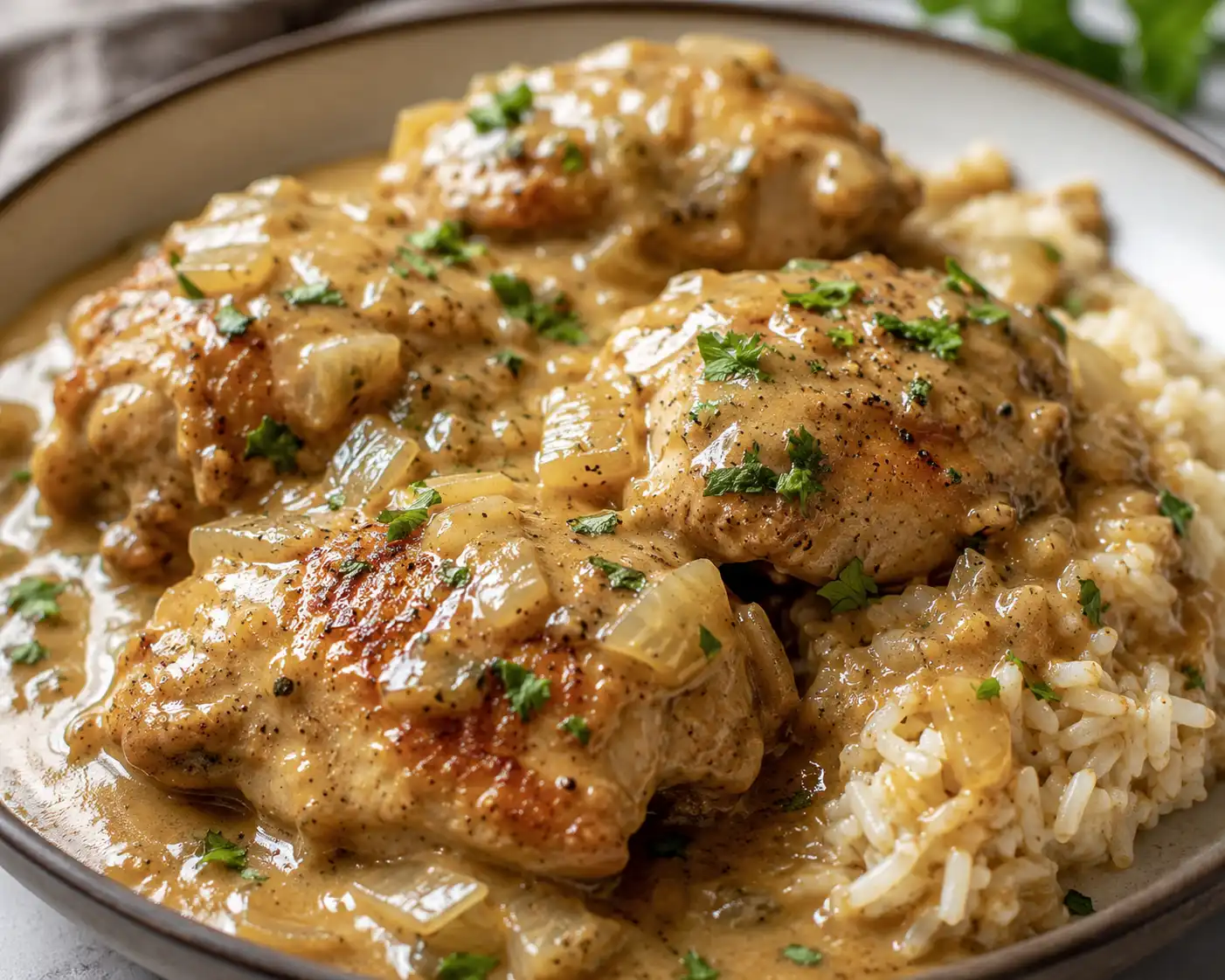
Welcome to a soul-satisfying, deeply flavorful, and undeniably comforting classic: the Irresistible Best Smothered Chicken and Rice Recipe. This isn’t just another weeknight dinner—it’s a culinary embrace in a bowl. Tender chicken thighs simmered low and slow in a rich, savory, umami-packed gravy—infused with caramelized onions, aromatic garlic, earthy thyme, and a hint of smoky paprika—then ladled generously over perfectly steamed, slightly creamy long-grain rice. Every bite delivers layers of depth, warmth, and home-cooked authenticity. Whether you’re feeding a busy family, hosting Sunday supper, or simply craving something profoundly nourishing after a long day, this dish delivers on every promise: it’s hearty without being heavy, rich without being greasy, and simple enough for beginners yet refined enough to impress seasoned cooks. It’s the kind of recipe passed down through handwritten index cards and whispered kitchen tips—the kind that makes your kitchen smell like love and makes your guests ask for seconds (and the recipe).
The History
Smothered chicken traces its roots deep into the heart of Southern U.S. cooking—particularly within African American culinary traditions that transformed resourcefulness into reverence. The technique of “smothering” refers not to covering with smoke, but to gently braising meat in a covered pot with a small amount of liquid and aromatics until fork-tender and luxuriously glazed. This method evolved from West African stewing practices brought across the Atlantic, merging with French-influenced techniques (like étouffée) in Louisiana and adapting to available ingredients across the rural South—where tougher, more affordable cuts like chicken thighs and drumsticks were elevated through patience and flavor. Rice, meanwhile, has been a cornerstone of Southern and Creole cuisine since the 18th century, especially in the Lowcountry and Mississippi Delta, where Carolina Gold rice was once king. The marriage of smothered chicken and rice became a cultural staple—not only for its affordability and satiety but for its symbolic resonance: resilience, ingenuity, and the art of making something extraordinary from humble beginnings. Today, this dish stands as both an homage and an evolution—honoring tradition while inviting modern interpretations, global spices, and health-conscious tweaks—yet never losing its soulful, grounding essence.
Ingredients Breakdown
Every extraordinary dish begins with intention—and this one is no exception. Each ingredient plays a distinct, irreplaceable role in building the symphony of flavor, texture, and aroma that defines truly *irresistible* smothered chicken and rice:
- Chicken thighs (bone-in, skin-on): The undisputed star. Their higher fat content ensures unmatched juiciness and richness during slow braising. The skin renders beautifully, adding depth to the gravy; bones contribute collagen and minerals that enrich the sauce naturally. Substituting boneless/skinless works—but sacrifices complexity and mouthfeel.
- Yellow onions & green bell pepper: The holy trinity base (with celery—see variations). Onions caramelize into sweet, savory depth; bell pepper adds bright vegetal sweetness and subtle bitterness that balances richness.
- Celery: Often overlooked, but essential for its herbal, slightly peppery backbone and textural contrast. Its volatile oils lift the entire gravy profile.
- Garlic: Fresh, minced—not powdered. Adds pungent warmth that mellows into nuttiness during cooking. Quantity matters: 6–8 cloves ensure aromatic saturation without overpowering.
- Tomato paste: The secret umami amplifier. When cooked (“blooming”) in oil until brick-red and fragrant, it unlocks concentrated sweetness, acidity, and deep roasted notes—acting as the flavor glue.
- All-purpose flour: Used for velvety thickening *and* flavor development. A light roux (2–3 minutes) eliminates raw taste and builds body without heaviness.
- Low-sodium chicken broth: Provides clean, savory liquid foundation. Homemade is ideal; if using store-bought, opt for low-sodium to control seasoning. Avoid bouillon cubes—they often contain MSG and excessive salt that dulls nuance.
- Dry white wine (optional but highly recommended): Adds brightness, acidity, and complexity. Sauvignon Blanc or Pinot Grigio work best—never use “cooking wine.” Deglazing with wine lifts browned bits (fond) and infuses subtle fruitiness.
- Bay leaves & fresh thyme sprigs: Earthy, floral, woodsy notes that anchor the gravy. Dried thyme works in a pinch—but fresh is transformative. Always remove bay leaves before serving.
- Smoked paprika: Not just color—it delivers gentle, aromatic smoke that evokes slow-cooked authenticity without heat. Sweet or mild smoked varieties are preferred over hot.
- Worcestershire sauce: A fermented umami bomb—anchovies, tamarind, molasses, and vinegar harmonize into deep savoriness. Just 1 tsp elevates everything.
- Unsalted butter: Swirled in at the end for luxurious sheen, mouth-coating richness, and a subtle dairy sweetness that rounds out acidity.
- Long-grain white rice (e.g., Jasmine or Texmati): Chosen for its fluffy, non-sticky texture and delicate floral aroma that won’t compete with the bold gravy. Parboiled or converted rice offers extra consistency.
- Fresh parsley & green onions: Bright, grassy finish that cuts richness and adds visual appeal and freshness.
Step-by-Step Recipe
This meticulously crafted method ensures foolproof results—maximizing browning, layering flavors, and achieving gravy with perfect cling and depth. Plan for 1 hour 15 minutes total (30 min prep, 45 min cook). Serves 6 generously.
- Prep & Pat Dry: Remove chicken thighs from fridge 20 minutes before cooking. Pat *extremely* dry with paper towels—every drop of surface moisture inhibits browning. Season generously on all sides with 1½ tsp kosher salt and 1 tsp black pepper.
- Initial Sear (Skin-Side Down): Heat 2 tbsp neutral oil (avocado or grapeseed) in a heavy-bottomed Dutch oven or large lidded skillet over medium-high heat. Once shimmering, place chicken thighs skin-side down—do not crowd (work in batches if needed). Press gently with a spatula for first 30 seconds to prevent curling. Cook undisturbed 6–7 minutes until skin is deep golden brown, ultra-crisp, and releases easily. Flip and sear meat side 2 minutes. Transfer to a plate—skin up—to rest. Pour off all but 2 tbsp fat (reserve for flavor!).
- Sauté Aromatics: Reduce heat to medium. Add diced onions, bell pepper, and celery. Sauté 6–7 minutes until softened and edges begin to caramelize. Stir in minced garlic and cook 1 minute until fragrant—do not brown.
- Bloom Tomato Paste & Build Roux: Push veggies aside. Add tomato paste to center and cook 2 minutes, stirring constantly, until darkened and brick-red. Stir in ¼ cup flour and cook 1 minute more—this removes raw flour taste and develops nutty depth.
- Deglaze & Simmer Base: Carefully pour in ½ cup dry white wine, scraping vigorously with a wooden spoon to lift every bit of fond. Let bubble 2 minutes until reduced by half. Whisk in 3 cups low-sodium chicken broth, 2 bay leaves, 4–5 fresh thyme sprigs, 1 tsp smoked paprika, 1 tsp Worcestershire, and ½ tsp black pepper. Bring to a gentle simmer.
- Return Chicken & Braise: Nestle chicken thighs back into pot, skin-side up (so skin stays intact and doesn’t disintegrate). Liquid should come halfway up chicken. Cover tightly. Reduce heat to low. Simmer gently 35–40 minutes—no peeking! Until chicken is fall-off-the-bone tender when pierced with a fork (internal temp 175°F for thighs).
- Rest & Thicken Gravy: Carefully remove chicken to a clean platter. Tent loosely with foil. Skim excess fat from surface of gravy using a spoon or fat separator. Increase heat to medium. Simmer uncovered 5–7 minutes until gravy reduces to glossy, coat-the-back-of-a-spoon consistency. Stir in 2 tbsp unsalted butter until melted and emulsified. Taste and adjust: add salt only if needed (remember chicken was seasoned), a splash of lemon juice for brightness, or pinch of sugar if too acidic.
- Prepare Rice: While chicken braises, rinse 1½ cups long-grain rice until water runs clear. Cook per package directions (typically 1½ cups water + rice, simmer covered 15 min, rest 10 min off heat). Fluff with fork.
- Plate with Intention: Spoon generous mound of fluffy rice into wide, shallow bowls. Top with 1–2 chicken thighs. Ladle ½ cup rich gravy over each serving. Garnish abundantly with chopped fresh parsley and sliced green onions. Optional: serve with warm buttermilk biscuits or crusty French bread for sopping.
Tips
- Dry Chicken is Non-Negotiable: Wet chicken steams instead of sears. Pat twice—once before seasoning, once after.
- Don’t Rush the Sear: That golden crust = flavor foundation. If skin sticks, it’s not ready. Wait. Press gently. Resist flipping early.
- Control Your Heat: Medium-high for searing, medium for sautéing, low for braising. Too high = burnt fond and broken gravy; too low = boiled, bland chicken.
- Skim Fat Wisely: Some rendered fat adds flavor—but excess makes gravy greasy. Use a ladle or fat separator after braising, not before.
- Rest Before Serving: Let chicken rest 10 minutes after braising—juices redistribute, ensuring maximum tenderness.
- Rice Timing is Key: Start rice 25 minutes before chicken finishes. It should be done just as gravy reduces.
- Gravy Consistency Hack: If too thin after reduction, whisk in 1 tsp cold water + 1 tsp cornstarch (slurry) and simmer 1 minute. If too thick, stir in warm broth, 1 tbsp at a time.
- Make-Ahead Magic: Braise chicken and make gravy 1–2 days ahead. Cool completely, refrigerate covered. Reheat gently on stove (add splash broth if needed). Cook rice fresh.
- Freeze Friendly: Fully cooled gravy + chicken freezes beautifully for 3 months. Thaw overnight in fridge; reheat slowly on stove. Cook rice fresh.
- Always Taste & Adjust at the End: Salt, acid (lemon/vinegar), sweetness (a pinch of sugar), and heat (cayenne) balance each other. Your palate is the final authority.
Variations and Customizations
This recipe is a vibrant canvas—adaptable to dietary needs, regional preferences, pantry staples, and adventurous spirits:
Dietary Adaptations
- Gluten-Free: Swap all-purpose flour for equal parts gluten-free all-purpose blend or sweet rice flour. Ensure broth and Worcestershire are certified GF.
- Keto/Low-Carb: Skip rice entirely. Serve over cauliflower rice (sautéed until dry), shirataki noodles, or zucchini noodles. Increase healthy fats (add avocado slices or olive oil drizzle).
- Dairy-Free: Replace butter with 2 tbsp full-fat coconut milk or ghee (if tolerated). Omit optional butter garnish.
- Paleo/Whole30: Use arrowroot powder instead of flour; omit Worcestershire (or use compliant version); skip butter; serve with roasted sweet potatoes or plantains instead of rice.
Flavor & Protein Twists
- Creole-Style: Add 1 tsp dried oregano, ½ tsp cayenne, 1 diced jalapeño (seeds removed), and 2 tbsp chopped fresh parsley to gravy. Finish with a dash of hot sauce.
- Herb-Garden Fresh: Swap thyme for 2 tbsp chopped fresh rosemary + 1 tbsp chopped sage. Add ¼ cup dry vermouth instead of white wine.
- Asian-Inspired: Replace paprika with 1 tsp five-spice powder; use ginger (1 tbsp grated) with garlic; swap Worcestershire for 1 tbsp tamari + 1 tsp rice vinegar; finish with sesame oil and scallions.
- Spicy Chipotle: Add 1–2 minced chipotle peppers in adobo + 1 tsp adobo sauce when blooming tomato paste. Garnish with crumbled queso fresco.
- Vegetarian “Smothered”: Substitute chicken with thick-cut portobello caps or seitan cutlets. Use vegetable broth and double the umami (add 1 tbsp soy sauce + 1 tsp miso paste).
Ingredient Swaps (No-Panic Pantry Solutions)
- No White Wine? Use equal part apple cider vinegar + broth, or unsweetened apple juice + splash vinegar.
- No Fresh Thyme? Use 1 tsp dried thyme (add with paprika) + 1 tsp dried oregano.
- No Smoked Paprika? Use ½ tsp regular paprika + ¼ tsp liquid smoke (use sparingly!) or 1 tsp ground cumin for earthy depth.
- No Chicken Thighs? Use bone-in chicken breasts (reduce braise time to 25–30 min) or drumsticks (increase time to 45–50 min).
- Rice Alternatives: Brown rice (cook separately, longer time), wild rice blend, quinoa (rinse well), or farro (chewy, nutty contrast).
Health Considerations and Nutritional Value
Nutritionally, this dish strikes a thoughtful balance between indulgence and wellness—especially when prepared mindfully. Here’s a detailed analysis per serving (based on 6 servings, using skin-on thighs, low-sodium broth, and 1½ cups cooked jasmine rice):
Macronutrient Profile (Approximate)
- Calories: ~580 kcal
- Protein: 38g (excellent source—supports muscle repair, satiety, and metabolic health)
- Fat: 24g (mostly unsaturated from chicken fat and olive oil; includes heart-healthy monounsaturated fats)
- Carbohydrates: 52g (primarily complex carbs from rice; fiber ~1g—boost with added vegetables)
- Fiber: Increase significantly by adding 1 cup diced carrots or zucchini to aromatics, or serving with a side of steamed greens.
Key Micronutrients & Benefits
- Vitamin B12 & Iron: Abundant in chicken thighs—critical for energy metabolism, red blood cell formation, and neurological function.
- Zinc & Selenium: Supports immune health and antioxidant defense systems.
- Lycopene: From tomato paste—bioavailable when cooked in oil; linked to reduced inflammation and heart health.
- Quercetin & Allicin: From onions and garlic—potent anti-inflammatory and antimicrobial compounds.
- Thiamine (B1) & Manganese: In brown rice variants—support nerve function and bone health.
Smart Modifications for Enhanced Wellness
- Reduce Sodium: Use no-salt-added broth, omit added salt initially, rely on herbs, citrus, and umami (tomato paste, mushrooms) for flavor.
- Increase Veggie Density: Double the “holy trinity,” add 1 cup chopped spinach or kale in last 5 minutes of gravy simmer.
- Optimize Fats: Use avocado oil (high smoke point, monounsaturated-rich) for searing; finish with extra-virgin olive oil instead of butter.
- Glycemic Consideration: Pair with non-starchy sides (roasted broccoli, green beans) and consider ½ cup rice + ½ cup riced cauliflower to lower carb load.
- Portion Awareness: Serve in smaller bowls (10–12 oz) to naturally moderate intake without sacrificing satisfaction.
Who Should Enjoy Mindfully?
This dish is generally suitable for most adults and children. Those managing hypertension should prioritize low-sodium prep. Individuals with gout may moderate portion size due to purine content in dark meat. Always consult a registered dietitian for personalized guidance related to specific medical conditions (e.g., kidney disease, diabetes).
Ingredients
Makes 6 generous servings
- 2.5 lbs bone-in, skin-on chicken thighs (about 10–12 pieces)
- 2 tsp kosher salt (divided), plus more to taste
- 1½ tsp freshly ground black pepper (divided)
- 2 tbsp neutral high-heat oil (avocado, grapeseed, or canola)
- 1 large yellow onion, finely diced (about 1½ cups)
- 1 medium green bell pepper, finely diced (about 1 cup)
- 2 medium celery ribs, finely diced (about ¾ cup)
- 6–8 garlic cloves, minced (about 2 tbsp)
- 3 tbsp tomato paste
- ¼ cup all-purpose flour (or GF substitute)
- ½ cup dry white wine (Sauvignon Blanc or Pinot Grigio)
- 3 cups low-sodium chicken broth
- 2 large bay leaves
- 4–5 fresh thyme sprigs (or 1 tsp dried)
- 1 tsp smoked paprika (sweet or mild)
- 1 tsp Worcestershire sauce
- 2 tbsp unsalted butter (or dairy-free alternative)
- 1½ cups long-grain white rice (Jasmine, Texmati, or Carolina Gold), rinsed well
- 2¼ cups water (for rice)
- Fresh flat-leaf parsley, chopped (for garnish)
- Green onions, thinly sliced (for garnish)
Directions
- Prep Chicken: Pat chicken thighs extremely dry with paper towels. Season evenly with 1½ tsp salt and 1 tsp black pepper.
- Sear Chicken: Heat oil in a 6-qt Dutch oven over medium-high heat. When oil shimmers, add chicken skin-side down in a single layer (work in batches). Press gently. Cook 6–7 minutes until skin is deep golden and crisp. Flip; cook 2 minutes. Transfer to plate, skin-side up. Pour off all but 2 tbsp fat.
- Sauté Aromatics: Reduce heat to medium. Add onion, bell pepper, and celery. Cook 6–7 minutes until soft and lightly caramelized. Stir in garlic; cook 1 minute until fragrant.
- Bloom & Roux: Push veggies aside. Add tomato paste; cook 2 minutes, stirring. Stir in flour; cook 1 minute.
- Build Gravy Base: Pour in wine; scrape fond. Simmer 2 minutes. Whisk in broth, bay leaves, thyme, paprika, Worcestershire, and remaining ½ tsp pepper.
- Braise: Nestle chicken into liquid, skin-side up. Cover tightly. Reduce heat to low. Simmer 35–40 minutes until chicken is tender (175°F internal temp).
- Rest & Reduce: Remove chicken; tent with foil. Skim fat. Simmer gravy uncovered 5–7 minutes until thickened. Whisk in butter until glossy.
- Cook Rice: While chicken braises, rinse rice. Combine rice and 2¼ cups water in saucepan. Bring to boil; cover, reduce to low, cook 15 minutes. Remove from heat; rest 10 minutes. Fluff.
- Assemble: Spoon rice into bowls. Top with chicken. Ladle warm gravy generously over top. Garnish with parsley and green onions.
FAQ
- Can I use boneless, skinless chicken breasts?
- Yes—but they cook faster and dry out more easily. Reduce braise time to 20–25 minutes. For best results, pound to even thickness and consider brining (30 min in ¼ cup salt + 2 cups water) for juiciness.
- Why does my gravy separate or look greasy?
- Common causes: overheating after adding butter (emulsion breaks), insufficient reduction (too much liquid), or not skimming fat properly. Fix by cooling slightly, then whisking vigorously—or blend with immersion blender for 10 seconds.
- Can I cook this in a slow cooker?
- Absolutely! Sear chicken and sauté aromatics on stove first. Transfer to slow cooker with all gravy ingredients (except butter). Cook on LOW 5–6 hours. Skim fat, then stir in butter before serving.
- How do I reheat leftovers without drying out the chicken?
- Reheat gently in a covered skillet with 2 tbsp broth over low heat 5–7 minutes, turning once. Or microwave in 30-sec bursts, covered, with a damp paper towel.
- What sides pair best with smothered chicken and rice?
- Classic Southern: collard greens, cornbread, black-eyed peas. Lighter options: lemon-dressed arugula, roasted Brussels sprouts, or cucumber-dill salad. For crunch: pickled okra or quick-pickled red onions.
- Is the skin edible after braising?
- Absolutely—and delicious! It becomes tender, silky, and deeply flavorful. If you prefer crisp skin, broil chicken 2–3 minutes before serving.
- Can I freeze the finished dish?
- Yes! Cool completely. Store gravy + chicken together in airtight container for up to 3 months. Freeze rice separately (it holds up better). Thaw overnight in fridge; reheat gravy gently, adding broth if needed. Cook rice fresh.
- My gravy is too salty—can I fix it?
- Yes! Add 1–2 peeled, quartered potatoes and simmer 10 minutes—they absorb excess salt. Remove before serving. Or dilute with unsalted broth and balance with a pinch of sugar and splash of lemon juice.
- What’s the best rice for this dish?
- Jasmine rice is ideal—fragrant, slightly sticky, and absorbs gravy beautifully. Basmati offers drier, fluffier grains. Avoid short-grain or sushi rice—they turn mushy.
- Can I make this dairy-free and still get richness?
- Yes! Replace butter with 2 tbsp full-fat coconut milk or 1 tbsp olive oil + 1 tbsp nutritional yeast for umami. Avocado slices on top add creaminess.
Summary
This Irresistible Best Smothered Chicken and Rice Recipe is a masterclass in Southern comfort—featuring deeply seared, tender chicken thighs enveloped in a luxuriously rich, umami-forward gravy, crowned over perfectly fluffy, aromatic rice.
It honors centuries-old culinary traditions while embracing modern flexibility—offering gluten-free, keto, vegetarian, and globally inspired variations—all without compromising on soul-warming flavor, effortless elegance, or the profound satisfaction of a meal that truly feels like coming home.