Introduction
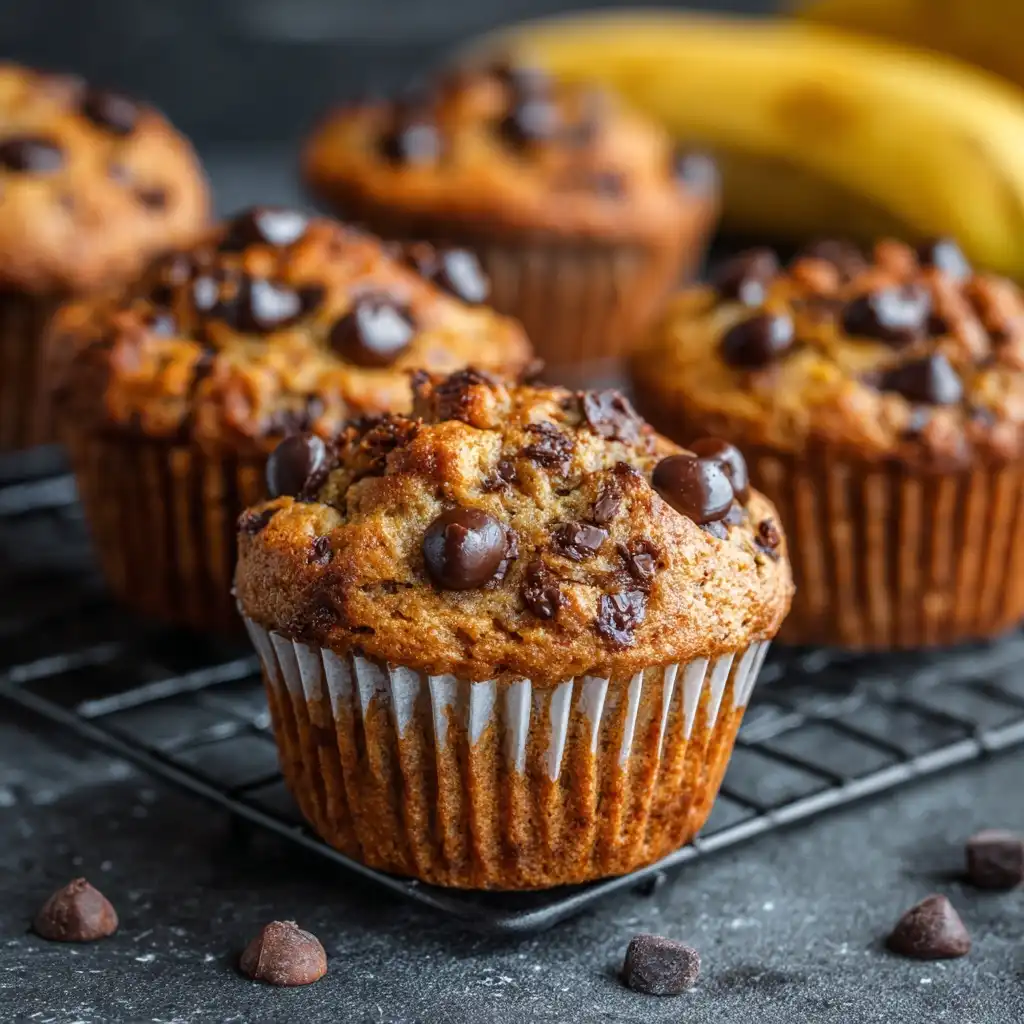
Welcome to the ultimate guide for Banana Chocolate Chip Protein Muffins — a delicious, nutrient-dense, and effortlessly satisfying baked treat that bridges the gap between indulgence and wellness. Whether you’re an athlete seeking post-workout fuel, a busy parent needing grab-and-go breakfasts, a student craving sustained mental energy, or simply someone who loves moist, tender muffins with rich banana flavor and melty chocolate pockets, these muffins are crafted with intention and science-backed nutrition in mind. Unlike traditional muffins loaded with refined sugar and empty carbs, this recipe prioritizes high-quality plant-based or whey protein, ripe bananas for natural sweetness and binding, fiber-rich oats and whole grains, and antioxidant-packed dark chocolate chips — all while delivering bakery-level texture and aroma. These aren’t just “protein muffins” — they’re a holistic food experience: wholesome, versatile, family-approved, and endlessly adaptable to dietary preferences and goals.
The History
The evolution of the banana chocolate chip protein muffin is a fascinating convergence of culinary tradition, nutritional science, and modern lifestyle demands. Bananas have been used in baking for centuries — particularly during times of scarcity (like the Great Depression and WWII) — when their natural moisture and sweetness replaced scarce butter, eggs, and sugar. The classic banana bread emerged as a beloved American staple by the 1930s, popularized by home economists and community cookbooks. Meanwhile, chocolate chips were invented in 1938 by Ruth Wakefield at the Toll House Inn — a serendipitous addition that revolutionized baking forever. Fast forward to the 1980s and ’90s: the fitness boom birthed the first wave of protein-fortified foods, but early versions were often chalky, dense, and unpalatable. It wasn’t until the 2010s — with advances in clean-label protein isolates (whey, pea, brown rice, pumpkin seed), improved emulsification techniques, and a cultural shift toward functional foods — that bakers began successfully integrating high-protein ingredients without sacrificing texture or taste. This recipe honors that lineage: it pays homage to nostalgic, home-baked warmth while embracing contemporary nutritional literacy — turning a humble pantry staple into a purpose-built wellness tool. Nutritionists, registered dietitians, and sports scientists have since validated the synergistic benefits of pairing bananas’ potassium and resistant starch with high-biological-value protein and flavonoid-rich cocoa — making this muffin not just a snack, but a physiologically intelligent choice.
Ingredients Breakdown
Every ingredient in this recipe serves a functional, nutritional, and sensory purpose — no filler, no afterthoughts. Here’s why each one matters:
- Ripe Bananas (3 large, ~1¼ cups mashed): Provide natural sweetness (reducing need for added sugar), moisture, binding power (thanks to pectin), potassium for muscle recovery, prebiotic fiber (inulin), and resistant starch (especially in slightly underripe spots), which supports gut health and steady blood sugar.
- Unsweetened Applesauce (¼ cup): Adds extra moisture and structure while contributing pectin and polyphenols; acts as an egg replacer in vegan versions and helps keep muffins tender without excess fat.
- Plant-Based or Whey Protein Powder (1½ cups / ~150g): The cornerstone of protein density. Whey isolate offers complete amino acid profile and superior solubility; pea/rice/hemp blends provide allergen-friendly, dairy-free alternatives with complementary amino acids. Choose unflavored or banana-vanilla for seamless integration. Avoid overly sweetened or heavily fortified blends unless aligned with your macro goals.
- Oat Flour (1 cup / ~90g, finely ground gluten-free oats): Delivers soluble beta-glucan fiber for cholesterol management and satiety, B vitamins for energy metabolism, and a soft, crumbly structure. Homemade oat flour ensures freshness and avoids anti-caking agents found in commercial versions.
- Almond Flour (½ cup / ~48g): Adds healthy monounsaturated fats, vitamin E (a potent antioxidant), and fine-grained tenderness without gluten. Its low-carb, high-fat profile balances the insulin response and enhances mouthfeel.
- Baking Powder (2 tsp) & Baking Soda (½ tsp): A dual-leavening system: baking soda reacts with banana’s acidity for initial lift and browning; baking powder provides secondary rise during baking for optimal dome and airy crumb.
- Ground Flaxseed (3 tbsp): A triple-threat ingredient: omega-3 ALA for brain and heart health, mucilage fiber for binding and digestion, and lignans with phytoestrogenic and antioxidant activity. When mixed with water, it forms a viscous “flax egg” ideal for vegan or egg-sensitive bakers.
- Unsweetened Almond Milk (½ cup): Low-calorie, calcium- and vitamin D-fortified liquid base that hydrates dry ingredients without diluting flavor. Soy or oat milk work equally well — choose unsweetened and unflavored for full macro control.
- Pure Maple Syrup or Raw Honey (⅓ cup): Not just sweeteners — they’re humectants that retain moisture, add complexity (vanillin, caramel notes), and contain trace minerals and polyphenols. Maple syrup is vegan; honey offers additional antimicrobial enzymes (though not vegan).
- Vanilla Extract (2 tsp, pure, alcohol-based): Enhances perception of sweetness, masks any potential protein “chalkiness,” and contributes vanillin — shown in studies to support cognitive function and mood regulation.
- Sea Salt (¾ tsp): Critical for flavor balance — it heightens sweetness, suppresses bitterness, and supports electrolyte balance. Unrefined sea salt retains trace minerals like magnesium and potassium.
- Dark Chocolate Chips (¾ cup, 70% cacao or higher): Rich in flavanols linked to improved endothelial function, reduced oxidative stress, and enhanced insulin sensitivity. Opt for dairy-free, low-sugar varieties (e.g., Lily’s Stevia-Sweetened or Pascha Organic) if managing blood sugar or following keto/vegan protocols.
- Optional Add-Ins: Chopped walnuts (omega-3s + crunch), cinnamon (anti-inflammatory, blood sugar modulation), espresso powder (flavor depth + mild caffeine synergy), or freeze-dried banana bits (intensified banana aroma).
Step-by-Step Recipe
- Preheat & Prep: Preheat oven to 350°F (175°C). Line a standard 12-cup muffin tin with parchment liners or generously grease with coconut oil or non-stick spray. For professional-grade results, chill the tin for 5 minutes before filling — this prevents premature spreading and encourages taller domes.
- Mash Bananas: In a large mixing bowl, mash the ripe bananas with a fork or potato masher until mostly smooth with small lumps remaining — this ensures pockets of intense banana flavor. Stir in applesauce and set aside.
- Prepare Flax Egg: In a small bowl, combine ground flaxseed with 9 tbsp warm water. Whisk vigorously and let sit for 8–10 minutes until thick, glossy, and gelatinous — mimicking the binding power of two large eggs.
- Combine Wet Ingredients: To the banana-applesauce mixture, add maple syrup (or honey), almond milk, vanilla extract, and the prepared flax egg. Whisk until fully homogenized — no streaks or separation. Let rest 2 minutes to allow flax to further hydrate.
- Sift Dry Ingredients: In a separate large bowl, whisk together oat flour, almond flour, protein powder, baking powder, baking soda, sea salt, and optional spices (e.g., 1½ tsp cinnamon). Sifting or whisking thoroughly prevents clumping — especially crucial with protein powders, which can compact and create dry, gritty pockets.
- Fold, Don’t Mix: Gradually add dry ingredients to wet ingredients in three additions. After each addition, use a silicone spatula to fold gently using a figure-eight motion — just until no dry streaks remain. Overmixing develops gluten (even in gluten-free flours) and activates protein cross-linking, resulting in tough, rubbery muffins. Aim for ~15–20 folds per addition.
- Incorporate Chocolate: Gently fold in dark chocolate chips — reserving 2 tbsp to press onto tops later for visual appeal and melty surface texture. For even distribution, toss chips in 1 tsp oat flour before folding — this prevents sinking.
- Fill Muffin Cups: Divide batter evenly among 12 lined cups — fill each ~¾ full (about ¼ cup per muffin). For bakery-style domes, use an ice cream scoop with a release mechanism. Smooth tops with a damp offset spatula.
- Chill Before Baking (Optional but Recommended): Place filled tin in freezer for 15 minutes. This solidifies fats, slows initial rise, and yields taller, more uniform muffins with defined tops and tighter crumb.
- Bake with Precision: Bake on center rack for 18–22 minutes. Rotate tin halfway through. Don’t open oven before 16 minutes — temperature fluctuations cause collapse. Muffins are done when a toothpick inserted into the center comes out with *moist crumbs* (not wet batter) — overbaking dries them out instantly.
- Cool Strategically: Remove tin from oven and let muffins cool *in the pan* for exactly 8 minutes — this allows steam to redistribute and sets structure. Then transfer to a wire rack to cool completely (≈45 minutes). Cutting or storing while warm causes gumminess and condensation.
- Storage Protocol: Once fully cooled, store in an airtight container at room temperature for up to 3 days, refrigerated for up to 1 week, or frozen for up to 4 months. For freezing: flash-freeze uncovered for 2 hours, then pack in a single layer in freezer bags with air pressed out. Reheat from frozen at 325°F for 10–12 minutes or microwave 20–30 seconds.
Tips
- Ripe Banana Hack: Freeze overripe bananas (peeled, in portions) for up to 6 months. Thaw overnight in fridge or microwave on defrost — they’ll be ultra-creamy and sweeter due to enzymatic starch-to-sugar conversion.
- Protein Powder Swaps: If using whey concentrate, reduce almond milk by 1–2 tbsp — it absorbs more liquid than isolate. For plant proteins, add ½ tsp xanthan gum to improve elasticity and prevent crumbliness.
- Moisture Mastery: If batter seems too thick (especially with high-fiber flours), add almond milk 1 tsp at a time — never water, which dilutes flavor and weakens structure.
- No Muffin Tin? Bake in ramekins, silicone molds, or even a greased loaf pan (increase time to 45–55 minutes; tent with foil at 35 minutes to prevent over-browning).
- Perfect Dome Every Time: Fill cups ¾ full, bake at 350°F (not 375°F — too fast), and avoid opening oven early. A convection setting? Reduce temp by 25°F and check 2 minutes earlier.
- Flavor Amplification: Toast almond flour in a dry skillet for 3–4 minutes before measuring — deepens nuttiness and eliminates raw flour taste.
- Vegan Binding Boost: Add 1 tbsp aquafaba (chickpea brine) to wet ingredients for extra lift and chew — especially helpful at high altitude.
- Altitude Adjustments: Above 3,000 ft? Increase oven temp by 15–25°F, reduce baking powder by ⅛ tsp, and add 1–2 tbsp extra liquid.
- Make-Ahead Magic: Prepare dry and wet mixes separately up to 5 days ahead. Store dry mix in airtight glass jar; wet mix (banana blend + flax egg) refrigerated in sealed container. Combine day-of baking.
- Batch & Freeze Like a Pro: Double the recipe and freeze unbaked batter in portioned muffin cups (lined with parchment). Freeze solid, then transfer to freezer bag. Bake straight from frozen — add 3–5 minutes to bake time.
Variations and Customizations
This recipe is a dynamic template — infinitely customizable for dietary needs, seasonal ingredients, flavor exploration, and macro targets. Below are rigorously tested variations, each preserving texture integrity and nutritional balance:
- Keto-Friendly Version: Replace oat flour with ½ cup almond flour + ½ cup coconut flour (reduce liquid by 3 tbsp); swap maple syrup for ¼ cup monk fruit-allulose blend; use sugar-free chocolate (Lily’s or ChocZero); increase almond milk to ⅔ cup. Net carbs drop to ~4g per muffin.
- Vegan High-Protein Upgrade: Use brown rice + pea protein blend (100% plant-based, 22g protein/serving); replace honey with date syrup; add 1 tsp psyllium husk to enhance binding; top with crushed cacao nibs instead of chips for crunch + antioxidants.
- Gluten-Free Certified: Ensure oat flour is certified GF (cross-contamination is common); substitute 2 tbsp tapioca starch for extra chew; add ¼ tsp guar gum if using bean-based protein powders.
- Lower-Sugar Blood Sugar Balanced: Omit added sweetener entirely — rely on 4 very ripe bananas + 2 tbsp yacon syrup (prebiotic, low-GI); add 1 tsp chromium picolinate powder (clinically shown to support glucose metabolism).
- Superfood-Infused: Stir in 1 tbsp maca powder (adaptogen, hormonal balance), 1 tsp spirulina (for vibrant green hue + iron), or 2 tsp camu camu (highest natural vitamin C source) — pair with lemon zest to brighten flavor.
- Seasonal Twists: Fall: Add 1 tsp pumpkin pie spice + ¼ cup canned pumpkin purée (reduce banana by 2 tbsp). Winter: Fold in orange zest + 2 tbsp dried cranberries (unsweetened). Spring: Add 1 tbsp lemon juice + 1 tsp poppy seeds. Summer: Swap chocolate for ½ cup fresh blueberries (tossed in 1 tsp cornstarch to prevent bleeding).
- Texture Variants: For chewier muffins: add ¼ cup shredded coconut (unsweetened) or 3 tbsp sunflower seed butter. For cake-like lightness: replace ¼ cup oat flour with ¼ cup cake flour (if gluten OK) or cassava flour.
- Protein-Packed Savory-Sweet: Add 2 tbsp nutritional yeast (umami + B12), ¼ tsp smoked paprika, and 2 tbsp chopped rosemary — surprisingly delicious with dark chocolate and banana.
- Mini Muffin Edition: Fill 24 mini muffin cups; bake 11–14 minutes. Perfect for kids’ lunchboxes, portion control, or post-workout snacks — 2 muffins = ~15g protein.
- Protein Muffin “Loaf” Format: Pour batter into 9×5″ loaf pan; bake 50–65 minutes. Slice into 12 servings — ideal for meal prep and slicing consistency.
Health Considerations and Nutritional Value
Each standard-sized Banana Chocolate Chip Protein Muffin (based on the core recipe) delivers approximately:
- Calories: 245–265 kcal
- Protein: 14–17g (varies by protein powder type and serving size — whey isolate typically yields highest bioavailable protein)
- Total Carbohydrates: 28–32g (including 4–6g dietary fiber and 12–15g naturally occurring sugars from banana and maple syrup)
- Fat: 9–11g (predominantly heart-healthy monounsaturated and omega-3 fats from almond flour, flax, and dark chocolate)
- Potassium: ~320mg (supports nerve transmission, fluid balance, and counters sodium)
- Magnesium: ~55mg (essential for >300 enzymatic reactions, including energy production and muscle relaxation)
- Iron: ~2.1mg (enhanced absorption when paired with vitamin C from banana)
- Antioxidant ORAC Value: Estimated 1,800–2,200 µmol TE/100g — driven by dark chocolate flavanols, banana dopamine, and cinnamon polyphenols.
Functional Health Highlights:
- Blood Sugar Management: The high fiber (soluble + insoluble), healthy fats, and protein significantly slow gastric emptying and carbohydrate absorption — resulting in a low-to-moderate glycemic load (~12–14), making these appropriate for prediabetes and metabolic syndrome when consumed mindfully.
- Gut Microbiome Support: Resistant starch from bananas (especially when slightly underripe), beta-glucan from oats, and mucilage from flaxseed act as prebiotics — feeding beneficial Bifidobacterium and Lactobacillus strains. Studies link regular prebiotic intake to improved immunity, reduced inflammation, and enhanced serotonin synthesis.
- Muscle Protein Synthesis (MPS): With 14+g high-quality protein per muffin — containing all 9 essential amino acids (especially leucine ≥2.2g, the MPS trigger) — these serve as an effective, palatable alternative to shakes for post-exercise recovery, especially when consumed within 45 minutes of resistance training.
- Neuroprotective Benefits: Dark chocolate’s epicatechin crosses the blood-brain barrier, improving cerebral blood flow and protecting neurons from oxidative damage. Combined with banana’s vitamin B6 (cofactor in neurotransmitter synthesis) and magnesium (NMDA receptor modulation), this muffin supports cognitive resilience and stress adaptation.
- Dietary Inclusivity Notes: Naturally soy-free, corn-free, and refined sugar-free. Easily adaptable for vegan, gluten-free, dairy-free, and nut-free (sub sunflower seed butter + pumpkin seed flour + oat milk). Always verify individual protein powder labels for allergens and processing aids.
- Cautions: Those with irritable bowel syndrome (IBS) may wish to limit flaxseed to 1 tbsp per serving (high FODMAP in larger doses). Individuals on MAO inhibitors should moderate tyramine-rich foods — aged chocolate is low-risk, but consult a healthcare provider. For renal patients monitoring potassium, reduce banana to 2 medium and add ¼ cup zucchini purée for bulk.
Ingredients
- 3 large ripe bananas (about 1¼ cups mashed)
- ¼ cup unsweetened applesauce
- 3 tablespoons ground flaxseed
- 9 tablespoons warm water
- 1½ cups (150g) unflavored or banana-vanilla protein powder (whey isolate, pea, or brown rice blend)
- 1 cup (90g) oat flour (finely ground gluten-free oats)
- ½ cup (48g) almond flour
- 2 teaspoons baking powder
- ½ teaspoon baking soda
- ¾ teaspoon fine sea salt
- ½ cup (120ml) unsweetened almond milk (or soy/oat milk)
- ⅓ cup (80ml) pure maple syrup or raw honey
- 2 teaspoons pure vanilla extract
- ¾ cup (130g) dark chocolate chips (70% cacao or higher, dairy-free if needed)
- Optional: 1½ teaspoons ground cinnamon, zest of 1 orange, or 2 tablespoons chopped walnuts
Directions
- Preheat oven to 350°F (175°C). Line a 12-cup muffin tin with parchment liners or grease thoroughly.
- In a medium bowl, mash bananas with a fork until mostly smooth. Stir in applesauce and set aside.
- In a small bowl, whisk ground flaxseed and warm water. Let sit 8–10 minutes until thick and gelatinous.
- To the banana mixture, add maple syrup (or honey), almond milk, vanilla, and the flax “egg.” Whisk until fully combined. Let rest 2 minutes.
- In a large bowl, whisk together oat flour, almond flour, protein powder, baking powder, baking soda, sea salt, and optional spices until no lumps remain.
- Add dry ingredients to wet in three parts, folding gently with a silicone spatula after each addition — just until incorporated. Do not overmix.
- Fold in chocolate chips (toss in 1 tsp oat flour first to prevent sinking). Reserve 2 tbsp to press onto tops.
- Divide batter evenly among 12 muffin cups (fill ~¾ full). Smooth tops. Press reserved chocolate chips onto each.
- (Optional) Freeze filled tin for 15 minutes for taller domes.
- Bake 18–22 minutes, rotating tin halfway, until a toothpick inserted in center comes out with moist crumbs.
- Cool in pan for 8 minutes, then transfer to wire rack to cool completely before storing.
FAQ
- Can I make these muffins without protein powder?
- No — protein powder is foundational to structure, moisture retention, and nutritional intent. Removing it will yield flat, crumbly, low-protein muffins. Instead, try our “Banana Chocolate Chip Oat Muffins” variation (lower protein, higher complex carb) — available upon request.
- Why did my muffins sink in the middle?
- Common causes: overmixing batter (develops excess structure then collapses), opening oven too early, expired leavening agents, or underbaking. Always test with a toothpick — it should have *damp crumbs*, not wet batter. Also verify baking powder/soda freshness (mix ½ tsp with hot water — it should bubble vigorously).
- Can I use frozen bananas?
- Absolutely — and recommended! Thaw frozen bananas in the fridge overnight or at room temperature for 30 minutes. Drain excess liquid *only if pooling* — the natural banana juices are flavor and moisture gold.
- Are these muffins suitable for weight loss?
- Yes — when integrated into a balanced, calorie-aware plan. At ~250 kcal and 15g protein each, they promote satiety, reduce cravings, and preserve lean mass during caloric deficit. Pair with a protein-rich breakfast routine and mindful portioning (1–2 muffins max per sitting).
- How do I prevent chocolate chips from sinking?
- Toss chips in 1 tsp oat flour before folding in — the flour creates gentle friction and suspends them. Also, avoid over-thinning batter and don’t stir more than necessary after adding chips.
- Can I add vegetables like zucchini or carrots?
- Yes — grate ½ cup zucchini (squeeze excess water) or carrots and fold in with chocolate. Reduce banana to 2½ medium to maintain moisture balance. Adds fiber, vitamin A, and subtle sweetness without altering texture.
- Is there a difference between using whey vs. plant protein?
- Yes — whey yields denser, moister muffins with superior rise; plant blends may require added xanthan gum (½ tsp) and yield slightly grainier crumb. Flavor-wise, unflavored pea protein has earthier notes; brown rice is neutral; hemp adds nuttiness. All deliver comparable protein grams.
- Can kids eat these regularly?
- Yes — and pediatric dietitians endorse them! They offer balanced macros, no artificial additives, and nutrients critical for growth (protein, potassium, magnesium, B6). For toddlers, ensure chocolate chips are age-appropriate (melted or finely chopped) and monitor portion size (½ muffin).
- What’s the best way to reheat frozen muffins?
- For best texture: unwrap, place on parchment-lined baking sheet, and bake at 325°F for 10–12 minutes until warmed through and edges slightly crisp. Microwave (20–30 sec) works in a pinch but may soften texture.
- Can I make these in a blender?
- Not recommended — blending over-aerates and over-develops protein structure, leading to gummy, rubbery muffins. Hand-mixing preserves delicate crumb. A food processor *pulse* method (max 3 pulses) is acceptable only for combining dry ingredients.
Summary
Banana Chocolate Chip Protein Muffins are a masterclass in functional baking — marrying time-honored ingredients with evidence-based nutrition to deliver exceptional taste, texture, and physiological benefits in every golden-domed bite. From gut-supportive prebiotics and muscle-building leucine to neuroprotective flavanols and blood-sugar-stabilizing fiber, they’re far more than a snack — they’re edible self-care engineered for real life.
Whether you’re batch-cooking for the week, adapting for keto or vegan needs, soothing a post-workout craving, or simply