Introduction
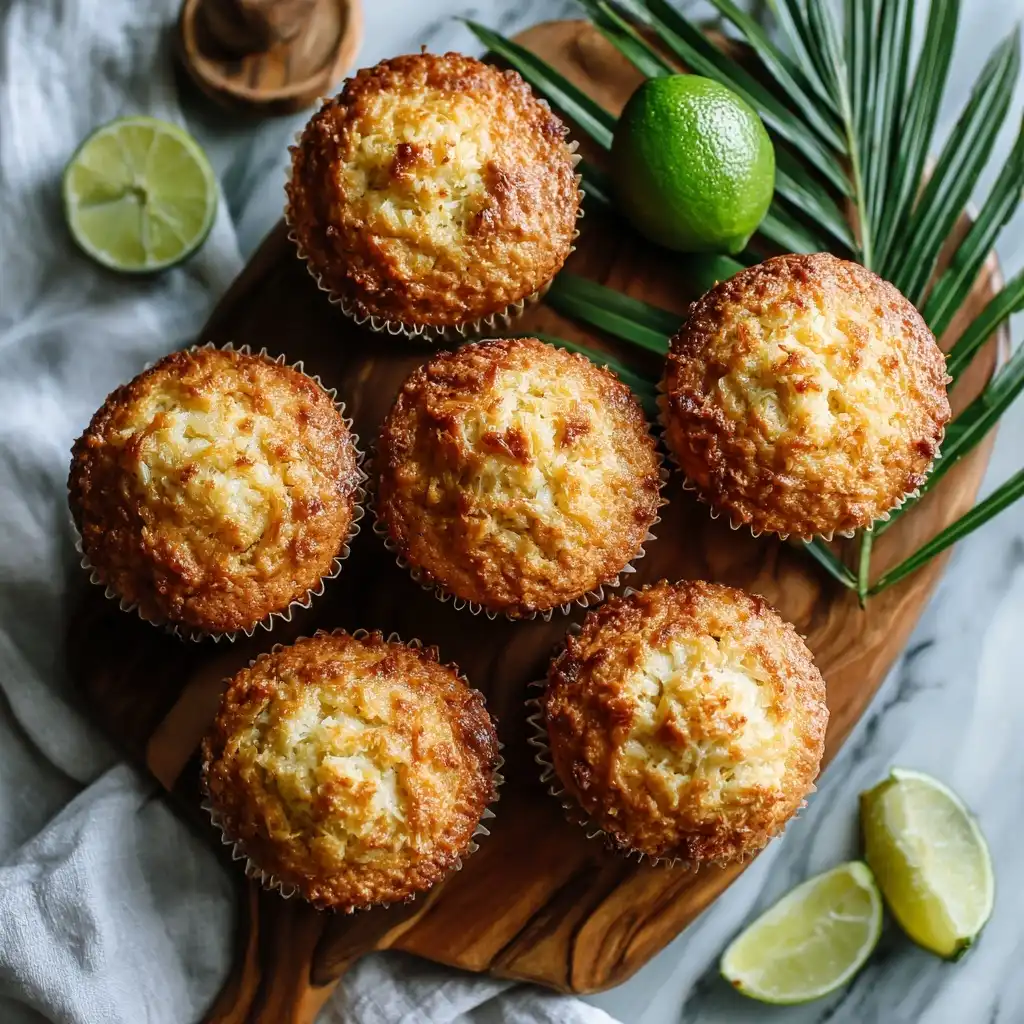
Welcome to the tropical paradise of baking—Pineapple Coconut Muffins! These irresistibly moist, fragrant, and naturally sweet muffins transport your taste buds straight to a sun-drenched beach with every bite. Bursting with juicy pineapple tidbits, toasted coconut flakes, and warm vanilla-cinnamon undertones, they strike the perfect balance between indulgence and freshness. Whether you’re fueling a busy weekday morning, packing a wholesome school or work snack, or impressing guests at a brunch gathering, these muffins deliver bold flavor, tender crumb, and a delightful aroma that fills your entire kitchen. They’re more than just a baked good—they’re a mood booster, a nostalgia trigger (think summer vacations and tiki cocktails), and a versatile canvas for dietary adaptations—all while staying rooted in simplicity and real-food ingredients.
The History
The lineage of Pineapple Coconut Muffins is a delicious convergence of global culinary traditions and mid-20th-century American baking innovation. While muffins themselves trace back to British “muffin” cakes (distinct from English muffins) and evolved significantly in colonial America with the advent of chemical leaveners like baking powder in the 1850s, the tropical fusion didn’t emerge until pineapple and shredded coconut became widely accessible in U.S. grocery stores post–World War II. Hawaii’s commercial pineapple industry—catalyzed by James Dole’s founding of the Hawaiian Pineapple Company in 1901—and advances in canning and desiccation technology made pineapple tidbits and unsweetened coconut flakes pantry staples by the 1940s and ’50s. Early iterations appeared in community cookbooks and women’s magazines like Good Housekeeping and Ladies’ Home Journal, often billed as “Hawaiian Muffins” or “Tropical Surprise Muffins.” The 1970s saw a surge in “fruit-and-nut” baking trends, further cementing pineapple-coconut pairings in quick-bread culture. Today’s versions reflect modern values: reduced added sugar, whole-grain options, plant-based substitutions, and an emphasis on texture contrast—chewy coconut, juicy pineapple pockets, and a golden, slightly crisp crown—all honoring tradition while embracing contemporary wellness and sustainability sensibilities.
Ingredients Breakdown
Every ingredient in this recipe serves a precise functional and sensory role—no filler, no afterthoughts. Let’s explore them in depth:
- All-Purpose Flour (or Whole Wheat Pastry Flour Alternative): Provides essential gluten structure for lift and tenderness. For optimal texture, we recommend unbleached all-purpose flour; its moderate protein content (10–11%) yields a lofty yet delicate crumb without toughness. Substituting up to 50% with whole wheat pastry flour adds fiber and nutty depth while preserving softness—regular whole wheat flour is too dense and high in gluten for ideal muffin texture.
- Baking Powder & Baking Soda: A dual-leavening system ensures maximum rise and even crumb. Baking powder (double-acting) provides initial lift during mixing and a second surge in the oven’s heat, while baking soda neutralizes the natural acidity in pineapple juice and buttermilk (if used), enhancing browning and tenderness. Too much soda causes a soapy aftertaste; too little results in dense, gummy centers.
- Granulated Sugar & Brown Sugar: Granulated sugar aerates the batter during creaming (if using butter) and contributes to crust formation and shelf stability. Brown sugar—preferably light or dark—adds moisture-retaining molasses, rich caramel notes, and subtle acidity that complements pineapple’s brightness. The blend creates complexity far beyond single-sugar recipes.
- Unsalted Butter (or Neutral Oil): Butter delivers unparalleled flavor, flakiness, and mouthfeel—but it must be softened (65–68°F), not melted, for proper creaming and air incorporation. For dairy-free or ultra-moist applications, refined coconut oil or light olive oil works beautifully, lending subtle fruitiness without overpowering. Melted butter is acceptable *only* if the recipe is specifically formulated for it (as ours is)—it simplifies prep and guarantees consistent moisture distribution.
- Eggs: Act as emulsifiers, binders, and leaveners. Large eggs at room temperature integrate smoothly, prevent curdling, and maximize volume. Egg yolks enrich with fat and lecithin; whites add structure and lift. Flax or chia “eggs” are viable vegan substitutes but will yield a denser, more cake-like (less airy) crumb.
- Canned Pineapple in Juice (Not Syrup): This is non-negotiable for authenticity and control. Pineapple packed in heavy syrup adds excessive sugar and dilutes flavor; juice-packed retains natural tartness and enzymatic brightness. We use finely chopped pineapple *with its juice*—the liquid hydrates the batter and activates leaveners, while the fruit provides bursts of sweetness and acidity. Fresh pineapple is possible but requires careful enzyme management (bromelain breaks down proteins and can weaken structure); briefly sautéing or blanching fresh chunks deactivates bromelain and intensifies flavor.
- Shredded Coconut (Unsweetened or Toasted): Unsweetened coconut offers pure, nutty aroma and chewy texture without cloying sweetness. Toasted coconut—either store-bought or homemade (350°F for 5–7 minutes until golden)—adds deep, caramelized notes and crunch. Sweetened coconut is discouraged—it introduces excess sugar, masks pineapple’s nuance, and risks over-browning. For visual appeal and textural contrast, reserve ¼ cup for topping.
- Pure Vanilla Extract & Ground Cinnamon: Madagascar bourbon vanilla lends floral, creamy warmth that bridges fruit and spice. Cinnamon isn’t dominant—it’s a whisper, enhancing pineapple’s natural sweetness and adding aromatic sophistication without evoking “cinnamon roll.” Nutmeg or cardamom are elegant optional additions (⅛ tsp each) for layered spice complexity.
- Salt: Fine sea salt or kosher salt balances sweetness, heightens all flavors, and strengthens gluten. It’s the silent conductor of the ingredient orchestra—omit it, and the muffins taste flat and one-dimensional.
- Optional Add-Ins: Chopped macadamia nuts (Hawaii’s iconic pairing), white chocolate chips (for creamy contrast), lime zest (to amplify tropical brightness), or a splash of coconut milk (replacing part of the pineapple juice for intensified coconut essence).
Step-by-Step Recipe
- Preheat & Prep: Position oven rack in the center third. Preheat oven to 375°F (190°C). Line a standard 12-cup muffin tin with parchment paper liners (preferred for easy release and no sticking) or grease generously with butter or coconut oil. Parchment liners also prevent coconut from adhering to metal cups during baking.
- Toast the Coconut (Highly Recommended): Spread 1 cup unsweetened shredded coconut evenly on a small rimmed baking sheet. Bake at 350°F (175°C) for 5–7 minutes, stirring once halfway, until fragrant and lightly golden. Cool completely—this step deepens flavor and prevents premature melting in the batter.
- Prepare the Pineapple: Drain canned pineapple tidbits *reserving ½ cup of the juice*. Finely chop the pineapple by pulsing 1–2 times in a food processor or mincing with a sharp knife—aim for pea-sized pieces (not purée) to ensure juicy pockets, not mush. Measure exactly 1 cup chopped pineapple + reserved juice combined.
- Mix Dry Ingredients: In a large bowl, whisk together 2 cups (250g) all-purpose flour, 2 tsp aluminum-free baking powder, ½ tsp baking soda, 1 tsp ground cinnamon, ½ tsp fine sea salt, and optional spices (e.g., ⅛ tsp freshly grated nutmeg). Whisk for 30 seconds to fully aerate and distribute leaveners evenly—lumps = uneven rise.
- Cream Wet Ingredients: In a separate medium bowl, whisk ¾ cup (150g) granulated sugar, ½ cup (100g) packed light brown sugar, ½ cup (113g) melted and slightly cooled unsalted butter (or refined coconut oil), 2 large room-temperature eggs, 1½ tsp pure vanilla extract, and the reserved ½ cup pineapple juice until smooth and homogenous—about 45 seconds. Avoid over-whisking, which incorporates excess air and may cause peaked tops or tunnels.
- Combine Wet & Dry: Pour the wet mixture into the dry ingredients. Using a silicone spatula or wooden spoon, gently fold *just until no dry streaks remain*—approximately 12–15 strokes. Do not overmix; batter will be thick, lumpy, and shaggy. Overmixing develops gluten, leading to tough, rubbery muffins. A few small flour pockets are preferable to smoothness.
- Incorporate Pineapple & Coconut: Add the 1 cup chopped pineapple (including any accumulated juice) and ¾ cup of the toasted coconut. Fold gently 6–8 times until evenly distributed. Batter will be very moist and sticky—this is ideal for juicy, tender results.
- Portion & Top: Divide batter evenly among 12 lined muffin cups using a ¼-cup ice cream scoop or measuring cup. Fill each cup ¾ full (≈¼ cup batter). Sprinkle remaining ¼ cup toasted coconut evenly over tops. Optional: Press 1–2 tiny macadamia halves into each muffin for gourmet flair.
- Bake with Precision: Place tin in preheated oven. Bake 18–22 minutes—start checking at 18. Muffins are done when tops are deeply golden, springs back lightly when touched, and a toothpick inserted into the center comes out with *moist crumbs* (not wet batter, not completely clean—this ensures moistness). Rotate tin front-to-back at 12 minutes for even baking. Avoid opening oven before 16 minutes—temperature drops cause collapse.
- Cool Strategically: Let muffins cool in the tin on a wire rack for 5 minutes—this sets the structure. Then, carefully lift each liner and transfer muffins directly onto the rack to cool completely (at least 30 minutes). Cooling upright prevents soggy bottoms and allows steam to escape, locking in texture. Serve warm for gooey indulgence; room-temp for balanced flavor release.
Tips
- Room Temperature Matters: Eggs, butter (if creaming), and even coconut milk should be at room temperature (68–72°F) for seamless emulsification, uniform batter, and optimal rise. Cold ingredients cause separation and dense spots.
- Measure Flour Correctly: Spoon flour into measuring cup and level with a knife—never scoop directly from bag (compacts flour, adding up to 25% extra). For precision, weigh flour: 1 cup = 120–125g.
- Don’t Skip the Toast: Raw coconut tastes bland and waxy. Toasting unlocks oils, intensifies aroma, and adds crucial textural contrast. Even 2 minutes under the broiler works in a pinch.
- Resist Overmixing—It’s the #1 Muffin Killer: Stir only until combined. Lumps are friends. Use the “figure-eight” folding motion for gentle incorporation. Set a timer: 20 seconds max for folding.
- Maximize Pineapple Flavor: For deeper notes, drain pineapple, pat *very* dry with paper towels, then toss with 1 tsp brown sugar and ¼ tsp cinnamon before folding in. This creates caramelized edges inside the muffin.
- Uniform Sizing = Uniform Baking: Use a scoop for consistent portions. Underfilled cups bake too fast and dry out; overfilled overflow and bake unevenly.
- Altitude Adjustments: Above 3,000 ft: Increase oven temp by 15–25°F, reduce baking powder by ⅛ tsp, and add 1–2 tbsp extra liquid (pineapple juice or milk) to combat dry air.
- Storage Wisdom: Store cooled muffins in an airtight container at room temperature for up to 3 days. For longer freshness, freeze unfrosted muffins individually wrapped in parchment + foil for up to 3 months. Thaw at room temp or reheat in a 325°F oven for 8 minutes.
- Revive Stale Muffins: Wrap in damp paper towel and microwave 10–15 seconds, or slice and toast for “pineapple coconut croutons” to top yogurt or oatmeal.
- Make-Ahead Batter: Prepare dry and wet components separately up to 24 hours ahead; refrigerate wet mix. Combine just before baking for peak freshness and rise.
Variations and Customizations
This recipe is a vibrant foundation—endlessly adaptable to dietary needs, seasonal produce, and creative whims. Here’s how to make it uniquely yours:
- Gluten-Free: Substitute a certified GF 1:1 baking blend (like Bob’s Red Mill or King Arthur) *plus* ½ tsp xanthan gum (if not included). Add 1 tbsp ground flaxseed for binding. Expect slightly denser crumb—enhance with extra 1 tbsp pineapple juice.
- Vegan: Replace eggs with 2 flax eggs (2 tbsp ground flax + 5 tbsp water, rested 10 mins), use refined coconut oil, and ensure sugar is vegan (many beet sugars are). Add 1 tsp apple cider vinegar to batter to react with baking soda for lift.
- Whole Grain Boost: Replace ½ cup all-purpose flour with oat flour (blend rolled oats) or almond flour. Add 1 tbsp ground chia for fiber and omega-3s. Reduce brown sugar by 1 tbsp to balance earthiness.
- Lower Sugar: Reduce total sugar by ¼ cup (use ½ cup granulated + ⅓ cup brown). Compensate with 1 tsp monk fruit blend or 2 tbsp mashed banana for moisture and sweetness.
- Tropical Twist: Add 2 tbsp lime zest + 1 tbsp fresh lime juice to wet ingredients. Swap 2 tbsp pineapple juice for coconut milk. Top with candied ginger bits.
- Protein-Packed: Stir in ¼ cup vanilla whey or plant-based protein powder (reduce flour by 2 tbsp). Add 2 tbsp hemp hearts for crunch and nutrition.
- Mini Muffins: Fill 24 mini muffin cups ⅔ full. Bake at 375°F for 11–14 minutes. Perfect for kids’ lunches or parties.
- Muffin Tops Only: Line a jelly-roll pan with parchment. Spread batter ½-inch thick. Bake 15–18 minutes. Cut into squares—crispy edges, soft centers.
- Breakfast Loaf: Pour batter into a greased 8×4-inch loaf pan. Bake at 350°F for 55–65 minutes. Cool 20 minutes in pan before slicing.
- Stuffed Surprise: Place ½ tsp cream cheese or white chocolate ganache in center of each muffin cup before adding batter for melty, decadent cores.
Health Considerations and Nutritional Value
While undeniably a treat, Pineapple Coconut Muffins can be crafted with mindful nutrition in mind—balancing enjoyment with functional benefits. A standard muffin (1/12th of the recipe, ~85g) contains approximately:
- Calories: 220–240 kcal (varies with add-ins and oil choice)
- Carbohydrates: 32–36g (of which 18–22g natural sugars from pineapple, coconut, and brown sugar; 2–3g fiber)
- Fat: 9–11g (mostly unsaturated from coconut oil/butter; 5–6g saturated)
- Protein: 3–4g (enhance with Greek yogurt substitution or protein powder)
- Vitamins & Minerals: Significant vitamin C (from pineapple), manganese (coconut), copper (brown sugar), and B vitamins (flour, eggs). Pineapple’s bromelain supports digestion and inflammation modulation.
Key Health Notes:
- Sugar Awareness: Canned pineapple in juice contributes natural fructose—not “added sugar” per FDA labeling—but portion control remains vital. Opting for no-sugar-added pineapple and reducing brown sugar by 25% cuts total sugar by ~6g per muffin.
- Coconut Controversy Clarified: Unsweetened coconut is rich in lauric acid—a medium-chain triglyceride (MCT) shown to support metabolic health and satiety. While high in saturated fat, emerging research suggests its impact on cholesterol differs from animal-based saturates. Moderation is key; 1 cup per batch is nutritionally sound.
- Fiber Optimization: Whole grain swaps, chia/flax, and adding 2 tbsp ground psyllium husk (reduce liquid by 1 tbsp) boost fiber to 5–6g per muffin—supporting gut health and glycemic control.
- Allergen Notes: Naturally nut-free (unless adding macadamias), but verify coconut is processed in a nut-free facility if severe allergy exists. Gluten-free and dairy-free versions are easily achievable.
- Glycemic Impact: With moderate sugar and fiber, these muffins have a medium glycemic load (~35–40). Pairing with Greek yogurt or a handful of almonds lowers overall meal glycemic response.
- Anti-Inflammatory Boost: Cinnamon and pineapple’s bromelain offer synergistic anti-inflammatory effects. Adding turmeric (¼ tsp) or ginger (1 tsp grated) amplifies this benefit.
These muffins shine as part of a balanced diet—not a daily staple, but a joyful, nutrient-dense choice that celebrates real food, cultural fusion, and culinary creativity.
Ingredients
- 2 cups (250g) unbleached all-purpose flour
- 2 teaspoons aluminum-free baking powder
- ½ teaspoon baking soda
- 1 teaspoon ground cinnamon
- ½ teaspoon fine sea salt
- ¾ cup (150g) granulated sugar
- ½ cup (100g) packed light brown sugar
- ½ cup (113g) unsalted butter, melted and slightly cooled—or refined coconut oil
- 2 large eggs, room temperature
- 1½ teaspoons pure vanilla extract
- ½ cup (120ml) reserved juice from canned pineapple (in juice, not syrup)
- 1 cup (180g) finely chopped canned pineapple in juice (drained but juice reserved)
- 1 cup (80g) unsweetened shredded coconut, toasted and cooled
- ¼ cup (20g) additional toasted coconut, for topping
Directions
- Preheat oven to 375°F (190°C). Line a 12-cup muffin tin with parchment liners or grease thoroughly.
- Toast 1 cup shredded coconut on a baking sheet at 350°F for 5–7 minutes until golden and fragrant. Cool completely.
- Drain pineapple, reserving ½ cup juice. Finely chop pineapple to pea-size pieces; measure 1 cup including any juice.
- In a large bowl, whisk flour, baking powder, baking soda, cinnamon, and salt.
- Pour wet ingredients into dry. Gently fold with a spatula until *just combined*—do not overmix. Batter will be thick and lumpy.
- Fold in chopped pineapple and ¾ cup toasted coconut until evenly distributed.
- Divide batter evenly among 12 muffin cups (fill ¾ full). Sprinkle tops with remaining ¼ cup toasted coconut.
- Bake 18–22 minutes, rotating tin at 12 minutes, until golden and toothpick comes out with moist crumbs.
- Cool in tin 5 minutes, then transfer to wire rack to cool completely before serving.
FAQ
- Can I use fresh pineapple instead of canned?
- Yes—with caveats. Fresh pineapple contains bromelain, an enzyme that breaks down gluten and can cause muffins to collapse. To deactivate it, briefly blanch chunks in boiling water for 1 minute, then drain and chop. Or, sauté in 1 tsp butter over medium heat for 2–3 minutes until softened and fragrant. Use same volume (1 cup) and reserve ½ cup of the cooking liquid or add coconut milk to replace juice.
- Why did my muffins sink in the middle?
- Sinking usually indicates underbaking (remove too soon), excessive leavener (check expiration date—old baking powder loses potency), or opening the oven too early. Ensure toothpick shows *moist crumbs*, not wet batter. Also, avoid overmixing—gluten overdevelopment weakens structure.
- Can I make these ahead for a party?
- Absolutely. Bake, cool completely, and freeze in a single layer on a tray for 1 hour, then transfer to a freezer bag for up to 3 months. Thaw overnight at room temperature or reheat in a 325°F oven for 10 minutes—tops will crisp, interiors stay tender.
- My batter seems too wet—is that normal?
- Yes! Pineapple juice and melted fat create a looser, stickier batter than traditional muffin batters. As long as you haven’t added extra liquid, trust the process—the coconut and flour will absorb moisture during baking, yielding a perfectly moist crumb.
- Can I omit the coconut?
- You can, but it fundamentally changes the recipe’s identity and texture. For coconut-free tropical flavor, try ½ cup dried mango bits + 1 tsp coconut extract (alcohol-free) + extra 1 tbsp pineapple juice. Toasted almonds or pecans provide crunch.
- How do I prevent muffins from sticking to liners?
- Use high-quality parchment liners (not thin paper). Lightly spray liners with coconut oil before filling. Alternatively, grease wells *and* line—double protection. Never substitute wax paper—it melts and sticks.
- Can I add protein powder?
- Yes—add ¼ cup unflavored or vanilla plant-based protein powder. Reduce flour by 2 tablespoons and increase pineapple juice by 1 tablespoon to maintain hydration. Mix protein in with dry ingredients to prevent clumping.
- What’s the best way to store leftovers?
- In an airtight container at room temperature for 3 days. For longer storage, refrigerate (up to 1 week) or freeze (up to 3 months). Refrigeration may firm texture slightly—revive with 5-second microwave bursts or toaster oven warming.
- Can I turn these into cupcakes?
- Easily! Bake in lined cupcake pans as directed. Once cooled, frost with coconut cream frosting (whipped coconut cream + powdered sugar + lime zest) or pineapple buttercream. Decorate with toasted coconut and edible flowers.
- Why use both baking powder AND baking soda?
- Baking powder provides primary lift; baking soda reacts with the acid in pineapple juice to create extra carbon dioxide, ensuring tall, open crumb and improved browning. Omitting soda yields flatter, paler, less flavorful muffins.
Summary
Pineapple Coconut Muffins are a masterclass in tropical harmony—juicy, golden pineapple and fragrant toasted coconut unite in a tender, spiced crumb lifted by precision leavening and balanced sweetness.
Effortlessly adaptable for dietary needs and endlessly customizable, they’re a celebration of real ingredients, global inspiration, and the simple joy of baking something that tastes like sunshine and vacation—any day of the year.