Introduction
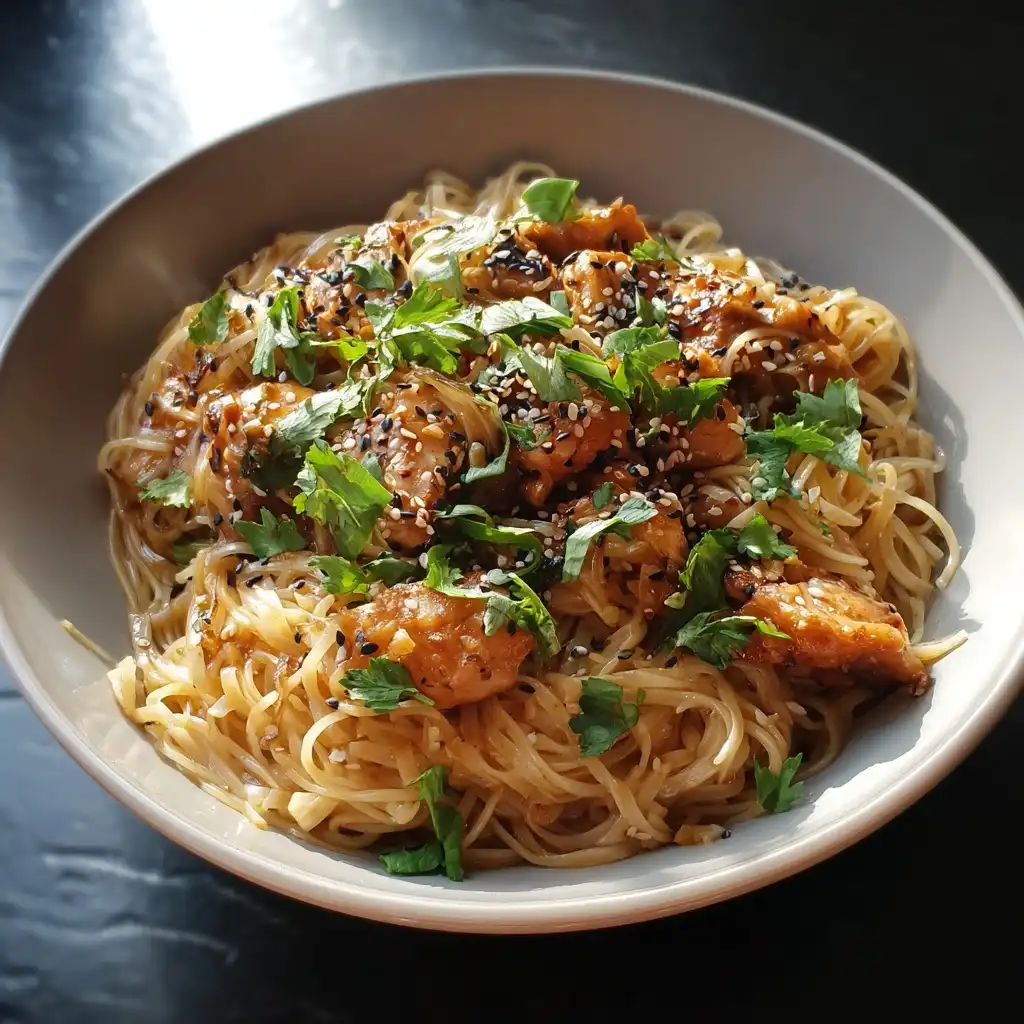
Sesame Ginger Chicken Noodles is a vibrant, restaurant-quality dish that effortlessly bridges the gap between comfort food and gourmet flair. With its bold umami depth, bright citrus-tinged ginger zing, rich nutty aroma of toasted sesame, and tender-succulent chicken nestled in springy noodles, this recipe delivers an unforgettable sensory experience in under 30 minutes. Whether you’re meal prepping for the week, hosting a casual dinner party, or simply craving something deeply satisfying yet light on heaviness, this dish checks every box — balancing savory, sweet, tangy, spicy, and aromatic notes with elegant precision. Its versatility makes it equally at home as a weeknight staple, a packed lunch favorite, or a centerpiece for entertaining — all while remaining approachable for cooks of all skill levels.
The History
While Sesame Ginger Chicken Noodles as a named dish is a modern American-Chinese fusion creation, its roots run deep across multiple culinary traditions. The use of ginger as a medicinal and flavor-enhancing ingredient dates back over 5,000 years in ancient Chinese, Ayurvedic, and Southeast Asian practices — prized not only for its pungent warmth but also for its digestive and anti-inflammatory properties. Sesame seeds, cultivated in India and Africa as early as 1600 BCE, became integral to East Asian cuisines — particularly in China and Japan — where toasted sesame oil and roasted sesame paste (tahini’s distant cousin) added luxurious depth and fragrance to stir-fries, dressings, and marinades. Soy sauce — the cornerstone of the dish’s savory backbone — evolved from fermented soybean pastes in China during the Zhou Dynasty (1046–256 BCE) before spreading across Asia via trade routes. The stir-fry technique itself, perfected during the Ming Dynasty (1368–1644), emphasized speed, high heat, and minimal oil — principles that directly inform today’s quick-cook version of this dish. In the mid-20th century, as Chinese immigrants adapted their cuisine to American palates — and as supermarkets began stocking bottled ginger paste, toasted sesame oil, and pre-cooked noodles — versions of sesame-ginger glazed proteins over noodles emerged in West Coast diners, suburban takeout menus, and later, glossy food magazines. By the 2010s, the dish gained viral traction on Pinterest and Instagram, evolving further with clean-label swaps (coconut aminos, brown rice noodles), global twists (gochujang infusion, yuzu zest), and health-conscious iterations — cementing its status not as a trend, but as a timeless, adaptable classic born from centuries of cross-cultural exchange and culinary ingenuity.
Ingredients Breakdown
Every element in Sesame Ginger Chicken Noodles serves a distinct functional and flavor role — no ingredient is arbitrary. Let’s explore them in detail:
- Chicken Breast or Thighs: Boneless, skinless chicken breast offers lean protein and a clean canvas, while thighs provide superior moisture, richer flavor, and forgiving texture during high-heat cooking. For optimal tenderness, slice against the grain into thin, uniform ¼-inch strips — this shortens muscle fibers and prevents chewiness.
- Fresh Ginger: Not interchangeable with powdered ginger. Fresh rhizomes contain volatile oils like zingiberene and shogaols — responsible for its signature spicy-fragrant warmth and subtle lemony brightness. Grate finely (preferably on a microplane) to maximize surface area and infusion without fibrous bits.
- Garlic: Adds pungent depth and enzymatic complexity. Crush or mince to activate allicin — the compound behind garlic’s aromatic potency and health benefits. Add after ginger to prevent burning, which turns it bitter.
- Low-Sodium Soy Sauce: Provides foundational umami and salt balance. Tamari is an excellent gluten-free alternative; coconut aminos offer a milder, slightly sweeter, soy-free option with lower sodium and naturally occurring amino acids.
- Rice Vinegar (Unseasoned): Delivers clean acidity to cut richness and lift flavors. Avoid seasoned rice vinegar (which contains sugar and salt) unless adjusting other sweet/salty components accordingly.
- Maple Syrup or Honey: Natural liquid sweeteners that caramelize beautifully during stir-frying, creating a glossy sheen and balancing acidity and salt. Maple syrup adds earthy nuance; honey contributes floral notes and superior binding viscosity.
- Toasted Sesame Oil: A finishing oil — never used for frying. Cold-pressed and dark amber in color, it carries intense nutty aroma and volatile compounds destroyed by heat. Added at the end, it perfumes the entire dish.
- Sesame Seeds (White & Black): White sesame seeds are lightly toasted for mild nuttiness and crunch; black sesame seeds add visual contrast, deeper mineral notes, and antioxidants like anthocyanins and sesamin. Toast separately for maximum fragrance.
- Neutral High-Heat Oil: Peanut, avocado, grapeseed, or refined sunflower oil withstands stir-fry temperatures (400°F+) without smoking or off-flavors — essential for achieving wok hei (the “breath of the wok” — that elusive smoky essence).
- Asian Wheat or Rice Noodles: Soba (buckwheat), udon (chewy wheat), or rice vermicelli (light and delicate) each bring unique textures. Pre-boil according to package instructions, then rinse under cold water and toss with a touch of oil to prevent clumping and ensure even sauce adhesion.
- Green Onions: Used in two stages — white parts sautéed for aromatic base, green tops sliced thinly and added raw at the end for fresh, grassy bite and vibrant color.
- Optional Flavor Amplifiers: A splash of Shaoxing wine (for depth), grated orange or yuzu zest (citrus lift), chili garlic sauce or sambal oelek (for layered heat), or a pinch of MSG (monosodium glutamate — a purified form of naturally occurring glutamic acid that enhances umami without adding salt).
Step-by-Step Recipe
- Prep All Ingredients Mise en Place: Stir-frying moves quickly — having everything prepped, measured, and within arm’s reach is non-negotiable. Julienne chicken, grate ginger and garlic, whisk sauce components, toast sesame seeds, slice green onions, cook and drain noodles, and set aside. This step alone accounts for 80% of successful execution.
- Marinate the Chicken (10–15 minutes): In a bowl, combine chicken strips with 1 tbsp soy sauce, 1 tsp rice vinegar, 1 tsp cornstarch, and 1 tsp neutral oil. The cornstarch creates a protective slurry that locks in juices and helps sauce cling later. Do not skip — it transforms texture.
- Toast Sesame Seeds: Heat a dry skillet over medium-low heat. Add sesame seeds and swirl constantly for 2–4 minutes until golden and fragrant. Immediately transfer to a cool plate to halt cooking. Set aside.
- Cook Noodles Separately: Boil noodles per package directions until just shy of al dente (they’ll finish cooking in the wok). Drain, rinse thoroughly under cold water to remove excess starch, then toss with 1 tsp neutral oil. This prevents gumminess and ensures perfect separation when tossed.
- Make the Sauce: In a small bowl, whisk together ¼ cup low-sodium soy sauce, 2 tbsp rice vinegar, 2 tbsp maple syrup or honey, 1 tbsp toasted sesame oil, 1 tsp grated ginger (extra for punch), 1 minced garlic clove, and optional ½ tsp grated orange zest or ¼ tsp red pepper flakes. Set aside.
- Stir-Fry Aromatics: Heat 1½ tbsp neutral oil in a large wok or heavy-bottomed skillet over high heat until shimmering (a drop of water should skitter and evaporate instantly). Add white parts of green onions and stir 15 seconds. Add ginger and garlic — stir constantly for 20–30 seconds until fragrant but not browned.
- Seared Chicken: Push aromatics to the side. Add marinated chicken in a single layer. Let sear undisturbed for 1 minute, then stir-fry vigorously for 2–3 minutes until opaque and lightly golden at edges. Remove chicken and aromatics to a clean bowl — do not wash the wok; those fond bits are flavor gold.
- Combine & Finish: Return wok to high heat. Add noodles and stir-fry 1 minute to warm through and absorb residual oil. Pour sauce over noodles and toss continuously for 1 minute until glossy and evenly coated. Return chicken mixture, tossing gently to combine. Cook 30–60 seconds more — just until heated through.
- Final Garnish & Serve: Remove from heat. Drizzle with remaining ½ tsp toasted sesame oil (if desired for extra aroma), sprinkle generously with toasted white and black sesame seeds, and top with sliced green onion greens. Serve immediately while steaming hot.
Tips
- Wok Hei Secret: Achieve authentic “breath of the wok” by using the highest possible heat your stove allows, ensuring your pan is properly preheated, and moving ingredients constantly with a spatula or tongs — never stirring slowly. A gas range yields best results, but electric coil or induction can work with patience and proper pan selection (carbon steel preferred over nonstick).
- Chicken Texture Hack: For ultra-tender results, add ½ tsp baking soda to the marinade along with cornstarch — it alkalizes the surface, breaking down proteins for velvety softness (used widely in Chinese restaurants). Rinse after 15 minutes if concerned about aftertaste; otherwise, proceed directly to cooking.
- Sauce Consistency Control: If sauce seems too thin, mix 1 tsp cornstarch with 1 tbsp cold water and stir into the wok during final toss. If too thick, add a splash of warm broth or water — never cold liquid, which lowers pan temperature.
- Noodle No-Clump Rule: After rinsing, spread noodles on a clean kitchen towel or paper towels and pat *very* dry. Excess water creates steam instead of sear and dilutes sauce.
- Ginger Grating Tip: Freeze fresh ginger for 15 minutes before grating — it firms up the fibers, making grating faster, safer, and more efficient with zero waste.
- Make-Ahead Strategy: Marinate chicken up to 24 hours ahead. Prep sauce and chop aromatics 2 days in advance (store ginger/garlic in airtight container with a splash of oil to prevent browning). Toast sesame seeds up to 1 week ahead — store in airtight jar away from light and heat.
- Leftover Magic: Refrigerated leftovers (up to 4 days) reheat beautifully in a skillet with a splash of water or broth — never the microwave, which makes noodles rubbery. Add a squeeze of lime and extra scallions to refresh.
- Equipment Matters: Use a 14-inch flat-bottomed carbon steel wok for best heat conduction and seasoning development. If using a skillet, opt for stainless steel or cast iron — avoid nonstick for high-heat stir-frying (coating degrades and emits harmful fumes above 500°F).
Variations and Customizations
This dish is a masterclass in adaptability — here’s how to tailor it to dietary needs, seasonal produce, global pantry staples, and personal whims:
- Vegetarian/Vegan Version: Swap chicken for extra-firm pressed tofu (marinated and pan-fried until golden), tempeh cubes, or seitan strips. Use coconut aminos instead of soy sauce and maple syrup instead of honey. Add edamame, bok choy, or shiitake mushrooms for protein and texture.
- Paleo/Whole30 Compliant: Replace soy sauce with coconut aminos, omit cornstarch (rely on high-heat sear for texture), use arrowroot powder sparingly if thickening is needed, and choose sweet potato noodles (shirataki are acceptable but rinse thoroughly). Skip sesame oil (not Whole30-approved) and garnish with crushed macadamia nuts or pumpkin seeds.
- Gluten-Free Adaptation: Ensure tamari or coconut aminos are certified GF. Use 100% rice noodles, buckwheat soba (check label — many contain wheat), or mung bean threads. Confirm all sauces and broths are GF-certified.
- Low-Carb/Keto Option: Substitute noodles with spiralized zucchini (zoodles), shirataki noodles, or blanched cabbage ribbons. Increase healthy fats — drizzle with extra virgin olive oil or avocado oil, add sliced avocado, or top with chopped macadamias.
- Spice-Lover’s Upgrade: Infuse the sauce with gochujang (Korean chili paste), doubanjiang (Sichuan fermented bean paste), or a dash of Szechuan peppercorns for mala numbing heat. Add Thai bird’s eye chilies or Fresno peppers for fresh fire.
- Umami Bomb Edition: Stir in 1 tsp miso paste (dissolved in warm water) with the sauce, add dried shiitake mushrooms (soaked and julienned), or finish with a sprinkle of nutritional yeast or bonito flakes (for pescatarians).
- Spring Garden Twist: Fold in blanched asparagus tips, snow peas, baby corn, and shredded purple cabbage. Garnish with edible flowers (nasturtiums, pansies) and lemon zest.
- Winter Comfort Style: Add roasted sweet potato cubes, caramelized onions, wilted spinach, and a swirl of tahini-thinned sauce for creamy richness.
- Meal Prep Pro Version: Portion into glass containers with sauce on the side. Reheat noodles and chicken separately, then combine and garnish fresh. Keeps exceptionally well for 4–5 days refrigerated.
- Deconstructed Bowl Format: Serve components separately — warm noodles, chilled marinated chicken, pickled vegetables (ginger-carrot or daikon), nori strips, and sauce on the side — for customizable, texturally dynamic dining.
Health Considerations and Nutritional Value
A single serving (approx. 1.5 cups, without added oil for frying) delivers a balanced, nutrient-dense profile — especially when prepared mindfully:
- Protein Powerhouse: Chicken breast provides ~30g high-biological-value protein per serving — essential for muscle synthesis, satiety, and metabolic health. Thighs offer more monounsaturated fats and zinc.
- Ginger Benefits: Contains gingerol — a potent anti-inflammatory and antioxidant compound clinically shown to reduce nausea (especially pregnancy/post-op), ease osteoarthritis pain, and support healthy digestion and blood sugar regulation.
- Sesame Superfood Status: Rich in calcium, magnesium, copper, and lignans (sesamin & sesamolin) linked to improved lipid metabolism, reduced oxidative stress, and enhanced vitamin E absorption. Black sesame seeds contain higher anthocyanin levels than blueberries.
- Smart Carbohydrates: Choosing whole-grain soba, brown rice noodles, or kelp noodles increases fiber (supporting gut microbiota and stable blood glucose), B-vitamins, and trace minerals versus refined wheat noodles.
- Sodium Awareness: Traditional soy sauce contributes ~700–900mg sodium per serving. Mitigate with low-sodium soy/tamari, diluting with water or unsalted broth, or using coconut aminos (~115mg sodium per tbsp). Rinsing cooked noodles also reduces residual salt.
- Healthy Fat Profile: Toasted sesame oil provides heart-healthy polyunsaturated and monounsaturated fats, plus vitamin E and phytosterols that may help maintain healthy cholesterol levels.
- Gut-Friendly Notes: Fermented soy sauce contains beneficial peptides and small amounts of probiotics (though heat diminishes live cultures). Pairing with raw scallions and ginger supports digestive enzyme activity.
- Considerations for Specific Needs: Those with histamine intolerance may moderate aged soy products; individuals on blood thinners should consult providers before consuming large amounts of ginger; sesame is a top-9 allergen — always disclose in shared settings.
Per typical homemade serving (using 4 oz chicken breast, 1.5 oz dry noodles, 1 tbsp neutral oil, full sauce): ~520 kcal, 32g protein, 58g carbs (6g fiber), 18g fat (3g saturated), 620mg sodium (adjustable), rich in B6, niacin, selenium, manganese, and vitamin C (from fresh aromatics).
Ingredients
- 1 lb boneless, skinless chicken breasts or thighs, sliced into ¼-inch thin strips
- 2 tbsp low-sodium soy sauce (or tamari/coconut aminos)
- 1 tsp rice vinegar (unseasoned)
- 1 tsp cornstarch
- 1 tsp neutral high-heat oil (e.g., peanut or avocado)
- 2 tbsp neutral high-heat oil (divided — ½ tbsp for aromatics, 1½ tbsp for stir-frying)
- 4 green onions, whites and greens separated and sliced
- 1 tbsp fresh ginger, finely grated (about 1-inch knob)
- 2 garlic cloves, finely minced
- 8 oz dried Asian noodles (soba, udon, or rice vermicelli)
- ¼ cup low-sodium soy sauce (or tamari/coconut aminos)
- 2 tbsp unseasoned rice vinegar
- 2 tbsp pure maple syrup or raw honey
- 1 tbsp toasted sesame oil
- 1 tsp grated fresh ginger (optional, for extra zing)
- ½ tsp red pepper flakes (optional)
- 2 tbsp toasted white sesame seeds
- 1 tbsp toasted black sesame seeds
- 1 tsp toasted sesame oil (for finishing, optional)
- Extra sliced green onions, for garnish
Directions
- Prepare chicken: In a medium bowl, combine chicken strips with 2 tbsp soy sauce, 1 tsp rice vinegar, 1 tsp cornstarch, and 1 tsp neutral oil. Mix well, cover, and marinate for 10–15 minutes (or up to 24 hours refrigerated).
- Toast sesame seeds: In a small dry skillet over medium-low heat, toast white and black sesame seeds separately (to prevent uneven browning) for 2–4 minutes, swirling constantly, until golden and fragrant. Transfer to separate small bowls and let cool completely.
- Cook noodles: Bring a large pot of salted water to boil. Cook noodles per package instructions until just shy of al dente. Drain, rinse thoroughly under cold running water until cool, then toss with 1 tsp neutral oil to prevent sticking. Set aside.
- Make sauce: In a liquid measuring cup or small bowl, whisk together ¼ cup soy sauce, 2 tbsp rice vinegar, 2 tbsp maple syrup or honey, 1 tbsp toasted sesame oil, 1 tsp grated ginger, minced garlic, and red pepper flakes (if using). Set aside.
- Stir-fry aromatics: Heat ½ tbsp neutral oil in a 14-inch wok or large heavy skillet over high heat until shimmering. Add white parts of green onions and stir 15 seconds. Add grated ginger and garlic; stir constantly for 20–30 seconds until highly aromatic but not browned.
- Cook chicken: Push aromatics to the side. Add marinated chicken in a single layer. Let sear undisturbed for 60 seconds, then stir-fry vigorously for 2–3 minutes until fully cooked and lightly golden. Transfer chicken and aromatics to a clean bowl — leave wok unwashed.
- Combine and finish: Return wok to high heat. Add remaining 1½ tbsp neutral oil. Add drained noodles and stir-fry 1 minute to heat through. Pour sauce over noodles and toss continuously for 1 minute until glossy and evenly coated. Return chicken mixture and toss gently for 30–60 seconds until heated through.
- Garnish and serve: Remove from heat. Drizzle with optional extra 1 tsp toasted sesame oil. Sprinkle generously with toasted white and black sesame seeds and green onion tops. Serve immediately.
FAQ
- Can I use frozen chicken?
- Yes — but thaw completely in the refrigerator overnight and pat *extremely* dry before marinating. Frozen chicken releases excess water, hindering sear and diluting sauce.
- Why does my sauce break or look greasy?
- This usually occurs when cold sauce hits a scorching-hot wok — the emulsion separates. Solution: Ensure sauce is at room temperature, add it gradually while tossing constantly, and avoid overcrowding the pan. A tiny splash of warm water can help re-emulsify.
- Can I make this ahead for meal prep?
- Absolutely. Cook components separately: marinate and cook chicken, prepare sauce, cook and chill noodles. Store in airtight containers for up to 4 days. Reheat chicken and noodles separately in a skillet with 1 tsp broth/water, then combine with sauce and fresh garnishes.
- What noodles hold up best?
- Soba holds firmest with robust sauce; rice vermicelli absorbs flavor beautifully but softens faster; udon offers chewy luxury. For gluten-free, brown rice noodles or kelp noodles are top choices — avoid overly thin rice sticks unless serving immediately.
- My ginger tastes bitter — what went wrong?
- Bitterness comes from overcooking ginger or using older, fibrous rhizomes. Use young, plump, smooth-skinned ginger; grate finely (not chunky); and add late in the process — 20–30 seconds before chicken goes in.
- Can I air-fry the chicken instead?
- You can — marinate as directed, then air-fry at 400°F for 8–10 minutes, shaking halfway, until cooked through. However, you’ll lose the fond and wok hei, so build the sauce separately and toss at the end.
- Is there a way to make it spicier without overwhelming heat?
- Yes — infuse the neutral oil with dried chilies before cooking, stir in a spoonful of chili crisp, or finish with fresh sliced jalapeños and a squeeze of yuzu or lime for bright, balanced heat.
- Can I freeze leftovers?
- We don’t recommend freezing — noodles become mushy and sesame oil can turn rancid. Best enjoyed fresh or refrigerated up to 4 days.
- What’s the difference between toasted and regular sesame oil?
- Regular (untoasted) sesame oil is light in color and mild in flavor — suitable for cooking. Toasted sesame oil is dark, intensely nutty, and used *only* as a finishing oil. Substituting one for the other dramatically alters authenticity and aroma.
- How do I keep the dish from getting soggy?
- Key steps: rinse noodles *thoroughly*, pat *completely* dry, use high heat, avoid adding cold sauce, and never cover while resting. Serve immediately — steam is the enemy of crisp-tender perfection.
Summary
Sesame Ginger Chicken Noodles is a harmonious, nutritionally intelligent stir-fry that celebrates centuries-old Asian techniques and ingredients — from fiery fresh ginger and umami-rich soy to fragrant toasted sesame — reimagined for modern kitchens and diverse dietary needs.
With meticulous prep, smart substitutions, and attention to heat control and texture, this dish transforms humble pantry staples into a restaurant-worthy, endlessly customizable, weeknight-revolutionizing meal that nourishes the body and delights the senses — every single time.