Introduction
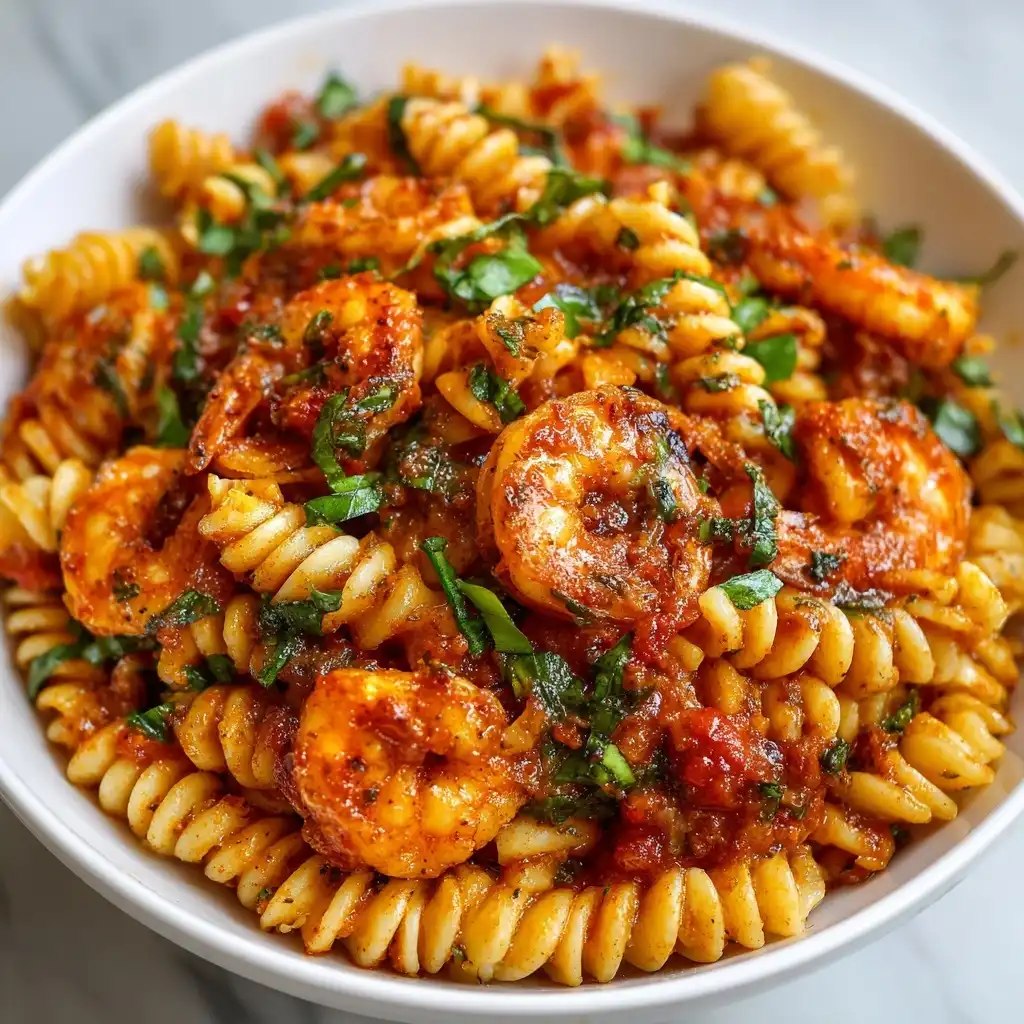
Spicy Arrabbiata Shrimp Pasta is a vibrant, bold, and restaurant-worthy Italian-inspired dish that marries the fiery depth of classic arrabbiata sauce with the sweet brininess of plump, succulent shrimp. Unlike traditional arrabbiata—which traditionally features tomatoes, garlic, chilies, and olive oil—this elevated version introduces seafood to add layers of umami, texture, and sophistication without compromising authenticity. It’s a dish that balances heat, acidity, sweetness, and salinity in perfect harmony, delivering an unforgettable sensory experience in every forkful. Whether you’re craving a weeknight indulgence, impressing guests at a dinner party, or simply seeking a flavorful yet approachable pasta recipe, this Spicy Arrabbiata Shrimp Pasta delivers on all fronts: it’s quick enough for busy evenings (ready in under 30 minutes), adaptable to dietary preferences, and endlessly customizable to suit your spice tolerance and pantry staples.
The History
The origins of arrabbiata sauce trace back to the Lazio region of central Italy—specifically Rome—where “arrabbiata” literally translates to “angry” or “enraged,” a nod to the fiery kick delivered by dried red chili peppers (peperoncino). Born from cucina povera—the resourceful, peasant-style cooking tradition—arrabbiata was historically a simple, economical sauce made with just tomatoes, garlic, olive oil, and chilies, tossed with spaghetti or bucatini. Its rustic charm and bold personality quickly earned it national acclaim and global popularity. While traditional arrabbiata remains strictly vegetarian, modern interpretations have expanded its boundaries—especially in coastal regions and cosmopolitan kitchens—where seafood like shrimp, calamari, or mussels are thoughtfully integrated to celebrate Italy’s rich maritime heritage. This Spicy Arrabbiata Shrimp Pasta honors that evolution: respecting the soul of the original while embracing innovation, seasonality, and regional cross-pollination. Chefs from Naples to New York have riffed on the concept, but our version stands out for its balanced heat profile, careful shrimp timing (to prevent rubberiness), and layered aromatic foundation—including fresh basil, white wine reduction, and a whisper of lemon zest—that elevates it beyond mere fusion into something genuinely cohesive and intentional.
Ingredients Breakdown
Every exceptional dish begins with intentionality—and this Spicy Arrabbiata Shrimp Pasta is no exception. Below is a meticulous breakdown of each ingredient—not just what it is, but *why* it matters, how it functions, and expert tips for optimal selection:
- Extra-Virgin Olive Oil (¼ cup): The aromatic backbone of the dish. Use a high-quality, fruity, medium-intensity EVOO—not just for cooking, but for finishing. Cold-pressed oils from Sicily or Tuscany lend grassy, peppery notes that amplify the chilies and complement the shrimp’s natural sweetness. Avoid refined or light olive oils—they lack character and burn too easily at high heat.
- Garlic (4 large cloves, finely minced): Fresh, raw garlic provides pungent depth and sharpness that mellows beautifully when sautéed—but only *just*. Overcooking leads to bitterness; undercooking leaves harsh bite. Mince finely (not press!) to ensure even distribution and rapid, controlled infusion.
- Crushed Red Pepper Flakes (1½ tsp, plus more to taste): The “arrabbiata” heart. Opt for whole dried peperoncini crushed at home (using a mortar & pestle or spice grinder) for maximum volatile oil release and nuanced heat. Pre-ground flakes often lose potency and can turn dusty or bitter. Adjust upward gradually—start with 1 tsp if sensitive to spice, then bloom extra in oil at the end for a finishing kick.
- Shallots (1 large, finely diced): A subtle but critical upgrade over onion—shallots offer delicate sweetness, floral undertones, and a softer texture that melts into the sauce without overpowering. They build aromatic complexity without competing with the shrimp or tomatoes.
- Dry White Wine (½ cup – e.g., Pinot Grigio, Vermentino, or Sauvignon Blanc): Not optional—it’s essential for deglazing, adding brightness, and cutting richness. Choose unoaked, high-acid wines with citrus or green apple notes. Never use “cooking wine”; its salt and preservatives ruin balance. Simmer until fully evaporated (about 90 seconds) to remove raw alcohol while preserving acidity.
- Canned San Marzano Tomatoes (1 (28-oz) can, whole, hand-crushed): The gold standard. Grown in the volcanic soil near Mount Vesuvius, San Marzanos boast low acidity, dense flesh, and intense sweetness—ideal for a rich yet bright sauce. Hand-crush them (with clean hands or a potato masher) to retain texture and avoid over-blending, which releases excess water and dilutes flavor.
- Tomato Paste (2 tbsp, double-concentrated): Adds deep umami, body, and caramelized richness. For best results, “cook out” the paste in hot olive oil for 2–3 minutes until it darkens slightly and smells nutty—this eliminates raw tinny notes and builds foundational savoriness.
- Fresh Basil (15–20 leaves, chiffonade + extra for garnish): Added *off-heat* to preserve volatile oils and bright, herbal fragrance. Genovese basil is preferred for its clove-anise sweetness. Reserve a few whole leaves for dramatic garnish.
- Lemon Zest (from ½ lemon, finely grated): A secret weapon. Brightens the entire dish, lifts the heat, and enhances shrimp’s oceanic freshness. Add just before serving—heat destroys its aromatic compounds.
- Wild-Caught Gulf or Mediterranean Shrimp (1 lb, 21/25 count, peeled & deveined, tails on or off per preference): Size matters: 21/25 ensures tenderness and meaty bite without overcooking. Wild-caught is preferred for superior flavor, firm texture, and sustainability (look for MSC-certified or Seafood Watch–approved sources). Pat *extremely* dry before cooking—moisture is the enemy of sear and leads to steaming instead of sautéing.
- Unsalted Butter (2 tbsp, cold, cubed): Added at the very end for luxurious mouthfeel, sheen, and subtle richness that rounds out acidity and heat. European-style butter (82–86% fat) yields the best results.
- Grated Pecorino Romano (⅓ cup, freshly grated on microplane): Salty, tangy, and granular—this sheep’s milk cheese cuts through richness and adds savory depth far beyond Parmesan. Do *not* substitute pre-grated versions (they contain anti-caking agents and oxidize rapidly).
- High-Quality Pasta (12 oz, spaghetti, linguine, or bucatini): Choose bronze-die extruded, slow-dried pasta—its porous, rough surface grips sauce like Velcro. Bucatini is ideal for arrabbiata (its hollow center traps sauce), but spaghetti offers accessibility and elegance.
- Sea Salt (Maldon or flaky Sicilian sea salt, to finish): Enhances every other flavor without tasting “salty.” Sprinkle lightly over plated pasta for textural contrast and mineral brightness.
Step-by-Step Recipe
- Prep Work (10 minutes): Bring a large pot of heavily salted water (2 tbsp kosher salt per gallon) to a rolling boil. Meanwhile, prep all ingredients: mince garlic, dice shallots, crush tomatoes by hand into a bowl, zest lemon, chiffonade basil, grate cheese, and pat shrimp *completely dry* with paper towels. Measure spices and liquids. Organization is paramount—this is a fast-moving recipe where timing is non-negotiable.
- Bloom the Chilies (2 minutes): Heat 3 tbsp olive oil in a wide, heavy-bottomed skillet or Dutch oven over medium-low heat. Add crushed red pepper flakes and toast gently for 45–60 seconds, swirling constantly, until fragrant and oil shimmers with red-gold flecks. Remove from heat for 10 seconds to cool slightly—this prevents garlic from burning in the next step.
- Sauté Aromatics (3 minutes): Return pan to medium heat. Add shallots and sauté 1 minute until translucent. Add garlic and stir constantly for 45 seconds—just until fragrant and edges begin to turn golden (do *not* let brown). Immediately stir in tomato paste and cook 2 minutes, stirring, until paste darkens to brick-red and smells deeply caramelized.
- Build the Sauce Base (8 minutes): Pour in white wine and scrape up any browned bits. Simmer 90 seconds until alcohol evaporates and liquid reduces by half. Add crushed tomatoes, 1 tsp salt, and a pinch of black pepper. Bring to a gentle simmer, then reduce heat to low. Partially cover and cook 6–7 minutes, stirring occasionally, until sauce thickens slightly and oil begins to separate at the edges—a sign of proper emulsification and flavor concentration.
- Cook the Pasta (10–11 minutes): While sauce simmers, cook pasta in boiling salted water until *al dente*—1 minute less than package instructions. Reserve 1½ cups starchy pasta water before draining. Do *not* rinse—starch is essential for binding sauce to noodles.
- Seared Shrimp Finish (3 minutes flat): Wipe out skillet if needed (but ideally, sauce is still warm in it). Heat remaining 1 tbsp olive oil over medium-high heat until shimmering. Season shrimp generously with salt and a pinch of red pepper. Add in a single layer—do not crowd. Sear 1½ minutes per side until opaque, pink, and lightly caramelized at the edges. Remove immediately—shrimp will continue cooking from residual heat.
- Uniting Pasta & Sauce (2 minutes): Return skillet with arrabbiata sauce to medium-low heat. Add drained pasta and toss vigorously for 1 minute, adding splashes of reserved pasta water (¼ cup at a time) to create a glossy, clinging emulsion. Sauce should coat each strand—not pool at the bottom.
- Final Enrichment (1 minute): Remove from heat. Fold in seared shrimp, cold butter cubes, lemon zest, and chiffonade basil. Toss gently—butter should melt into silky ribbons, not separate. Taste and adjust: more salt? A splash of lemon juice? Extra chili flakes? This is your moment to fine-tune.
- Plate & Garnish (1 minute): Divide among warmed shallow bowls. Top with generous snowfall of Pecorino Romano, a final drizzle of high-quality EVOO, flaky sea salt, and whole basil leaves. Optional: a few drops of aged balsamic glaze for sweet-tart contrast.
Tips
- Heat Control Is Everything: Arrabbiata lives or dies by temperature management. Garlic and chilies burn in seconds—keep heat moderate and stir constantly. If smoke appears, reduce flame immediately and pause.
- Pasta Water Is Liquid Gold: That starchy, salty water is your sauce’s best friend. It contains gluten proteins and starches that act as natural thickeners and emulsifiers—never skip reserving it, and add gradually to achieve perfect consistency.
- Shrimp Timing Is Non-Negotiable: Overcooked shrimp turns rubbery and dulls the entire dish. They cook in under 3 minutes—set a timer. When the flesh turns opaque *and* curls into a loose “C” shape (not a tight “O”), they’re done.
- Acidity Balances Heat: If the dish feels too fiery, don’t reach for dairy—add brightness instead. A squeeze of fresh lemon juice (½ tsp at a time) or a splash of white wine vinegar cuts capsaicin perception and lifts flavors.
- Rest Before Serving: Let the finished pasta sit off-heat for 90 seconds before plating. This allows the butter to fully integrate, the flavors to harmonize, and the shrimp to gently finish cooking without drying out.
- Use a Wide Pan: A large skillet or Dutch oven gives shrimp room to sear, prevents steaming, and makes tossing pasta effortless. Narrow pots cause clumping and uneven sauce distribution.
- Toast Your Spices: Briefly heating red pepper flakes in oil unlocks their full aromatic potential and mellows raw heat into complex, smoky warmth.
- Layer Your Heat: For multidimensional spice, use *two* chili applications: bloomed flakes in oil (base heat) + a final pinch of fresh-crushed chilies stirred in at the end (bright, upfront heat).
- Don’t Skip the Butter Finish: While traditional arrabbiata omits butter, it’s a modern refinement that adds unctuousness and rounds acidity—making the heat more approachable and luxurious.
- Warm Your Bowls: Chill dulls aroma and cools food too quickly. Place bowls in a low oven (200°F) for 5 minutes before plating—or run under hot water and dry thoroughly.
Variations and Customizations
This recipe is a canvas—not a cage. Here’s how to make it uniquely yours, whether adapting to dietary needs, seasonal produce, pantry limitations, or global flavor inspirations:
- Vegan/Vegetarian Version: Omit shrimp entirely. Boost umami with ½ cup chopped cremini mushrooms (sautéed with shallots), 1 tbsp nutritional yeast, and 1 tsp soy sauce or tamari. Add roasted cherry tomatoes or grilled zucchini ribbons for texture. Use vegan butter and omit cheese—or sub with cashew-based “pecorino” or almond-parmesan.
- Gluten-Free Adaptation: Use certified GF pasta (brown rice, quinoa, or lentil-based). Ensure all sauces and wines are GF-certified (some wines use gluten-containing fining agents). Increase pasta water slightly—GF pasta releases less starch.
- Low-Carb/Keto Option: Replace pasta with spiralized zucchini (“zoodles”), shirataki noodles, or spaghetti squash. Sauté zoodles separately for 2 minutes max to avoid sogginess, then fold into finished sauce at the end.
- Protein Swaps: Try scallops (dry-sear in same manner, 1–1.5 min/side), firm white fish (cod or halibut, cut into 1-inch cubes, added last 2 minutes), or Italian sausage (removed from casing, crumbled and browned before aromatics).
- Herb & Citrus Twists: Substitute basil with fresh oregano or marjoram for earthier notes. Add orange zest instead of lemon for floral sweetness. Stir in 1 tsp fennel pollen for anise-forward sophistication.
- Roasted Vegetable Upgrade: Toss 1 cup diced eggplant or bell peppers with olive oil, salt, and roast at 425°F for 20 minutes until caramelized. Fold in during final assembly for smoky depth and hearty texture.
- Smoky Arrabbiata: Add ½ tsp smoked paprika (dulce or picante) with tomato paste, or finish with a drop of liquid smoke (use sparingly!). Alternatively, char whole tomatoes under a broiler before crushing.
- Creamy Arrabbiata: Stir in ¼ cup full-fat coconut milk or mascarpone (off-heat) for velvety richness—ideal for those who love heat but prefer milder mouthfeel.
- Global Fusion Riffs: Add 1 tsp harissa paste for North African heat; stir in gochujang (½ tsp) and toasted sesame oil for Korean flair; or finish with preserved lemon and olives for a Provençal-Mediterranean twist.
- Meal-Prep Friendly: Cook sauce and shrimp separately. Store sauce (up to 5 days refrigerated or 3 months frozen) and shrimp (2 days refrigerated) separately. Reheat sauce, toss with freshly cooked pasta, then add shrimp at the end.
Health Considerations and Nutritional Value
Far from being just indulgent comfort food, Spicy Arrabbiata Shrimp Pasta offers notable nutritional benefits—when prepared mindfully. A standard serving (12 oz pasta + sauce + 1 lb shrimp) provides approximately 680–720 calories, with a balanced macronutrient profile: ~95g carbohydrates (primarily complex from whole-grain or legume pasta options), ~38g protein (shrimp is a lean, complete protein rich in selenium, vitamin B12, and omega-3s), and ~22g fat (mostly heart-healthy monounsaturated fats from olive oil). Key health highlights include:
- Antioxidant Powerhouse: San Marzano tomatoes deliver lycopene—a potent antioxidant linked to reduced inflammation and cardiovascular protection—enhanced by olive oil’s fat content for optimal absorption.
- Metabolism & Circulation Support: Capsaicin in red chilies may temporarily boost metabolic rate, increase thermogenesis, and improve blood flow. Garlic contributes allicin, associated with lowered blood pressure and cholesterol modulation.
- Brain & Immune Health: Shrimp provides choline (essential for neurotransmitter synthesis) and zinc (critical for immune function and wound healing). Lemon zest adds bioflavonoids that support vitamin C absorption and capillary integrity.
- Low-Sugar & Naturally Gluten-Free Base: No added sugars—sweetness comes solely from tomatoes and shallots. Naturally low in sodium when unsalted broth or minimal added salt is used (note: Pecorino is higher in sodium—omit or reduce if on sodium-restricted diets).
- Dietitian-Approved Modifications: For lower-calorie versions: reduce pasta to 8 oz and increase shrimp to 1.25 lbs + add 2 cups baby spinach (wilted in at the end). For higher fiber: choose lentil or chickpea pasta (adds 8–12g fiber/serving). For anti-inflammatory focus: double the garlic, add 1 tsp turmeric with black pepper, and top with walnuts instead of cheese.
- Considerations: Those with shellfish allergies must avoid shrimp entirely. Individuals on low-FODMAP diets should limit garlic/shallots (use infused oil and garlic-infused salt instead) and choose gluten-free pasta carefully. Those managing hypertension should monitor cheese and added salt.
Overall, this dish exemplifies the Mediterranean Diet principles—whole foods, plant-forward, seafood-rich, and abundant in healthy fats—making it both delicious and deeply nourishing.
Ingredients
- ¼ cup extra-virgin olive oil, divided
- 1 large shallot, finely diced (about ¾ cup)
- 4 large garlic cloves, finely minced
- 1½ tsp crushed red pepper flakes (plus more for garnish), preferably freshly ground
- ½ cup dry white wine (e.g., Pinot Grigio or Vermentino)
- 1 (28-oz) can whole San Marzano tomatoes, hand-crushed with juices
- 2 tbsp double-concentrated tomato paste
- 1 tsp kosher salt (plus more to taste)
- Freshly ground black pepper
- 12 oz high-quality bronze-die pasta (spaghetti, linguine, or bucatini)
- 1 lb wild-caught shrimp (21/25 count), peeled and deveined, tails on or off
- 2 tbsp unsalted butter, cold and cubed
- Zest of ½ lemon (about 1 tsp)
- 15–20 fresh basil leaves, chiffonade (plus more for garnish)
- ⅓ cup freshly grated Pecorino Romano cheese
- Flaky sea salt (e.g., Maldon), for finishing
- Optional: extra-virgin olive oil for drizzling, aged balsamic glaze
Directions
- Bring 5–6 quarts of water to a vigorous boil in a large Dutch oven or stockpot. Add 2 tbsp kosher salt.
- In a wide, heavy-bottomed skillet or Dutch oven, heat 3 tbsp olive oil over medium-low heat. Add crushed red pepper flakes and toast 45–60 seconds, swirling constantly, until fragrant and oil turns vivid red. Remove from heat for 10 seconds.
- Return pan to medium heat. Add shallots and sauté 1 minute until soft and translucent. Add garlic and stir constantly 45 seconds—until fragrant and just beginning to turn golden at edges.
- Stir in tomato paste and cook 2 minutes, stirring, until deep brick-red and caramelized.
- Pour in white wine, scraping up browned bits. Simmer 90 seconds until reduced by half and alcohol evaporates.
- Add crushed tomatoes, 1 tsp kosher salt, and several grinds black pepper. Bring to a gentle simmer, then reduce heat to low. Partially cover and cook 6–7 minutes, stirring occasionally, until thickened and oil begins to separate.
- While sauce simmers, cook pasta in boiling water until 1 minute shy of al dente (check package; usually 8–9 minutes). Reserve 1½ cups starchy pasta water, then drain pasta—do not rinse.
- Wipe skillet clean if needed (or keep sauce warm in it). Heat remaining 1 tbsp olive oil in a separate large skillet over medium-high heat until shimmering. Pat shrimp *extremely* dry. Season with salt and a pinch of red pepper. Sear 1½ minutes per side until opaque, pink, and lightly caramelized. Remove immediately.
- Return arrabbiata sauce to medium-low heat. Add drained pasta and toss vigorously 1 minute, adding reserved pasta water ¼ cup at a time until glossy and perfectly emulsified.
- Remove from heat. Gently fold in seared shrimp, cold butter cubes, lemon zest, and basil chiffonade. Toss until butter melts and coats evenly.
- Taste and adjust seasoning—add more salt, red pepper, or a squeeze of lemon if desired.
- Divide among warmed shallow bowls. Top generously with Pecorino Romano, a drizzle of high-quality EVOO, flaky sea salt, whole basil leaves, and optional balsamic glaze.
FAQ
- Can I make this ahead of time?
- Absolutely—but with nuance. The arrabbiata sauce freezes beautifully for up to 3 months and tastes even better after 24 hours of resting (flavors meld and deepen). However, shrimp should *never* be cooked ahead—it becomes tough and loses its delicate sweetness. Prepare sauce and store separately; cook shrimp and pasta fresh, then combine.
- Why does my arrabbiata taste bitter?
- Bitterness almost always stems from burnt garlic or over-toasted chilies. Garlic browns in under 60 seconds on medium heat—if you see browning, remove immediately. Likewise, chilies toasted too long or at too high heat turn acrid. Next time, bloom chilies over low heat and add garlic *after* briefly cooling the oil.
- Can I use frozen shrimp?
- Yes—with caveats. Thaw overnight in the refrigerator (never at room temperature or in warm water, which degrades texture). Then pat *thoroughly* dry with paper towels—frozen shrimp release far more moisture. For best results, buy IQF (individually quick-frozen) wild-caught shrimp, not “previously frozen” retail packs.
- What’s the difference between arrabbiata and marinara?
- Marinara is a simple, quick-cooked tomato sauce with garlic, basil, and oregano—mild and versatile. Arrabbiata is a *spiced* variation defined by its aggressive use of dried red chilies, resulting in pronounced heat and a sharper, more assertive profile. It typically omits carrots and celery (soffritto), focusing on garlic, chilies, and tomatoes for purity of fire.
- My sauce is too thin—how do I fix it?
- First, ensure you cooked the tomato paste properly—it’s your thickener. If still thin, return to low heat and simmer uncovered 3–5 minutes, stirring frequently. Avoid adding flour or cornstarch; instead, stir in 1 tsp unseasoned breadcrumbs or ½ tbsp tomato powder to absorb excess liquid while enhancing umami.
- Can I use jarred arrabbiata sauce?
- You *can*, but you’ll sacrifice control, freshness, and balance. Most commercial versions contain added sugar, citric acid, and preservatives that clash with delicate shrimp. If pressed for time, choose a high-end, minimally processed brand (e.g., Mutti or Rao’s), then doctor it: sauté fresh garlic and chilies in olive oil, stir in sauce, add white wine, and simmer 5 minutes before proceeding.
- Is this dish spicy enough for heat lovers?
- It’s calibrated for “medium-hot”—approachable but spirited. To intensify: add ½ tsp cayenne with tomato paste, stir in 1 finely minced fresh serrano or bird’s eye chili with garlic, or finish with Calabrian chili paste. Always taste and build heat gradually—you can add more, but you can’t take it away!
- What wine pairs best with this dish?
- A crisp, high-acid white with citrus notes cuts through richness and complements heat: Vermentino from Sardinia, Greco di Tufo from Campania