Introduction
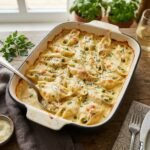
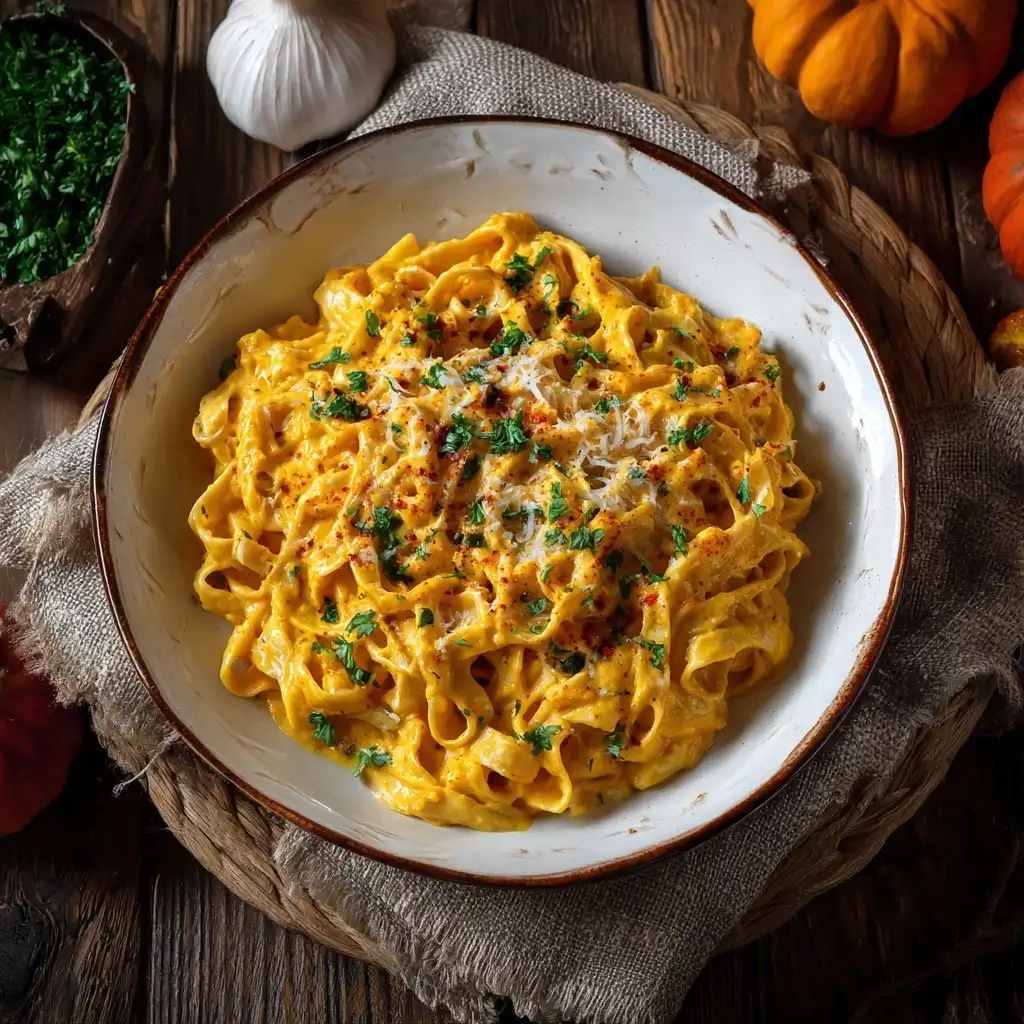
Creamy Pumpkin Pasta is a luxurious, seasonally inspired dish that marries the earthy sweetness of roasted or pureed pumpkin with rich, velvety textures and aromatic herbs—creating a harmonious balance between comfort and sophistication. Far more than a fleeting fall trend, this pasta has evolved into a year-round favorite thanks to its adaptability, nutritional depth, and restaurant-worthy appeal achievable in any home kitchen. Whether served as a cozy weeknight dinner, an elegant starter for holiday entertaining, or a plant-forward centerpiece for vegetarian gatherings, Creamy Pumpkin Pasta offers warmth not just in temperature—but in flavor, aroma, and nostalgic resonance. Its golden-orange hue evokes autumn sunsets and harvest festivals, while its creamy mouthfeel delivers undeniable indulgence without relying solely on heavy dairy. This guide dives comprehensively into every dimension of the dish—from its cultural roots and ingredient science to nuanced technique, dietary adaptations, and even wine-pairing wisdom—ensuring you don’t just cook it, but understand, elevate, and personalize it with confidence.
The History
While pasta itself traces back to 13th-century Sicily (with possible earlier roots in Arab-ruled al-Andalus), the marriage of squash and pasta is a relatively modern evolution—one born from both necessity and innovation. In pre-industrial Europe, winter squashes like pumpkin were preserved through drying, roasting, or fermenting, often incorporated into rustic grain-based porridges or flatbreads—not yet noodles. The earliest documented “pumpkin pasta” appears in late 19th-century American farmhouse cookbooks, where resourceful cooks blended cooked pumpkin into egg doughs for seasonal ravioli or gnocchi during harvest abundance. However, the creamy sauce iteration we celebrate today emerged mid-20th century, influenced by two converging trends: the rise of French-inspired “cream-based” Italian-American cooking (think Alfredo’s legacy) and post-WWII innovations in canned pumpkin purée—popularized by Libby’s in 1929 and aggressively marketed in the 1950s as a versatile, shelf-stable pantry staple ideal for pies, breads, and eventually savory sauces. By the 1980s, California chefs began reimagining pumpkin as a savory base, adding sage, nutmeg, and brown butter—a movement amplified by food media and the farm-to-table ethos of the 2000s. Today, Creamy Pumpkin Pasta reflects global cross-pollination: Italian technique meets North American produce, elevated with Middle Eastern spices (like za’atar), Japanese umami boosters (white miso), or Southeast Asian brightness (lime zest, chili oil)—a true testament to culinary migration and creative reinvention.
Ingredients Breakdown
Understanding each component—not just as a list, but as a functional, flavorful, and textural contributor—is essential to mastering Creamy Pumpkin Pasta. Below is a granular analysis:
- Pumpkin Puree (1 ½ cups): Opt for 100% pure pumpkin (not pie filling)—preferably roasted fresh sugar pumpkin (Cucurbita moschata) for superior depth and lower water content. Canned is acceptable if high-quality and unsweetened; avoid additives like carrageenan or xanthan gum which can cause graininess when heated. Fresh-roasted puree offers caramelized notes and thicker consistency—ideal for richer sauces.
- Pasta (12 oz / 340g): Short, ridged shapes dominate: fusilli, casarecce, or campanelle trap sauce beautifully. Rigatoni adds structural heft; pappardelle works for a silkier, ribbon-like embrace. Whole wheat or legume-based pastas (lentil, chickpea) add fiber and protein but require careful timing to avoid mushiness. Always reserve 1 cup of starchy pasta water before draining—it’s the secret binder and emulsifier.
- Aromatics (1 small yellow onion, 3 garlic cloves): Yellow onion provides foundational sweetness; finely minced and slowly sautéed in olive oil until translucent (not browned) builds a mellow base. Garlic must be added last—just 30–60 seconds before pumpkin—to preserve its pungency without bitterness.
- Fat Medium (3 tbsp unsalted butter + 2 tbsp extra-virgin olive oil): Butter contributes lactose-derived richness and Maillard complexity; olive oil adds fruitiness and higher smoke point for initial sautéing. For vegan versions, sub with refined coconut oil (neutral) + cashew cream for buttery notes.
- Liquid Components:
- Vegetable or Chicken Broth (¾ cup): Low-sodium, homemade preferred. Adds savory depth (umami) without overwhelming sweetness. Mushroom or roasted tomato broth deepens earthiness.
- Heavy Cream (½ cup) or Full-Fat Coconut Milk (for vegan): Cream provides unctuous body and fat-soluble flavor release. Coconut milk adds tropical nuance—balance with extra lemon juice.
- White Wine (¼ cup dry—e.g., Pinot Grigio or Sauvignon Blanc): Optional but transformative. Deglazes the pan, lifts acidity, and volatilizes alcohol to concentrate herbal notes. Substitute with apple cider vinegar + broth if avoiding alcohol.
- Herbs & Spices:
- Fresh Sage (10–12 leaves): Frying whole leaves in butter until crisp adds aromatic, peppery-camphor notes and visual elegance.
- Ground Nutmeg (¼ tsp, freshly grated): The quintessential pairing—nutmeg’s warm, clove-like volatility complements pumpkin’s beta-carotene compounds. Pre-ground loses potency within weeks.
- Smoked Paprika (¼ tsp): Not traditional, but increasingly popular for subtle smokiness and visual contrast—use *sweet* smoked (pimentón dulce), never hot, to avoid heat clash.
- Red Pepper Flakes (⅛ tsp): A whisper for gentle back-of-throat warmth—balances sweetness without heat dominance.
- Finishing Elements:
- Freshly Grated Parmigiano-Reggiano (½ cup): Adds salty, nutty, crystalline texture and glutamic acid for umami amplification. Authentic DOP-certified is worth the investment.
- Lemon Zest (from ½ lemon): Brightens richness and cuts through fat—non-negotiable for balance.
- Black Pepper (freshly cracked): Piperine enhances bioavailability of pumpkin’s nutrients and adds floral spice.
Step-by-Step Recipe
- Prep & Roast Pumpkin (if using fresh): Preheat oven to 400°F (200°C). Halve a 3-lb sugar pumpkin, scoop seeds/fibers, brush cut sides with olive oil, place cut-side down on parchment-lined sheet. Roast 45–60 mins until fork-tender. Cool, scoop flesh, blend until smooth. Yield: ~2 cups. Refrigerate up to 5 days or freeze 3 months.
- Cook Pasta Al Dente: Bring 5 quarts well-salted water (2 tbsp kosher salt) to rolling boil. Add pasta, stir immediately. Cook 1–2 minutes less than package time. Reserve 1 cup starchy water, then drain—do not rinse.
- Sauté Aromatics: In a wide, heavy-bottomed Dutch oven or saucier pan, heat olive oil over medium-low. Add diced onion; cook 6–8 mins until soft and translucent. Add garlic; stir 45 seconds until fragrant—do not brown.
- Bloom Spices: Push aromatics to edges. Add nutmeg, smoked paprika, red pepper flakes. Toast 30 seconds, stirring constantly, until aromatic.
- Build Sauce Base: Pour in white wine (if using). Scrape browned bits (fond) with wooden spoon. Simmer 2 mins until alcohol evaporates. Add pumpkin puree, broth, and a pinch of salt. Whisk vigorously to eliminate lumps. Simmer gently 5 mins, stirring often, until thickened slightly.
- Incorporate Cream & Cheese: Reduce heat to low. Whisk in heavy cream and ¼ cup Parmigiano. Simmer 3 mins—do not boil vigorously, or cream may separate. Sauce should coat the back of a spoon.
- Emulsify with Pasta: Add drained pasta to sauce. Toss over low heat 1–2 mins, adding reserved pasta water 2 tbsp at a time until glossy, cohesive, and clingy—not soupy nor dry. The starch binds fat and liquid into a stable emulsion.
- Finish & Garnish: Remove from heat. Stir in lemon zest, black pepper, and remaining ¼ cup cheese. Taste and adjust: more salt for depth, lemon for brightness, nutmeg for warmth. Top with crispy sage, extra cheese, and a drizzle of high-quality olive oil.
Tips
- Texture Mastery: Overcooking pumpkin puree leads to graininess. Simmer sauce no longer than 8 minutes total after adding puree—prolonged heat breaks down pectin and causes separation.
- Salt Strategically: Salt pasta water aggressively (like seawater), but under-salt the sauce initially—cheese and broth contribute sodium. Adjust final seasoning only after adding cheese.
- Acid is Non-Negotiable: Lemon zest adds volatile citrus oils; lemon juice can curdle cream. For tang, use zest + 1 tsp sherry vinegar stirred in at the end.
- Starchy Water Wisdom: If sauce thickens too much off-heat, don’t add plain water—use reserved pasta water. Its starch content restores silkiness without dilution.
- Crispy Sage Perfection: Pat sage leaves bone-dry. Heat butter until foaming subsides but before browning. Fry 20–30 seconds per side until edges curl and become translucent. Drain on paper towels immediately—residual heat continues crisping.
- Reheating Without Ruin: Never microwave. Gently rewarm in skillet with 1–2 tsp broth or cream, stirring constantly over low heat. Add splash of pasta water if needed.
- Batch Cooking Hack: Make double the sauce (without pasta), cool completely, and freeze in portioned containers for up to 3 months. Thaw overnight, reheat gently, toss with freshly cooked pasta.
Variations and Customizations
This dish thrives on creativity—here are rigorously tested adaptations for diverse palates and needs:
- Vegan Delight: Replace butter with vegan butter or refined coconut oil; heavy cream with full-fat coconut milk (canned, refrigerated overnight, scoop solid cream); Parmigiano with nutritional yeast (3 tbsp) + 1 tsp white miso + ½ tsp lemon juice. Add 1 tsp tamari for umami depth.
- Protein-Packed: Sear 12 oz cubed chicken breast or turkey tenderloin in same pan before aromatics; remove, then return at the end. Or add 1 cup cooked lentils (Puy or black) with the pasta for earthy, fiber-rich heartiness.
- Umami Bomb: Sauté 2 oz dried porcini mushrooms (soaked 20 mins, chopped, liquid reserved) with onions. Add reserved soaking liquid (strained) with broth. Finish with 1 tsp fish sauce (for non-vegetarian) or soy sauce (vegan).
- Spice Route: Swap nutmeg for ½ tsp ground cardamom + ¼ tsp ground cinnamon. Add 1 tbsp harissa paste with pumpkin. Garnish with toasted pistachios and pomegranate arils.
- Autumn Harvest: Fold in 1 cup roasted Brussels sprouts (halved, tossed in maple syrup & balsamic), ½ cup toasted walnuts, and 2 tbsp dried cranberries. Add with pasta.
- Seafood Elegance: Sauté 12 oz wild-caught shrimp or scallops separately; fold in at the end. Finish with dill and a squeeze of orange juice instead of lemon.
- Gluten-Free Grace: Use certified GF pasta (brown rice/corn blend holds up best). Ensure broth and wine are GF-certified. Increase starch water by ¼ cup to compensate for GF pasta’s lower starch yield.
- Kid-Friendly Mild: Omit red pepper flakes and smoked paprika. Add 1 tbsp maple syrup and 1 tsp vanilla extract for gentle sweetness. Top with mild cheddar instead of Parmigiano.
Health Considerations and Nutritional Value
Creamy Pumpkin Pasta, when thoughtfully composed, is a nutrient-dense, functional meal—not merely comfort food. A standard serving (1 ½ cups cooked pasta + sauce) provides approximately:
- Calories: 520–610 kcal (varies by cheese/cream quantity)
- Fiber: 6–9 g (from pumpkin, whole-grain pasta, optional greens)—supports gut health and satiety
- Vitamin A (as Beta-Carotene): >400% DV—critical for vision, immune function, and skin integrity. Fat in sauce enhances absorption.
- Vitamin C & E: From pumpkin and lemon zest—potent antioxidants mitigating oxidative stress
- Calcium & Phosphorus: From Parmigiano—supports bone mineral density
- Healthy Fats: Monounsaturated (olive oil) and saturated (butter, cheese) in balanced ratio—essential for hormone synthesis and vitamin absorption
Dietary Notes:
- Lower-Calorie Option: Replace half the cream with evaporated skim milk; use ⅓ less cheese; bulk sauce with puréed cauliflower (1:1 with pumpkin) for volume without excess calories.
- Lactose Sensitivity: Use lactose-free cream and aged Parmigiano (naturally low-lactose). Vegan version eliminates lactose entirely.
- Low-Sodium Needs: Use no-salt-added broth, omit added salt, rely on herbs/spices/lemon for flavor. Rinse canned beans if adding protein.
- Diabetes-Friendly: Prioritize high-fiber pasta (legume-based), limit added sugars, emphasize non-starchy veg additions (spinach, kale), and pair with lean protein to slow glucose response.
- Allergen Awareness: Top allergens: dairy, gluten, tree nuts (if garnishing with walnuts). Always verify labels on broth, wine, and cheese for hidden soy, mustard, or sulfites.
Ingredients
- 1 ½ cups (360g) unsweetened pumpkin puree (fresh-roasted or high-quality canned)
- 12 oz (340g) short pasta (fusilli, rigatoni, or campanelle)
- 1 small yellow onion, finely diced (about 1 cup)
- 3 garlic cloves, minced
- 3 tbsp unsalted butter
- 2 tbsp extra-virgin olive oil
- ¾ cup (180ml) low-sodium vegetable or chicken broth
- ½ cup (120ml) heavy cream (or full-fat coconut milk for vegan)
- ¼ cup (60ml) dry white wine (optional but recommended)
- ¼ tsp freshly grated nutmeg
- ¼ tsp sweet smoked paprika
- ⅛ tsp red pepper flakes
- ½ tsp kosher salt (plus more for pasta water)
- Freshly cracked black pepper
- ½ cup (50g) freshly grated Parmigiano-Reggiano (or nutritional yeast blend for vegan)
- Zest of ½ lemon
- 10–12 fresh sage leaves, for frying
- Extra-virgin olive oil, for finishing drizzle
Directions
- Bring a large pot of water to a rolling boil. Add 2 tablespoons kosher salt. Cook pasta according to package directions, reducing time by 1–2 minutes to achieve al dente texture. Before draining, carefully reserve 1 cup of the starchy pasta water. Drain pasta—do not rinse—and set aside.
- While pasta cooks, prepare sage: Pat sage leaves completely dry. In a small skillet over medium heat, melt 1 tablespoon butter. When foam subsides, add sage leaves in a single layer. Fry 20–30 seconds per side until crisp and fragrant. Transfer to paper towels; sprinkle lightly with flaky sea salt. Set aside.
- In a large Dutch oven or wide saucier pan, heat olive oil and remaining 2 tablespoons butter over medium-low heat. Add diced onion and a pinch of salt. Sauté 6–8 minutes, stirring occasionally, until soft and translucent but not browned.
- Add minced garlic and stir constantly for 45 seconds until fragrant—do not let it color.
- Push mixture to the outer edges of the pan. Add nutmeg, smoked paprika, and red pepper flakes to center. Toast 30 seconds, stirring, until aromatic.
- Pour in white wine (if using). Use a wooden spoon to scrape up any browned bits from the bottom of the pan. Simmer 2 minutes until alcohol evaporates and liquid reduces by half.
- Whisk in pumpkin puree and broth. Increase heat to medium and bring to a gentle simmer. Cook 5 minutes, stirring frequently, until sauce thickens slightly and darkens in color.
- Reduce heat to low. Whisk in heavy cream and ¼ cup Parmigiano. Simmer gently for 3 minutes—do not boil—until sauce coats the back of a spoon.
- Add drained pasta to the sauce. Toss over low heat for 1–2 minutes, gradually adding reserved pasta water 2 tablespoons at a time, until sauce is glossy, emulsified, and clings luxuriously to each strand. It should pool slightly but not run.
- Remove pan from heat. Stir in lemon zest, freshly cracked black pepper, and remaining ¼ cup Parmigiano. Taste and adjust seasoning—add salt only if needed.
- Divide among warmed bowls. Top each serving with crispy sage leaves, an extra sprinkle of cheese, a generous crack of black pepper, and a delicate drizzle of high-quality olive oil.
- Serve immediately—this dish is best enjoyed fresh, at peak creaminess and aroma.
FAQ
- Can I use canned pumpkin pie filling?
- No—pie filling contains added sugar, spices (cinnamon, ginger, cloves), and thickeners (modified food starch, xanthan gum) that will overpower the dish and create a gummy, overly sweet sauce. Always use 100% pure pumpkin.
- Why does my sauce look grainy or split?
- Graininess usually comes from overheating the cream or using low-quality, ultra-pasteurized dairy. Splitting occurs when sauce boils vigorously or acid (lemon juice) is added too early. Fix: Whisk in 1–2 tbsp cold cream off-heat and gently warm. Prevent by keeping heat low and adding acid only at the end.
- Can I make this ahead of time?
- The sauce (without pasta) keeps refrigerated for 4 days or frozen for 3 months. Reheat gently with broth or cream, then toss with freshly cooked pasta. Do not refrigerate fully assembled pasta—it becomes gummy.
- What’s the best pasta water temperature for emulsifying?
- Use the water straight from the pot—hot and starchy. Cold water won’t activate the starches needed for binding.
- Is there a dairy-free version that doesn’t taste “coconutty”?
- Yes—blend ½ cup raw cashews (soaked 4 hours, drained) with ½ cup hot vegetable broth and 1 tbsp nutritional yeast until ultra-smooth. Use in place of cream for neutral, rich creaminess.
- Can I add spinach or kale?
- Absolutely. Stir in 2 large handfuls of baby spinach or chopped lacinato kale during the last 2 minutes of sauce simmering—heat wilts it perfectly and adds iron, folate, and vibrant color.
- What wine pairs best with Creamy Pumpkin Pasta?
- A dry Riesling (with residual sweetness to mirror pumpkin) or an oaked Chardonnay (for buttery resonance) works beautifully. For red lovers, try a light Pinot Noir with earthy undertones.
- My sauce is too thick/thin—how do I fix it?
- Too thick? Whisk in reserved pasta water, 1 tbsp at a time, off-heat. Too thin? Simmer 2–3 minutes longer to reduce, or whisk in 1 tsp cornstarch slurry (cornstarch + cold water) and cook 1 minute.
Summary
Creamy Pumpkin Pasta is a masterclass in balance—where autumnal sweetness meets savory depth, velvety texture meets bright acidity, and rustic simplicity meets refined technique. It’s a nourishing, adaptable canvas that honors seasonal produce while inviting endless creativity across dietary preferences and culinary traditions.
With its roots in frugality and its evolution driven by global flavors and wellness awareness, this dish proves that comfort food need not compromise on sophistication, nutrition, or soul-satisfying joy—making it a timeless staple for every kitchen, season after season.