Introduction
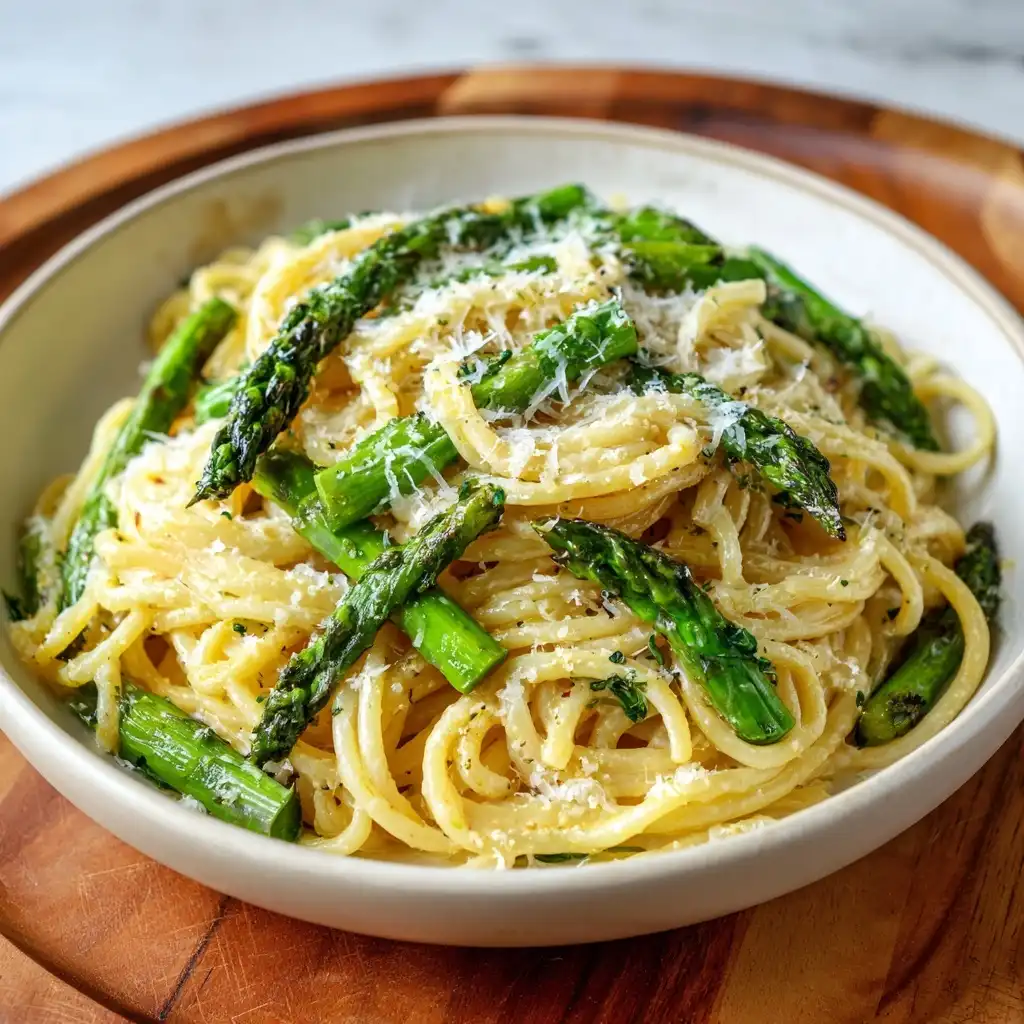
Lemon Butter Asparagus Pasta is a vibrant, restaurant-worthy dish that marries the bright acidity of fresh lemon with the rich, velvety depth of browned butter and the earthy-sweet crunch of seasonal asparagus—all tossed with tender, perfectly al dente pasta. Effortless to prepare yet deeply satisfying, it strikes the ideal balance between elegance and weeknight practicality. Whether served as a light spring lunch, a refined vegetarian main, or an impressive side for grilled proteins, this dish celebrates simplicity done exceptionally well. Its aromatic profile—zesty, herbaceous, nutty, and subtly sweet—awakens the senses and transports you straight to sun-dappled farmers’ markets and breezy coastal kitchens.
The History
While no single documented origin traces the exact birth of Lemon Butter Asparagus Pasta, its roots lie in the broader evolution of Italian-American and Mediterranean-inspired pantry cooking. Asparagus has been cherished since ancient Roman times—Pliny the Elder praised its medicinal virtues—and was reintroduced to European tables during the Renaissance. By the 18th century, French chefs began pairing it with beurre noisette (brown butter), appreciating how the Maillard reaction deepened its vegetal notes. Lemon entered the equation later, gaining prominence in Southern Italian and Provençal cuisines where citrus was used not just for flavor but as a natural preservative and brightener. The modern iteration—featuring linguine or spaghetti with sautéed asparagus, lemon zest and juice, browned butter, garlic, and Parmigiano-Reggiano—emerged strongly in the 1990s and early 2000s alongside the farm-to-table movement. Chefs like Alice Waters and Mario Batali championed seasonal, minimalist preparations, inspiring home cooks to elevate humble ingredients through technique and timing. Today, Lemon Butter Asparagus Pasta stands as a timeless emblem of conscious, ingredient-driven cooking—where respect for seasonality, texture contrast, and layered acidity defines culinary excellence.
Ingredients Breakdown
Every element in this recipe serves a distinct sensory and functional purpose—no filler, no afterthought. Let’s explore each component in detail:
- Pasta (12 oz / 340 g): Opt for long, slender shapes with surface texture—linguine, spaghetti, or bucatini work best. Their grooves and ridges grip the glossy lemon-butter emulsion, while their length allows for elegant twirling. Bronze-die extruded pasta is highly recommended: its porous, slightly rough surface dramatically improves sauce adhesion compared to Teflon-extruded varieties.
- Fresh Asparagus (1 lb / 450 g): Choose medium-thick spears (¼–⅜ inch in diameter) for optimal tenderness and snap. Thin spears cook too quickly and turn mushy; overly thick ones can be fibrous unless peeled. Look for tightly closed, compact tips, vibrant green (or purple-tinged) stalks, and crisp, moist cut ends—avoid wilted, woody, or slimy bases. Seasonality matters: peak asparagus runs from late March through June in most Northern Hemisphere regions.
- Unsalted Butter (6 tbsp / 85 g): High-fat, European-style butter (82–86% fat) yields superior browning and nuttier flavor. Unsalted butter gives you full control over sodium levels and prevents accidental over-salting. Browning transforms it from a simple fat into a complex, aromatic foundation—its milk solids caramelize into toasty, caramel-nutmeg notes that anchor the entire dish.
- Fresh Lemon (2 large): One lemon is zested before juicing; the second is juiced only. Lemon zest contains volatile citrus oils (limonene, citral) that deliver intense, floral aroma—far more potent than juice alone. Freshly squeezed juice provides clean, bright acidity to cut richness and lift flavors. Bottled lemon juice lacks nuance and often carries bitter, oxidized off-notes.
- Garlic (3 medium cloves): Minced—not pressed or powdered—to release allicin gradually without bitterness. Sautéed gently in butter (not fried at high heat), it becomes sweet and mellow rather than sharp or acrid.
- Shallots (½ large, ~¼ cup finely diced): A subtle, sophisticated alternative to onion—sweet, delicate, and less pungent. They add aromatic depth without overpowering. Red onions may be substituted in a pinch, but use sparingly.
- Dry White Wine (¼ cup / 60 mL): A crisp, high-acid varietal like Sauvignon Blanc, Pinot Grigio, or unoaked Chardonnay deglazes the pan, lifts fond, and contributes nuanced fruitiness and acidity. Alcohol cooks off, leaving only complexity. Omit only if necessary—but never substitute vinegar, which would unbalance pH and curdle the butter emulsion.
- Grated Parmigiano-Reggiano (¾ cup / 85 g, freshly grated): Authentic DOP-certified cheese made from raw cow’s milk in Italy’s Emilia-Romagna region. Its crystalline texture and savory, umami-rich depth (from glutamates formed during 24+ months of aging) act as a natural flavor enhancer—“umami glue” that binds all components. Pre-grated versions contain anti-caking agents (e.g., cellulose) that impede melting and dull flavor.
- Fresh Herbs (¼ cup loosely packed): Flat-leaf parsley adds grassy freshness and visual pop; optional additions include chives (mild onion essence), dill (anise-tinged brightness), or tarragon (subtle licorice nuance). Always added at the end to preserve volatile oils and color.
- Red Pepper Flakes (¼ tsp, optional): Not for overwhelming heat—but for gentle warmth and aromatic complexity. Toast lightly in butter for 10 seconds to awaken capsaicin and essential oils.
- High-Quality Extra-Virgin Olive Oil (1 tbsp): Drizzled at the very end—not cooked—to contribute peppery, fruity top notes and a luxurious mouthfeel. Choose a fresh, cold-pressed, early-harvest oil with a low acidity (<0.3%) and robust green aroma.
- Kosher Salt & Freshly Ground Black Pepper: Diamond Crystal kosher salt dissolves evenly and seasons without harshness; freshly cracked black pepper adds floral, resinous heat that complements lemon and butter beautifully.
Step-by-Step Recipe
- Prep All Ingredients Mise en Place: Wash and trim asparagus by snapping off woody ends (they’ll naturally break where tenderness begins). Cut into 1½-inch pieces on a diagonal for maximum surface area and visual appeal. Zest and juice both lemons. Mince garlic, finely dice shallots, grate cheese, chop herbs. Measure wine and have butter ready. This step is non-negotiable—timing is critical once cooking begins.
- Cook Pasta Al Dente: Bring 5–6 quarts of water to a vigorous rolling boil. Add 2 tbsp Diamond Crystal kosher salt (this seasons the pasta internally). Add pasta and stir immediately. Cook 1–2 minutes *less* than package directions (e.g., if linguine says 10 min, cook 8 min). Reserve 1½ cups of starchy pasta water before draining—this liquid is liquid gold for emulsification.
- Blanch Asparagus (Optional but Recommended): While pasta cooks, bring a separate small pot of salted water to boil. Blanch asparagus pieces for 90 seconds—just until bright green and slightly tender-crisp. Immediately plunge into ice water to halt cooking and lock in color. Drain thoroughly and pat dry with paper towels. (Skip if preferring a quicker sauté-only method—but blanching guarantees even doneness and avoids overcooking in the pan.)
- Brown the Butter: In a large, heavy-bottomed skillet (preferably stainless steel or cast iron for even heat), melt butter over medium-low heat. Swirl pan occasionally. After 3–4 minutes, butter will foam, then subside. Watch closely: golden-brown specks will form at bottom, and aroma will shift from milky to intensely nutty and toasty. Remove from heat *immediately* when fragrant and amber—not dark brown or bitter. Transfer to a heatproof bowl if pausing; otherwise, proceed quickly.
- Sauté Aromatics: Return skillet to medium heat. Add olive oil (if using), then shallots and garlic. Sauté 1 minute until fragrant and translucent—do not brown. Stir in red pepper flakes (if using) and toast 10 seconds. Add blanched (or raw) asparagus and cook 2–3 minutes, stirring frequently, until heated through and just tender.
- Deglaze and Reduce: Pour in white wine. Scrape up any browned bits with a wooden spoon. Simmer 1–2 minutes until wine is nearly evaporated and liquid is syrupy—this concentrates flavor and removes raw alcohol bite.
- Emulsify the Sauce: Return browned butter to skillet. Whisk constantly over low heat for 30 seconds to recombine and warm. Off heat, whisk in lemon zest and juice. Taste and adjust acidity—you want vibrancy, not sourness.
- Combine Pasta and Sauce: Add drained pasta to skillet. Toss vigorously with tongs for 60–90 seconds over low heat, adding reserved pasta water ¼ cup at a time until sauce clings luxuriously—silky, cohesive, and glossy, not oily or watery. The starch in the water binds butter, lemon, and cheese into a unified, velvety coating.
- Finish with Cheese and Herbs: Remove from heat. Fold in grated Parmigiano-Reggiano until melted and creamy. Stir in fresh parsley and optional herbs. Grind black pepper generously.
- Final Garnish & Serve: Divide among warmed shallow bowls. Drizzle with a final thread of extra-virgin olive oil. Finish with extra lemon zest, a flaky sea salt sprinkle (like Maldon), and additional cheese. Serve immediately—this dish is best within 5 minutes of plating.
Tips
- Timing is Everything: Start water boiling first—pasta water takes longest. Work backward: prep asparagus while water heats; zest/ juice lemons while pasta boils; brown butter while asparagus blanches. Set timers religiously—overcooked pasta or scorched butter cannot be rescued.
- Reserve That Starchy Water: Never skip this! The amylose and amylopectin released during pasta cooking are natural emulsifiers. Without it, your sauce will separate into greasy pools instead of clinging silkily. Use it warm and add gradually—it’s more effective than cold water.
- Brown Butter Mastery: Use a light-colored pan to monitor color changes. Keep heat low and patient—rushing causes burning. If butter smokes or smells acrid, discard and start over. Clarified butter can be substituted in a pinch, but you’ll lose the signature nuttiness.
- Asparagus Prep Wisdom: For thick spears (>½ inch), use a vegetable peeler to remove tough outer fibers from the lower ⅔ of the stalk—this ensures tenderness without sacrificing structure. Always dry blanched asparagus thoroughly; excess water dilutes the sauce.
- Acid Balance: Lemon juice should enhance—not dominate. If dish tastes too sharp after finishing, add ½ tsp honey or maple syrup to round it. Too flat? A few drops more lemon juice or a pinch of citric acid will revive brightness.
- No Overcrowding: Use a wide, large skillet (12–14 inches). Crowding steams instead of sautés, leading to soggy asparagus and uneven browning.
- Resting is Not Required: Unlike meat or risotto, this pasta thrives when served piping hot. Resting cools the butter, causing separation and loss of sheen.
- Reheating Realities: Best enjoyed fresh. If reheating, do so gently in a skillet with a splash of broth or water—never microwave, which makes pasta gummy and butter greasy.
Variations and Customizations
This recipe is a canvas—adaptable to dietary needs, seasonal abundance, pantry constraints, and personal taste. Here’s how to make it uniquely yours:
- Protein-Powered: Add seared shrimp (tossed in at the end), pan-roasted chicken breast strips, flaked wild-caught salmon, or crispy pancetta or prosciutto crumbles for savory depth.
- Vegan Adaptation: Substitute high-quality vegan butter (Miyoko’s or Fora Butter), nutritional yeast (¼ cup) + 2 tbsp white miso for umami, and lemon-infused olive oil. Use chickpea or lentil pasta for added protein. Skip cheese—or try cashew-based “Parm” (soaked cashews, lemon juice, garlic, nutritional yeast, salt, blended smooth).
- Gluten-Free: Use certified GF pasta (brown rice, quinoa, or lentil blends). Boil separately to avoid cross-contamination. Note: GF pasta releases less starch—add xanthan gum (⅛ tsp) to reserved water or use a splash of aquafaba to aid emulsification.
- Herb Swaps: Replace parsley with basil (for summery sweetness), mint (for cool, refreshing contrast), or lemon thyme (for intensified citrus-earthy notes). Add microgreens or edible flowers (nasturtiums, pansies) for gourmet flair.
- Umami Boosters: Stir in 1 tsp white miso paste with lemon juice, 1 tbsp capers (rinsed and added with asparagus), or 2 chopped sun-dried tomatoes (oil-packed, patted dry).
- Texture Twists: Top with toasted pine nuts, slivered almonds, or crushed pistachios. Add roasted cherry tomatoes (halved, tossed in olive oil, salt, and roasted at 425°F for 15–20 minutes) for jammy sweetness and burst-in-mouth contrast.
- Spice It Up: Infuse butter with fresh ginger (grated, added while browning), add harissa paste (½ tsp) to the wine reduction, or finish with preserved lemon peel (minced fine) for Middle Eastern complexity.
- Low-Carb/Keto: Swap pasta for spiralized zucchini (“zoodles”), blanched shirataki noodles, or konjac rice. Sauté zoodles separately for 1–2 minutes max—overcooking releases water. Toss gently at the end to avoid mush.
- Springtime Celebration: Fold in ½ cup fresh peas (blanched), 2 tbsp chopped fava beans, or 1 small handful of edible pea shoots for verdant, garden-fresh layers.
- Make-Ahead Friendly: Blanch asparagus and prepare lemon-butter sauce (cool, refrigerate up to 3 days). Cook pasta fresh, then combine—all components come together in under 5 minutes.
Health Considerations and Nutritional Value
Lemon Butter Asparagus Pasta isn’t just delicious—it’s nutritionally intelligent when prepared mindfully. Here’s a detailed breakdown per standard serving (⅙ of recipe, approx. 1.5 cups cooked pasta + vegetables + sauce):
- Calories: ~520–580 kcal — balanced between complex carbs, healthy fats, and moderate protein. Adjust downward by reducing butter to 4 tbsp and cheese to ½ cup; upward with added nuts or proteins.
- Macronutrients: Carbohydrates (~68 g, primarily from whole-grain or legume pasta if substituted), Healthy Fats (~22 g — mostly monounsaturated from olive oil and butter, plus omega-3s from grass-fed butter), Protein (~18 g — enhanced significantly with added legumes, seafood, or tofu).
- Vitamins & Minerals: Exceptionally rich in Vitamin K (asparagus provides >70% DV — vital for blood clotting and bone health), Vitamin A (from beta-carotene in asparagus), Folate (crucial for cellular repair and pregnancy), and Vitamin C (lemon juice boosts absorption of non-heme iron and supports immunity). Also contains potassium (regulates blood pressure), magnesium (muscle/nerve function), and chromium (blood sugar metabolism).
- Phytonutrients: Asparagus contains asparagusic acid (linked to antioxidant and anti-inflammatory effects), saponins (immune-modulating), and glutathione (a master antioxidant). Lemon zest delivers limonene—a compound studied for potential anticancer and detox-support properties.
- Dietary Fiber: ~6–8 g per serving (higher with whole-grain or legume pasta), supporting gut microbiome diversity and satiety. Asparagus is a prebiotic—feeding beneficial bifidobacteria.
- Low Glycemic Impact: When paired with healthy fats and fiber, the pasta’s glycemic load remains moderate—ideal for sustained energy and blood sugar stability.
- Considerations: Naturally low in sodium (unless oversalted); moderate saturated fat (butter)—but recent research suggests context matters more than isolated nutrients (e.g., butter consumed within whole-food, plant-forward meals shows neutral or beneficial cardiovascular associations). Those with lactose sensitivity may tolerate aged Parmigiano-Reggiano well (very low lactose), but vegan swaps are readily available. Gluten-free options maintain integrity without compromise.
- Wellness Alignment: Supports Mediterranean and DASH diet principles—emphasizing plants, healthy fats, lean protein, and minimal processed ingredients. Ideal for mindful eating: vibrant colors, varied textures, and layered aromas promote slower, more intentional consumption.
Ingredients
- 12 oz (340 g) bronze-die linguine or spaghetti
- 1 lb (450 g) fresh asparagus, woody ends snapped off, cut on diagonal into 1½-inch pieces
- 6 tbsp (85 g) unsalted European-style butter
- Zest and juice of 2 large lemons (about 2 tsp zest, ¼ cup juice)
- 3 medium garlic cloves, minced
- ½ large shallot (about ¼ cup), finely diced
- ¼ cup (60 mL) dry white wine (Sauvignon Blanc or Pinot Grigio)
- ¾ cup (85 g) freshly grated Parmigiano-Reggiano (DOP-certified preferred)
- ¼ cup fresh flat-leaf parsley, finely chopped
- ¼ tsp red pepper flakes (optional)
- 1 tbsp high-quality extra-virgin olive oil (for finishing)
- 1½ tsp Diamond Crystal kosher salt (plus more to taste)
- Freshly ground black pepper
- Flaky sea salt (e.g., Maldon) for garnish
Directions
- Bring 5–6 quarts of water to a rolling boil. Add 2 tbsp kosher salt. Cook pasta 1–2 minutes shy of package instructions. Reserve 1½ cups starchy pasta water, then drain.
- Meanwhile, blanch asparagus: bring 2 quarts salted water to boil. Add asparagus; cook 90 seconds. Transfer to ice water. Drain and pat *very* dry.
- In a large skillet over medium-low heat, melt butter. Swirl occasionally until foaming subsides and golden-brown specks form (3–4 min). Remove from heat immediately—do not let burn.
- Return skillet to medium heat. Add olive oil (if using), shallots, garlic, and red pepper flakes. Sauté 1 minute until fragrant.
- Add asparagus; cook 2–3 minutes until tender-crisp.
- Pour in wine. Scrape pan, simmer 1–2 minutes until reduced by half.
- Whisk in browned butter, lemon zest, and juice. Off heat.
- Add drained pasta. Toss over low heat, adding reserved pasta water ¼ cup at a time until sauce is glossy and coats pasta.
- Remove from heat. Fold in Parmigiano-Reggiano and parsley. Season with black pepper.
- Serve immediately in warmed bowls. Garnish with extra lemon zest, flaky salt, drizzle of olive oil, and more cheese.
FAQ
- Can I use frozen asparagus?
- Fresh is strongly recommended—frozen asparagus turns mushy and loses vibrant flavor and texture when thawed and cooked. If absolutely necessary, thaw completely, squeeze out *all* excess water, and add at the very end—sauté only 30–60 seconds.
- Why does my sauce look greasy or separated?
- Most likely causes: insufficient pasta water (starch is essential for emulsification), adding cold pasta to cold sauce (temperature shock breaks the emulsion), or overheating the finished dish. Fix: Off heat, whisk vigorously while adding warm starchy water 1 tbsp at a time until cohesive.
- Can I make this dairy-free?
- Absolutely. Use vegan butter, omit cheese or replace with nutritional yeast + miso blend, and finish with lemon-infused olive oil. Ensure pasta is egg-free and vegan-certified.
- How do I store and reheat leftovers?
- Store in an airtight container in the refrigerator up to 3 days. Reheat gently in a skillet over low heat with 1–2 tbsp vegetable broth or water—stir constantly until warmed through. Avoid microwaving.
- What’s the best pasta shape for this dish?
- Linguine is ideal—its flat, ribbon-like surface holds sauce better than round spaghetti. Bucatini adds fun air pockets; farfalle offers playful texture. Avoid short, starchy shapes like penne—they trap sauce unevenly and mute asparagus visibility.
- Can I add other vegetables?
- Yes! Artichoke hearts (marinated, rinsed), sautéed spinach (added last 30 sec), roasted fennel, or shaved raw zucchini ribbons complement beautifully. Just ensure similar cook times or pre-cook longer veggies.
- Is there a way to meal prep this?
- Yes. Blanch asparagus and store chilled up to 3 days. Prepare lemon-butter sauce (cool, refrigerate up to 5 days). Cook pasta fresh daily—then combine in <5 minutes. Portion components separately for ultimate flexibility.
- Why use kosher salt instead of table salt?
- Kosher salt has larger, irregular crystals that dissolve evenly and season more predictably. Table salt is denser and contains anti-caking agents—leading to inconsistent salting and potential bitterness.
- Can I use bottled lemon juice?
- Not recommended. Bottled juice lacks volatile citrus oils (lost during pasteurization), resulting in flat, sour, sometimes metallic flavor. Fresh lemon is non-negotiable for authenticity and brightness.
- My butter burned—what went wrong?
- Heat was too high or pan was too thin (causing hot spots). Brown butter requires low, patient heat and constant visual monitoring. If burned, discard—bitterness cannot be masked. Next time, use a heavy-bottomed pan and set a timer for 3 minutes, then watch closely.
Summary
Lemon Butter Asparagus Pasta is a masterclass in seasonal simplicity—where peak-asparagus freshness, nutty browned butter, zesty lemon, and al dente pasta converge into a harmonious, restaurant-caliber dish ready in under 25 minutes. It’s endlessly adaptable, nutritionally robust, and deeply satisfying without heaviness—proving that extraordinary flavor lives in thoughtful technique and reverence for quality ingredients.
Whether you’re cooking for one on a quiet Tuesday or hosting friends for a sunlit spring dinner, this dish delivers elegance, balance, and joy—bite after vibrant, aromatic bite.