Introduction
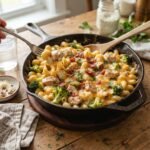
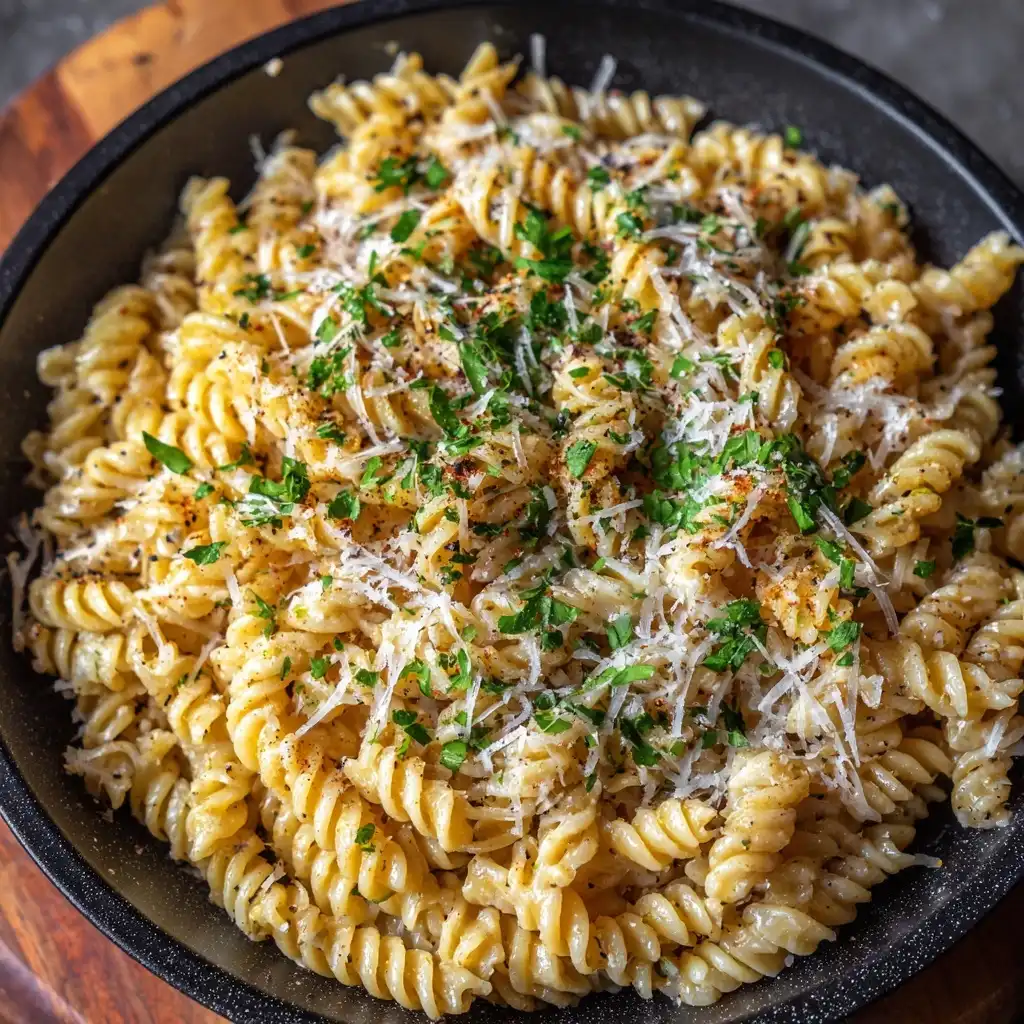
Roasted Garlic Parmesan Pasta is a luxurious, comfort-food classic that transforms simple pantry staples into an elegant, restaurant-worthy dish with minimal effort. Rich, creamy, and deeply aromatic, this pasta celebrates the natural sweetness of slow-roasted garlic and the nutty, salty complexity of freshly grated Parmigiano-Reggiano. Unlike traditional cream-based pastas that rely heavily on heavy cream or butter, this version achieves its velvety texture through emulsification—leveraging starchy pasta water, roasted garlic paste, and quality cheese—making it both decadent and surprisingly balanced. Whether served as a cozy weeknight dinner, elevated weeknight indulgence, or impressively simple centerpiece for dinner parties, Roasted Garlic Parmesan Pasta delivers bold flavor, aromatic depth, and textural harmony in every forkful.
The History
While pasta itself traces its roots to ancient Mediterranean and Asian civilizations—with documented evidence of dried noodles in China as early as 3000 BCE and widespread adoption across Italy by the 13th century—the specific iteration of Roasted Garlic Parmesan Pasta is a modern culinary evolution born from the late 20th- and early 21st-century “rustic elegance” movement. Chefs and home cooks alike began reimagining classic Italian preparations through technique-driven simplicity: roasting garlic—a practice used since antiquity for medicinal and culinary purposes—gained renewed popularity in the 1980s and ’90s as food media highlighted its transformative effect (turning pungent raw cloves into mellow, caramelized, umami-rich paste). The pairing with Parmigiano-Reggiano—produced for over 800 years in Italy’s Emilia-Romagna region under strict DOP (Denominazione di Origine Protetta) regulations—represents a marriage of time-honored tradition and contemporary minimalism. This dish gained viral traction in the 2010s via food blogs and social platforms like Pinterest and Instagram, where its golden hue, glossy sheen, and visible flecks of roasted garlic made it highly photogenic—and its accessible technique made it widely replicable. It stands today not as a centuries-old heirloom recipe, but as a beloved emblem of modern Italian-American cuisine: respectful of tradition, elevated by technique, and designed for real-life kitchens.
Ingredients Breakdown
Every element in Roasted Garlic Parmesan Pasta serves a distinct functional and sensory purpose—no ingredient is merely decorative. Below is a meticulous breakdown of why each matters:
- Garlic (1 whole head): The soul of the dish. Roasting unlocks fructans and natural sugars, yielding a creamy, bittersweet, almost chestnut-like depth. Raw garlic would impart sharpness and heat incompatible with the dish’s intended harmony.
- Olive oil (3–4 tbsp): Used both for roasting and finishing. Extra-virgin olive oil contributes grassy, peppery notes and helps emulsify the sauce. Its smoke point is irrelevant here due to low-temperature roasting (375°F/190°C), preserving delicate polyphenols and aroma compounds.
- Pasta (12 oz / 340 g): A sturdy, ridged short cut—such as casarecce, fusilli, or rigatoni—is ideal. Surface texture traps the thick, clingy sauce; hollow or twisted shapes capture roasted garlic bits. Avoid delicate strands like angel hair, which can’t support the sauce’s weight or texture.
- Garlic-infused pasta water (¾–1 cup, reserved): Not just “starchy water”—it’s liquid gold. The starch (amylose and amylopectin) acts as a natural thickener and binder, enabling seamless emulsification with fat (oil, cheese) without separation. Temperature matters: reserve it hot, straight from the pot.
- Freshly grated Parmigiano-Reggiano (1 ½ cups, finely grated): Crucial—pre-grated “Parmesan” shreds contain anti-caking agents (e.g., cellulose) that inhibit melting and cause graininess. Authentic DOP Parmigiano-Reggiano has naturally high moisture content and proteolysis enzymes that create a smooth, unctuous melt. Its crystalline tyrosine granules add subtle crunch and deep savory notes.
- Unsalted butter (2 tbsp, optional but recommended): Adds richness, mouthfeel, and gloss. Clarified butter can be substituted for dairy-free versions; cold butter whisked in at the end provides a lush, velvety finish.
- Freshly cracked black pepper (½ tsp, plus more for garnish): Piperine enhances bioavailability of garlic’s allicin derivatives and adds volatile heat that cuts through richness.
- Fresh parsley (¼ cup, finely chopped): A bright, chlorophyll-rich counterpoint—not just color. Flat-leaf (Italian) parsley offers clean, slightly peppery notes that refresh the palate between bites.
- Flaky sea salt (Maldon or Fleur de Sel, for finishing): Applied at the end to preserve its delicate crunch and mineral complexity. Table salt would overwhelm and dull other flavors.
Optional enhancements include a splash of dry white wine (added to the hot pan before pasta water to deglaze and lift fond), toasted pine nuts for nuttiness and crunch, or a whisper of lemon zest to lift the umami.
Step-by-Step Recipe
- Preheat & Prep: Position oven rack in center. Preheat oven to 375°F (190°C). While oven heats, trim top ¼ inch off garlic head to expose cloves. Drizzle generously with 2 tbsp olive oil, wrap tightly in aluminum foil, and place on a small baking sheet.
- Roast the Garlic: Bake for 50–65 minutes, until cloves are deeply golden, very soft, and yield effortlessly when squeezed. Cool 10 minutes—then carefully squeeze roasted garlic pulp into a small bowl. Mash with a fork or potato masher into a smooth, spreadable paste. Set aside.
- Cook the Pasta: Bring a large pot (6–8 quarts) of well-salted water (2 tbsp kosher salt per gallon) to a rolling boil. Add pasta and cook 1–2 minutes less than package’s “al dente” time (e.g., if box says 11 minutes, cook 9–10). Stir frequently. Reserve 1 cup of starchy cooking water just before draining.
- Emulsify the Sauce Base: In the now-empty (but still hot) pasta pot or a large warmed skillet, combine roasted garlic paste, remaining 1–2 tbsp olive oil, and butter (if using). Warm over medium-low heat 1 minute—do not brown. Whisk constantly while slowly drizzling in ½ cup reserved pasta water. Continue whisking 1–2 minutes until mixture becomes silky and slightly thickened.
- Combine & Finish: Drain pasta (do not rinse) and immediately add to sauce. Toss vigorously with tongs for 1 minute to coat evenly and allow residual heat to further thicken sauce. Gradually add more pasta water (1–2 tbsp at a time) as needed to achieve a glossy, clinging consistency—not soupy, not dry. Remove from heat.
- Incorporate Cheese: Off heat, add grated Parmigiano-Reggiano in three additions, tossing thoroughly after each. This gradual incorporation prevents clumping and ensures even distribution. The residual heat will melt the cheese into a cohesive, creamy matrix.
- Season & Garnish: Season with freshly cracked black pepper and a pinch of flaky sea salt (taste first—cheese and pasta water may provide sufficient salinity). Fold in most of the fresh parsley. Transfer to warmed serving bowls or platter. Top with remaining parsley, extra cheese, a final crack of black pepper, and a delicate pinch of flaky salt.
Tips
- Roast Garlic Perfectly Every Time: Use a heavy-duty foil wrap—double-layered—to prevent steam leakage. For deeper flavor, roast at 350°F (175°C) for 75 minutes instead of 375°F for 55 minutes. Slower roasting yields more complex Maillard reactions.
- Reserve Pasta Water Strategically: Ladle water out *before* draining—not after. Starch concentration drops rapidly once pasta cools or sits in water. If you forget, don’t panic: a slurry of 1 tsp cornstarch + 2 tbsp cold water added during emulsification can rescue thin sauce.
- Grate Cheese Correctly: Use the fine side of a box grater—or better yet, a microplane—for maximum surface area and meltability. Never use pre-shredded cheese.
- Control Heat Meticulously: Never let the garlic-oil-butter mixture boil or sputter. High heat denatures cheese proteins and causes separation. Keep everything warm—not hot—during finishing.
- Toss Like a Pro: Use long-handled tongs and a vigorous, lifting-and-turning motion—not stirring—in the hot pot. This aerates the pasta and encourages starch release, improving sauce adhesion.
- Rest Before Serving (Optional but Recommended): Let finished pasta sit, covered loosely with foil, for 2–3 minutes before serving. This allows flavors to marry and sauce to settle into every nook—especially important for ridged or tubular shapes.
- Double the Roasted Garlic: Make extra garlic paste and freeze in ice cube trays (1 cube = 1 clove equivalent). Thaw overnight in fridge for instant flavor boosts in sauces, dressings, or compound butter.
- Acid Is Your Friend: If the dish tastes flat or overly rich, stir in ½ tsp fresh lemon juice or white wine vinegar *after* cheese is incorporated. Acid brightens and balances without cutting creaminess.
Variations and Customizations
This recipe is inherently versatile—adaptable to dietary needs, seasonal produce, pantry constraints, and global flavor profiles—without sacrificing its core identity:
- Creamy Vegan Version: Replace butter with vegan butter or refined coconut oil; omit cheese and use a blend of ½ cup raw cashews (soaked 4 hours, drained), ¼ cup nutritional yeast, 2 tbsp lemon juice, 1 tsp white miso, and ¼ tsp garlic powder—blended until ultra-smooth. Add reserved pasta water to reach desired consistency.
- Protein-Packed: Sauté 12 oz diced chicken breast or shrimp in olive oil with herbs before roasting garlic; set aside and fold in during final toss. Or add 1 cup cooked lentils or white beans for plant-powered protein and fiber.
- Vegetable-Forward: Roast seasonal vegetables alongside garlic—cherry tomatoes (halved), zucchini ribbons, asparagus tips, or broccolini florets—tossed in olive oil and herbs. Add directly to pasta with sauce.
- Herb-Infused: Steep 2 tbsp fresh thyme or rosemary sprigs in warm olive oil for 10 minutes before roasting garlic; strain and use infused oil. Or stir in 1 tbsp chopped fresh basil or chives at the end.
- Spicy Kick: Add ¼ tsp red pepper flakes to olive oil before roasting garlic—or stir in 1 tsp harissa paste or Calabrian chili paste during emulsification.
- Truffle Elegance: Finish with ½ tsp white truffle oil (drizzled at the end) or 1 tbsp finely grated black truffle (if available). Pair with a splash of dry vermouth in the sauce base.
- Gluten-Free Adaptation: Use certified GF pasta (brown rice, lentil, or chickpea-based). Cook according to package instructions—but reduce time by 30 seconds, as GF pasta softens faster. Reserve water generously—it’s even more critical for binding.
- Low-Carb/Keto: Substitute spiralized zucchini (“zoodles”), blanched shirataki noodles, or roasted spaghetti squash. Sauté briefly to remove excess moisture before saucing. Increase cheese and butter slightly for satiety.
- Breakfast Pasta: Top with a jammy 6-minute poached egg and crispy pancetta crumbles. The yolk enriches the sauce further.
Health Considerations and Nutritional Value
A single 1.5-cup serving (made with standard ingredients) delivers approximately:
- Calories: 580–640 kcal
- Protein: 28–32 g (primarily from Parmigiano-Reggiano—rich in casein, leucine, and bioactive peptides supporting muscle synthesis)
- Fat: 24–28 g (mostly monounsaturated from olive oil and saturated from cheese—both associated with improved LDL/HDL ratios when consumed as part of a Mediterranean-style diet)
- Carbohydrates: 62–68 g (complex carbs from pasta; ~12 g fiber if using whole-wheat or legume-based pasta)
- Sodium: 620–780 mg (moderate—largely from cheese and added salt; easily reduced by omitting finishing salt and using low-sodium broth in place of some pasta water)
- Calcium: ~520 mg (over 50% DV—critical for bone health, nerve transmission, and muscle function)
- Vitamin B12: ~1.4 mcg (60% DV—essential for neurological health and red blood cell formation)
- Allicin Derivatives: Bioavailable organosulfur compounds from roasted garlic linked to cardiovascular protection, antioxidant activity, and immune modulation
Dietary Notes:
- Heart-Healthy Potential: Olive oil’s oleocanthal (a natural NSAID), garlic’s ajoene, and Parmesan’s conjugated linoleic acid (CLA) synergistically support vascular health and healthy inflammation response.
- Lactose Sensitivity Friendly: Aged Parmigiano-Reggiano contains <0.1g lactose per ounce—well below the threshold for most sensitive individuals.
- Low-FODMAP Option: Use garlic-infused oil (garlic solids removed) instead of roasted garlic paste, and limit portion to ½ cup cooked pasta + 2 tbsp cheese. Certified low-FODMAP brands (e.g., Green Valley Creamery) offer compliant alternatives.
- Weight-Conscious Modifications: Reduce pasta to 8 oz, increase non-starchy vegetables to 2 cups, use 1 cup cheese, and add 1 tbsp lemon juice + extra black pepper for volume and satiety without excess calories.
- Allergen Alert: Contains wheat (gluten), dairy (milk, cheese), and sulfites (naturally occurring in wine/vinegar if used). Vegan and GF versions eliminate respective allergens.
Ingredients
- 1 large head garlic
- 3–4 tablespoons extra-virgin olive oil, divided
- 12 ounces (340 g) high-quality dried pasta (rigatoni, casarecce, or fusilli recommended)
- 2 tablespoons unsalted butter (optional but recommended)
- 1 ½ cups (150 g) freshly grated Parmigiano-Reggiano (not pre-grated)
- ½ teaspoon freshly cracked black pepper, plus more for garnish
- ¼ cup (10 g) fresh flat-leaf parsley, finely chopped
- Flaky sea salt (e.g., Maldon), for finishing
- 2 tablespoons kosher salt (for pasta water)
Directions
- Preheat oven to 375°F (190°C). Trim top ¼ inch off garlic head to expose cloves. Drizzle with 2 tablespoons olive oil, wrap tightly in double-layered aluminum foil, and roast on a small baking sheet for 50–65 minutes, until cloves are deeply golden and soft. Cool 10 minutes, then squeeze pulp into a bowl and mash into smooth paste.
- Bring 6–8 quarts water to boil. Add 2 tbsp kosher salt. Cook pasta 1–2 minutes shy of al dente. Reserve 1 cup starchy cooking water, then drain pasta (do not rinse).
- In same hot pot or warmed skillet, combine roasted garlic paste, remaining 1–2 tbsp olive oil, and butter. Warm over medium-low heat 1 minute. Whisk in ½ cup reserved pasta water; cook 1–2 minutes until glossy.
- Add drained pasta; toss vigorously 1 minute. Gradually add more pasta water (1–2 tbsp at a time) until sauce coats pasta evenly.
- Remove from heat. Add Parmigiano-Reggiano in three batches, tossing thoroughly after each. Season with black pepper and a pinch of flaky salt (taste first).
- Fold in ¾ of parsley. Serve immediately in warmed bowls, garnished with remaining parsley, extra cheese, fresh black pepper, and flaky salt.
FAQ
- Can I make this ahead of time?
- Yes—with caveats. Assemble components separately: roast garlic up to 3 days ahead (refrigerated); grate cheese day-of; cook pasta fresh. Reheating fully assembled pasta often leads to graininess or oil separation. Instead, reheat garlic paste + oil + butter in pan, add hot pasta + small splash of water, then stir in cheese off-heat.
- Why does my sauce break or look greasy?
- Most commonly due to: (1) Adding cheese to excessively hot sauce—temper by removing from heat first; (2) Using pre-grated cheese with anti-caking agents; (3) Insufficient emulsification—whisk pasta water into garlic-oil base *before* adding pasta; (4) Overheating during finishing. If broken, whisk in 1–2 tbsp cold pasta water or lemon juice while vigorously stirring.
- Can I use roasted garlic from a jar?
- Technically yes—but flavor, texture, and sodium content suffer significantly. Jarred versions often contain vinegar, citric acid, and preservatives that mute sweetness and introduce tanginess inconsistent with the dish’s profile. Homemade roasted garlic is quick, inexpensive, and infinitely superior.
- Is there a way to reduce the garlic intensity?
- Absolutely. Roast for only 40–45 minutes for milder, sweeter notes—or use only ½ head. You can also balance stronger garlic with 1 tsp lemon zest or ½ tsp honey stirred in at the end.
- What’s the best cheese alternative if I can’t find Parmigiano-Reggiano?
- Grana Padano is the closest substitute—similar aging, texture, and flavor profile (though slightly milder and less complex). Avoid generic “Parmesan,” Romano (too salty/sharp), or Asiago (too floral). For vegan options, see Variations section.
- Can I freeze leftovers?
- Not recommended. Freezing causes cheese proteins to separate and pasta to become mushy upon thawing/reheating. However, roasted garlic paste freezes beautifully for up to 6 months in ice cube trays.
- How do I scale this for a crowd?
- Multiply ingredients proportionally—but roast garlic in batches (max 2 heads per foil packet) for even cooking. Cook pasta in two pots if doubling. Reserve extra pasta water (1.5 cups per pound). Emulsify sauce in a Dutch oven for easier tossing.
- Why does the recipe emphasize “freshly grated” cheese so strongly?
- Pre-shredded cheeses contain cellulose (wood pulp derivative), potato starch, or calcium carbonate to prevent clumping. These additives interfere with melting, create grittiness, and inhibit emulsification—leading to oily, broken sauces. Freshly grated cheese melts smoothly and binds with starch and fat for that signature silken texture.
Summary
Roasted Garlic Parmesan Pasta is a masterclass in minimalist elegance—where slow-roasted garlic’s caramelized sweetness, the umami depth of authentic Parmigiano-Reggiano, and the binding power of starchy pasta water converge into a luxuriously creamy, deeply flavorful, and effortlessly impressive dish.
Rooted in time-honored techniques yet perfectly suited to modern kitchens, it invites customization without compromise—whether vegan, gluten-free, protein-enriched, or vegetable-forward—proving that extraordinary taste begins with exceptional ingredients and intentional, unhurried care.