Introduction
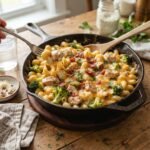
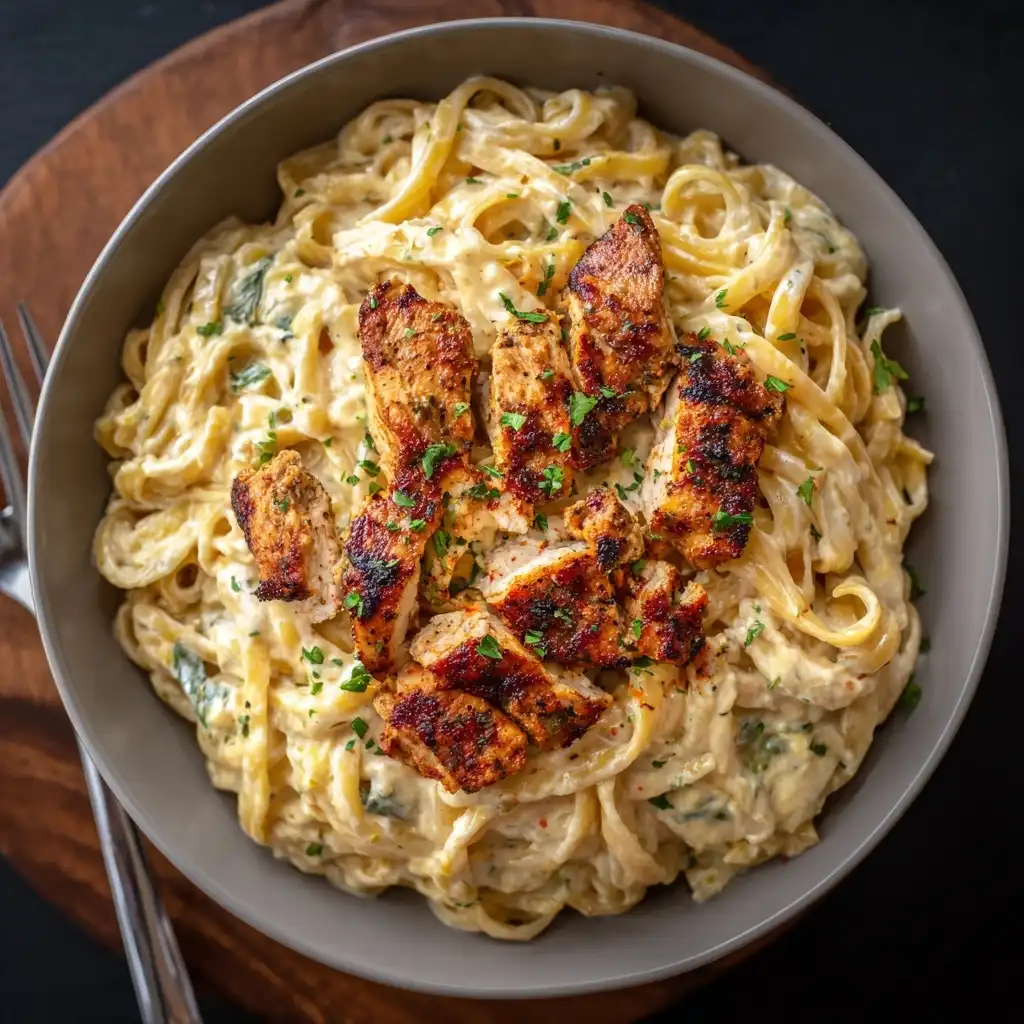
Creamy Cajun Chicken Alfredo is a luxurious, bold, and deeply comforting fusion dish that marries the fiery, aromatic soul of Louisiana-style Cajun seasoning with the rich, velvety elegance of classic Italian-American Alfredo sauce—and anchors it all with tender, perfectly seared chicken breast or thigh. This isn’t just pasta—it’s an experience: a symphony of heat, cream, garlic, herbs, and umami that dances across the palate while delivering undeniable satisfaction in every forkful. Whether served at a cozy weeknight dinner, elevated for a date-night centerpiece, or brought to a potluck where it inevitably becomes the star, Creamy Cajun Chicken Alfredo bridges culinary traditions with confidence and crave-worthy results. Its growing popularity reflects a broader cultural appetite for globally inspired comfort food—spicy yet balanced, indulgent yet approachable, and endlessly adaptable to personal taste and pantry availability.
The History
The origins of Creamy Cajun Chicken Alfredo lie not in a single historic recipe but in the delicious, inevitable collision of two distinct American culinary movements. On one side stands Alfredo sauce, which traces its roots to early 20th-century Rome, where restaurateur Alfredo di Lelio famously tossed fettuccine with butter and Parmigiano-Reggiano to soothe his pregnant wife. The dish crossed the Atlantic in the 1920s when Hollywood stars like Douglas Fairbanks and Mary Pickford dined at his trattoria and brought “Fettuccine Alfredo” back to the U.S.—where American chefs, lacking access to high-quality aged cheese and fresh pasta, began enriching it with heavy cream, cream cheese, and more generous amounts of Parmesan, birthing the richer, silkier version we know today.
On the other side is Cajun cuisine, born from the Acadian (French-Canadian) exiles who settled in rural South Louisiana after their 1755 expulsion by the British. Forced to adapt with local ingredients—cayenne, paprika, garlic, onion, bell pepper, and celery (the “Holy Trinity”)—they developed a rustic, spice-forward cooking tradition defined by boldness, smoke, and deep layering of flavor. Cajun seasoning blends emerged commercially in the mid-20th century, popularized by brands like Tony Chachere’s (founded in 1972), making that distinctive heat and complexity accessible far beyond bayou country.
The fusion likely began organically in the 1980s–90s, as restaurant chains and home cooks alike experimented with “Cajun” as a versatile flavor profile—applied to everything from blackened redfish to grilled shrimp skewers. Adding Cajun spices to creamy pasta sauces was a natural evolution: the fat in the Alfredo base tames capsaicin without dulling complexity, while the herbs and garlic in the blend complement the nuttiness of Parmesan and the sweetness of slow-sautéed onions. Today, Creamy Cajun Chicken Alfredo appears on menus from Texas to Maine, in meal-prep blogs, TikTok recipe reels, and family kitchen notebooks—proof that culinary innovation thrives where tradition meets curiosity.
Ingredients Breakdown
Every exceptional Creamy Cajun Chicken Alfredo begins with intentionality—not just in measurement, but in ingredient quality and function. Below is a detailed, chef-informed breakdown of each component, including why it matters and what to look for:
- Chicken Breast or Thighs (1.25–1.5 lbs): Boneless, skinless breasts offer lean tenderness; thighs provide superior moisture, richer flavor, and forgiving cook times. For best results, brine breasts for 30 minutes in ¼ cup salt + 4 cups cold water—or use air-chilled, never-enhanced chicken to avoid salty, spongy texture.
- Homemade or High-Quality Cajun Seasoning (3–4 tbsp): Store-bought blends vary wildly in salt and heat. A trusted homemade version includes smoked paprika (for depth), garlic powder, onion powder, dried oregano & thyme, cayenne (adjustable), white/black pepper, and minimal salt. Avoid blends with anti-caking agents like silicon dioxide, which leave grit.
- Pasta (12–14 oz): Fettuccine remains classic for its sauce-clinging ribbons, but linguine, tagliatelle, casarecce, or even gluten-free brown rice fusilli work beautifully. Always salt pasta water generously (2 tbsp kosher salt per 6 quarts) — it’s the only chance to season the pasta itself.
- Heavy Cream (1.5 cups, minimum 36% fat): Non-negotiable for stability and silkiness. Low-fat “half-and-half” or milk will break or thin the sauce. Ultra-pasteurized cream works—but pasteurized (not ultra) yields slightly better emulsion and nuttier flavor.
- Freshly Grated Parmigiano-Reggiano (1.25 cups, finely grated): Pre-grated cheese contains cellulose (anti-clumping agent) that inhibits melting and creates graininess. Use a microplane for maximum surface area and seamless integration. Reserve 2 tbsp for garnish.
- Unsalted Butter (6 tbsp): Adds mouth-coating richness and sheen. European-style (82–86% fat) butter gives deeper flavor and less water content—critical for preventing sauce separation.
- Garlic (4–5 large cloves, minced): Fresh is essential—jarred minced garlic contains preservatives and lacks brightness. Mince just before cooking to preserve allicin (the compound responsible for aroma and health benefits).
- Yellow Onion (½ medium, finely diced): Provides sweet, foundational depth. Vidalia or Walla Walla onions add subtle caramel notes when sautéed low and slow.
- Bell Pepper (½ green or red, finely diced): Part of the Cajun “Holy Trinity,” it adds vegetal freshness and crunch contrast. Roast first for smoky complexity.
- Dry White Wine (½ cup, optional but recommended): Sauvignon Blanc or unoaked Chardonnay deglazes the pan, lifts fond, and adds bright acidity to cut richness. Substitute with low-sodium chicken broth if avoiding alcohol—but don’t skip deglazing.
- Fresh Herbs (2 tbsp chopped parsley + 1 tsp chopped chives): Added at the end for color, freshness, and aromatic lift. Flat-leaf parsley holds up better than curly.
- Lemon Zest (from ½ lemon, optional): A secret weapon—just ½ tsp brightens the entire dish without adding liquid or sourness.
- Red Pepper Flakes (¼ tsp, to taste): For those who love extra heat—adds fruity, lingering warmth without bitterness.
Step-by-Step Recipe
This meticulously tested method ensures foolproof, restaurant-quality results—every time. Key principles: control temperature, respect timing, and build layers of flavor—not just heat.
- Prep & Brine (15–30 min ahead): Pat chicken dry. Combine ¼ cup kosher salt, 1 tbsp brown sugar, 1 tsp black pepper, and 4 cups cold water. Submerge chicken; refrigerate 15 min (breasts) or 30 min (thighs). Rinse, pat *extremely* dry. Rub generously with 2.5 tbsp Cajun seasoning—pressing into all surfaces. Let sit 10 min at room temp.
- Cook Pasta Al Dente (10–12 min): Bring 6+ quarts well-salted water to rolling boil. Add pasta; stir immediately. Cook 1–2 minutes *less* than package directions. Reserve 1.5 cups starchy cooking water before draining. Do NOT rinse.
- Sear Chicken (6–8 min): Heat 2 tbsp high-smoke-point oil (avocado or grapeseed) in large stainless or cast-iron skillet over medium-high. When shimmering, add chicken without crowding. Sear 4–5 min per side until deep golden crust forms and internal temp reaches 160°F (it will carry over to 165°F). Transfer to plate; tent loosely with foil. Rest 5 min—*do not skip*—to retain juices.
- Sauté Aromatics (5 min): In same skillet, reduce heat to medium. Add 2 tbsp butter. Once foaming subsides, add onions, bell pepper, and pinch of salt. Sauté 3 min until softened. Add garlic and remaining 1 tsp Cajun seasoning; stir 60 seconds until fragrant—do not brown garlic.
- Build Sauce Base (3 min): Pour in wine (or broth). Scrape bottom vigorously with wooden spoon to lift all browned bits (fond)—this is flavor gold. Simmer 2 min until reduced by half. Stir in heavy cream and simmer gently 2 min—do not boil rapidly.
- Emulsify & Finish (4 min): Reduce heat to low. Whisk in Parmigiano-Reggiano, ¼ cup at a time, waiting for full melt before adding more. Sauce should thicken to coat the back of a spoon. If too thick, whisk in reserved pasta water 1 tbsp at a time. Stir in remaining 2 tbsp butter for gloss and richness.
- Combine & Rest (2 min): Slice rested chicken into ½-inch strips. Gently fold into warm sauce with drained pasta. Toss with tongs 60–90 seconds until fully coated and glossy. Remove from heat. Stir in lemon zest, parsley, chives, and red pepper flakes. Taste and adjust: a tiny splash of lemon juice (½ tsp) can balance if overly rich; extra pinch of cayenne if heat is muted.
- Plate & Serve Immediately: Divide among warmed bowls. Garnish with reserved Parmigiano, extra parsley, and a delicate drizzle of high-quality olive oil or chili oil for visual and textural flair.
Tips
- Temperature is Everything: Never add cold cream to a scorching-hot pan—it will separate instantly. Warm cream slightly (30 sec in microwave) before adding. Keep sauce at a bare simmer—not a boil—once cheese is added.
- The “No-Stir” Rule for Cheese: Whisk cheese in off direct heat, using residual warmth. Constant stirring incorporates air and encourages curdling. Fold gently instead.
- Starch Water is Your Secret Stabilizer: That cloudy, starchy liquid isn’t waste—it’s nature’s roux. It binds fat and water, prevents greasiness, and adds subtle body. Always reserve *before* draining.
- Rest Chicken Like a Pro: Cutting too soon releases juices onto the cutting board—not into the sauce. Resting redistributes moisture evenly through the meat.
- Season in Layers: Salt the water, season the chicken, enhance the aromatics, finish with flaky sea salt (Maldon) just before serving for bright, crystalline pops of salinity.
- Acid is Non-Negotiable: Even if you skip lemon juice, the zest adds volatile citrus oils that lift heaviness without sourness. Don’t omit.
- Double the Batch? Freeze Smart: Freeze *uncombined* components: cooked chicken (shredded), sauce base (without pasta or fresh herbs), and cooked pasta (tossed with 1 tsp olive oil). Thaw sauce overnight, reheat gently, then combine.
- Skillet Choice Matters: Stainless steel offers superior fond development and control. Non-stick prevents sticking but sacrifices browning—and fond is essential for depth.
Variations and Customizations
This dish is gloriously flexible—whether adapting to dietary needs, seasonal produce, pantry constraints, or global inspiration. Here are thoughtfully curated variations, each preserving the core spirit while offering exciting new dimensions:
- Vegetarian Cajun “Chicken” Alfredo: Replace chicken with king oyster mushrooms (sliced thick, marinated in Cajun spice + tamari, then roasted at 425°F for 20 min until meaty and caramelized) or soy-based “chicken” strips (pan-seared with Cajun rub). Boost umami with 1 tsp white miso stirred into sauce at the end.
- Shrimp & Andouille Alfredo: Swap chicken for 1 lb peeled, deveined Gulf shrimp (tossed in 1 tbsp Cajun seasoning) and add 6 oz sliced, smoked andouille sausage (browned first to render fat, then set aside). Add shrimp last—cook just 2 min per side—to prevent rubberiness.
- Roasted Vegetable Cajun Alfredo: Toss 2 cups cubed sweet potatoes, zucchini, and red onion with 2 tbsp olive oil and 1 tbsp Cajun seasoning. Roast at 425°F for 25–30 min until caramelized. Fold in at the end with fresh basil instead of parsley.
- Lighter “Creamy” Version: Substitute ¾ cup full-fat coconut milk + ¾ cup whole milk for heavy cream; use ⅓ cup nutritional yeast + ¾ cup freshly grated Pecorino Romano (saltier, sharper) instead of all Parmigiano. Add 1 tsp Dijon mustard for emulsification and tang.
- Gluten-Free Adaptation: Use certified GF pasta (brown rice or chickpea-based hold up best). Ensure Cajun seasoning is GF-certified (some contain wheat starch). Thicken sauce with 1 tsp psyllium husk mixed into cold broth before adding—prevents gumminess.
- Smoky Chipotle-Cajun Twist: Add 1–2 tsp adobo sauce (from canned chipotles) with the garlic. Garnish with crumbled cotija and pickled red onions for tangy contrast.
- Seafood Medley Alfredo: Combine seared scallops, lump crabmeat (picked over), and calamari rings. Deglaze with dry vermouth instead of wine; finish with a swirl of saffron-infused cream.
- Breakfast-for-Dinner Version: Top finished dish with fried eggs (jammy yolks), crumbled crispy bacon, and scallions. Serve with hot sauce on the side.
- Meal-Prep Friendly Format: Cook components separately. Store sauce (cooled, covered) for 4 days; chicken for 3 days; pasta for 2 days. Reheat sauce with splash of broth, toss hot pasta in, then add warm chicken and herbs.
Health Considerations and Nutritional Value
A single 1.5-cup serving (made with whole ingredients, no shortcuts) delivers approximately:
- Calories: 720–840 kcal (varies by pasta choice and cream amount)
- Protein: 42–51 g (excellent complete protein from chicken + dairy)
- Fat: 38–46 g (predominantly unsaturated from olive oil, butter, and Parmesan; includes beneficial CLA from grass-fed dairy)
- Carbohydrates: 48–56 g (mostly complex carbs from pasta; fiber increases significantly with whole-grain or legume-based options)
- Sodium: 780–1,120 mg (highly dependent on seasoning salt content—homemade Cajun blend cuts sodium by ~40% vs. commercial)
- Vitamins & Minerals: Rich in calcium (Parmesan), vitamin B12 (chicken, dairy), selenium (chicken), vitamin A (bell peppers, butter), and bioactive compounds like allicin (garlic) and lycopene (tomato-based paprika).
Smart Swaps for Health-Conscious Enjoyment:
- Reduce Saturated Fat: Use ½ cup heavy cream + 1 cup low-sodium, unsweetened cashew milk (soaked & blended smooth) for creaminess with heart-healthy fats.
- Increase Fiber & Micronutrients: Replace 50% pasta with spiralized zucchini (“zoodles”) or shirataki noodles—add in final 2 minutes of tossing.
- Lower Sodium Without Sacrificing Flavor: Rely on acid (lemon, vinegar), aromatics (fresh herbs, shallots), and spice layers (toasted cumin, coriander) instead of salt-heavy blends.
- Boost Anti-Inflammatory Power: Stir in 1 tsp turmeric with black pepper at the garlic stage; top with 1 tbsp chopped walnuts or pumpkin seeds for omega-3s.
- Diabetic-Friendly Option: Use konjac or lentil pasta (low-glycemic), increase non-starchy veg to 50% volume, and serve with side salad dressed in apple cider vinegar + olive oil.
Important Note: While indulgent, this dish is nutrient-dense—not “empty calories.” The combination of high-quality protein, healthy fats, and bioactive spices supports satiety, metabolic function, and antioxidant defense—especially when prepared mindfully and enjoyed as part of a varied, whole-food diet.
Ingredients
- 1.25 lbs boneless, skinless chicken breasts or thighs, brined (see Tips)
- 3 tbsp + 1 tsp high-quality homemade Cajun seasoning (divided)
- 12 oz fettuccine or preferred pasta
- 2 tbsp high-smoke-point oil (avocado or grapeseed)
- 6 tbsp unsalted European-style butter, divided
- ½ medium yellow onion, finely diced
- ½ green or red bell pepper, finely diced
- 4–5 large garlic cloves, finely minced
- ½ cup dry white wine (Sauvignon Blanc recommended) or low-sodium chicken broth
- 1.5 cups heavy cream (minimum 36% fat)
- 1.25 cups freshly grated Parmigiano-Reggiano, plus extra for garnish
- 2 tbsp chopped fresh flat-leaf parsley
- 1 tsp chopped fresh chives
- Zest of ½ lemon
- ¼ tsp red pepper flakes (optional)
- Kosher salt and freshly ground black pepper, to taste
- Flaky sea salt (Maldon), for finishing
Directions
- Brine chicken in saltwater solution for 15–30 minutes. Rinse, pat *very* dry, then rub with 3 tbsp Cajun seasoning. Let sit 10 minutes at room temperature.
- Bring 6+ quarts water to boil. Add 2 tbsp kosher salt. Cook pasta 1–2 minutes shy of package directions. Reserve 1.5 cups starchy water, then drain—do not rinse.
- Heat oil in large skillet over medium-high. Sear chicken 4–5 min per side until golden and 160°F internally. Transfer to plate; tent with foil. Rest 5 minutes.
- In same skillet, reduce heat to medium. Melt 2 tbsp butter. Sauté onion and bell pepper 3 minutes until soft. Add garlic and remaining 1 tsp Cajun seasoning; stir 60 seconds until fragrant.
- Pour in wine (or broth). Scrape pan vigorously to lift fond. Simmer 2 minutes until reduced by half.
- Stir in heavy cream. Simmer gently 2 minutes—do not boil.
- Reduce heat to low. Whisk in Parmigiano-Reggiano, ¼ cup at a time, waiting for full melt between additions. Sauce should coat spoon.
- If too thick, whisk in reserved pasta water 1 tbsp at a time. Stir in remaining 4 tbsp butter until glossy.
- Slice rested chicken. Gently fold chicken, drained pasta, parsley, chives, lemon zest, and red pepper flakes into sauce. Toss 60–90 seconds off heat.
- Taste and adjust: add flaky salt, extra cayenne, or lemon juice if needed. Serve immediately, garnished with extra Parmigiano and flaky salt.
FAQ
- Can I make this ahead of time?
- Absolutely—but for best texture, store components separately. Cooked sauce keeps 4 days refrigerated (reheat gently with splash of broth). Chicken stays juicy 3 days. Cooked pasta lasts 2 days (toss with oil to prevent sticking). Combine only when ready to serve.
- Why does my Alfredo sauce break or become greasy?
- Three main culprits: 1) Boiling the sauce after adding cheese—always use low heat; 2) Using pre-grated cheese with anti-caking agents; 3) Adding cold cream to a too-hot pan. Solution: warm cream slightly, remove pan from heat before adding cheese, and whisk gently.
- Can I freeze Creamy Cajun Chicken Alfredo?
- Yes—with caveats. Freezing *combined* sauce often leads to graininess upon thawing due to fat separation. Better: freeze sauce base (cream + aromatics, no cheese), cooked chicken, and pasta separately. Thaw overnight, reheat sauce slowly, then combine with hot pasta and chicken.
- What’s the best pasta to use?
- Fettuccine is traditional for its wide surface and ability to cradle sauce. But linguine, pappardelle, or even short shapes like campanelle or casarecce trap creamy sauce beautifully. For GF, brown rice or chickpea pasta holds up best—avoid corn-based, which turns mushy.
- How spicy is this dish?
- Adjustable! Homemade Cajun seasoning lets you control cayenne. Start with ½ tsp cayenne in your blend, then increase gradually. The cream naturally tempers heat—so even “spicy” versions remain balanced, not punishing.
- Can I use store-bought Alfredo sauce?
- You can—but you’ll lose depth, freshness, and control over sodium and additives. Most jarred versions contain gums, stabilizers, and excessive salt. This recipe takes 25 minutes from start to finish—worth the upgrade in flavor and texture.
- Is there a dairy-free version?
- Yes! Use full-fat coconut milk + unsweetened almond milk for cream base; soaked, blended cashews for richness; and nutritional yeast + sharp vegan Parmesan for cheesiness. Add 1 tsp white miso for umami depth. Skip butter or use vegan alternative.
- What wine pairs best with this dish?
- A crisp, high-acid white balances the richness: try Albariño, Grüner Veltliner, or unoaked Chardonnay. For red lovers, a chilled, low-tannin Pinot Noir works surprisingly well—its red fruit complements the paprika and herbs.
- My sauce is too thin—how do I fix it?
- Simmer gently 1–2 more minutes to reduce. Or whisk in 1 tsp cornstarch slurry (cornstarch + cold water) and cook 1 minute until thickened. Avoid flour—it can leave a raw taste.
- Can I add vegetables directly to the sauce?
- Absolutely—and highly encouraged! Sautéed spinach, roasted cherry tomatoes, sun-dried tomatoes, or even charred corn kernels add color, nutrition, and texture. Stir in during final combining step to preserve vibrancy.
Summary
Creamy Cajun Chicken Alfredo is a masterclass in balancing bold Louisiana heat with Italian-American luxury—built on seared chicken, hand-grated Parmigiano-Reggiano, slow-simmered heavy cream, and a layered Cajun spice foundation that sings with garlic, paprika, and herbs.
With meticulous technique—from proper brining and fond development to gentle cheese emulsification and smart starch-water use—this dish transforms weeknight cooking into a celebration of flavor, texture, and culinary heritage, all while remaining deeply customizable for dietary needs, seasonal ingredients, and personal heat preference.