Introduction
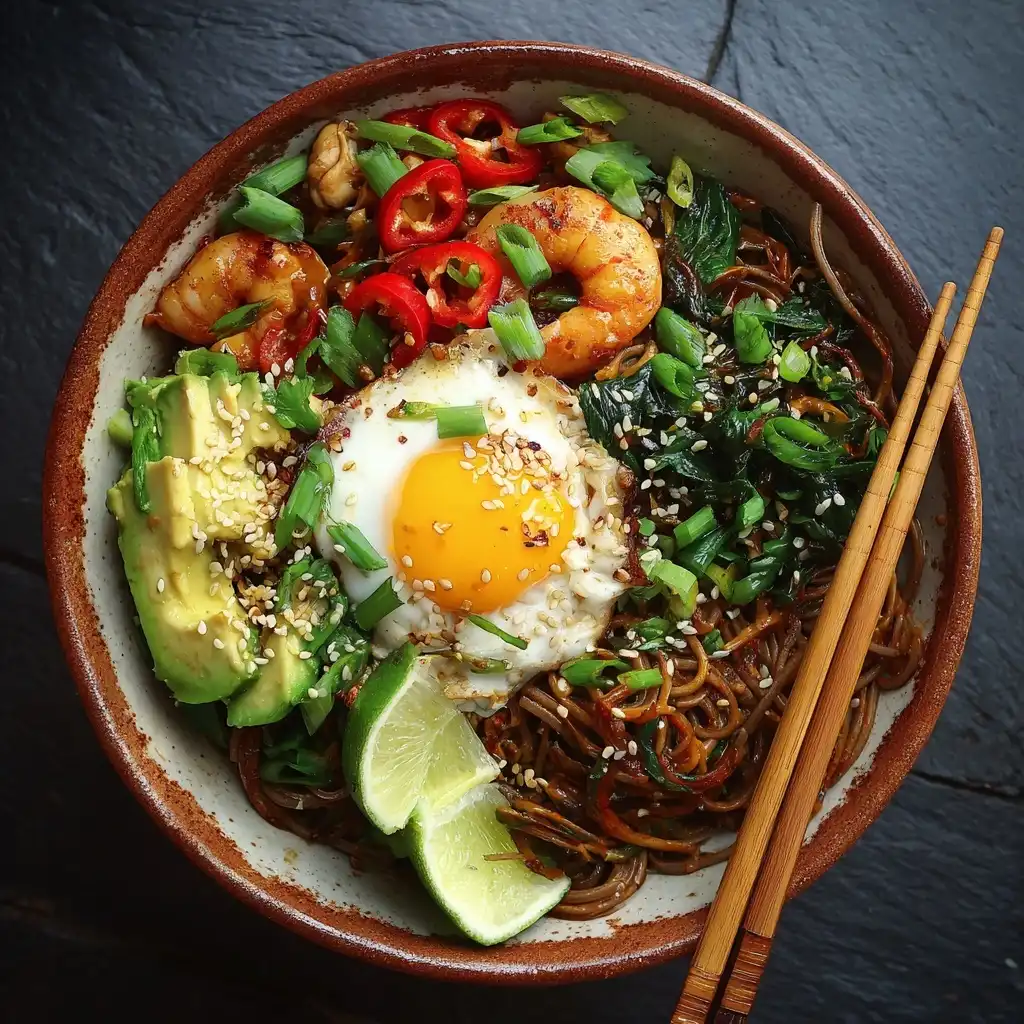
Spicy Peanut Soba Noodles are a vibrant, bold, and deeply satisfying fusion dish that marries the earthy nuttiness of creamy peanut butter with the delicate, slightly sweet, and resilient bite of buckwheat soba noodles—elevated by layers of heat, umami, tang, and aromatic freshness. This dish effortlessly bridges East Asian culinary tradition with Southeast Asian and modern global pantry staples, resulting in a meal that’s equally at home as a weeknight dinner, a potluck showstopper, or a nourishing lunchbox staple. Whether you’re a seasoned noodle enthusiast or new to Japanese-inspired cooking, these noodles deliver complexity without complication—rich in texture, layered in flavor, and endlessly adaptable to dietary preferences and seasonal ingredients.
The History
While no single “origin story” exists for Spicy Peanut Soba Noodles—as it is a contemporary, cross-cultural creation—the dish draws from multiple deep-rooted traditions. Soba noodles trace their lineage back over 800 years to Japan, where buckwheat cultivation flourished in mountainous regions like Nagano and Iwate. Initially eaten as a humble, nutrient-dense food by farmers and monks, soba evolved into a refined delicacy served cold with dipping sauces (zaru soba) or hot in broths (kake soba). Meanwhile, peanut-based sauces have long been central to Southeast Asian cuisines—think Thai nam prik satay, Indonesian gado-gado, and Vietnamese mì xào đậu phộng—where roasted peanuts, chilies, lime, and fermented elements create harmonious, spicy-savory condiments. The convergence of these traditions gained momentum in the late 20th and early 21st centuries, fueled by globalization, the rise of fusion cuisine in urban food scenes (especially in cities like Los Angeles, Toronto, and London), and the proliferation of accessible Asian pantry staples in Western supermarkets. Chefs and home cooks alike began experimenting—swapping traditional wheat or rice noodles for protein-rich soba, then marrying them with boldly spiced, creamy peanut dressings inspired by street food and wellness trends. Today, Spicy Peanut Soba Noodles stand as a testament to culinary dialogue: respectful of heritage while joyfully inventive, balancing authenticity with accessibility.
Ingredients Breakdown
Every component in this dish plays a deliberate role—not just in flavor, but in texture, temperature contrast, nutritional synergy, and sensory balance. Let’s explore each category in depth:
Soba Noodles
Authentic 100% buckwheat soba (juwari soba) delivers the most robust, nutty, and mineral-forward flavor, along with higher fiber and complete plant-based protein (all nine essential amino acids). However, many commercially available soba noodles contain 80–90% buckwheat blended with wheat flour for elasticity and ease of handling. For gluten-free integrity, seek certified GF soba made with 100% buckwheat (note: true buckwheat is naturally GF, but cross-contamination is common—always verify certification). The ideal texture is firm yet tender, with a subtle chew and clean finish—never gummy or mushy. Pre-cooked or vacuum-packed soba offers convenience but often lacks textural integrity and may contain preservatives; dried soba remains the gold standard for control and quality.
Peanut Butter
Natural, unsweetened, no-stir peanut butter (with just peanuts + salt) is essential—avoid brands with added hydrogenated oils, sugar, or palm oil, which mute flavor and destabilize emulsions. Creamy works best for smooth, velvety dressings, though a small amount of crunchy can add delightful textural punctuation. For deeper nuance, consider blending in a spoonful of toasted sesame paste (tahini) or a touch of roasted almond butter to enhance complexity and round out sharp peanut notes.
Aromatics & Heat
Fresh garlic and ginger form the foundational aromatic base—grated on a microplane for maximum surface area and pungent, bright release. Thai bird’s eye chilies (prik kee noo), serranos, or even gochugaru (Korean chili flakes) provide clean, fruity heat. For smoky depth, a pinch of chipotle powder or smoked paprika complements the natural earthiness of buckwheat. Chili crisp—a modern pantry hero—adds crunch, fermented funk, and layered capsaicin warmth when stirred in at the end or used as garnish.
Umami & Savory Depth
Low-sodium tamari or coconut aminos lend rich, fermented savoriness without overpowering salt. A splash of white miso paste (dissolved in warm liquid first) contributes probiotic-friendly depth and mellow sweetness. Toasted sesame oil—used *only* as a finishing oil, never cooked—imparts an intoxicating nutty aroma. Optional but transformative: a few drops of vegetarian “fish sauce” (fermented seaweed or shiitake-based) or a small amount of dried kombu-infused water for oceanic umami resonance.
Acidity & Brightness
Fresh lime juice is preferred over vinegar for its floral-citrus lift and enzymatic brightness, cutting through richness and awakening other flavors. Rice vinegar adds gentle sweetness and soft acidity; apple cider vinegar brings fruity tang. A tiny splash of yuzu juice (if available) or preserved lemon zest introduces extraordinary aromatic complexity.
Sweetness & Balance
Raw honey, pure maple syrup, or coconut sugar offer nuanced sweetness—not just to counter heat, but to bind salty, sour, and bitter elements into cohesive harmony. Date syrup adds fiber and molasses-like depth; brown rice syrup lends mild, neutral viscosity ideal for glossy coating.
Toppings & Textural Elements
These aren’t afterthoughts—they’re functional flavor amplifiers and mouthfeel architects. Roasted peanuts (or cashews/almonds) supply crunch and reinforcing nuttiness. Thinly sliced scallions contribute allium sharpness and verdant freshness. Pickled vegetables (daikon, carrots, red onion) add vibrant acidity and crisp contrast. Crispy shallots or fried garlic offer caramelized, savory umami bombs. Microgreens (shiso, pea shoots, or cilantro) lend herbal perfume and visual elegance. Optional luxury: black sesame seeds, furikake, or nori strips for oceanic salinity and visual drama.
Step-by-Step Recipe
- Prepare the Soba Noodles: Bring a large pot of generously salted water to a rolling boil. Add dried soba noodles and stir gently to prevent clumping. Cook according to package instructions—typically 4–5 minutes—but begin tasting at 3 minutes. Ideal doneness is *al dente*: tender with a slight, pleasant resistance. Drain immediately in a colander and rinse thoroughly under cold running water for 60–90 seconds to halt cooking and remove excess starch—this ensures separation and prevents gumminess. Shake well to remove excess water, then transfer to a large mixing bowl.
- Make the Spicy Peanut Sauce: In a medium bowl or blender, combine ½ cup natural creamy peanut butter, 3 tbsp low-sodium tamari or coconut aminos, 3 tbsp fresh lime juice, 1½ tbsp maple syrup or honey, 1 tbsp rice vinegar, 1 tbsp grated fresh ginger, 2 finely minced garlic cloves, 1–2 finely chopped Thai chilies (seeds removed for milder heat), 1 tsp toasted sesame oil, and ¼ tsp white pepper. Whisk vigorously or blend until smooth. Gradually stream in ⅓–½ cup warm water (or reserved soba cooking water, if gluten-free isn’t a concern), 1 tablespoon at a time, whisking continuously until the sauce reaches a luxuriously pourable, creamy consistency—similar to heavy cream. Taste and adjust: more lime for brightness, more syrup for balance, more chili for fire, more tamari for savoriness.
- Emulsify & Rest: Cover the sauce and let rest for 10–15 minutes. This allows flavors to meld and the peanut butter to fully hydrate, yielding a silkier, more cohesive texture. Stir again before using.
- Combine Noodles & Sauce: Pour the rested sauce over the chilled, drained soba noodles. Using tongs or two forks, gently toss from the bottom up—lifting and turning—to evenly coat every strand without breaking them. Allow to sit for 2–3 minutes so noodles absorb some sauce and soften slightly.
- Add Fresh & Crunchy Elements: Fold in ¼ cup thinly sliced scallions (white and green parts), 2 tbsp roasted unsalted peanuts, and 2 tbsp quick-pickled vegetables (optional but highly recommended). Toss lightly.
- Plate & Garnish: Divide among bowls. Top each serving with extra roasted peanuts, a generous sprinkle of black and white sesame seeds, crispy shallots, a lime wedge, and a small mound of microgreens or fresh cilantro. Drizzle with an extra ½ tsp toasted sesame oil and/or a zigzag of chili crisp for finishing heat and sheen.
- Serve Immediately: Best enjoyed at cool room temperature or slightly chilled—not icy cold, not warm—to preserve textural integrity and aromatic volatility.
Tips
- Master the Rinse: Rinsing soba under *cold* water isn’t optional—it’s critical. Warm water reactivates starches, causing stickiness; cold water firms the noodles and locks in texture.
- Water Temperature Matters for Sauce: Always use *warm* (not hot or boiling) water to thin the peanut sauce. Hot water can cause separation or greasiness; cold water yields a thick, gloppy emulsion.
- Toast Your Own Peanuts: For unparalleled depth, toast raw peanuts in a dry skillet over medium-low heat for 5–7 minutes, shaking constantly, until fragrant and golden. Cool completely before chopping.
- Prevent Sauce Separation: If your sauce separates or looks oily, whisk in 1 tsp of warm water or lime juice and continue emulsifying—don’t add more oil or peanut butter.
- Batch-Friendly Sauce: Double or triple the sauce recipe and store in an airtight jar in the refrigerator for up to 10 days. Stir well before each use—it thickens when chilled.
- Reserve Noodle Water: Save ¼ cup of starchy soba cooking water before draining. It’s a magical binder—add a splash when tossing to help the sauce cling seamlessly.
- Chill Components Separately: Never toss noodles with sauce and toppings hours ahead. Instead, prep sauce, cook and chill noodles, and chop toppings separately. Assemble within 15 minutes of serving for optimal texture.
- Balance Heat Gradually: Add chilies incrementally—remember, heat builds. You can always add more, but you can’t take it away. Reserve some minced chili for garnish to control per-bite intensity.
- Texture Hierarchy: Aim for at least three contrasting textures in every bite: silky noodles, creamy sauce, and crunchy topping (peanuts, shallots, pickles).
- Season in Layers: Don’t rely solely on the sauce for salt. A light sprinkle of flaky sea salt over finished bowls elevates everything.
Variations and Customizations
Dietary Adaptations
- Gluten-Free: Use 100% buckwheat soba certified GF; substitute tamari with coconut aminos or liquid aminos; verify chili crisp and miso are GF.
- Vegan: Replace honey with maple syrup or agave; ensure peanut butter contains no fish-derived vitamin D3 (rare, but check labels); use vegan miso.
- Nut-Free: Substitute sunflower seed butter or tahini (sesame) for peanut butter—add ½ tsp toasted cumin for depth to mimic peanut’s earthiness.
- Low-Sugar: Omit sweetener entirely or use ½ tsp monk fruit or erythritol blend; rely on ripe banana purée (blended into sauce) for natural, fiber-rich sweetness.
- Keto/Low-Carb: Replace soba with spiralized zucchini (“zoodles”) or shirataki noodles; increase healthy fats with extra sesame oil and crushed macadamia nuts.
Protein Boosters
- Tempeh: Marinate and pan-sear cubes in half the sauce, then fold in at the end.
- Tofu: Extra-firm tofu, pressed, cubed, and baked or air-fried until golden, then tossed in sauce.
- Edamame: Shelled, steamed, and chilled—adds pop, sweetness, and plant protein.
- Chicken or Shrimp: Quick-sear with ginger-garlic paste and finish with a splash of sauce.
- Smoked Duck or Char Siu Pork: For elevated umami and gourmet flair (non-vegetarian option).
Global Twists
- Thai-Inspired: Add lemongrass paste, kaffir lime leaves (finely julienned), and fish sauce; top with crushed roasted peanuts and Thai basil.
- Korean-Inspired: Swap lime for yuzu or Meyer lemon; add gochujang (½ tsp) and Korean pear slivers; garnish with kimchi ribbons.
- Peruvian-Inspired: Incorporate aji amarillo paste, quinoa “croutons,” and avocado slices; finish with huacatay (black mint) oil.
- Mediterranean-Inspired: Use lemon zest + juice, harissa instead of chilies, and top with crumbled feta, olives, and parsley.
- Breakfast Noodles: Top with a jammy soft-boiled egg, furikake, and nori—serve warm with extra chili oil.
Seasonal Swaps
- Spring: Add blanched asparagus tips, pea shoots, radish ribbons, and edible flowers.
- Summer: Toss in chilled cherry tomatoes, cucumber ribbons, and fresh mint; serve over shaved ice for a refreshing “noodle salad.”
- Fall: Roast delicata squash or sweet potato cubes; add toasted pumpkin seeds and apple matchsticks.
- Winter: Incorporate sautéed mushrooms, braised bok choy, and warming spices like star anise or five-spice in the sauce.
Health Considerations and Nutritional Value
Spicy Peanut Soba Noodles shine as a nutritionally intelligent, whole-foods-forward dish—when prepared mindfully. Buckwheat soba is a standout: naturally gluten-free (when pure), high in rutin (a flavonoid supporting vascular health), rich in magnesium and B vitamins, and offering 5–6g of complete plant protein per 100g dry weight. Its low glycemic index promotes steady blood sugar response—ideal for sustained energy. Natural peanut butter contributes heart-healthy monounsaturated fats, vitamin E (a potent antioxidant), niacin, and resveratrol-like compounds. When paired with fresh vegetables, herbs, and fermented elements (miso, pickles), the dish becomes a prebiotic-probiotic powerhouse supporting gut microbiome diversity.
However, mindful preparation is key to maximizing benefits. Excessive sodium can creep in via tamari, miso, or store-bought chili crisp—opt for low-sodium versions and taste before adding extra salt. Added sugars in commercial peanut butters or sweeteners should be minimized; whole-food sweeteners like date paste or mashed banana offer fiber and micronutrients alongside sweetness. Portion awareness matters: while nutrient-dense, the sauce is calorie-concentrated—aim for 2–3 tablespoons per serving for optimal satiety-to-calorie ratio. For those with peanut allergies, sunflower seed butter or tahini provides comparable creaminess and nutrition without risk. Individuals managing histamine intolerance should note that fermented ingredients (miso, soy sauce, aged chili pastes) may be problematic—substitute with coconut aminos and fresh aromatics only. Overall, this dish exemplifies how “indulgent” flavors need not compromise wellness—rather, they can actively advance it through synergy, balance, and ingredient integrity.
Ingredients
- For the Noodles: 8 oz (225g) dried 100% buckwheat soba noodles
- For the Spicy Peanut Sauce:
- ½ cup natural creamy peanut butter (no added sugar/oil)
- 3 tbsp low-sodium tamari or coconut aminos
- 3 tbsp freshly squeezed lime juice (about 1–1½ limes)
- 1½ tbsp pure maple syrup or raw honey
- 1 tbsp unseasoned rice vinegar
- 1 tbsp fresh ginger, finely grated (use a microplane)
- 2 garlic cloves, finely minced or grated
- 1–2 Thai bird’s eye chilies or serranos, finely minced (seeds removed for less heat)
- 1 tsp toasted sesame oil (do not substitute with raw)
- ¼ tsp freshly ground white pepper
- ⅓–½ cup warm water (or reserved soba cooking water), as needed
- For Toppings & Garnishes:
- ¼ cup roasted unsalted peanuts (or cashews/almonds), roughly chopped
- ¼ cup thinly sliced scallions (green and white parts)
- 2 tbsp quick-pickled vegetables (carrots, daikon, red onion—see note below)
- 1 tbsp black sesame seeds
- 1 tbsp white sesame seeds
- 1 tbsp crispy fried shallots
- Small handful of microgreens or fresh cilantro leaves
- Lime wedges, for serving
- Extra chili crisp or sriracha, for optional heat boost
- Quick-Pickle Note: Combine ¼ cup rice vinegar, 1 tbsp sugar, ½ tsp salt, and ½ cup julienned vegetables. Let sit at room temperature for 15–20 minutes. Drain before using.
Directions
- Cook the soba: Fill a large pot with 4–5 quarts water. Add 2 tbsp kosher salt and bring to a vigorous boil. Add soba noodles and stir immediately to separate. Cook for 4 minutes (check package; timing varies). Taste at 3:45—noodles should be tender but retain a clean, resilient bite. Drain in a colander and rinse under cold running water for 90 seconds, massaging gently to remove starch. Shake vigorously to remove excess water.
- Prepare sauce: In a medium bowl, whisk together peanut butter, tamari, lime juice, maple syrup, rice vinegar, ginger, garlic, chilies, sesame oil, and white pepper until smooth. Gradually whisk in warm water, 1 tbsp at a time, until creamy and easily pourable (usually ⅓ cup). Let rest 10 minutes.
- Combine: In a large bowl, add cooled soba. Pour sauce over noodles. Using tongs, lift and fold from bottom up for 1 minute until evenly coated. Let sit 2 minutes to absorb.
- Add freshness: Gently fold in scallions, roasted peanuts, and drained quick-pickled vegetables.
- Plate: Divide among 4 shallow bowls. Top each with black and white sesame seeds, crispy shallots, microgreens, and a lime wedge. Drizzle with extra sesame oil and chili crisp if desired.
- Serve immediately at cool room temperature. Leftovers keep refrigerated for up to 2 days (sauce may thicken—revive with a tsp lime juice or warm water).
FAQ
- Can I use regular spaghetti or ramen instead of soba?
- Yes—but the dish transforms significantly. Wheat spaghetti lacks buckwheat’s nutty depth and nutritional profile. Ramen (especially instant) adds unwanted sodium and preservatives. For closest integrity, try 100% buckwheat udon or kelp noodles (for ultra-low-carb). If substituting, reduce sauce thickness slightly and add extra umami (miso/tamari) to compensate.
- Why does my peanut sauce separate or look oily?
- Common causes: using hot water (cooks the peanut butter), insufficient emulsification (not whisking vigorously enough), or low-quality peanut butter with unstable oil separation. Fix it by whisking in 1 tsp warm lime juice or water while continuing to emulsify. Prevent it by using warm—not hot—water and natural, freshly stirred peanut butter.
- How do I make this ahead for meal prep?
- Prep components separately: cook & chill noodles (store in sealed container with damp paper towel), make sauce (refrigerate up to 10 days), chop toppings (store separately). Assemble no more than 1 hour before eating. For longer storage, keep noodles submerged in cold water + 1 tsp vinegar (change water daily) for up to 2 days.
- Is there a way to make this spicier without overwhelming heat?
- Absolutely. Layer heat: start with fresh chilies in the sauce for bright, upfront fire; add chili crisp at the end for lingering, crunchy warmth; finish with a dusting of gochugaru or Sichuan peppercorns for numbing complexity. This creates dimensional heat—not just burn.
- What’s the best way to reheat leftovers?
- Do not microwave—heat degrades texture and makes noodles rubbery. Instead, place noodles in a fine-mesh strainer and dip into simmering water for 10 seconds to refresh. Shake dry, then toss with fresh sauce or a splash of lime juice and warm tamari.
- Can I freeze this dish?
- Not recommended. Freezing breaks down buckwheat’s delicate structure, leading to mushiness, and causes peanut butter to separate irreversibly upon thawing. Freeze the sauce alone (up to 3 months) and prepare fresh noodles when ready.
- Are soba noodles good for digestion?
- Yes—buckwheat is high in soluble and insoluble fiber, promoting regularity and feeding beneficial gut bacteria. Its resistant starch content increases when cooled (as in this dish), acting as a prebiotic. Pair with fermented toppings (miso, pickles) for synergistic digestive support.
- What wine or beverage pairs well?
- Opt for high-acid, off-dry whites: German Riesling Kabinett, Grüner Veltliner, or sparkling sake. For non-alcoholic: yuzu-honey sparkling water, chilled barley tea (mugicha), or ginger-lime shrub soda. Avoid tannic reds—they clash with the sauce’s richness.
Summary
Spicy Peanut Soba Noodles are a masterclass in balanced fusion—honoring the ancient integrity of buckwheat soba while celebrating the vibrant, umami-rich traditions of Southeast Asian peanut sauces, all elevated by modern, globally inspired techniques and mindful ingredient choices.
With customizable heat, endless textural possibilities, robust plant-powered nutrition, and effortless elegance, this dish transcends trend to become a timeless, nourishing cornerstone of any conscious kitchen.