Introduction
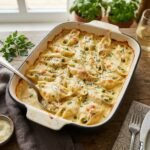
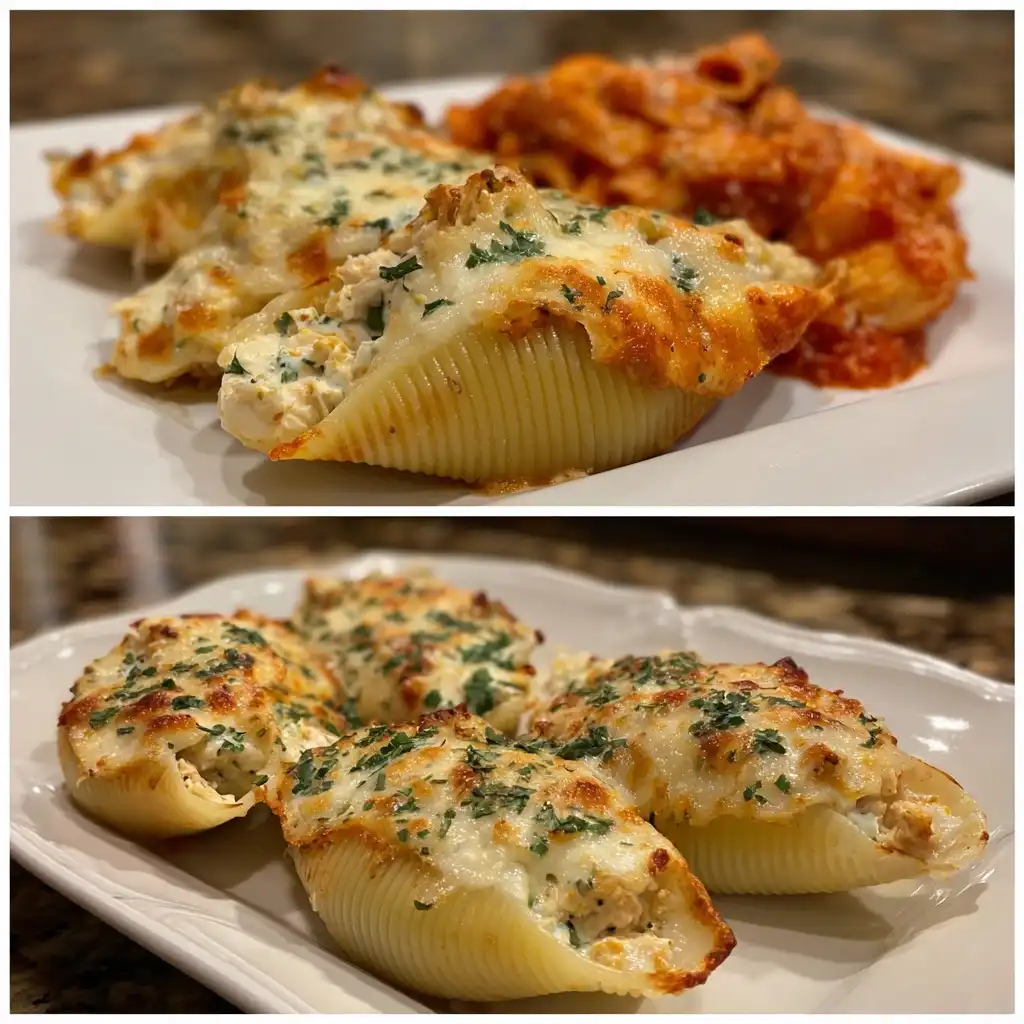
Chicken Alfredo Stuffed Shells are the ultimate comfort food reimagined — a luxurious, restaurant-worthy dish that brings together tender jumbo pasta shells, creamy homemade Alfredo sauce, savory shredded chicken, and a melty blend of cheeses, all baked to golden perfection. Unlike traditional baked ziti or lasagna, stuffed shells offer an elegant, bite-sized presentation with every forkful delivering balanced richness, texture, and depth of flavor. Whether you’re preparing a special family dinner, hosting guests, or simply craving something deeply satisfying yet surprisingly approachable, this dish delivers on both indulgence and ease. Its versatility makes it ideal for meal prep, potlucks, holiday sideboards, or even as a make-ahead freezer meal — proving that gourmet taste doesn’t require gourmet effort.
The History
Stuffed shells trace their roots back to Italian-American culinary traditions of the early-to-mid 20th century, evolving from classic conchiglie ripiene (stuffed conchiglie) brought over by Southern Italian immigrants. While traditional versions featured ricotta, spinach, and Parmesan, American home cooks began adapting them with accessible ingredients like mozzarella, cottage cheese, and later — as convenience foods rose in popularity — jarred Alfredo sauce. The fusion of chicken and Alfredo, however, is a distinctly American innovation born in the 1980s and ’90s, coinciding with the nationwide surge in popularity of fettuccine Alfredo in steakhouses and casual Italian eateries. As home chefs sought ways to elevate weeknight meals, combining protein-rich chicken with the velvety, buttery richness of Alfredo became a natural evolution — and stuffing that union into plump, blanched jumbo shells was the elegant, portion-controlled solution. Today’s Chicken Alfredo Stuffed Shells represent a harmonious marriage of Old World technique and New World creativity — a testament to how immigrant traditions adapt, innovate, and thrive across generations.
Ingredients Breakdown
Understanding each ingredient’s role ensures optimal flavor, texture, and structural integrity in your stuffed shells:
- Jumbo Pasta Shells (30–32 count): Look for “jumbo” or “extra-large” dry pasta shells — not medium or mini. Their wide cavity holds generous filling without tearing, while their ridged surface helps grip sauce during baking. Opt for bronze-die extruded pasta for superior sauce adhesion and al dente resilience.
- Boneless, Skinless Chicken Breasts or Thighs (1.5 lbs): Breasts yield lean, mild flavor; thighs offer deeper savoriness and juicier texture. Poaching or pan-searing before shredding preserves moisture and enhances umami.
- Unsalted Butter (½ cup): Provides foundational richness and emulsifying power for the Alfredo sauce. Clarified butter can be used for higher smoke point if browning aromatics.
- Heavy Cream (1.5 cups): The backbone of authentic Alfredo — its high fat content (36–40%) prevents curdling and delivers silkiness. Avoid half-and-half or milk substitutes unless modified with stabilizers (see Variations).
- Freshly Grated Parmigiano-Reggiano (1 cup, plus extra for garnish): Non-negotiable for authentic flavor and granular texture. Pre-grated “Parmesan” contains anti-caking agents that hinder melting and dull flavor.
- Garlic (4 cloves, minced): Fresh garlic adds aromatic complexity — sautéed gently to avoid bitterness. Roasted garlic paste can be substituted for mellow sweetness.
- Freshly Ground White Pepper (½ tsp): Traditional in classic Alfredo for its floral heat; black pepper works but imparts sharper, more volatile notes.
- Nutmeg (¼ tsp, freshly grated): A subtle, warm accent that complements dairy and enhances perceived richness without overpowering.
- Ricotta Cheese (15 oz whole-milk, well-drained): Adds light creaminess and binding structure. Drain overnight in cheesecloth for best texture — excess water causes filling separation.
- Mozzarella (1.5 cups shredded low-moisture, part-skim): Melts beautifully and provides stretch and browning. Avoid fresh mozzarella (too wet) or pre-shredded (coated in cellulose).
- Grated Romano Cheese (½ cup): Adds salty, tangy depth that balances Parmesan’s nuttiness — especially effective when blended into the filling.
- Fresh Parsley (¼ cup chopped, plus more for garnish): Brightens the dish with herbaceous freshness and visual contrast against golden-brown cheese.
- Salt (to taste, approx. 1.5 tsp total): Essential for seasoning each component: pasta water, chicken, sauce, and filling. Underseasoning is the #1 cause of “flat” Alfredo.
- Optional Flavor Enhancers: A splash of dry white wine (¼ cup) deglazed before adding cream; a tablespoon of cream cheese for extra stability; a pinch of cayenne for gentle warmth; or sun-dried tomato paste (1 tsp) for umami depth.
Step-by-Step Recipe
- Prep the Pasta Shells: Bring a large pot of heavily salted water (2 Tbsp kosher salt per 4 quarts) to a rolling boil. Add jumbo shells and cook for 9–10 minutes — just until pliable but still very firm (they’ll finish cooking in the oven). Drain immediately, rinse under cool water to stop cooking, and lay flat on parchment-lined baking sheets in a single layer to prevent sticking. Let air-dry 10 minutes.
- Cook & Shred the Chicken: Place chicken in a saucepan, cover with broth or water, add 1 tsp salt, ½ tsp black pepper, and 2 smashed garlic cloves. Simmer gently for 15–18 minutes until internal temp reaches 165°F. Remove, rest 5 minutes, then shred finely using two forks. Reserve ½ cup cooking liquid for sauce adjustment if needed.
- Prepare the Alfredo Sauce: In a heavy-bottomed saucepan, melt butter over medium-low heat. Add minced garlic; sauté 1 minute until fragrant (do not brown). Whisk in heavy cream, bring to a gentle simmer, then reduce heat to low. Gradually whisk in Parmigiano-Reggiano, ¼ cup at a time, allowing each addition to fully melt before adding more. Stir in white pepper, nutmeg, and salt to taste. Simmer 3–4 minutes until thickened to coat the back of a spoon. Remove from heat and stir in shredded chicken and ¼ cup reserved cooking liquid (if sauce seems tight). Let cool slightly — warm (not hot) sauce prevents ricotta from breaking.
- Make the Filling: In a large bowl, combine drained ricotta, 1 cup mozzarella, ½ cup Romano, parsley, ½ tsp salt, and ¼ tsp white pepper. Fold in the warm chicken-Alfredo mixture gently but thoroughly — do not overmix. Taste and adjust seasoning. Filling should be luxuriously thick but spoonable.
- Stuff the Shells: Using a small cookie scoop (1.5 Tbsp) or piping bag fitted with a wide plain tip, fill each shell generously — about 2 heaping tablespoons. Gently press filling into the cavity without overstuffing. Place upright in a lightly greased 13×9-inch baking dish. Arrange snugly in staggered rows for even baking.
- Top & Bake: Pour any remaining Alfredo-chicken mixture evenly over stuffed shells. Sprinkle remaining ½ cup mozzarella and 2 Tbsp Parmigiano-Reggiano over top. Cover tightly with foil (tent to prevent cheese sticking). Bake at 375°F for 25 minutes. Remove foil and bake uncovered 12–15 minutes until cheese is bubbly, golden, and edges are lightly caramelized.
- Rest & Serve: Let rest 10 minutes before serving — crucial for sauce setting and preventing filling collapse. Garnish with extra parsley and a final dusting of freshly grated Parmigiano-Reggiano.
Tips
- Perfect Pasta Texture: Undercook shells intentionally — they absorb sauce moisture and soften further during baking. Overcooked shells turn mushy and tear when stuffed.
- Drain Ricotta Like a Pro: Line a fine-mesh strainer with cheesecloth or coffee filter; add ricotta and refrigerate covered for 4–24 hours. Removes up to 30% water — resulting in firmer, richer filling.
- Sauce Temperature Matters: Never mix hot Alfredo directly into cold ricotta — the thermal shock causes graininess and separation. Cool sauce to ~120°F before folding in.
- Avoid Curdling: Keep cream-based sauces below simmer after cheese is added. Stir constantly with a wooden spoon — never a whisk (can incorporate too much air).
- Maximize Browning: For deeper color and flavor, broil uncovered shells for 1–2 minutes at the end — watch closely to prevent burning.
- Even Stuffing Technique: Use a small ice cream scoop or spring-loaded cookie dough scoop for uniform portions and faster assembly.
- Prevent Drying Out: If making ahead, assemble unbaked shells, cover tightly with plastic wrap + foil, and refrigerate up to 24 hours. Add 5–7 minutes to covered bake time.
- Freezer-Friendly Method: Freeze assembled (unbaked) shells on a parchment-lined tray until solid (2 hrs), then transfer to airtight container. Bake from frozen: cover + bake 45 min, uncover + bake 20–25 min.
- Serving Tip: Serve with a light arugula salad dressed in lemon vinaigrette and crusty garlic bread — the acidity cuts through the richness perfectly.
- Leftover Magic: Refrigerated leftovers (up to 4 days) reheat beautifully in the oven at 350°F covered for 20 minutes. Stir leftover filling into hot pasta for instant Chicken Alfredo or use as a dip base with roasted veggies.
Variations and Customizations
This recipe is wonderfully adaptable to dietary preferences, seasonal produce, pantry constraints, and global flavor profiles:
- Vegetarian Version: Omit chicken; substitute 1.5 cups roasted cauliflower florets, 1 cup sautéed wild mushrooms, or ¾ cup crumbled marinated tofu. Boost umami with 1 tsp miso paste whisked into the Alfredo sauce.
- Gluten-Free Option: Use certified GF jumbo pasta shells (brown rice or corn-based). Boil in separate water to avoid cross-contamination. Add ½ tsp xanthan gum to sauce for improved viscosity.
- Lighter Alfredo: Replace half the heavy cream with evaporated milk (not condensed); use part-skim ricotta and mozzarella; increase garlic and lemon zest (1 tsp) for brightness without added fat.
- Spicy Arrabbiata-Inspired: Sauté 1 diced red Fresno chili and ½ tsp crushed red pepper flakes with garlic; stir in 2 Tbsp tomato paste before adding cream. Finish with fresh basil instead of parsley.
- Truffle Elegance: Infuse cream with 1 tsp white truffle oil off-heat; fold in 1 Tbsp finely grated black truffle (or high-quality truffle paste) at the end. Top with microgreens.
- Mediterranean Twist: Add ⅓ cup chopped sun-dried tomatoes (oil-packed, patted dry), 2 Tbsp crumbled feta, and 1 tsp dried oregano to filling. Substitute Romano with Pecorino.
- Smoky Chipotle: Blend 1–2 canned chipotles in adobo into the Alfredo sauce; add 1 tsp smoked paprika and ½ tsp cumin. Garnish with pickled red onions.
- Keto/Low-Carb Alternative: Replace pasta shells with blanched large napa cabbage leaves or hollowed-out zucchini boats (salted, drained, and patted dry). Reduce cheese slightly to balance macros.
- Instant Pot Shortcut: Cook shells 6 minutes on high pressure with 1 cup water (use trivet); quick release. Poach chicken 8 minutes on high pressure. Make sauce on sauté mode — full dish ready in under 45 minutes.
- Meal Prep Pro: Portion filling into silicone muffin cups (lined with parchment), freeze solid, then store in bags. Thaw overnight, stuff into fresh shells, and bake.
Health Considerations and Nutritional Value
While Chicken Alfredo Stuffed Shells are undeniably rich, mindful preparation transforms them into a nutritionally balanced, protein-forward entrée suitable for most dietary frameworks:
- Macronutrient Profile (per serving, 6 shells): Approx. 580–620 kcal | 32–36g protein | 34–38g carbohydrates (of which 2g fiber) | 34–38g total fat (19–22g saturated). The high protein content promotes satiety, while complex carbs from pasta provide sustained energy.
- Calcium & Vitamin D Synergy: Parmigiano-Reggiano offers highly bioavailable calcium (336mg per ¼ cup), enhanced by vitamin D from fortified dairy components — supporting bone health and muscle function.
- Lean Protein Benefits: Chicken breast provides complete amino acids, selenium, and B vitamins (especially B6 and niacin) critical for metabolism and immune support.
- Dairy Fat Nuance: Contrary to outdated guidelines, recent meta-analyses (e.g., The Lancet Global Health, 2018) associate full-fat dairy with neutral or even beneficial cardiovascular outcomes when consumed as part of a balanced diet — the saturated fat here is accompanied by conjugated linoleic acid (CLA) and butyrate precursors.
- Smart Sodium Management: Control salt by omitting added salt in poaching liquid, using low-sodium broth, and relying on aged cheeses’ natural savoriness. Total sodium can be reduced to ~520mg/serving with these tweaks.
- Digestive Wellness: Ricotta’s lactic acid bacteria (when fresh and unpasteurized cultures remain) support gut microbiota — though most commercial ricotta is pasteurized. Adding 1 Tbsp fermented sauerkraut juice to filling boosts probiotics.
- Allergen Awareness: Naturally gluten-free? No — but easily adapted (see Variations). Contains dairy, eggs (in some pastas), and potential cross-contact with nuts (check cheese labels for shared facilities).
- Portion Mindfulness: Serving 5–6 shells with a large green salad yields ~75% of daily protein needs for average adults — helping curb mindless snacking later.
- Anti-Inflammatory Upgrades: Incorporate turmeric (¼ tsp) into sauce, use pasture-raised chicken (higher omega-3s), and top with walnuts (crushed) for polyphenols and ALA.
- Pediatric & Senior Adaptations: For kids: reduce garlic, add mild cheddar, serve with apple slices. For seniors: boost soft texture with extra ricotta, add pureed spinach for iron/folate, and ensure adequate hydration post-meal due to sodium content.
Ingredients
- 30–32 jumbo pasta shells (uncooked)
- 1.5 lbs boneless, skinless chicken breasts or thighs
- 1½ cups low-sodium chicken broth or water (for poaching)
- ½ cup unsalted butter
- 4 cloves garlic, minced
- 1.5 cups heavy cream (36–40% fat)
- 1 cup freshly grated Parmigiano-Reggiano cheese, plus extra for garnish
- ¼ tsp freshly grated nutmeg
- ½ tsp freshly ground white pepper
- 1.5 tsp kosher salt (plus more for pasta water)
- 15 oz whole-milk ricotta cheese, well-drained (see Tips)
- 1.5 cups low-moisture mozzarella cheese, shredded
- ½ cup grated Pecorino Romano cheese
- ¼ cup fresh flat-leaf parsley, finely chopped
Directions
- Bring 4 quarts of water to a boil in a large Dutch oven. Add 2 Tbsp kosher salt. Add pasta shells and cook for 9–10 minutes until pliable but very firm. Drain, rinse under cool water, and spread in a single layer on parchment-lined baking sheets. Let air-dry 10 minutes.
- While pasta cooks, poach chicken: Place chicken in a saucepan, cover with broth/water, add 1 tsp salt, ½ tsp black pepper, and 2 smashed garlic cloves. Bring to a gentle simmer over medium heat. Reduce heat to low, cover, and cook 15–18 minutes until internal temperature reaches 165°F. Transfer chicken to a cutting board, let rest 5 minutes, then shred finely with two forks. Reserve ½ cup cooking liquid.
- In a heavy-bottomed saucepan, melt butter over medium-low heat. Add minced garlic and sauté 1 minute until fragrant. Whisk in heavy cream and bring to a gentle simmer. Reduce heat to low. Gradually whisk in Parmigiano-Reggiano, ¼ cup at a time, allowing each addition to fully melt before adding more. Stir in nutmeg, white pepper, and remaining salt. Simmer 3–4 minutes until thickened to coat the back of a spoon. Remove from heat and stir in shredded chicken and ¼ cup reserved cooking liquid. Let cool 5–7 minutes.
- In a large mixing bowl, combine drained ricotta, 1 cup mozzarella, ½ cup Romano, parsley, ½ tsp salt, and ¼ tsp white pepper. Gently fold in warm chicken-Alfredo mixture until fully incorporated but not overmixed. Taste and adjust seasoning.
- Preheat oven to 375°F. Lightly grease a 13×9-inch baking dish. Using a 1.5-Tbsp cookie scoop or piping bag, fill each shell generously with filling. Place upright in baking dish in staggered rows.
- Pour any remaining Alfredo-chicken mixture evenly over shells. Sprinkle with remaining ½ cup mozzarella and 2 Tbsp Parmigiano-Reggiano.
- Cover tightly with aluminum foil (tent to prevent cheese contact). Bake 25 minutes. Remove foil and bake uncovered 12–15 minutes until cheese is golden and bubbly.
- Let rest 10 minutes before serving. Garnish with extra parsley and freshly grated Parmigiano-Reggiano.
FAQ
- Can I use jarred Alfredo sauce?
- Yes — but with caveats. Choose a high-fat, refrigerated brand (e.g., Bertolli or Classico) over shelf-stable varieties, which contain stabilizers that inhibit melting and create gummy textures. Warm gently before mixing with chicken and ricotta. For best results, enhance with 2 Tbsp butter, extra garlic, and ¼ cup grated Parmesan.
- Why do my shells crack when stuffing?
- Overcooking is the primary culprit — shells become fragile and brittle. Ensure they’re undercooked (9–10 minutes), cooled properly, and handled gently. Also, avoid overfilling; the filling should mound slightly but not bulge.
- Can I prepare this a day ahead?
- Absolutely. Assemble unbaked shells, cover tightly with plastic wrap pressed directly onto the surface, then wrap with foil. Refrigerate up to 24 hours. When ready to bake, remove plastic, cover with foil, and add 5–7 minutes to the initial covered bake time.
- How do I prevent the sauce from separating?
- Three keys: (1) Never boil the sauce after cheese is added; (2) Use room-temperature ricotta and warm (not hot) sauce; (3) Whisk cheese in gradually over low heat. If separation occurs, whisk vigorously off-heat with 1 tsp cold butter — the emulsifiers will help rebind it.
- What’s the best cheese substitute for dairy-free?
- For creamy texture: soaked raw cashews blended with nutritional yeast, lemon juice, and garlic. For melt: Violife or Miyoko’s mozzarella shreds. Note: flavor and mouthfeel differ significantly — consider labeling as “Alfredo-inspired” for transparency.
- Can I freeze baked stuffed shells?
- Yes, but texture may suffer slightly. Cool completely, portion into airtight containers with sauce, and freeze up to 3 months. Reheat covered at 350°F for 35–40 minutes, then uncover for 5–10 minutes to crisp.
- Is there a way to make this lower in carbs?
- Beyond keto alternatives (cabbage/zucchini), try reducing pasta by 25% and increasing chicken and ricotta proportionally. Or serve 3–4 shells alongside a hearty lentil-walnut “stuffing” salad for volume without excess starch.
- Why does my Alfredo taste bland?
- Underseasoning is almost always the issue. Salt enhances all other flavors. Always season pasta water aggressively, taste sauce before adding cheese, and adjust salt *after* cheese is incorporated (cheeses vary widely in sodium). Freshly grated cheese also makes a dramatic difference.
- Can I add vegetables without watering down the filling?
- Yes — but they must be thoroughly dried. Sauté spinach until wilted, then squeeze in a clean towel. Roast broccoli or zucchini until deeply caramelized and dry. Blanch asparagus and pat completely dry. Limit additions to ½ cup total per batch.
- What wine pairs well with Chicken Alfredo Stuffed Shells?
- A crisp, high-acid white balances the richness: unoaked Chardonnay, Vermentino, or Grüner Veltliner. For red lovers, choose a lighter-bodied, low-tannin option like chilled Beaujolais Nouveau or Barbera d’Asti.
Summary
Chicken Alfredo Stuffed Shells are a masterclass in comforting elegance — blending tender jumbo pasta, velvety house-made Alfredo, succulent shredded chicken, and a trio of premium cheeses into a visually stunning, deeply satisfying baked casserole that’s as practical for weeknight dinners as it is impressive for entertaining.
With smart techniques — from perfectly al dente shells and properly drained ricotta to temperature-controlled sauce assembly — plus endless customization options for dietary needs and flavor cravings, this dish transcends its humble origins to become a timeless, adaptable centerpiece worthy of any table, any season, and any generation.