Introduction
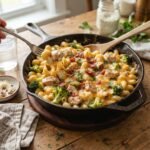
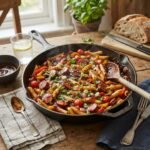
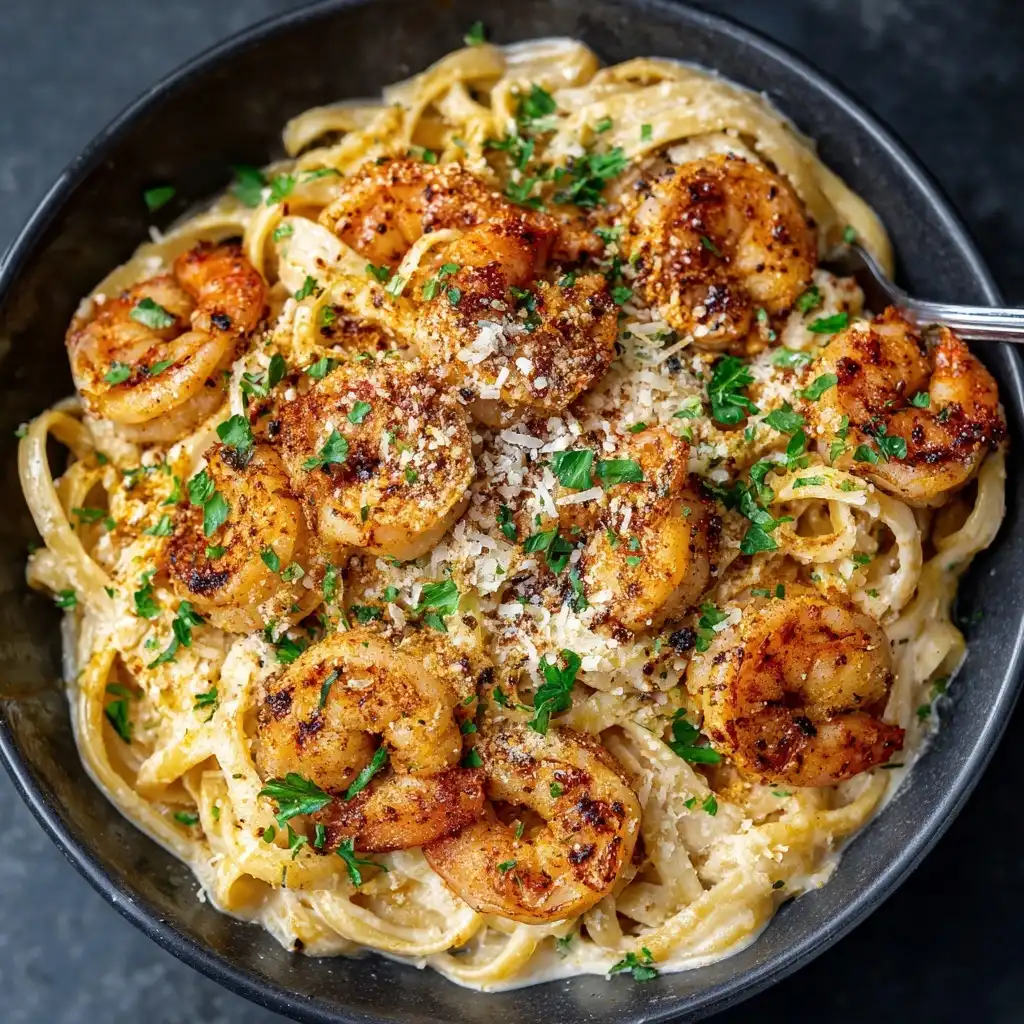
Cajun Shrimp Alfredo is a bold, luxurious fusion dish that marries the creamy, velvety richness of classic Italian Alfredo sauce with the fiery, aromatic soul of Louisiana Cajun cuisine. This beloved restaurant favorite—and increasingly popular home-cooked meal—delivers an unforgettable sensory experience: tender, plump shrimp kissed with smoky paprika, cayenne heat, garlic, and thyme, all enrobed in a luscious, garlicky Parmesan cream sauce and tossed with perfectly al dente fettuccine. It’s comfort food with character—elegant enough for date night yet approachable enough for weeknight cooking, striking that rare balance between indulgence and vibrancy. Whether you’re craving depth, heat, umami, or pure textural satisfaction, Cajun Shrimp Alfredo answers with every forkful.
The History
The origins of Cajun Shrimp Alfredo lie not in centuries-old tradition but in the dynamic, cross-cultural evolution of American cuisine—specifically the late 20th-century rise of “Americanized Italian” and “Cajun-Italian fusion” trends. Traditional Alfredo sauce traces back to early 1900s Rome, where Alfredo di Lelio created a simple, butter-and-Parmesan emulsion to soothe his wife’s postpartum nausea. It crossed the Atlantic in the 1920s, gaining Hollywood fame when Douglas Fairbanks and Mary Pickford dined at his restaurant—yet the heavy cream and garlic now associated with “Alfredo” in the U.S. are largely domestic innovations. Meanwhile, Cajun cuisine emerged from the Acadian (French-Canadian) exiles who settled in rural south Louisiana after the Great Expulsion of 1755. Their rustic, one-pot “country cooking” emphasized local ingredients—crawfish, okra, rice, and the iconic “holy trinity” (onions, bell peppers, celery)—seasoned with bold, hand-blended spice mixes featuring cayenne, white pepper, garlic powder, and smoked paprika. The marriage of these two culinary worlds began gaining traction in the 1980s and 1990s, particularly in upscale casual chains and New Orleans–adjacent bistros seeking to elevate pasta with regional flair. Chefs recognized the natural synergy: the fat-rich Alfredo base beautifully tempers Cajun heat, while the spice blend adds complexity that cuts through the sauce’s decadence. Over time, home cooks embraced the dish via food magazines, early food blogs, and viral recipe videos—transforming it into a modern staple symbolizing confident, flavorful, boundary-blurring cooking.
Ingredients Breakdown
Every exceptional Cajun Shrimp Alfredo begins with intentionality—not just listing ingredients, but understanding their roles, sourcing nuances, and functional interplay:
- Shrimp: Large (21/25 or 16/20 count per pound), wild-caught Gulf shrimp are ideal—sweet, firm, and sustainably harvested. Avoid pre-cooked or “enhanced” shrimp (soaked in sodium tripolyphosphate), which turn rubbery and dilute flavor. Devein thoroughly; tails can be left on for presentation or removed for ease.
- Cajun Seasoning: A cornerstone—not an afterthought. Authentic blends contain toasted garlic, onion, dried thyme, oregano, smoked paprika (not sweet), cayenne (for heat control), white and black pepper, and minimal salt. Store-bought works, but homemade ensures no anti-caking agents or excess sodium—and lets you tailor heat. Key tip: Bloom spices in hot oil before adding shrimp to unlock volatile oils and deepen flavor.
- Pasta: Fettuccine remains the gold standard—its broad, flat ribbons cradle sauce luxuriously. Fresh pasta offers superior texture and absorbs sauce more readily; dried bronze-die extruded fettuccine provides ideal surface tooth for clinging. Never overcook—al dente is non-negotiable, as pasta continues cooking when tossed with hot sauce.
- Alfredo Base: True elegance lies in layering richness—not dumping heavy cream. Start with high-fat unsalted butter (European-style, 82–84% fat) for nutty depth. Add minced garlic and shallots early to infuse fat without burning. Use freshly grated *Parmigiano-Reggiano* (not pre-grated “Parmesan”)—its crystalline structure melts smoothly and delivers complex umami. Heavy cream (36–40% fat) adds body and sheen, while a splash of pasta water (starchy, hot) acts as an emulsifier to bind everything into silk.
- Aromatics & Finishers: Yellow onions, green bell peppers, and celery—the “holy trinity”—sautéed until soft and sweet, form the savory backbone. Fresh parsley adds brightness; a squeeze of lemon juice (added off-heat) lifts richness with acidity; a final grating of lemon zest intensifies aroma. Optional but transformative: a pat of cold, unsalted butter swirled in at the end (“monter au beurre”) for gloss and mouth-coating luxury.
Step-by-Step Recipe
- Prep & Mise en Place (15 minutes): Pat shrimp *very* dry with paper towels—this ensures proper sear, not steam. Mix Cajun seasoning (2 tbsp for medium heat; adjust up/down). Mince 4 garlic cloves (2 for shrimp, 2 for sauce), finely dice 1 small yellow onion, 1/2 green bell pepper, and 1 rib celery. Grate 1 1/2 cups Parmigiano-Reggiano. Measure 1 cup heavy cream, 1/2 cup reserved pasta water, and juice of 1/2 lemon. Bring a large pot of heavily salted water (2 tbsp kosher salt) to a rolling boil.
- Toast & Bloom Spices (2 minutes): Heat 1 tbsp neutral oil (avocado or grapeseed) in a wide, heavy-bottomed skillet or Dutch oven over medium-high heat. Add 1 tsp smoked paprika and 1/2 tsp cayenne. Stir constantly 30 seconds until fragrant—do not burn. Remove from heat briefly to cool 10 seconds, then return to medium.
- Season & Sear Shrimp (3–4 minutes): Toss dried shrimp with 1 1/2 tbsp Cajun seasoning. Add to hot skillet in a single layer. Cook undisturbed 1.5 minutes until opaque on bottom, then flip and cook 1–1.5 minutes more—shrimp should be *just* pink and curled, not tight or grey. Remove immediately to a clean bowl—carryover cooking will finish them. Set aside, loosely covered.
- Sauté Holy Trinity (5 minutes): Reduce heat to medium. Add 2 tbsp unsalted butter. Once foaming subsides, add onion, pepper, and celery. Sauté 4–5 minutes until softened and translucent but not browned. Add reserved 2 minced garlic cloves; cook 45 seconds until fragrant.
- Build the Alfredo Sauce (6–7 minutes): Pour in heavy cream. Bring to a gentle simmer (small bubbles at edges), stirring often. Reduce heat to low. Gradually whisk in grated Parmigiano-Reggiano, 1/4 cup at a time, allowing each addition to melt fully before adding more. Simmer 3–4 minutes, stirring constantly with a wooden spoon or heatproof spatula, until sauce thickens to coat the back of a spoon. Do not boil vigorously—it may separate. Stir in 1/4 tsp freshly grated nutmeg (optional but classic).
- Cook Pasta Perfectly (10–11 minutes): Add fettuccine to boiling water. Stir immediately to prevent sticking. Cook 1 minute *less* than package directions for al dente. Reserve 1/2 cup starchy pasta water before draining. Drain pasta—but do *not* rinse.
- Combine & Emulsify (3 minutes): Return drained pasta to the hot pot. Pour warm Alfredo sauce over top. Gently fold with tongs. Add reserved pasta water, 2 tbsp at a time, tossing vigorously after each addition until sauce becomes glossy, cohesive, and clings evenly. Sauce should flow slowly off tongs—not run nor clump.
- Integrate Shrimp & Finish (2 minutes): Gently fold in seared shrimp and any accumulated juices. Add lemon juice, 1 tbsp fresh chopped parsley, and a generous crack of black pepper. Taste and adjust: more salt? A pinch more cayenne? A final 1/4 tsp lemon zest? Swirl in 1 tbsp cold butter for ultimate silkiness. Serve immediately.
Tips
- Dry Shrimp Relentlessly: Moisture is the enemy of caramelization. After deveining, lay shrimp on triple-layered paper towels, press gently, and let air-dry 5 minutes uncovered.
- Control Heat Like a Pro: Cajun seasoning burns at ~350°F. Always bloom spices in oil *off-heat first*, then return to medium. For shrimp, use medium-high—but pull pan off burner if oil smokes.
- Grate Cheese Yourself: Pre-grated cheese contains cellulose (anti-caking) that prevents smooth melting and creates graininess. A microplane yields the finest, most meltable texture.
- Pasta Water Is Liquid Gold: Its starch content is essential for binding fat and water in the sauce. Reserve *before* draining—and use it warm.
- Undercook Pasta Intentionally: Dried pasta absorbs sauce heat and continues cooking. If package says 12 minutes, cook 11. Fresh pasta? Cook 1–2 minutes less than recommended.
- Never Boil the Sauce: Simmering is fine; rolling boils cause dairy proteins to curdle and fats to separate. Keep heat low and stir constantly during reduction.
- Acid Is Non-Negotiable: Lemon juice added *after* cooking brightens and balances. Adding it too early diminishes its vibrant top note. Zest amplifies citrus aroma exponentially.
- Rest Shrimp Before Adding: Letting seared shrimp cool 2 minutes prevents overcooking when folded into hot pasta. Cold shrimp + hot sauce = perfect doneness.
- Use a Wide Skillet: Surface area matters. A cramped pan steams shrimp instead of searing. A 12-inch skillet ensures even heat distribution and space for the trinity to sweat properly.
- Taste, Then Adjust—Twice: Taste sauce before adding pasta (adjust salt/heat), then again after combining (adjust acid/freshness). Your palate is the final authority.
Variations and Customizations
This recipe is a canvas—versatile enough for dietary needs, seasonal produce, pantry swaps, and global twists:
- Protein Swaps: Replace shrimp with scallops (dry-sear in same manner), grilled chicken breast (marinated in Cajun rub + lime), or plant-based “shrimp” (made from konjac or soy, sautéed with extra garlic and Old Bay for depth).
- Vegetable Boosters: Add 1 cup roasted cherry tomatoes (halved, tossed in olive oil, salt, and thyme, roasted at 400°F for 15 mins) for sweetness and acidity. Sautéed spinach or Swiss chard (wilted at the end) adds color and iron. Roasted corn kernels bring Southern sweetness and crunch.
- Gluten-Free Adaptation: Use certified GF fettuccine (brown rice, lentil, or chickpea-based). Ensure Cajun seasoning is GF-certified (some blends contain wheat starch). Thicken sauce with 1 tsp xanthan gum whisked into cold cream before heating.
- Dairy-Free / Vegan Option: Substitute cashew cream (1 cup soaked raw cashews + 3/4 cup water, blended ultra-smooth) for heavy cream; nutritional yeast (1/3 cup) + white miso (1 tsp) for umami/Parmesan depth; vegan butter; and coconut milk (full-fat, canned) for richness. Toast spices in refined coconut oil.
- Low-Carb / Keto-Friendly: Serve over spiralized zucchini noodles (“zoodles”), blanched 1 minute in salted water, then shocked in ice water and squeezed *very* dry. Or use shirataki noodles, rinsed and dry-sautéed 3 minutes to remove moisture. Increase healthy fats: add avocado slices or crispy pancetta bits.
- Spice Level Spectrum: Mild: Omit cayenne, use 1/4 tsp smoked paprika, add 1/2 tsp brown sugar. Medium: As written. Hot: Add 1/2 tsp ground chipotle + 1/4 tsp cayenne. Nuclear: Infuse cream with 1 deseeded habanero (remove after simmering) + 1/4 tsp ghost pepper powder.
- Gourmet Twists: Add 1/4 cup diced Andouille sausage (browned first) for smoky depth. Stir in 2 tbsp capers and 1 tbsp chopped sun-dried tomatoes for briny, tangy complexity. Finish with crumbled blue cheese or goat cheese for funky contrast.
- Make-Ahead & Meal Prep: Cook shrimp and sauce separately up to 2 days ahead; store chilled. Reheat sauce gently with splash of cream/milk. Cook pasta fresh and combine. Freeze sauce (without cheese) for up to 3 months; thaw overnight, reheat, then whisk in fresh cheese.
- Global Fusion Riffs: Cajun-Tikka: Add 1 tsp garam masala + 1 tbsp yogurt to sauce; garnish with cilantro and mango chutney. Cajun-Mediterranean: Swap parsley for basil, add kalamata olives and roasted red peppers. Cajun-Asian: Use sesame oil for bloom, add ginger and soy sauce, garnish with scallions and sesame seeds.
Health Considerations and Nutritional Value
While Cajun Shrimp Alfredo is inherently rich, mindful preparation transforms it from occasional treat to a nutritionally thoughtful meal—balancing indulgence with integrity:
- Shrimp Nutrition Highlights: An excellent source of lean protein (20g per 3-oz serving), selenium (critical for thyroid and antioxidant function), vitamin B12 (nerve health), and astaxanthin—a potent anti-inflammatory carotenoid giving shrimp its pink hue. Low in saturated fat and calories, especially when not breaded or deep-fried.
- Cream & Cheese Considerations: Heavy cream contributes saturated fat (about 5g per 1/4 cup) and calories, but also fat-soluble vitamins A and D. Opting for grass-fed dairy increases omega-3s and CLA (conjugated linoleic acid). Parmigiano-Reggiano offers calcium (336mg per 1/4 cup), phosphorus, and bioactive peptides supporting bone and vascular health.
- Spice Benefits: Cayenne contains capsaicin—shown to boost metabolism, reduce appetite, and possess anti-inflammatory properties. Garlic supports cardiovascular health (lowers blood pressure, improves cholesterol) and immune function. Paprika is rich in vitamin A (beta-carotene) and antioxidants.
- Smart Swaps for Wellness: Reduce sodium by using low-sodium broth in place of some cream, or cutting added salt by 50% and boosting herbs/spices. Increase fiber and micronutrients by adding 1 cup chopped kale or broccoli florets (steamed 3 minutes) to the trinity step. Choose whole-grain or legume-based pasta for sustained energy and gut-friendly fiber.
- Portion Mindfulness: A satisfying serving is 1 1/4 cups cooked pasta + 4 oz shrimp + 1/3 cup sauce. Pair with a large side salad (mixed greens, cherry tomatoes, lemon vinaigrette) to increase volume, fiber, and nutrient density without excess calories.
- Allergen & Sensitivity Notes: Naturally gluten-free if using GF pasta and certified GF seasoning. Contains dairy (butter, cream, cheese) and shellfish. For histamine sensitivity: avoid aged cheeses (opt for fresher Pecorino Romano); use pasteurized cream (lower histamine than raw). For low-FODMAP: substitute garlic-infused oil (no garlic solids), use lactose-free cream, and limit onion/celery (replace with bok choy stems and green parts of scallions).
- Heart-Healthy Tweaks: Replace half the butter with heart-healthy olive oil. Use 1/2 cup cream + 1/2 cup unsweetened almond milk for lighter texture. Add 1 tbsp flaxseed meal to sauce for omega-3s and thickness.
- Nutrition Snapshot (Per Serving, Approx.): Calories: 680 | Protein: 38g | Carbs: 52g (Fiber: 3g) | Fat: 32g (Saturated: 18g) | Sodium: 720mg (varies by seasoning/salt) | Calcium: 280mg | Iron: 3.2mg | Vitamin A: 35% DV | Vitamin C: 25% DV (from veggies/lemon).
Ingredients
- 1 lb large (21/25 count) raw shrimp, peeled and deveined (tails on or off)
- 2 tbsp homemade or high-quality store-bought Cajun seasoning (see breakdown for heat guidance)
- 1 tbsp neutral high-heat oil (avocado, grapeseed, or refined coconut)
- 2 tbsp unsalted butter (European-style preferred)
- 1 small yellow onion, finely diced
- 1/2 green bell pepper, finely diced
- 1 rib celery, finely diced
- 4 garlic cloves, minced (2 for shrimp, 2 for sauce)
- 1 cup heavy cream (36–40% fat)
- 1 1/2 cups freshly grated Parmigiano-Reggiano cheese (not pre-grated)
- 12 oz fettuccine pasta (fresh or dried; see variations for GF/keto options)
- 1/2 cup reserved starchy pasta water
- Juice of 1/2 lemon (about 1 tbsp)
- 1 tbsp fresh flat-leaf parsley, finely chopped
- Freshly ground black pepper
- Lemon zest (optional, for finishing)
- Cold unsalted butter (1 tbsp, optional “monter au beurre” finish)
Directions
- Prepare all ingredients as directed in the Ingredients list. Measure and organize—mise en place is essential for seamless execution.
- In a small bowl, toss shrimp with 1 1/2 tablespoons Cajun seasoning until evenly coated. Set aside.
- Heat oil in a 12-inch heavy-bottomed skillet or Dutch oven over medium-high heat. Add 1 teaspoon smoked paprika and 1/2 teaspoon cayenne. Stir constantly for 30 seconds until deeply fragrant. Remove pan from heat for 10 seconds, then return to medium heat.
- Add seasoned shrimp in a single layer. Cook undisturbed for 1.5 minutes, until bottoms are opaque and lightly golden. Flip and cook 1–1.5 minutes more, just until shrimp curl and turn fully pink. Transfer immediately to a clean bowl. Cover loosely with foil.
- Reduce heat to medium. Add 2 tablespoons butter to the same skillet. Once melted and foaming subsides, add onion, bell pepper, and celery. Sauté 4–5 minutes, stirring occasionally, until softened and aromatic but not browned.
- Add 2 minced garlic cloves. Cook 45 seconds, stirring constantly, until fragrant.
- Pour in heavy cream. Bring to a gentle simmer over medium-low heat (small bubbles at edges). Reduce heat to low.
- Gradually whisk in grated Parmigiano-Reggiano, 1/4 cup at a time, allowing each addition to melt completely before adding the next. Continue whisking constantly for 3–4 minutes, until sauce thickens to coat the back of a spoon. Do not boil.
- While sauce simmers, bring 4–5 quarts of water to a rolling boil. Add 2 tablespoons kosher salt. Add fettuccine and cook, stirring occasionally, for 1 minute less than package instructions indicate.
- Reserve 1/2 cup starchy pasta water, then drain pasta in a colander. Do not rinse.
- Return drained pasta to the hot cooking pot. Pour warm Alfredo sauce over top. Using tongs, gently fold to coat. Add reserved pasta water, 2 tablespoons at a time, tossing vigorously after each addition until sauce is glossy, emulsified, and clings evenly to noodles.
- Gently fold in cooked shrimp and any accumulated juices. Add lemon juice, parsley, and several generous grinds of black pepper. Taste and adjust seasoning—add more salt, cayenne, or lemon as desired.
- For ultimate luxury, swirl in 1 tablespoon cold unsalted butter and/or a sprinkle of lemon zest. Serve immediately in warmed bowls.
FAQ
- Can I use frozen shrimp?
- Yes—but thaw *completely* in the refrigerator overnight, then pat *extremely* dry. Never cook frozen shrimp directly; excess water causes steaming and dilutes flavor. Avoid “EZ Peel” or “pre-cooked” frozen shrimp—they’re often mushy and salty.
- Why does my Alfredo sauce break or look greasy?
- Breaking occurs from overheating (boiling), adding cheese too quickly, or using pre-grated cheese with anti-caking agents. Always use low heat, grate cheese yourself, add gradually while whisking, and incorporate starchy pasta water to stabilize the emulsion.
- Can I make this ahead of time?
- You can prep components: season and refrigerate shrimp (up to 24 hrs); chop trinity (up to 2 days); grate cheese (up to 5 days, sealed). Cooked sauce (without cheese) freezes well for 3 months. However, for best texture, cook pasta fresh and combine all elements just before serving.
- What’s the best substitute for heavy cream?
- For closest texture: full-fat coconut milk (canned, stirred well). For lighter option: whole milk + 2 tbsp cornstarch (whisked into cold milk, then heated). Avoid low-fat dairy—it lacks fat to carry flavor and emulsify properly.
- My dish is too spicy! How do I fix it?
- Immediately stir in 1–2 tbsp sour cream or plain Greek yogurt to cool heat. Add extra pasta water or a splash of milk to dilute. Finish with more lemon juice and a pinch of sugar to balance. Next time, reduce cayenne by half and add heat incrementally.
- Can I bake this as a casserole?
- Absolutely! Assemble sauced pasta and shrimp in a greased baking dish. Top with extra 1/4 cup Parmigiano-Reggiano and 1/4 cup panko breadcrumbs mixed with 1 tbsp melted butter. Bake at 375°F for 20–25 minutes until bubbly and golden. Broil 1–2 minutes for crisp topping.
- Is traditional Cajun seasoning gluten-free?
- Most commercial blends are, but always check labels—some contain wheat flour or soy sauce. Homemade is safest. Brands like Slap Ya Mama (Original) and Tony Chachere’s (Original) are certified GF.
- How do I prevent rubbery shrimp?
- Three keys: 1) Use large shrimp—they cook more evenly; 2) Dry thoroughly before seasoning; 3) Cook *only* until opaque and just curled—overcooking is irreversible. Remove from heat while still slightly translucent in the center (carryover cooking finishes them).
- Can I use a different pasta shape?
- Yes! Linguine, tagliatelle, or pappardelle work beautifully. For bite, try campanelle or fusilli—their ridges and curves hold sauce marvelously. Avoid delicate pastas like angel hair, which overpowers easily.
- What wine pairs best with Cajun Shrimp Alfredo?
- A crisp, high-acid white cuts richness and complements spice: an off-dry Riesling (Kabinett), Viognier, or unoaked Chardonnay. For red lovers, a light-bodied, low-tannin Pinot Noir with bright red fruit works surprisingly well. Avoid heavy, oaky reds—they clash with the cream and heat.
Summary
Cajun Shrimp Alfredo is a masterclass in culinary harmony—where the fiery, smoky depth of Louisiana spice meets the sumptuous, velvety embrace of Italian-inspired cream and cheese, all elevated by sweet, succulent Gulf shrimp and perfectly textured pasta. It’s a dish that rewards attention to detail, celebrates bold flavors without sacrificing balance, and transforms everyday ingredients into something deeply comforting, vibrantly alive, and unmistakably special.