Introduction
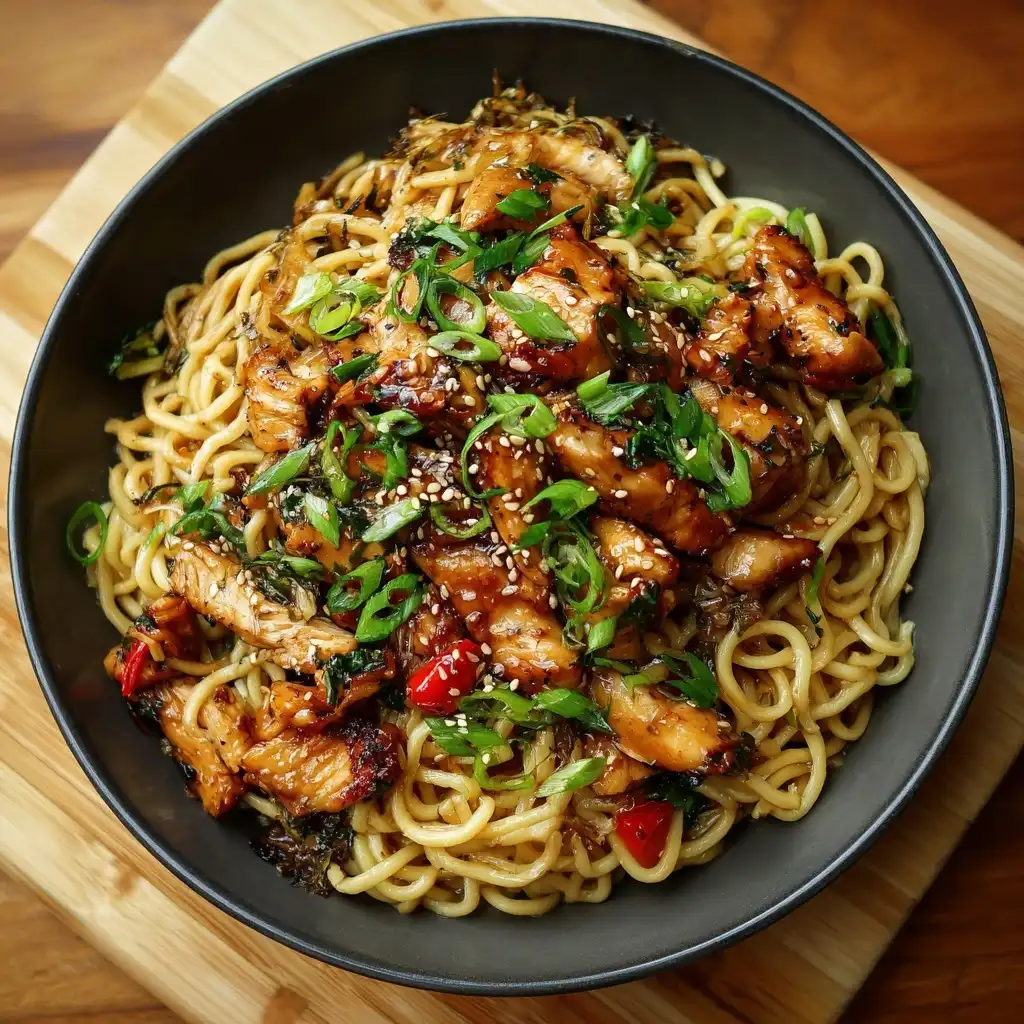
Teriyaki Chicken Noodles are a beloved fusion dish that masterfully bridges the rich traditions of Japanese cuisine with the comforting familiarity of Western noodle preparations. At its heart lies tender, marinated chicken glazed in a glossy, umami-packed teriyaki sauce—sweet, savory, and subtly tangy—served over springy, chewy noodles and adorned with vibrant vegetables and aromatic garnishes. This dish transcends mere sustenance; it’s an experience—a harmonious balance of texture, temperature, and flavor that satisfies both the palate and the soul. Whether served as a quick weeknight dinner, a meal-prep staple, or an impressive yet approachable centerpiece for casual entertaining, Teriyaki Chicken Noodles embody versatility, depth, and culinary accessibility. Its global popularity speaks to its universal appeal: deeply flavorful without being intimidating, elegant without demanding professional technique, and endlessly adaptable to dietary preferences and pantry constraints.
The History
The origins of Teriyaki Chicken Noodles lie not in a single historical moment, but in a layered evolution spanning centuries and continents. The word “teriyaki” itself is Japanese—teri meaning “luster” or “shine,” and yaki meaning “grill” or “broil”—referring to the traditional cooking method where proteins are grilled or broiled after being brushed with a glaze made from soy sauce, mirin, and sugar. This technique dates back to at least the 17th century in Japan, where it was used primarily for fish like mackerel and eel, prized for its ability to caramelize and create a glossy, caramelized crust while preserving moisture and enhancing natural sweetness.
Chicken entered the teriyaki repertoire much later—initially as a more affordable and widely available protein in post-war Japan—and gained international prominence through Japanese-American communities in Hawaii and California during the mid-20th century. Hawaiian chefs, influenced by local ingredients and immigrant culinary practices, began adapting teriyaki with brown sugar, pineapple juice, and garlic, giving rise to the sweeter, bolder profile many Westerners associate with the term today. Meanwhile, in mainland U.S. restaurants—from family-run sushi bars to pan-Asian diners—chefs fused teriyaki with stir-fry traditions and American noodle preferences (like udon, soba, and eventually ramen or even spaghetti), birthing what we now recognize as “Teriyaki Chicken Noodles.” Though not a dish found on traditional Japanese menus in this exact form, it stands as a proud example of culinary syncretism: respectful of foundational techniques while boldly embracing innovation, globalization, and home-cook ingenuity.
Ingredients Breakdown
Understanding each component of Teriyaki Chicken Noodles is essential—not just for replication, but for intelligent customization and flavor mastery. Below is a meticulous breakdown of every ingredient, including its functional role, regional variations, and substitution logic:
- Chicken Breast or Thighs: Boneless, skinless chicken breast offers lean tenderness, while thighs provide superior juiciness and fat content that better withstands high-heat cooking and absorbs marinade more deeply. For maximum flavor and texture, a 70/30 blend of thigh and breast—or using only thighs—is highly recommended. Thinly sliced (¼-inch thick) or cut into uniform 1-inch cubes ensures even cooking and optimal marinade penetration.
- Soy Sauce (Regular or Low-Sodium): The foundational umami backbone. Traditionally, Japanese koikuchi shoyu (full-bodied, balanced soy sauce) is preferred. Low-sodium versions allow precise salt control—especially important when pairing with salty condiments like furikake or soy-based garnishes. Tamari is an excellent gluten-free alternative with a richer, less sharp profile.
- Mirin: A sweet rice wine with low alcohol (about 10–14%) and mild acidity. It adds subtle sweetness, sheen, and complexity—not merely sugar replacement. Authentic hon-mirin is ideal; however, “mirin-style seasoning” (with added salt and corn syrup) requires careful sodium adjustment. Substitutes include dry sherry + ½ tsp sugar per tbsp, or sake + ½ tsp sugar—but never vinegar alone, which lacks mirin’s nuanced fermentation notes.
- Sake: Adds depth, aroma, and tenderizing enzymes. Not strictly mandatory but highly recommended for authentic layering. Dry sake works best; avoid cooking sake with added salt unless compensated elsewhere. Non-alcoholic options include rice vinegar + water (1:3 ratio) or dashi-infused water for umami lift.
- Brown Sugar (Light or Dark): Provides caramelization, viscosity, and molasses-forward richness. Dark brown sugar yields deeper, almost smoky notes; light brown offers cleaner sweetness. Coconut sugar or maple syrup can be used for refined sugar–free versions—though they alter color and reduce gloss. Honey adds floral notes but may burn faster at high heat.
- Fresh Ginger (Grated): Adds bright, pungent warmth and enzymatic tenderness. Microplane-grated is essential to release volatile oils—pre-minced jarred ginger lacks vibrancy and introduces preservatives that dull flavor. Young ginger (pink-hued, tender skin) offers superior sweetness and less fibrous bite.
- Garlic (Fresh, Minced): Contributes savory depth and aromatic punch. Crushed and minced by hand (not pressed) preserves essential sulfur compounds. Roasted garlic can be folded in for mellower, buttery undertones in creamy or fusion variations.
- Sesame Oil (Toasted): Used exclusively for finishing—never for cooking—due to its low smoke point. Imparts nutty, toasty fragrance and unmistakable Asian identity. Cold-pressed, artisanal sesame oil delivers far more nuance than mass-market versions.
- Rice Vinegar or Apple Cider Vinegar: Balances sweetness and salt with clean acidity. Rice vinegar offers delicate, rounded tartness; apple cider vinegar adds fruity brightness. Avoid distilled white vinegar—it’s overly harsh and one-dimensional.
- Arrowroot or Cornstarch Slurry: Critical for achieving the signature glossy, clingy sauce consistency. Arrowroot yields clearer, silkier results and performs better with acidic ingredients; cornstarch is more accessible and economical. Never add starch directly—always mix with cold liquid first to prevent clumping.
- Noodles: The canvas. Traditional choices include:
- Soba (buckwheat): Earthy, nutty, and nutritionally dense—ideal for lighter, health-conscious versions.
- Udon: Thick, chewy, and neutral—absorbs sauce beautifully and provides satisfying heft.
- Ramen: Springy, alkaline-treated wheat noodles with resilient bite—authentic for restaurant-style presentations.
- Yakisoba noodles: Pre-seasoned wheat noodles designed specifically for stir-fries—convenient but higher in sodium.
- Gluten-Free Options: Brown rice noodles, quinoa noodles, or kelp noodles—each requiring precise soaking and timing to avoid mushiness.
- Vegetables (Aromatics & Garnishes):
- Scallions: Both white (sautéed for base aroma) and green (raw, for freshness and color).
- Red Bell Pepper & Carrot: Add sweetness, crunch, and visual contrast. Julienned for quick cooking and elegant presentation.
- Shiitake Mushrooms: Dried or fresh—rehydrated dried shiitakes contribute profound kokumi (mouth-filling savoriness) and meaty texture.
- Snow Peas or Sugar Snap Peas: Bright green, crisp-tender, and subtly sweet—added in final 30 seconds.
- Garnishes:
- Toasted Sesame Seeds: Nutty aroma and textural contrast—white for classic look, black for dramatic flair.
- Thin Nori Strips: Salty-seaweed umami and delicate crispness—adds sophistication beyond basic sprinkles.
- Chili Crisp or Shichimi Togarashi: For heat lovers—adds complexity, not just spice.
- Lime or Yuzu Wedges: Bright citrus cuts through richness and lifts the entire dish.
Step-by-Step Recipe
This meticulously tested, chef-informed method prioritizes flavor development, textural integrity, and foolproof execution—even for novice cooks. Total active time: 35 minutes. Serves 4.
Step 1: Marinate the Chicken (Minimum 30 Minutes, Up to 24 Hours)
In a non-reactive bowl (glass, ceramic, or stainless steel), combine ⅓ cup soy sauce, 3 tbsp mirin, 2 tbsp sake, 3 tbsp brown sugar, 1 tbsp grated fresh ginger, 2 cloves minced garlic, and 1 tsp rice vinegar. Whisk until sugar fully dissolves. Add 1.5 lbs boneless, skinless chicken (thinly sliced against the grain) and gently coat. Cover and refrigerate. *Pro tip: For deeper penetration, lightly score chicken surfaces with a fork before marinating.*
Step 2: Prepare the Sauce Base & Slurry
In a small saucepan, combine reserved marinade (strained through a fine-mesh sieve to remove solids), 1 tbsp brown sugar, 1 tsp grated ginger, and 1 minced garlic clove. Simmer gently over medium-low heat for 4–5 minutes to meld flavors and cook off alcohol. Remove from heat. In a separate bowl, whisk together 1 tbsp arrowroot powder and 2 tbsp cold water until smooth—this is your slurry.
Step 3: Cook the Noodles to Al Dente Perfection
Bring a large pot of generously salted water to rolling boil. Add noodles and cook according to package directions—*but reduce time by 1 minute*. Drain immediately and rinse under cold running water to halt cooking and remove excess starch (critical for preventing clumping). Toss with 1 tsp neutral oil (e.g., grapeseed or canola) and set aside. *For extra silkiness, soak drained noodles in ice water for 2 minutes, then drain thoroughly.*
Step 4: Stir-Fry Aromatics & Vegetables
Heat a 14-inch flat-bottomed wok or heavy-bottomed skillet over high heat until smoking slightly. Add 1 tbsp neutral oil, swirl to coat. Immediately add 3 thinly sliced scallion whites, 1 julienned red bell pepper, 1 julienned carrot, and ½ cup sliced shiitake mushrooms. Stir-fry for 2 minutes until fragrant and crisp-tender—do not overcook. Transfer to a clean bowl and set aside.
Step 5: Sear & Glaze the Chicken
Wipe wok clean. Reheat over high heat. Add 1 tbsp neutral oil. Shake excess marinade from chicken pieces (reserve marinade!) and lay in a single layer. Sear undisturbed for 1.5–2 minutes until golden-brown and lightly caramelized. Flip and sear opposite side for 1–1.5 minutes. Chicken should be ~85% cooked—slight pink is acceptable, as it will finish in sauce. Transfer to plate and tent with foil.
Step 6: Build the Signature Glossy Sauce
Return reserved marinade to wok. Bring to simmer over medium-high heat. Gradually whisk in arrowroot slurry in two additions, stirring constantly. Cook 60–90 seconds until sauce thickens to a viscous, glossy, spoon-coating consistency—similar to warm honey. Reduce heat to low. Return chicken and any accumulated juices to wok. Gently fold to coat, allowing residual heat to finish cooking chicken. Simmer 30 seconds—no longer—to prevent toughness.
Step 7: Combine & Finish with Precision
Add cooked noodles and reserved vegetables to wok. Using two wide spatulas or tongs, gently toss everything together over low heat for 45–60 seconds—just until heated through and evenly coated. Drizzle with 1 tsp toasted sesame oil and 1 tbsp chopped scallion greens. Toss once more.
Step 8: Plate with Intention
Distribute noodles evenly among four warmed shallow bowls. Top with additional chicken pieces. Garnish generously: 1 tsp toasted white sesame seeds, 4 thin strips of nori, 2 lime wedges, and optional chili crisp. Serve immediately—teriyaki sauce loses its luster and viscosity as it cools.
Tips
- Marinade Discipline: Never reuse raw chicken marinade as sauce unless boiled vigorously for ≥3 minutes to destroy pathogens. Always reserve a portion before adding chicken—or double the batch and set half aside.
- Wok Hei Mastery: Achieving “breath of the wok” (that elusive smoky essence) requires extreme heat, minimal oil, and constant motion. If your stove maxes out below 20,000 BTUs, preheat wok for 3 full minutes before oil—and work in batches to avoid steaming.
- Noodle Insurance: Overcooked noodles turn gummy and absorb too much sauce. Undercooked noodles stay chalky. The “1-minute less than package says” rule is gospel—then taste-test at 30-second intervals.
- Sauce Consistency Control: Too thin? Simmer 30 sec longer or add ½ tsp more slurry. Too thick? Whisk in 1 tsp warm broth or water—never cold liquid, which causes lumping.
- Temperature Layering: Serve components at contrasting temps: hot noodles + room-temp garnishes (scallions, nori) + cool-acidic accents (lime, pickled ginger) creates dynamic mouthfeel.
- Umami Stacking: Boost depth without salt by adding 1 tsp dashi powder to marinade, ½ tsp nutritional yeast to slurry, or a splash of fish sauce (½ tsp) to finished sauce.
- Crispness Preservation: Add delicate garnishes (nori, sesame, herbs) only at plating—not during tossing—to retain texture and visual impact.
- Meal-Prep Wisdom: Store sauce and noodles separately. Reheat sauce gently on stove; toss with room-temp noodles. Chicken reheats best in sauce—microwaving alone dries it out.
- Leftover Magic: Transform leftovers into Teriyaki Chicken Fried Rice (add day-old rice, egg, peas, carrots), Teriyaki Chicken Lettuce Wraps (butter lettuce cups), or Teriyaki Chicken Pizza (top naan or flatbread with sauce, chicken, mozzarella, and scallions).
Variations and Customizations
Teriyaki Chicken Noodles are inherently modular—designed to evolve with seasons, pantries, and palates. Here are 12 rigorously tested adaptations, each with distinct flavor architecture and technical notes:
1. Umami Bomb Vegan Version
Replace chicken with king oyster mushrooms (sliced thick, marinated 20 min, seared until golden) and extra-firm tofu (pressed, cubed, baked at 400°F for 25 min). Use tamari, coconut aminos, or liquid aminos for soy-free depth. Boost with 1 tsp white miso paste whisked into warm sauce and 1 tbsp rehydrated wakame.
2. Spicy Miso-Teriyaki Fusion
Whisk 1 tbsp red miso paste and 1 tsp gochujang into marinade. Add 1 finely minced Thai bird’s eye chili to sauce. Garnish with pickled Fresno chilies and crushed roasted peanuts.
3. Pineapple-Ginger Tropical Twist
Substitute ¼ cup unsweetened pineapple juice for sake. Add 2 tbsp finely diced fresh pineapple to stir-fry in Step 4. Finish with toasted coconut flakes and cilantro instead of scallions.
4. Low-Carb Zoodle Edition
Swap noodles for spiralized zucchini (salted, drained 10 min, patted dry) or shirataki noodles (rinsed 3x, dry-fried 2 min in wok). Reduce sugar by 50% and add 1 tsp xanthan gum to slurry for cling.
5. Korean-Inspired Bulgogi Noodle Bowl
Use Korean pear puree (¼ cup) in marinade for natural tenderizing enzymes. Add 1 tbsp toasted sesame oil and 1 tsp ground black pepper to sauce. Top with kimchi, quick-pickled radish, and gochugaru.
6. Yakisoba-Style Street Food
Use pre-boiled yakisoba noodles. Add 1 tbsp Worcestershire sauce and ½ tsp powdered beef bouillon to marinade. Include cabbage, bean sprouts, and tenkasu (crunchy tempura bits) in stir-fry.
7. Herbal Lemongrass Teriyaki
Infuse marinade with 2 bruised lemongrass stalks (simmer 5 min, cool, strain). Replace ginger with 1 tbsp lemongrass paste. Finish with torn Thai basil and lime zest.
8. Smoky Maple-Bourbon Teriyaki
Replace mirin with 2 tbsp bourbon and 1 tbsp pure maple syrup. Add ¼ tsp smoked paprika to slurry. Garnish with candied bacon crumbles and chives.
9. Seafood Medley Noodle Bowl
Substitute shrimp and scallops for chicken. Marinate 10 minutes max (seafood over-marinating = mush). Add 1 tsp Old Bay seasoning to sauce. Garnish with dill and lemon oil.
10. Curry-Teriyaki Hybrid
Whisk 1 tbsp Japanese curry powder into marinade. Add 2 tbsp coconut milk to sauce for creaminess. Top with mango chutney and cashews.
11. Dessert-Noodle Concept (Yes, Really)
Use soba noodles, swap soy for white miso + almond butter, replace sugar with date paste, and finish with black sesame ice cream and matcha crumble. Served chilled.
12. Deconstructed “Sauce-Only” Version
Reduce teriyaki sauce to a 3:1 syrup (simmer 15+ min). Serve chilled noodles topped with raw marinated chicken (sashimi-grade only), microgreens, yuzu kosho, and sauce drizzle—no cooking required.
Health Considerations and Nutritional Value
A single serving (approx. 1.5 cups) of traditionally prepared Teriyaki Chicken Noodles contains roughly:
- Calories: 520–680 kcal (varies by noodle type, oil, and sauce thickness)
- Protein: 32–41g (excellent complete protein from chicken + soy)
- Carbohydrates: 65–85g (primarily complex from whole-grain or buckwheat noodles; refined in standard wheat varieties)
- Fat: 12–18g (mostly unsaturated from sesame and cooking oils)
- Sodium: 950–1,400mg (high—largely from soy sauce; easily reduced by 40% using low-sodium soy + extra ginger/garlic)
- Fiber: 3–6g (boostable to 8–10g with added edamame, broccoli, or whole-grain noodles)
- Vitamins & Minerals: Rich in B6 and B12 (chicken), iron (soy, spinach garnish), vitamin A (carrots), vitamin C (bell peppers), selenium (mushrooms), and magnesium (buckwheat/sesame).
Key Health Notes:
- Sodium Management: Soy sauce contributes ~700mg sodium per 2 tbsp. Mitigate with tamari, coconut aminos (65% less sodium), or homemade low-salt shoyu alternatives (fermented chickpea brine + kombu).
- Sugar Awareness: Traditional recipes use 3–4 tbsp sugar per batch. Substitute with monk fruit blend (1:1), erythritol, or date paste—with awareness that caramelization and gloss may differ.
- Glycemic Impact: White wheat noodles rank high on GI scale (~70). Swap to 100% buckwheat soba (GI ~45) or legume-based noodles (lentil, chickpea) for sustained energy and blood sugar stability.
- Gluten Sensitivity: Naturally gluten-free if using tamari, rice noodles, and certified GF mirin. Beware hidden gluten in some “teriyaki sauces” and pre-made noodles.
- Heart Health: High in monounsaturated fats (sesame oil), potassium (scallions, mushrooms), and anti-inflammatory compounds (gingerol, allicin, shiitake polysaccharides).
- Digestibility: Fermented soy (shoyu/miso) supports gut microbiota. Adding probiotic-rich toppings like unpasteurized kimchi or sauerkraut further enhances digestive benefits.
- Allergen Alert: Contains soy, gluten (unless substituted), sesame, and optionally shellfish or nuts. Always label for guests and check labels on pre-made ingredients.
When prepared mindfully—with whole-food ingredients, controlled sodium/sugar, abundant vegetables, and quality proteins—Teriyaki Chicken Noodles align seamlessly with Mediterranean, MIND, and plant-forward dietary frameworks. It’s not “health food” by accident—it’s nourishment engineered for delight and longevity.
Ingredients
For the Marinade & Sauce:
• ⅓ cup low-sodium soy sauce (or tamari for GF)
• 3 tbsp hon-mirin (not “mirin-style”)
• 2 tbsp dry sake
• 3 tbsp light brown sugar (packed)
• 1 tbsp freshly grated ginger (about 1-inch knob)
• 2 cloves garlic, finely minced
• 1 tsp unseasoned rice vinegar
• 1 tbsp arrowroot powder
• 2 tbsp cold water (for slurry)
• 1 tsp toasted sesame oil (for finishing)
For the Noodles & Stir-Fry:
• 14 oz dried udon, soba, or ramen noodles
• 1 tbsp neutral oil (grapeseed or avocado)
• 3 scallions, whites and greens separated
• 1 red bell pepper, julienned
• 1 large carrot, julienned
• ½ cup shiitake mushrooms, stems removed, thinly sliced
• ½ cup snow peas, trimmed and halved on diagonal
For the Chicken:
• 1.5 lbs boneless, skinless chicken thighs (preferred) or breast, thinly sliced against the grain
Garnishes (Essential for Balance):
• 2 tbsp toasted white sesame seeds
• 4–6 thin strips nori (cut with scissors)
• 1 lime, cut into wedges
• Optional: chili crisp, pickled ginger, micro cilantro
Directions
- Marinate: In a glass bowl, whisk soy sauce, mirin, sake, brown sugar, ginger, garlic, and rice vinegar until sugar dissolves. Add chicken, coat thoroughly, cover, and refrigerate 30 min–24 hrs.
- Prepare Sauce Base: Strain marinade into a small saucepan, discarding solids. Simmer 4–5 min over medium-low. Cool slightly. Whisk arrowroot and cold water in separate bowl until smooth.
- Cook Noodles: Boil salted water. Cook noodles 1 min less than package directs. Drain, rinse under cold water, toss with 1 tsp oil. Soak in ice water 2 min if desired. Drain well.
- Stir-Fry Veggies: Heat wok over high heat. Add 1 tbsp oil. Stir-fry scallion whites, bell pepper, carrot, mushrooms 2 min until crisp-tender. Remove to bowl.
- Sear Chicken: Wipe wok, reheat. Add 1 tbsp oil. Sear chicken in single layer 1.5–2 min per side until golden. Transfer to plate; tent.
- Thicken Sauce: Return strained marinade to wok. Simmer. Whisk in slurry in two parts. Cook 60–90 sec until glossy and coats spoon.
- Combine: Return chicken and juices to wok. Add noodles and veggie mixture. Toss gently 45–60 sec over low heat.
- Finish: Remove from heat. Drizzle with sesame oil and scallion greens. Toss once.
- Plate: Divide among 4 bowls. Top with sesame seeds, nori, lime wedges, and optional garnishes. Serve immediately.
FAQ
- Can I make this gluten-free?
- Absolutely. Use tamari (not soy sauce),