Introduction
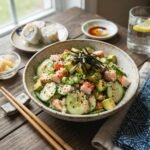
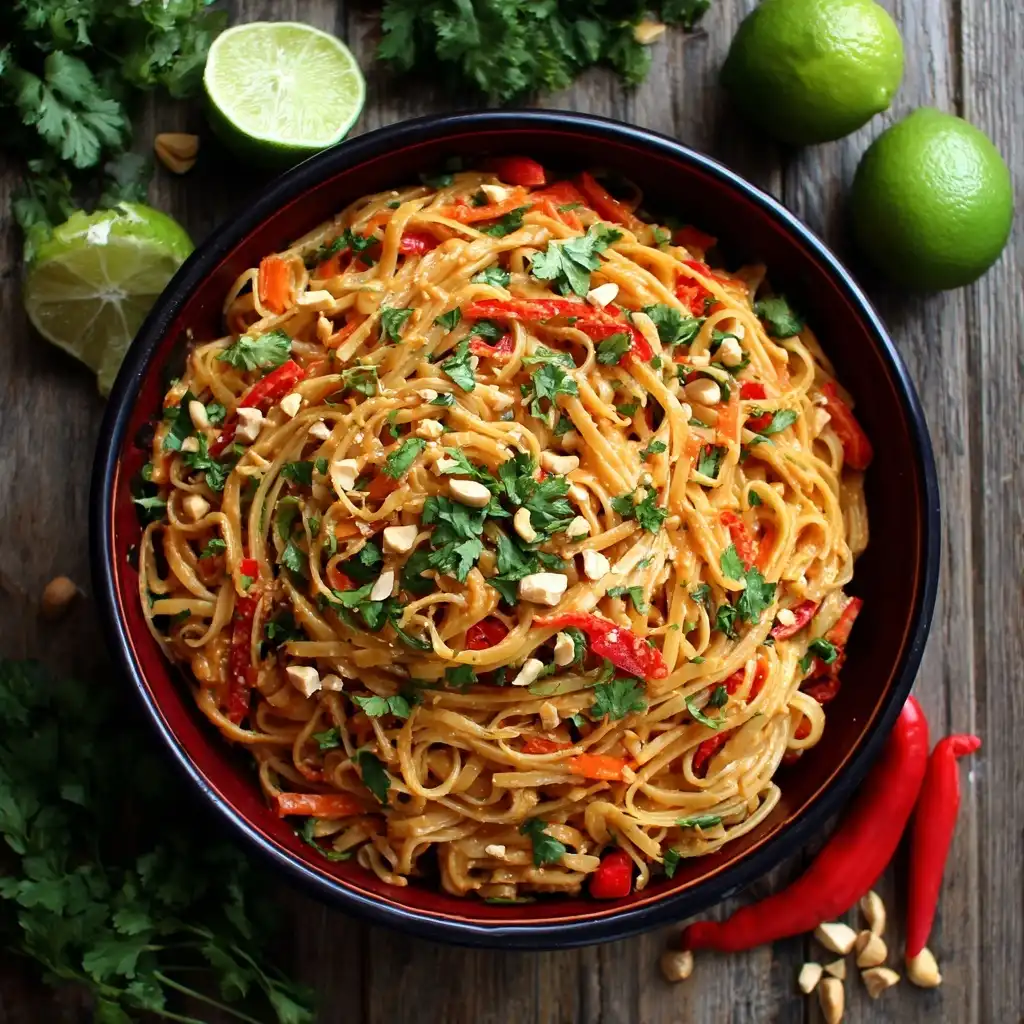
Thai Peanut Noodles are a vibrant, globally beloved dish that masterfully bridges the bold flavors of Southeast Asian street food with the comforting familiarity of noodle-based meals. With their luscious, creamy peanut sauce, zesty lime tang, aromatic herbs, and satisfying textural contrast—crunchy vegetables, chewy noodles, and optional protein—they deliver an unforgettable sensory experience in every bite. Whether served chilled as a refreshing summer salad or at room temperature for a quick weeknight dinner, this dish is as versatile as it is flavorful. Its growing popularity across North America, Europe, and Australia speaks to its universal appeal: deeply savory, subtly sweet, gently spicy, and refreshingly bright—all while remaining remarkably easy to prepare at home with minimal equipment and pantry-friendly ingredients.
The History
While there is no single documented “origin story” for Thai Peanut Noodles as a formalized dish, its roots trace back through centuries of culinary exchange across mainland Southeast Asia, particularly Thailand, Indonesia, and Malaysia. Peanut-based sauces have long been staples in Indonesian gado-gado and Malaysian rojak, where roasted peanuts are ground with chilies, tamarind, palm sugar, and shrimp paste to create complex, umami-rich condiments. In Thailand, regional variations like yam wunsen (glass noodle salad) and bami nam tok (spicy noodle soup) laid the groundwork for noodle-and-sauce pairings, though traditional Thai cuisine historically favored roasted peanuts as garnishes rather than primary sauce bases—due in part to the relatively late introduction of peanuts to the region (likely via Portuguese traders in the 16th century).
The version widely recognized today as “Thai Peanut Noodles” emerged most prominently in the United States during the 1980s and 1990s, shaped by Thai-American chefs, fusion restaurants, and health-conscious cookbooks seeking approachable, plant-forward meals. It was further popularized by meal kit services, food blogs, and viral social media recipes that emphasized make-ahead convenience and customizable nutrition. Though not strictly “authentic” in the classical Thai culinary canon, the dish honors Thai flavor principles—rat naam (balance of sour, salty, sweet, bitter, and spicy)—and has since been enthusiastically adopted and adapted across Thailand’s own contemporary food scene, especially in cosmopolitan Bangkok eateries catering to younger, globally influenced diners.
Ingredients Breakdown
Understanding each component deepens both appreciation and control over the final dish. Below is a comprehensive, function-driven analysis of the core ingredients:
- Peanut Butter: The soul of the sauce. Natural, unsweetened, stir-before-use creamy peanut butter (preferably made from 100% roasted peanuts) delivers rich mouthfeel and authentic nuttiness. Avoid brands with added hydrogenated oils, corn syrup, or excessive salt—these mute flavor and destabilize emulsions. Crunchy peanut butter adds delightful texture but may require extra whisking or brief blending for smoothness.
- Lime Juice: Provides essential brightness and acidity that cuts through fat and balances sweetness. Freshly squeezed is non-negotiable; bottled lime juice lacks volatile citrus oils and often contains preservatives that dull flavor. The zest can be reserved for garnish to amplify aroma.
- Fish Sauce (Nam Pla): A cornerstone of Thai umami. Made from fermented anchovies, it contributes deep savoriness, saltiness, and complexity. Low-sodium versions exist but may lack depth; adjust quantity accordingly. Vegetarian alternatives include soy sauce + seaweed powder or certified vegan fish sauce (fermented soy/coconut base).
- Rice Vinegar or Tamarind Paste: Adds layered acidity—rice vinegar offers clean, mild tartness; tamarind brings fruity, wine-like sourness and body. Many chefs use both for multidimensional tang. If using tamarind concentrate, dilute 1:3 with warm water and strain.
- Coconut Aminos or Soy Sauce: Enhances saltiness and color while contributing subtle caramel notes (coconut aminos) or deeper fermented richness (low-sodium tamari or Japanese shoyu). Coconut aminos are naturally gluten-free and lower in sodium, ideal for sensitive diets.
- Fresh Aromatics: Garlic (minced), fresh ginger (grated), and Thai bird’s eye chilies (finely chopped, seeds included for heat) form the aromatic trinity. Roasting garlic or ginger briefly in oil before mixing intensifies sweetness and mellowing depth.
- Sweeteners: Palm sugar is traditional—its molasses-like complexity and low glycemic index outperform refined white sugar. Brown sugar is a close second; maple syrup adds earthy notes but may darken sauce; agave works for neutral sweetness. Always dissolve sweetener fully in warm liquid before combining with peanut butter to prevent graininess.
- Neutral Oil: A high-smoke-point oil like grapeseed, avocado, or light olive oil helps emulsify the sauce, adds silkiness, and carries fat-soluble flavors. Sesame oil (toasted) is used sparingly (<½ tsp) for fragrance—not as the main oil—due to its potent flavor.
- Noodles: Rice noodles (vermicelli or flat sen yai) are classic—gluten-free, delicate, and absorbent. Other excellent options include soba (buckwheat, nutty and hearty), udon (chewy and substantial), or even whole wheat spaghetti for added fiber. Avoid overcooking: noodles should retain slight al dente bite to hold up to the thick sauce.
- Fresh Toppings: Not optional—they’re functional flavor amplifiers. Cilantro (stems included for extra punch), scallions (both white and green parts), crushed roasted peanuts, pickled red onions, shredded carrots, julienned cucumber, bean sprouts, and fresh mint each contribute distinct textures, cooling elements, acidity, crunch, and herbal brightness that elevate the entire dish beyond the sauce alone.
Step-by-Step Recipe
- Prepare the Aromatics: Mince 2 cloves of garlic and grate 1 tbsp fresh ginger. Finely chop 1–2 Thai chilies (adjust to heat preference). Set aside.
- Toast the Peanuts (Optional but Recommended): In a dry skillet over medium-low heat, toast ¼ cup raw unsalted peanuts for 4–6 minutes, shaking pan frequently, until golden and fragrant. Cool completely, then roughly chop. Reserve half for garnish.
- Make the Sauce Base: In a small saucepan, combine ¼ cup natural peanut butter, 3 tbsp warm water, 2 tbsp lime juice, 1½ tbsp fish sauce, 1 tbsp rice vinegar, 1 tbsp palm sugar (or brown sugar), 1 tsp grated ginger, 1 tsp minced garlic, ½ tsp chili, and 1 tsp neutral oil. Whisk constantly over low heat for 3–4 minutes until smooth, glossy, and slightly thickened. Remove from heat and let cool slightly.
- Emulsify & Adjust: Transfer warm sauce to a blender or use an immersion blender. Blend on low for 30 seconds until ultra-smooth. Taste and adjust: add more lime for brightness, fish sauce for salt/umami, sugar for balance, or chili for heat. For thinner consistency (ideal for tossing), whisk in 1–2 tbsp additional warm water or coconut milk. Sauce should coat the back of a spoon but drizzle easily.
- Cook the Noodles: Bring a large pot of salted water to boil. Cook 8 oz dried rice noodles per package instructions—usually 2–4 minutes—until just tender but still springy. Drain immediately and rinse under cold water to halt cooking and remove excess starch. Shake well in a colander to eliminate water; excess moisture dilutes the sauce.
- Combine & Marinate: In a large non-reactive bowl, pour sauce over cooled noodles. Using tongs or two forks, gently toss until every strand is evenly coated. Let sit for 5–10 minutes at room temperature to allow noodles to absorb flavors. For deeper infusion, refrigerate covered for up to 2 hours—but bring to room temp before serving.
- Prepare Fresh Garnishes: While noodles marinate, julienne 1 medium cucumber, shred 1 large carrot, thinly slice 2 scallions, chop ¼ cup cilantro (including tender stems), and prepare pickled red onions (quick-pickle: ½ thinly sliced red onion in ¼ cup rice vinegar + 1 tsp sugar + ½ tsp salt for 15 min).
- Assemble & Serve: Transfer noodles to a wide, shallow serving platter or individual bowls. Top generously with garnishes in colorful, intentional layers: cucumber and carrots first (for crunch foundation), then scallions and cilantro, followed by pickled onions and crushed peanuts. Finish with a final squeeze of lime, a light drizzle of toasted sesame oil (optional), and a sprinkle of chili flakes or microgreens for visual and flavor flourish.
Tips
- Prevent Sauce Separation: Emulsification is key. Always warm liquids slightly before adding to peanut butter—and whisk vigorously *in one direction* while gradually incorporating oil and acidic components. If sauce breaks, blend in 1 tsp warm water or coconut milk until re-emulsified.
- Noodle Temperature Matters: Never toss hot noodles with cold sauce—or cold noodles with hot sauce. Both extremes cause clumping or oil separation. Aim for room-temp noodles and slightly warm (not hot) sauce.
- Bloom the Spices: For deeper flavor, gently sauté minced garlic, ginger, and chilies in 1 tsp oil for 30–60 seconds before adding to the sauce base. This unlocks essential oils and mellows raw bite.
- Make Ahead Smart: Sauce keeps beautifully refrigerated for up to 10 days in an airtight jar. Noodles (cooked and rinsed) last 2 days refrigerated separately. Assemble only 30 minutes before serving for optimal texture.
- Texture Contrast is Non-Negotiable: Include at least three contrasting textures: creamy (sauce), chewy (noodles), and crunchy (peanuts, cucumbers, bean sprouts). Add crispy fried shallots or wonton strips for next-level crunch.
- Balance Acid Last: Lime juice oxidizes and loses vibrancy over time. Reserve 1 tbsp of fresh juice to stir in just before serving—or serve lime wedges on the side for guests to customize.
- Use a Wide, Shallow Bowl: Prevents noodles from piling up and steaming in their own residual warmth—which leads to mushiness. Also makes garnishing and tossing easier.
- Don’t Skip the Pickles: Quick-pickled vegetables (red onions, carrots, daikon) add crucial acidity, brightness, and palate-cleansing properties that lift the richness of the peanut sauce.
- Scale Heat Thoughtfully: Thai chilies vary wildly in Scoville units. Start with ¼ chili, taste sauce, then incrementally add. Remember: heat builds over time and intensifies when chilled.
- Respect the Rest Time: Even 5 minutes of marination allows the noodles to absorb nuanced flavors. Skipping this step yields a “sauced” but not “integrated” dish.
Variations and Customizations
This recipe is inherently adaptable—celebrating regional interpretations, dietary needs, seasonal availability, and personal whims. Here’s an expansive guide to creative evolution:
Dietary Adaptations
- Vegan Version: Substitute fish sauce with 1½ tbsp coconut aminos + ¼ tsp white miso paste (for umami depth) + 1 drop liquid smoke (optional, for anchovy nuance). Use maple syrup instead of palm sugar and ensure peanut butter is vegan-certified (no honey).
- Gluten-Free: Use certified GF rice noodles, tamari (GF soy sauce), and verify fish sauce is GF (most are, but check labels for wheat-based additives). Add tamari-marinated baked tofu or edamame for protein.
- Low-Carb/Keto: Replace noodles with spiralized zucchini (“zoodles”), blanched shirataki noodles, or kelp noodles. Boost satiety with extra roasted peanuts, avocado slices, and hemp seeds. Reduce or omit sugar entirely; rely on ripe mango or pineapple for natural sweetness if desired.
- Nut-Free: Swap peanut butter for sunflower seed butter or tahini (use ¾ the amount—tahini is stronger). Toast seeds for depth. Garnish with pumpkin seeds or roasted chickpeas instead of peanuts.
Protein Infusions
- Grilled Proteins: Marinate and grill chicken thighs, flank steak, shrimp, or firm tofu in 2 tbsp of the finished sauce (reserve separate portion for tossing) before slicing and layering atop noodles.
- Stir-Fried Additions: Sauté tempeh cubes in tamari and lime, or scramble eggs with turmeric and scallions, folding directly into warm noodles pre-toss.
- Seafood Twists: Add chilled poached mussels, seared scallops, or flaked cooked salmon for luxurious oceanic notes. Pair with extra dill or lemon zest.
- Plant-Powered Power: Mix in black beans, lentils, crumbled tempeh bacon, or spiced roasted cauliflower florets for fiber and heartiness.
Regional & Global Twists
- Indonesian-Inspired: Add 1 tsp kecap manis (sweet soy), ½ tsp ground galangal, and top with fried shallots and boiled eggs. Use peanut sauce as a dip for grilled satay skewers on the side.
- Thai Jungle Style (Jae): Omit peanuts entirely; use a fiery, herb-forward sauce with makrut lime leaves, lemongrass, and holy basil. Garnish with long beans and Thai eggplant.
- Japanese-Influenced: Swap peanut butter for smooth sesame (tahini) + 1 tsp miso + yuzu juice. Use soba noodles and top with nori strips, wasabi peas, and pickled ginger.
- Mexican Fusion: Add chipotle powder, roasted corn, black beans, crumbled cotija, and avocado. Finish with cilantro-lime crema.
- Mediterranean Lift: Incorporate preserved lemon, olives, roasted red peppers, feta, and oregano. Use whole wheat or chickpea pasta and drizzle with harissa-infused olive oil.
Seasonal & Textural Innovations
- Spring: Add blanched asparagus ribbons, snap peas, radish sprouts, and edible flowers. Use lemon instead of lime for brightness.
- Summer: Feature ripe mango, grilled pineapple, cherry tomatoes, and basil. Lighten sauce with coconut water instead of plain water.
- Fall: Roast sweet potatoes or kabocha squash, add toasted pecans or walnuts, and infuse sauce with star anise or cinnamon (¼ tsp, steeped then strained).
- Winter: Fold in sautéed kale or Swiss chard, warm roasted chestnuts, and pomegranate arils. Add a splash of apple cider vinegar to sauce.
- Breakfast Version: Use cold soba noodles, top with soft-boiled eggs, avocado, furikake, and a lighter, yolk-enriched peanut-miso dressing.
Health Considerations and Nutritional Value
Thai Peanut Noodles can be a nutrient-dense, balanced meal—especially when thoughtfully composed—but nutritional impact varies significantly based on ingredient choices, portion size, and preparation methods. Below is a detailed, evidence-informed analysis:
Nutrient Highlights (Per Standard Serving: ~1.5 cups assembled dish)
- Healthy Fats: Peanut butter provides monounsaturated and polyunsaturated fats—including oleic acid (linked to improved cardiovascular health) and vitamin E (a potent antioxidant). When paired with avocado or sesame oil, omega-6:omega-3 ratios improve.
- Plant-Based Protein: Natural peanut butter offers ~7g protein per 2 tbsp; adding tofu, tempeh, edamame, or lean chicken boosts totals to 15–25g per serving—supporting muscle maintenance and satiety.
- Dietary Fiber: Brown rice noodles provide ~2g fiber per serving; adding shredded veggies (carrots, cucumber, bell peppers), bean sprouts, and whole-grain alternatives increases fiber to 6–10g—aiding digestion, blood sugar regulation, and gut microbiome diversity.
- Phytonutrient Powerhouse: Fresh herbs (cilantro, mint) contain apigenin and luteolin (anti-inflammatory flavonoids); ginger offers gingerols (digestive and anti-nausea compounds); lime delivers vitamin C and limonene (studied for anticancer potential); chilies contain capsaicin (metabolism-boosting, pain-modulating).
- Functional Ferments: Fish sauce and miso (if used) supply naturally occurring probiotics and bioactive peptides shown to support immune modulation and nutrient absorption.
Considerations & Mitigations
- Sodium Content: Fish sauce and soy/tamari are naturally high in sodium. Mitigate by using low-sodium versions, reducing quantity by 25%, and balancing with potassium-rich ingredients (cucumber, spinach, tomato). Rinsing noodles thoroughly also removes surface salt.
- Sugar Awareness: Palm sugar, while less refined, remains a concentrated carbohydrate. Those managing insulin resistance or diabetes should limit to 1 tsp per serving and prioritize fiber-rich toppings to slow glucose absorption. Unsweetened versions are viable and surprisingly satisfying with robust aromatics.
- Peanut Allergies & Cross-Reactivity: Approximately 1% of the global population has IgE-mediated peanut allergy. Always label dishes clearly. Note: Tree nut allergies do not automatically imply peanut allergy (peanuts are legumes), but cross-contact risk in shared kitchens is high.
- Oxalate Sensitivity: Spinach, Swiss chard, and beet greens—while nutritious—are high in oxalates. Those prone to calcium-oxalate kidney stones may opt for lower-oxalate greens like bok choy or romaine.
- Aflatoxin Risk (Minimal but Notable): Peanuts can harbor aflatoxins (mold-derived carcinogens) if improperly stored. Choose reputable, refrigerated natural peanut butters and store opened jars in the fridge for up to 3 months to minimize risk.
- Calorie Density: A full bowl can range from 450–750 kcal depending on oil, nut, and protein additions. For weight management, increase vegetable volume (up to 50% of bowl), reduce peanut butter to 1½ tbsp, and use broth-infused noodles instead of oil-rinsed.
Evidence-Based Health Synergies
Research underscores how the *combination* of ingredients enhances bioavailability: Vitamin C from lime juice increases non-heme iron absorption from plant proteins (tofu, lentils); healthy fats improve uptake of fat-soluble phytonutrients (lycopene from tomatoes, beta-carotene from carrots); and fermentation-derived enzymes in fish sauce aid protein digestion. Furthermore, the dish’s emphasis on fresh, minimally processed components aligns strongly with Mediterranean and DASH dietary patterns—both clinically associated with reduced hypertension, inflammation, and chronic disease risk.
Ingredients
Makes 4 generous servings
- 8 oz dried rice vermicelli noodles (or soba, udon, or gluten-free alternative)
- ½ cup natural creamy peanut butter (unsweetened, no added oils)
- ⅓ cup warm water (plus more as needed)
- 3 tbsp freshly squeezed lime juice (plus extra for finishing)
- 2 tbsp fish sauce (nam pla; or coconut aminos for vegan)
- 1 tbsp unseasoned rice vinegar
- 1 tbsp palm sugar or light brown sugar, finely grated or dissolved
- 1 tbsp neutral oil (grapeseed, avocado, or light olive oil)
- 1 tbsp fresh ginger, finely grated (about 1-inch piece)
- 2 cloves garlic, finely minced
- 1–2 Thai bird’s eye chilies, finely chopped (seeds included for heat)
- 1 medium English cucumber, julienned
- 2 medium carrots, peeled and shredded
- 4 scallions, thinly sliced (white and green parts)
- ½ cup fresh cilantro leaves and tender stems, roughly chopped
- ⅓ cup roasted unsalted peanuts, roughly chopped (plus extra for garnish)
- ¼ cup quick-pickled red onions (see Tips section)
- 1 tbsp toasted sesame oil (optional, for finishing)
- Lime wedges, chili flakes, and microgreens for serving
Directions
- Prepare Pickled Onions (15 min ahead): Thinly slice ½ medium red onion. In a small bowl, combine with ¼ cup rice vinegar, 1 tsp sugar, and ½ tsp kosher salt. Stir well and set aside at room temperature for at least 15 minutes (can be refrigerated up to 5 days).
- Cook Noodles: Bring a large pot of generously salted water to a rolling boil. Add noodles and cook according to package directions—typically 2–4 minutes for rice vermicelli—until just tender with a slight bite. Drain immediately in a colander and rinse thoroughly under cold running water until completely cool. Shake vigorously to remove excess water. Transfer to a large bowl and set aside.
- Make Sauce: In a small saucepan over low heat, combine peanut butter, warm water, lime juice, fish sauce, rice vinegar, palm sugar, neutral oil, grated ginger, minced garlic, and chopped chilies. Whisk constantly for 3–4 minutes until smooth, heated through (do not boil), and slightly thickened. Remove from heat and let cool 2 minutes.
- Refine Sauce: Transfer warm sauce to a blender or use an immersion blender in a tall container. Blend on low for 30 seconds until velvety and emulsified. Taste and adjust: add more lime for brightness, fish sauce for depth, sugar for balance, or chili for heat. For ideal tossing consistency, blend in 1–2 tbsp additional warm water until sauce coats the back of a spoon but drips steadily.
- Combine: Pour sauce over cooled noodles. Using tongs or two forks, gently toss until fully and evenly coated. Let sit at room temperature for 5–10 minutes to absorb flavors (or refrigerate up to 2 hours—bring to room temp before serving).
- Assemble: Divide noodles among four shallow bowls. Top each with generous portions of julienned cucumber, shredded carrots, sliced scallions, chopped cilantro, pickled red onions, and crushed peanuts. Drizzle lightly with toasted sesame oil (if using) and finish with a final squeeze of fresh lime juice and a pinch of chili flakes.
- Serve Immediately: Accompany with extra lime wedges, additional peanuts, and microgreens or Thai basil for garnish. Best enjoyed within 2 hours of assembly for optimal texture and freshness.
FAQ
- Can I use crunchy peanut butter?
- Yes—but expect a grainier, more textured sauce. For best results, blend thoroughly or whisk vigorously with extra warm water to smooth it out. Reserve some crunchy bits for garnish to enhance mouthfeel.
- Why does my sauce separate or look oily?
- Separation occurs when peanut butter isn’t properly emulsified with liquids. Always warm your liquids slightly, add them gradually while whisking continuously in one direction, and avoid cold ingredients. If separated, re-blend with 1 tsp warm water or coconut milk until cohesive.
- How long do leftovers keep?
- Refrigerated in an airtight container, assembled noodles stay fresh for up to 3 days—but texture softens over time. Sauce alone lasts 7–10 days refrigerated. Store noodles and sauce separately for maximum longevity and freshness.
- Can I freeze Thai Peanut Noodles?
- Freezing is not recommended—the noodles become gummy and watery upon thawing, and fresh herbs lose vibrancy. However, the sauce freezes exceptionally well for up to 3 months in ice cube trays—pop out cubes as needed and thaw overnight in the fridge.
- What’s the best way to reheat?
- Do not microwave assembled noodles—it makes them rubbery. Instead, gently toss chilled noodles with a splash of warm water or lime juice in a pan over low heat for 1–2 minutes, stirring constantly, until warmed through. Refresh with extra herbs and lime.
- Is this dish traditionally Thai?
- While inspired by Thai flavor profiles and ingredients (fish sauce, lime, chilies, herbs), the modern “Thai Peanut Noodle” dish is a global fusion creation—popularized internationally. Traditional Thai cuisine features peanut garnishes and similar sauces (e.g., nam phrik noom with roasted chilies), but not typically as a standalone noodle-coating sauce.
- Can I make it spicy enough for Thai heat levels?
- Absolutely. Authentic Thai heat builds gradually and lingers pleasantly. Increase chilies to 3