Introduction
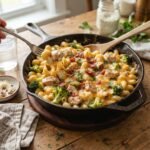
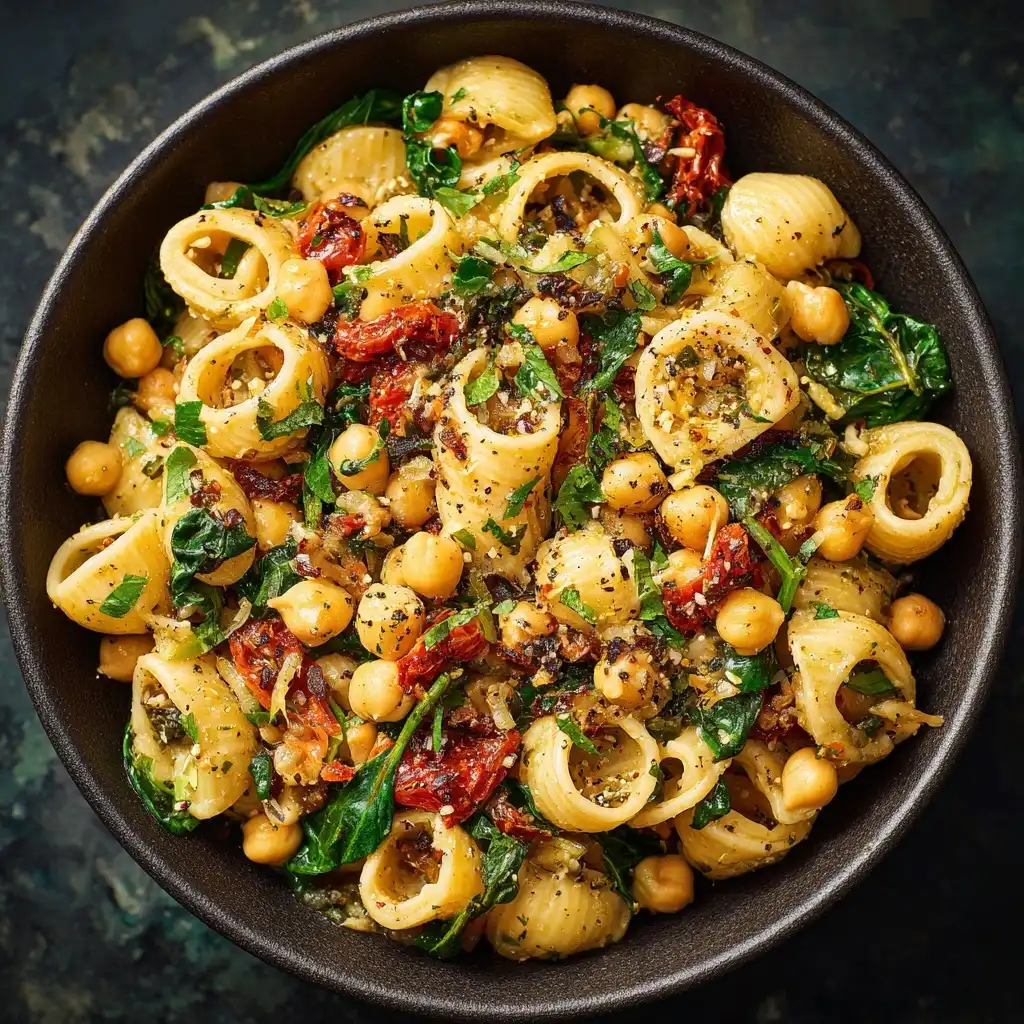
Mediterranean Chickpea Pasta is a vibrant, nutrient-dense, plant-powered dish that marries the hearty satisfaction of pasta with the earthy richness of chickpeas and the sun-kissed flavors of the Mediterranean basin. Far more than just a trendy health bowl, it’s a celebration of regional culinary wisdom—drawing inspiration from Greek, Italian, Lebanese, and Turkish traditions where legumes, olive oil, fresh herbs, and seasonal vegetables have long formed the cornerstone of everyday eating. This recipe honors simplicity without sacrificing depth: no heavy creams or refined sauces, just layers of bright acidity, aromatic herbs, savory umami, and textural contrast. Whether you’re embracing a plant-based lifestyle, seeking gluten-free alternatives (with appropriate pasta), managing blood sugar, or simply craving something wholesome yet deeply flavorful, this dish delivers on every front—satisfying the palate while nourishing the body and soul.
The History
The roots of Mediterranean Chickpea Pasta run deep—not in ancient Roman cookbooks, but in the enduring foodways of the broader Mediterranean region, where chickpeas (Cicer arietinum) have been cultivated for over 7,500 years. Archaeological evidence traces their domestication to the Fertile Crescent (modern-day Turkey, Syria, and Jordan), from where they spread westward along trade routes into Greece, Italy, North Africa, and Iberia. In Greece, revithia (stewed chickpeas with onions and lemon) has graced village tables since antiquity; in Sicily, pasta con le ceci dates back to the Arab Norman era (11th–12th centuries), when chickpea flour was used in early pasta-like preparations and later integrated with durum wheat noodles. Meanwhile, across the Levant, dishes like hummus bi tahini and ful medames established chickpeas as a daily source of protein and fiber—long before “superfood” became a marketing term. Modern Mediterranean Chickpea Pasta emerged organically in the late 20th and early 21st centuries as chefs and home cooks alike began reimagining traditional legume-centric meals through contemporary lenses: swapping animal proteins for pulses, emphasizing whole grains, and amplifying freshness with raw vegetables and herb-forward finishes. It reflects a global shift toward sustainable, regenerative eating—one plate at a time—and stands as a delicious testament to how ancestral ingredients, when treated with reverence and creativity, remain profoundly relevant today.
Ingredients Breakdown
Every ingredient in this recipe serves both functional and sensory purpose—no filler, no afterthoughts. Below is a detailed exploration of each component:
- Chickpeas (1½ cups cooked or 1 can, 15 oz, low-sodium): The star protein and fiber source. Rich in complex carbohydrates, folate, iron, magnesium, and resistant starch (which feeds beneficial gut bacteria). Opt for organic, BPA-free canned chickpeas rinsed well—or better yet, soak and cook dried chickpeas for superior texture and lower sodium. Their mild nuttiness absorbs dressings beautifully while lending creamy-yet-chewy body.
- Pasta (12 oz): Traditionally semolina-based spaghetti or fusilli, but highly adaptable. For gluten-free integrity, choose certified GF pasta made from brown rice, lentils, chickpeas (yes—chickpea pasta!), or quinoa—each adding unique nutritional boosts (e.g., red lentil pasta offers 13g protein per serving). Whole grain or whole wheat options increase fiber and polyphenols significantly. Avoid overcooking—al dente is essential to prevent mushiness when tossed with other elements.
- Extra-Virgin Olive Oil (¼ cup + extra for finishing): Not just fat—it’s liquid gold. High-phenolic EVOO contributes oleocanthal (a natural anti-inflammatory compound), heart-healthy monounsaturated fats, and a peppery finish that enlivens the entire dish. Always use cold-pressed, single-estate, harvest-year labeled oil for optimal flavor and antioxidant activity.
- Lemon Juice (3–4 tbsp, freshly squeezed): Brightness, balance, and bioavailability booster. Citric acid enhances non-heme iron absorption from chickpeas and greens, while vitamin C synergizes with polyphenols. Zest adds aromatic citrus oils—don’t skip it.
- Garlic (2–3 cloves, finely minced or microplaned): A pungent powerhouse. When crushed and allowed to rest for 10 minutes pre-cooking, allicin—the primary bioactive compound—is activated, offering antimicrobial, cardiovascular, and immune-modulating benefits.
- Red Onion (½ medium, finely diced): Adds sharp-sweet crunch and quercetin—a flavonoid linked to reduced oxidative stress and allergy modulation. Soaking in cold lemon water for 5–10 minutes mellows its bite while preserving nutrients.
- Cucumber (1 small English or Persian, unpeeled, diced): Hydration hero. Contains cucurbitacins (anti-inflammatory triterpenes), silica for connective tissue health, and electrolytes like potassium. Leaving the skin on maximizes fiber and phytonutrient content.
- Cherry Tomatoes (1 cup, halved): Bursting with lycopene—a fat-soluble carotenoid whose bioavailability increases dramatically when paired with olive oil. Choose vine-ripened, local, or heirloom varieties for higher antioxidant density.
- Kalamata Olives (⅓ cup, pitted and halved): Briny, fruity, and rich in squalene and maslinic acid—compounds shown to support cellular health and metabolic function. Look for unpasteurized, brine-cured olives without added colorants or excessive sodium.
- Feta Cheese (⅔ cup, crumbled; opt for sheep’s or goat’s milk for authenticity and digestibility): Adds salty tang and creamy contrast. Traditional Greek feta (PDO-certified) contains beneficial bacteria from raw milk fermentation and provides calcium, phosphorus, and conjugated linoleic acid (CLA). For vegan versions, sub with house-made almond-feta or lemon-zested tofu crumbles.
- Fresh Herbs (⅓ cup each chopped parsley + mint, plus optional dill or basil): Not garnish—they’re functional medicine. Parsley is among the highest dietary sources of apigenin and vitamin K1; mint cools digestion and relaxes GI smooth muscle; dill contains limonene and kaempferol. Chop just before adding to preserve volatile oils.
- Spices & Seasonings: Smoked or sweet paprika (½ tsp) lends subtle warmth and capsanthin (a potent antioxidant); ground cumin (¼ tsp) supports enzymatic digestion and offers cuminaldehyde; flaky sea salt (½ tsp, plus more to taste) and freshly cracked black pepper (¼ tsp) enhance flavor perception and piperine bioavailability.
Step-by-Step Recipe
- Prep the Base Components (15 minutes): Cook pasta according to package directions—but reduce timing by 1 minute to achieve perfect al dente. Reserve ½ cup starchy pasta water before draining. Rinse chickpeas thoroughly under cold water to remove excess sodium and canning liquid (which can mute flavor). Dice red onion, cucumber, and tomatoes; pit and halve olives; crumble feta; finely chop herbs. Zest and juice lemons separately.
- Build the Flavor Foundation (5 minutes): In a large, warmed serving bowl (to prevent rapid cooling), whisk together olive oil, lemon juice, lemon zest, minced garlic, smoked paprika, cumin, salt, and pepper. Let sit 2–3 minutes—this “blooms” the spices and mellows raw garlic heat.
- Combine While Warm (3 minutes): Gently fold hot, drained pasta into the dressing, using tongs to coat evenly. Add warm (not hot) chickpeas immediately—this allows them to absorb some dressing without breaking apart. Toss with 2–3 tbsp reserved pasta water to create a light, silky emulsion that clings to every strand.
- Introduce Fresh Elements (2 minutes): Let pasta-chickpea mixture cool slightly (2–3 minutes) to room temperature—critical for preserving the crispness of raw vegetables and preventing herb wilting. Then fold in red onion, cucumber, tomatoes, olives, and most of the herbs (reserve 1 tbsp parsley/mint for garnish).
- Finish & Rest (10–15 minutes): Sprinkle crumbled feta over top. Drizzle with an additional 1 tsp high-quality EVOO and a final squeeze of lemon. Cover loosely and let rest at cool room temperature for at least 10 minutes—this allows flavors to marry and textures to harmonize. Do not refrigerate before serving unless making ahead (see Tips).
- Serve Thoughtfully: Transfer to a wide, shallow serving platter. Garnish with reserved herbs, extra lemon wedges, a dusting of paprika or sumac, and optional toasted pine nuts or slivered almonds for crunch. Serve with warm pita or grilled flatbread on the side.
Tips
- Texture Mastery: Never overdress—start with ¾ of the dressing, toss, then add more as needed. Over-saturation leads to soggy pasta and muted flavors.
- Temperature Intelligence: Mixing warm pasta with room-temp veggies preserves crunch. If prepping ahead, chill components separately and combine no sooner than 30 minutes before serving.
- Pasta Water Is Magic: That starchy liquid isn’t waste—it’s your binding agent. Its viscosity helps the dressing emulsify and adhere. Always reserve it, even if you think you won’t need it.
- Herb Timing Matters: Delicate herbs like mint and basil lose potency when exposed to heat or acid too long. Fold in at the end, and consider adding mint *after* feta to prevent discoloration.
- Chickpea Upgrade: For next-level depth, roast rinsed chickpeas at 400°F for 20–25 minutes with olive oil, cumin, and smoked paprika until golden and crisp—then stir in half for texture, half for creaminess.
- Acid Balance: Taste before serving—if lemon dominates, counter with a pinch of honey or maple syrup (½ tsp max). If flat, add more zest before juice for aromatic lift without excess sourness.
- Make-Ahead Wisdom: Assemble everything *except* feta, herbs, and final olive oil up to 8 hours ahead. Store covered in the fridge. Bring to cool room temp 30 minutes before finishing—then add delicate elements.
- Leftover Alchemy: Transform leftovers into a chilled pasta salad the next day—or pan-sear in olive oil for crispy-chewy “pasta cakes,” served with tzatziki.
Variations and Customizations
This recipe thrives on adaptability—here are inspired riffs rooted in authenticity and nutrition:
- Protein-Powered: Add grilled lemon-herb shrimp, shredded rotisserie chicken, or pan-seared halloumi for extra satiety. For plant-based power, include marinated tempeh cubes or spiced baked tofu.
- Grain-Free/GF-Focused: Swap pasta for spiralized zucchini (“zoodles”), roasted spaghetti squash ribbons, or shirataki noodles (rinsed well). Or use certified gluten-free legume-based pastas—lentil, black bean, or edamame—all offering 20+ g protein per serving.
- Seasonal Swaps: Spring: substitute asparagus ribbons and fresh peas. Summer: add grilled corn, ripe figs, and arugula. Autumn: roasted delicata squash, pomegranate arils, and toasted walnuts. Winter: massaged kale, roasted beetroot, and orange segments.
- Regional Twists: Greek Style: Add capers, oregano, and a splash of red wine vinegar. Lebanese Style: Include pickled turnips, toasted cumin seeds, and a swirl of toum (garlic sauce). Italian-Inspired: Stir in sun-dried tomatoes, artichoke hearts, and basil pesto instead of plain olive oil.
- Vegan Refinement: Skip feta and use creamy cashew “feta” (blended cashews, lemon, nutritional yeast, miso) or almond-based crumbles. Boost umami with white miso paste (½ tsp) whisked into dressing.
- Low-Carb/Keto Adaptation: Replace pasta entirely with blanched broccoli florets, cauliflower rice, or konjac noodles. Increase healthy fats—add avocado slices, extra olives, and hemp seeds.
- Kid-Friendly Version: Omit raw onion and garlic; swap feta for mild goat cheese; add roasted sweet potato cubes and raisins; serve with fun-shaped whole-grain pasta.
- Meal-Prep Optimized: Portion into glass containers with dressing on the bottom, starchy base in the middle, and fresh toppings sealed separately. Assemble each morning for lunch—stays vibrant for 4 days refrigerated.
Health Considerations and Nutritional Value
A single generous serving (approx. 2 cups) delivers exceptional macro- and micronutrient synergy:
- Macronutrient Profile (approx.): 520 kcal | 22g protein | 78g carbohydrate (24g fiber!) | 18g total fat (14g monounsaturated)
- Fiber Powerhouse: With ~24g dietary fiber—nearly 100% of the daily recommended intake—this dish promotes satiety, stabilizes postprandial glucose, feeds diverse gut microbiota (especially Bifidobacterium and Lactobacillus strains), and supports regular elimination. Chickpeas provide both soluble (beta-glucan) and insoluble (cellulose) fibers.
- Heart Health Synergy: Olive oil’s oleic acid + chickpea phytosterols + tomato lycopene + garlic allicin work in concert to reduce LDL oxidation, improve endothelial function, and modestly lower systolic BP (per meta-analyses in American Journal of Clinical Nutrition).
- Anti-Inflammatory Matrix: Polyphenols (oleuropein, hydroxytyrosol, apigenin, luteolin), carotenoids (lycopene, beta-carotene), sulfur compounds (alliin), and omega-9s collectively dampen NF-kB signaling—the master regulator of chronic inflammation.
- Blood Sugar Balance: Low glycemic load (~35) due to high fiber, healthy fats, and legume protein slows gastric emptying and insulin response. Ideal for prediabetes, PCOS, and metabolic syndrome management.
- Nutrient Density Score: Exceptionally high in folate (65% DV), iron (32% DV—enhanced by vitamin C), magnesium (40% DV), zinc (25% DV), and vitamins A, K, and several B-complex vitamins—particularly B6 and thiamine from whole-grain pasta and chickpeas.
- Digestive Notes: First-time chickpea eaters may experience mild gas—soak dried beans 12+ hours, discard soak water, and cook with kombu seaweed (rich in enzymes that break down raffinose sugars). Cumin and mint further aid digestion.
- Allergen Awareness: Naturally nut-free, soy-free, egg-free, and dairy-free (if omitting feta). Always verify GF certification if needed. Note: Some “gluten-free” pastas contain pea protein—check for legume allergies.
Note on Sodium: Using low-sodium chickpeas, unsalted pasta water, and limiting added salt keeps sodium under 450mg/serving—well within AHA guidelines (<1500 mg/day for hypertension).
Ingredients
- 12 oz dried pasta (whole grain spaghetti, fusilli, or gluten-free lentil/chickpea pasta)
- 1½ cups cooked chickpeas (or 1 (15 oz) can, low-sodium, rinsed and drained)
- ¼ cup extra-virgin olive oil (plus 1 tsp for finishing)
- 3–4 tbsp fresh lemon juice (about 1½ lemons)
- 1 tsp lemon zest
- 2–3 garlic cloves, finely minced or microplaned
- ½ medium red onion, finely diced (soaked in cold lemon water for 5 minutes, then drained)
- 1 small English or Persian cucumber, unpeeled, diced
- 1 cup cherry tomatoes, halved
- ⅓ cup Kalamata olives, pitted and halved
- ⅔ cup authentic sheep’s milk feta cheese, crumbled
- ⅓ cup fresh flat-leaf parsley, finely chopped
- ⅓ cup fresh mint leaves, finely chopped
- ½ tsp smoked or sweet paprika
- ¼ tsp ground cumin
- ½ tsp flaky sea salt (plus more to taste)
- ¼ tsp freshly cracked black pepper
- Lemon wedges, extra herbs, and optional toasted pine nuts for serving
Directions
- Bring a large pot of well-salted water to a rolling boil. Add pasta and cook until just shy of al dente—typically 1 minute less than package instructions. Reserve ½ cup starchy cooking water, then drain pasta in a colander. Do not rinse (rinsing removes starch needed for emulsification).
- While pasta cooks, prepare all vegetables and herbs. Soak diced red onion in cold water mixed with 1 tsp lemon juice for 5 minutes to mellow sharpness; drain well. Rinse and drain chickpeas thoroughly.
- In a large, warmed serving bowl, whisk together olive oil, lemon juice, lemon zest, minced garlic, paprika, cumin, salt, and pepper. Allow to sit 2–3 minutes to meld and temper garlic.
- Add hot, drained pasta to the bowl and toss vigorously with tongs to coat completely. Gradually add 2–3 tbsp reserved pasta water, tossing continuously until a light, glossy emulsion forms.
- Gently fold in warm chickpeas (they should be room-temp or slightly warm—not hot—to avoid cooking herbs later). Let mixture cool undisturbed for 3–4 minutes.
- Add drained red onion, cucumber, cherry tomatoes, and Kalamata olives. Toss gently but thoroughly with a silicone spatula to distribute without crushing tomatoes.
- Sprinkle crumbled feta evenly over the top. Drizzle with remaining 1 tsp olive oil and a final squeeze of lemon juice.
- Scatter chopped parsley and mint over everything. Optional: dust with a pinch of sumac or paprika for visual pop and tang.
- Cover loosely with a clean kitchen towel or lid and let rest at cool room temperature for 10–15 minutes to allow flavors to deepen and textures to settle.
- Serve immediately, garnished with extra lemon wedges and herbs. Offer warm pita or rustic whole-grain bread alongside for scooping and sopping.
FAQ
- Can I make this fully ahead of time?
- Absolutely—but for optimal texture and freshness, assemble all components *except* fresh herbs, feta, lemon juice/zest, and final olive oil up to 8 hours in advance. Store covered in the refrigerator. Bring to cool room temperature 30 minutes before adding delicate elements and serving.
- Why do you recommend soaking red onion in lemon water?
- Raw red onion contains sulfur compounds that can overwhelm delicate flavors and cause digestive discomfort for some. Brief soaking in acidic liquid (lemon water) neutralizes harsh volatiles while preserving sweetness and crunch—without losing quercetin content.
- Is canned chickpea nutrition comparable to dried?
- Yes—with caveats. Canned chickpeas retain nearly all protein, fiber, and minerals, though some water-soluble B-vitamins leach into the brine. Rinsing reduces sodium by up to 40%. For maximum control, cook dried chickpeas with bay leaf and kombu—but canned offers excellent convenience and consistency.
- My pasta turned out mushy—what went wrong?
- Most commonly: overcooking, skipping the pasta water reserve, or combining hot pasta with cold, wet vegetables. Always undercook by 1 minute, reserve water, and let pasta steam-dry 30 seconds in the colander before dressing. Also ensure veggies are well-drained.
- What’s the best way to store leftovers?
- In an airtight glass container, refrigerated up to 4 days. The flavors often improve on Day 2! To refresh, bring to room temp, stir in a splash of lemon juice and olive oil, and top with fresh herbs and feta before serving.
- Can I freeze this dish?
- Not recommended. Freezing degrades the texture of fresh cucumbers, tomatoes, and herbs, and causes pasta to become gummy upon thawing. However, the chickpea-olive-lemon-oil base (without fresh produce) freezes well for up to 3 months—thaw overnight and toss with freshly cooked pasta and veggies.
- I’m allergic to garlic—what can I use instead?
- Roasted garlic (mellow, sweet, buttery) or a small amount of asafoetida (hing)—a traditional Indian spice with sulfurous notes—offers similar depth without raw pungency. Alternatively, use ½ tsp garlic-infused olive oil (ensure it’s not allergenic if highly sensitive).
- How do I make this oil-free or lower-fat?
- Replace olive oil with 3 tbsp aquafaba (chickpea brine) + 1 tbsp lemon juice + 1 tsp Dijon mustard for emulsification. Boost flavor with extra herbs, roasted vegetables, toasted spices, and citrus zest. Note: Some fat is essential for absorbing fat-soluble nutrients (lycopene, vitamin K, carotenoids), so consider moderate inclusion.
- Is this suitable for pregnancy or breastfeeding?
- Yes—with emphasis on food safety. Use pasteurized feta (avoid raw-milk varieties unless clearly labeled safe), ensure tomatoes/cucumbers are thoroughly washed, and consume within 2 days if made ahead. Chickpeas provide vital folate and iron; olive oil supports fetal neural development.
- Can I double this for a crowd?
- Easily! Scale all ingredients proportionally. Cook pasta in batches to avoid crowding the pot. Use a very large mixing bowl or restaurant-style stainless steel prep bowl. Toss in stages—dressing first, then pasta, then chickpeas, then veggies—to ensure even coating without breaking ingredients.
Summary
Mediterranean Chickpea Pasta is a masterclass in holistic nourishment—uniting ancient legumes, artisanal grains, cold-pressed oils, and garden-fresh produce into a single, vibrant, deeply satisfying bowl that honors tradition while embracing modern wellness science.
It’s not merely a meal—it’s a daily ritual of intentionality: supporting gut health, calming inflammation, balancing blood sugar, delighting the senses, and reconnecting us to the rhythms of seasonality, sustainability, and shared joy around the table.