Introduction
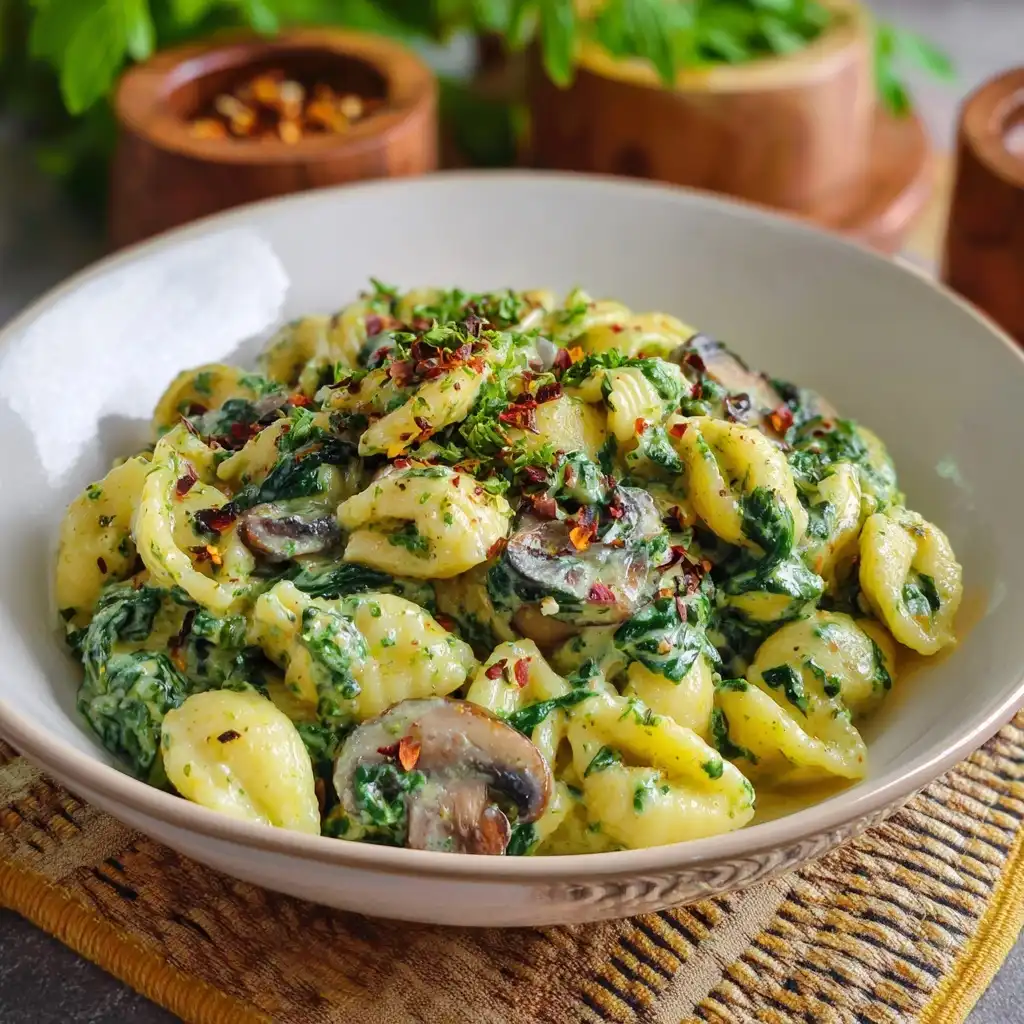
Creamy Mushroom Spinach Pasta is a luscious, restaurant-worthy dish that effortlessly bridges comfort and sophistication. With its velvety sauce, earthy umami depth from sautéed mushrooms, vibrant freshness of baby spinach, and tender al dente pasta, it’s a one-pan wonder that satisfies cravings while feeling nourishing and intentional. Whether you’re preparing a cozy weeknight dinner for two, hosting friends for an elegant yet approachable meal, or seeking a plant-forward pasta dish rich in flavor—not just filler—this recipe delivers every time. Its balance of richness and freshness makes it endlessly adaptable, deeply satisfying, and surprisingly simple to prepare with pantry-friendly ingredients and minimal technique.
The History
While no single “inventor” claims Creamy Mushroom Spinach Pasta, its roots stretch across multiple culinary traditions. Mushrooms have been celebrated in European cuisine for centuries—especially in French and Italian cooking—where they were prized for their meaty texture and savory depth long before the modern umami concept was coined. Spinach, introduced to Europe via Arab agronomists in the 12th century, became a staple in Mediterranean and Central European kitchens for its iron-rich nutrition and mild, slightly sweet verdancy. The marriage of mushrooms and greens appears in rustic Italian cremini e spinaci preparations and French saute de champignons aux épinards, often enriched with cream or crème fraîche. The creamy pasta iteration gained widespread popularity in the late 20th and early 21st centuries as home cooks embraced quick, elegant “gourmet weeknight” meals—fueled by food media, accessible specialty ingredients (like cremini and shiitake), and growing interest in vegetarian comfort food. Today, it stands as a modern classic: a global fusion of technique, tradition, and accessibility—evolving continuously through dietary trends (vegan adaptations, gluten-free swaps) and regional interpretations (adding garlic scapes in spring, sun-dried tomatoes in summer, or toasted pine nuts in fall).
Ingredients Breakdown
Every element in this dish plays a deliberate role—not just for taste, but for texture, mouthfeel, aroma, and nutritional synergy:
- Pasta: A medium-shaped, ridged pasta like fusilli, penne rigate, or orecchiette works best—its grooves and curves cradle the creamy sauce while offering resistance against overcooking. High-quality bronze-die extruded pasta provides superior sauce adhesion and a pleasantly chewy bite.
- Mushrooms: A blend of varieties adds layered complexity—cremini for earthy depth, shiitake for woodsy intensity, and oyster mushrooms for delicate sweetness and tender-crisp texture. Avoid pre-sliced “button” mushrooms alone; they lack nuance and release too much water.
- Fresh Spinach: Baby spinach is preferred for its tender leaves, mild flavor, and rapid wilting—no tough stems or bitterness. It contributes magnesium, folate, and antioxidants without overpowering. Mature spinach can be used but requires stem removal and longer wilting time.
- Aromatics: Yellow onion and garlic form the foundational flavor base. Shallots may substitute for a more refined, subtle sweetness. A pinch of red pepper flakes adds gentle warmth—not heat—that enhances other flavors without dominating.
- Liquid & Dairy: Heavy cream provides luxurious body and stability; whole milk or half-and-half may be substituted but yield a lighter, less cohesive sauce. For richness and tang, full-fat grated Parmesan (preferably Parmigiano-Reggiano) and a splash of cream cheese or mascarpone add silkiness and depth. Nutritional yeast serves as a vegan alternative, lending cheesy umami without dairy.
- Fat: Unsalted butter and extra-virgin olive oil are used in tandem—butter for nutty richness and fond development, olive oil for high-heat stability and fruity notes. Ghee is an excellent dairy-free, high-smoke-point alternative.
- Herbs & Seasonings: Fresh thyme and parsley are non-negotiable—thyme echoes the mushrooms’ forest floor notes, while parsley adds bright, clean finish. Black pepper (freshly cracked) activates piperine, boosting nutrient absorption from spinach and enhancing overall aroma. Sea salt (like flaky Maldon) is added in stages: to pasta water, to mushrooms mid-sauté, and as final garnish.
- Optional Enhancements: White wine (dry, like Sauvignon Blanc or Pinot Grigio) deglazes the pan and lifts acidity; lemon zest adds aromatic brightness; toasted walnuts or pine nuts contribute crunch and healthy fats; truffle oil (used sparingly at the end) elevates with decadent aroma.
Step-by-Step Recipe
- Prep & Organize: Clean and slice mushrooms uniformly (¼-inch thick for even cooking); roughly chop spinach (stems removed); mince garlic and shallots; grate cheese; measure all liquids and seasonings. *Mise en place is critical—this dish moves quickly once cooking begins.*
- Boil Pasta Al Dente: Bring 5–6 quarts of well-salted water (2 tbsp kosher salt) to a rolling boil. Add pasta and cook 1–2 minutes less than package instructions. Reserve 1½ cups of starchy pasta water before draining—do not rinse.
- Sauté Aromatics: In a wide, heavy-bottomed skillet or Dutch oven over medium heat, warm olive oil and butter until butter foams slightly. Add shallots/onion and sauté 3–4 minutes until translucent but not browned. Stir in garlic and red pepper flakes; cook 30 seconds until fragrant—do not let garlic burn.
- Build Mushroom Depth: Increase heat to medium-high. Add mushrooms in a single layer (work in batches if needed). Let sear undisturbed 2–3 minutes to develop golden-brown fond. Stir, then continue cooking 5–7 minutes total until deeply caramelized, shrunk by ~40%, and moisture has fully evaporated. Season with salt and black pepper midway through.
- Infuse Herbs & Deglaze (Optional): Reduce heat to medium-low. Stir in fresh thyme leaves and cook 1 minute. If using wine, pour in and simmer 2–3 minutes until nearly evaporated—scraping up browned bits with a wooden spoon.
- Create the Cream Base: Lower heat to low. Pour in heavy cream and stir gently. Simmer uncovered 3–4 minutes until slightly thickened (should coat the back of a spoon). Whisk in cream cheese or mascarpone until fully melted and smooth.
- Combine & Finish: Add drained pasta directly to the skillet. Toss vigorously over low heat for 1–2 minutes, adding reserved pasta water ¼ cup at a time until sauce clings luxuriously to each strand. Fold in spinach in three additions, allowing each batch to wilt before adding more (takes ~90 seconds total). Stir in ¾ of the grated Parmesan and most of the parsley.
- Rest & Serve: Remove from heat. Cover and let rest 2 minutes—this allows starches to relax and sauce to emulsify further. Taste and adjust seasoning (more salt? black pepper? lemon zest?). Garnish with remaining cheese, parsley, flaky salt, and optional lemon zest or truffle oil.
Tips
- Dry Your Mushrooms Thoroughly: Even a trace of surface moisture prevents browning and causes steaming. Pat with paper towels or use a clean kitchen towel.
- Don’t Crowd the Pan: Overloading mushrooms drops the pan temperature, leading to gray, soggy results. Use two skillets or cook in batches—worth every extra minute.
- Reserve Pasta Water Strategically: Starchy water isn’t just for thinning—it contains gluten proteins and starches that bind fat and liquid into a stable, glossy emulsion. Always reserve before draining.
- Undercook Pasta Intentionally: It continues cooking in the hot sauce. Overcooked pasta turns gummy and absorbs too much sauce, leaving it dry.
- Control Cream Temperature: Never boil the cream after adding—high heat can cause separation or graininess. Gentle simmer only.
- Add Spinach Off-Heat (or Nearly So): Residual heat is enough to wilt it perfectly. Adding to boiling-hot sauce can turn it olive-green and bitter.
- Grate Cheese Fresh: Pre-grated cheeses contain anti-caking agents (e.g., cellulose) that inhibit melting and create a grainy sauce.
- Taste Before Final Salt: Parmesan is salty—adjust carefully at the end to avoid oversalting.
- Finish with Acid: A tiny squeeze of lemon juice (<½ tsp) or zest right before serving lifts the entire dish, cutting richness and amplifying aroma.
- Let It Rest: Two minutes off-heat transforms texture—sauce tightens, pasta rehydrates slightly, and flavors meld seamlessly.
Variations and Customizations
This recipe is a canvas—not a cage. Here’s how to make it your own:
- Vegan Version: Swap pasta for certified vegan variety (check egg content); use cashew cream (soaked + blended raw cashews + water) or coconut cream (full-fat, refrigerated overnight, scoop solid part); replace butter with olive oil or vegan butter; use nutritional yeast + white miso paste (½ tsp) for umami depth; add 1 tsp tamari for savoriness.
- Gluten-Free: Choose brown rice, lentil, or chickpea pasta—boil 30 seconds less than directed and rinse briefly to prevent gumminess. Ensure all sauces and cheeses are GF-certified.
- Protein-Powered: Add pan-seared chicken breast (sliced thin, marinated in lemon-thyme), crispy chickpeas (tossed in smoked paprika + olive oil, roasted 20 mins), or flaked wild-caught salmon (folded in at the end).
- Seasonal Twists: Spring: add asparagus ribbons and peas; Summer: fold in cherry tomatoes and basil; Fall: stir in roasted delicata squash and sage; Winter: incorporate caramelized leeks and toasted hazelnuts.
- Umami Bomb: Add 1 tsp soy sauce or tamari with the cream; include dried porcini mushrooms (soaked, chopped, liquid reserved for pasta water); top with black garlic or mushroom powder.
- Lighter Option: Replace half the cream with unsweetened almond or oat milk; use Greek yogurt (full-fat, stirred in off-heat) instead of cream cheese; double the spinach volume for bulk and nutrients.
- Spicy Kick: Infuse olive oil with dried chiles de árbol before sautéing; stir in harissa paste (½ tsp) with the cream; top with pickled jalapeños.
- Herb Garden Edition: Swap thyme for rosemary (finely minced, added early) or tarragon (added at the end); use chive blossoms or edible nasturtiums for garnish.
- Wine-Paired Adaptation: Use the same wine in cooking and serving—e.g., Pinot Noir for earthy depth, or a crisp Grüner Veltliner for brightness and white pepper notes.
- Meal-Prep Friendly: Undercook pasta further (by 2–3 minutes), cool sauce separately, and combine when reheating with extra pasta water + splash of cream to refresh texture.
Health Considerations and Nutritional Value
A 1¾-cup (approx. 320g) serving of Creamy Mushroom Spinach Pasta (made with whole wheat penne, ½ cup heavy cream, ⅓ cup Parmesan, 2 cups mixed mushrooms, 3 cups spinach, 1 tbsp olive oil, and herbs) provides approximately:
- Calories: ~520–580 kcal
- Protein: 22–26g (from pasta, cheese, mushrooms, and optional protein)
- Fiber: 7–9g (especially with whole grain or legume-based pasta + spinach)
- Healthy Fats: 24–28g (predominantly monounsaturated from olive oil and saturated from dairy—moderation advised)
- Vitamins & Minerals: Exceptionally high in Vitamin K (spinach), B vitamins (mushrooms, whole grains), selenium (mushrooms), folate (spinach), calcium (Parmesan), and antioxidants like ergothioneine (unique to fungi) and lutein (spinach).
Key Health Notes:
- Mushrooms: Contain beta-glucans (immune-modulating polysaccharides), vitamin D₂ (when UV-exposed), and compounds shown in studies to support cognitive health and reduce oxidative stress.
- Spinach: Rich in nitrates that may improve blood flow and endothelial function; its oxalates are partially neutralized by cooking and pairing with calcium-rich cheese—enhancing bioavailability of minerals.
- Cream & Cheese: While calorie-dense, full-fat dairy in moderation is linked in recent research to improved satiety, better lipid profiles, and reduced risk of metabolic syndrome—especially when paired with fiber and phytonutrients, as in this dish.
- Considerations: Those managing sodium should reduce added salt and opt for low-sodium broth if deglazing; individuals with lactose intolerance may tolerate aged cheeses (Parmigiano has <0.1g lactose per oz) or use lactose-free cream; those on low-FODMAP diets should limit garlic/onion (use infused oil) and choose gluten-free pasta.
- Balanced Approach: This dish shines as part of a varied diet—not daily, but intentionally. Pair with a simple arugula salad dressed in lemon vinaigrette and a small portion of grilled fish or lentils for a complete, nutrient-dense meal.
Ingredients
- 12 oz (340g) bronze-die pasta (fusilli, penne rigate, or orecchiette)
- 2 tbsp extra-virgin olive oil
- 3 tbsp unsalted butter
- 1 medium yellow onion or 3 shallots, finely diced
- 4 cloves garlic, minced
- ¼ tsp crushed red pepper flakes (optional)
- 16 oz (450g) mixed mushrooms (cremini, shiitake, oyster), cleaned and sliced ¼-inch thick
- 1½ tsp fresh thyme leaves (or ½ tsp dried)
- ½ cup dry white wine (e.g., Sauvignon Blanc or Pinot Grigio) — optional but recommended
- 1¼ cups heavy cream (36–40% fat)
- 3 oz (85g) full-fat cream cheese or mascarpone, at room temperature
- 1½ cups firmly packed baby spinach (about 3 generous handfuls)
- 1 cup freshly grated Parmigiano-Reggiano cheese (plus extra for garnish)
- ¼ cup fresh flat-leaf parsley, finely chopped (plus extra for garnish)
- 1 tsp lemon zest (optional, but highly recommended)
- Kosher salt and freshly ground black pepper, to taste
- Flaky sea salt (e.g., Maldon), for finishing
Directions
- Bring a large pot of water to a rolling boil. Add 2 tablespoons kosher salt. Add pasta and cook, stirring occasionally, until 1–2 minutes shy of al dente (check package timing). Reserve 1½ cups pasta water, then drain pasta thoroughly—do not rinse.
- Meanwhile, heat olive oil and butter in a large, deep skillet or Dutch oven over medium heat. Once butter is foamy, add onion (or shallots) and sauté 3–4 minutes until soft and translucent. Add garlic and red pepper flakes; stir 30 seconds until fragrant.
- Increase heat to medium-high. Add mushrooms in a single layer. Cook undisturbed 2–3 minutes to allow browning. Stir, then continue cooking 5–7 minutes until deeply golden, shrunken, and all liquid has evaporated. Season with ¾ tsp salt and ½ tsp black pepper halfway through.
- Reduce heat to medium-low. Stir in thyme and cook 1 minute. If using wine, pour in now and simmer 2–3 minutes, scraping up browned bits, until liquid is nearly gone.
- Lower heat to low. Pour in heavy cream and stir gently. Simmer uncovered 3–4 minutes, stirring occasionally, until cream reduces slightly and coats the back of a spoon.
- Whisk in cream cheese or mascarpone until completely smooth and incorporated—no lumps. Keep heat very low.
- Add drained pasta to the skillet. Toss vigorously over low heat for 1 minute. Begin adding reserved pasta water, ¼ cup at a time, tossing continuously, until sauce is glossy, creamy, and clings thickly to pasta (usually ½–¾ cup total).
- Fold in spinach in three batches, allowing each addition to wilt fully (~30 seconds) before adding more. Stir gently to avoid bruising.
- Remove from heat. Stir in ¾ cup grated Parmesan and 3 tbsp parsley. Taste and adjust seasoning—add more salt, pepper, or lemon zest if desired.
- Cover and let rest 2 minutes. Serve immediately, garnished with remaining cheese, parsley, lemon zest, flaky salt, and a drizzle of high-quality olive oil or truffle oil (if using).
FAQ
- Can I use frozen spinach?
- Yes—but thaw completely and squeeze out *all* excess water (use cheesecloth or a clean towel). Frozen spinach releases far more liquid than fresh and can dilute the sauce. Use ~1 cup thawed, squeezed spinach per 3 cups fresh.
- Why does my sauce break or look greasy?
- Most commonly caused by overheating the cream (boiling instead of gentle simmer), adding cold dairy to hot sauce, or using low-fat/ultra-pasteurized dairy that lacks stabilizing proteins. Solution: keep heat low, warm cream slightly before adding, and whisk constantly during incorporation.
- Can I make this ahead of time?
- You can prep components up to 1 day ahead: cook and chill pasta (toss with 1 tsp oil to prevent sticking); sauté mushrooms and store covered in fridge; grate cheese; wash and dry spinach. Reheat sauce base gently, then combine with warm pasta and fresh spinach just before serving.
- What’s the best pasta water ratio if my sauce is too thick?
- Start with 2 tbsp reserved water and stir well. Add more only as needed—starchy water is potent. Too much will thin the sauce irreversibly. If over-thinned, simmer 1–2 minutes to reduce or whisk in 1 tsp cold butter off-heat.
- Is there a way to reduce the calories without sacrificing creaminess?
- Absolutely: replace half the cream with evaporated milk (not sweetened condensed) or silken tofu blended with lemon juice; use 1 oz less cheese and boost umami with 1 tsp white miso + ½ tsp soy sauce; increase mushrooms and spinach volume by 50% for bulk and fiber.
- Can I freeze this dish?
- Not recommended—the cream and cheese separate upon thawing and reheating, yielding a grainy, oily texture. However, the mushroom-spinach sauce *without* pasta or dairy can be frozen for up to 3 months—reheat gently and combine with freshly cooked pasta and fresh cheese/spinach.
- What wine pairs best with this dish?
- Medium-bodied whites shine: unoaked Chardonnay, Pinot Gris, or dry Riesling offer acidity to cut richness and complement earthy notes. For red lovers, a chilled, low-tannin Pinot Noir works beautifully—its red fruit and forest-floor notes mirror the mushrooms.
- My mushrooms turned rubbery—what went wrong?
- Rubbery texture means undercooking. Mushrooms must release and then reabsorb their moisture fully to become tender. Sear first, then continue cooking until they’re deeply shrunken and deeply browned—not just golden. Patience is key.
- Can I use dried herbs instead of fresh?
- Fresh thyme and parsley are ideal, but substitutions work: use 1 tsp dried thyme (added with mushrooms) and 1 tbsp dried parsley (added at the end). Note: dried parsley offers color and mild flavor, but lacks the vibrant grassy note of fresh.
- How do I keep leftovers creamy when reheating?
- Reheat gently in a skillet over low heat, adding 1–2 tbsp milk or reserved pasta water per serving. Stir constantly. Avoid microwaving uncovered—it promotes separation. Stir in a small pat of butter at the end for sheen and richness.
Summary
Creamy Mushroom Spinach Pasta is a masterclass in balancing earthy umami, verdant freshness, and luxurious texture—built on foundational techniques like proper mushroom searing, starchy pasta water emulsification, and thoughtful herb layering. It’s nutritionally robust, endlessly customizable for dietary needs or seasonal produce, and elegant enough for guests yet grounded enough for Tuesday night.
Whether you’re seeking a soul-warming vegetarian centerpiece, a canvas for culinary creativity, or simply a reminder that simple ingredients—thoughtfully treated—can deliver extraordinary depth and comfort, this dish invites you to slow down, savor the process, and celebrate the quiet magic of mushrooms and greens transformed by fire, fat, and time.