Introduction
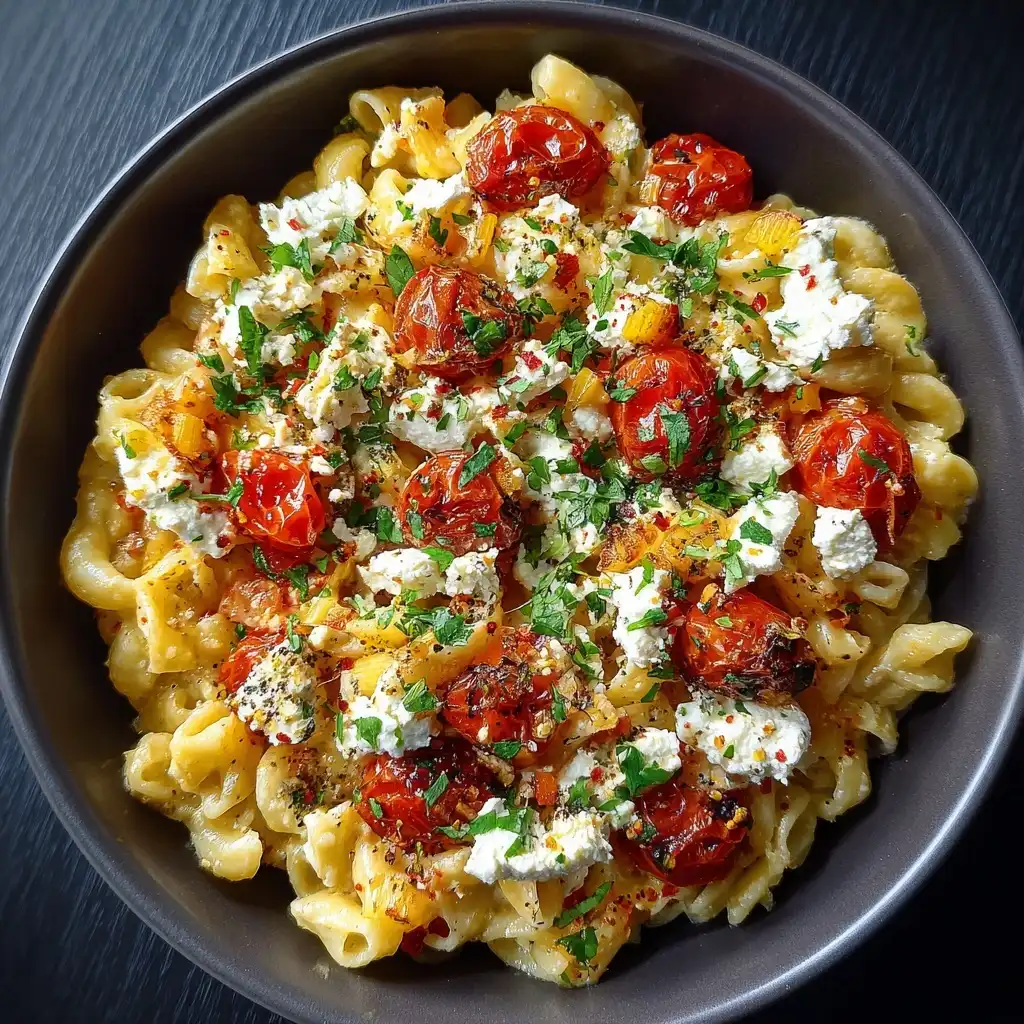
Baked Feta Pasta with Cherry Tomatoes is more than just a viral TikTok sensation—it’s a culinary phenomenon that redefined weeknight cooking for millions. Simple, elegant, and deeply satisfying, this dish marries the creamy tang of feta cheese with the sweet burst of roasted cherry tomatoes, all enveloping tender pasta in a luscious, herb-flecked sauce. Its magic lies not in complexity, but in the alchemy of minimal ingredients transformed by heat: the feta softens into a velvety base, the tomatoes caramelize and release their juices, and olive oil, garlic, and herbs deepen the flavor profile without overpowering. Whether you’re a seasoned home cook or a beginner seeking foolproof comfort food, this recipe delivers restaurant-quality results with pantry-staple ease—and it’s endlessly adaptable to dietary preferences, seasonal produce, and personal taste.
The History
While baked pasta dishes have long been staples across Mediterranean and Middle Eastern cuisines, the specific iteration known as “Baked Feta Pasta” rose to global prominence in early 2021—courtesy of Finnish food blogger Tommi Kovanen, who first shared his version under the name “Uunifetapasta” (Finnish for “oven-baked feta pasta”) on Instagram and TikTok in late 2020. His minimalist approach—baking feta and tomatoes together with olive oil, garlic, and oregano, then folding in cooked pasta—struck a chord during pandemic lockdowns, when accessible, joyful, and visually captivating recipes were in high demand. Within weeks, #BakedFetaPasta exploded across social media, amassing over 3 billion views on TikTok alone and inspiring countless recreations, parodies, and even grocery store shortages of block feta. Though similar concepts exist in Greek tomato-feta bakes and Levantine mezze preparations, Kovanen’s genius was in its intentional simplicity, timing, and shareability—transforming a rustic oven dish into a cultural touchstone that bridged generations, geographies, and cooking skill levels. Today, it remains a benchmark for modern viral food trends: rooted in tradition, elevated by technique, and democratized by accessibility.
Ingredients Breakdown
Every ingredient in Baked Feta Pasta plays a distinct, purposeful role—no filler, no afterthoughts. Understanding their contributions helps elevate your execution and empowers confident customization:
- Feta Cheese (block, not crumbled): The undisputed star. Authentic Greek feta made from sheep’s milk (or sheep/goat blend) offers the ideal balance of saltiness, acidity, and creaminess when baked. Its high moisture content and firm-yet-crumbly texture allow it to soften luxuriously—not melt away—while releasing savory umami notes into the sauce. Avoid pre-crumbled feta (often coated in anti-caking starches and overly dry) or domestic cow’s-milk feta (milder and less complex).
- Cherry Tomatoes: Choose ripe, plump, deeply colored varieties—Sun Golds (sweet/tangy), Sweet 100s (balanced), or classic red cherries (richer umami). Their high sugar-to-acid ratio ensures caramelization and jammy depth. Avoid underripe or mealy tomatoes, which yield watery, bland results.
- Extra-Virgin Olive Oil: Not just fat—it’s flavor infrastructure. A robust, peppery, mid-range EVOO (e.g., Greek Koroneiki or Spanish Picual) stands up to roasting and complements feta’s saltiness. It carries aromatics, coats pasta silkily, and contributes polyphenols and antioxidants.
- Garlic: Fresh cloves—thinly sliced or lightly crushed—infuse the oil with aromatic warmth without bitterness. Roasting mellows their pungency into sweet, nutty undertones. Too much raw garlic can overwhelm; precision matters.
- Dried Oregano: The quintessential Mediterranean herb here. Greek oregano (Origanum vulgare subsp. hirtum) has a more floral, camphorous intensity than Mexican or common oregano—its earthiness harmonizes with feta and tomatoes. Added before baking, it rehydrates and blooms in the hot oil.
- Red Pepper Flakes (optional but recommended): A whisper of heat balances richness and brightens the palate. Toasted briefly in oil, they release capsaicin and fruity esters—not just spice, but dimension.
- Black Pepper & Sea Salt: Freshly cracked black pepper adds volatile citrusy notes; flaky sea salt (like Maldon) finishes the dish with textural contrast and clean salinity—crucial since feta is already salty.
- Pasta: Short, ridged shapes like campanelle, casarecce, or penne rigate excel—they trap the creamy sauce in their grooves and hold up to roasting. High-protein durum wheat semolina pasta (e.g., De Cecco, Rustichella d’Abruzzo) resists mushiness and delivers superior bite (“al dente” integrity).
- Fresh Herbs (finishing): A generous handful of chopped fresh basil or parsley adds brightness, herbal lift, and visual appeal—cutting through richness and adding volatile aromatic compounds lost during baking.
- Lemon Zest (optional but transformative): Microplaned zest introduces intense citrus oils that awaken every other flavor without adding liquid acidity—making the dish taste vibrant, layered, and restaurant-polished.
Step-by-Step Recipe
- Preheat & Prep: Position oven rack in the center. Preheat oven to 400°F (200°C). Lightly grease a 9×13-inch (or similarly sized) rimmed baking dish with olive oil or line with parchment for easy cleanup.
- Arrange the Base: In the prepared dish, evenly scatter 2 cups (300g) halved cherry tomatoes—cut sides up for optimal caramelization. Nestle one 8-oz (225g) block of feta cheese, rind-side down if applicable, into the center of the tomatoes. Ensure tomatoes surround but don’t submerge the cheese.
- Infuse the Oil: In a small heatproof bowl or measuring cup, combine ¼ cup (60ml) extra-virgin olive oil, 4 thinly sliced garlic cloves, 1 tsp dried oregano, ¼ tsp red pepper flakes (adjust to taste), and a generous grind of black pepper. Whisk gently to blend. Pour this fragrant mixture evenly over the tomatoes and feta, ensuring the cheese surface and tomato cut sides are well-coated. Sprinkle with ½ tsp flaky sea salt (remember: feta is salty—taste before adding more).
- Bake to Perfection: Place dish in preheated oven. Bake uncovered for 35–45 minutes, rotating halfway through, until tomatoes are deeply blistered, shrunken, and glistening with concentrated juices; feta is golden at the edges, softened to a spreadable consistency (not runny), and surrounded by a rich, amber-hued pool of infused oil and tomato essence. Internal temperature of feta should reach ~160°F (71°C)—it will be warm, creamy, and yielding.
- Cook the Pasta: While baking, bring a large pot of well-salted water (2 tbsp kosher salt per 4 quarts) to a rolling boil. Add 12 oz (340g) short-cut pasta and cook 1–2 minutes *less* than package instructions for al dente (e.g., if box says 12 min, cook 10–11 min). Reserve 1 cup (240ml) of starchy pasta water before draining.
- Emulsify the Sauce: Carefully remove hot baking dish from oven (use oven mitts!). Let rest 2–3 minutes. Using a fork or potato masher, vigorously mash the baked feta and tomatoes together directly in the dish until mostly smooth but still with pleasant texture—think rustic, not puréed. Gradually whisk in reserved hot pasta water, ¼ cup at a time, until the mixture transforms into a cohesive, glossy, velvety sauce that clings to the back of a spoon. This step is non-negotiable for silkiness and binding power.
- Combine & Finish: Gently fold in the hot, drained pasta, tossing thoroughly with tongs to coat every strand. If sauce seems tight, add more pasta water (1 tbsp at a time) until desired consistency is reached—a lush, pourable yet clingy texture. Taste and adjust: a final pinch of flaky salt, more black pepper, or a squeeze of lemon juice (½ tsp) can balance richness. Finish with a generous shower of fresh basil or parsley and optional lemon zest.
- Serve Immediately: Portion into warmed bowls. Drizzle with a final thread of high-quality olive oil and an extra sprinkle of oregano or red pepper flakes for visual and flavor impact. Serve while piping hot—the sauce thickens slightly as it cools.
Tips
- Room-Temperature Feta Matters: Remove feta from the fridge 20–30 minutes before baking. Cold cheese contracts, resists softening evenly, and may crack instead of melting smoothly.
- Tomato Cut Consistency: Halve tomatoes uniformly so they roast at the same rate. For ultra-jammy results, quarter them—but avoid dicing, which releases too much water too quickly.
- Don’t Skip the Rest: Letting the baked mixture sit 2–3 minutes post-oven allows residual heat to continue tenderizing the feta and lets flavors meld. Rushing this step leads to a broken, greasy sauce.
- Pasta Water Is Liquid Gold: Starchy, salty, hot pasta water is the emulsifier that binds oil, acid, and starch into a stable, luxurious sauce. Never rinse pasta—starch is essential. Reserve it *before* draining.
- Undercook Pasta Intentionally: Overcooked pasta turns mushy when tossed with hot sauce. Err on the side of al dente—it finishes cooking in the residual heat of the sauce.
- Low-and-Slow Emulsification: When whisking in pasta water, do it gradually and vigorously. Adding it all at once shocks the hot feta and causes separation. Think “slow stream + constant whisk” = silky emulsion.
- Acid Balance Is Key: If sauce tastes flat or overly rich, don’t just add salt—add brightness. A tiny splash (½ tsp) of lemon juice or white wine vinegar right before serving lifts everything without making it sour.
- Oven Thermometer Check: Many ovens run hot or cold. An inexpensive oven thermometer ensures your 400°F is accurate—critical for proper feta texture and tomato caramelization.
- Nonstick Pan Warning: Avoid nonstick baking dishes. High heat + olive oil can degrade coatings over time. Use stainless steel, ceramic, or enameled cast iron for safety and performance.
- Resting Time for Leftovers: If reheating, add a splash of water or broth and warm gently on the stove—microwaving makes feta grainy. Let leftovers sit at room temp 10 minutes before reheating to prevent thermal shock.
Variations and Customizations
This recipe is a masterclass in adaptability—respecting its core DNA while inviting creativity. Here are thoughtfully tested, chef-approved variations:
- Vegan Version: Substitute block-style almond- or tofu-based “feta” (e.g., Violife or homemade cashew feta) and increase nutritional yeast (1 tbsp) + lemon juice (1 tsp) for umami/sour depth. Use avocado oil instead of olive oil for higher smoke point. Add 1 tbsp white miso paste to the oil blend for fermented savoriness.
- Protein-Packed: Toss in 1 cup cooked chickpeas (roasted with spices first), shredded rotisserie chicken, pan-seared shrimp (added in last 2 mins of baking), or flaked salmon (placed on top during final 5 mins). For vegetarians, add pan-fried halloumi cubes alongside tomatoes.
- Vegetable-Forward: Roast alongside tomatoes: diced zucchini, eggplant, bell peppers, or red onions (tossed in same oil blend). Add baby spinach or arugula in the last minute of tossing for freshness and nutrients.
- Herb & Citrus Twists: Swap oregano for thyme or marjoram; finish with mint instead of basil. Add strips of preserved lemon peel or a full tablespoon of lemon zest to the oil blend before baking.
- Umami Bomb: Stir in 1 tsp tomato paste with the oil blend, or add 2 chopped sun-dried tomatoes (oil-packed) to the baking dish. A splash of balsamic glaze drizzled post-bake adds sweet-tart complexity.
- Grain Bowl Style: Replace pasta with 3 cups cooked farro, freekeh, or pearl couscous. Reduce bake time by 5–10 minutes (grains absorb less liquid) and increase pasta water substitute to ½ cup vegetable broth.
- Breakfast or Brunch: Top baked mixture with a soft-poached egg and crispy prosciutto. Serve alongside crusty toast for dipping.
- Meal-Prep Friendly: Bake feta-tomato base ahead (cools in fridge 4 days). Cook pasta fresh each time, then combine and reheat with extra broth/water. Sauce freezes beautifully for up to 3 months—thaw overnight, reheat gently, then toss with hot pasta.
- Greek-Inspired: Add ¼ cup kalamata olives (pitted) and 2 tbsp chopped red onion to the baking dish. Finish with crumbled dried mint and a dollop of tzatziki.
- Spice Lover’s Edition: Infuse oil with 1 tsp ground cumin + ½ tsp smoked paprika. Top finished dish with harissa swirl or pickled jalapeños.
Health Considerations and Nutritional Value
Baked Feta Pasta is often perceived as indulgent—but with mindful tweaks, it’s a nutrient-dense, balanced meal aligned with Mediterranean diet principles, widely recognized by the WHO and American Heart Association for cardiovascular and metabolic health benefits.
Nutrition Snapshot (per serving, based on 4 servings):
Calories: ~580 | Protein: 22g | Carbohydrates: 68g (Fiber: 4g, Sugars: 6g natural) | Fat: 28g (Saturated: 10g, Monounsaturated: 14g, Polyunsaturated: 2g) | Sodium: ~720mg (varies with feta brand) | Calcium: 320mg (32% DV) | Vitamin C: 35mg (39% DV) | Lycopene: ~8mg (powerful antioxidant from roasted tomatoes)
Key Health Highlights:
- Heart-Healthy Fats: Extra-virgin olive oil provides oleic acid and polyphenols that reduce LDL oxidation and improve endothelial function. Monounsaturated fats support healthy cholesterol levels.
- Antioxidant Powerhouse: Roasting tomatoes significantly increases bioavailable lycopene—linked to reduced risk of prostate cancer and UV skin protection. Garlic contributes allicin (anti-inflammatory, antimicrobial); oregano offers rosmarinic acid (neuroprotective).
- High-Quality Protein & Calcium: Feta delivers complete protein (all 9 essential amino acids) and highly absorbable calcium—especially important for bone health. Sheep’s milk feta contains more conjugated linoleic acid (CLA) than cow’s milk versions, associated with anti-obesity effects.
- Fiber & Gut Health: Whole-grain pasta options boost fiber to 8–10g/serving, feeding beneficial gut microbiota. Cherry tomatoes contribute prebiotic fibers like pectin.
- Lower Glycemic Impact: When paired with healthy fats and protein, the complex carbs in pasta digest slowly—preventing blood sugar spikes better than refined carbs alone.
Dietary Adaptations:
- Gluten-Free: Use certified GF pasta (brown rice, lentil, or chickpea-based). Ensure feta is labeled GF (some brands use wheat-based cultures—rare but possible).
- Lower-Sodium: Rinse feta under cold water for 30 seconds to remove surface salt, or choose low-sodium feta (check labels—some contain 30% less sodium). Reduce added salt by half and rely on herbs, lemon, and garlic for flavor.
- Keto/Low-Carb: Replace pasta with spiralized zucchini (“zoodles”), roasted cauliflower florets, or shirataki noodles. Increase healthy fats (add avocado slices or pine nuts) and protein (grilled chicken) to maintain satiety.
- Dairy-Free: As noted in vegan variation—nutritional yeast, miso, and lemon provide the savory depth missing without dairy.
- Allergen Note: Naturally nut-free, soy-free, and egg-free (verify pasta label). Always check feta ingredients for microbial rennet sources if strict vegetarian.
Ingredients
- 2 cups (300g) cherry tomatoes, halved
- 1 (8-oz / 225g) block authentic Greek feta cheese, preferably sheep’s milk
- ¼ cup (60ml) high-quality extra-virgin olive oil
- 4 garlic cloves, thinly sliced
- 1 teaspoon dried Greek oregano
- ¼ teaspoon red pepper flakes (adjust to taste)
- Freshly ground black pepper
- ½ teaspoon flaky sea salt (plus more to taste—feta is salty!)
- 12 ounces (340g) short-cut pasta (campanelle, penne rigate, or casarecce)
- 2 tablespoons kosher salt (for pasta water)
- 1 cup (240ml) reserved hot pasta water
- ½ cup fresh basil or flat-leaf parsley, roughly chopped
- Lemon zest (from ½ lemon, optional but recommended)
- Extra-virgin olive oil, for finishing
Directions
- Preheat oven to 400°F (200°C). Lightly grease a 9×13-inch rimmed baking dish.
- In the baking dish, arrange halved cherry tomatoes in an even layer, cut sides up. Place the feta block in the center.
- In a small bowl, whisk together olive oil, sliced garlic, oregano, red pepper flakes, several grinds of black pepper, and ½ tsp flaky salt. Pour evenly over tomatoes and feta.
- Bake uncovered for 35–45 minutes, until tomatoes are blistered and shrunken, feta is golden-edged and softened, and a rich, amber sauce pools around the cheese.
- Meanwhile, bring 4 quarts water to boil. Add 2 tbsp kosher salt. Cook pasta 1–2 minutes less than package directions for al dente. Reserve 1 cup starchy pasta water, then drain.
- Remove baking dish from oven. Let rest 2–3 minutes. Mash feta and tomatoes together with a fork until mostly smooth. Gradually whisk in reserved pasta water, ¼ cup at a time, until creamy and emulsified.
- Gently fold in hot pasta. Adjust consistency with more pasta water if needed. Taste and adjust seasoning.
- Finish with fresh herbs, lemon zest, a drizzle of olive oil, and extra black pepper. Serve immediately.
FAQ
- Can I use crumbled feta?
- No—crumbled feta lacks the structural integrity to soften into a creamy sauce. It will either dry out or dissolve into greasy bits. Always use a solid block.
- Why did my sauce break or look oily?
- Most commonly due to: (1) Adding cold pasta water instead of hot, (2) Adding all pasta water at once instead of gradually, (3) Under-mashing the feta-tomato base before adding water, or (4) Using low-starch pasta or rinsing pasta. Fix: Whisk vigorously over low heat with 1 tbsp hot water until re-emulsified.
- Can I make this ahead of time?
- Absolutely. Bake the feta-tomato base up to 4 days ahead and refrigerate. Reheat gently in oven or skillet, then toss with freshly cooked pasta and hot pasta water. Freezes well for 3 months—thaw overnight in fridge before reheating.
- What if I don’t have oregano?
- Thyme, marjoram, or herbes de Provence work beautifully. Avoid Italian seasoning blends with fillers—opt for single-herb purity. Dried basil is acceptable but less traditional.
- Is this dish safe for pregnant people?
- Yes—if using pasteurized feta. Most U.S.-made and EU-imported feta sold in supermarkets is pasteurized. Always check the label for “pasteurized milk.” Avoid raw, artisanal, or imported feta without clear labeling.
- Can I air-fry it?
- Yes—with adjustments: Use a 7×11-inch oven-safe air fryer pan. Bake at 375°F (190°C) for 22–28 minutes, shaking basket gently at 15 minutes. Watch closely—air fryers vary. Sauce may be slightly less abundant due to faster evaporation.
- Why does my feta taste too salty?
- Brand variability is huge. Try a different feta (look for “PDO Feta” from Greece), rinse briefly before baking, or reduce added salt to ¼ tsp. Pairing with lemon zest or a splash of vinegar also mitigates perceived saltiness.
- Can I use other cheeses?
- Not interchangeably. Halloumi holds shape but doesn’t melt; goat cheese melts too fast and lacks salt balance; ricotta is too wet. For experimentation, try a 50/50 blend of feta + mild pecorino for sharper depth.
- How do I store leftovers?
- Cool completely, then store in an airtight container for up to 4 days. Reheat gently on stovetop with 1–2 tbsp water or broth—do not microwave uncovered (dries out pasta).
- What wine pairs best?
- A crisp, high-acid white: Assyrtiko (Greek), Vermentino (Sardinian), or Sauvignon Blanc (Loire Valley). The citrus and mineral notes cut richness and echo the tomatoes’ brightness.
Summary
Baked Feta Pasta with Cherry Tomatoes is a triumph of minimalist Mediterranean cooking—where fire transforms humble ingredients into a luxuriously creamy, tangy-sweet, herb-kissed masterpiece that’s equal parts comforting and sophisticated. Rooted in tradition yet defined by modern accessibility, it celebrates quality sourcing, intuitive technique, and joyful customization without compromise.
Whether you’re feeding a family, impressing guests, meal-prepping with intention, or simply craving something deeply flavorful with under 10 ingredients and zero stress, this dish delivers extraordinary taste, remarkable nutrition, and endless possibility—all from one sheet pan and a pot of boiling water.