Introduction
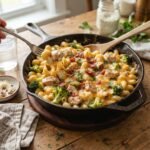
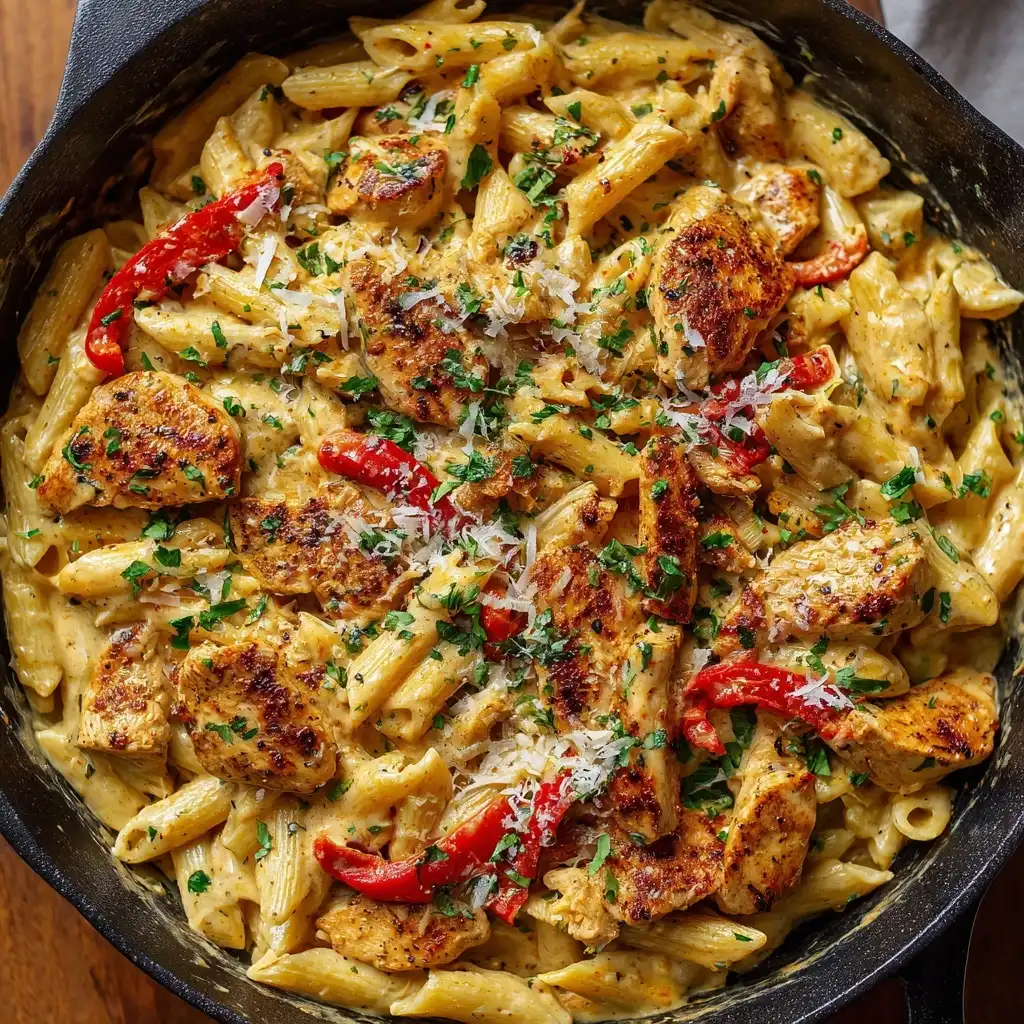
One Pot Creamy Cajun Chicken Pasta is the ultimate weeknight hero—rich, bold, and deeply satisfying, yet deceptively simple to prepare. This dish masterfully marries the fiery, aromatic complexity of Cajun seasoning with the comforting creaminess of a luscious, velvety sauce—all cooked in a single pot to minimize cleanup without sacrificing depth or texture. Whether you’re feeding a busy family, prepping meals for the week, or impressing guests with minimal effort, this recipe delivers restaurant-quality flavor with home-kitchen practicality. Its vibrant orange-tinged sauce, tender seared chicken, al dente pasta, and subtle herb finish create a harmonious balance of heat, richness, and freshness that lingers long after the last bite.
The History
Cajun cuisine traces its roots to the Acadian exiles—French-speaking settlers expelled from Canada’s Maritime provinces in the mid-18th century—who resettled in rural south Louisiana. There, they adapted their French culinary traditions using local ingredients like rice, okra, peppers, and wild game, forging a rustic, spice-forward cooking style centered on the “holy trinity” (onions, bell peppers, celery) and bold, hand-blended seasonings. Traditional Cajun dishes were typically one-pot wonders—gumbos, jambalayas, and étouffées—designed for resourcefulness and communal eating. While classic Cajun fare rarely included pasta (a later Italian-American influence), the modern fusion of Cajun spices with creamy, carb-forward preparations reflects the dynamic evolution of American regional cooking. One Pot Creamy Cajun Chicken Pasta emerged organically in the early 2010s through food blogs and social media, gaining viral traction for its clever adaptation: borrowing the assertive spice profile of Cajun rubs, applying it to lean protein and pantry staples, and streamlining technique without diluting authenticity. It stands as a testament to how cultural culinary legacies continue to inspire inventive, accessible, and deeply flavorful everyday meals.
Ingredients Breakdown
Every component in this recipe serves a precise purpose—no filler, no afterthoughts. Let’s explore why each ingredient matters:
- Chicken breasts or thighs: Boneless, skinless chicken breasts offer lean tenderness, while thighs provide richer flavor and forgiving moisture retention—ideal if you’re prone to overcooking. Uniform 1-inch cubes ensure even searing and rapid integration into the sauce.
- Cajun seasoning: A cornerstone—not just for heat, but for layered umami and earthiness. Authentic blends contain paprika (smoked or sweet), garlic powder, onion powder, cayenne, oregano, thyme, black pepper, white pepper, and sometimes celery seed or mustard powder. Avoid pre-made blends loaded with excessive salt or anti-caking agents; homemade gives full control over heat level and purity of flavor.
- Pasta: Short, sturdy shapes like penne, fusilli, or campanelle hold up best in creamy, clingy sauces. Their ridges and curves trap the velvety roux-based emulsion, while their dense structure resists mushiness during the one-pot simmer. Gluten-free brown rice or lentil pasta works beautifully for dietary needs—just adjust liquid slightly and monitor closely.
- Aromatics: The holy trinity—diced yellow onion, green bell pepper, and celery—is non-negotiable for authentic Cajun depth. Sautéed until softened but not browned, they build a foundational sweetness and vegetal complexity that tempers spice and adds dimension beyond mere heat.
- Garlic and fresh herbs: Minced garlic added late prevents bitterness and unleashes pungent aroma. Fresh parsley (flat-leaf) stirred in at the end offers a bright, grassy counterpoint; optional green onions add mild allium sharpness and visual pop.
- Liquid components: Low-sodium chicken broth forms the base—its savory depth enhances without overwhelming. Heavy cream (or full-fat coconut milk for dairy-free) delivers unctuous silkiness and mellows cayenne’s burn. A splash of whole milk can stretch richness while preserving body.
- Thickening agents: A roux made from butter and all-purpose flour creates structural integrity—preventing separation and lending subtle nuttiness. Alternatively, a cornstarch slurry offers a gluten-free, neutral option, though it lacks the same depth.
- Acid and fat finish: A squeeze of fresh lemon juice right before serving lifts the entire dish—cutting through fat, enhancing spice perception, and adding vibrancy. Grated Parmesan (optional but recommended) contributes salty, nutty umami and helps emulsify the sauce further.
Step-by-Step Recipe
- Prep & Season: Pat chicken cubes *very* dry with paper towels—this ensures proper sear, not steam. In a small bowl, combine 2 tbsp Cajun seasoning, 1 tsp smoked paprika (for depth), ½ tsp black pepper, and ¼ tsp cayenne (adjust to preference). Toss chicken thoroughly, coating every surface. Let rest 10 minutes for flavor penetration.
- Sear the Chicken: Heat 2 tbsp high-smoke-point oil (avocado or refined coconut) in a heavy-bottomed Dutch oven or large, deep skillet over medium-high heat. Once shimmering, add chicken in a single layer—do not crowd. Sear 2–3 minutes per side until deeply golden and just cooked through. Transfer to a clean plate; tent loosely with foil.
- Sauté Aromatics: Reduce heat to medium. Add 2 tbsp unsalted butter. Once melted, stir in diced onion, bell pepper, and celery. Cook 5–6 minutes until softened and translucent—but *not* browned. Stir in 4 minced garlic cloves and 1 tsp dried thyme; cook 45 seconds until fragrant.
- Build the Roux: Sprinkle in ¼ cup all-purpose flour, whisking constantly for 1 minute to cook out raw taste. Gradually pour in 2 cups low-sodium chicken broth while whisking vigorously to prevent lumps. Bring to a gentle simmer, stirring frequently.
- Simmer with Pasta: Stir in 12 oz dried pasta, ensuring fully submerged. Cover and simmer gently for 12 minutes, stirring every 3–4 minutes to prevent sticking and ensure even absorption. Liquid should reduce by ~⅓; pasta should be al dente.
- Incorporate Cream & Chicken: Reduce heat to low. Whisk in 1 cup heavy cream and ½ cup whole milk. Return seared chicken (with any accumulated juices) to the pot. Simmer uncovered 4–5 minutes, stirring occasionally, until sauce thickens to coat the back of a spoon and pasta reaches perfect tenderness.
- Finish & Serve: Remove from heat. Stir in 2 tbsp fresh lemon juice, ¼ cup chopped flat-leaf parsley, and ½ cup grated Parmesan (if using). Taste and adjust: more Cajun seasoning for heat, lemon for brightness, salt only if needed (broth and seasoning often suffice). Let rest 2 minutes—sauce will thicken further. Garnish with extra parsley, lemon zest, and a dusting of smoked paprika.
Tips
- Dry chicken is non-negotiable: Excess moisture = steamed, not seared chicken. Pat twice—before seasoning and again right before hitting the pan.
- Control your heat: Searing requires medium-high; aromatics need medium to avoid burning; simmering demands low-and-slow to prevent curdling or scorching the roux.
- Stir with intention: Use a heatproof silicone spatula to scrape the bottom thoroughly—especially after adding pasta—to lift any fond and prevent sticking or uneven cooking.
- Resist overcooking pasta: Start checking at 10 minutes. It continues cooking off-heat and in residual warmth. Al dente is key—mushy pasta turns the dish gluey.
- Cream timing matters: Adding cream too early (before pasta is nearly done) risks breaking or thinning the sauce. Introduce it only once pasta is 90% cooked.
- Rest before serving: Allowing the dish to sit 2–3 minutes off-heat lets starches relax and sauce cling evenly—a subtle but transformative step.
- Taste, then adjust—twice: Once after broth addition (for salt base), and again after cream and lemon (for balance). Cajun heat builds; acidity tames it.
- Use a wide, heavy pot: Ensures even heat distribution, ample surface area for searing, and room for vigorous stirring without splatter.
- Don’t skip the lemon: It’s not just garnish—it’s the secret bridge between richness and refreshment. Bottled juice lacks brightness; always use fresh.
- Double-batch smartly: Make 1.5x the sauce and aromatics, but cook pasta separately in the second batch to maintain texture—then combine.
Variations and Customizations
This recipe is a canvas—adaptable across diets, preferences, and pantry constraints:
- Vegetarian/Vegan: Swap chicken for 1½ cups roasted cauliflower florets + 1 cup cooked black-eyed peas or chickpeas. Use vegetable broth and full-fat coconut milk (canned, not “lite”). Boost umami with 1 tbsp nutritional yeast or 1 tsp white miso paste whisked in at the end.
- Seafood Twist: Replace chicken with 1 lb peeled, deveined shrimp (add in last 3 minutes) and ½ cup lump crabmeat (fold in off-heat). Add 1 tsp Old Bay to the seasoning blend for Chesapeake flair.
- Spice-Lover’s Upgrade: Infuse oil with 1–2 sliced jalapeños before searing chicken. Stir in 1 tsp chipotle purée or ½ tsp ground ancho chile with the roux for smoky heat.
- Low-Carb/Keto: Substitute shirataki noodles or spiralized zucchini (add in final 2 minutes) and increase heavy cream to 1¼ cups. Thicken with 1 tsp xanthan gum instead of flour.
- Extra-Veggie Boost: Stir in 1 cup baby spinach or chopped kale during the last 2 minutes of simmering—or fold in ½ cup roasted cherry tomatoes and ¼ cup artichoke hearts at the finish.
- Herb Garden Edition: Swap parsley for 2 tbsp fresh basil + 1 tbsp chopped chives. Add 1 tsp lemon thyme with the dried thyme for citrusy nuance.
- Smoky Depth: Use smoked sea salt instead of regular, add ½ tsp smoked paprika to the seasoning, and finish with a whisper of liquid smoke (⅛ tsp) whisked in with cream.
- Meal-Prep Friendly: Undercook pasta by 1 minute, cool completely, and store with 2 tbsp extra broth. Reheat gently on stove with splash of milk—sauce re-emulsifies beautifully.
- Instant Pot Version: Sauté chicken and aromatics using Sauté function. Deglaze with broth, add pasta, seal lid, cook on High Pressure 6 minutes. Quick release, stir in cream/lemon, and broil 2 minutes for slight crust.
Health Considerations and Nutritional Value
Nutritionally, this dish strikes a thoughtful balance when prepared mindfully. A standard serving (1⅓ cups) contains approximately 580–640 calories, with 38–42g protein (primarily from chicken and dairy), 42–48g complex carbohydrates (pasta), and 24–28g total fat (mostly unsaturated from olive/avocado oil and healthy saturated fats from cream/butter). Key health highlights include:
- High-Quality Protein: Chicken provides all nine essential amino acids, supporting muscle maintenance, satiety, and metabolic health.
- Antioxidant-Rich Spices: Paprika, cayenne, thyme, and oregano deliver capsaicin (linked to metabolism support), rosmarinic acid (anti-inflammatory), and volatile oils with antimicrobial properties.
- Vitamin K & C from Veggies: Bell peppers supply over 150% DV vitamin C per cup—boosting immunity and iron absorption—while celery and onions contribute vitamin K, folate, and quercetin.
- Probiotic Potential: Using cultured buttermilk (substituted for part of the cream/milk) introduces beneficial bacteria, though heat reduces viability—best added off-heat.
- Considerations: Sodium can run high with store-bought Cajun blends and broth—opt for low-sodium versions and taste before salting. For lower saturated fat, use half-and-half instead of heavy cream (slightly thinner sauce) or cashew cream (soaked + blended raw cashews). Those managing blood sugar should pair with a side salad rich in fiber to moderate glycemic response.
- Allergen Notes: Naturally gluten-free if using GF pasta and tamari-based broth; dairy-free with coconut milk and vegan butter; nut-free as written. Always verify spice blend labels for hidden allergens.
When enjoyed as part of a varied, whole-foods-based diet—and portioned mindfully—this dish supports sustained energy, gut-friendly spices, and pleasurable, nutrient-dense comfort eating.
Ingredients
- 1.5 lbs boneless, skinless chicken breasts or thighs, cut into 1-inch cubes
- 2½ tbsp authentic Cajun seasoning (see note below)
- 1 tsp smoked paprika
- ½ tsp freshly ground black pepper
- ¼ tsp cayenne pepper (adjust to heat preference)
- 2 tbsp avocado oil or refined coconut oil
- 2 tbsp unsalted butter
- 1 medium yellow onion, finely diced
- 1 medium green bell pepper, finely diced
- 2 medium celery stalks, finely diced
- 4 large garlic cloves, minced
- 1 tsp dried thyme
- ¼ cup all-purpose flour (or 3 tbsp cornstarch for GF)
- 2 cups low-sodium chicken broth
- 12 oz short-cut pasta (penne, fusilli, or campanelle)
- 1 cup heavy cream (or full-fat canned coconut milk)
- ½ cup whole milk (or additional coconut milk)
- 2 tbsp fresh lemon juice (from ~1 lemon)
- ¼ cup finely chopped flat-leaf parsley
- ½ cup grated Parmesan cheese (optional, but highly recommended)
- Flaky sea salt (only if needed, after tasting)
- Lemon wedges and extra parsley for garnish
Note on Cajun Seasoning: For best results, make your own: Combine 2 tbsp sweet paprika, 1½ tsp garlic powder, 1½ tsp onion powder, 1 tsp dried oregano, 1 tsp dried thyme, 1 tsp black pepper, ½ tsp white pepper, ½ tsp cayenne, and ¼ tsp celery seed. Store in an airtight jar for up to 6 months.
Directions
- Prep Chicken: Pat chicken cubes extremely dry with paper towels. In a medium bowl, mix Cajun seasoning, smoked paprika, black pepper, and cayenne. Toss chicken to coat evenly. Let sit 10 minutes at room temperature.
- Sear Chicken: Heat oil in a 5–6 quart Dutch oven or heavy-bottomed pot over medium-high heat. When oil shimmers, add chicken in a single layer (work in batches if needed). Sear 2–3 minutes per side until deeply golden and just cooked through (165°F internal). Transfer to a plate; cover loosely with foil.
- Sauté Aromatics: Reduce heat to medium. Add butter. Once melted and foamy, stir in onion, bell pepper, and celery. Cook 5–6 minutes, stirring occasionally, until softened but not browned. Add garlic and dried thyme; cook 45 seconds until fragrant.
- Make Roux Base: Sprinkle flour over vegetables. Whisk constantly for 1 minute to cook flour. Gradually pour in chicken broth while whisking vigorously to eliminate lumps. Bring to a gentle simmer.
- Cook Pasta: Stir in pasta, ensuring fully submerged. Cover and simmer gently for 12 minutes, stirring every 3–4 minutes to prevent sticking and promote even cooking. Liquid should reduce noticeably; pasta should be al dente.
- Add Cream & Chicken: Reduce heat to low. Whisk in heavy cream and milk. Return chicken (and any juices) to pot. Simmer uncovered 4–5 minutes, stirring occasionally, until sauce thickens to coat the back of a spoon and pasta is perfectly tender.
- Finish & Rest: Remove from heat. Stir in lemon juice, parsley, and Parmesan. Taste and adjust: add more Cajun seasoning for heat, lemon for brightness, or a pinch of flaky salt only if needed. Let rest 2 minutes—sauce will thicken and deepen.
- Serve: Ladle into warm bowls. Garnish generously with extra parsley, lemon zest, and a light dusting of smoked paprika. Serve immediately with crusty bread or a simple arugula-lemon salad.
FAQ
- Can I use frozen chicken?
- Yes—but thaw completely first and pat *extremely* dry. Frozen chicken releases excess water, hindering sear and diluting flavor. For safety and texture, never cook frozen chicken directly in this method.
- Why does my sauce break or look greasy?
- Most commonly caused by overheating after adding cream, using ultra-low-fat dairy, or insufficient whisking during roux formation. Always add dairy off-boil, stir gently, and keep heat low. If broken, remove from heat, whisk in 1 tbsp cold cream or ½ tsp Dijon mustard to re-emulsify.
- Can I make this ahead of time?
- Absolutely! Cool completely and refrigerate up to 4 days. Reheat gently on stove over low heat with 2–3 tbsp broth or milk—stirring constantly—to restore creaminess. Avoid microwaving uncovered, which causes separation.
- What’s the best pasta to avoid mushiness?
- Short, ridged pastas with dense structure: bronze-die extruded penne, fusilli, or campanelle. Avoid delicate pastas like angel hair or fresh pasta—they disintegrate. GF brown rice pasta also holds well if rinsed briefly after cooking to remove excess starch.
- Is there a way to reduce the calorie count without sacrificing creaminess?
- Yes—swap half the heavy cream for evaporated milk (richer than skim, lower in fat) or silken tofu blended smooth with lemon juice. Increase herbs and aromatics to boost flavor volume without calories. Serve with a larger portion of sautéed greens on the side.
- Can I freeze this dish?
- We recommend against freezing the finished dish—the cream and pasta texture deteriorate upon thawing and reheating. Instead, freeze raw seasoned chicken and pre-measured dry ingredients (spices, flour, dried herbs) separately for future use.
- My family doesn’t like spice—how do I tone it down?
- Omit cayenne entirely, reduce Cajun seasoning to 1 tbsp, and add ½ tsp honey or maple syrup with the cream to round edges. Serve with cooling sides: cucumber-dill yogurt, avocado slices, or a dollop of sour cream.
- What wine pairs well with this dish?
- A chilled, off-dry Riesling balances heat with bright acidity and subtle sweetness. For red lovers, a low-tannin, fruit-forward Pinot Noir or chilled Beaujolais complements the smokiness without clashing.
- Can I use pre-cooked chicken?
- Yes—add shredded rotisserie or grilled chicken in the final 2 minutes just to warm through. Skip the searing step and reduce initial oil to 1 tsp. Note: Flavor will be milder without fond and caramelization.
- Why do some recipes use tomato paste? Is it traditional?
- Tomato paste adds umami depth and subtle sweetness common in Creole (not Cajun) cooking. While not authentically Cajun, 1 tbsp stirred in with aromatics enhances complexity without overpowering—think of it as a “Creole accent.”
Summary
One Pot Creamy Cajun Chicken Pasta is a bold, soul-warming fusion dish rooted in Louisiana’s resilient culinary heritage—transformed for modern kitchens through smart, streamlined technique and layered, balanced flavor. With its golden-seared chicken, aromatic holy trinity base, velvety roux-thickened cream sauce, and bright lemon-finish, it delivers restaurant-worthy depth in under 35 minutes—with just one pot to wash.
Infinitely adaptable for dietary needs, scalable for crowds, and endlessly customizable with seasonal produce or pantry staples, this recipe proves that vibrant, satisfying, and nutritionally thoughtful meals don’t require compromise—just intention, quality ingredients, and the confidence to let bold flavors shine.