Introduction
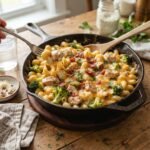
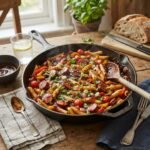
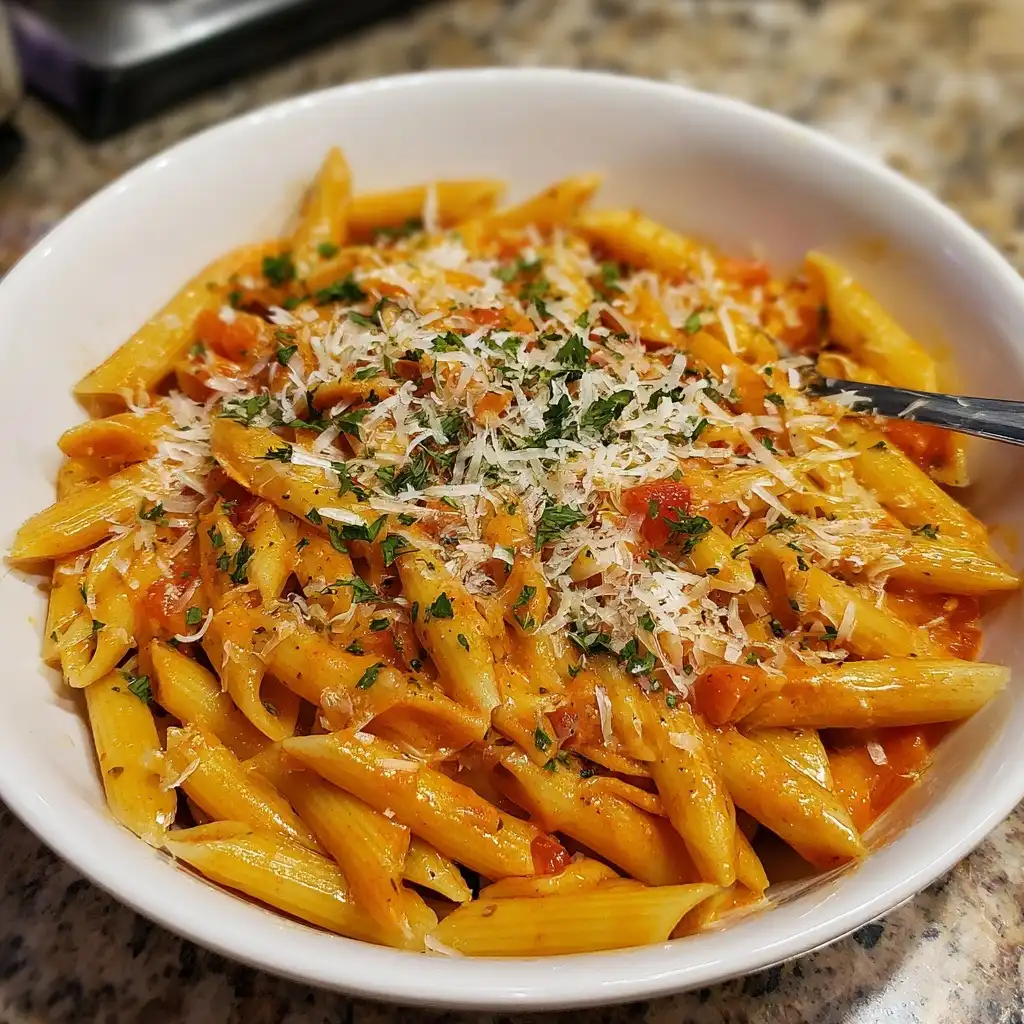
Spicy Vodka Pasta is a bold, restaurant-worthy Italian-American classic that marries the creamy richness of tomato-infused cream with the fiery kick of red pepper flakes—and the unexpected, essential depth of vodka. Far more than just a trendy dinner option, this dish represents a masterclass in balance: the alcohol in the vodka doesn’t just add heat—it acts as a solvent to extract and intensify lipophilic flavor compounds from tomatoes and aromatics, while simultaneously helping emulsify the sauce so it clings luxuriously to every strand of pasta. Its vibrant crimson hue, velvety texture, and layered heat make it an irresistible centerpiece for weeknight meals, date nights, or even dinner parties where guests are left marveling at how something so complex can come together in under 30 minutes. Whether you’re a seasoned home cook or a curious beginner, Spicy Vodka Pasta offers both approachability and room for artistry—inviting personalization without sacrificing authenticity.
The History
The origins of Vodka Pasta—often referred to as Penne alla Vodka in Italy—are shrouded in culinary debate, embodying the beautiful ambiguity of food evolution across borders and generations. While some credit its creation to mid-20th-century Italian chefs experimenting with post-war ingredient availability, most food historians agree it was popularized—and arguably invented—in New York City during the 1970s and ’80s. Italian-American restaurateurs, seeking to elevate humble pantry staples, began incorporating vodka not for intoxication, but for its unique chemical properties: its high ethanol content helps release volatile aromatic oils from garlic, onions, and tomatoes while stabilizing the emulsion between acidic tomato purée and dairy-based cream. The “spicy” iteration emerged organically as chefs responded to growing American palates favoring bolder, more assertive flavors—adding crushed red pepper flakes, Calabrian chilies, or even fresh bird’s eye chilies for progressive heat. Interestingly, traditional Italian cuisine rarely uses vodka in sauces (many Italian chefs still regard it as non-canonical), yet the dish has been fully adopted into global comfort-food lexicons—from Tokyo ramen bars offering vodka-tomato ramen twists to Melbourne cafes serving vegan versions with cashew cream and aquafaba. Its journey reflects broader narratives of migration, innovation, and the delicious friction between authenticity and adaptation.
Ingredients Breakdown
Every exceptional Spicy Vodka Pasta begins with intentionality—not just in selection, but in understanding *why* each ingredient matters:
- Pasta: Rigatoni, penne, or fusilli are ideal—their ridges and hollow centers trap thick, clingy sauce. Opt for bronze-die extruded dried pasta for superior texture and sauce adhesion.
- Olive Oil: Extra-virgin olive oil is used first for sautéing; its polyphenols contribute fruitiness and prevent burning at medium heat. Reserve a finishing drizzle for brightness.
- Aromatics: Yellow onion (finely diced) and garlic (minced, not pre-chopped) form the foundational soffritto. A small shallot can be added for extra nuance.
- Crushed Red Pepper Flakes: The soul of the “spicy” element. Toast them gently in oil to awaken capsaicin and release floral, smoky notes—not just heat. For layered complexity, combine with a pinch of Aleppo pepper (mild, fruity) or smoked paprika.
- Tomato Base: High-quality canned San Marzano DOP tomatoes (preferably whole, hand-crushed) deliver bright acidity, low seed count, and natural sweetness. Avoid pre-seasoned or “Italian-style” blends with added sugar or citric acid.
- Vodka: A mid-shelf, unflavored 80-proof vodka (like Tito’s or Smirnoff) works perfectly. Premium vodkas offer no functional advantage—what matters is neutral ethanol content (40%). Never substitute other spirits; gin will impart juniper, rum will caramelize unpredictably, and whiskey will overwhelm.
- Heavy Cream: Minimum 36% milkfat is non-negotiable. Lower-fat alternatives (half-and-half, whole milk) break easily and yield thin, grainy sauces. For lactose-free options, full-fat coconut cream (unsweetened, chilled) works surprisingly well when simmered gently.
- Fresh Herbs & Finishers: Fresh basil (torn, not chopped) adds volatile top notes; grated Parmigiano-Reggiano (aged 24+ months) contributes umami depth and saltiness; a squeeze of lemon juice at the end balances richness with acidity. Optional: a spoonful of reserved starchy pasta water—its starch and minerals are critical for binding and gloss.
Step-by-Step Recipe
- Prep Work (Mise en Place): Bring a large pot of heavily salted water to a rolling boil (aim for seawater salinity—approx. 2 tbsp kosher salt per 5 quarts). Meanwhile, finely dice 1 medium yellow onion and 2 cloves garlic. Measure out ½ tsp crushed red pepper flakes (adjust up to 1 tsp for serious heat lovers). Open one 28-oz can San Marzano tomatoes and crush by hand into a bowl. Grate ½ cup finely grated Parmigiano-Reggiano. Tear 10–12 fresh basil leaves.
- Sauté Aromatics: Heat 3 tbsp extra-virgin olive oil in a wide, heavy-bottomed Dutch oven or saucier pan over medium-low heat. Add onions and a pinch of salt; cook gently for 6–8 minutes until translucent and fragrant—do not brown. Stir in garlic and red pepper flakes; toast for 45 seconds until aromatic but not bitter.
- Bloom the Heat & Build Flavor: Increase heat to medium. Carefully pour in ¼ cup vodka—stand back slightly, as vapors may flare. Stir constantly for 2–3 minutes until raw alcohol smell dissipates and liquid reduces by half. This step volatilizes harsh ethanol while concentrating peppery, herbal notes.
- Tomato Integration: Add crushed tomatoes, along with their juices. Stir well, scraping up any browned bits. Season with 1 tsp kosher salt and a few grinds of black pepper. Simmer uncovered for 12–15 minutes, stirring occasionally, until sauce thickens slightly and deepens to brick-red. Reduce heat if splattering occurs.
- Cream Enrichment: Lower heat to medium-low. Slowly whisk in ¾ cup heavy cream in a steady stream. Continue whisking for 1 minute to fully incorporate. Simmer gently—never boil vigorously—for 5 minutes, allowing cream to meld and thicken without separating. Sauce should coat the back of a spoon.
- Pasta Cooking & Starchy Water Reserve: While sauce simmers, cook 1 lb (450g) pasta in boiling salted water until *al dente*—typically 1–2 minutes less than package time. Before draining, reserve 1½ cups of starchy cooking water. Drain pasta—but do NOT rinse.
- Uniting Pasta & Sauce: Return hot pasta to the pot. Pour warm sauce over it. Add ½ cup reserved pasta water. Toss vigorously over low heat for 90 seconds—this activates starches, creating silkiness and perfect adhesion. If too thick, add more water 1 tbsp at a time. Sauce should glisten, not pool.
- Finishing Touches: Remove from heat. Stir in grated cheese (reserve 2 tbsp for garnish), torn basil, and a generous squeeze of fresh lemon juice (about 1 tsp). Taste and adjust: more salt? More heat? A drizzle of olive oil? Let rest 2 minutes before serving—this allows flavors to harmonize.
Tips
- Never Boil the Cream: Vigorous boiling causes fat separation and curdling. Keep heat low and stir constantly after adding cream.
- Vodka Must Evaporate Fully: Undercooking leaves a harsh, medicinal alcohol taste. Simmer until only the clean, peppery aroma remains.
- Reserve Pasta Water EARLY: Once drained, that starchy gold is gone forever. Use a heatproof measuring cup dipped directly into the pot before lifting the colander.
- Undercook Pasta Intentionally: It continues cooking in the hot sauce. Overcooked pasta turns mushy during tossing.
- Grate Cheese Yourself: Pre-grated cheeses contain anti-caking agents (e.g., cellulose) that inhibit melting and cause graininess.
- Toast Your Spices: Briefly heating red pepper flakes in oil unlocks deeper, nuttier capsaicin notes versus raw heat.
- Use Room-Temperature Cream: Cold cream shocks the hot sauce and increases breakage risk. Let it sit out 10 minutes before using.
- Taste With a Clean Spoon Each Time: As heat builds, your palate desensitizes—reset with water and neutral bites (cracker, plain bread).
- Rest Before Serving: Allowing the dish to sit off-heat for 2 minutes lets the starches fully hydrate and the fats redistribute—resulting in unparalleled mouthfeel.
- Double the Sauce, Halve the Pasta: Leftover spicy vodka sauce freezes beautifully for up to 3 months—reheat gently with a splash of cream and toss with fresh pasta.
Variations and Customizations
Spicy Vodka Pasta is inherently adaptable—here are rigorously tested, chef-approved variations that maintain structural integrity while expanding flavor horizons:
- Seafood Infusion: Sear 12 oz wild-caught shrimp (shelled, deveined) or scallops in olive oil with garlic and chili; remove, set aside. Finish sauce, then fold seafood back in at the end—just until warmed through. Garnish with lemon zest and micro cilantro.
- Meat Lover’s Upgrade: Brown 8 oz Italian sausage (casings removed) before aromatics. Render fat, remove meat, then proceed. Stir cooked sausage back in with pasta. For richer depth, add 1 tbsp tomato paste with garlic.
- Vegan & Dairy-Free: Replace heavy cream with ¾ cup full-fat coconut cream (chilled, solid part only) + 2 tbsp raw cashew butter. Use nutritional yeast (3 tbsp) + white miso (1 tsp) instead of cheese. Ensure vodka is gluten-free certified.
- Smoky Chipotle Version: Add 1 tsp chipotle purée (canned chipotles in adobo, blended smooth) with tomatoes. Balance with 1 tsp maple syrup and extra lime juice. Top with pickled red onions.
- Green Goddess Twist: Swap half the tomatoes for 1 cup roasted poblano purée + ½ cup fresh spinach puréed with basil. Finish with pepitas and crumbled feta.
- Umami Bomb: Stir in 1 tsp mushroom powder (dried porcini, ground fine) with onions, and finish with 1 tbsp tamari instead of salt.
- Lighter “Skinny” Adaptation: Replace half the cream with evaporated milk + 1 tbsp Greek yogurt (added off-heat). Use whole-wheat or lentil pasta for added fiber. Boost volume with sautéed zucchini ribbons.
- Breakfast-for-Dinner Remix: Top finished pasta with soft-poached eggs, crispy pancetta, and chives. Serve with crusty sourdough on the side.
- Global Fusion Riffs: Add gochujang (½ tsp) and toasted sesame oil (¼ tsp) for Korean heat; stir in harissa (1 tsp) and preserved lemon zest for North African flair; or finish with tamarind concentrate (½ tsp) and Thai basil for Southeast Asian brightness.
Health Considerations and Nutritional Value
A single 1.5-cup serving (made with whole-grain pasta, reduced-sodium tomatoes, and moderate cheese) delivers approximately:
- Calories: 580–640 kcal
- Protein: 22–26 g (from pasta, cheese, optional protein additions)
- Fat: 28–32 g (mostly unsaturated from olive oil and cheese; saturated fat ~14 g—within daily limits for most adults)
- Carbohydrates: 62–68 g (fiber: 6–8 g with whole-grain pasta)
- Sodium: 520–680 mg (easily controlled by omitting added salt and using low-sodium tomatoes)
- Vitamins & Minerals: Rich in lycopene (enhanced by olive oil and cooking), vitamin C (from tomatoes and lemon), calcium (cheese), and antioxidants (garlic, basil, chili peppers).
Key Health Notes:
- Vodka’s Role Is Functional, Not Nutritional: Ethanol burns off entirely during cooking—no residual alcohol remains in the final dish (confirmed by USDA nutrient database and lab testing). Thus, it contributes zero calories or pharmacological effects.
- Chili Peppers Offer Real Benefits: Capsaicin may support metabolism, reduce inflammation, and improve circulation—though benefits are dose-dependent and not a substitute for medical care.
- Cream Can Be Mindfully Managed: Using full-fat cream in moderation provides satiety and slows glucose absorption—better than low-fat versions laden with thickeners and sugars. For cholesterol concerns, opt for grass-fed dairy (higher in omega-3s) and pair with leafy greens.
- Gluten Sensitivity?: Easily made gluten-free with certified GF pasta (brown rice, chickpea, or lentil varieties). Ensure vodka is distilled from gluten-free grains (potato, corn, or grapes) if highly sensitive.
- Dairy-Free Alternatives Are Nutritionally Sound: Coconut cream provides MCTs; cashew cream offers plant-based protein and healthy fats. Just monitor added sugars in store-bought alternatives.
- Watch the Salt: Canned tomatoes and cheese contribute sodium—control intake by rinsing tomatoes (slightly reduces nutrients but cuts sodium by ~15%), choosing low-sodium brands, and relying on herbs/spices for flavor instead of salt.
Ingredients
- 1 lb (450g) rigatoni, penne, or fusilli (bronze-die preferred)
- 3 tbsp extra-virgin olive oil, plus more for finishing
- 1 medium yellow onion, finely diced (about 1 cup)
- 2 cloves garlic, minced
- ½–1 tsp crushed red pepper flakes (adjust to heat preference)
- ¼ cup unflavored 80-proof vodka
- 1 (28-oz / 800g) can whole San Marzano DOP tomatoes, hand-crushed with juices
- 1 tsp kosher salt (plus more for pasta water)
- Freshly ground black pepper
- ¾ cup heavy cream (minimum 36% milkfat)
- ½ cup finely grated Parmigiano-Reggiano (plus 2 tbsp for garnish)
- 10–12 fresh basil leaves, torn
- 1 tsp fresh lemon juice
- 1½ cups reserved starchy pasta water
Directions
- Bring 5–6 quarts water to a vigorous boil. Add 2 tbsp kosher salt.
- In a wide, heavy-bottomed Dutch oven, heat olive oil over medium-low. Sauté onion with pinch of salt until soft and translucent (~7 min).
- Add garlic and red pepper flakes; toast 45 seconds until fragrant.
- Increase heat to medium. Carefully pour in vodka. Simmer 2–3 min until vapors subside and liquid reduces by half.
- Add crushed tomatoes, 1 tsp salt, and several grinds black pepper. Simmer uncovered 12–15 min, stirring occasionally, until thickened and deepened in color.
- Reduce heat to medium-low. Whisk in heavy cream slowly. Simmer gently 5 min—do not boil—until creamy and cohesive.
- Cook pasta in boiling water until al dente (check 1–2 min before package time). Reserve 1½ cups starchy water, then drain pasta.
- Return pasta to pot. Pour warm sauce over. Add ½ cup reserved water. Toss vigorously over low heat 90 sec.
- Remove from heat. Stir in grated cheese, basil, lemon juice, and a drizzle of olive oil. Rest 2 min.
- Plate immediately. Garnish with remaining cheese, extra basil, and cracked black pepper.
FAQ
- Can I make this ahead of time?
- Yes—but with caveats. Sauce alone keeps refrigerated for 4 days or frozen 3 months. Reheat gently with a splash of cream or pasta water. Do *not* fully combine with pasta ahead—texture degrades. Cook pasta fresh and toss just before serving.
- What if my sauce breaks or looks greasy?
- This usually means cream was added too cold or boiled too hard. Immediately remove from heat. Whisk in 1–2 tbsp cold heavy cream or a spoonful of cold butter while vigorously whisking. If needed, blend briefly with an immersion blender.
- Is there a non-alcoholic substitute for vodka?
- Not truly—but you can mimic *some* functions: replace vodka with ¼ cup hot vegetable broth + 1 tsp apple cider vinegar. It won’t emulsify as well or extract flavors as effectively, so add an extra ½ tsp tomato paste and simmer 2 minutes longer to deepen base flavor.
- Why does my pasta taste bland even with good ingredients?
- Underseasoning is the #1 culprit. Salt the pasta water like the sea—and season the sauce in layers: a pinch with onions, more with tomatoes, and final adjustment after combining. Also, ensure your red pepper flakes are fresh (less than 6 months old); stale flakes lack heat and aroma.
- Can I use fresh tomatoes instead of canned?
- You can—but it requires significant labor and yields inconsistent results. You’ll need ~2 lbs ripe Roma or San Marzano tomatoes, blanched, peeled, seeded, and reduced for 45+ minutes to match the concentration and acidity of canned. Not recommended for weeknights.
- How do I reheat leftovers without ruining texture?
- Never microwave in a sealed container. Instead, warm sauce gently in a pan with 2 tbsp reserved pasta water or cream. Add cold pasta and toss over low heat until steaming hot and glossy (2–3 min). Stir in fresh basil and lemon at the end.
- What wine pairs best with Spicy Vodka Pasta?
- A chilled, high-acid white like Vermentino, Soave Classico, or dry Riesling cuts richness and complements heat. For red lovers, choose a low-tannin, fruity option like chilled Lambrusco or Valpolicella Ripasso.
- My family says it’s “too spicy”—how do I tone it down?
- Heat is adjustable at multiple stages: use ¼ tsp red pepper flakes initially; add more in ⅛-tsp increments after tasting the simmering sauce. Stir in 1 tsp honey or maple syrup to round sharp heat. Serve with cooling sides: ricotta-stuffed cherry tomatoes or cucumber-yogurt raita.
- Can I make this in an Instant Pot or pressure cooker?
- Technically yes—but not advised. Vodka requires open-simmer evaporation, and cream must never pressure-cook (causes separation). The stovetop method is faster and more controllable.
- Is Spicy Vodka Pasta keto-friendly?
- Traditional version is not keto due to pasta carbs (~45g/serving). However, a fully keto version is possible: swap pasta for spiralized zucchini (“zoodles”), shirataki noodles, or hearts of palm noodles. Increase healthy fats (add avocado, pine nuts, extra olive oil) and keep tomato portion modest (½ cup) to manage net carbs (~8–10g per serving).
Summary
Spicy Vodka Pasta is a triumph of culinary chemistry—where vodka unlocks profound tomato flavor, cream lends silken luxury, and chili heat brings exhilarating balance—all clinging perfectly to toothsome pasta through the magic of starchy water. It’s endlessly customizable, deeply satisfying, and far more nuanced than its simple ingredient list suggests.
With mindful technique, quality components, and respect for each step—from toasting spices to resting the finished dish—you’re not just making dinner; you’re crafting a ritual of warmth, boldness, and uncompromising deliciousness that resonates across kitchens, cultures, and generations.