Introduction
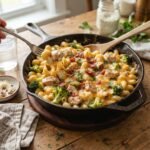
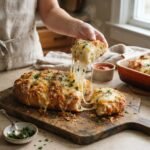
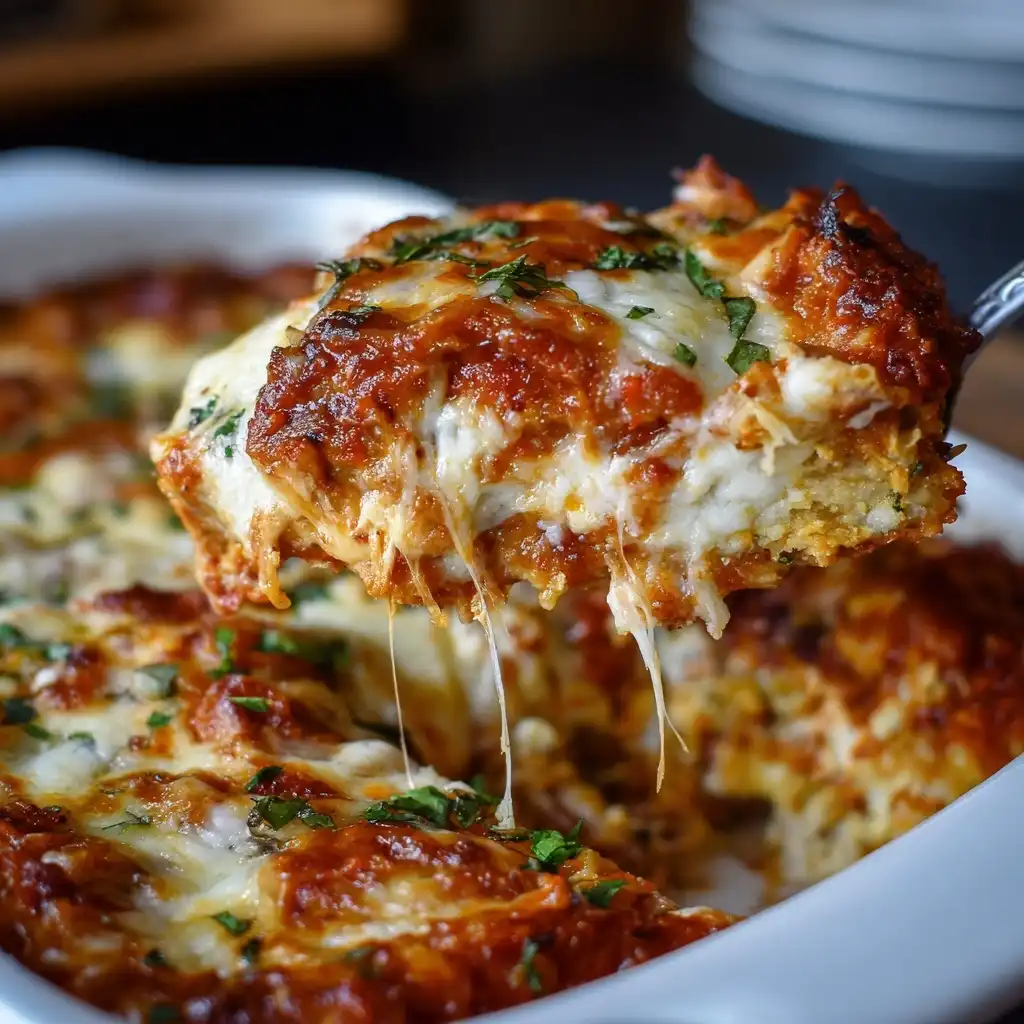
Baked Chicken Parmesan Casserole is a comforting, family-friendly fusion dish that marries the bold Italian-American flavors of classic Chicken Parmesan with the cozy, layered convenience of a casserole. Unlike traditional breaded-and-fried cutlets baked individually with sauce and cheese, this casserole reimagines the concept by combining tender, seasoned chicken pieces—often diced or shredded—with rich marinara, creamy ricotta or cottage cheese, melty mozzarella, sharp Parmesan, and layers of pasta or no-pasta alternatives for hearty texture and depth. It’s designed for ease: minimal prep, one-dish assembly, hands-off baking, and effortless reheating—making it ideal for busy weeknights, potlucks, meal prep, or feeding a crowd without sacrificing authenticity or satisfaction. With its golden-brown, bubbling top, aromatic herb notes, and savory umami richness, this casserole delivers restaurant-quality comfort in every forkful—and invites endless creativity based on pantry staples, dietary preferences, and seasonal ingredients.
The History
The origins of Baked Chicken Parmesan Casserole lie at the intersection of Italian culinary tradition, American immigrant adaptation, and mid-20th-century convenience cooking. Its foundational inspiration—Chicken Parmigiana (Pollo alla Parmigiana)—traces back to early 20th-century Southern Italy, particularly Campania and Sicily, where eggplant (melanzane) was traditionally layered with tomato sauce and cheese in a baked preparation known as “Parmigiana.” Italian immigrants brought this technique to the United States, substituting more accessible and affordable chicken for eggplant—giving rise to Chicken Parmesan in cities like New York and Philadelphia by the 1940s–50s. The classic version involved pounding, breading, frying, saucing, and baking individual cutlets—a labor-intensive but beloved staple of Italian-American restaurants and home kitchens alike.
The casserole evolution emerged later, propelled by postwar shifts toward time-saving appliances (like the electric oven and microwave), the rise of packaged pasta and jarred sauces, and the cultural embrace of “dump-and-bake” meals popularized in women’s magazines and community cookbooks of the 1960s–70s. Home cooks began deconstructing the components—chicken, sauce, cheese, pasta—and reassembling them in a single baking dish for efficiency and portion control. This format also aligned with growing interest in make-ahead meals and freezer-friendly dishes. Over decades, the casserole has been refined through food blogs, celebrity chefs (like Giada De Laurentiis and Rachel Ray), and viral social media trends—embracing healthier swaps (zucchini noodles, Greek yogurt), global twists (spicy Calabrian chiles, basil pesto swirls), and dietary accommodations (gluten-free, dairy-free, keto). Today, Baked Chicken Parmesan Casserole stands not as a shortcut—but as a thoughtful, modern homage: honoring tradition while adapting intelligently to contemporary lifestyles, values, and kitchens.
Ingredients Breakdown
Understanding each ingredient’s role ensures optimal flavor, texture, and structural integrity in your casserole. Below is a comprehensive, function-focused breakdown:
- Chicken Breast or Thighs (1.5–2 lbs): Boneless, skinless breasts offer lean tenderness; thighs provide richer flavor and moisture retention during baking. Diced (½-inch cubes) for even cooking and integration—or shredded (pre-cooked rotisserie works beautifully) for ultra-tender mouthfeel. Avoid overcooking before layering, as residual heat continues cooking in the oven.
- Marinara Sauce (3–4 cups): Use high-quality, low-sugar, slow-simmered sauce—preferably with San Marzano tomatoes, garlic, basil, oregano, and a touch of olive oil. Jarred options are acceptable (look for no added sugar, no artificial preservatives, and minimal sodium); for deeper flavor, simmer store-bought sauce 10–15 minutes with fresh garlic, red pepper flakes, and a splash of balsamic vinegar.
- Ricotta Cheese (1.5 cups): The creamy, mild, slightly sweet backbone of the casserole’s filling. Whole-milk ricotta yields best richness and binding power; part-skim works but may yield drier results. Drain excess whey using cheesecloth or paper towels for optimal consistency. Cottage cheese (small-curd, full-fat) is a viable substitute with similar protein and tang.
- Mozzarella Cheese (2–2.5 cups, shredded): Low-moisture, whole-milk mozzarella melts smoothly and creates the signature stretchy, golden crust. Fresh mozzarella (torn, not shredded) adds luxurious creaminess but releases more water—best used *only* in the middle layer, not the top. Avoid pre-shredded varieties with anti-caking starches—they resist melting and create grainy textures.
- Parmesan Cheese (¾–1 cup, freshly grated): Adds salty, nutty umami depth and helps brown the top. Authentic Parmigiano-Reggiano is ideal; avoid shelf-stable grated “Parmesan” blends containing cellulose and fillers. A microplane grater yields fine, fast-melting shreds.
- Pasta (8–12 oz cooked): Traditional choices include spaghetti, penne, rigatoni, or fusilli—all hold sauce well. For lower-carb versions: zucchini noodles (zoodles, salted & squeezed dry), spaghetti squash (shredded & warmed), or shirataki rice/noodles (rinsed & pan-dried). Pasta should be cooked to *al dente* (1–2 minutes shy of package time) since it finishes cooking in the casserole.
- Aromatics & Seasonings: Minced garlic (3–4 cloves), yellow or white onion (½ cup finely diced), dried oregano (1 tsp), dried basil (1 tsp), red pepper flakes (¼–½ tsp), salt (1.5 tsp total, adjusted to sauce sodium), black pepper (½ tsp), and extra-virgin olive oil (2 tbsp for sautéing). Fresh herbs (basil, parsley) are stirred in post-bake for brightness.
- Egg (1 large): Acts as a binder—especially critical when using ricotta or cottage cheese—to prevent separation and ensure cohesive, sliceable layers.
- Optional Enhancements: Sautéed mushrooms, spinach (wilted & squeezed), roasted red peppers, capers, olives, sun-dried tomatoes (oil-packed, chopped), or a drizzle of high-quality balsamic glaze before serving.
Step-by-Step Recipe
- Preheat & Prep: Position oven rack in center position. Preheat oven to 375°F (190°C). Lightly grease a 9×13-inch (or 3-quart) rectangular baking dish with olive oil or non-stick spray. Bring a large pot of salted water to boil for pasta.
- Cook Pasta (if using): Cook pasta per package instructions until al dente. Drain thoroughly, rinse under cool water to stop cooking, then toss with 1 tsp olive oil to prevent sticking. Set aside.
- Sauté Aromatics: In a large skillet over medium heat, warm 2 tbsp olive oil. Add diced onion; cook 4–5 minutes until translucent. Add minced garlic and red pepper flakes; cook 60 seconds until fragrant—do not brown. Remove from heat and let cool slightly.
- Prepare Chicken: While aromatics cool, season diced chicken with ½ tsp salt and ¼ tsp black pepper. In same skillet (over medium-high), sear chicken in batches until lightly golden and just cooked through (5–7 minutes total). Transfer to a plate; let rest 2 minutes, then chop or shred into bite-sized pieces. (Skip if using pre-cooked rotisserie chicken—just shred and season lightly.)
- Build Ricotta Mixture: In a large bowl, combine drained ricotta, 1 cup shredded mozzarella, ½ cup grated Parmesan, 1 large egg, 1 tsp dried oregano, 1 tsp dried basil, ½ tsp salt, and ¼ tsp black pepper. Stir vigorously with a wooden spoon or spatula until smooth, thick, and uniform—about 1 minute. Fold in cooled sautéed aromatics and cooked chicken.
- Assemble Layers: Spread 1 cup marinara evenly across bottom of prepared baking dish. Top with half the cooked pasta (if using), followed by the entire ricotta-chicken mixture, spreading gently into an even layer. Spoon remaining 2–3 cups marinara over top—cover completely, smoothing surface. Sprinkle remaining 1–1.5 cups mozzarella and ¼–½ cup Parmesan evenly over sauce.
- Bake Covered: Cover dish tightly with aluminum foil (tent slightly to prevent cheese from sticking). Bake at 375°F for 30 minutes to steam and meld flavors.
- Bake Uncovered: Remove foil. Increase oven temperature to 400°F (200°C). Bake uncovered 15–20 minutes, until top is deeply golden, bubbly at edges, and internal temperature reaches 165°F (74°C) when checked with an instant-read thermometer in the thickest part of the casserole.
- Rest & Finish: Remove from oven and let rest, uncovered, for 15–20 minutes. This allows structure to set, prevents runny slices, and lets residual heat finish cooking. Just before serving, sprinkle generously with fresh basil or parsley and a drizzle of extra-virgin olive oil or balsamic glaze.
Tips
- Texture Control: Excess moisture is the #1 casserole culprit. Always drain ricotta/cottage cheese, squeeze zoodles/spinach thoroughly, and use al dente pasta. If sauce seems watery, simmer uncovered 5–10 minutes before assembling.
- Flavor Layering: Don’t skip blooming spices—sauté dried oregano and basil with garlic for 30 seconds before adding liquids to unlock essential oils and deepen aroma.
- Cheese Strategy: Reserve ¼ cup mozzarella + 2 tbsp Parmesan for the very last 2 minutes of baking—this creates an extra-crispy, lacy “cheese lace” crust.
- Make-Ahead Mastery: Assemble up to 24 hours ahead (unbaked). Cover tightly and refrigerate. Add 10–15 minutes to covered bake time if going straight from fridge to oven. For freezer prep: assemble, wrap in double foil + plastic, freeze up to 3 months. Thaw overnight in fridge before baking.
- Reheating Right: Individual portions reheat beautifully in a toaster oven (350°F, 12–15 mins, covered with foil) or microwave (50% power, 90-second intervals, stirring halfway). Avoid overheating—ricotta can separate.
- Don’t Skip the Rest: Cutting too soon releases steam and causes structural collapse. That 15–20 minute rest is non-negotiable for clean slices and creamy, cohesive layers.
- Oven Variance Awareness: Convection ovens reduce bake time by ~20%. If using convection, lower temp to 350°F and check at 25 minutes covered / 12 minutes uncovered.
- Golden Crust Hack: For extra browning without drying, brush exposed cheese top with melted butter or olive oil during last 5 minutes of uncovered baking.
Variations and Customizations
This casserole is a brilliant canvas—adaptable across cuisines, diets, seasons, and skill levels. Here are thoughtfully tested variations:
- Gluten-Free: Use certified GF pasta (brown rice, quinoa, or chickpea-based), tamari-based marinara, and verify all cheeses are GF-labeled (some shredded mozzarellas contain wheat starch).
- Dairy-Free/Vegan: Swap ricotta for blended silken tofu + lemon juice + nutritional yeast; mozzarella for cashew-based shreds or Miyoko’s mozz; Parmesan for hemp seed “parm.” Use oil-based marinara and omit egg (add 1 tbsp ground flax + 3 tbsp water as binder).
- Keto/Low-Carb: Replace pasta with 4 cups spiralized zucchini (salted, squeezed), 3 cups riced cauliflower (roasted first), or shirataki noodles. Boost fat with extra olive oil, sliced avocado garnish, or dollops of mascarpone.
- Spicy Arrabbiata Style: Stir 1–2 tbsp Calabrian chile paste or 1 tsp crushed red pepper into marinara. Top with pickled jalapeños and crumbled goat cheese instead of Parmesan.
- Herb-Forward “Pesto Parm”: Swirl ⅓ cup basil pesto into ricotta mixture. Top with toasted pine nuts and lemon zest. Use cherry tomato–basil marinara.
- Seafood Twist (“Shrimp Parm Casserole”): Replace chicken with 1 lb peeled, deveined shrimp (sautéed 2 minutes). Add ½ cup chopped artichoke hearts and ¼ cup kalamata olives.
- Breakfast-for-Dinner: Omit marinara; use roasted garlic–white wine sauce. Mix in 4 scrambled eggs, crumbled Italian sausage, and fontina cheese. Top with crispy pancetta.
- Sheet Pan Version: For faster cleanup: roast seasoned chicken + veggies (bell peppers, red onions, zucchini) on one sheet at 425°F, while warming sauce + cheeses separately. Layer in dish and broil 3–4 minutes.
- “Deconstructed” Individual Ramekins: Portion into 6–8 oven-safe ramekins. Bake at 375°F for 25–30 minutes covered, then 8–10 uncovered. Perfect for portion control or gifting.
- Fall Harvest Edition: Add 1 cup roasted butternut squash, ¼ cup chopped sage, and swap half marinara for apple-cider reduction. Top with candied pecans.
Health Considerations and Nutritional Value
A well-constructed Baked Chicken Parmesan Casserole can be both deeply satisfying and nutritionally balanced—especially when mindful substitutions and portion awareness are applied. Below is an analysis per standard serving (1/8 of a 9×13-inch casserole made with 1.75 lbs chicken breast, 10 oz GF pasta, full-fat ricotta/mozzarella, and low-sodium marinara):
- Calories: ~420–480 kcal — moderate and satiating, primarily from lean protein and complex carbs.
- Protein: 32–38g — excellent source supporting muscle maintenance, satiety, and metabolic health. Chicken provides all 9 essential amino acids; ricotta and mozzarella add casein for sustained release.
- Carbohydrates: 30–42g — largely from whole-grain or legume-based pasta (high fiber) or low-carb veggie alternatives. Fiber content ranges from 4g (regular pasta) to 8g (chickpea pasta) to 2g (zoodles), impacting glycemic response.
- Fats: 16–22g — predominantly unsaturated (olive oil, cheese fats) with moderate saturated fat. Full-fat dairy contributes conjugated linoleic acid (CLA) and fat-soluble vitamins (A, D, K2). Using part-skim cheeses reduces sat fat by ~30% but may compromise mouthfeel.
- Sodium: 580–850mg — highly variable. Jarred sauces contribute ~400–700mg per cup. Opt for low-sodium marinara (<300mg/serving) and limit added salt to enhance natural flavors. Potassium from tomatoes and spinach helps balance sodium effects.
- Vitamins & Minerals: Rich in calcium (from cheeses), vitamin B12 (chicken/dairy), lycopene (tomato sauce—enhanced by cooking + olive oil), and antioxidants (basil, oregano, garlic). Adding spinach boosts folate, iron, and magnesium.
- Dietary Notes: Naturally low in sugar (under 5g/serving when sauce is unsweetened); easily adapted for Mediterranean, DASH, or flexitarian patterns. Not suitable for strict paleo or Whole30 unless fully reimagined with coconut aminos, almond “ricotta,” and roasted veggie “pasta.”
- Portion Guidance: Serve with a large side salad (mixed greens, lemon vinaigrette) or steamed broccoli to increase volume, fiber, and micronutrient density without excess calories. One 1.5-cup serving fits comfortably within most balanced meal plans.
Note: Nutritional values assume homemade or carefully selected ingredients. Always verify labels for allergens (e.g., gluten, dairy, soy) and additives (e.g., carrageenan in some ricottas, citric acid in shredded cheese).
Ingredients
- 1.75 lbs boneless, skinless chicken breast or thighs, diced into ½-inch pieces
- 2 tbsp extra-virgin olive oil, divided
- 1 medium yellow onion, finely diced (about ½ cup)
- 4 cloves garlic, minced
- ½ tsp crushed red pepper flakes (optional, for heat)
- 1 tsp dried oregano
- 1 tsp dried basil
- 1.5 tsp kosher salt, divided
- ½ tsp freshly ground black pepper, divided
- 3.5 cups low-sugar, low-sodium marinara sauce (homemade or verified brand)
- 12 oz pasta of choice (e.g., penne, spaghetti, or gluten-free alternative), cooked al dente and drained
- 1.5 cups whole-milk ricotta cheese, well-drained
- 2 cups low-moisture mozzarella cheese, shredded (plus extra for topping)
- 1 cup freshly grated Parmigiano-Reggiano cheese, divided
- 1 large egg
- Fresh basil or flat-leaf parsley, for garnish
- Extra-virgin olive oil or balsamic glaze, for finishing (optional)
Directions
- Preheat oven to 375°F (190°C). Lightly grease a 9×13-inch baking dish.
- Bring a large pot of salted water to boil. Cook pasta according to package directions until al dente. Drain, rinse with cool water, toss with 1 tsp olive oil, and set aside.
- In a large skillet over medium heat, warm 1 tbsp olive oil. Add diced onion and cook until soft and translucent, about 4–5 minutes. Stir in garlic and red pepper flakes; cook 60 seconds until fragrant. Remove from heat and let cool 2 minutes.
- In same skillet over medium-high heat, warm remaining 1 tbsp olive oil. Season chicken with ½ tsp salt and ¼ tsp black pepper. Sear chicken in batches until golden and cooked through (5–7 minutes). Transfer to cutting board, let rest 2 minutes, then chop or shred.
- In a large mixing bowl, combine ricotta, 1 cup mozzarella, ½ cup Parmesan, egg, oregano, basil, 1 tsp salt, and ¼ tsp black pepper. Whisk or stir vigorously until smooth and thick (~1 min). Fold in cooled onion-garlic mixture and cooked chicken.
- Spoon 1 cup marinara into bottom of prepared baking dish. Spread evenly. Layer with half the cooked pasta. Top with entire ricotta-chicken mixture, spreading gently. Spoon remaining 2.5 cups marinara over top, covering completely. Sprinkle with remaining 1 cup mozzarella and ½ cup Parmesan.
- Cover tightly with aluminum foil (tent slightly). Bake 30 minutes.
- Remove foil. Increase oven temperature to 400°F (200°C). Bake uncovered 15–20 minutes, until top is golden-brown and bubbling, and internal temperature reads 165°F (74°C).
- Let rest uncovered for 15–20 minutes before slicing. Garnish with fresh basil or parsley and optional olive oil or balsamic glaze.
FAQ
- Can I use frozen chicken?
- Yes—but thaw completely in the refrigerator first. Never bake with partially frozen chicken, as it leads to uneven cooking and potential food safety risk. For fastest thaw, place sealed chicken in cold water (change every 30 min) for 1–2 hours.
- Why is my casserole watery?
- Most often due to excess moisture: undrained ricotta, un-squeezed zoodles/spinach, overcooked pasta, or high-water-content sauce. Always drain, squeeze, and use al dente pasta. Simmer watery sauce 5–10 minutes before assembling.
- Can I omit the pasta entirely?
- Absolutely! This becomes a “pasta-free Chicken Parmesan Bake.” Simply increase chicken to 2 lbs, add 1 cup roasted vegetables (zucchini, eggplant, bell peppers), or fold in 1 cup cooked quinoa or farro for heartiness.
- What’s the best way to reheat leftovers?
- For best texture: Place portion in oven-safe dish, cover with foil, and bake at 325°F for 20–25 minutes. For speed: Microwave at 50% power in 90-second intervals, stirring halfway. Avoid high-power microwaving—it makes ricotta rubbery.
- Can I make this ahead and freeze it?
- Yes! Assemble unbaked casserole, cover tightly with plastic wrap, then double-wrap with heavy-duty foil. Freeze up to 3 months. Thaw overnight in fridge before baking. Add 10–15 minutes to covered bake time.
- Is there a way to make it crispier on top?
- Yes—three proven methods: (1) Broil uncovered for final 2–3 minutes (watch closely!), (2) Brush cheese top with melted butter or olive oil before final bake, or (3) Mix 2 tbsp panko breadcrumbs with 1 tbsp melted butter + 1 tbsp Parmesan and sprinkle over cheese before uncovered bake.
- Can I use ground chicken instead of diced?
- Yes! Brown 1.75 lbs ground chicken with onions and garlic (skip searing step). Drain excess fat. Proceed with recipe—ground chicken yields a more “meatloaf-style” texture and binds exceptionally well with ricotta.
- How do I know when it’s done?
- Visual cues: Golden, blistered cheese top; bubbling edges. Internal cue: Insert an instant-read thermometer into center—it must read 165°F (74°C). Also, gently jiggle dish—the center should be set, not sloshy.
- What sides pair best?
- Light, fresh, acidic sides balance the richness: Mixed green salad with lemon vinaigrette, garlicky sautéed spinach, roasted asparagus, crusty whole-grain bread, or a simple tomato-cucumber salad.
- Can kids help make this?
- Definitely! Kids can tear fresh basil, measure cheese, stir the ricotta mixture (with supervision), sprinkle toppings, and set the timer. It’s a fun, educational, and confidence-building kitchen project.
Summary
Baked Chicken Parmesan Casserole is a masterclass in Italian-American comfort—transforming time-honored flavors into an effortlessly elegant, crowd-pleasing, one-dish marvel that balances rich ricotta, savory marinara, tender chicken, and golden-melted cheeses with remarkable versatility and nutritional integrity.
Whether you’re meal-prepping for the week, hosting Sunday dinner, accommodating dietary needs, or simply craving soul-warming familiarity, this casserole delivers restaurant-worthy depth, customizable creativity, and the profound satisfaction of a dish that tastes like love—baked to golden perfection.