Introduction
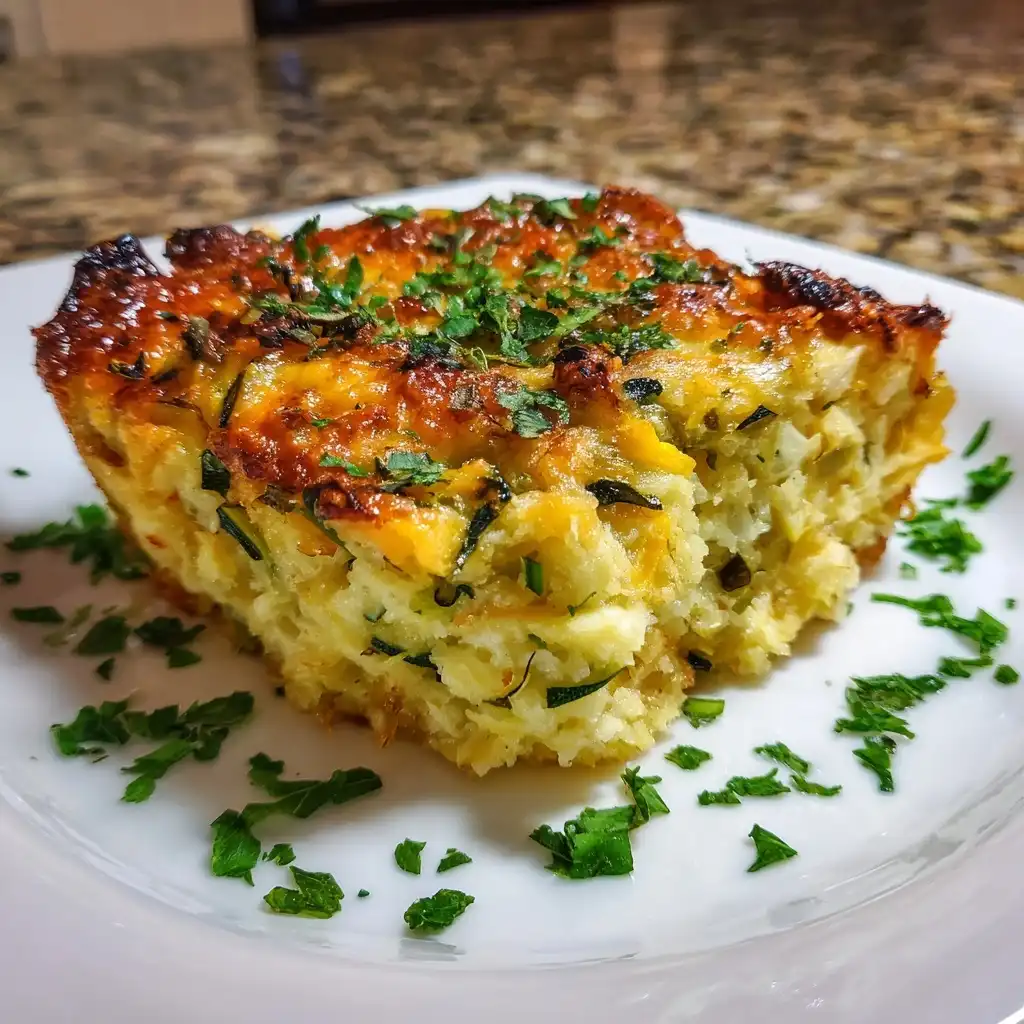
Zucchini and squash casserole is a beloved, comforting dish that epitomizes seasonal simplicity and Southern-inspired home cooking. With its tender layers of summer squash, zucchini, creamy cheese sauce, and a golden, buttery crumb topping, this casserole bridges the gap between rustic garden fare and elegant weeknight elegance. It’s more than just a side dish—it’s a versatile centerpiece that celebrates the bounty of late spring through early fall, transforms surplus garden harvests into something extraordinary, and brings warmth and nostalgia to any table. Whether served alongside roasted chicken at Sunday dinner, brought to a potluck as a crowd-pleasing contribution, or enjoyed as a hearty vegetarian main course, this casserole delivers rich flavor, satisfying texture, and unmistakable homestyle charm—all while remaining approachable for cooks of all skill levels.
The History
The origins of zucchini and squash casserole are deeply rooted in American regional cooking—particularly the culinary traditions of the American South and Midwest—where resourcefulness, seasonal abundance, and community-centered meals shaped everyday recipes. While squash has been cultivated by Indigenous peoples of North America for over 5,000 years (as part of the “Three Sisters” agricultural system with corn and beans), the modern casserole format emerged in the early-to-mid 20th century, propelled by innovations like canned cream soups, refrigerated dairy products, and the rise of the oven-ready, one-dish meal culture popularized by home economics educators and women’s magazines. The iconic inclusion of condensed cream of mushroom or celery soup traces back to the 1950s, when Campbell’s Soup Company actively promoted casseroles as convenient, economical, and family-friendly. Zucchini, originally native to Mesoamerica but reintroduced to North America via European colonization and later popularized in the U.S. during the mid-1900s, found its perfect culinary partner in yellow squash—both mild, moist, and exceptionally receptive to creamy, cheesy preparations. Over decades, regional adaptations flourished: Appalachian versions added sharp cheddar and sour cream; Texan iterations incorporated jalapeños and pepper jack; Midwestern bakers swapped breadcrumbs for crushed saltines or Ritz crackers. Today, the dish continues to evolve—embracing gluten-free thickeners, plant-based cheeses, air-fryer crusts, and even keto-friendly almond flour toppings—while staying true to its foundational spirit: honoring fresh produce with generosity, comfort, and care.
Ingredients Breakdown
Understanding each ingredient’s role is key to mastering this casserole—not just for flavor, but for texture, moisture control, and structural integrity:
- Zucchini: Medium-sized (6–8 inches), dark green, firm-skinned zucchini provides subtle sweetness and tender-crisp structure. Its high water content necessitates proper salting and draining—a non-negotiable step to prevent a soggy casserole.
- Yellow Squash: Typically straight-neck or crookneck varieties, golden-yellow squash offers a slightly nuttier, earthier note than zucchini and complements its texture without competing. Using both squashes creates dimension and visual appeal.
- Onion: Yellow or white onion adds aromatic depth and savory backbone. Finely minced or grated, it integrates seamlessly and caramelizes gently during baking.
- Garlic: Freshly minced garlic contributes pungent warmth and complexity. Roasted garlic can be substituted for a mellower, sweeter profile.
- Butter: Unsalted butter serves three purposes: sautéing aromatics, enriching the sauce, and binding the topping. Clarified butter (ghee) works well for higher-heat applications and dairy-sensitive diets.
- Cream of Mushroom or Celery Soup: A classic convenience ingredient offering umami-rich body and thickening power. Low-sodium or organic versions are widely available; homemade alternatives (see Variations) elevate flavor and reduce preservatives.
- Sour Cream & Mayonnaise: These dairy-and-egg emulsions contribute tang, richness, moisture retention, and binding strength. Full-fat versions yield superior texture; Greek yogurt may substitute for sour cream (with slight acidity adjustment).
- Cheeses: A thoughtful blend is essential:
- Sharp Cheddar: Provides bold, salty depth and excellent meltability.
- Mozzarella: Adds stretch, creaminess, and mild background notes.
- Parmesan or Romano: Imparts nutty, salty umami and enhances browning.
- Optional additions: Gruyère for earthiness, fontina for silkiness, feta for briny contrast, or smoked gouda for complexity.
- Seasonings: Kosher salt and freshly ground black pepper form the foundation. Dried herbs like thyme, oregano, or marjoram add herbal nuance; smoked paprika or cayenne lend gentle heat. Fresh herbs (dill, parsley, chives) are best stirred in post-bake for brightness.
- Topping Ingredients: Buttered breadcrumbs (Panko for crunch, regular for tenderness), crushed crackers (Ritz, Saltines, or gluten-free equivalents), or even toasted nuts (pecans, walnuts) provide textural contrast and visual finish. A final drizzle of melted butter ensures golden, cohesive browning.
Step-by-Step Recipe
- Prep the Squash: Wash and dry 2 medium zucchini and 2 medium yellow squash. Trim ends and slice into uniform ¼-inch rounds (or halve lengthwise and slice ¼-inch half-moons). Place in a large colander, sprinkle generously with 1½ tsp kosher salt, toss well, and let drain over the sink or a bowl for 30–45 minutes. This draws out excess moisture—critical for preventing sogginess.
- Squeeze Dry: After draining, gather squash in batches in a clean kitchen towel or several layers of paper towels. Squeeze firmly—pressing out every possible drop of liquid. Transfer to a large mixing bowl. Discard liquid and towel.
- Sauté Aromatics: In a large skillet over medium heat, melt 2 tbsp unsalted butter. Add ½ cup finely diced yellow onion and 2 minced garlic cloves. Sauté 4–5 minutes until softened and fragrant—but not browned. Remove from heat and cool slightly.
- Build the Base Sauce: In a separate bowl, whisk together 1 (10.5 oz) can condensed cream of mushroom soup (or homemade alternative), ¾ cup full-fat sour cream, ½ cup mayonnaise, 1 tsp Dijon mustard (optional, for brightness), 1 tsp Worcestershire sauce (umami booster), and freshly ground black pepper to taste.
- Combine Wet & Dry: To the bowl with squeezed squash, add the cooled onion-garlic mixture. Pour in the sauce mixture. Gently fold with a spatula until evenly coated. Avoid overmixing to preserve texture.
- Add Cheeses: Stir in 1½ cups shredded sharp cheddar, ½ cup shredded mozzarella, and ¼ cup grated Parmesan. Reserve 2 tbsp of the cheddar-Parmesan blend for topping if desired.
- Season Thoughtfully: Taste the mixture (a tiny spoonful is safe—ingredients are pasteurized). Adjust salt carefully—remember the cheeses and soup are already seasoned. Add ½ tsp dried thyme, ¼ tsp smoked paprika, and a pinch of cayenne if using. Fold gently.
- Prepare Baking Dish: Lightly grease a 9×13-inch baking dish (glass or ceramic preferred for even heating). Spread mixture evenly. Smooth top with a spatula.
- Make the Topping: In a small bowl, combine 1 cup Panko breadcrumbs, 2 tbsp melted butter, 2 tbsp grated Parmesan, ¼ tsp garlic powder, and a pinch of salt. Mix until butter fully coats crumbs. Sprinkle evenly over casserole surface.
- Bake Strategically: Place dish on center oven rack in a preheated 350°F (175°C) oven. Bake uncovered for 45–55 minutes—or until edges bubble vigorously, center is set (no jiggle when gently shaken), and topping is deep golden brown. For extra crispness, broil 1–2 minutes at the end—watch closely!
- Rest Before Serving: Remove from oven and let rest for 15–20 minutes. This allows the custard-like interior to fully set, prevents collapse upon cutting, and enhances flavor melding. Serve warm—not piping hot—for optimal texture.
Tips
- Salt Early, Squeeze Hard: Don’t skip salting or short-change the squeeze. Use your palms—not fingers—to compress the squash in the towel. Repeat squeezing 2–3 times per batch. If liquid pools again, repeat.
- Prevent Browning on Bottom: Place baking dish on a preheated heavy-duty baking sheet—this buffers intense bottom heat and promotes even browning.
- Room-Temperature Dairy: Let sour cream and mayo sit out 15 minutes before mixing. Cold dairy can cause separation or curdling in the warm squash mixture.
- Grate vs. Shred Cheese: Use a box grater—not a food processor—for cheese. Pre-shredded cheese contains anti-caking agents (like cellulose) that hinder melting and create graininess.
- Layer for Depth: For restaurant-quality presentation, layer half the squash mixture, then half the cheese, then remaining mixture, then remaining cheese + topping—creates distinct strata and enhanced cheesiness.
- Test Doneness Accurately: Insert a thin knife near the center—it should come out mostly clean with just a few moist crumbs (not wet batter). Jiggle test is equally reliable: center should hold shape with only slight tremble.
- Reheat Without Drying: Cover loosely with foil and warm at 325°F for 20–25 minutes. Sprinkle with fresh herbs or a pat of butter before serving to revive richness.
- Freeze Smartly: Freeze unbaked casserole (tightly wrapped in plastic + foil) up to 3 months. Thaw overnight in fridge, then bake as directed—add 10–15 minutes to total time. Baked casserole freezes well for up to 2 months—reheat covered.
- Double Batch Efficiency: Prepare two casseroles simultaneously—use one immediately, freeze the other unbaked. Saves time and guarantees future ease.
- Leftover Magic: Cold leftovers make incredible frittata fillings, quesadilla stuffing, or savory muffin mix-ins (add egg, flour, and herbs).
Variations and Customizations
This casserole is endlessly adaptable—here are inspired, tested variations spanning dietary needs, global flavors, and seasonal twists:
- Gluten-Free: Substitute gluten-free cream of mushroom soup (Pacific Foods or Great Value GF), certified GF Panko or crushed gluten-free crackers (like Glutino or Schar), and ensure all seasonings are GF-certified.
- Keto/Low-Carb: Replace soup with homemade béchamel (butter + almond flour + heavy cream + sautéed mushrooms), omit mayo, use full-fat sour cream and cream cheese (¼ cup blended in), top with crushed pork rinds or almond flour + parmesan + butter.
- Vegan: Use cashew sour cream (soaked cashews + lemon juice + apple cider vinegar), vegan cream of mushroom soup (homemade with coconut milk, mushrooms, nutritional yeast, and tamari), vegan cheeses (Miyoko’s mozzarella, Daiya cheddar), and olive oil instead of butter.
- Herb Garden Delight: Fold in ¼ cup chopped fresh basil, 2 tbsp chopped dill, and 1 tbsp lemon zest pre-bake. Top with lemon-thyme breadcrumbs and microgreens post-bake.
- Southwest Fiesta: Add ½ cup fire-roasted diced tomatoes (well-drained), 1 finely diced jalapeño (seeds removed), 1 tsp cumin, ½ tsp chipotle powder, and top with crushed tortilla chips + cotija cheese.
- Mediterranean Twist: Stir in ½ cup crumbled feta, ¼ cup chopped kalamata olives, 2 tbsp chopped sun-dried tomatoes (oil-packed, patted dry), and 1 tsp dried oregano. Top with panko + lemon zest + oregano.
- Breakfast Casserole Version: Add 4 lightly beaten eggs, ¼ tsp turmeric (for color), and 1 cup cooked breakfast sausage or crumbled tempeh bacon. Reduce bake time to 35–40 minutes.
- “Everything But the Kitchen Sink” Garden Edition: Fold in ½ cup sautéed bell peppers, ¼ cup corn kernels (fresh or frozen/thawed), 2 tbsp chopped scallions, and a handful of baby spinach (wilted and squeezed).
- Smoky Gouda & Apple: Replace cheddar with smoked gouda, add 1 small peeled & finely diced Granny Smith apple, 1 tsp maple syrup, and a pinch of cinnamon—unexpectedly harmonious and autumnal.
- Air Fryer Mini Casseroles: Portion mixture into greased 6-oz ramekins. Top with buttered crumbs. Air fry at 350°F for 12–15 minutes until golden and bubbling—perfect for portion control or entertaining.
Health Considerations and Nutritional Value
Zucchini and squash casserole offers notable nutritional benefits when prepared mindfully—balancing indulgence with vegetable-forward nutrition:
- Vegetable Powerhouse: Zucchini and yellow squash are low-calorie (≈17 kcal per ½ cup), high-water-content vegetables rich in potassium (supports blood pressure), vitamin C (immune function), manganese (bone health), and antioxidant carotenoids like lutein and zeaxanthin (eye health).
- Fiber Contribution: One serving (⅙ of recipe) provides ≈2–3g dietary fiber—especially when skins are left on (they contain most of the fiber and phytonutrients). Opt for organic squash when possible to minimize pesticide exposure on edible skins.
- Protein & Calcium: Cheese contributes high-quality protein and bioavailable calcium—essential for muscle maintenance and bone density. Using reduced-fat cheeses cuts saturated fat but may compromise melt and mouthfeel; consider blending full-fat and reduced-fat for balance.
- Healthy Fat Options: Replace half the butter with heart-healthy olive oil in the topping or sauté step. Choose pasture-raised eggs in variations for increased omega-3s and vitamin D.
- Sodium Awareness: Traditional versions can be high in sodium (≈600–850 mg/serving) due to canned soup and cheese. Mitigate by using low-sodium soup, reducing added salt, rinsing canned ingredients, and boosting flavor with herbs/spices instead of salt.
- Digestive Notes: The high water and fiber content supports healthy digestion—though those with IBS may wish to limit FODMAPs by omitting onion/garlic (substitute infused oil) and choosing lactose-free dairy options.
- Glycemic Impact: Naturally low glycemic index (<15), making it suitable for diabetes management—just monitor portion size and pair with lean protein/fiber-rich sides for balanced blood sugar response.
- Nutrient Retention Tip: Avoid overcooking squash before baking—sautéing just until softened preserves heat-sensitive vitamins like C and B6. Baking at moderate temperature (350°F) further protects nutrients versus high-heat roasting.
Approximate Nutrition Per Serving (1/6 of 9×13 recipe): Calories: 320–380 | Fat: 22–26g (Saturated: 11–14g) | Carbs: 14–18g (Fiber: 2–3g, Sugar: 4–6g) | Protein: 15–18g | Sodium: 580–820mg | Vitamin A: 25% DV | Vitamin C: 30% DV | Calcium: 20% DV | Potassium: 18% DV
Ingredients
- 2 medium zucchini (about 1 lb), sliced into ¼-inch rounds or half-moons
- 2 medium yellow squash (about 1 lb), sliced into ¼-inch rounds or half-moons
- 1½ tsp kosher salt (plus more to taste)
- 2 tbsp unsalted butter
- ½ cup finely diced yellow onion
- 2 garlic cloves, minced
- 1 (10.5 oz) can condensed cream of mushroom soup (low-sodium recommended)
- ¾ cup full-fat sour cream
- ½ cup full-fat mayonnaise
- 1 tsp Dijon mustard (optional)
- 1 tsp Worcestershire sauce (vegetarian version if needed)
- Freshly ground black pepper to taste
- 1½ cups shredded sharp cheddar cheese
- ½ cup shredded whole-milk mozzarella cheese
- ¼ cup grated Parmesan cheese (plus extra for topping)
- ½ tsp dried thyme
- ¼ tsp smoked paprika
- Pinch of cayenne pepper (optional)
- 1 cup Panko breadcrumbs
- 2 tbsp melted unsalted butter (for topping)
- 2 tbsp grated Parmesan (for topping)
- ¼ tsp garlic powder (for topping)
Directions
- Place sliced zucchini and yellow squash in a large colander. Sprinkle evenly with 1½ tsp kosher salt and toss gently. Let drain over sink or bowl for 30–45 minutes.
- Transfer squash in batches to a clean kitchen towel or several layers of paper towels. Squeeze firmly and repeatedly to extract as much liquid as possible. Place drained squash in a large mixing bowl and set aside.
- Preheat oven to 350°F (175°C). Grease a 9×13-inch baking dish with butter or non-stick spray.
- In a medium skillet over medium heat, melt 2 tbsp butter. Add diced onion and cook 4 minutes until translucent. Add minced garlic and cook 1 more minute until fragrant. Remove from heat and let cool 5 minutes.
- In a medium bowl, whisk together cream of mushroom soup, sour cream, mayonnaise, Dijon mustard, Worcestershire sauce, black pepper, thyme, smoked paprika, and cayenne (if using).
- Add cooled onion-garlic mixture to the squash bowl. Pour in soup mixture and stir gently to combine. Fold in 1½ cups cheddar, ½ cup mozzarella, and ¼ cup Parmesan. Taste and adjust seasoning—add salt only if needed.
- Spread mixture evenly into prepared baking dish. Smooth surface with a spatula.
- In a small bowl, combine Panko, 2 tbsp melted butter, 2 tbsp grated Parmesan, and garlic powder. Mix until evenly moistened. Sprinkle evenly over casserole.
- Bake uncovered for 45–55 minutes, until edges bubble vigorously, center is set (no liquid jiggle), and topping is deep golden brown. For extra crispness, broil on low for 60–90 seconds—watch constantly.
- Remove from oven and let rest for 15–20 minutes before slicing and serving. Garnish with fresh chives, parsley, or a light dusting of paprika if desired.
FAQ
- Can I make this casserole ahead of time?
- Yes! Assemble completely (without baking), cover tightly with plastic wrap, and refrigerate up to 24 hours. When ready, remove plastic, let sit at room temperature 20 minutes, then bake as directed—adding 5–10 minutes to total time. For longer storage, freeze unbaked casserole (wrapped in plastic + foil) up to 3 months. Thaw overnight in fridge before baking.
- Why is my casserole watery?
- The #1 cause is insufficient draining/squeezing of the squash. Even 1–2 tbsp of residual water can pool and separate. Always salt, drain ≥30 min, then squeeze in batches using full palm pressure. Also verify that canned soup isn’t “condensed” vs. “regular”—using regular soup adds excess liquid.
- Can I use frozen squash?
- Not recommended—the freezing/thawing process ruptures cell walls, releasing massive amounts of water that cannot be adequately squeezed out. Fresh squash yields vastly superior texture and flavor. If absolutely necessary, thaw frozen squash completely, place in a fine-mesh strainer under heavy weight (e.g., a can) for 1 hour, then squeeze aggressively—but expect softer results.
- What’s the best cheese substitute for someone with dairy intolerance?
- For lactose intolerance: Lactose-free cheddar and mozzarella (Green Valley Creamery, Cabot) work beautifully. For casein allergy or strict veganism: Blend ½ cup raw cashews (soaked 4 hrs), ¼ cup nutritional yeast, 2 tbsp lemon juice, 1 tsp apple cider vinegar, ¼ tsp garlic powder, and ¼ tsp onion powder into a smooth “cheese sauce,” then fold in as you would dairy cheese.
- Can I add meat to this casserole?
- Absolutely! Stir in 1½ cups cooked, crumbled breakfast sausage, diced ham, shredded rotisserie chicken, or lentils (for vegetarian protein) along with the cheeses. Reduce cheese by ¼ cup to maintain balance. Ensure meat is fully cooked and cooled before adding.
- Is there a way to make this lower in calories?
- Yes—substitute half the sour cream with plain nonfat Greek yogurt, replace mayo with mashed avocado (¼ cup) or unsweetened applesauce (¼ cup), use reduced-fat cheddar (but retain full-fat mozzarella for melt), and reduce butter in topping to 1 tbsp (use olive oil spray for crispness). Expect ≈220–250 kcal/serving.
- Can I cook this in a slow cooker?
- Not ideal—the casserole requires browning and evaporation to achieve proper texture. However, you can *partially* prep: sauté onions/garlic and combine all ingredients (except topping) in a slow cooker liner. Cook on LOW 3–4 hours, then transfer to oven-safe dish, add topping, and broil 2–3 minutes for finish.
- How do I know when it’s done baking?
- Look for three signs: (1) Vigorous bubbling around the edges, (2) Center is set—no visible liquid movement when gently shaken, and (3) Internal temperature reads 165°F when checked with an instant-read thermometer inserted 2 inches from edge. Visual cues trump time—ovens vary.
- Can I use different squash varieties?
- Yes! Pattypan, crookneck, and zephyr squash work well. Avoid overly seedy or watery varieties like delicata or acorn (winter squashes)—they require roasting first and change the dish’s character entirely. Stick to summer squashes for authentic texture.
- What sides pair best with this casserole?
- Its creamy richness pairs beautifully with bright, acidic, or crunchy accompaniments: Simple green salad with lemon vinaigrette, roasted cherry tomatoes, grilled asparagus, herb-roasted potatoes, crusty artisan bread, or pan-seared salmon. For a full vegetarian meal, serve with quinoa pilaf and garlicky sautéed greens.
Summary
Zucchini and squash casserole is a timeless, adaptable, and deeply satisfying dish that transforms humble summer vegetables into a rich, cheesy, golden-brown celebration of home cooking—rooted in regional tradition yet endlessly open to modern interpretation.
By mastering moisture control, balancing textures and flavors, and embracing thoughtful substitutions, this casserole becomes far more than a side dish: it’s a nourishing centerpiece, a make-ahead lifesaver, a canvas for creativity, and a delicious reminder that the simplest ingredients—when treated with care—yield extraordinary comfort.