Introduction
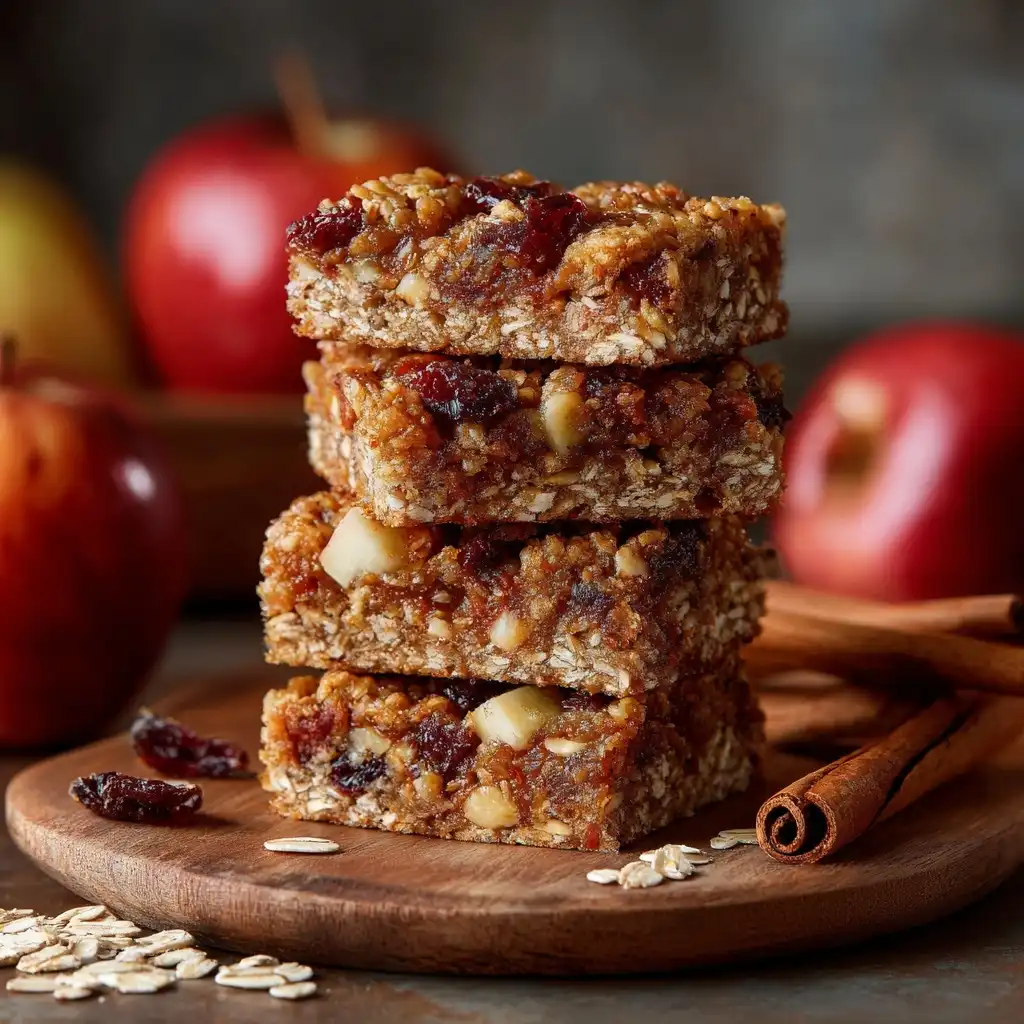
Apple Cinnamon Oat Bars are the quintessential cozy, wholesome treat—equal parts nostalgic comfort food and modern-day healthy indulgence. With their tender, chewy texture, warm spiced aroma, and natural sweetness from ripe apples, these bars bridge the gap between breakfast, snack, and dessert. Whether you’re meal-prepping for busy mornings, packing school lunches, satisfying afternoon cravings, or serving at autumn gatherings, these bars deliver consistent flavor, satisfying fiber, and heartwarming familiarity in every bite. Their simplicity belies their depth: humble pantry staples transform into something extraordinary through thoughtful layering of texture, temperature, and spice—making them as beloved by nutrition-conscious parents as they are by baking enthusiasts seeking foolproof, crowd-pleasing results.
The History
The origins of Apple Cinnamon Oat Bars trace back to the broader evolution of American “bar cookies”—a category that surged in popularity during the early-to-mid 20th century alongside the rise of home economics, standardized oven technology, and widespread availability of rolled oats. While oat-based baked goods have roots in Scottish and English porridge traditions, the American adaptation was catalyzed by the Quaker Oats Company’s aggressive 1920s–30s marketing campaigns promoting oats as nutritious, economical, and versatile. Apple and cinnamon, long-standing partners in colonial American cooking (think apple pandowdy and cinnamon-sugar doughnuts), naturally merged with oats in Depression-era resourcefulness—using bruised or surplus apples, pantry spices, and affordable whole grains to create filling, shelf-stable treats. The bar format gained traction post-WWII, as women entered the workforce and sought efficient, portable, no-fuss foods. By the 1970s and ’80s, health-food movements elevated oat bars further—touting soluble beta-glucan fiber, low glycemic impact, and minimal processing. Today, Apple Cinnamon Oat Bars exist in countless iterations—from vegan, gluten-free, and paleo adaptations to gourmet versions with heirloom apples, toasted walnuts, and house-made apple butter—yet they retain their foundational ethos: nourishment wrapped in warmth, tradition anchored in accessibility.
Ingredients Breakdown
Every ingredient in Apple Cinnamon Oat Bars plays a functional and flavorful role—no filler, no afterthought. Below is an in-depth analysis of each component, including why it’s included, optimal forms, substitutions, and science-backed rationale:
- Old-Fashioned Rolled Oats (not instant or steel-cut): Provide structure, chewiness, and soluble fiber (beta-glucan) that thickens the bar matrix and supports heart health. Their flat, flaked surface absorbs moisture evenly and binds well with sticky fruit and fat. Instant oats turn mushy; steel-cut lack binding surface area and won’t hydrate fully in short bake times.
- Apples (Granny Smith, Honeycrisp, Braeburn, or Fuji): Choose firm, tart-sweet varieties that hold shape when baked. Granny Smith offers bright acidity to balance sweetness and structural integrity; Honeycrisp delivers juiciness without sogginess. Avoid Red Delicious—they break down into sauce. Peel or don’t peel? Unpeeled adds fiber, antioxidants (quercetin in skin), and subtle texture; peeled yields smoother, more uniform bars—especially preferred in delicate or refined presentations.
- Pure Maple Syrup (Grade A Dark or Amber): Acts as primary sweetener, binder, and flavor enhancer. Its complex caramelized notes complement cinnamon and apple far better than refined sugar alone. Contains trace minerals (zinc, manganese) and has a lower glycemic index (~54) than table sugar (~65). For strict vegans, ensure it’s certified kosher or organic—some commercial maple syrups use animal-derived defoamers.
- Unsweetened Applesauce (homemade or no-sugar-added store-bought): Adds moisture, natural pectin (a gelling agent), and subtle apple essence without excess liquid. Replaces some oil/butter while improving tenderness and shelf life. Homemade version (simmered peeled/cored apples + lemon juice + pinch cinnamon) maximizes freshness and control over sodium/sugar.
- Coconut Oil (refined or unrefined): Provides rich mouthfeel, promotes browning, and solidifies upon cooling for clean slicing. Refined has neutral flavor; unrefined imparts subtle coconut notes that pair beautifully with cinnamon. Melted just before mixing ensures even dispersion—never hot enough to cook eggs or curdle dairy if used.
- Large Egg (or flax egg for vegan): Binds ingredients, adds protein for structure, and contributes to golden color and slight lift. The lecithin emulsifies fats and liquids; albumin proteins coagulate to set the bar. Flax egg (1 tbsp ground flax + 2.5 tbsp water, rested 5 min) replicates binding via mucilage gel—but yields denser, earthier bars.
- Pure Vanilla Extract (alcohol-based, not imitation): Enhances perception of sweetness and rounds out sharp cinnamon notes. Vanillin interacts synergistically with cinnamaldehyde (cinnamon’s main compound), amplifying warmth and complexity. Alcohol carrier aids in volatile compound release during baking.
- Ground Cinnamon (Ceylon preferred over Cassia): Ceylon (“true cinnamon”) is milder, sweeter, and contains negligible coumarin (a liver toxin in high doses); Cassia—common in supermarkets—has stronger heat but up to 1,000x more coumarin. Toasting whole cinnamon sticks and grinding fresh yields exponentially more aromatic oils (eugenol, cinnamaldehyde).
- Nutmeg & Allspice (freshly grated): Not optional extras—they’re aromatic amplifiers. Nutmeg’s myristicin enhances cinnamon’s warmth; allspice (which tastes like clove/cinnamon/nutmeg combined) adds mysterious depth. Pre-ground loses >80% volatile oils within weeks; microplane-grated whole spices deliver transformative nuance.
- Baking Soda (not powder): Reacts with apples’ natural acids (malic acid) to gently leaven—creating subtle air pockets for tenderness without making bars cakey. Critical for pH balance and browning (Maillard reaction).
- Salt (fine sea salt or kosher): Suppresses bitterness, heightens sweetness perception, and balances fat. Just ¼ tsp transforms harmony—undersalting leaves bars flat; oversalting overwhelms spice notes.
- Optional Add-Ins: Chopped toasted walnuts or pecans add crunch, omega-3s, and tannic contrast; raisins or dried cranberries contribute chewy bursts of sweetness (soak 10 min in warm tea or apple cider to plump and prevent burning); a streusel topping (oats + brown sugar + cold butter) adds bakery-style crumble and visual appeal.
Step-by-Step Recipe
- Preheat & Prep: Position oven rack to center. Preheat to 350°F (177°C). Line an 8×8-inch metal baking pan with parchment paper, leaving 2-inch overhang on two opposite sides for easy lifting. Lightly grease exposed pan edges and parchment bottom. Why metal? Aluminum conducts heat evenly for crisp edges and consistent set—glass retains heat too long, risking overbaked corners.
- Prepare the Apples: Peel (optional), core, and dice 2 medium apples (about 2 cups, 240g) into ¼-inch cubes. Toss immediately with 1 tsp lemon juice to prevent oxidation. In a medium nonstick skillet over medium-low heat, combine diced apples, 1 tbsp maple syrup, ½ tsp cinnamon, and 1 tbsp water. Cook, stirring gently every 90 seconds, for 6–8 minutes until apples soften slightly but retain shape—do not mash. Cool completely (15 min minimum). Cooling prevents steam from softening oats prematurely and ensures bars slice cleanly.
- Mix Dry Ingredients: In a large bowl, whisk together 1½ cups (135g) old-fashioned oats, ½ cup (60g) whole wheat pastry flour (or all-purpose), 1 tsp ground cinnamon, ¼ tsp freshly grated nutmeg, ⅛ tsp freshly grated allspice, ½ tsp baking soda, and ¼ tsp fine sea salt. Whisk 30 seconds to aerate and evenly distribute leavener/spices.
- Mix Wet Ingredients: In a separate medium bowl, vigorously whisk 1 large egg (or flax egg) until frothy (~30 sec). Add ⅓ cup (80ml) pure maple syrup, ⅓ cup (80g) unsweetened applesauce, ¼ cup (60ml) melted coconut oil, and 1 tsp pure vanilla extract. Whisk 60 seconds until emulsified and glossy—no oil separation visible.
- Combine & Fold: Pour wet mixture over dry. Use a flexible silicone spatula to fold gently but thoroughly—15–20 strokes—just until no dry streaks remain. Do not overmix; gluten development leads to toughness. Gently fold in cooled sautéed apples (including any syrupy liquid) and optional add-ins (e.g., ⅓ cup toasted walnuts).
- Press & Smooth: Transfer batter to prepared pan. Use lightly greased hands or a flat-bottomed measuring cup to press firmly and evenly into corners and edges. Aim for perfectly level surface—this ensures uniform baking and clean cuts. Tap pan sharply 3 times on counter to release air bubbles.
- Bake with Precision: Bake 32–36 minutes. Start checking at 30 min: edges should be deeply golden and pull slightly from pan; center should look set (no jiggle when gently shaken) and a toothpick inserted 1 inch from edge should emerge with moist crumbs—not wet batter. Avoid opening oven before 28 min—temperature drop causes sinking.
- Cool Completely—Non-Negotiable: Remove pan to a wire rack. Cool *undisturbed* for 45 minutes. Then, using parchment overhang, lift bars onto rack. Cool completely (2+ hours) before slicing. This allows starches to retrograde and pectin to fully gel—cutting warm yields crumbly, sticky bars.
- Slice with Care: Use a sharp, thin-bladed knife (chef’s or serrated works best). Wipe blade clean with damp cloth between cuts. For perfect squares: cut in half vertically, then horizontally → 4 quarters; cut each quarter in half → 8 bars; halve again → 16 snack-sized bars.
Tips
- Apple Selection Matters: Test ripeness by pressing near stem—if it yields slightly but springs back, it’s ideal. Overripe apples release too much water; underripe lack sweetness and soften poorly.
- Oats Must Be Fresh: Store in airtight container in cool, dark place. Rancid oats (detectable by paint-like or cardboard odor) ruin entire batch. Toast oats 5 min at 325°F before using for deeper, nuttier flavor and improved binding.
- Maple Syrup Quality Is Key: Look for “100% Pure Maple Syrup” with grade designation. Grade A Dark Color/Robust Flavor has highest antioxidant content (phenolic compounds) and deepest caramel notes—ideal for baked goods.
- Don’t Skip the Sauté: Raw apples release unpredictable water, causing soggy centers. Gentle sautéing concentrates flavor, activates pectin, and pre-cooks cell walls for stable texture.
- Chill Batter for Chewier Bars: For ultra-chewy, dense texture (like energy bars), refrigerate mixed batter 30 min before pressing into pan—chilled fat firms up, reducing spread.
- Altitude Adjustments: Above 3,000 ft? Decrease baking soda by ⅛ tsp, increase oven temp by 15°F, and reduce bake time by 2–3 min—monitor closely.
- Freezing for Longevity: Wrap fully cooled, sliced bars individually in parchment, then place in freezer bag. Freeze up to 3 months. Thaw at room temp 15 min—texture remains intact. Unslice before freezing for cleaner thawing.
- Revive Stale Bars: Place on parchment-lined baking sheet; warm at 300°F for 5–7 min. The gentle heat rehydrates starches and re-melts fats for renewed softness.
Variations and Customizations
These bars are a master canvas—adaptable across dietary needs, seasons, and skill levels. Explore these thoughtfully engineered variations:
- Gluten-Free Apple Cinnamon Oat Bars: Use certified GF old-fashioned oats (cross-contamination is real) + ½ cup GF oat flour (not blend) to replace whole wheat pastry flour. Add ½ tsp xanthan gum to dry mix for elasticity. Ensure all spices are GF-certified (some blends contain wheat starch).
- Vegan Protein-Packed Version: Replace egg with flax egg; add 2 tbsp pea protein isolate or brown rice protein powder to dry mix. Boost nuts to ½ cup and include 2 tbsp chia seeds for omega-3s and binding. Sweeten with 2 tbsp extra maple syrup.
- Lower-Sugar / Diabetic-Friendly: Reduce maple syrup to ¼ cup; add 2 tbsp unsweetened apple butter for volume/moisture. Replace ¼ cup oats with 2 tbsp ground flax + 2 tbsp almond flour. Include ½ tsp ground cinnamon extra—studies show cinnamon may improve insulin sensitivity.
- Autumn Spice Streusel Bars: Prepare base as directed. For topping: combine ⅓ cup oats, 2 tbsp brown sugar, 1 tbsp cold butter (or coconut oil), ½ tsp cinnamon, pinch salt. Cut in with fork until crumbly. Sprinkle over batter pre-bake. Bake 38–42 min.
- Apple Butter Swirl Bars: After pressing batter, dollop ⅓ cup smooth apple butter over surface. Drag knife through in figure-8 pattern to create marbled effect—don’t over-swirl. Adds intense apple concentration and glossy sheen.
- Overnight Oat Bar Parfait (No-Bake): Skip baking. Mix all ingredients (use ¼ cup extra maple syrup and 1 tbsp chia seeds). Press into pan. Refrigerate 8+ hours or overnight. Slice chilled—creamy, pudding-like texture with raw-oat chew.
- Savory-Sweet Rosemary Apple Bars: Omit nutmeg/allspice. Add 1 tsp finely minced fresh rosemary + 1 tbsp orange zest to wet mix. Swap 1 tbsp maple syrup for honey. Top with flaky sea salt before baking. Sophisticated, herbaceous twist.
- Kid-Friendly “Hidden Veggie” Version: Grate ½ cup raw zucchini (squeeze dry!) or carrot into wet mix. Add 1 tbsp ground pumpkin seeds for zinc and green nutrition—undetectable in spice-forward profile.
Health Considerations and Nutritional Value
A single standard bar (1 of 16 from this recipe) delivers approximately:
- Calories: 115 kcal
- Total Carbohydrates: 18g (including 2.5g dietary fiber and 7g naturally occurring sugars)
- Protein: 2.5g (from oats, egg, and optional nuts)
- Fat: 4.5g (primarily heart-healthy MCTs from coconut oil and monounsaturated fats from nuts)
- Sodium: 45mg (low, due to minimal added salt)
- Key Micronutrients: 15% DV manganese (oats), 8% DV iron (fortified oats + molasses in maple syrup), 6% DV vitamin C (apples), plus antioxidants: quercetin (apple skin), cinnamaldehyde (cinnamon), vanillin (vanilla).
Functional Health Benefits:
- Beta-Glucan Fiber: 1.5g per bar—clinically shown to lower LDL cholesterol by 5–10% when consumed daily (3g+). Forms viscous gel in gut, slowing glucose absorption for steady energy.
- Phytonutrient Synergy: Apples (quercetin) + cinnamon (polyphenols) + maple (quebecol) exhibit anti-inflammatory effects greater than sum of parts—studied for reduced oxidative stress markers.
- Low Glycemic Impact: Despite natural sugars, combined fiber/fat/protein yields estimated GI of ~50—lower than white toast (75) or granola bar (65). Ideal for sustained satiety.
- Dietary Flexibility: Naturally low-FODMAP (with GF oats), soy-free, corn-free, and top-9-allergen-free (excluding nuts—omit for school-safe version). Easily adapted for keto (reduce oats, add almond/coconut flour) or paleo (substitute tiger nuts for oats).
- Cautions: Those with irritable bowel syndrome (IBS) may experience bloating from excess insoluble fiber—start with 1 bar daily. Cassia cinnamon users should limit to <1 tsp/day due to coumarin. Coconut oil may cause digestive sensitivity in very high amounts—this recipe uses moderate, well-tolerated quantity.
Ingredients
- 1½ cups (135g) old-fashioned rolled oats, certified gluten-free if needed
- ½ cup (60g) whole wheat pastry flour (or all-purpose flour)
- 1 tsp ground cinnamon (preferably Ceylon)
- ¼ tsp freshly grated nutmeg
- ⅛ tsp freshly grated allspice
- ½ tsp baking soda
- ¼ tsp fine sea salt
- 2 medium firm apples (Granny Smith or Honeycrisp), peeled and finely diced (2 cups / 240g)
- 1 tsp fresh lemon juice
- 1 tbsp pure maple syrup
- ½ tsp ground cinnamon (for apple sauté)
- 1 tbsp water
- 1 large egg (or flax egg: 1 tbsp ground flaxseed + 2.5 tbsp water, rested 5 min)
- ⅓ cup (80ml) pure maple syrup (Grade A Dark recommended)
- ⅓ cup (80g) unsweetened applesauce
- ¼ cup (60ml) melted coconut oil (refined or unrefined)
- 1 tsp pure vanilla extract
- Optional: ⅓ cup chopped toasted walnuts or pecans
- Optional: ¼ cup plumped raisins or dried cranberries
Directions
- Preheat oven to 350°F (177°C). Line an 8×8-inch metal baking pan with parchment paper, leaving 2-inch overhang on two opposite sides. Lightly grease exposed pan edges and parchment bottom.
- Prepare apples: In a medium nonstick skillet over medium-low heat, combine diced apples, lemon juice, 1 tbsp maple syrup, ½ tsp cinnamon, and 1 tbsp water. Cook, stirring gently every 90 seconds, for 6–8 minutes until apples soften slightly but hold shape. Transfer to a small bowl; cool completely (15+ minutes).
- In a large bowl, whisk together oats, flour, 1 tsp cinnamon, nutmeg, allspice, baking soda, and salt.
- In a medium bowl, whisk egg until frothy. Whisk in ⅓ cup maple syrup, applesauce, melted coconut oil, and vanilla until fully emulsified and glossy (60 seconds).
- Pour wet mixture over dry. Fold with silicone spatula just until combined (15–20 strokes). Gently fold in cooled apples (and any accumulated liquid), plus optional nuts or dried fruit.
- Transfer to prepared pan. Press firmly and evenly with greased hands or flat-bottomed cup. Tap pan sharply 3 times.
- Bake 32–36 minutes—until edges are deep golden, center is set, and toothpick 1 inch from edge shows moist crumbs.
- Cool in pan on wire rack 45 minutes. Lift out using parchment. Cool completely (2+ hours) before slicing.
- Use sharp knife to cut into 16 equal bars (or desired size). Wipe blade between cuts.
- Store cooled bars in airtight container at room temp up to 5 days, refrigerated up to 10 days, or frozen up to 3 months.
FAQ
- Can I use quick oats instead of old-fashioned?
- No—quick oats absorb liquid too rapidly and disintegrate, yielding pasty, gummy bars. Old-fashioned provide essential chew and structure. Steel-cut oats won’t hydrate fully and create gritty texture.
- Why did my bars sink in the center?
- Likely causes: opening oven too early (temperature shock), underbaking (center not set), or expired baking soda (no lift). Always test with toothpick and avoid opening before 28 minutes.
- How do I make these nut-free for schools?
- Omit walnuts/pecans entirely. Boost oat volume by 2 tbsp for structure. Add 1 tbsp sunflower seed butter to wet mix for richness and binding—ensure it’s certified nut-free facility.
- Can I double the recipe in a 9×13 pan?
- Yes—with adjustments: bake at 350°F for 42–48 minutes. Rotate pan halfway. Toothpick test remains critical—center must be set. Expect slightly thicker, denser bars.
- My bars are too crumbly—what went wrong?
- Most common: cutting while warm (cooling is mandatory), overmixing batter (develops gluten), or using too much flour (measure by weight or spoon-and-level—don’t scoop!). Also check egg freshness—older eggs bind less effectively.
- Are these bars suitable for babies/toddlers?
- Yes—with modifications: omit cinnamon/allspice (introduce spices gradually after 12 months), use only 1 tbsp maple syrup (or omit for under-1), ensure apples are finely minced, and cut into tiny, melt-in-mouth pieces. Always supervise eating.
- Can I use honey instead of maple syrup?
- Honey works, but changes flavor profile (more floral, less caramel) and is not vegan. Note: never feed honey to children under 1 year due to infant botulism risk.
- What’s the best way to reheat a single bar?
- Wrap in damp paper towel; microwave on 50% power for 12–15 seconds. Rest 30 seconds—steam rehydrates perfectly without rubberiness.
Summary
Apple Cinnamon Oat Bars are a timeless, nutritionally intelligent fusion of pantry simplicity and sensory richness—where slow-simmered apples, toasted oats, and aromatic spices converge into tender, sliceable perfection. Backed by culinary history, food science, and adaptable wellness principles, they satisfy cravings while supporting sustained energy, digestive health, and joyful, mindful eating.
Whether baked for Monday morning fuel, gifted in festive tins, or customized for allergies and macros, these bars prove that the most comforting foods can also be the most conscientiously crafted—delicious proof that nourishment and delight need never be mutually exclusive.