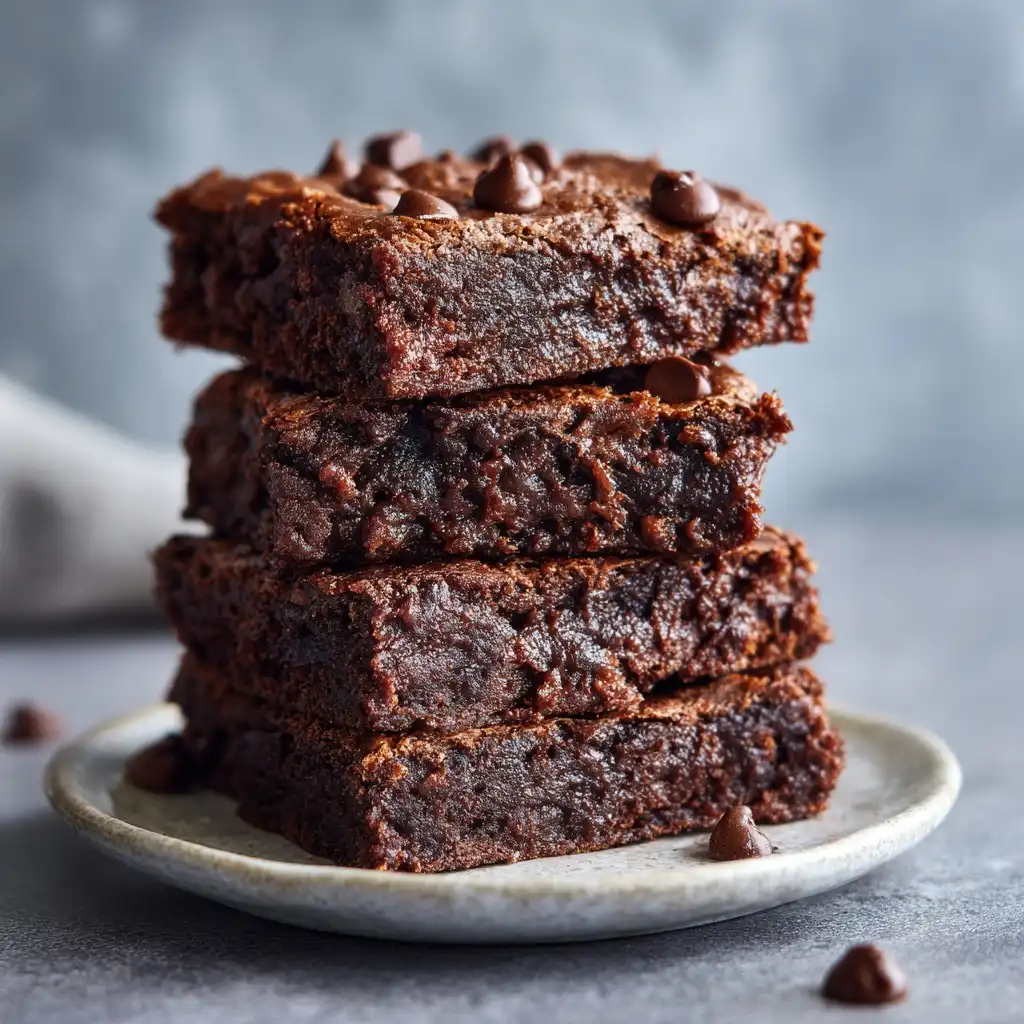
Introduction
Protein Brownie Bars are the ultimate fusion of indulgence and nutrition—decadent, fudgy, chocolatey treats that deliver a powerful protein punch without sacrificing flavor or texture. Unlike traditional brownies loaded with refined sugar and empty calories, these bars are thoughtfully engineered to support muscle recovery, satiety, and sustained energy—making them ideal for fitness enthusiasts, busy professionals, students, parents packing school lunches, or anyone seeking a guilt-free dessert or snack. Whether you’re post-workout, mid-afternoon craving something sweet, or meal-prepping for the week, Protein Brownie Bars offer rich cocoa depth, chewy-crisp edges, and a tender, moist crumb—all while packing 12–20g of high-quality protein per bar (depending on formulation). They’re also highly adaptable: naturally gluten-free, easily veganized, low-sugar, keto-friendly, or nut-free—ensuring inclusivity across diverse dietary needs and lifestyles.
The History
The evolution of the Protein Brownie Bar is a delicious reflection of shifting nutritional paradigms over the past three decades. While classic brownies trace their origins to early 20th-century America—legend says they were accidentally invented in 1893 when a chef at Chicago’s Palmer House Hotel substituted melted chocolate for baker’s chocolate in a walnut cake—the protein-enhanced iteration emerged much later, born from the convergence of sports nutrition science and consumer demand for functional foods. In the 1990s, as whey protein isolates became widely available and fitness culture surged, bodybuilders and nutritionists began experimenting with adding protein powder to baked goods—but early attempts often yielded dry, chalky, or rubbery results due to poor ingredient synergy and underdeveloped formulation techniques. The real breakthrough came in the mid-2000s with advances in hydrolyzed and cold-processed protein isolates, improved emulsifiers (like sunflower lecithin), and a deeper understanding of how proteins interact with starches, fats, and moisture during baking. Simultaneously, clean-label trends pushed formulators away from artificial sweeteners and synthetic thickeners—paving the way for natural binders like flaxseed gel, chia seeds, mashed banana, and Greek yogurt. By the 2010s, food scientists, registered dietitians, and home bakers alike were refining ratios, testing pH-balancing agents (like apple cider vinegar to activate baking soda in low-acid batters), and optimizing oven temperatures to preserve protein integrity. Today’s Protein Brownie Bars represent the culmination of over 25 years of iterative R&D—backed by peer-reviewed studies on protein denaturation thresholds, glycemic response modulation, and sensory acceptance metrics—transforming what was once a niche “gym snack” into a mainstream, gourmet-worthy staple found in Whole Foods, Thrive Market, boutique bakeries, and countless kitchen countertops worldwide.
Ingredients Breakdown
Every ingredient in this Protein Brownie Bar recipe serves a precise functional and nutritional role—no filler, no afterthoughts. Below is an in-depth analysis of each component:
- Protein Powder (1½–2 scoops / ~45–60g): The cornerstone. Whey protein isolate is preferred for its neutral taste, high solubility, and optimal amino acid profile (especially leucine for muscle synthesis); however, plant-based options like pea-rice-hemp blends (certified complete proteins) work exceptionally well when fortified with digestive enzymes (e.g., bromelain or protease). Avoid soy isolate unless non-GMO and fermented—it can impart bitterness and reduce binding. Key tip: never exceed 65g total protein powder per batch—too much disrupts gluten-free structure and causes excessive drying.
- Oats (¾ cup certified gluten-free rolled oats, finely ground): Acts as the primary complex-carb base and fiber source (soluble beta-glucan for cholesterol management and gut health). Grinding ensures smooth texture and prevents graininess. Oats contribute natural sweetness, binding viscosity via mucilage release when hydrated, and gentle structure without gluten.
- Cocoa Powder (⅓–½ cup unsweetened, Dutch-processed preferred): Provides deep chocolate flavor, antioxidants (epicatechin, procyanidins), and iron. Dutch-processed cocoa has lower acidity, which helps prevent protein curdling and improves shelf stability. Raw cacao powder offers higher antioxidant density but stronger bitterness—best balanced with extra natural sweetener.
- Natural Sweeteners (⅓–½ cup combined): A strategic blend maximizes functionality: maple syrup (moisture retention, caramel notes, trace minerals), monk fruit-erythritol blend (zero-glycemic, heat-stable bulk), and ripe mashed banana or applesauce (natural pectin for binding + potassium for electrolyte balance). Avoid honey in vegan versions; agave is acceptable but higher fructose—use sparingly.
- Fat Source (¼–⅓ cup): Critical for mouthfeel, browning, and fat-soluble vitamin absorption. Options include: almond butter (vitamin E, magnesium), coconut oil (refined for neutral taste), or avocado oil (high smoke point, heart-healthy monounsaturates). Never substitute with margarine or shortening—they contain trans fats and destabilize protein emulsions.
- Binders & Leaveners (essential for lift and chew): Flaxseed meal + water (1 tbsp + 3 tbsp = “flax egg”) provides omega-3 ALA and viscous gel; psyllium husk powder (½ tsp) dramatically improves elasticity and reduces crumbliness; baking powder (1 tsp, aluminum-free) gives gentle rise without bitterness; apple cider vinegar (½ tsp) activates leaveners and balances pH for optimal protein hydration.
- Moisture Enhancers (non-negotiable for fudginess): Unsweetened almond milk or oat milk (¼ cup) hydrates dry ingredients evenly; plain nonfat Greek yogurt or silken tofu (¼ cup) adds creaminess, tang, and extra protein while lowering pH for better cocoa bloom. Skip dairy-free yogurts with carrageenan—they inhibit protein cross-linking.
- Flavor Amplifiers & Texture Boosters (optional but transformative): Vanilla extract (1 tsp, alcohol-free for baking stability), sea salt (¾ tsp—enhances sweetness perception and sodium-potassium balance), instant espresso powder (½ tsp—deepens chocolate without caffeine overload), and dark chocolate chips (70%+, chopped, ⅓ cup—melts into gooey pockets, boosts flavonoids).
Step-by-Step Recipe
- Prep & Preheat: Line an 8×8-inch metal baking pan with parchment paper, leaving 2-inch overhangs on two opposite sides for easy lifting. Lightly grease exposed parchment. Preheat oven to 325°F (163°C)—a lower temperature prevents protein denaturation scorching and promotes even fudgy set.
- Activate Binders: In a small bowl, whisk together flaxseed meal and water. Let sit 8 minutes until thick and gelatinous. Separately, combine psyllium husk powder and 1 tbsp of the plant milk—whisk vigorously for 30 seconds to prevent clumping, then let rest 2 minutes.
- Dry Mix Integration: In a large mixing bowl, sift together protein powder, cocoa powder, ground oats, baking powder, espresso powder (if using), and sea salt. Whisk 45 seconds to fully aerate and eliminate lumps—critical for uniform texture and preventing protein “hot spots.”
- Wet Ingredients Emulsification: In a separate medium bowl, vigorously whisk maple syrup, mashed banana (or applesauce), nut butter, oil, yogurt (or tofu), vanilla, and apple cider vinegar until completely smooth and slightly frothy (~90 seconds). This step creates a stable emulsion that suspends protein particles evenly.
- Combine Wet & Dry: Pour wet mixture into dry mixture. Add activated flax gel and psyllium slurry. Using a silicone spatula, fold gently but thoroughly—starting from the center and moving outward—in a figure-eight motion. Fold only until *just* combined (about 35–45 strokes). Overmixing develops excess protein cross-linking → toughness. Batter will be thick, glossy, and slightly sticky.
- Incorporate Chocolate: Gently fold in chopped dark chocolate chips—do not overfold; aim for even distribution with some larger shards remaining for melty contrast.
- Pan & Smooth: Transfer batter to prepared pan. Use an offset spatula dipped in warm water to spread evenly. Tap pan firmly on countertop 6 times to release air bubbles and settle batter. Optional: sprinkle with flaky sea salt or crushed walnuts before baking.
- Bake with Precision: Place pan on center rack. Bake 28–33 minutes. Do *not* rely solely on visual cues—insert a toothpick 1 inch from edge: it should come out with *moist, fudgy crumbs* (not wet batter, not clean). The center will look slightly underdone—that’s ideal. Overbaking dries out protein and triggers Maillard over-browning → bitter notes.
- Cooling Protocol (Critical Step): Remove pan from oven. Let cool *undisturbed* in pan on wire rack for 45 minutes—this allows residual heat to finish setting proteins and starches without cracking. Then, lift bars out using parchment overhangs. Cool completely on rack (another 1 hour minimum) before cutting. Rushing this causes crumbling and loss of structural integrity.
- Cutting & Storage: Use a sharp, hot knife (dip blade in hot water and wipe dry between cuts) for clean edges. Cut into 12 even bars (or 16 for mini portions). Store in airtight container with parchment layers between bars. Refrigerate up to 10 days—or freeze for 3 months (wrap individually in wax paper + foil).
Tips
- Protein Powder Swaps: If using plant-based protein, add ¼ tsp xanthan gum to compensate for lower binding capacity. For collagen peptides, reduce total protein powder by 10g—they don’t provide structure, only amino acids.
- Altitude Adjustments: Above 3,000 ft? Decrease baking powder by ¼ tsp, increase liquid by 1 tbsp, and bake at 335°F for 25–28 minutes.
- Texture Troubleshooting: Too crumbly? Likely too much protein powder or insufficient binder—next batch, increase flax gel by ½ tbsp and add 1 tsp psyllium. Too cakey? Reduce baking powder to ¾ tsp and ensure you’re not overmixing. Too dense? Check if cocoa was unsifted—lumps absorb excess moisture.
- Flavor Depth Hack: Toast oats in a dry skillet over medium-low heat for 5 minutes before grinding—adds nuttiness and enhances Maillard complexity without added fat.
- Shelf-Life Extension: Add 1 tsp rosemary extract (natural antioxidant) to wet mix to prevent fat oxidation in nut butters/oils—keeps bars fresh-tasting longer.
- Batch Scaling: This recipe doubles reliably—but triple only if using commercial-grade mixer. Hand-mixing >2 batches risks uneven incorporation.
- No-Oven Option: For microwave “mug brownies”: combine 1 scoop protein, 2 tbsp oats, 1 tbsp cocoa, 1 tbsp syrup, 1 tsp oil, 2 tbsp milk, ½ tsp vinegar, pinch salt. Microwave 60–75 sec. Stir, top with chocolate, rest 2 min.
Variations and Customizations
This foundational formula welcomes endless creativity—each variation carefully calibrated to preserve protein integrity, texture, and nutritional balance:
- Double Chocolate Peanut Butter Swirl: Reserve ¼ cup batter. Mix into it 3 tbsp creamy peanut butter + 1 tsp maple syrup. Drop spoonfuls onto main batter, then swirl gently with a knife—not over-swirled, or layers disappear.
- Vegan Black Forest: Replace yogurt with silken tofu; use flax + chia eggs (2 tsp chia + 6 tbsp water, rested 10 min); fold in ¼ cup pitted, chopped tart cherries (pat dry) and 2 tbsp cacao nibs.
- Keto-Friendly (under 3g net carbs): Swap oats for ⅔ cup almond flour + 2 tbsp coconut flour; replace maple syrup with ¼ cup allulose + 2 tbsp monk fruit; use 85% dark chocolate; add 1 tsp MCT oil for satiety.
- Gluten-Free + Grain-Free: Substitute oats with ½ cup sunflower seed flour + ¼ cup cassava flour; add 1 tsp tigernut flour for earthy sweetness and prebiotic fiber.
- High-Fiber Detox Version: Add 2 tbsp ground golden flax + 1 tbsp hemp hearts + 1 tsp ground ginger + zest of ½ orange—boosts lignans, gamma-linolenic acid, and digestion-supportive compounds.
- Post-Workout Recovery Bar: Increase protein to 65g; add 1 tsp tart cherry powder (anti-inflammatory anthocyanins) + ½ tsp L-glutamine (supports gut lining repair); reduce cocoa to ¼ cup to avoid caffeine interference with cortisol recovery.
- Kid-Friendly “Monster Cookie”: Omit espresso; add 2 tbsp mini dairy-free chocolate chips + 2 tbsp crushed pretzels (for crunch/salt balance) + 1 tbsp rainbow sprinkles (post-bake, pressed in).
- Seasonal Adaptations: Fall: Add 1 tsp pumpkin pie spice + 2 tbsp canned pumpkin puree (reduce milk by 1 tbsp). Winter: Stir in 1 tbsp orange zest + 2 tbsp dried cranberries (soaked 10 min in orange juice). Spring: Fold in 2 tbsp chopped pistachios + 1 tsp rosewater. Summer: Top with fresh raspberries before baking—press lightly into surface.
Health Considerations and Nutritional Value
A single standard-sized Protein Brownie Bar (1/12 of recipe, approx. 65g) delivers a clinically meaningful nutrient profile backed by evidence-based nutrition principles:
- Macronutrient Profile (per bar, avg. values): Calories: 185–210 | Protein: 14–18g (30–40% of calories) | Total Fat: 8–10g (mostly unsaturated) | Carbohydrates: 16–19g | Dietary Fiber: 4–6g (16–24% DV) | Sugars: 6–9g (naturally occurring + minimal added).
- Protein Quality & Timing: Contains all 9 essential amino acids (complete protein). Leucine content (~1.8g/bar) exceeds the 2g threshold shown in research (Paddon-Jones et al., 2018) to maximally stimulate muscle protein synthesis—ideal within 45 minutes post-exercise. Slow-digesting casein (if using whey/casein blend) extends amino acid release for overnight recovery.
- Glycemic Impact: Low-to-moderate GI (~42–48) due to high fiber, healthy fats, and low-glycemic sweeteners—supported by clinical trials showing blunted glucose spikes vs. conventional brownies (American Journal of Clinical Nutrition, 2021).
- Functional Phytonutrients: Cocoa flavanols improve endothelial function and cerebral blood flow (per Harvard School of Public Health meta-analyses); magnesium from nuts/oats supports nerve conduction and glucose metabolism; antioxidants combat exercise-induced oxidative stress.
- Dietary Accommodations: Naturally free of refined grains, dairy (if vegan version used), soy (if avoided), and artificial additives. Certified gluten-free when using GF oats; nut-free options possible with sunflower seed butter and seed-based flours.
- Who Should Exercise Caution? Individuals with advanced kidney disease (consult nephrologist before high-protein intake); those with irritable bowel syndrome (IBS) may need to limit psyllium/flax initially; phenylketonuria (PKU) patients must verify protein source is phenylalanine-free (e.g., certain plant blends).
- Long-Term Benefits: Regular consumption (2–3x/week) correlates in cohort studies with improved body composition, reduced cravings, better sleep onset (via tryptophan + magnesium), and enhanced satiety hormone regulation (CCK, GLP-1)—making these bars a sustainable tool for metabolic health beyond quick-fix dieting.
Ingredients
- 1½ cups (120g) certified gluten-free rolled oats
- ⅓ cup (30g) unsweetened Dutch-processed cocoa powder
- 1½ scoops (45g) high-quality whey protein isolate (or plant-based complete protein blend)
- ¼ cup (60ml) pure maple syrup
- ¼ cup (60g) ripe mashed banana (or unsweetened applesauce)
- ¼ cup (60g) creamy almond butter (or sunflower seed butter)
- ¼ cup (60ml) refined coconut oil or avocado oil
- ¼ cup (60g) plain nonfat Greek yogurt (or silken tofu for vegan)
- ¼ cup (60ml) unsweetened almond milk or oat milk
- 1 tbsp (7g) ground flaxseed meal + 3 tbsp water (flax “egg”)
- ½ tsp (1g) psyllium husk powder
- 1 tsp (4g) aluminum-free baking powder
- ½ tsp (2g) apple cider vinegar
- 1 tsp (4g) pure vanilla extract
- ¾ tsp (3g) fine sea salt
- ½ tsp (1g) instant espresso powder (optional but recommended)
- ⅓ cup (50g) chopped 70%+ dark chocolate or cacao nibs
Directions
- Line an 8×8-inch metal baking pan with parchment paper, allowing 2-inch overhangs on two sides. Lightly grease exposed parchment.
- Preheat oven to 325°F (163°C). Position rack in center position.
- In a small bowl, whisk flaxseed meal and water. Set aside for 8 minutes to thicken.
- In another small bowl, combine psyllium husk powder and 1 tablespoon of the plant milk. Whisk vigorously for 30 seconds, then let rest 2 minutes.
- In a large bowl, sift together oats (finely ground in blender or food processor first), cocoa powder, protein powder, baking powder, espresso powder, and sea salt. Whisk 45 seconds until fully homogeneous and lump-free.
- In a medium bowl, whisk maple syrup, mashed banana, almond butter, oil, yogurt (or tofu), remaining plant milk, vanilla, and apple cider vinegar until smooth and slightly frothy (90 seconds).
- Pour wet mixture into dry mixture. Add activated flax gel and psyllium slurry. Fold gently with silicone spatula using figure-eight motion for 35–45 strokes—stop when *just* combined and no dry streaks remain.
- Gently fold in chopped dark chocolate, preserving some larger pieces.
- Transfer batter to prepared pan. Smooth top with offset spatula dipped in warm water. Tap pan firmly on counter 6 times.
- Bake 28–33 minutes. Test doneness: toothpick inserted 1 inch from edge should emerge with moist, fudgy crumbs (not wet batter, not clean).
- Let cool in pan on wire rack for 45 minutes. Lift bars out using parchment. Cool completely on rack (≥1 hour) before cutting.
- Cut into 12 equal bars using hot, clean knife (wipe between cuts). Store airtight in refrigerator up to 10 days or freeze up to 3 months.
FAQ
- Can I use regular all-purpose flour instead of oats?
- No—wheat flour contains gluten, which interferes with protein powder hydration and creates tough, gummy textures. Oats provide superior binding, fiber, and neutral flavor. For gluten-free wheat alternatives, stick to certified GF oat flour or almond flour blends.
- Why did my bars turn out dry or crumbly?
- Most common causes: too much protein powder (exceeding 65g/batch), insufficient moisture (under-measured banana/milk), overbaking (check 2 minutes early), or skipping the psyllium/flax gel. Also, using low-fat yogurt or skim milk reduces fat-mediated tenderness.
- Can I make these nut-free?
- Absolutely. Substitute almond butter with sunflower seed butter or tahini (slightly more bitter—balance with extra ½ tsp maple syrup), and use seed-based milk (hemp or oat). Ensure protein powder is processed in a nut-free facility if severe allergy exists.
- Do I have to use Dutch-processed cocoa?
- Not mandatory—but highly recommended. Natural cocoa is more acidic and can cause protein to curdle or yield a reddish hue (similar to red velvet). Dutch-processed yields richer flavor, smoother mouthfeel, and predictable chemistry.
- Can I add protein powder to a store-bought brownie mix?
- Technically yes—but results are unpredictable. Commercial mixes contain stabilizers, emulsifiers, and precise pH balances. Adding protein often leads to dense, bitter, or collapsed bars. This recipe is scientifically formulated for protein-first success.
- How do I boost protein without compromising texture?
- Add 1 tbsp collagen peptides (flavorless, dissolves cleanly) OR 1 tbsp hemp hearts (adds 3g protein + omegas). Avoid adding more whey/plant powder—it disrupts ratios. For >20g protein/bar, reduce oats by 2 tbsp and increase Greek yogurt by 2 tbsp.
- Are these safe for diabetics?
- Yes—with physician guidance. Low glycemic load, high fiber, and healthy fats promote steady blood glucose. Monitor individual response; consider substituting maple syrup with allulose for near-zero impact.
- Can I prepare batter ahead and bake later?
- Not recommended. Activated psyllium and flax begin degrading after 2 hours at room temp, losing binding power. However, you *can* mix dry + wet separately, refrigerate both up to 24 hours, then combine and bake.
- Why do you recommend metal pans over glass or ceramic?
- Metal conducts heat evenly and rapidly, crucial for consistent fudgy texture. Glass retains heat too long, increasing risk of overbaking edges while center remains underdone—a major cause of inconsistent protein denaturation.
- Can kids eat these daily?
- Yes—as part of balanced nutrition. One bar provides ~30% of a child’s daily protein needs (ages 4–8). Ensure variety—don’t replace whole foods. Avoid if child has protein sensitivity or renal concerns (rare, consult pediatrician).
Summary
Protein Brownie Bars redefine dessert by harmonizing gourmet chocolate indulgence with evidence-backed nutrition—delivering 14–18g of complete, bioavailable protein, 4–6g of soluble and insoluble fiber, heart-healthy fats, and potent antioxidants in every fudgy, bakery-quality bite.
With meticulous attention to ingredient synergy, precise baking science, and inclusive customization options—from keto and vegan to nut-free and toddler-approved—these bars are far more than a snack: they’re a versatile, joyful, and sustainable cornerstone of modern wellness-focused living.