Introduction
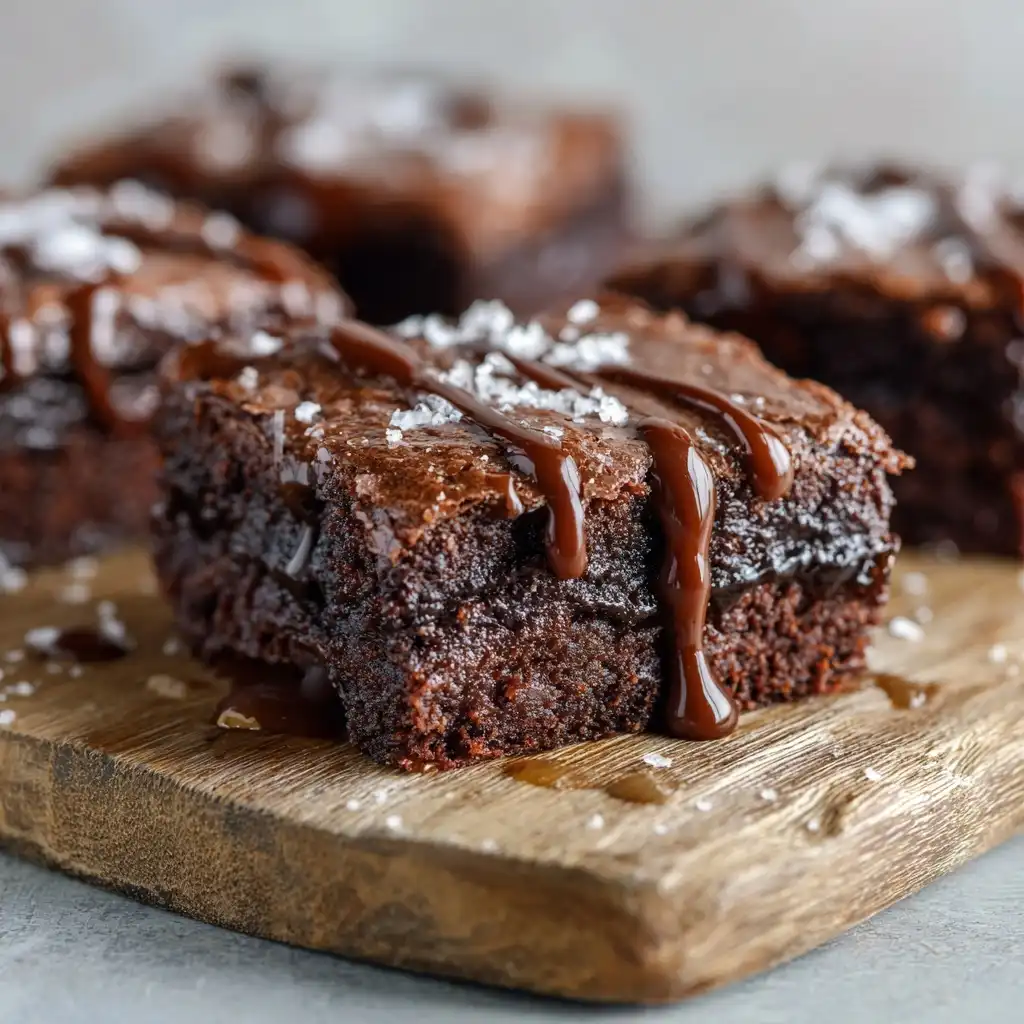
Keto Brownie Bars are the ultimate guilt-free indulgence for anyone following a low-carb, high-fat ketogenic lifestyle. Unlike traditional brownies loaded with refined sugar and wheat flour, these decadent bars deliver rich chocolate intensity, fudgy texture, and deep cocoa aroma—all while staying firmly within strict keto macros. Whether you’re a seasoned keto veteran or newly transitioning into nutritional ketosis, these bars offer satisfying sweetness without spiking blood glucose or kicking you out of ketosis. They’re perfect for meal prep, post-workout treats, office snacks, or even elegant dessert platters at keto-friendly gatherings. With no artificial sweeteners required (though optional), minimal ingredients, and straightforward preparation, Keto Brownie Bars prove that dietary restrictions don’t mean sacrificing flavor, texture, or joy.
The History
The evolution of the keto brownie traces back to the broader resurgence of ketogenic diets in the early 2010s—spurred by clinical research on epilepsy management, metabolic health studies, and growing interest in low-carb nutrition for weight loss and cognitive performance. As mainstream baking recipes began flooding social media and wellness blogs, home bakers and keto nutritionists alike faced a common challenge: replicating the dense, moist, crackly-topped magic of classic brownies without sugar, grains, or high-carb thickeners. Early attempts often relied heavily on almond flour, cocoa powder, and erythritol—but frequently suffered from graininess, bitterness, or dryness due to improper fat ratios or overbaking. Over time, iterative experimentation led to breakthroughs: the incorporation of melted butter or ghee for superior mouthfeel, the use of superfine blanched almond flour to eliminate grittiness, the strategic addition of psyllium husk or xanthan gum for structural integrity, and the refinement of low-glycemic sweetener blends (e.g., erythritol + monk fruit) to mimic sucrose’s caramelization and depth. Today’s Keto Brownie Bars reflect over a decade of collective culinary science—honoring tradition while embracing innovation—and stand as a hallmark recipe in modern keto baking canon.
Ingredients Breakdown
Every ingredient in this Keto Brownie Bar recipe serves a precise functional and nutritional purpose—no fillers, no compromises.
- Unsweetened Cocoa Powder (Dutch-processed preferred): Provides intense chocolate flavor and natural antioxidants (flavanols). Dutch-processed cocoa is alkalized for smoother, less acidic notes and better solubility in low-moisture batters. It contains virtually zero net carbs (≈0.5g per tbsp) and adds rich color and depth.
- Blanched Almond Flour: The foundational keto flour—low in net carbs (≈2g per ¼ cup), high in healthy monounsaturated fats and vitamin E. Must be *blanched* (skins removed) to prevent bitterness and ensure fine, uniform texture. Sift before use to avoid clumping.
- Grass-Fed Butter or Ghee: Adds luxurious fat content critical for satiety and keto compliance. Butter contributes milk solids for browning and flavor; ghee offers higher smoke point and nuttier profile plus dairy-free suitability. Both provide butyric acid—a gut-supportive short-chain fatty acid.
- Full-Fat Cream Cheese (room temperature): A game-changer for fudginess. Its high fat (≈34%) and low moisture create an ultra-dense, velvety crumb and inhibit gluten-free flours from drying out. Also enhances richness and balances cocoa’s astringency.
- Eggs (large, room temperature): Act as emulsifiers, leaveners, and binders. Egg yolks contribute fat and lecithin for creaminess; whites add subtle lift without airy structure—key for brownie density. Pasture-raised eggs offer superior omega-3 and vitamin D profiles.
- Pure Vanilla Extract (alcohol-based, sugar-free): Enhances aromatic complexity and rounds out chocolate notes. Avoid imitation vanilla or glycerin-based versions that may contain hidden sugars or carbs.
- Low-Glycemic Sweetener Blend: We recommend a 1:1 erythritol-monk fruit blend (e.g., Lakanto Golden or Swerve Confectioners). Erythritol provides bulk and cooling sweetness with zero glycemic impact (0g net carbs, 0g sugar); monk fruit adds potency and avoids aftertaste. NEVER use maltitol—it spikes insulin and causes digestive distress.
- Sea Salt (fine, unrefined): Not just for seasoning—salt suppresses bitterness, amplifies sweetness perception, and strengthens protein networks for improved texture.
- Optional Add-Ins: Sugar-free dark chocolate chunks (≥85% cacao), toasted walnuts or pecans (pre-chopped and lightly salted), unsweetened coconut flakes, or a swirl of sugar-free peanut butter for textural contrast and micronutrient diversity.
Step-by-Step Recipe
- Preheat & Prep: Preheat oven to 325°F (163°C)—lower than standard brownies to prevent surface cracking and promote even, slow fudgy set. Line an 8×8-inch metal baking pan with parchment paper, leaving 2-inch overhang on two opposite sides for easy lifting. Lightly grease parchment with butter or avocado oil.
- Melt Butter & Cocoa: In a medium heatproof bowl, combine butter and cocoa powder. Microwave in 30-second bursts, stirring between intervals, until fully melted and smooth (≈90 seconds total). Alternatively, use a double boiler over simmering water. Let cool slightly (2–3 minutes) to avoid cooking eggs later.
- Cream Fat Base: In a large mixing bowl, beat softened cream cheese with an electric mixer on medium until creamy and lump-free (≈1 minute). Scrape down sides. Add cooled cocoa-butter mixture and beat until homogenous and glossy (≈1.5 minutes).
- Incorporate Sweetener & Salt: Add sweetener blend and sea salt. Beat on medium-high for 2 minutes until lightened in color and slightly fluffy—this incorporates air for subtle lift without compromising density.
- Add Eggs One at a Time: Crack eggs into a small bowl first (to avoid shell fragments). Add one egg to batter; beat on medium for 45 seconds until fully emulsified. Repeat with second egg. Do NOT rush—full integration prevents greasiness and ensures cohesive structure.
- Blend in Vanilla: Mix in pure vanilla extract until just combined.
- Fold in Dry Ingredients: In a separate bowl, whisk together sifted almond flour, optional psyllium husk (½ tsp for extra chew), and any spice (e.g., pinch of instant espresso powder to deepen chocolate notes). Gently fold into wet batter with a silicone spatula using 12–15 figure-eight motions—just until no dry streaks remain. Overmixing develops almond flour’s natural oils too aggressively, causing greasiness.
- Enrich with Mix-Ins: Fold in chocolate chunks or nuts (if using) with final 3–4 folds. Reserve 1–2 tbsp chocolate for topping, if desired.
- Pour & Smooth: Transfer batter into prepared pan. Use an offset spatula to spread evenly. Tap pan firmly on counter 4–5 times to release air bubbles and level surface. Optional: Sprinkle reserved chocolate pieces or flaky sea salt across top.
- Bake with Precision: Place pan on center oven rack. Bake 28–34 minutes. Begin checking at 28 minutes: edges should be set and slightly pulling away from pan; center should look moist but not liquid—when gently jiggled, it should have a subtle, unified wobble (not sloshing). A toothpick inserted 1 inch from edge should come out clean; inserted in center should have moist crumbs—not wet batter, not dry cake.
- Cool Completely: Remove from oven and cool in pan on wire rack for full 2 hours. This step is NON-NEGOTIABLE—cutting while warm yields crumbly, sticky bars. For cleanest cuts and maximum fudginess, refrigerate uncovered for 1 hour before slicing—or chill overnight.
- Portion & Store: Use sharp chef’s knife wiped clean between cuts. Cut into 16 equal bars (4×4 grid) for standard serving size (~170 kcal, ~2g net carbs each). Store in airtight container: room temp up to 2 days, refrigerator up to 10 days, freezer up to 3 months (wrap individually in parchment + foil).
Tips
- Room Temperature Is Key: Cold cream cheese won’t emulsify properly; cold eggs can cause batter to seize. Take ingredients out 60–90 minutes ahead.
- Sift Almond Flour Twice: Even “superfine” almond flour clumps. Sifting removes lumps and aerates for tender crumb.
- Weigh Your Ingredients: Volume measurements vary wildly with almond flour (1 cup = 92g ±15g depending on scooping method). For consistency, use a digital kitchen scale: target 200g almond flour, 113g butter, 227g cream cheese.
- Don’t Skip the Espresso Powder: ¼ tsp instant espresso (not coffee granules) doesn’t make bars taste like coffee—it intensifies chocolate flavor via Maillard reaction synergy. Optional but highly recommended.
- Rotate Pan Midway (If Needed):strong> If your oven has hot spots, rotate pan 180° at 20-minute mark for even baking.
- Chill Before Cutting = Crisp Edges: Refrigeration firms up cocoa butter and cream cheese fats, allowing razor-sharp squares with glossy sheen.
- Fix Grainy Texture: If bars taste gritty, your almond flour was old or coarsely ground. Toast fresh almond flour at 325°F for 8 minutes before cooling and sifting—it deepens flavor and dries excess moisture.
- Revive Stale Bars: Place chilled bar on parchment, microwave 8–10 seconds—just enough to soften fats without melting chocolate. Restores fudgy warmth.
- Use Metal Pans Only: Glass or ceramic retains heat longer, leading to overbaked edges and underdone centers. Heavy-gauge aluminum ensures even conduction.
- Batch Scaling Notes: Doubling? Use 9×13 pan and increase bake time by 6–9 minutes—check early. Halving? Use 6×6 pan and reduce time by 5–7 minutes.
Variations and Customizations
These bars are endlessly adaptable—nutritionally aligned and creatively inspiring.
- Double Chocolate Fudge Bars: Replace 2 tbsp cocoa with 2 tbsp unsweetened chocolate powder (like Cacao Barry Extra Brute), and fold in ⅓ cup chopped 90% dark chocolate + 2 tbsp cacao nibs for crunch and antioxidant boost.
- Peanut Butter Swirl: After spreading batter, dollop ¼ cup sugar-free creamy peanut butter (check label for <1g net carb per tbsp) in spoonfuls. Drag a butter knife through in figure-eights for marbled effect. Optional: sprinkle with crushed roasted peanuts pre-bake.
- Espresso Walnut: Add 1 tsp instant espresso powder + ¾ cup finely chopped toasted walnuts. Walnuts contribute alpha-linolenic acid (ALA), a plant-based omega-3.
- Mint Chip: Add ¼ tsp natural peppermint extract (alcohol-based) + ⅓ cup sugar-free mint chocolate chips. Garnish with edible dried mint leaves.
- Coconut Almond: Fold in ⅓ cup unsweetened shredded coconut + ½ cup sliced almonds. Toast both separately for enhanced aroma. Optional: drizzle with melted sugar-free white chocolate post-chill.
- Protein-Enhanced: Add 2 scoops (≈40g) unflavored collagen peptides or keto-certified whey isolate (check lactose content). Reduce almond flour by 2 tbsp to maintain batter thickness.
- Vegan Keto Option: Substitute butter with refined coconut oil (deodorized), cream cheese with cashew-based keto cream cheese (e.g., Kite Hill), eggs with flax “eggs” (2 tbsp ground flax + 5 tbsp water, rested 10 min), and ensure sweetener is vegan-certified. Texture will be denser—bake 2–3 minutes longer.
- Mini Bar Bites: Pour batter into silicone mini muffin pan (24 cavities). Bake 18–22 minutes. Perfect for portion control and party favors.
- Gluten-Free Certification Ready: Ensure all ingredients bear certified GF labels (especially cocoa, vanilla, and baking powder if added)—critical for those with celiac disease or severe sensitivity.
- Electrolyte-Boosted: Stir in ¼ tsp magnesium glycinate powder + ⅛ tsp Himalayan pink salt (in addition to regular salt) for cramp prevention and hydration support—ideal for active keto dieters.
Health Considerations and Nutritional Value
Each standard 2″×2″ Keto Brownie Bar (recipe yields 16) delivers approximately:
- Calories: 170–185 kcal
- Total Fat: 16–17g (including 7–8g saturated fat from butter/cream cheese)
- Protein: 4–5g (from eggs, almond flour, cream cheese)
- Total Carbohydrates: 5–6g
- Dietary Fiber: 2.5–3g (primarily from almond flour and optional psyllium)
- Sugar: 0g (naturally occurring lactose in cream cheese ≈0.1g per bar—nutritionally negligible)
- Net Carbs: 2–2.5g per bar
Nutritional Highlights:
- Heart-Healthy Fats: Monounsaturated fats (MUFA) from almond flour and olive oil–compatible butter support HDL cholesterol and arterial elasticity.
- Antioxidant-Rich Cocoa: Contains epicatechin and procyanidins linked to improved endothelial function, reduced oxidative stress, and enhanced insulin sensitivity—even in low doses.
- Gut-Supportive Components: Psyllium (if added) acts as soluble prebiotic fiber; butter’s butyrate feeds colonocytes; dark chocolate polyphenols modulate microbiome diversity.
- Electrolyte Balance: Naturally contains potassium (from cocoa, almond flour), magnesium (cocoa, sea salt), and sodium—supporting keto adaptation and preventing “keto flu.”
- No Inflammatory Additives: Free from soy lecithin, canola oil, artificial colors, preservatives, or high-fructose corn syrup commonly found in store-bought “low-carb” bars.
Who Should Exercise Caution?
- Lactose Intolerance: While cream cheese contains minimal lactose (<0.5g per oz), sensitive individuals may prefer lactose-free cream cheese or ghee-only version.
- Nut Allergies: Almond flour is essential here; substitute with sunflower seed flour (grind raw seeds finely) — note texture will be denser and slightly earthier.
- Medication Interactions: High-dose cocoa flavanols may potentiate blood thinners (e.g., warfarin); consult physician if consuming >2 bars daily long-term.
- Kidney Health: Moderate protein content is safe for healthy kidneys; those with CKD stage 3+ should consult renal dietitian before regular consumption.
- GI Sensitivity to Sugar Alcohols: Erythritol is generally well-tolerated (90% absorbed in small intestine), but very high intake (>40g/day) may cause mild bloating in some. Monitor personal tolerance.
Ingredients
- 1 cup (92g) blanched almond flour, sifted twice
- ⅓ cup (30g) unsweetened Dutch-processed cocoa powder
- ½ tsp fine sea salt
- ¼ tsp ground cinnamon (optional, for warmth)
- 6 tbsp (85g) unsalted grass-fed butter, cubed
- 4 oz (113g) full-fat plain cream cheese, softened to room temperature
- ¾ cup (120g) granulated erythritol-monk fruit blend (e.g., Lakanto Golden)
- 2 large eggs, room temperature
- 1½ tsp pure vanilla extract
- 1 tsp instant espresso powder (optional but recommended)
- ⅓ cup (55g) sugar-free dark chocolate chunks (85% cacao or higher)
- ¼ cup (30g) coarsely chopped toasted walnuts or pecans (optional)
- Flaky sea salt for finishing (optional)
Directions
- Preheat oven to 325°F (163°C). Line an 8×8-inch metal baking pan with parchment paper, leaving overhang on two sides. Lightly grease parchment.
- In a microwave-safe bowl, combine butter and cocoa powder. Microwave in 30-second intervals, stirring between, until smooth and fully melted (≈1–1.5 minutes). Let cool 3 minutes.
- In a large bowl, beat cream cheese with electric mixer on medium until creamy (≈1 min). Add cooled cocoa-butter mixture; beat until glossy and smooth (≈1.5 min).
- Add sweetener and salt; beat on medium-high 2 minutes until pale and slightly fluffy.
- Add eggs one at a time, beating 45 seconds after each addition until fully incorporated. Mix in vanilla and espresso powder.
- In separate bowl, whisk together sifted almond flour and optional cinnamon. Gently fold into wet mixture with spatula until just combined—do not overmix.
- Fold in chocolate chunks and nuts (if using) with final 3–4 strokes.
- Pour batter into prepared pan. Spread evenly. Tap pan firmly on counter 4–5 times. Sprinkle with flaky salt (if desired).
- Bake 28–34 minutes—until edges are set and center jiggles *slightly* when nudged. Toothpick in center should show moist crumbs (not wet batter).
- Cool completely in pan on wire rack (2 hours minimum). For best texture, refrigerate 1 hour before cutting.
- Using sharp knife, cut into 16 squares. Wipe blade between cuts. Store airtight: room temp ≤2 days, fridge ≤10 days, freeze ≤3 months.
FAQ
- Can I use coconut flour instead of almond flour?
- No—coconut flour absorbs ~4–5x more liquid than almond flour and requires additional eggs. Substituting 1:1 will result in dry, crumbly, over-leavened bars. If necessary, use a tested coconut flour keto brownie recipe instead.
- Why did my bars crack on top?
- Cracking usually occurs from rapid temperature shift (opening oven too soon), overmixing after adding eggs, or baking at too high a temperature. Always preheat fully, avoid opening oven before 25 minutes, and stick to 325°F.
- Can I make these nut-free?
- Yes—with caveats. Replace almond flour with ½ cup (60g) golden flaxseed meal + ¼ cup (30g) sunflower seed flour (finely ground raw seeds). Add 1 extra egg yolk for binding. Texture will be denser and slightly grainier, but still fudgy.
- My bars turned out greasy—what went wrong?
- Greasiness indicates incomplete emulsification—usually from cold cream cheese or eggs, or under-beating the fat-sweetener mixture. Ensure all ingredients are truly room temperature and beat the cream cheese + sweetener + cocoa-butter mixture for full 2 minutes before adding eggs.
- Are these bars suitable for diabetics?
- Yes—clinical studies confirm erythritol and monk fruit have zero glycemic or insulinemic response. However, individual glucose responses vary; we recommend monitoring with CGM if managing T1/T2 diabetes.
- Can I add protein powder?
- Yes—but only unflavored, low-carb, low-sugar varieties (e.g., collagen peptides or keto whey isolate). Add 1 scoop (20–25g) and reduce almond flour by 1.5 tbsp. Too much protein powder dries out bars and imparts chalkiness.
- How do I prevent sticking to parchment?
- Always grease the parchment—even when non-stick. Also, ensure you’re using *unbleached* parchment; bleached versions sometimes have silicone inconsistencies. Chill bars before lifting.
- Can I use liquid stevia instead of erythritol blend?
- You may, but liquid stevia lacks bulk and browning properties. Replace ¾ cup sweetener with 1½ tsp liquid stevia (check conversion chart) + ¾ cup oat fiber or inulin (for volume and fiber). Expect less crust formation and milder sweetness.
- Do these bars need to be refrigerated?
- Not immediately—but refrigeration dramatically improves texture and shelf life. At room temp, cream cheese softens and bars become delicate after 24 hours. Refrigeration preserves fudginess and food safety.
- Can I bake these in a convection oven?
- Yes—reduce temperature to 305°F and decrease bake time by 3–4 minutes. Convection increases airflow, accelerating surface drying. Monitor closely after 25 minutes.
Summary
Keto Brownie Bars are a masterclass in low-carb indulgence—fudgy, deeply chocolatey, and nutritionally intentional, delivering just 2.2g net carbs per generous square while providing heart-healthy fats, gut-supportive fiber, and antioxidant-rich cocoa. Every step—from ingredient selection and temperature control to precise baking and mandatory chilling—is engineered to honor both keto biochemistry and the timeless sensory joy of a perfect brownie.
Whether you’re meal-prepping for the week, hosting keto guests, or simply reclaiming dessert without compromise, these bars affirm that restriction need never mean deprivation—only refinement, wisdom, and delicious intentionality.