Introduction
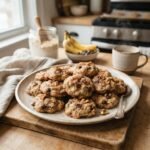
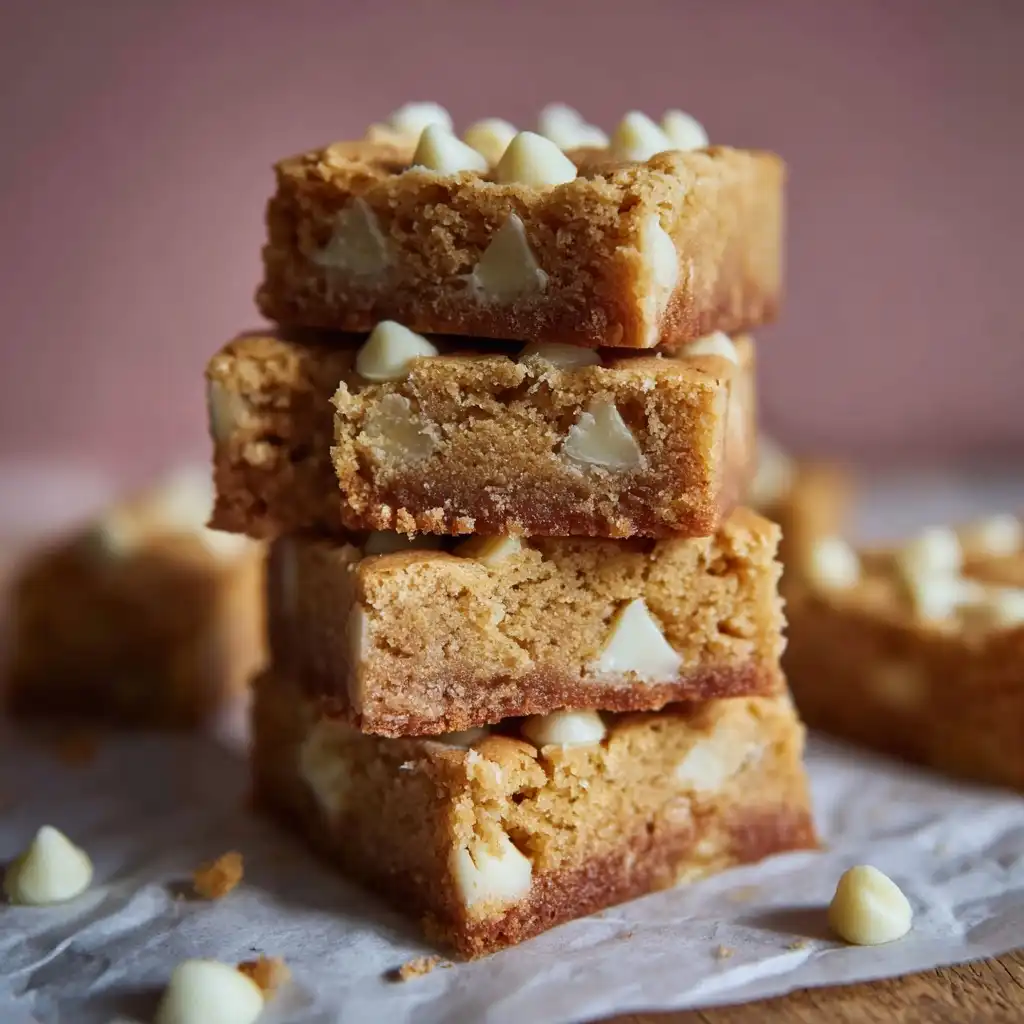
White chocolate blondies are the decadent, buttery, and irresistibly chewy cousins of classic brownies—without the cocoa. Rich in caramelized vanilla notes, tender crumb, and pockets of melty white chocolate, these bars strike the perfect balance between indulgence and comfort. Unlike their darker counterparts, blondies celebrate the natural sweetness and creamy depth of brown sugar, butter, and high-quality white chocolate—making them a beloved staple at bake sales, holiday cookie platters, and cozy afternoon tea tables. Whether you’re a seasoned baker or a beginner seeking foolproof, crowd-pleasing treats, white chocolate blondies offer simplicity in technique but sophistication in flavor—warm, golden, and deeply satisfying with every bite.
The History
Blondies trace their origins to late 19th-century America, emerging as a natural evolution of the brownie—though ironically, they predate the modern chocolate brownie by a few decades. Early versions appeared in cookbooks like Fannie Farmer’s Boston Cooking-School Cook Book (1896), where “brownies” referred not to chocolate-laden squares but rather to dense, molasses- or sugar-based bar cookies baked in shallow pans. The term “blondie” wasn’t widely adopted until the mid-20th century, likely coined to distinguish the light-colored, brown-sugar-based bars from their newly popular chocolate counterparts. White chocolate—first developed by Nestlé in Switzerland in the 1930s—wasn’t commercially available in the U.S. until the 1950s, and its incorporation into blondies gained momentum in the 1970s and ’80s alongside the rise of gourmet baking and premium confections. By the 1990s, white chocolate blondies had become a bakery mainstay, celebrated for their luxurious mouthfeel and photogenic ivory-gold hue—especially when studded with toasted nuts or swirled with raspberry coulis. Today, they represent a nostalgic yet endlessly adaptable canvas for innovation—from sea salt–caramel ripple to matcha-white chocolate fusion—anchored firmly in American home-baking tradition.
Ingredients Breakdown
Understanding each ingredient’s role is key to mastering white chocolate blondies—not just for flavor, but for texture, structure, and shelf life:
- Unsalted Butter (1 cup / 2 sticks / 227g): Provides richness, moisture, and flakiness in the crust-like edges. Melted (not browned, unless specified) for optimal emulsification; clarified butter may be used for enhanced chew and reduced spread.
- Brown Sugar (1 ½ cups packed / 300g): The heart of the blondie—dark brown sugar adds molasses depth and hygroscopic moisture for chew; light brown yields a milder, more delicate caramel tone. Granulated sugar (up to ¼ cup) can be added for slight crispness on top.
- Eggs (2 large, room temperature): Act as binders and leavening agents—whisking them thoroughly with sugar before adding dry ingredients incorporates air for lift without making the bars cakey. Overmixing after flour addition leads to toughness.
- Pure Vanilla Extract (2 tsp) + Optional Vanilla Bean Paste (1 tsp): Real Madagascar bourbon vanilla delivers floral, woody complexity; avoid imitation extract, which imparts artificial sharpness. Vanilla bean paste adds visible specks and intensified aroma.
- All-Purpose Flour (1 ¼ cups / 160g): Provides gluten structure—but only enough to hold shape without chewiness. Sifted for even distribution and lump-free batter. Cake flour (reduce by 2 tbsp) creates ultra-tender results; bread flour (add 1 tbsp) increases chew for “chewier” variants.
- Leavening (¼ tsp baking powder): A whisper—not a tablespoon—is all that’s needed. Too much causes doming or tunneling; too little yields overly dense bars. Baking soda is omitted here (no acid present), preserving neutral pH for optimal white chocolate stability.
- Fine Sea Salt (¾ tsp): Enhances sweetness, balances fat, and deepens overall flavor perception. Kosher salt is acceptable, but volume must be adjusted (1 tsp = ¾ tsp fine sea salt).
- White Chocolate (1 ¼ cups / 200g chips or finely chopped bar): Use high-quality couverture (30–35% cocoa butter) with real vanilla and no vegetable oils (e.g., Callebaut, Valrhona, Guittard). Low-fat or “white baking chips” contain palm oil and won’t melt smoothly or taste rich. Chopping bars ensures even distribution and prevents clumping.
- Optional Add-Ins: Toasted pecans or walnuts (¾ cup), dried cranberries (½ cup, soaked in orange juice), white chocolate–coated espresso beans, crushed shortbread cookies, or freeze-dried raspberries.
Step-by-Step Recipe
- Preheat & Prep: Position oven rack in center. Preheat oven to 350°F (175°C). Grease a 9×13-inch metal baking pan *generously*, then line bottom and long sides with parchment paper, leaving 2-inch overhangs on two opposite sides for easy lifting. Lightly grease parchment.
- Melt Butter & Sugar: In a medium heavy-bottomed saucepan over medium-low heat, combine butter and brown sugar. Stir constantly until butter melts and mixture simmers gently (do not boil vigorously). Remove from heat once fully combined and slightly glossy—about 4–5 minutes. Cool 5 minutes (should be warm, not hot—ideally 110–120°F—to prevent cooking eggs).
- Whisk Wet Ingredients: In a large heatproof bowl, whisk eggs and vanilla until frothy (~1 min). Slowly pour warm butter-sugar mixture into egg mixture in a thin stream, whisking constantly. Continue whisking 2 full minutes until thickened, pale tan, and ribbon-stage consistency (batter falls in thick ribbons that hold shape for ~2 seconds).
- Incorporate Dry Ingredients: In a separate bowl, whisk together flour, baking powder, and salt. Sift over wet mixture. Using a silicone spatula, fold *just until no dry streaks remain*—approximately 15–20 gentle turns. Do not overmix; a few small lumps are preferable to gluten development.
- Fold in White Chocolate: Add white chocolate (and nuts or other add-ins, if using). Fold gently 6–8 times until evenly distributed. Batter will be thick, glossy, and slightly sticky.
- Spread & Smooth: Scrape batter into prepared pan. Use an offset spatula or greased bench scraper to spread evenly. Tap pan sharply 3–4 times on counter to release air bubbles and level surface. Optional: Sprinkle top with flaky sea salt or extra white chocolate chunks.
- Bake with Precision: Bake 28–33 minutes. Begin checking at 26 minutes: edges should be golden brown and pulling away slightly from pan; center should look set but retain a soft, slightly underbaked jiggle (like firm Jell-O) when gently shaken. A toothpick inserted 1 inch from edge should come out with moist crumbs; center insertion should have *damp* (not wet) crumbs. Avoid overbaking—this is critical for chewiness.
- Cool Completely: Place pan on wire rack. Cool *undisturbed* for 2 hours at room temperature—this allows residual heat to finish cooking center and structure to set. For cleanest cuts, refrigerate pan uncovered for 1 hour before slicing.
- Score & Slice: Use a sharp chef’s knife wiped clean between cuts. Cut into 12–16 bars (2×6 or 3×5). Wipe blade with warm water and dry thoroughly before each cut for polished edges.
Tips
- Room Temperature Eggs Are Non-Negotiable: Cold eggs cause the warm butter-sugar mixture to seize, creating grainy, separated batter. Let eggs sit in warm water for 5 minutes if forgotten.
- Don’t Skip the Cooling Step: Cutting warm blondies guarantees crumbling. The 2-hour cool allows starches to retrograde and fats to re-solidify—essential for structural integrity and chew.
- Use a Metal Pan, Not Glass or Ceramic: Metal conducts heat evenly and promotes crisp edges. Glass retains heat longer, risking overbaked centers and burnt bottoms.
- Measure Flour Correctly: Spoon flour into measuring cup and level—don’t scoop! Overpacking adds up to 25% extra flour, yielding dry, crumbly bars.
- Toast Your Nuts: Spread nuts on a parchment-lined sheet; bake 8–10 minutes at 350°F until fragrant and lightly golden. Cool completely before folding in—warm nuts melt white chocolate.
- White Chocolate Quality Matters Most: If it tastes waxy, chalky, or overly sweet, your blondies will too. Look for cocoa butter listed first in ingredients—and avoid anything labeled “compound chocolate.”
- Rotate Pan Mid-Bake (If Your Oven Runs Hot): At 20 minutes, rotate pan 180° for even browning—especially important in older ovens or convection mode (if using convection, reduce temp to 325°F and check 3–5 minutes earlier).
- Freeze for Long-Term Storage: Once fully cooled and sliced, wrap bars individually in parchment, then place in airtight freezer bag. Freeze up to 3 months. Thaw at room temperature 20 minutes before serving—texture remains pristine.
- Revive Stale Blondies: Wrap in foil and warm in a 300°F oven for 5–7 minutes—moisture redistributes, and edges regain crispness.
- Double Batch? Scale Carefully: Multiply ingredients by 1.8x for a 13×18-inch half-sheet pan—not 2x. Baking time increases by only 5–7 minutes, but monitor closely—the larger surface area cooks faster than depth suggests.
Variations and Customizations
White chocolate blondies are extraordinarily versatile—each variation maintains the foundational chew and buttery base while introducing new dimensions of flavor, texture, and visual appeal:
- Lemon White Chocolate Blondies: Add zest of 2 large lemons + 2 tbsp fresh lemon juice to wet ingredients. Fold in ½ cup poppy seeds and ⅓ cup dried blueberries. Finish with lemon glaze (1 cup powdered sugar + 2 tbsp lemon juice + ½ tsp zest).
- Espresso-Caramel Swirl: After spreading batter, drizzle ⅔ cup thick salted caramel sauce and 2 tbsp dissolved instant espresso (1 tsp espresso powder + 1 tbsp hot water) in zigzag pattern. Drag a skewer through both in figure-eights for marbling.
- Matcha-White Chocolate: Replace 2 tbsp flour with ceremonial-grade matcha powder (sifted with dry ingredients). Add 1 tbsp honey to wet mix for balancing earthiness. Top with white chocolate drizzle and matcha-sugar sprinkle.
- Salted Pretzel Crunch: Fold in 1 cup crushed kettle-cooked pretzels + ½ cup white chocolate. Sprinkle top with flaky sea salt *and* pretzel dust before baking.
- Berry-Balsamic White Chocolate: Swirl in ⅓ cup reduced balsamic vinegar (simmered 8 min until syrupy) + ½ cup macerated blackberries (tossed with 1 tbsp sugar, rested 15 min). Bake as directed—balsamic adds tangy depth without acidity.
- Coconut-Macadamia: Substitute ¼ cup flour with toasted coconut flour; fold in ¾ cup toasted macadamia nuts + ½ cup toasted shredded coconut. Drizzle with coconut-white chocolate ganache post-bake.
- Spiced Chai Blondies: Infuse melted butter with 2 chai tea bags (steep 5 min off heat, then squeeze out liquid); add 1 tsp ground ginger, ½ tsp cardamom, ¼ tsp cloves, and pinch of black pepper to dry ingredients.
- Vegan Adaptation: Use vegan butter (Miyoko’s or Earth Balance), flax eggs (2 tbsp ground flax + 5 tbsp water, rested 10 min), oat milk–softened brown sugar, and dairy-free white chocolate (Pascha or Enjoy Life). Add ½ tsp apple cider vinegar for lift.
- Gluten-Free Version: Substitute 1:1 GF baking blend (King Arthur or Bob’s Red Mill) *with xanthan gum included*. Add 1 extra tbsp butter and reduce bake time by 2 minutes—GF flours absorb moisture differently.
- Mini Blondie Bites: Scoop 1.5-tbsp portions onto parchment-lined sheet. Bake 11–14 minutes. Perfect for parties, lunchboxes, or portion control—retain all flavor in bite-sized form.
Health Considerations and Nutritional Value
While white chocolate blondies are inherently indulgent, mindful adaptations can enhance nutritional profile without sacrificing satisfaction:
- Nutrition Snapshot (per standard 2×2-inch bar, based on full recipe yielding 16 servings): ~245 kcal | 14g total fat (8g saturated) | 30g carbohydrates (24g sugars) | 2g protein | 0.3g fiber | 115mg sodium. Primary nutrients: Calcium (from dairy chocolate), small amounts of iron and B vitamins from brown sugar and eggs.
- White Chocolate Misconceptions: Despite its name, white chocolate contains *no cocoa solids*—only cocoa butter, milk solids, sugar, and vanilla. It provides healthy monounsaturated fats (from cocoa butter) but lacks flavonoids found in dark chocolate. However, high-cocoa-butter varieties (>30%) deliver superior satiety and slower glucose response than low-fat imitations.
- Sugar Awareness: Brown sugar contributes moisture and minerals (calcium, potassium), but total added sugar per bar remains high (~24g). To reduce: replace up to ⅓ brown sugar with coconut sugar (lower glycemic index) or date paste (adds fiber); note texture changes require minor flour adjustment.
- Boosting Nutrition: Add ¼ cup ground flaxseed or chia seeds (fiber + omega-3s); swap 3 tbsp flour for almond flour (vitamin E, healthy fats); stir in 2 tbsp wheat germ (B vitamins, zinc). These additions increase density—reduce bake time by 1–2 minutes.
- Dietary Accommodations: Naturally nut-free and soy-free (check chocolate labels). Easily made kosher or halal with certified ingredients. For lower-carb options: use erythritol-based brown sugar blend (Swerve Brown) and almond/coconut flour combo—but expect drier, crumblier texture and increased fat requirement.
- Mindful Enjoyment Tips: Serve with Greek yogurt or ricotta for protein pairing; pair with tart fruit (raspberries, green apples) to balance sweetness; savor slowly—one bar satisfies more than three low-quality cookies due to fat and sugar synergy.
- Allergen Notes: Contains dairy, eggs, and gluten (unless adapted). Always verify white chocolate labels for soy lecithin (common allergen) and shared equipment warnings for tree nuts/milk.
Ingredients
- 1 cup (227g / 2 sticks) unsalted butter
- 1 ½ cups (300g) packed dark brown sugar
- 2 large eggs, room temperature
- 2 teaspoons pure vanilla extract
- 1 teaspoon vanilla bean paste (optional, for enhanced aroma)
- 1 ¼ cups (160g) all-purpose flour, spooned & leveled
- ¼ teaspoon baking powder
- ¾ teaspoon fine sea salt
- 1 ¼ cups (200g) high-quality white chocolate, coarsely chopped or chips
- ¾ cup (90g) toasted pecans or walnuts (optional)
- Flaky sea salt, for finishing (optional)
Directions
- Preheat oven to 350°F (175°C). Grease a 9×13-inch metal baking pan, then line bottom and two opposite sides with parchment paper, leaving 2-inch overhangs.
- In a medium saucepan over medium-low heat, melt butter and brown sugar, stirring constantly until smooth and simmering gently (4–5 minutes). Remove from heat; cool 5 minutes.
- In a large bowl, whisk eggs and vanilla until frothy. Gradually whisk in warm butter-sugar mixture until fully combined. Whisk continuously for 2 minutes until thickened and pale.
- In another bowl, whisk flour, baking powder, and salt. Sift over wet ingredients. Fold with spatula until *just* incorporated—no dry streaks remain.
- Gently fold in white chocolate (and nuts, if using) until evenly distributed.
- Scrape batter into prepared pan. Spread evenly with offset spatula. Tap pan firmly on counter 3–4 times. Sprinkle with flaky salt, if desired.
- Bake 28–33 minutes, until edges are golden and center is set with slight jiggle. A toothpick 1″ from edge should show moist crumbs; center should show damp crumbs.
- Cool completely in pan on wire rack—minimum 2 hours. For cleanest cuts, refrigerate 1 hour before slicing.
- Using parchment overhangs, lift blondies from pan. Slice into 12–16 bars with sharp, clean knife.
- Store at room temperature in airtight container up to 5 days, or freeze up to 3 months.
FAQ
- Can I use white baking chips instead of real white chocolate?
- Technically yes—but strongly discouraged. “White baking chips” typically contain palm oil, hydrogenated fats, and artificial flavors. They won’t melt smoothly, lack cocoa butter’s mouth-melting quality, and impart waxy, cloying sweetness. Real white chocolate delivers nuanced, creamy, and balanced flavor essential to authentic blondies.
- Why did my blondies turn out cakey instead of chewy?
- Most commonly: overmixing after adding flour (develops gluten), using too much baking powder (>¼ tsp), substituting granulated sugar for brown sugar (loss of moisture-retaining molasses), or overbaking. Also check egg size—jumbo eggs add excess liquid and lift.
- Can I make these ahead for an event?
- Absolutely—and recommended! Blondies improve in flavor and texture after 24 hours as flavors meld and moisture redistributes. Bake 1–2 days ahead, cool completely, wrap tightly, and store at room temperature. They’ll be even more tender and aromatic.
- My batter looks curdled after adding eggs—did I ruin it?
- No—this is normal if butter-sugar mixture was too hot or eggs too cold. Keep whisking vigorously for 1–2 minutes; it will emulsify and thicken. If still broken, add 1 tsp cold milk and whisk until smooth.
- How do I prevent the white chocolate from sinking?
- Ensure chocolate pieces are no larger than ½-inch. Toss them in 1 tsp of the measured flour before folding in—this light coating helps suspension. Also, avoid over-spreading batter before baking; thicker batter holds add-ins better.
- Can I add fruit? What kinds work best?
- Fresh fruit adds excess moisture and causes steaming/sogginess. Instead, use *dried* fruit (cranberries, apricots, cherries—soaked 10 min in warm water or liquor), or *freeze-dried* fruit (raspberries, strawberries—adds intense flavor and crunch without moisture).
- Is there a way to make them less sweet?
- Reduce brown sugar by ¼ cup—but compensate with 1 extra tbsp butter and 1 extra tbsp flour to maintain moisture and structure. Or balance sweetness by increasing salt to 1 tsp and adding ½ tsp cinnamon or 1 tbsp espresso powder for bitter contrast.
- Can I bake these in a different size pan?
- Yes—with adjustments: 8×8-inch pan yields thicker, fudgier bars—bake 32–38 minutes. 9×9-inch—bake 30–35 minutes. For muffin tin: line with liners, fill ¾ full, bake 18–22 minutes. Always rely on visual cues—not just time.
- Why do my blondies crack on top?
- Cracking usually occurs from rapid temperature change (opening oven too early), overmixing, or cooling too quickly. Let cool undisturbed in pan; never refrigerate immediately after baking. Cracks don’t affect taste—just aesthetics.
- Can I add swirls like in marble cakes?
- Yes—but keep swirls minimal and gentle. Use no more than ⅓ cup contrasting batter (e.g., lemon curd, raspberry jam, or cocoa batter). Drop dollops evenly, then drag with toothpick *once* in one direction—over-swirling causes muddy color and uneven baking.
Summary
White chocolate blondies are a timeless, buttery-sweet bar cookie defined by their chewy-crisp texture, deep caramel-vanilla flavor, and luxurious pockets of high-quality white chocolate—rooted in American baking history and endlessly customizable for modern palates.
Success hinges on precise ingredient ratios, controlled mixing, strategic cooling, and respect for the delicate balance between moisture, sugar, and fat—transforming simple pantry staples into golden, shareable moments of pure, unapologetic joy.