Introduction
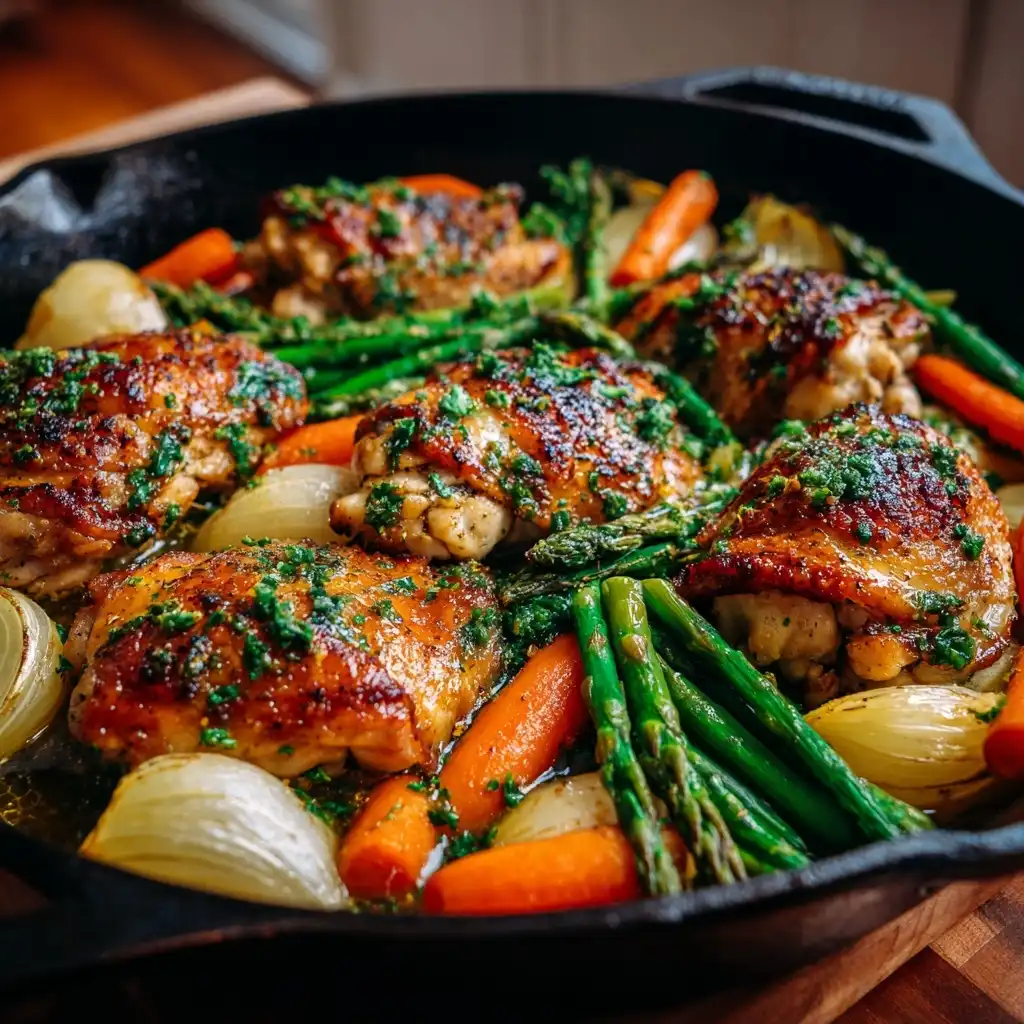
Garlic Butter Chicken and Spring Vegetables is a vibrant, restaurant-quality dish that marries tender, golden-brown chicken breasts with a luxuriously aromatic garlic butter sauce and a colorful medley of seasonal spring produce. This meal strikes the perfect balance between rustic comfort and refined freshness—rich without being heavy, flavorful without being overpowering, and nutritious without sacrificing indulgence. Whether you’re preparing a weeknight dinner for your family, hosting a spring brunch, or seeking an elegant yet approachable one-pan meal, this recipe delivers on taste, texture, color, and ease. Its bright herbal notes, savory umami depth from browned butter and garlic, and the natural sweetness of just-picked vegetables make it a true celebration of the season—and a guaranteed crowd-pleaser.
The History
While no single documented origin story exists for “Garlic Butter Chicken and Spring Vegetables” as a named dish, its roots span centuries and continents, reflecting timeless culinary traditions centered around simplicity, seasonality, and technique. Garlic’s use in cooking dates back over 5,000 years—to ancient Egypt, where it was fed to laborers building the pyramids for strength and stamina, and later adopted across Mediterranean, Middle Eastern, and Asian cuisines for both flavor and medicinal properties. Butter-based pan sauces trace their refinement to classical French cuisine, particularly the beurre blanc and beurre noisette traditions developed in the Loire Valley and perfected in the 19th century. The concept of pairing pan-seared protein with seasonal vegetables echoes the French principle of terroir—cooking with what the land offers at its peak. In mid-20th-century America, home cooks began adapting European techniques using accessible ingredients, giving rise to dishes like “chicken with garlic butter” served alongside frozen peas and carrots. The modern iteration—elevated with fresh asparagus, sugar snap peas, baby carrots, and radishes—gained momentum in the 2010s through food blogs, cooking shows, and farm-to-table movements emphasizing local, sustainable, and visually stunning plates. Today, Garlic Butter Chicken and Spring Vegetables stands as a global fusion classic: French technique meets Italian herb sensibility, American practicality, and Japanese attention to vegetable texture—all unified by the universal appeal of golden chicken and fragrant, nutty butter.
Ingredients Breakdown
Every component in this dish plays a deliberate role—not only in flavor but in mouthfeel, aroma, visual appeal, and nutritional synergy. Below is a detailed, chef-level breakdown of why each ingredient matters:
- Chicken Breasts (boneless, skinless): Chosen for their lean protein density and neutral canvas—ideal for absorbing the rich garlic butter glaze. Opt for air-chilled, organic, or pasture-raised for superior moisture retention and cleaner flavor.
- Unsalted Butter: The soul of the sauce. Unsalted allows precise sodium control; high-fat European-style butter (82–86% fat) yields deeper browning, richer mouthfeel, and more stable emulsions. Clarified butter can be used for higher smoke point during initial searing—but reserve regular butter for finishing to preserve dairy aromatics.
- Fresh Garlic: Always use whole cloves, not pre-minced or jarred. Enzymatic reactions when crushed or finely minced release allicin—the compound responsible for pungent aroma and health benefits. Sautéing gently unlocks sweetness and mellows sharpness without burning (which creates bitterness).
- Dry White Wine (e.g., Sauvignon Blanc or Pinot Grigio): Adds acidity to cut richness, lifts fond from the pan, and contributes subtle fruit and mineral notes. Alcohol fully evaporates during reduction, leaving only complexity. Substitute with dry vermouth or unsalted vegetable broth if avoiding alcohol.
- Lemon Juice & Zest: Freshly squeezed juice provides bright acidity essential for balancing fat; zest contributes volatile citrus oils—intense, floral, and aromatic—that perfume the entire dish without added liquid.
- Fresh Herbs (Parsley, Thyme, Chives): Flat-leaf parsley adds grassy freshness and visual pop; thyme contributes earthy, slightly minty backbone (stems can infuse the butter while cooking, then be removed); chives lend delicate onion nuance and silky texture when snipped at the end.
- Spring Vegetables: A curated blend chosen for complementary cooking times and flavor profiles:
- Asparagus: Tender-crisp spears offer vegetal sweetness and fiber-rich crunch. Look for tight, compact tips and firm, glossy stalks.
- Sugar Snap Peas: Crisp, juicy, and subtly sweet—high in vitamin C and antioxidants. Trim ends and remove strings for optimal texture.
- Baby Carrots: Naturally sweet and tender, often harvested young for tenderness. Their uniform size ensures even roasting or sautéing.
- Radishes: Add peppery brightness and vivid magenta color. Sliced thinly or quartered, they retain crunch even when warmed slightly by residual heat.
- Leeks (white and light green parts): Mild, sweet allium flavor—less aggressive than onions, more nuanced than scallions. Essential for aromatic depth without overwhelming.
- High-Heat Oil (Avocado, Grapeseed, or Light Olive Oil): Used solely for searing chicken to achieve a deep Maillard reaction (golden crust) without smoking or off-flavors. Extra virgin olive oil is avoided here due to its low smoke point and robust flavor that clashes with delicate spring notes.
- Flour (All-Purpose or Gluten-Free Blend): A light dusting on chicken before searing promotes crust formation and helps thicken the sauce naturally—no cornstarch or roux needed.
- Sea Salt & Freshly Cracked Black Pepper: Kosher or flaky sea salt enhances natural flavors without harshness; freshly ground pepper contributes volatile terpenes (like limonene and pinene) that elevate aroma and warmth.
Step-by-Step Recipe
- Prep & Marinate (15 minutes): Pat chicken breasts *very* dry with paper towels—this is non-negotiable for proper browning. Lightly pound thicker portions to ¾-inch even thickness using a meat mallet or rolling pin wrapped in parchment. Season both sides generously with salt and pepper, then dust lightly with flour, shaking off excess. Let rest at room temperature for 10–15 minutes while prepping vegetables.
- Vegetable Prep (12 minutes): Wash and trim asparagus (snap off woody ends). Slice leeks lengthwise, rinse thoroughly under cold water to remove grit, then slice thinly crosswise. Shell and string sugar snap peas. Peel baby carrots if desired (though many are sold “ready-to-eat”). Thinly slice radishes. Keep each veggie separate until cooking.
- Initial Sear (6–7 minutes): Heat 1 tbsp high-heat oil in a large, heavy-bottomed stainless steel or cast-iron skillet over medium-high heat until shimmering (not smoking). Place chicken in pan without crowding—work in batches if needed. Press gently with a spatula for full contact. Sear undisturbed for 4–4.5 minutes until deeply golden and easily releases. Flip and cook 3–4 more minutes until internal temp reaches 158°F (it will rise to 165°F while resting). Transfer to a warm plate, tent loosely with foil.
- Build the Aromatic Base (3 minutes): Reduce heat to medium. Add 1 tbsp butter to same skillet. Once melted, add leeks and a pinch of salt. Sauté 2 minutes until softened but not browned. Add minced garlic and thyme sprigs; stir constantly for 45–60 seconds until fragrant—do *not* let garlic brown.
- Deglaze & Reduce (4 minutes): Pour in white wine, scraping vigorously with a wooden spoon to lift all browned bits (fond). Simmer 2–3 minutes until reduced by half and alcohol smell dissipates. Stir in lemon juice and a squeeze of lemon zest.
- Finish the Sauce (2 minutes): Reduce heat to low. Whisk in remaining 3–4 tbsp cold butter, one piece at a time, allowing each to melt fully before adding the next. Sauce should thicken slightly, turn glossy, and coat the back of a spoon (a *monter au beurre* technique). Remove from heat. Discard thyme stems. Stir in most of the parsley and chives, reserving some for garnish.
- Cook Vegetables (5–6 minutes, two-stage method): In a separate skillet or using the same pan after removing sauce (if preferred), heat 1 tsp oil over medium-high. Add asparagus and carrots; sauté 3 minutes until bright green and slightly blistered. Add sugar snap peas and radishes; cook 1.5–2 more minutes until peas are crisp-tender and radishes are warmed but still crunchy. Season lightly with salt and pepper.
- Final Assembly (2 minutes): Return chicken to skillet with sauce; spoon sauce over top. Gently swirl to coat—do not boil or simmer further, or chicken may toughen. Arrange spring vegetables alongside or on top. Garnish with reserved herbs, extra lemon zest, and a final flake of Maldon sea salt.
Tips
- Chicken Dryness is Everything: Moisture is the enemy of browning. If chicken is even slightly damp, it will steam instead of sear. Use triple-layered paper towels and press firmly—then wait 2 minutes before seasoning to allow surface proteins to tighten.
- Butter Temperature Matters: For emulsification, butter must be cold (straight from fridge) and cut into uniform cubes. Warm or softened butter will break the sauce, resulting in greasy separation.
- Don’t Rush the Garlic: Garlic burns in under 30 seconds at medium-high heat. Keep it moving, lower the heat if sizzling becomes aggressive, and remove from heat the *instant* raw aroma fades and a nutty-sweet scent emerges.
- Rest the Chicken: Let seared chicken rest for 5–7 minutes before saucing. This allows juices to redistribute—cutting too soon releases precious moisture, leading to dry meat.
- Acid Timing: Lemon juice should be added *after* deglazing and *before* butter—adding acid too early prevents proper emulsification; adding it after butter cools the sauce and dulls brightness.
- Veggie Texture Control: To keep radishes and snap peas perfectly crisp, cook them last—and off-heat, if possible. Toss warm vegetables with a spoonful of finished sauce just before plating for gentle warming without mushiness.
- Sauce Consistency Fix: If sauce breaks: remove from heat, add 1 tsp cold water or lemon juice, and whisk vigorously. If too thin: return to low heat and whisk 30 seconds. If too thick: whisk in 1 tsp warm broth or water, ½ tsp at a time.
- Make-Ahead Friendly: Chicken can be pounded, seasoned, and refrigerated (unfloured) up to 24 hours ahead. Vegetables can be prepped and stored in airtight containers with damp paper towels for up to 2 days. Sauce base (leeks, garlic, wine reduction) can be made 1 day ahead and reheated gently before finishing with butter.
- Skillet Choice: Stainless steel gives best fond for deglazing; cast iron retains heat superbly for even searing—but avoid aluminum or nonstick for butter sauces, as they inhibit proper emulsification and browning.
- Taste & Adjust at Every Stage: Salt the chicken, salt the veggies, salt the sauce—and taste after each addition. Balance is built incrementally: salt enhances, acid brightens, fat rounds, herbs lift.
Variations and Customizations
This recipe is inherently adaptable—designed to reflect your pantry, preferences, dietary needs, and seasonal availability. Here are thoughtfully tested variations, each preserving the spirit and structure of the original:
- Protein Swaps: Replace chicken with boneless turkey cutlets (reduce cook time by 1 minute per side), sustainably sourced cod or halibut fillets (cook 2–3 min per side, sauce added off-heat), or extra-firm marinated tofu (pressed, cubed, pan-fried until golden). For richer flavor, try chicken thighs (bone-in, skin-on)—sear skin-side down first for 6–7 minutes until crisp, then flip and finish.
- Vegan/Vegetarian Version: Use king oyster mushrooms (sliced thick, seared until golden and meaty), grilled eggplant steaks, or tempeh strips. Replace butter with high-quality vegan butter (Miyoko’s or Forager) and use tamari instead of soy-free wine. Boost umami with 1 tsp white miso stirred into the reduced wine.
- Low-Carb/Keto Adaptation: Omit flour-dusting entirely—chicken browns beautifully when ultra-dry. Replace carrots with zucchini ribbons or roasted fennel. Double asparagus and add broccolini. Ensure wine is dry and sugar-free (check labels for residual sugar).
- Gluten-Free: Use certified GF flour (tapioca or rice blend) for dusting—or skip altogether. Verify wine and broth are GF-certified (most dry wines are, but barrel-aged varieties may use gluten-containing fining agents).
- Herb Rotations: Swap parsley for cilantro (adds Latin flair), dill (bright and tangy—perfect with lemon), or tarragon (anise-kissed elegance—pair with chardonnay instead of sauvignon blanc). Basil works beautifully in summer versions with heirloom tomatoes.
- Spice Infusions: Add ¼ tsp red pepper flakes with garlic for gentle heat. Stir in 1 tsp harissa paste with the wine reduction for North African depth. Finish with smoked paprika or Aleppo pepper for warmth and color.
- Spring Vegetable Substitutions: Depending on region and season: substitute asparagus with blanched fava beans or grilled romaine hearts; replace sugar snaps with snow peas or fresh green beans; swap radishes for watermelon radish slices or baby turnips; add edible flowers (pansies, chive blossoms, nasturtiums) for elegance and peppery nuance.
- Cheese Accent: Just before serving, crumble mild goat cheese, feta, or shaved pecorino over the plated dish. The salt and tang complement the butter and lemon exquisitely—add post-plating to preserve texture.
- Grain or Legume Integration: Serve over lemon-herb orzo, farro pilaf, or creamy white bean purée. Fold cooked lentils (Puy or black beluga) into the vegetables for added protein and earthy texture.
- Sheet Pan Roast Variation: Toss chicken and vegetables with olive oil, herbs, salt, and pepper. Roast at 425°F for 20–22 minutes (chicken to 165°F). Meanwhile, prepare garlic butter sauce separately. Drizzle generously over hot roasted components before serving.
Health Considerations and Nutritional Value
Garlic Butter Chicken and Spring Vegetables is not only delicious—it’s nutritionally intelligent, designed to support metabolic health, gut integrity, antioxidant defense, and sustained energy. A standard serving (1 breast + 1.5 cups vegetables + 2 tbsp sauce) contains approximately:
- Calories: ~480–520 kcal (moderate, balanced across macros)
- Protein: 38–42 g (complete, high-biological-value protein supporting muscle synthesis and satiety)
- Fat: 24–28 g (predominantly heart-healthy monounsaturated and saturated fats from butter, plus omega-3s from garlic and herbs; zero trans fats)
- Carbohydrates: 12–16 g (mostly complex, fiber-rich carbs from vegetables—low glycemic impact)
- Dietary Fiber: 5–7 g (supports microbiome diversity, digestion, and blood sugar regulation)
- Vitamins & Minerals: Exceptionally high in Vitamin K (asparagus, leeks), Vitamin A (carrots, spinach if added), Vitamin C (radishes, peas, lemon), Folate (asparagus, leeks), Potassium (all vegetables), and Selenium (chicken)
Functional Health Highlights:
- Garlic: Contains allicin, shown in clinical studies to support cardiovascular health (moderate blood pressure and LDL cholesterol), exhibit antimicrobial activity, and enhance nitric oxide production for vascular elasticity.
- Asparagus: Rich in prebiotic inulin—a fermentable fiber that feeds beneficial gut bacteria like Bifidobacteria, linked to improved immune function and reduced systemic inflammation.
- Lemon Zest: Packed with polyphenols (hesperidin, diosmin) and D-limonene—bioactive compounds studied for antioxidant, anti-inflammatory, and potential chemopreventive effects.
- Butter (from grass-fed sources): Contains conjugated linoleic acid (CLA), vitamin K2 (critical for calcium metabolism and arterial health), and butyrate precursors—short-chain fatty acids vital for colonocyte nourishment.
- Thyme & Parsley: Among the highest dietary sources of apigenin and luteolin—flavonoids with demonstrated neuroprotective, anti-allergic, and anti-angiogenic properties in peer-reviewed research.
Dietary Notes: Naturally low in added sugars and sodium (when unsalted butter and controlled salt use are applied). Easily modified for keto (reduce carrots), paleo (omit wine or use vinegar reduction), Whole30 (substitute ghee and compliant wine), or Mediterranean diets. Not suitable for strict vegan or dairy-free diets unless adapted (see Variations). Those with GERD or IBS may benefit from reducing garlic quantity or using garlic-infused oil instead of raw garlic.
Ingredients
- 2 (6–7 oz) boneless, skinless chicken breasts, pounded to ¾-inch even thickness
- 1½ tsp kosher salt, divided (¾ tsp for chicken, ½ tsp for vegetables, ¼ tsp for sauce)
- 1 tsp freshly ground black pepper, divided
- 1 tbsp all-purpose flour (or GF 1:1 blend)
- 1 tbsp high-heat oil (avocado or grapeseed)
- 3 tbsp unsalted butter, cold and cubed, plus 1 tbsp for sautéing
- 1 medium leek (white and light green parts only), thoroughly rinsed and thinly sliced
- 4 large garlic cloves, finely minced (about 1 tbsp)
- 1 tsp fresh thyme leaves (plus 2–3 sprigs for infusion)
- ½ cup dry white wine (Sauvignon Blanc or Pinot Grigio)
- Zest and juice of 1 large lemon (about 1 tsp zest, 2 tbsp juice)
- 1 bunch asparagus (about 12 spears), trimmed
- 1 cup sugar snap peas, trimmed and strung
- 1 cup baby carrots, scrubbed
- 6–8 radishes, thinly sliced or quartered
- ¼ cup fresh flat-leaf parsley, finely chopped (plus extra for garnish)
- 1 tbsp fresh chives, snipped
- Flaky sea salt (e.g., Maldon), for finishing
Directions
- Pat chicken breasts extremely dry with paper towels. Season both sides with ¾ tsp salt and ½ tsp pepper. Lightly dust with flour, shaking off excess. Let sit at room temperature 10 minutes.
- Meanwhile, prep vegetables: trim asparagus; slice leeks and rinse well; shell and string snap peas; scrub carrots; slice radishes. Keep separate.
- Heat oil in a large stainless steel or cast-iron skillet over medium-high heat until shimmering. Add chicken and sear 4–4.5 minutes per side until golden and internal temperature reaches 158°F. Transfer to a warm plate; tent with foil.
- Reduce heat to medium. Add 1 tbsp butter. Once melted, add leeks and ¼ tsp salt. Sauté 2 minutes until soft but not browned.
- Add garlic and thyme sprigs. Stir constantly 45–60 seconds until fragrant.
- Pour in wine, scraping up all browned bits. Simmer 2–3 minutes until reduced by half.
- Stir in lemon zest and juice. Reduce heat to low.
- Whisk in cold butter cubes one at a time until fully melted and sauce is glossy and thickened (~2 minutes).
- Remove from heat. Discard thyme sprigs. Stir in 3 tbsp parsley and ½ tbsp chives.
- In same or another skillet, heat 1 tsp oil over medium-high. Add asparagus and carrots; sauté 3 minutes. Add snap peas and radishes; cook 1.5–2 minutes more until crisp-tender.
- Return chicken to sauce. Spoon sauce over top. Arrange vegetables alongside. Garnish with remaining parsley, chives, lemon zest, and flaky salt.
FAQ
- Can I use frozen vegetables?
- Yes—but with caveats. Frozen asparagus and peas work well if thawed and *thoroughly patted dry*. Avoid frozen carrots or radishes (texture suffers). Blanch frozen veggies in salted water 1 minute, drain, and shock in ice water before sautéing to preserve color and bite.
- Why do you add lemon juice twice—once in sauce and once at the end?
- First addition (with wine reduction) balances acidity during cooking and stabilizes the emulsion. Final zest and juice added *off-heat* preserves volatile citrus oils and bright top-note aroma—lost if boiled.
- My sauce broke—how do I fix it?
- Immediately remove from heat. Whisk in 1 tsp cold water or lemon juice. If stubborn, add ½ tsp warm broth and continue whisking vigorously for 20–30 seconds. Straining through a fine-mesh sieve restores silkiness.
- Can I make this ahead for meal prep?
- Absolutely. Cook chicken and vegetables separately, cool completely, and store in airtight containers for up to 4 days. Reheat chicken in skillet with 1 tsp broth; warm veggies gently. Whisk together fresh garlic butter sauce just before serving for best flavor and texture.
- What wine should I use if I don’t cook with alcohol?
- Dry vermouth (non-alcoholic versions exist), unsalted vegetable broth with 1 tsp apple cider vinegar, or even cold-brew green tea (for umami and tannin structure). Avoid grape juice—it’s too sweet and lacks acidity.
- Is the butter really necessary—or can I use olive oil?
- Butter is foundational for flavor, mouthfeel, and emulsification. Olive oil cannot replicate its dairy sweetness, browning compounds (diacetyl), or ability to form a stable, velvety sauce. For dairy-free, use high-fat vegan butter—not oil.
- How do I prevent rubbery chicken?
- Three keys: (1) Pound evenly for consistent thickness, (2) Sear over correct heat—not too low (steams) nor too high (burns outside, raw inside), (3) Pull at 158°F—not 165°F—and rest 5+ minutes. Carryover cooking finishes it gently.
- Can I grill this instead of pan-searing?
- Yes! Grill chicken over medium direct heat (4–5 min per side). Grill vegetables in a basket or skewered. Whisk sauce separately and drizzle over grilled components just before serving.
- What sides pair well?
- Light accompaniments let the dish shine: lemon-herb quinoa, farro salad with dried cherries, roasted fingerling potatoes, or a simple arugula salad with shaved fennel and lemon vinaigrette. Avoid heavy starches that compete with the sauce.
- Is this kid-friendly?
- Very—with minor tweaks: reduce garlic to 2 cloves, omit radishes (or serve on the side), add a touch of honey (½ tsp) to the sauce for mild sweetness, and serve with buttered egg noodles or mashed potatoes for familiarity.
Summary
Garlic Butter Chicken and Spring Vegetables is a masterclass in seasonal, technique-driven home cooking—featuring perfectly seared, succulent chicken enveloped in a silken, nutty-garlicky lemon butter sauce, crowned with a rainbow of crisp-tender, nutrient-dense spring vegetables.
Effortlessly elegant yet grounded in accessibility, it celebrates freshness, balance, and culinary wisdom passed across generations—delivering restaurant-worthy depth, vibrant health benefits, and joyful simplicity in under 45 minutes.