Introduction
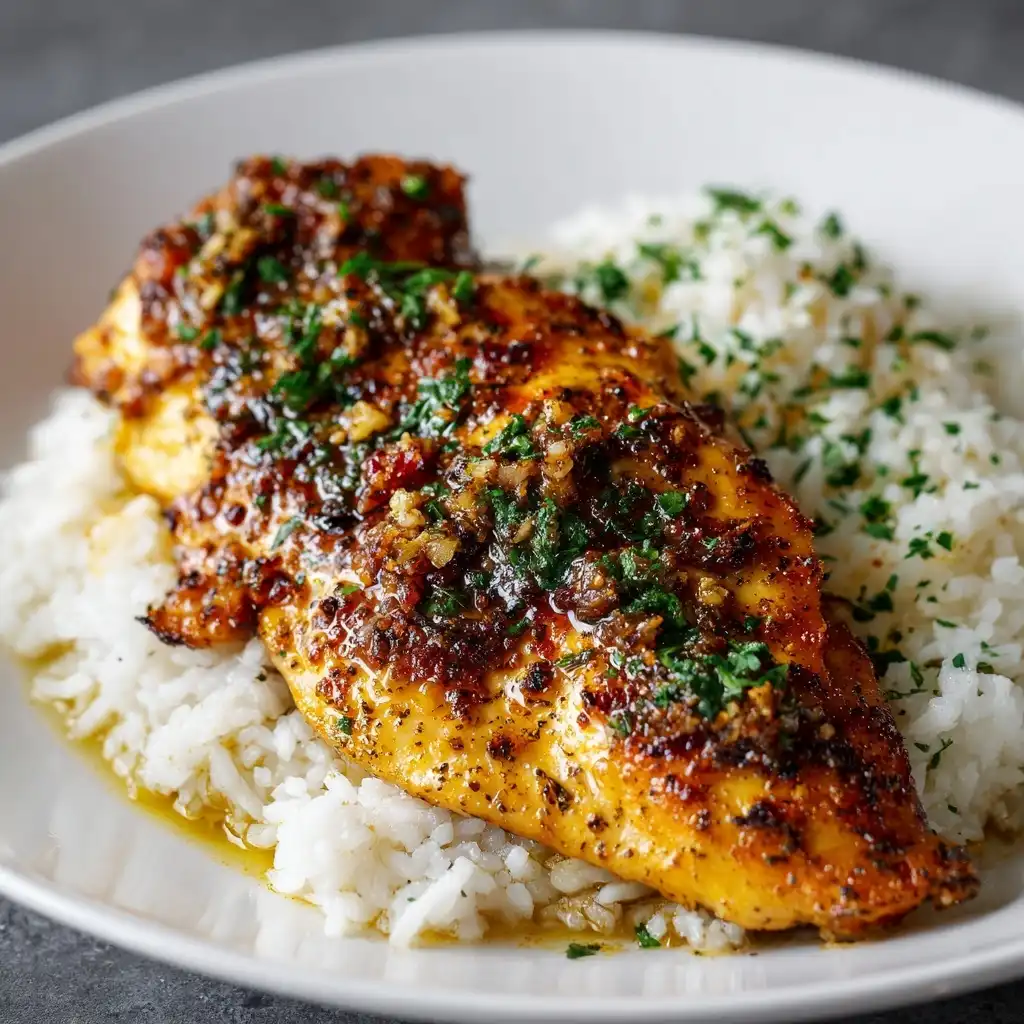
Garlic Butter Chicken with Garlic Butter Finish is a luxurious, restaurant-worthy dish that transforms simple, everyday ingredients into an unforgettable culinary experience. At its heart lies tender, juicy chicken breasts or thighs enveloped in a rich, golden, aromatic garlic butter sauce—then elevated further with a final flourish of freshly melted, herb-infused garlic butter poured tableside or just before serving. This “finish” isn’t merely garnish—it’s a deliberate, sensory crescendo: warm, glossy, deeply savory, and intensely fragrant, delivering an immediate burst of umami, sweetness from caramelized garlic, and the unmistakable richness of slow-emulsified butter. Whether served over creamy mashed potatoes, buttered egg noodles, steamed jasmine rice, or alongside roasted seasonal vegetables, this dish strikes a perfect balance between comfort and sophistication—elegant enough for date night or holiday entertaining, yet approachable enough for weeknight mastery with minimal prep and one-pan efficiency.
The History
The origins of garlic butter chicken trace back to the broader tradition of pan-seared poultry enriched with compound butters—a technique refined across European cuisines, particularly in French à la meunière (flour-dusted, browned in butter) and Italian al burro preparations. However, the modern “garlic butter finish” iteration gained momentum in the late 20th and early 21st centuries, fueled by the rise of food media, cooking shows, and viral social platforms where visual drama and aromatic intensity became key storytelling devices. Chefs and home cooks alike began experimenting with layered butter applications: first using garlic butter to sear and baste during cooking, then reserving a portion—often enhanced with fresh herbs, lemon zest, or a touch of aged balsamic—to drizzle at the very end, preserving volatile aromatic compounds (like allicin and terpenes) that would otherwise dissipate under prolonged heat. This technique mirrors classical French practices like finishing sauces with cold butter (monter au beurre) to add shine, body, and freshness—but adapts it for bold, accessible flavor profiles. In American home kitchens, the dish evolved further with pantry-friendly tweaks: substituting dried herbs when fresh weren’t available, incorporating white wine or chicken stock for depth, and embracing bone-in, skin-on thighs for foolproof juiciness—making Garlic Butter Chicken with Garlic Butter Finish a beloved staple across generations, geography, and skill levels.
Ingredients Breakdown
Understanding each component deepens both control and creativity in preparing this dish. Below is a meticulous breakdown—not just of what goes in, but why it matters:
- Chicken: Boneless, skinless chicken breasts (for lean elegance) or bone-in, skin-on chicken thighs (for unrivaled moisture and flavor). Breasts benefit from slight pounding to ensure even thickness and prevent dryness; thighs naturally retain juiciness and develop deeper caramelization. Patting dry before seasoning is non-negotiable—it ensures proper Maillard browning rather than steaming.
- Unsalted Butter: The soul of the dish. Unsalted allows precise sodium control. High-fat European-style butter (82–86% fat) yields superior browning, richer mouthfeel, and better emulsion stability. Cold butter is used for the finishing sauce to preserve texture and aroma; softened or melted butter is used for initial sautéing and basting.
- Fresh Garlic: Always use freshly minced or microplaned garlic—not jarred or powdered. Fresh garlic contains alliinase enzymes that convert alliin into pungent, healthful allicin upon cutting; heat transforms it into sweeter, nuttier compounds. Too much raw garlic can overpower; too little diminishes character. Precision matters: ~12–16 medium cloves total (8–10 for cooking, 4–6 finely grated for finish).
- Heavy Cream or Full-Fat Coconut Milk (optional but recommended): Adds silkiness, rounds acidity, and stabilizes the emulsion. Heavy cream (36–40% fat) contributes dairy richness; full-fat coconut milk offers dairy-free luxury with subtle tropical nuance and excellent heat tolerance.
- Dry White Wine (e.g., Sauvignon Blanc or Pinot Grigio): Deglazes the fond—the deeply flavorful browned bits stuck to the pan—adding acidity, fruit notes, and complexity. Alcohol evaporates, leaving only aromatic esters. Substitute with low-sodium chicken broth if avoiding alcohol, though flavor dimension shifts slightly.
- Fresh Herbs: Flat-leaf parsley (bright, grassy, clean), fresh thyme leaves (earthy, floral, resilient to heat), and optional chives or tarragon (anise-kissed finesse). Parsley is stirred into the sauce mid-cook and again as garnish; thyme is added early to infuse; delicate herbs like chives go on at the very end.
- Lemon: Both juice and zest are essential. Zest adds volatile citrus oils pre-cook for aromatic lift; juice is added at the end for brightness that cuts through richness. Never skip—citrus is the critical counterpoint preventing cloying heaviness.
- High-Smoke-Point Oil: Avocado, grapeseed, or light olive oil—used solely for initial searing to prevent butter from burning. Butter alone cannot withstand high-heat browning without scorching milk solids.
- Seasonings: Fine sea salt (enhances natural flavors and aids protein hydration), freshly ground black pepper (piperine boosts bioavailability of garlic compounds), and optional pinch of red pepper flakes (for gentle warmth that complements rather than competes).
Step-by-Step Recipe
- Prep & Season: Place 2 large boneless, skinless chicken breasts (or 4 bone-in, skin-on thighs) on a cutting board. If using breasts, cover with parchment and gently pound to ¾-inch uniform thickness using a meat mallet or heavy skillet. Pat *extremely* dry with paper towels—moisture is the enemy of browning. Season generously on both sides with 1½ tsp fine sea salt and 1 tsp freshly ground black pepper. Let sit uncovered at room temperature for 15–20 minutes while you gather ingredients.
- Make the Finishing Garlic Butter (Do First): In a small bowl, combine 6 tbsp unsalted butter (softened but cool), 4–5 finely grated garlic cloves, 2 tbsp finely chopped flat-leaf parsley, 1 tsp lemon zest, ¼ tsp red pepper flakes (optional), and a pinch of salt. Stir until homogenous. Transfer to a small ramekin, cover, and refrigerate for 15 minutes—this firms it slightly for clean melting and prevents greasiness.
- Sear the Chicken: Heat 1½ tbsp high-smoke-point oil in a heavy-bottomed 12-inch stainless steel or cast-iron skillet over medium-high heat until shimmering (not smoking). Carefully place chicken in pan, smooth-side down. Press gently with a spatula for 2 seconds to ensure full contact. Cook undisturbed for 5–6 minutes (breasts) or 7–8 minutes (thighs) until deeply golden and easily releases. Flip and cook opposite side until internal temp reaches 155°F (breasts) or 165°F (thighs) — ~4–5 minutes more. Transfer to a clean plate, tent loosely with foil, and rest 5 minutes (juices redistribute; temp rises to safe 160–165°F).
- Build the Sauce Base: Reduce heat to medium. Pour off all but 1 tbsp of rendered fat/oil. Add 1 tbsp unsalted butter and swirl until melted. Add 8–10 minced garlic cloves and 1 tsp fresh thyme leaves; sauté 60–90 seconds until fragrant but *not browned* (garlic burns easily). Immediately pour in ½ cup dry white wine, scraping vigorously with a wooden spoon to lift every bit of fond. Simmer 2–3 minutes until reduced by half.
- Enrich & Emulsify: Whisk in ½ cup high-quality heavy cream (or full-fat coconut milk) and simmer gently 3–4 minutes until slightly thickened and coats the back of a spoon. Reduce heat to low. Whisk in 2 tbsp cold unsalted butter, one cube at a time, allowing each to fully incorporate before adding the next—this creates a velvety, glossy emulsion. Stir in 1 tbsp fresh lemon juice.
- Finish & Serve: Return rested chicken to pan, spooning sauce over top. Simmer gently 1 minute to reheat. Remove from heat. Using a small spoon or squeeze bottle, dollop or stream the chilled garlic butter finish over each piece—allowing it to melt slowly into the hot sauce and chicken. Garnish abundantly with extra parsley, lemon zest, and flaky Maldon sea salt. Serve immediately.
Tips
- Butter Temperature is Everything: For the finishing butter, use softened (not melted) butter—too cold won’t melt evenly; too warm becomes oily and separates. Refrigerating 15 minutes after mixing ensures clean, controlled melting.
- Garlic Timing Matters: Minced garlic for the sauce base must be cooked *just until fragrant* (under 90 seconds)—any longer turns bitter. Grated garlic for the finish retains raw pungency that mellows perfectly upon contact with hot sauce.
- Resting Is Non-Negotiable: Skipping the 5-minute rest causes up to 30% juice loss upon slicing. Carryover cooking safely brings chicken to ideal temp while retaining tenderness.
- Emulsion Rescue: If your sauce breaks (looks greasy or curdled), remove from heat, let cool 30 seconds, then whisk in 1 tsp cold water or cream—slowly, steadily—to rebind.
- Pan Choice Impacts Success: Stainless steel or cast iron provides superior fond development and even heat. Avoid nonstick for searing—it won’t generate the same depth of caramelization needed for complex sauce flavor.
- Acid Balance: Taste sauce before finishing—add lemon juice drop by drop. Too much overwhelms; too little makes it flat. Ideal balance tastes “alive”—rich but refreshing.
- Herb Freshness Test: Rub a parsley leaf between fingers—if it releases a vibrant green, chlorophyll-rich aroma, it’s peak freshness. Wilted or yellowed herbs taste muddy and lack brightness.
- Wine Quality Counts: Use a wine you’d drink—cooking wines contain salt and preservatives that dull flavor. A crisp, unoaked white adds brightness without sweetness.
- Batch Scaling: For larger servings, increase ingredients proportionally but cook chicken in batches to avoid overcrowding (which lowers pan temp and steams instead of sears).
- Sauce Consistency Guide: The finished sauce should coat the back of a spoon thickly enough that a clear line drawn with your finger holds for 2 seconds—neither runny nor gloppy.
Variations and Customizations
This recipe is a master canvas—adaptable to dietary needs, global flavors, seasonal produce, and pantry constraints:
- Dairy-Free / Vegan: Replace butter with high-quality vegan butter (e.g., Miyoko’s or Earth Balance) and heavy cream with full-fat coconut milk or cashew cream. Use nutritional yeast for umami depth and add ½ tsp white miso paste for fermented savoriness.
- Low-Carb / Keto: Naturally compliant! Skip flour dredge (if used), serve over cauliflower mash, zucchini noodles, or roasted broccoli. Ensure broth/wine is sugar-free.
- Mediterranean Twist: Add ½ cup halved cherry tomatoes (added with wine), ¼ cup crumbled feta (sprinkled post-finish), and 1 tsp dried oregano with thyme. Finish with Kalamata olives and lemon wedges.
- Asian-Inspired: Swap white wine for dry sherry, add 1 tbsp grated ginger and 1 tsp tamari with the garlic, stir in 1 tsp toasted sesame oil at the end, and garnish with scallions and sesame seeds.
- Herb-Forward Garden Version: Double the fresh herbs—add 1 tbsp chopped chives, 1 tsp tarragon, and ½ tsp lemon thyme. Stir in ¼ cup blanched peas or asparagus tips with the cream.
- Spicy Arrabbiata Style: Sauté 1 diced shallot before garlic, add 1 tbsp tomato paste and ¼ tsp crushed Calabrian chiles, then proceed. Finish with basil oil drizzle.
- Creamy Mushroom Upgrade: After removing chicken, sauté 8 oz sliced cremini mushrooms in the same pan until deeply browned, then proceed with garlic and wine. Adds earthy depth and meaty texture.
- Brunch or Breakfast Adaptation: Serve over crispy smashed potatoes or polenta, top with a soft-poached egg, and finish with chive-garlic butter for luxurious yolk integration.
- Meal Prep Friendly: Cook chicken and sauce separately; store chilled up to 4 days. Reheat chicken gently, then make *fresh* garlic butter finish and emulsify sauce anew for best texture and aroma.
- Kid-Friendly Mild Version: Halve garlic quantity, omit pepper flakes, add 1 tsp honey or maple syrup with cream for gentle sweetness, and garnish with carrot ribbons and apple slices.
Health Considerations and Nutritional Value
Garlic Butter Chicken with Garlic Butter Finish delivers notable nutritional benefits when prepared mindfully—far beyond mere indulgence:
- Garlic Powerhouse: Raw and lightly cooked garlic contains allicin, linked to cardiovascular support (reduced blood pressure, improved circulation), antimicrobial activity, and antioxidant protection. Grated raw garlic in the finish preserves maximum allicin yield.
- High-Quality Protein: Chicken breast provides ~31g complete protein per 4-oz serving—supporting muscle maintenance, satiety, and metabolic health. Thighs offer more monounsaturated fats and iron (heme-iron, highly bioavailable).
- Butter Nuance: While high in saturated fat, grass-fed butter contains beneficial conjugated linoleic acid (CLA), vitamin K2 (critical for calcium metabolism), and butyrate (a gut-health-promoting short-chain fatty acid). Moderation and quality matter most.
- Lemon Benefits: Vitamin C enhances non-heme iron absorption (from any greens served alongside) and supports collagen synthesis and immune function. Citric acid aids digestion and nutrient bioavailability.
- Herbal Phytonutrients: Parsley is rich in vitamins A, C, and K; apigenin (anti-inflammatory flavonoid); and folate. Thyme contains thymol—potent antiseptic and antioxidant properties.
- Nutrition Notes Per Serving (Approx. 1 breast + ½ cup sauce): Calories: 480–520 | Protein: 34–38g | Fat: 32–36g (18–20g sat) | Carbs: 2–4g | Fiber: 0.5g | Sodium: 520–680mg (adjustable via salt control). To reduce saturated fat, substitute half the butter with olive oil in the sauce base (though finish butter remains key for texture).
- Dietary Considerations: Naturally gluten-free (verify wine/broth labels). Low-FODMAP if garlic is replaced with garlic-infused oil (using infused oil avoids fructans) and lactose-free butter is chosen. Suitable for paleo when using ghee or clarified butter and omitting wine (sub with broth + splash vinegar).
- Balancing the Meal: Pair with fiber-rich sides—roasted Brussels sprouts, quinoa pilaf, or lentil salad—to slow glucose response and enhance satiety. A side of fermented vegetables (kimchi, sauerkraut) adds probiotics to complement garlic’s prebiotic effects.
Ingredients
- 2 large boneless, skinless chicken breasts (about 1 lb / 450g) OR 4 bone-in, skin-on chicken thighs (about 1.25 lbs / 570g)
- 2 tsp fine sea salt, divided
- 1½ tsp freshly ground black pepper, divided
- 1½ tbsp high-smoke-point oil (avocado, grapeseed, or light olive oil)
- 8 tbsp unsalted butter, divided (6 tbsp for finish, 2 tbsp for sauce base)
- 12–16 medium garlic cloves, divided (8–10 minced for sauce, 4–6 finely grated for finish)
- 1 tsp fresh thyme leaves (plus extra for garnish)
- ½ cup dry white wine (Sauvignon Blanc or Pinot Grigio) OR low-sodium chicken broth
- ½ cup high-quality heavy cream (36–40% fat) OR full-fat coconut milk
- 2 tbsp fresh lemon juice (about 1 large lemon)
- 1 tsp lemon zest (from same lemon)
- ¼ tsp red pepper flakes (optional)
- ¼ cup finely chopped flat-leaf parsley, divided (2 tbsp for finish butter, 2 tbsp for sauce & garnish)
- Flaky sea salt (e.g., Maldon), for finishing
Directions
- Prepare Chicken: Place chicken on cutting board. If using breasts, cover with parchment and pound gently to ¾-inch uniform thickness. Pat *extremely* dry with paper towels. Season both sides with 1½ tsp salt and 1 tsp pepper. Let sit at room temperature 15–20 minutes.
- Make Garlic Butter Finish: In small bowl, combine 6 tbsp softened unsalted butter, 4–5 finely grated garlic cloves, 2 tbsp chopped parsley, 1 tsp lemon zest, ¼ tsp red pepper flakes (if using), and ½ tsp salt. Stir until smooth. Transfer to ramekin, cover, refrigerate 15 minutes.
- Sear Chicken: Heat oil in 12-inch heavy skillet over medium-high heat until shimmering. Add chicken, smooth-side down. Press gently. Cook undisturbed 5–6 min (breasts) or 7–8 min (thighs) until deeply golden. Flip; cook until internal temp reaches 155°F (breasts) or 165°F (thighs) — ~4–5 min more. Transfer to plate; tent with foil. Rest 5 min.
- Build Sauce Base: Reduce heat to medium. Pour off all but 1 tbsp fat. Add 1 tbsp butter; swirl until melted. Add 8–10 minced garlic cloves and 1 tsp thyme; sauté 60–90 sec until fragrant. Pour in wine; scrape fond. Simmer 2–3 min until reduced by half.
- Enrich & Emulsify: Whisk in cream. Simmer gently 3–4 min until slightly thickened. Reduce heat to low. Whisk in 2 tbsp cold butter, one cube at a time, until fully incorporated. Stir in lemon juice.
- Finish & Serve: Return rested chicken to pan; spoon sauce over. Simmer 1 min to reheat. Remove from heat. Dollop or stream chilled garlic butter finish over each piece. Garnish with remaining parsley, lemon zest, and flaky salt. Serve immediately.
FAQ
- Can I use frozen chicken?
- Yes—but thaw completely in the refrigerator overnight and pat *extremely* dry. Frozen chicken releases excess water, inhibiting browning and diluting sauce flavor. Never cook from frozen for this technique.
- Why does my garlic butter sauce break or look greasy?
- Overheating the emulsified sauce (above 160°F) or adding butter too quickly causes separation. Fix it by removing from heat, cooling 30 seconds, then whisking in 1 tsp cold cream or water. Also ensure butter is cold and added gradually.
- Can I make this ahead of time?
- The chicken and sauce base can be made 3 days ahead and refrigerated separately. Reheat chicken gently, warm sauce base, then prepare *fresh* garlic butter finish and emulsify anew for optimal texture, aroma, and sheen.
- What’s the best side dish for Garlic Butter Chicken?
- Choose sides that absorb sauce and balance richness: creamy mashed potatoes, buttered wide egg noodles, parmesan orzo, fluffy jasmine rice, or charred broccolini. A crisp green salad with lemon vinaigrette provides essential contrast.
- Is there a way to make it lower in calories?
- Use chicken breasts, reduce butter in sauce base to 1 tbsp (add 1 tsp olive oil), swap cream for evaporated skim milk or silken tofu blend, and emphasize herb volume. Keep the finish butter—it’s small quantity but irreplaceable for flavor impact.
- Can I use garlic powder instead of fresh?
- Not recommended. Powder lacks allicin, volatile oils, and textural nuance. It can taste dusty or bitter when heated. For allergy or convenience, use garlic-infused oil for sautéing and reserve fresh grated for the finish.
- How do I store leftovers?
- Store chicken and sauce separately in airtight containers in the refrigerator for up to 4 days. Freeze for up to 3 months (sauce may separate slightly—rewhisk while warming). Reheat gently on stove with splash of broth or cream to restore silkiness.
- My garlic tasted bitter—what went wrong?
- Bitterness signals burnt garlic. Always sauté minced garlic over medium (not high) heat for no more than 90 seconds. If pan is too hot, reduce heat immediately. Grated garlic for the finish should be added *off-heat* to preserve sweetness.
- Can I use bone-in chicken breasts?
- Absolutely—and highly recommended for flavor! Increase sear time by 2–3 minutes per side and check internal temp at thickest part (avoiding bone). Rest 10 minutes before serving.
- What wine pairs best with this dish?
- A crisp, high-acid white complements the richness: Albariño, Grüner Veltliner, or unoaked Chardonnay. For red lovers, choose a light-bodied, low-tannin option like Pinot Noir or Gamay—chilled slightly.
Summary
Garlic Butter Chicken with Garlic Butter Finish is a masterclass in layered flavor, technical nuance, and elegant simplicity—where seared poultry meets a luxuriously emulsified, herb-flecked sauce, crowned with a final cascade of aromatic, golden garlic butter that transforms every bite.
It honors tradition while inviting endless customization, delivers meaningful nutrition rooted in whole-food ingredients, and proves that extraordinary dining experiences begin not with complexity—but with intention, quality, and the reverence of a perfectly timed finish.