Introduction
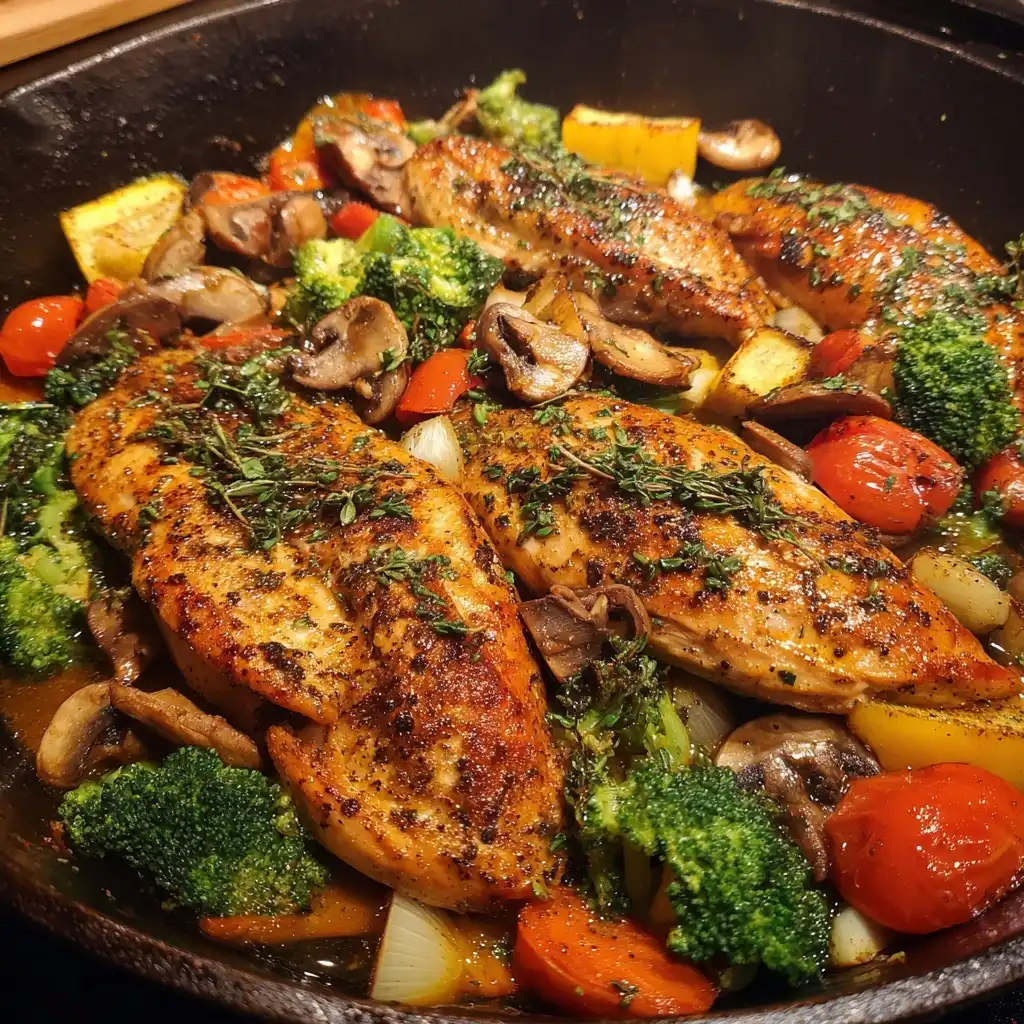
Garlic Butter Chicken and Veggie Medley is a vibrant, restaurant-quality dish that effortlessly marries succulent, herb-infused chicken with a rainbow of seasonal vegetables—all harmonized in a rich, aromatic garlic butter sauce. This one-pan wonder delivers bold flavor without compromising on nutrition, making it an ideal choice for weeknight dinners, meal prep, or impressing guests with minimal effort. Its versatility lies in its balance: tender protein, crisp-tender vegetables, and a luscious, golden-brown sauce that clings perfectly to every bite. Whether you’re a seasoned home cook or just beginning your culinary journey, this recipe promises consistency, depth, and soul-satisfying comfort—all while remaining adaptable to dietary preferences and pantry availability.
The History
While no single documented origin defines Garlic Butter Chicken and Veggie Medley as a formal “classic,” its roots trace across multiple culinary traditions. The technique of pan-searing chicken in butter and aromatics echoes French à la meunière preparations—where proteins are finished with browned butter, lemon, and parsley. Meanwhile, the inclusion of a colorful vegetable medley draws from Mediterranean roasting traditions (think Greek horta or Italian verdure miste) and Asian stir-fry principles emphasizing texture contrast and quick-cooking integrity. Garlic butter itself has ancient lineage: garlic was revered in Egyptian, Indian, and Chinese medicine for millennia, and its union with butter became widespread in European kitchens by the 17th century—especially in Normandy, where high-fat dairy met pungent alliums to create foundational sauces. Modern iterations surged in popularity in the late 20th and early 21st centuries via food blogs, cooking shows, and meal-kit services emphasizing simplicity, visual appeal, and “healthy indulgence”—a term now synonymous with dishes like this one, where decadence and nutrient density coexist seamlessly.
Ingredients Breakdown
Every component in this dish serves both functional and sensory purpose—no ingredient is merely filler. Let’s explore each in detail:
- Chicken Breast or Thighs: Boneless, skinless chicken breasts offer lean protein and mild flavor, ideal for absorbing the garlic butter sauce. For richer taste and forgiving texture (especially when cooking at higher heat), boneless, skinless chicken thighs are highly recommended—their higher fat content prevents dryness and adds savory depth.
- Unsalted Butter: The soul of the sauce. Unsalted butter allows precise sodium control and develops complex nutty notes when lightly browned (beurre noisette). European-style butters (82–86% fat) yield superior richness and mouthfeel.
- Fresh Garlic: Non-negotiable. Pre-minced or jarred garlic lacks enzymatic complexity and can turn bitter when heated. Fresh cloves—finely minced or pressed—release allicin, the compound responsible for garlic’s signature aroma and health benefits. Use 4–6 large cloves for pronounced, balanced savoriness.
- Dry White Wine (optional but transformative): A ¼ cup of dry, acidic wine like Sauvignon Blanc or Pinot Grigio deglazes the pan, lifts fond (caramelized bits), and adds brightness that cuts through the butter’s richness. Alcohol fully cooks off, leaving only nuanced fruit and mineral notes.
- Lemon Juice & Zest: Freshly squeezed juice adds acidity to balance fat; zest contributes volatile citrus oils that elevate aroma without sourness. Never substitute bottled juice—it lacks vibrancy and contains preservatives that dull flavor.
- Herbs: Fresh flat-leaf parsley is essential for its grassy, clean finish—added at the end to preserve freshness. Optional but recommended: a pinch of dried oregano or thyme during sautéing for earthy backbone, or fresh rosemary sprigs (removed before serving) for pine-like warmth.
- Veggie Medley Base: A thoughtfully curated blend ensures textural variety and nutritional synergy:
- Broccoli Florets: High in sulforaphane (a potent antioxidant), they hold up well to high-heat cooking and develop sweet, nutty edges when roasted or sautéed.
- Red Bell Pepper: Adds crunch, sweetness, and 3x more vitamin C than oranges—plus lycopene, enhanced by fat (butter) for better absorption.
- Zucchini: Mild and hydrating, with magnesium and fiber; sliced uniformly to ensure even cooking.
- Cherry Tomatoes: Burst with umami-rich glutamates and lycopene; added late to retain juiciness and avoid mushiness.
- Red Onion: Provides sharp-sweet complexity and quercetin—a flavonoid with anti-inflammatory properties.
- Seasonings: Kosher salt enhances natural flavors and aids in protein denaturation for better browning. Freshly ground black pepper adds piperine, which boosts curcumin absorption (relevant if adding turmeric in variations). A tiny pinch of red pepper flakes introduces gentle heat and capsaicin metabolism support.
- Olive Oil: Used initially for searing—it has a higher smoke point than butter alone and prevents burning while building fond. Extra-virgin olive oil contributes polyphenols and subtle fruitiness.
Step-by-Step Recipe
- Prep & Marinate (15 minutes): Pat chicken dry with paper towels—this is critical for achieving a golden crust. Slice into 1-inch thick cutlets or leave whole for thicker pieces. In a bowl, combine chicken with 1 tbsp olive oil, 1 tsp kosher salt, ½ tsp black pepper, and 1 tsp dried herbs (if using). Let sit at room temperature for 10–15 minutes—not longer, to avoid bacterial risk.
- Prep Vegetables (10 minutes): Wash and thoroughly dry all produce. Cut broccoli into uniform 1½-inch florets (include some stem, peeled and diced, for extra fiber). Slice red bell pepper into ½-inch strips. Halve cherry tomatoes. Thinly slice red onion. Dice zucchini into ½-inch half-moons. Keep tomatoes separate—they’ll be added last.
- Sear the Chicken (6–8 minutes): Heat a large stainless steel or cast-iron skillet over medium-high heat. Add 1 tbsp olive oil. Once shimmering (not smoking), place chicken in a single layer without crowding. Resist moving it for 4–5 minutes until deeply golden and easily releases. Flip and cook 3–4 more minutes until internal temperature reaches 165°F (use an instant-read thermometer inserted into thickest part). Transfer to a clean plate, tent loosely with foil, and rest for 5 minutes—this retains juices.
- Sauté Aromatics & Hard Vegetables (5 minutes): Reduce heat to medium. In same skillet, add 1 tbsp butter. Once melted, add minced garlic and red pepper flakes—stir constantly for 30 seconds until fragrant (do not brown garlic). Immediately add broccoli, bell pepper, zucchini, and red onion. Season with ½ tsp salt and ¼ tsp pepper. Sauté 4–5 minutes, stirring occasionally, until vegetables begin to soften and edges turn lightly caramelized.
- Deglaze & Build Sauce (3 minutes): Pour in white wine (if using) and scrape bottom vigorously with a wooden spoon to lift all browned bits. Simmer 1–2 minutes until reduced by half. Stir in remaining 3 tbsp cold butter, one piece at a time, whisking continuously until emulsified and glossy. Add lemon juice, lemon zest, and a splash of pasta water or low-sodium chicken broth (2 tbsp) to adjust consistency.
- Combine & Finish (2 minutes): Return rested chicken and any accumulated juices to the skillet. Gently fold in cherry tomatoes and fresh parsley. Cook 1–2 minutes just until tomatoes soften slightly and chicken reheats. Taste and adjust seasoning—more lemon for brightness, salt for balance, or a drizzle of high-quality olive oil for sheen.
- Rest & Serve (2 minutes): Remove from heat. Let stand 1–2 minutes—this allows sauce to thicken slightly and flavors to meld. Garnish with extra parsley, lemon wedges, and optional flaky sea salt.
Tips
- Dry Chicken = Crisp Chicken: Moisture is the enemy of browning. Always pat chicken *thoroughly*—even after marinating.
- Don’t Crowd the Pan: Overloading lowers skillet temperature, causing steaming instead of searing. Cook in batches if needed.
- Control Garlic Burn: Garlic burns at 300°F. Always add it *after* initial sautéing and cook over medium (not high) heat—just until aromatic.
- Butter Temperature Matters: Add cold butter in pieces to hot sauce—it melts gradually, stabilizing the emulsion and preventing separation.
- Veggie Timing Is Key: Add delicate veggies (tomatoes, spinach, peas) in the final 1–2 minutes. Dense ones (carrots, potatoes, cauliflower) need 8–10 minutes—consider par-roasting them first.
- Sauce Rescue: If sauce breaks (looks oily), remove from heat, whisk in 1 tsp cold water or lemon juice, then slowly drizzle in 1 tsp cold butter while whisking vigorously.
- Resting Is Non-Negotiable: Skipping chicken rest leads to dry, stringy meat. Five minutes lets juices redistribute evenly.
- Cast Iron Bonus: Retains heat beautifully for consistent searing and oven-to-table presentation. Just avoid acidic ingredients (like tomatoes) for prolonged periods unless enameled.
- Make-Ahead Friendly: Chop veggies and marinate chicken up to 24 hours ahead (store separately). Cook day-of in under 25 minutes.
- Leftover Magic: Shred leftover chicken for tacos, grain bowls, or creamy pasta. Reheat veggie medley with a splash of broth and fresh herbs.
Variations and Customizations
This recipe is a canvas—designed to flex with seasons, cultures, pantries, and dietary goals:
- Low-Carb/Keto: Replace potatoes or corn (if added) with radishes, kohlrabi, or green beans. Use ghee instead of butter for dairy sensitivity. Boost fats with avocado slices or toasted pine nuts.
- Paleo/Whole30: Omit butter—substitute with ghee or avocado oil. Skip wine (use additional broth + 1 tsp apple cider vinegar for acidity). Ensure all seasonings are compliant (no sugar or sulfites).
- Vegan/Vegetarian: Swap chicken for extra-firm tofu (pressed & baked), tempeh, or chickpeas. Use vegan butter and nutritional yeast for umami. Add sun-dried tomatoes or miso paste for depth.
- Mediterranean Twist: Add kalamata olives, crumbled feta (after cooking), artichoke hearts, and oregano. Finish with a drizzle of lemon-tahini sauce.
- Asian-Inspired: Replace garlic butter with ginger-garlic-soy glaze (low-sodium tamari, toasted sesame oil, grated ginger, rice vinegar, honey or maple syrup). Add snap peas, bok choy, and scallions. Top with sesame seeds and chili crisp.
- Spicy Cajun: Rub chicken with Cajun seasoning pre-sear. Deglaze with chicken stock and a dash of hot sauce. Stir in okra and smoked paprika. Garnish with pickled jalapeños.
- Creamy Version: After building sauce, stir in 2–3 tbsp full-fat coconut milk or heavy cream (add off-heat to prevent curdling). Infuse with fresh tarragon or dill.
- Sheet-Pan Roasted: Toss chicken and veggies with oil, herbs, and spices. Roast at 425°F for 20–25 minutes. Whisk together garlic butter sauce separately and drizzle on top before serving.
- Meal-Prep Power: Divide into 4 BPA-free containers. Sauce will deepen overnight. Reheat gently in microwave with damp paper towel to retain moisture.
- Kid-Friendly: Omit garlic (or use roasted garlic puree), skip pepper flakes, add sweet corn and carrots. Serve with whole-grain naan or quinoa for dipping.
Health Considerations and Nutritional Value
A single 1½-cup serving (chicken + 1 cup veggies + 1 tbsp sauce) delivers approximately:
- Calories: 380–420 kcal (varies by chicken cut and butter amount)
- Protein: 32–38g (excellent source; supports muscle synthesis and satiety)
- Fat: 22–26g (mostly unsaturated from olive oil and butter; includes conjugated linoleic acid [CLA] in grass-fed butter)
- Carbohydrates: 12–15g (fiber-rich from non-starchy vegetables; glycemic load <5)
- Fiber: 5–7g (supports gut microbiota, cholesterol regulation, and digestive regularity)
- Vitamins & Minerals:
- Vitamin C (from bell peppers, broccoli, lemon): 180–220% DV — boosts immunity and collagen production
- Vitamin K (broccoli, parsley): 140–170% DV — essential for blood clotting and bone health
- Folate (broccoli, asparagus if added): 35–45% DV — critical for DNA repair and red blood cell formation
- Potassium (zucchini, tomatoes): 20–25% DV — helps regulate blood pressure and fluid balance
- Selenium (chicken): 45–55% DV — powerful antioxidant supporting thyroid function
Functional Benefits:
- Anti-Inflammatory Synergy: Garlic (allicin), turmeric (curcumin), olive oil (oleocanthal), and tomatoes (lycopene) work synergistically to reduce systemic inflammation markers.
- Gut Health Support: Fiber from diverse vegetables feeds beneficial bifidobacteria; garlic acts as a prebiotic.
- Blood Sugar Balance: Low glycemic load, high protein/fiber content slows glucose absorption—ideal for metabolic health.
- Heart Health: Monounsaturated fats, potassium, and antioxidants collectively support endothelial function and arterial elasticity.
- Dietary Flexibility: Naturally gluten-free, nut-free, and soy-free—easily adapted for most common restrictions.
Considerations: Those monitoring sodium should use low-sodium broth and limit added salt; those with lactose intolerance may tolerate small amounts of butter (very low lactose) or opt for ghee. Individuals on blood thinners should consult providers before increasing vitamin K intake significantly.
Ingredients
- 1.5 lbs boneless, skinless chicken breasts or thighs, sliced into 1-inch cutlets
- 3 tbsp extra-virgin olive oil, divided
- 5 tbsp unsalted butter, divided (4 tbsp cold, cubed; 1 tbsp for sautéing)
- 5 large garlic cloves, finely minced (about 1½ tbsp)
- ¼ cup dry white wine (e.g., Sauvignon Blanc or Pinot Grigio) — optional but recommended
- 2 tbsp fresh lemon juice (from ~1 large lemon)
- 1 tsp lemon zest
- 1 large head broccoli (about 1 lb), cut into uniform florets (stems peeled and diced)
- 1 large red bell pepper, seeded and cut into ½-inch strips
- 2 medium zucchinis, halved lengthwise and sliced into ½-inch half-moons
- 1 cup cherry tomatoes, halved
- 1 medium red onion, thinly sliced
- ¼ cup fresh flat-leaf parsley, finely chopped (plus extra for garnish)
- 1½ tsp kosher salt, divided
- 1 tsp freshly ground black pepper, divided
- ¼ tsp red pepper flakes (adjust to taste)
- 1 tsp dried oregano or thyme (optional)
- Lemon wedges and flaky sea salt, for serving
Directions
- Pat chicken dry with paper towels. Place in a bowl and toss with 1 tbsp olive oil, 1 tsp kosher salt, ½ tsp black pepper, and dried herbs (if using). Let sit at room temperature 10–15 minutes.
- Prepare vegetables as directed: broccoli florets and diced stems, bell pepper strips, zucchini half-moons, halved cherry tomatoes, and thin red onion slices. Keep tomatoes separate.
- Heat a large skillet (12-inch preferred) over medium-high heat. Add 1 tbsp olive oil. When shimmering, add chicken in a single layer. Cook undisturbed 4–5 minutes until deeply golden. Flip and cook 3–4 more minutes until internal temperature reaches 165°F. Transfer to a plate, tent with foil, and rest 5 minutes.
- Reduce heat to medium. Add 1 tbsp butter to same skillet. Once melted, stir in garlic and red pepper flakes; cook 30 seconds until fragrant. Add broccoli, bell pepper, zucchini, red onion, ½ tsp salt, and ¼ tsp black pepper. Sauté 4–5 minutes until vegetables begin to soften and caramelize at edges.
- Pour in white wine. Scrape pan vigorously to lift fond. Simmer 1–2 minutes until reduced by half. Reduce heat to low. Whisk in remaining 4 tbsp cold butter, one piece at a time, until fully emulsified and glossy. Stir in lemon juice, lemon zest, and 2 tbsp low-sodium chicken broth or water (if sauce is too thick).
- Return rested chicken and any juices to skillet. Gently fold in cherry tomatoes and chopped parsley. Cook 1–2 minutes until tomatoes soften slightly and chicken is heated through.
- Remove from heat. Let stand 1–2 minutes. Taste and adjust seasoning. Serve immediately, garnished with extra parsley, lemon wedges, and flaky sea salt.
FAQ
- Can I use frozen chicken?
- Yes—but thaw completely in the refrigerator (never at room temperature) and pat *extremely* dry. Frozen chicken releases excess water, hindering browning and diluting sauce.
- Why does my sauce break or look greasy?
- Most commonly due to overheating or adding butter too quickly. Always use cold butter, low heat, and whisk constantly. If broken, whisk in 1 tsp cold water or lemon juice off-heat, then slowly drizzle in 1 tsp cold butter while whisking vigorously.
- Can I make this ahead and reheat?
- Absolutely. Store components separately (chicken, veggies, sauce) in airtight containers for up to 4 days. Reheat chicken and veggies in a skillet with 1 tsp broth to refresh moisture; warm sauce separately and combine just before serving.
- What’s the best way to get crispy chicken skin if using thighs with skin?
- Start skin-side down in a cold pan, then slowly increase heat to render fat. Press gently with a spatula for even contact. Flip only once, when skin is deep golden and releases easily.
- Can I grill this instead of pan-searing?
- Yes! Grill chicken over medium heat (375°F) for 6–7 minutes per side. Grill vegetables in a basket or skewers. Toss everything in warm garlic butter sauce post-grilling.
- Is there a dairy-free version that still tastes rich?
- Use high-quality vegan butter (Miyoko’s or Earth Balance) and finish with a swirl of cashew cream or avocado oil infused with roasted garlic for depth.
- How do I prevent soggy vegetables?
- High-heat sautéing, dry veggies pre-cook, and avoiding overcrowding are key. Also, don’t cover the pan—steam makes them limp. For extra crispness, roast veggies at 425°F for 15–20 minutes before combining.
- Can I double this recipe for a crowd?
- Yes—but use two skillets or a large Dutch oven. Do not double the garlic or lemon juice proportionally; taste and adjust at the end, as intensity compounds.
- What wine pairs best with this dish?
- A crisp, high-acid white: Albariño, Grüner Veltliner, or unoaked Chardonnay. For red lovers, try a light-bodied Pinot Noir with bright red fruit notes.
- Can I freeze leftovers?
- Yes—though texture of veggies softens slightly. Freeze in portioned, airtight containers for up to 3 months. Thaw overnight in fridge and reheat gently on stove with broth to revive moisture.
Summary
Garlic Butter Chicken and Veggie Medley is a masterclass in balanced, restaurant-worthy home cooking—featuring golden, juicy chicken, vibrant, nutrient-dense vegetables, and a luxuriously aromatic garlic butter sauce that ties every element together with elegance and ease.
With endless customization options, significant health benefits, and straightforward techniques, it’s a versatile, nourishing centerpiece that satisfies cravings, supports wellness goals, and adapts beautifully to any lifestyle, season, or kitchen setup.