Introduction
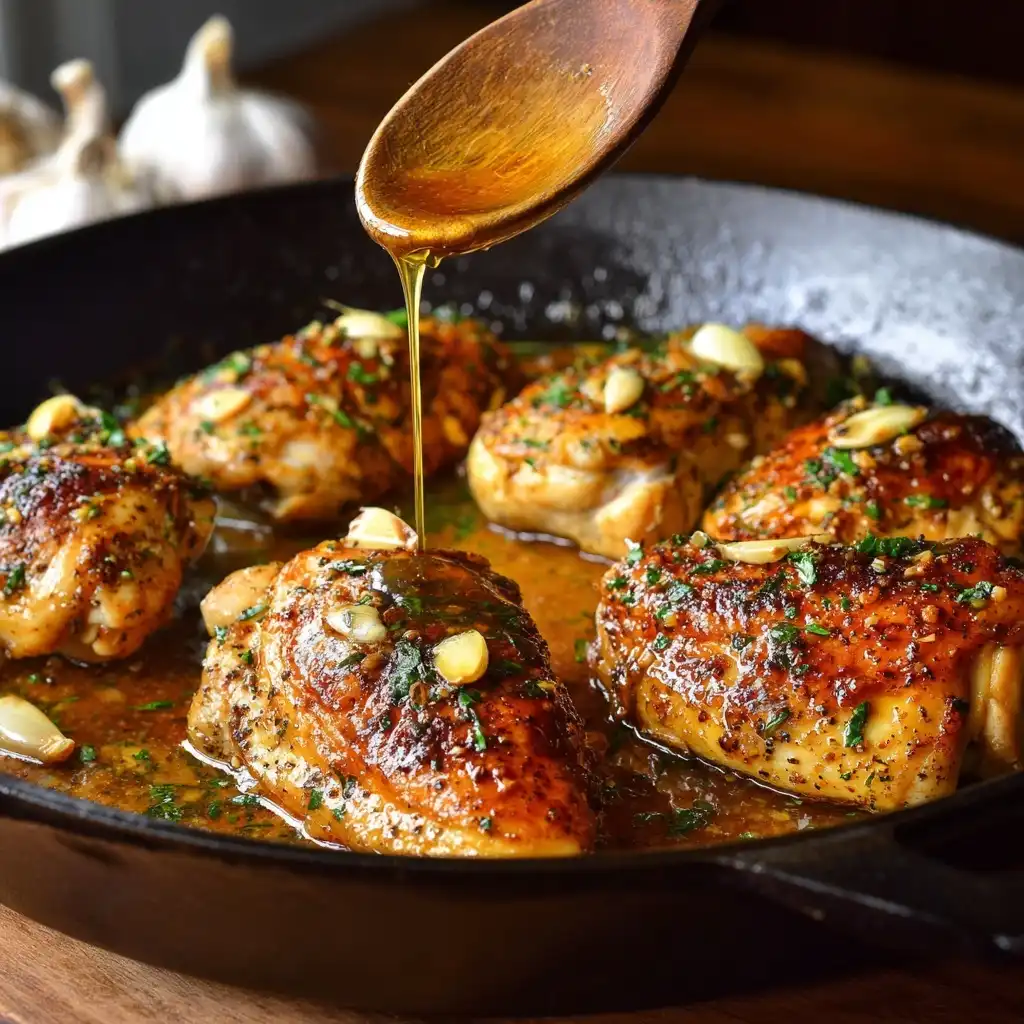
Garlic Butter Chicken with Garlic Butter Pan Sauce is a quintessential weeknight dinner that marries simplicity with extraordinary flavor. This dish features tender, golden-brown chicken breasts or thighs seared to perfection and finished with a luxuriously rich, aromatic pan sauce made entirely from the flavorful browned bits left behind—elevated with copious amounts of fresh garlic, creamy butter, fragrant herbs, and a touch of acidity for balance. It’s restaurant-quality in taste yet approachable enough for home cooks of all skill levels. Whether served over fluffy mashed potatoes, buttered egg noodles, steamed jasmine rice, or alongside roasted seasonal vegetables, this meal delivers comfort, depth, and undeniable umami satisfaction in every bite.
The History
While no single documented origin point exists for Garlic Butter Chicken, its roots are deeply embedded in centuries-old culinary traditions centered around pan-searing proteins and deglazing with aromatic fats—a technique refined across French, Italian, and American farmhouse kitchens. The use of butter and garlic together dates back to medieval European cooking, where garlic was prized not only for flavor but also for its preservative and medicinal properties. In France, beurre composé (compound butter) techniques laid the groundwork for infusing butter with herbs and aromatics—later adapted into pan sauces like beurre blanc and beurre noir. Meanwhile, mid-20th-century American home cooking embraced “butter-basted” methods popularized by chefs like James Beard and Julia Child, who championed building flavor through fond and emulsified sauces. Garlic Butter Chicken, as we know it today, emerged organically in the 1970s–1990s as a streamlined, family-friendly interpretation—often featured in community cookbooks, newspaper food sections, and early cable cooking shows. Its enduring popularity lies in its intuitive technique, pantry-friendly ingredients, and universal appeal: savory, rich, garlicky, and deeply satisfying without pretense.
Ingredients Breakdown
Understanding each ingredient’s role ensures mastery—not just replication—of this dish:
- Chicken Breast or Thighs: Boneless, skinless chicken breasts offer lean tenderness but require careful cooking to avoid dryness; boneless, skinless thighs provide superior moisture, richer flavor, and greater forgiveness during searing. For best results, choose air-chilled, antibiotic-free poultry when possible.
- Kosher Salt & Freshly Ground Black Pepper: Essential for seasoning both the surface and interior of the chicken. Kosher salt adheres better and seasons more evenly than table salt; freshly cracked black pepper adds floral heat and volatile oils that enhance aroma.
- All-Purpose Flour (Optional but Recommended): A light dusting creates a delicate crust, promotes even browning, and helps thicken the pan sauce naturally. Gluten-free all-purpose flour works seamlessly for dietary adaptations.
- Unsalted Butter: Used in two stages—first for searing (high smoke point clarified portion), then for finishing the sauce (rich milk solids and flavor). Unsalted allows precise sodium control; European-style cultured butter (82–86% fat) yields exceptional depth and silkiness.
- Extra-Virgin Olive Oil or Avocado Oil: Blended with butter for high-heat searing. Olive oil contributes fruity complexity; avocado oil offers neutral flavor and a smoke point above 500°F—ideal for achieving deep Maillard browning without burning.
- Fresh Garlic: Non-negotiable. Pre-minced or jarred garlic lacks enzymatic pungency and sweetness that develops when fresh cloves are gently sautéed. Use 6–8 large cloves, finely minced or pressed—adjust to preference, but never omit.
- Dry White Wine (e.g., Sauvignon Blanc, Pinot Grigio, or Unoaked Chardonnay): Adds brightness, acidity, and subtle fruit notes while lifting fond from the pan. Alcohol cooks off, leaving only nuanced complexity. Substitute with low-sodium chicken broth + ½ tsp white wine vinegar if avoiding alcohol.
- Low-Sodium Chicken Broth: Forms the liquid base of the sauce. Homemade bone broth intensifies savoriness (umami); quality store-bought brands like Kettle & Fire or Better Than Bouillon (diluted) are excellent alternatives.
- Fresh Herbs: Parsley adds grassy freshness and visual pop; thyme contributes earthy, lemony nuance; rosemary (used sparingly) imparts pine-like intensity. Always add delicate herbs like parsley at the end to preserve volatile oils.
- Lemon Juice (Freshly Squeezed): A critical finishing element—brightens the sauce, cuts through richness, balances fat, and lifts the entire profile. Bottled juice lacks vibrancy and contains preservatives that mute flavor.
- Heavy Cream or Full-Fat Coconut Milk (Optional Enrichment): For an ultra-luxurious, velvety texture, stir in 1–2 tbsp heavy cream or unsweetened full-fat coconut milk at the very end—do not boil after adding.
Step-by-Step Recipe
- Prep the Chicken: Pat chicken pieces *extremely* dry with paper towels—this is crucial for proper browning. Trim excess fat or connective tissue. Season generously on both sides with kosher salt and freshly ground black pepper. Lightly dust with flour, shaking off excess.
- Heat the Pan: Place a heavy-bottomed stainless steel or cast-iron skillet over medium-high heat for 2 minutes. Add 1 tbsp olive oil and 1 tbsp unsalted butter. Swirl until butter melts and foam begins to subside (not browned yet).
- Sear the Chicken: Carefully place chicken in the hot pan without overcrowding (work in batches if needed). Press gently with a spatula for even contact. Cook undisturbed for 5–6 minutes until deeply golden and easily releases from the pan. Flip and cook opposite side 4–5 minutes until internal temperature reaches 155°F (breasts) or 165°F (thighs). Transfer to a warm plate, tent loosely with foil, and rest 5 minutes—juices will reabsorb, yielding juicier meat.
- Build the Fond Base: Reduce heat to medium. Pour off excess grease, leaving ~1 tbsp. Add minced garlic and sauté 30–45 seconds until fragrant—but *do not let it brown*, or it will turn bitter.
- Deglaze with Wine: Pour in ¼ cup white wine, using a wooden spoon to vigorously scrape up all browned bits (fond) from the bottom of the pan. Simmer 1–2 minutes until reduced by half and alcohol evaporates.
- Enrich with Broth: Add ¾ cup low-sodium chicken broth. Bring to a gentle simmer and reduce by one-third (~3–4 minutes), stirring occasionally. Liquid should coat the back of a spoon lightly.
- Emulsify the Sauce: Reduce heat to low. Whisk in remaining 3 tbsp cold unsalted butter, one tablespoon at a time, allowing each to melt fully and incorporate before adding the next. This creates a stable, glossy emulsion. If sauce breaks, remove from heat and whisk vigorously—or blend with an immersion blender for 10 seconds.
- Finish & Adjust: Stir in 1 tbsp fresh lemon juice, 2 tbsp chopped fresh parsley, and optional 1 tsp fresh thyme leaves. Taste and adjust: more salt? A pinch of red pepper flakes for heat? A splash more lemon for brightness? A drizzle of truffle oil for decadence?
- Combine & Serve: Return rested chicken to the pan, spooning sauce over top. Let sit 1–2 minutes to warm through and absorb flavors. Garnish with extra parsley, lemon zest, and flaky sea salt (like Maldon).
Tips
- Dry Chicken = Golden Chicken: Moisture is the enemy of browning. Pat chicken *thoroughly*—even between folds—and let it sit uncovered in the fridge for 30 minutes pre-seasoning for maximum surface desiccation.
- Don’t Crowd the Pan: Overcrowding drops pan temperature, causing steaming instead of searing. Use two skillets or cook in batches—even if it takes longer, the flavor payoff is exponential.
- Thermometer is Truth: Visual cues lie. Invest in an instant-read thermometer: pull chicken at 155°F for breasts (carryover cooking hits 160–165°F); thighs at 165°F. Resting is mandatory—skip it, and you’ll sacrifice juiciness.
- Control Garlic Heat: Garlic burns fast. Keep it moving and reduce heat *before* adding it—especially if your pan retains heat (like cast iron). For deeper flavor, slice garlic thinly and infuse oil/butter first, then remove solids before searing.
- Respect the Fond: That dark, sticky residue isn’t “burnt”—it’s concentrated flavor gold. Scrape aggressively with a stiff wooden spoon or metal whisk. Deglaze *immediately* after removing chicken while the pan is still hot.
- Butter Temperature Matters: Cold butter emulsifies best. Cut into cubes and chill until ready. Adding warm or melted butter may cause separation. If sauce breaks, whisk in 1 tsp cold water or broth while whisking off heat.
- Sauce Consistency Control: Too thin? Simmer 1–2 more minutes. Too thick? Whisk in warm broth, 1 tsp at a time. For silky texture, strain through a fine-mesh sieve after emulsifying—removes any garlic bits or herb stems.
- Make-Ahead Strategy: Sear chicken and prepare sauce base (through broth reduction) up to 1 day ahead. Refrigerate separately. Reheat sauce gently, then whisk in cold butter and finish with lemon/herbs just before serving.
- Pan Choice Counts: Stainless steel offers superior fond development and control. Non-stick prevents sticking but inhibits browning and fond formation. Cast iron retains heat beautifully but requires careful temperature management with butter.
- Resting Isn’t Optional: Cutting too soon releases juices onto the plate—not into the meat. Resting redistributes moisture, firms muscle fibers, and improves texture. Set a timer!
Variations and Customizations
Protein Swaps
- Shrimp: Sear 1–2 minutes per side (they cook fast!). Deglaze with white wine + lemon zest; finish with capers and dill.
- Pork Tenderloin Medallions: Season with sage and mustard powder. Deglaze with apple cider and a touch of Dijon.
- Salmon Fillets: Skin-on for crispness. Replace white wine with dry vermouth; finish with dill and crème fraîche.
- Tofu or Tempeh (Vegan): Press extra-firm tofu 1 hour, marinate in tamari-garlic mixture, pan-fry until crisp. Use vegan butter, vegetable broth, and nutritional yeast for umami depth.
Sauce Twists
- Lemon-Caper: Add 2 tbsp drained capers with garlic; finish with extra lemon zest and juice.
- Mushroom-Dijon: Sauté 1 cup sliced cremini mushrooms before garlic; stir in 1 tsp Dijon mustard with broth.
- Herbaceous Green: Blend sauce with ¼ cup blanched spinach, basil, and chives for vibrant color and nutrients.
- Spicy Harissa: Whisk in ½ tsp harissa paste or chipotle in adobo for smoky heat.
- Creamy Parmesan: Stir in ¼ cup grated Parmigiano-Reggiano off heat for nutty, salty richness.
Dietary Adaptations
- Gluten-Free: Use GF flour or cornstarch slurry (1 tsp cornstarch + 1 tbsp cold water) for thickening. Ensure broth is certified GF.
- Dairy-Free: Substitute high-heat avocado oil for searing; use vegan butter (Miyoko’s or Country Crock Plant Butter) and unsweetened coconut milk for richness.
- Low-Carb/Keto: Skip flour entirely—rely on reduction and butter for body. Increase healthy fats with extra butter or a swirl of ghee.
- Whole30/Paleo: Omit butter; use ghee (clarified butter) and compliant broth. Finish with avocado oil and lemon only—no dairy, sugar, or grains.
- Vegetarian/Vegan: Replace chicken with seared king oyster mushrooms, cauliflower steaks, or marinated seitan. Boost umami with tamari, miso paste, or sun-dried tomatoes.
Global Inspirations
- Mediterranean: Add kalamata olives, roasted red peppers, and oregano; finish with crumbled feta.
- Asian-Inspired: Swap wine for dry sherry; add grated ginger with garlic, tamari for soy, and sesame oil + scallions at the end.
- French Bistro: Stir in 1 tsp tarragon vinegar and fresh tarragon; serve with pommes purée.
- Italian-American: Add sun-dried tomatoes and fresh basil; toss with linguine and toasted pine nuts.
- Mexican-Influenced: Deglaze with lime juice and tequila; finish with cilantro, jalapeño, and avocado crema.
Health Considerations and Nutritional Value
Garlic Butter Chicken can be both nourishing and balanced—with mindful preparation. A standard serving (one 6-oz chicken breast, ¼ cup sauce, no sides) contains approximately:
- Calories: 380–450 kcal (varies with butter/oil quantity)
- Protein: 42–48g (excellent complete protein source supporting muscle maintenance and satiety)
- Fat: 22–28g (mostly unsaturated from olive oil and beneficial saturated fats from butter—supports hormone health and nutrient absorption)
- Carbohydrates: <1g (naturally low-carb; ideal for keto or diabetic-friendly plans when paired with non-starchy vegetables)
- Vitamin B6 & Niacin: Abundant in chicken—critical for energy metabolism and nervous system function
- Selenium: One serving provides ~60% DV—powerful antioxidant supporting thyroid and immune health
- Allicin (from raw garlic): Though partially diminished by cooking, residual compounds retain anti-inflammatory, antimicrobial, and cardiovascular benefits—including mild blood pressure and cholesterol modulation
- Choline: Present in egg-rich butter and chicken liver (if using thigh)—vital for brain development and cell membrane integrity
Nutrition Notes & Optimizations:
- Reduce Sodium: Use low-sodium or no-salt-added broth and skip added salt in marinade—rely on herbs, citrus, and garlic for flavor.
- Increase Fiber & Micronutrients: Serve over roasted Brussels sprouts, sautéed kale, or zucchini noodles instead of refined carbs.
- Balanced Fat Profile: Rotate oils—use avocado oil for searing, then finish with grass-fed butter or ghee for CLA (conjugated linoleic acid) benefits.
- Watch Portion Sizes: While healthy, butter is calorie-dense. Measure butter (use a kitchen scale) rather than eyeballing—3 tbsp = ~360 calories.
- Avoid Overcooking: Preserves protein integrity and moisture—dry chicken triggers overcompensation with extra sauce or fats.
- Consider Omega-3s: Opt for pastured chicken or supplement with omega-3–rich sides (walnuts, flax, or hemp seeds).
- Food Safety Reminder: Always separate raw poultry tools/boards from cooked items. Wash hands thoroughly. Store leftovers within 2 hours at ≤40°F.
Ingredients
- 2 (6-oz) boneless, skinless chicken breasts or 4 boneless, skinless chicken thighs (about 1 lb total)
- 1½ tsp kosher salt, divided
- 1 tsp freshly ground black pepper, divided
- 2 tbsp all-purpose flour (or gluten-free 1:1 blend)
- 2 tbsp extra-virgin olive oil or avocado oil
- 4 tbsp unsalted butter, divided (1 tbsp for searing, 3 tbsp cold for sauce)
- 6–8 large garlic cloves, finely minced (about 2 tbsp)
- ¼ cup dry white wine (Sauvignon Blanc or Pinot Grigio)
- ¾ cup low-sodium chicken broth (homemade preferred)
- 1 tbsp fresh lemon juice (from ~½ lemon)
- 2 tbsp fresh flat-leaf parsley, finely chopped
- 1 tsp fresh thyme leaves (optional)
- Flaky sea salt and lemon zest for garnish
Directions
- Prep chicken: Place chicken on a clean cutting board. Using a sharp knife, pound thicker portions to even ½-inch thickness for uniform cooking. Pat *extremely* dry with paper towels. Season both sides with 1 tsp salt and ½ tsp pepper. Lightly dust with flour, shaking off excess.
- Heat skillet: In a 12-inch stainless steel or cast-iron skillet, combine olive oil and 1 tbsp butter over medium-high heat. Heat until butter melts and foaming subsides (~2 minutes). Do not let butter brown.
- Sear chicken: Carefully place chicken in hot pan. Press gently with spatula. Cook undisturbed 5–6 minutes until deeply golden brown and releases easily. Flip and cook 4–5 minutes more until internal temperature reaches 155°F (breasts) or 165°F (thighs). Transfer to plate, tent with foil, and rest 5 minutes.
- Build sauce base: Reduce heat to medium. Pour off all but 1 tbsp fat. Add minced garlic; stir constantly 30–45 seconds until fragrant and softened (do not brown).
- Wine deglaze: Pour in wine, scraping vigorously with wooden spoon to lift all browned bits. Simmer 1–2 minutes until reduced by half and alcohol smell vanishes.
- Add broth: Pour in broth. Bring to gentle simmer. Cook 3–4 minutes, stirring occasionally, until reduced by about one-third and slightly thickened.
- Emulsify with butter: Reduce heat to low. Remove pan from heat. Whisk in cold butter, one tablespoon at a time, waiting until each is fully melted and incorporated before adding next. Sauce should become glossy and coat spoon.
- Finish sauce: Return to lowest heat. Stir in lemon juice, parsley, thyme (if using), remaining ½ tsp salt, and ½ tsp pepper. Taste and adjust—add more lemon for brightness or pinch of red pepper flakes for warmth.
- Combine: Return rested chicken to pan, spooning sauce over top. Let warm gently 1–2 minutes. Do not boil.
- Serve immediately: Plate chicken, drizzle generously with sauce, and garnish with extra parsley, lemon zest, and flaky sea salt. Serve with desired sides.
FAQ
- Can I use frozen chicken?
- Yes—but thaw completely in the refrigerator overnight. Never cook frozen chicken directly in this method—it leads to uneven cooking, excessive moisture release, and poor browning. If pressed for time, use the cold-water thaw method (sealed bag submerged in cold water, changed every 30 minutes).
- Why does my sauce break or look greasy?
- Sauces break when emulsion fails—usually due to overheating, adding butter too quickly, or using warm butter. Fix it by removing from heat and whisking vigorously, or blending with an immersion blender. To prevent: use cold butter, low heat, and patience.
- Can I make this ahead of time?
- You can prep components up to 1 day ahead: season and refrigerate raw chicken; chop garlic and herbs; measure liquids. Fully cooked chicken reheats well, but sauce is best made fresh—though you can prepare the reduced base (through broth stage) and refrigerate. Reheat gently, then whisk in cold butter and fresh lemon/herbs.
- What sides pair best with Garlic Butter Chicken?
- Classic pairings include garlic mashed potatoes, buttered wide egg noodles, creamy polenta, or jasmine rice to soak up sauce. For lighter options: roasted asparagus, lemon-dill green beans, sautéed spinach, or a crisp arugula salad with lemon vinaigrette. Avoid heavy starches if balancing macros.
- Is garlic butter healthy?
- In moderation—yes. Garlic offers antioxidants and anti-inflammatory compounds; butter provides fat-soluble vitamins (A, D, E, K2) and butyrate (a gut-supportive short-chain fatty acid). Balance with vegetables and lean protein. For lower saturated fat, substitute half the butter with olive oil in the sauce.
- Can I freeze leftovers?
- Yes—chicken freezes well for up to 3 months. Freeze sauce separately in ice cube trays for easy portioning. Thaw overnight in fridge. Reheat chicken gently in skillet; warm sauce in small saucepan over low heat—stir in fresh lemon and herbs after warming.
- My garlic tastes bitter—what went wrong?
- Bitterness signals burnt garlic. Garlic burns in under 60 seconds over medium heat. Always add it *after* reducing heat post-searing, and stir constantly. If unsure, infuse whole peeled cloves in warm butter/oil for 2–3 minutes, then remove before proceeding.
- Can I use dried herbs instead of fresh?
- Fresh is strongly preferred—especially parsley and thyme—for volatile oils and brightness. If substituting: use 1 tsp dried parsley (added with broth) and ½ tsp dried thyme (added with garlic). Note: dried parsley lacks punch—consider boosting with lemon zest or chives.
- What wine should I cook with if I don’t drink alcohol?
- Use high-quality low-sodium chicken broth + ½ tsp white wine vinegar or apple cider vinegar. Or opt for non-alcoholic white wine (like Fre or Ariel)—many retain acidity and fruit notes suitable for deglazing.
- How do I get restaurant-quality browning at home?
- Three keys: 1) Dry chicken thoroughly, 2) Heat pan properly (test with water droplets—should skitter and evaporate instantly), 3) Don’t move chicken until it releases naturally. Resist flipping early—it will tear and steam instead of sear.
Summary
Garlic Butter Chicken with Garlic Butter Pan Sauce is a masterclass in foundational French technique—transforming simple, humble ingredients into a luxurious, deeply flavorful, and effortlessly elegant dish through thoughtful searing, fond development, and emulsified sauce craftsmanship.
With endless customization potential, strong nutritional merits, and forgiving adaptability across diets and pantries, it remains a timeless cornerstone of home cooking—equally at home on a Tuesday night table or a celebratory Sunday supper.