Introduction
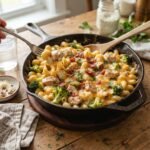
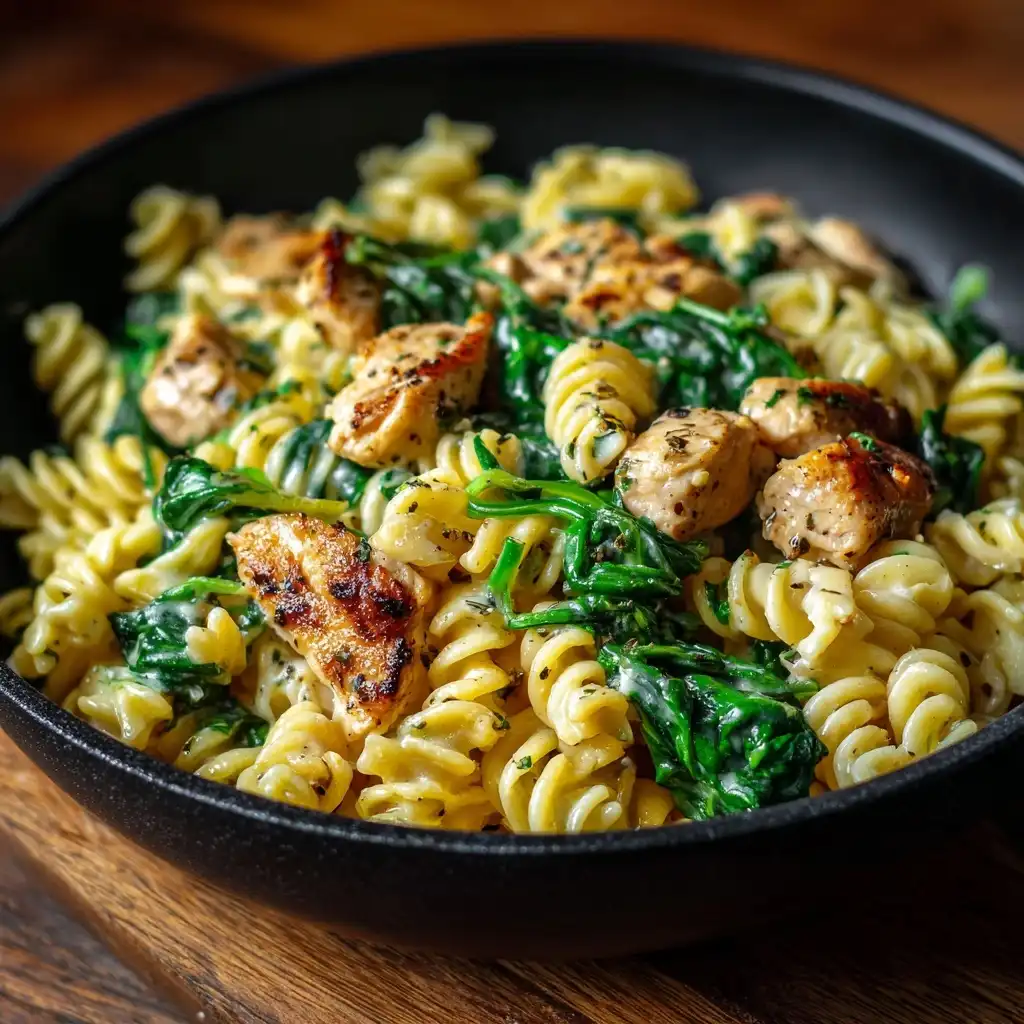
Garlic Butter Chicken and Spinach Pasta is a restaurant-worthy, weeknight-friendly dish that marries tender, golden-brown chicken breast with a luxuriously aromatic garlic butter sauce, all tossed with fresh baby spinach and al dente pasta. It’s a harmonious balance of savory, creamy, earthy, and herbaceous notes—rich without being heavy, flavorful without overwhelming spice, and elegant enough for dinner guests yet simple enough for a rushed Tuesday evening. This dish embodies the essence of modern comfort food: deeply satisfying, nutritionally thoughtful, and infinitely adaptable to pantry staples and personal preferences. Whether you’re seeking a protein-packed family meal, a nourishing solo lunch, or an impressive yet stress-free date-night centerpiece, Garlic Butter Chicken and Spinach Pasta delivers on flavor, texture, and ease—all in under 30 minutes.
The History
While no single chef or region can claim sole authorship of Garlic Butter Chicken and Spinach Pasta, its roots trace back to a confluence of culinary traditions spanning centuries. Garlic has been revered since ancient Egypt—not only as a seasoning but also for its medicinal properties—and was later championed across Mediterranean cuisines, especially in Italy and France, where garlic-infused butter (beurre à la bourguignonne or beurre composé) became a cornerstone of sautéing proteins and finishing sauces. The pairing of chicken with garlic butter gained mainstream popularity in mid-20th-century American home cooking, buoyed by postwar convenience trends and the rise of pre-packaged butter blends. Meanwhile, spinach—a staple in Greek spanakopita, Persian qudbeh, and Italian pastas like trofie al pesto—was increasingly embraced in Western kitchens during the 1980s and ’90s as nutritional science highlighted its iron, folate, and antioxidant profile. The fusion of these elements into a unified pasta dish reflects the broader globalization of pantry ingredients and the digital-age democratization of recipes—first via glossy food magazines like Bon Appétit and Food & Wine, then exploding across food blogs, YouTube tutorials, and TikTok recipe reels beginning in the early 2010s. Today, Garlic Butter Chicken and Spinach Pasta stands as a quintessential “fusion comfort classic”—a testament to how timeless techniques meet contemporary wellness values and time-strapped realities.
Ingredients Breakdown
Every exceptional iteration of this dish begins with intentional, high-quality ingredients—each playing a distinct functional and sensory role:
- Chicken Breast (boneless, skinless): Chosen for its lean protein density and neutral canvas, allowing the garlic butter to shine. Opt for air-chilled or organic, antibiotic-free options when possible for superior moisture retention and cleaner flavor.
- Pasta (linguine, spaghetti, fettuccine, or gluten-free alternatives): Acts as both structural base and textural counterpoint—providing chew, starch for sauce emulsification, and surface area for clinging flavors. Whole wheat or legume-based pastas add fiber and protein without compromising mouthfeel.
- Fresh Garlic (minced or pressed): The aromatic soul of the dish. Raw garlic offers pungency; gently cooked garlic yields sweetness and depth. Avoid jarred minced garlic—it lacks vibrancy and often contains preservatives that dull the sauce.
- Unsalted Butter: Provides unctuous richness, browning potential (for nutty complexity), and emulsifying power. Unsalted allows precise sodium control—critical when balancing soy sauce or parmesan later.
- Olive Oil (extra-virgin): Used in tandem with butter to raise the smoke point, prevent burning, and contribute grassy, peppery top notes. Adds stability and a subtle fruit-forward dimension.
- Fresh Baby Spinach: Chosen over mature spinach for its delicate texture, mild sweetness, and rapid wilting behavior—ensuring vibrant green color and nutrient preservation (vitamin C and K are heat-sensitive). Its high water content also helps deglaze the pan naturally.
- Dry White Wine (e.g., Sauvignon Blanc or Pinot Grigio): Optional but highly recommended—an acidulant that lifts the fat, deepens umami, and carries volatile aromatics. Non-alcoholic substitutes include lemon juice + vegetable broth for brightness and body.
- Lemon Juice & Zest: Brightens the entire dish, cutting through richness and enhancing garlic’s natural sulfur compounds. Zest adds essential citrus oils—intensely fragrant and non-acidic.
- Fresh Herbs (parsley, basil, or thyme): Parsley contributes clean, chlorophyll-rich freshness; basil lends sweet-anise nuance; thyme offers earthy, floral resilience. Always added at the end to preserve volatile oils.
- Grated Parmesan or Pecorino Romano: Salty, umami-rich, slightly granular—acts as a natural thickener and flavor amplifier. Authentic Italian DOP-certified cheeses deliver superior crystalline texture and nutty depth.
- Seasonings (kosher salt, freshly ground black pepper, red pepper flakes): Salt enhances every other flavor molecule; black pepper adds gentle heat and aromatic terpenes; red pepper flakes introduce controlled, smoky-spicy complexity—never dominant.
Step-by-Step Recipe
- Prep Work (5 minutes): Slice chicken breasts horizontally into ½-inch cutlets (or pound gently between parchment to even thickness). Pat *extremely* dry with paper towels—this ensures proper searing, not steaming. Mince 4–6 garlic cloves (adjust to taste), zest and juice one lemon, wash and spin-dry 5 oz fresh baby spinach, grate ½ cup Parmesan, and measure remaining ingredients. Cook pasta separately according to package directions—but stop 2 minutes shy of al dente, reserving 1 cup starchy cooking water before draining.
- Sear the Chicken (6–7 minutes): Heat 1 tbsp olive oil and 1 tbsp unsalted butter in a large, heavy-bottomed skillet (stainless steel or cast iron preferred) over medium-high heat until shimmering but not smoking. Season chicken generously with salt and pepper. Place in skillet without crowding—work in batches if needed. Sear undisturbed for 3–4 minutes per side until deeply golden and internal temperature reaches 160°F (it will carry over to 165°F). Transfer to a clean plate, tent loosely with foil, and rest for 5 minutes—this locks in juices and prevents dryness.
- Build the Aromatic Base (3 minutes): Reduce heat to medium-low. In the same skillet, add remaining 1 tbsp olive oil and 3 tbsp butter. Once foaming subsides, add minced garlic and a pinch of red pepper flakes. Stir constantly for just 45–60 seconds—until fragrant and pale gold—but *do not brown*, or garlic turns bitter. Immediately deglaze with ¼ cup dry white wine, scraping up all browned bits (fond) with a wooden spoon—this unlocks intense Maillard-derived umami.
- Emulsify the Sauce (2 minutes): Let wine reduce by half (~1 minute), then whisk in lemon juice, lemon zest, and a splash of reserved pasta water (2–3 tbsp). Gradually whisk in cold butter cubes (1 tbsp at a time), allowing each to melt fully and emulsify before adding the next—this creates a velvety, cohesive, glossy sauce that clings to pasta. If sauce breaks, remove from heat and whisk vigorously while adding 1 tsp cold water.
- Combine & Finish (3 minutes): Return rested chicken to skillet, nestling into sauce. Add drained pasta and fresh spinach in two additions—tossing vigorously with tongs to coat evenly and wilt spinach gently (30–45 seconds total). The residual heat and pasta starch will create a lush, clingy texture. Taste and adjust: more salt? A squeeze of lemon? A crack of black pepper? Fold in most of the grated cheese, reserving some for garnish.
- Plate & Garnish (1 minute): Divide among warmed shallow bowls. Top each portion with remaining Parmesan, a generous sprinkle of chopped fresh parsley or basil, a final drizzle of high-quality extra-virgin olive oil, and optional lemon wedges for interactive brightness.
Tips
- Dry chicken thoroughly—wet surfaces steam instead of sear, resulting in gray, rubbery meat and no fond for sauce building.
- Use room-temperature butter for emulsification—cold butter causes splitting; warm butter melts too fast and won’t thicken properly.
- Reserve pasta water religiously—its starch is the secret glue that transforms runny sauce into luxurious silk. Add gradually, never all at once.
- Don’t overcrowd the pan—crowding drops temperature, steams chicken, and inhibits caramelization. Use two skillets if necessary.
- Add spinach at the very end—overcooking turns it slimy and dulls its vibrant green hue and nutrient profile.
- Rest chicken before slicing—this allows muscle fibers to relax and reabsorb juices, yielding moist, tender results every time.
- Toast your garlic gently—browned garlic tastes acrid; golden garlic tastes sweet, complex, and rounded.
- Finish with acid and herbs off-heat—heat degrades volatile citrus oils and delicate herb aromatics, muting their impact.
- Use a digital thermometer—guesswork leads to overcooked chicken. Pull at 160°F; carryover cooking does the rest.
- Double the sauce base—if serving leftovers or meal prepping, make extra garlic butter mixture and freeze in ice cube trays for future use.
Variations and Customizations
This recipe is gloriously versatile—designed to flex with dietary needs, seasonal produce, global inspirations, and pantry improvisation:
- Dietary Adaptations:
- Gluten-Free: Substitute certified GF pasta (brown rice, lentil, chickpea, or corn-based). Ensure soy sauce or tamari used in variations is GF-certified.
- Dairy-Free: Replace butter with high-quality vegan butter (Miyoko’s or Forager) and Parmesan with nutritional yeast or a cashew-based “cheese” sauce.
- Keto/Low-Carb: Swap pasta for spiralized zucchini (zoodles), shirataki noodles, or roasted spaghetti squash. Increase healthy fats with avocado slices or pine nuts.
- Vegan: Replace chicken with marinated, pan-seared tofu, tempeh, or king oyster mushrooms. Boost umami with tamari, miso paste, or sun-dried tomatoes.
- Protein Swaps: Try boneless chicken thighs (more forgiving and flavorful), shrimp (add in last 2 minutes), scallops (sear separately, add at finish), or flaked white fish like cod or halibut (poach gently in sauce).
- Vegetable Expansions: Add sautéed cherry tomatoes (burst for acidity), roasted cherry peppers (sweet heat), caramelized shallots (deep sweetness), sliced cremini mushrooms (meaty umami), or blanched asparagus tips (spring freshness).
- Global Twists:
- Mediterranean: Stir in kalamata olives, capers, and crumbled feta; finish with oregano.
- Asian-Inspired: Swap lemon for yuzu or rice vinegar; add 1 tsp grated ginger, 1 tbsp tamari, and toasted sesame oil; garnish with scallions and sesame seeds.
- Herbes de Provence: Infuse butter with dried lavender, rosemary, thyme, and marjoram; add sun-dried tomatoes and white beans.
- Spicy Arrabbiata-Style: Sauté crushed red pepper with garlic; add a spoonful of tomato paste and simmer briefly before adding wine.
- Texture & Crunch Enhancements: Top with toasted pine nuts, slivered almonds, crispy prosciutto bits, garlic croutons, or everything bagel seasoning.
- Cheese Alternatives: Try pecorino for sharper saltiness, asiago for nuttiness, goat cheese for tangy creaminess, or burrata for decadent, molten richness.
- Meal Prep Friendly: Cook components separately—chicken, sauce base, and pasta—and refrigerate for up to 4 days. Reheat sauce gently with splash of broth; toss hot pasta and chicken in just before serving to preserve texture.
Health Considerations and Nutritional Value
Garlic Butter Chicken and Spinach Pasta shines as a nutritionally balanced, whole-foods-forward meal—when prepared mindfully. A standard serving (1 chicken breast, 2 oz dry pasta, 2 cups spinach, sauce made with 4 tbsp butter, 1 tbsp olive oil, garlic, lemon, and ¼ cup Parmesan) delivers approximately:
- Calories: ~680–750 kcal (moderately caloric, ideal for active individuals or balanced meals)
- Protein: ~42g (excellent source—supports muscle maintenance, satiety, and metabolic health)
- Carbohydrates: ~55g (primarily complex carbs from whole grain pasta; low glycemic impact when paired with fat/fiber)
- Fat: ~32g (predominantly heart-healthy monounsaturated and saturated fats—butter provides butyrate, olive oil offers polyphenols and vitamin E)
- Fiber: ~5–7g (from whole wheat pasta and spinach—supports gut microbiota and digestive regularity)
- Vitamins & Minerals: Exceptionally rich in vitamin K (spinach: >600% DV), vitamin A (from spinach beta-carotene), vitamin C (lemon), B6 and B12 (chicken), calcium and phosphorus (Parmesan), and potent antioxidants like allicin (garlic), lutein (spinach), and oleocanthal (olive oil).
Key Health Notes:
- Gastric Sensitivity: Those with GERD or IBS may reduce garlic quantity, omit red pepper flakes, and use ghee instead of butter to minimize FODMAPs and lactose.
- Sodium Awareness: Control salt by using low-sodium broth (if substituting wine), unsalted butter, and measuring added salt—Parmesan contributes ~180mg sodium per tbsp.
- Heart Health: Olive oil’s polyphenols reduce LDL oxidation; garlic inhibits platelet aggregation; spinach nitrates support endothelial function and blood pressure regulation.
- Anti-Inflammatory Profile: Omega-3s (from pasture-raised chicken), polyphenols (olive oil, lemon zest), organosulfurs (garlic), and carotenoids (spinach) collectively modulate inflammatory cytokines.
- Weight Management Support: High protein + fiber promotes prolonged satiety; mindful portioning of fats ensures energy density stays aligned with goals.
- Food Safety Reminder: Always cook chicken to 165°F internally and avoid cross-contamination—wash hands, cutting boards, and utensils after handling raw poultry.
Ingredients
- 2 (6–8 oz) boneless, skinless chicken breasts, sliced horizontally into ½-inch cutlets
- 8 oz linguine, spaghetti, or pasta of choice (whole wheat, gluten-free, or legume-based)
- 5 tbsp unsalted butter, divided (3 tbsp for sauce, 2 tbsp for searing)
- 2 tbsp extra-virgin olive oil, divided (1 tbsp for searing, 1 tbsp for sauce)
- 6 cloves garlic, finely minced (about 2 tbsp)
- ¼ cup dry white wine (Sauvignon Blanc or Pinot Grigio) — optional but recommended
- Zest and juice of 1 large lemon (about 1 tbsp zest, 2 tbsp juice)
- 5 oz fresh baby spinach (about 6 loosely packed cups)
- ½ cup freshly grated Parmesan or Pecorino Romano cheese, plus extra for garnish
- ¼ tsp red pepper flakes (adjust to taste)
- Kosher salt and freshly ground black pepper, to taste
- ¼ cup chopped fresh flat-leaf parsley or basil, for garnish
- Extra-virgin olive oil, for finishing drizzle
- Lemon wedges, for serving
Directions
- Bring a large pot of well-salted water to a rolling boil. Add pasta and cook according to package instructions, stopping 2 minutes before reaching al dente. Reserve 1 cup of starchy pasta water, then drain pasta thoroughly and set aside.
- Meanwhile, pat chicken cutlets completely dry with paper towels. Season generously on both sides with kosher salt and freshly ground black pepper.
- Heat 1 tbsp olive oil and 2 tbsp unsalted butter in a large skillet over medium-high heat until butter is melted and shimmering. Add chicken in a single layer (cook in batches if needed) and sear undisturbed for 3–4 minutes per side, until deeply golden and cooked through (internal temperature should reach 160°F). Transfer to a plate, tent with foil, and let rest for 5 minutes.
- Reduce heat to medium-low. Add remaining 1 tbsp olive oil and 3 tbsp butter to the same skillet. Once butter foams, add minced garlic and red pepper flakes. Stir constantly for 45–60 seconds—just until fragrant and pale gold (do not brown).
- Immediately pour in white wine and scrape up all browned bits from the bottom of the pan with a wooden spoon. Simmer for 1 minute to reduce by half.
- Whisk in lemon zest and lemon juice. Begin incorporating cold butter, 1 tbsp at a time, whisking continuously until each addition is fully melted and emulsified before adding the next. Sauce should become glossy and slightly thickened.
- Add reserved pasta water, 1 tbsp at a time, whisking until desired consistency is reached (start with 2 tbsp; add more as needed for silkiness).
- Return rested chicken to skillet, nestling into sauce. Add drained pasta and half the spinach. Toss vigorously with tongs for 30 seconds to coat and begin wilting.
- Add remaining spinach and continue tossing for another 30 seconds, until just wilted but still vibrantly green.
- Fold in ⅓ cup grated cheese and season with additional salt and pepper to taste. If sauce seems tight, add another splash of pasta water.
- Divide among four warmed shallow bowls. Top with remaining cheese, fresh herbs, a drizzle of high-quality olive oil, and lemon wedges on the side.
FAQ
- Can I make this ahead of time?
- Yes—with smart strategy. Cook components separately: prepare chicken, make sauce base (cool and refrigerate up to 3 days), and cook pasta fresh. Reheat sauce gently with a splash of broth or water; toss hot pasta and chicken in just before serving for optimal texture. Avoid storing fully assembled dish—it becomes gummy and loses vibrancy.
- Why does my sauce break or look greasy?
- Sauce breaking usually occurs from overheating, adding butter too quickly, or using warm (not cold) butter. To fix: remove from heat, whisk in 1 tsp cold water or lemon juice, and slowly reintroduce broken sauce while whisking vigorously. Prevent it by whisking cold butter in small increments over low heat and never boiling the finished sauce.
- Can I use frozen spinach?
- Fresh spinach is strongly recommended—it wilts quickly, retains color and nutrients, and adds zero excess water. If using frozen, thaw completely, squeeze *aggressively* in a clean towel to remove all liquid, and add only in the final 15 seconds to warm through—otherwise, it releases water and dilutes the sauce.
- What’s the best pasta shape for this dish?
- Long, slender shapes like linguine or spaghetti hold sauce beautifully and provide ideal twirl-and-sip texture. However, short shapes like fusilli or penne work wonderfully too—their nooks trap garlic butter and spinach bits. Avoid delicate pastas like angel hair, which can overcook easily in the residual heat.
- Is garlic butter healthy?
- In moderation, yes. Garlic offers cardiovascular and immune benefits; butter provides fat-soluble vitamins (A, D, E, K2) and beneficial short-chain fatty acids like butyrate. Pairing it with olive oil balances saturated fat intake, and lemon/spinach adds potent antioxidants—making this a nutrient-dense, functional fat source rather than “empty” calories.
- How do I keep chicken from drying out?
- Three keys: (1) Pound to even thickness for uniform cooking, (2) Dry thoroughly before searing to maximize crust formation (which seals in juices), and (3) Rest 5 minutes after cooking to allow juices to redistribute. Using a meat thermometer eliminates guesswork—pull at 160°F, not 165°F.
- Can I freeze leftovers?
- Freezing fully assembled dish isn’t ideal due to pasta texture degradation and potential sauce separation. However, you *can* freeze cooked chicken and sauce base separately for up to 3 months. Thaw overnight in fridge, reheat sauce gently, cook fresh pasta, and combine at serving.
- What wine pairs best with this dish?
- A crisp, high-acid white complements the richness perfectly: try Vermentino, Albariño, or unoaked Chardonnay. For red lovers, a light-bodied, low-tannin option like chilled Beaujolais or Gamay works surprisingly well—its bright red fruit and earthiness mirror the garlic and spinach.
- My garlic tastes bitter—what went wrong?
- Bitterness signals burnt garlic. Garlic burns at just 300°F—so always sauté over medium-low heat, stir constantly, and remove from heat the *moment* it becomes fragrant and golden. If you see browning, start over—the bitterness won’t mellow out in the sauce.
- Can I make it dairy-free without losing richness?
- Absolutely. Use cultured vegan butter (like Miyoko’s European Style) for browning depth and mouthfeel; replace Parmesan with a blend of nutritional yeast, white miso paste (½ tsp), lemon zest, and toasted almond flour for umami and granular texture. Finish with avocado oil for sheen.
Summary
Garlic Butter Chicken and Spinach Pasta is a masterclass in simplicity elevated—where humble, whole-food ingredients transform through precise technique into a deeply flavorful, nutritionally robust, and visually stunning meal. It’s a dish that respects tradition while embracing flexibility, delivering restaurant-quality satisfaction with home-kitchen practicality.
With its golden-seared chicken, silken garlic-lemon butter sauce, vibrant wilted spinach, and perfectly dressed pasta, this recipe isn’t just dinner—it’s confidence on a plate, ready to adapt, nourish, and delight, night after night.