Introduction
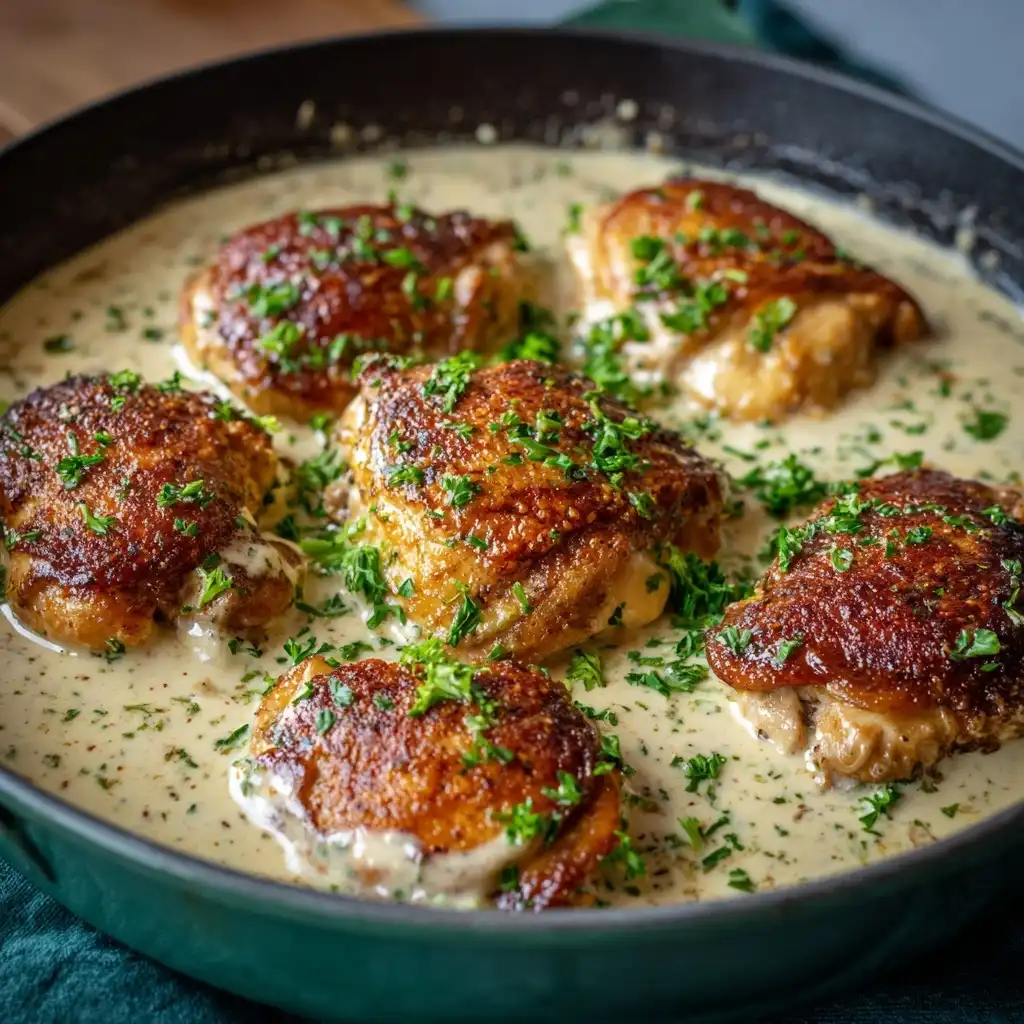
Garlic Butter Chicken with Garlic Cream Gravy is a luxurious, restaurant-worthy dish that transforms simple pantry staples into an unforgettable weeknight indulgence. Rich, aromatic, and deeply savory, this recipe centers on tender chicken breasts or thighs seared to golden perfection, then enveloped in a luscious, velvety gravy infused with layers of roasted, sautéed, and raw garlic—each preparation method contributing a distinct nuance to the final flavor profile. The butter adds silkiness and depth, while the cream lends body and balance, tempering garlic’s sharpness without dulling its brilliance. Whether served over creamy mashed potatoes, buttered egg noodles, steamed jasmine rice, or alongside roasted vegetables, this dish delivers comfort with sophistication—elegant enough for date night yet approachable enough for beginner cooks willing to embrace the magic of properly browned butter and well-layered aromatics.
The History
While no single documented origin traces the exact birth of “Garlic Butter Chicken with Garlic Cream Gravy,” its roots are deeply embedded in the culinary crossroads of French, Italian, and American home cooking traditions. Classic French techniques—such as fond building, pan deglazing with white wine or stock, and finishing sauces with cold butter (monter au beurre)—form the structural backbone. Italian influences shine through the generous use of fresh garlic and herb accents, echoing dishes like pollo al burro e aglio. Meanwhile, the American adaptation embraced convenience and richness: heavy cream replaced traditional liaison methods (like egg yolks or flour roux) for foolproof thickening, and the emphasis shifted toward bold, accessible flavors ideal for family dinners. Garlic itself has been revered for millennia—not just for its pungent bite but also its medicinal properties—making its culinary prominence across Eurasia inevitable. By the mid-20th century, as refrigerated butter, pasteurized cream, and reliable stovetop control became household norms, recipes blending garlic, butter, and cream proliferated in American women’s magazines, community cookbooks, and later, early food television. Today, this dish stands as a beloved modern classic—a testament to how technique, tradition, and taste converge when humble ingredients are treated with intention and care.
Ingredients Breakdown
Understanding each ingredient’s role elevates both execution and appreciation:
- Chicken Breast or Thighs: Boneless, skinless chicken breasts offer lean tenderness; thighs provide superior juiciness and forgiving texture due to higher fat content. Uniform thickness ensures even cooking—consider pounding breasts to ½-inch thickness.
- Unsalted Butter: Used in two stages—first for searing (high smoke point clarified portion), then for finishing the sauce (cold, cubed butter imparts gloss and emulsified richness). Unsalted butter allows precise sodium control.
- Fresh Garlic: The soul of the dish. Multiple preparations maximize complexity: minced garlic for immediate aroma, smashed cloves for slow-infused depth in melted butter, and a final sprinkle of finely grated raw garlic for bright, piquant finish.
- All-Purpose Flour: A light dusting on chicken creates a golden crust and aids in fond formation; a small amount whisked into warm stock prevents lumps and provides gentle thickening without heaviness.
- Dry White Wine (e.g., Sauvignon Blanc or Pinot Grigio): Adds acidity, fruitiness, and complexity. It lifts the fond, balances fat, and evaporates cleanly—leaving only nuanced flavor. Substitute with additional low-sodium chicken stock if avoiding alcohol.
- Low-Sodium Chicken Stock: Provides savory umami foundation. Homemade stock yields unparalleled depth; high-quality store-bought (preferably collagen-rich bone broth) works beautifully. Avoid overly salty brands to maintain seasoning control.
- Heavy Cream (36–40% fat): Essential for the gravy’s luxurious mouthfeel and stability. Lower-fat alternatives (half-and-half, whole milk) risk curdling and produce a thin, watery sauce. Cold cream added gradually prevents thermal shock.
- Fresh Herbs: Parsley offers grassy freshness and visual appeal; thyme contributes earthy, floral notes that harmonize with garlic and poultry. Optional additions include chives for mild onion essence or tarragon for subtle anise lift.
- Lemon Juice (freshly squeezed): A critical balancing agent—added at the very end to brighten richness, lift heaviness, and unify all flavors without tasting “lemony.”
- Sea Salt & Freshly Ground Black Pepper: Salting chicken at least 15 minutes ahead enhances moisture retention and seasoning penetration. Coarse sea salt and cracked black pepper provide textural contrast and volatile aromatic oils.
Step-by-Step Recipe
- Prep & Season: Pat chicken dry thoroughly with paper towels. Place on a cutting board and, using a sharp chef’s knife, slice each breast horizontally into two even cutlets (or leave thighs whole). Pound gently between parchment to ½-inch uniform thickness. Season both sides generously with salt and pepper. Let rest at room temperature for 15–20 minutes.
- Infuse Garlic Butter: In a large stainless steel or enameled cast-iron skillet, melt 3 tablespoons unsalted butter over medium-low heat. Add 4 smashed garlic cloves and 1 sprig fresh thyme. Gently sizzle for 4–5 minutes until butter turns pale gold and garlic is fragrant and soft—but not browned. Remove from heat; fish out garlic and thyme. Reserve infused butter and set aside.
- Sear the Chicken: Wipe skillet clean. Raise heat to medium-high. Add 1 tablespoon neutral oil (avocado or grapeseed). Once shimmering, place chicken in a single layer without crowding. Sear undisturbed for 4–5 minutes until deeply golden and easily releases. Flip and cook 3–4 more minutes until internal temperature reaches 155°F (68°C) for breasts (165°F/74°C for thighs). Transfer to a clean plate, tent loosely with foil, and rest 5 minutes (juices will redistribute).
- Build the Fond & Aromatics: Reduce heat to medium. Pour off excess oil, leaving ~1 tsp. Add 1 tablespoon reserved garlic butter. Swirl to coat. Add 4–5 minced garlic cloves and ¼ teaspoon red pepper flakes (optional). Sauté 60–90 seconds until fragrant but not burnt.
- Deglaze & Simmer: Carefully pour in ½ cup dry white wine, scraping vigorously with a wooden spoon to lift all browned bits (fond). Simmer 2–3 minutes until reduced by half. Whisk in 1 cup warm low-sodium chicken stock and 1 teaspoon Dijon mustard (for emulsification and subtle tang). Bring to a gentle simmer.
- Thicken & Enrich: In a small bowl, whisk 1 tablespoon all-purpose flour with 2 tablespoons cold stock until smooth. Gradually whisk slurry into simmering liquid. Cook 2 minutes, stirring constantly, until gravy thickens slightly and coats the back of a spoon. Reduce heat to low.
- Finish the Gravy: Whisk in ¾ cup cold heavy cream in a slow, steady stream. Simmer gently (do not boil) for 1 minute. Remove from heat. Whisk in remaining 2 tablespoons cold unsalted butter, one cube at a time, until fully emulsified and glossy. Stir in 1 teaspoon freshly squeezed lemon juice, 2 tablespoons finely chopped fresh parsley, and 1 teaspoon finely grated raw garlic (for brightness).
- Combine & Serve: Return rested chicken to skillet, spooning gravy over each piece. Warm gently for 1–2 minutes—do not reboil. Taste and adjust: more salt? A pinch more lemon? A grind of black pepper? Garnish with extra parsley, lemon zest, or microgreens.
Tips
- Dry Chicken is Non-Negotiable: Excess surface moisture causes steaming instead of searing. Pat aggressively—even twice—with fresh paper towels before seasoning.
- Don’t Crowd the Pan: Overloading drops skillet temperature, leading to gray, soggy chicken. Cook in batches if necessary, wiping the pan between.
- Control Garlic Burn: Garlic burns at 300°F (149°C). Keep minced garlic over medium-low heat and stir constantly after adding to hot fat. If it darkens, discard and start fresh—the bitterness ruins the sauce.
- Warm Stock Prevents Lumps: Cold stock hitting hot flour slurry = gluey clumps. Always warm your stock before mixing with flour or adding to the pan.
- Cold Cream & Butter Are Crucial: Adding cold dairy to hot liquid prevents curdling. Never add cream straight from the fridge to a boiling gravy—reduce heat first.
- Rest Chicken Before Slicing: Cutting too soon releases precious juices. Resting allows muscle fibers to relax and reabsorb moisture.
- Use a Thermometer: Visual cues alone are unreliable. An instant-read thermometer eliminates guesswork—especially vital for chicken breasts.
- Reserve Garlic Infusion: Don’t discard the smashed garlic from step 2! Mash it into a paste and stir into the finished gravy for deep, mellow garlic essence.
- Skillet Choice Matters: Stainless steel or enameled cast iron provides superior fond development vs. nonstick (which inhibits browning).
- Taste & Adjust Relentlessly: Balance is key. If gravy tastes flat, add acid (lemon). If too sharp, add a pinch of sugar. Too salty? A splash of cream or stock dilutes gently.
Variations and Customizations
- Herb-Forward: Swap parsley for 1 tablespoon chopped fresh tarragon + 1 teaspoon chives. Finish with lemon thyme leaves.
- Umami Bomb: Add 1 teaspoon soy sauce or tamari and ½ teaspoon mushroom powder to the stock mixture for deep, savory complexity.
- Spicy Kick: Stir in 1 teaspoon harissa paste or ½ teaspoon chipotle powder with the minced garlic. Top with pickled jalapeños.
- Wine-Free: Replace wine with equal parts apple cider vinegar + stock, or use dry vermouth (still contains alcohol but cooks off similarly).
- Dairy-Free: Use ghee for searing and garlic infusion; substitute full-fat coconut milk (canned, stirred well) for cream; finish with nutritional yeast for “buttery” depth.
- Vegetarian Version: Replace chicken with thick-cut portobello caps or seared cauliflower steaks. Use vegetable stock and increase garlic by 50%.
- Sheet Pan Roast: Toss chicken pieces and halved baby potatoes in garlic butter, roast at 425°F (220°C) for 25 minutes, then make gravy separately and pour over.
- One-Pot Pasta: After making gravy, stir in 8 oz cooked fettuccine or pappardelle and ¼ cup grated Parmesan for a complete meal.
- Grill Variation: Grill chicken over indirect heat; make gravy on the stovetop. Brush grilled chicken with garlic butter before serving.
- Kid-Friendly Mild: Omit raw garlic garnish and red pepper flakes; double the butter infusion; add 1 tablespoon cream cheese for extra mild richness.
Health Considerations and Nutritional Value
Per serving (one 6-oz chicken breast + ½ cup gravy, made with breast meat, 3 tbsp butter, ¾ cup heavy cream, no wine substitution):
- Calories: ~620 kcal
- Protein: ~42g (excellent source; supports muscle maintenance and satiety)
- Total Fat: ~44g (of which ~24g saturated; primarily from butter and cream)
- Carbohydrates: ~3g (negligible; naturally low-carb and keto-friendly)
- Sodium: ~480mg (moderate; highly controllable by using low-sodium stock and limiting added salt)
- Vitamin B6 & B12: Abundant from chicken—critical for energy metabolism and nervous system health.
- Selenium: One serving provides >100% DV—powerful antioxidant supporting thyroid function and DNA repair.
- Allicin Precursors: Raw and lightly cooked garlic deliver organosulfur compounds linked to cardiovascular support and anti-inflammatory effects.
Considerations: While rich, this dish fits within balanced diets when portioned mindfully. To reduce saturated fat: use half butter/half olive oil for searing, substitute half the cream with evaporated milk, or opt for chicken thighs (higher in heart-healthy monounsaturated fats). For lower sodium: rinse canned stocks, avoid pre-salted seasonings, and rely on herbs, citrus, and garlic for flavor. Those with lactose sensitivity may tolerate small amounts of butter and cream (low-lactose), but dairy-free versions (coconut milk + ghee) offer full inclusivity. Not suitable for strict vegans or those with severe dairy allergies unless fully substituted.
Ingredients
- 2 (6–8 oz) boneless, skinless chicken breasts or 4 boneless, skinless chicken thighs
- 6 tablespoons unsalted butter, divided
- 8–10 large garlic cloves, separated into multiple prep styles: 4 smashed (skins on), 4 minced, 1 finely grated (raw)
- 1 tablespoon neutral high-heat oil (avocado, grapeseed, or refined coconut)
- ½ teaspoon fine sea salt (plus more to taste)
- 1 teaspoon freshly ground black pepper (plus more to taste)
- 2 tablespoons all-purpose flour
- ½ cup dry white wine (Sauvignon Blanc, Pinot Grigio, or dry vermouth)
- 1 cup low-sodium chicken stock (warm)
- 1 teaspoon Dijon mustard
- ¾ cup cold heavy cream (36–40% fat)
- 2 tablespoons fresh parsley, finely chopped
- 1 teaspoon freshly squeezed lemon juice
- 1 small sprig fresh thyme (optional, for infusion)
- ¼ teaspoon red pepper flakes (optional)
Directions
- Prep Chicken: Slice breasts horizontally into even cutlets. Pound to ½-inch thickness. Season both sides with salt and pepper. Rest 15 minutes at room temperature.
- Infuse Butter: In a skillet, melt 3 tbsp butter over medium-low. Add 4 smashed garlic cloves and thyme. Sizzle 4–5 min until fragrant and butter is pale gold. Remove garlic/thyme; reserve butter.
- Sear Chicken: Heat oil in same skillet over medium-high. Sear chicken 4–5 min per side until golden and 155°F (breasts) or 165°F (thighs). Rest 5 min tented.
- Sauté Aromatics: Reduce heat to medium. Add 1 tbsp reserved garlic butter. Stir in minced garlic and red pepper flakes; cook 60–90 sec.
- Deglaze: Pour in wine, scrape fond. Simmer 2–3 min until reduced by half.
- Add Stock & Mustard: Whisk in warm stock and Dijon. Simmer gently 2 min.
- Thicken: Whisk flour into 2 tbsp cold stock until smooth. Whisk slurry into pan. Cook 2 min, stirring, until slightly thickened.
- Enrich: Reduce heat to low. Whisk in cold cream slowly. Simmer 1 min (do not boil).
- Finish: Off heat, whisk in remaining 2 tbsp cold butter, lemon juice, parsley, and raw grated garlic.
- Combine: Return chicken to pan, spoon gravy over. Warm 1–2 min. Taste, adjust seasoning. Serve immediately.
FAQ
- Can I make this ahead?
- Yes—with caveats. Cook chicken and make gravy separately up to 2 days ahead. Store covered in fridge. Reheat chicken gently in gravy over low heat (do not boil) to prevent dryness. For best texture, sear chicken fresh and make gravy just before serving.
- Why does my gravy break or look greasy?
- Common causes: boiling after adding cream (causes fat separation), adding cold cream to very hot liquid (thermal shock), or insufficient emulsification (not whisking butter in gradually off heat). Fix by removing from heat, whisking vigorously, or blending briefly with an immersion blender.
- Can I freeze Garlic Butter Chicken with Gravy?
- Gravy with cream doesn’t freeze well—it often separates and becomes grainy upon thawing/reheating. Freeze plain cooked chicken only. Make fresh gravy when ready to serve.
- What’s the best side dish?
- Classic pairings include creamy mashed potatoes (soaks up gravy), buttered wide egg noodles, parmesan polenta, roasted carrots & Brussels sprouts, or crusty artisan bread for dipping.
- My garlic tastes bitter—what went wrong?
- Bitterness signals burnt garlic. Minced garlic must be cooked over medium-low heat for under 90 seconds. Smashed garlic for infusion should sizzle gently—not fry or brown. Always remove burnt bits before proceeding.
- Can I use garlic powder instead of fresh?
- Not recommended. Garlic powder lacks enzymatic complexity and can taste dusty or metallic. For emergency substitutions, use ¼ tsp powder per clove—but expect diminished depth and brightness.
- Is there a gluten-free version?
- Absolutely. Replace all-purpose flour with 1 tablespoon cornstarch or arrowroot powder mixed with 2 tbsp cold stock. Ensure certified GF stock and wine.
- How do I keep chicken from drying out?
- Key steps: pound evenly, don’t overcook (pull at 155°F for breasts), rest before slicing, and baste with gravy during final warming. Brining (30 min in 4 cups water + 2 tbsp salt) adds insurance.
- Can I air-fry the chicken?
- Yes! Air-fry at 375°F (190°C) for 12–14 minutes, flipping halfway, until 155–165°F. Proceed with stovetop gravy. Note: You’ll miss fond, so boost flavor with extra garlic and umami (soy/tamari).
- What wine pairs best with this dish?
- A crisp, high-acid white complements the richness: unoaked Chardonnay, Vermentino, or Albariño. For red lovers, try a light-bodied Pinot Noir with low tannins and bright red fruit.
Summary
Garlic Butter Chicken with Garlic Cream Gravy is a masterclass in layered garlic expression—melding roasted, sautéed, and raw notes into a sumptuous, velvety sauce that elevates simply seared chicken into an elegant, deeply satisfying centerpiece.
With meticulous attention to temperature control, ingredient quality, and thoughtful layering of aromatics, this dish proves that extraordinary flavor requires neither exotic ingredients nor advanced technique—just respect for fundamentals and a love for garlic in all its glorious forms.