Introduction
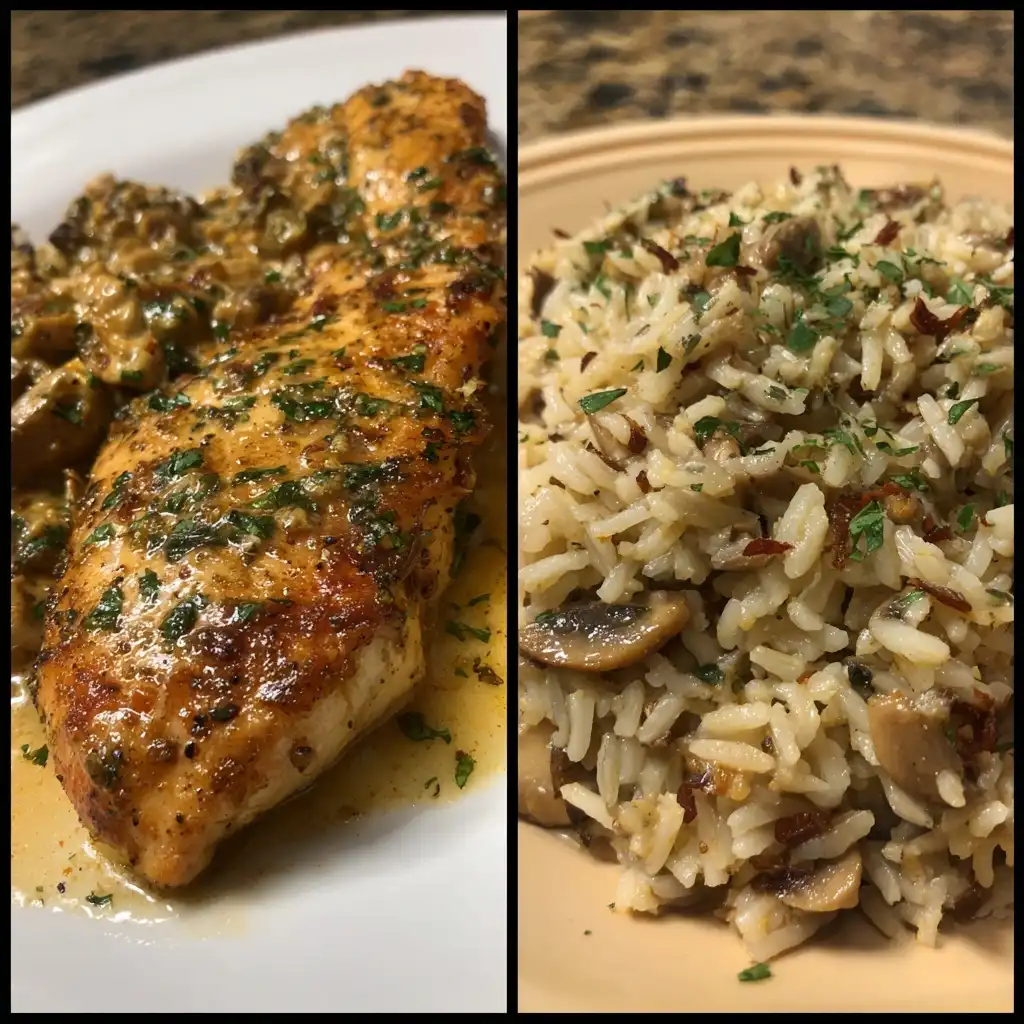
Garlic Butter Chicken and Wild Rice is a timeless, restaurant-worthy comfort dish that marries tender, herb-infused chicken with nutty, chewy wild rice in a luxuriously rich, aromatic garlic-butter sauce. Unlike standard white rice dishes, this recipe elevates everyday ingredients into an elegant yet approachable weeknight meal—perfect for impressing guests or treating yourself to something deeply satisfying without requiring advanced culinary skills. Its harmonious blend of savory umami, sweet caramelized garlic, earthy whole grains, and creamy butter creates a multi-layered sensory experience that lingers long after the last bite. Whether served in a cozy family dinner setting or plated elegantly for a special occasion, this dish embodies rustic sophistication: hearty enough to satisfy, refined enough to delight.
The History
The origins of Garlic Butter Chicken trace back to mid-20th-century American home cooking, where pan-searing chicken breasts in butter and aromatics became a staple technique inspired by French à la meunière and Italian pollo al burro. Chefs and home cooks alike embraced garlic butter as a versatile, flavorful foundation—simple, affordable, and endlessly adaptable. Wild rice, however, has far older and more culturally significant roots: it is not rice at all, but the edible seed of Zizania palustris, a native North American aquatic grass traditionally harvested by Anishinaabe, Ojibwe, and other Indigenous peoples of the Great Lakes region for over 1,500 years. Known as “manoomin” (meaning “good berry” or “good seed”), wild rice was gathered by hand from canoes using wooden knockers—a sacred, sustainable practice passed down through generations. When European settlers adopted wild rice in the early 1900s—and later when commercial cultivation began in Minnesota and California in the 1950s—the grain gained national prominence. The fusion of garlic butter chicken with wild rice emerged organically in the 1970s–80s as health-conscious home cooks sought nutrient-dense, whole-grain alternatives to white rice, while chefs experimented with regional American ingredients. Today, this pairing honors both culinary tradition and Indigenous food sovereignty—celebrating flavor, heritage, and mindful eating in one cohesive, soul-nourishing dish.
Ingredients Breakdown
Every ingredient in Garlic Butter Chicken and Wild Rice plays a precise, intentional role—not just for taste, but for texture, aroma, mouthfeel, and nutritional synergy:
- Chicken Breasts (boneless, skinless): Chosen for their lean protein density and ability to absorb marinade and pan-seared flavor. Opt for air-chilled, antibiotic-free, or pasture-raised for superior tenderness and ethical sourcing.
- Wild Rice Blend: A mix of true wild rice (dark, long, and chewy) with brown rice, black rice, or red rice adds complexity in color, texture, and phytonutrient profile. True wild rice contributes robust, smoky-earthy notes and high levels of zinc, magnesium, and B vitamins; complementary grains ensure consistent cooking and creamier mouthfeel.
- Unsalted Butter: Provides richness, gloss, and emulsifying power. Using unsalted butter allows precise sodium control and highlights the natural sweetness of slowly cooked garlic.
- Fresh Garlic (minced or pressed): The aromatic heart of the dish. Fresh cloves contain allicin—the potent sulfur compound responsible for garlic’s immune-supportive and anti-inflammatory properties—as well as its signature pungency that mellows beautifully when sautéed in butter.
- Dry White Wine (e.g., Sauvignon Blanc or Pinot Grigio): Adds bright acidity and depth, deglazing the fond while lifting flavors without overpowering. Alcohol fully evaporates during simmering, leaving only nuanced fruitiness and structure.
- Low-Sodium Chicken Broth: Enhances savoriness (umami) and carries herbs throughout the sauce. Homemade broth—simmered with roasted bones, mirepoix, and herbs—is ideal for collagen, gelatin, and mineral content.
- Fresh Herbs (thyme, rosemary, parsley): Thyme offers subtle minty-earthy warmth; rosemary contributes pine-like intensity (use sparingly); flat-leaf parsley adds fresh, chlorophyll-rich brightness at the finish.
- Lemon Juice & Zest: Lemon juice balances the butter’s richness with vibrant acidity; zest delivers concentrated citrus oils that elevate aroma and cut through fat—both contribute vitamin C and flavonoids.
- Onion & Shallots: Provide foundational sweetness and aromatic base. Shallots add delicate garlicky nuance; yellow onions lend body and depth when caramelized.
- Extra-Virgin Olive Oil: Used for initial searing—its moderate smoke point and polyphenol content support even browning and antioxidant delivery.
- Sea Salt & Freshly Ground Black Pepper: Sea salt enhances natural flavors and aids in moisture retention; freshly cracked pepper activates piperine, boosting nutrient absorption.
- Optional Umami Boosters: A splash of tamari or a small piece of kombu added to the rice water deepens savoriness naturally—ideal for gluten-sensitive or plant-forward adaptations.
Step-by-Step Recipe
- Prep & Marinate the Chicken (15–30 minutes): Place 4 (6–ounce) boneless, skinless chicken breasts between two sheets of parchment paper and gently pound to ½-inch even thickness using a meat mallet or rolling pin. In a shallow dish, combine 2 tbsp olive oil, 2 minced garlic cloves, 1 tsp chopped fresh thyme, ½ tsp lemon zest, ½ tsp sea salt, and ¼ tsp black pepper. Add chicken and turn to coat. Let marinate at room temperature for 15 minutes (or refrigerate up to 2 hours).
- Toast & Cook the Wild Rice (45–55 minutes): Rinse 1 cup high-quality wild rice blend under cold water. In a heavy-bottomed saucepan, toast rice over medium heat for 3–4 minutes until fragrant and lightly golden. Add 3 cups low-sodium chicken broth (or vegetable broth), 1 bay leaf, and ½ tsp salt. Bring to a boil, reduce heat to low, cover tightly, and simmer for 45 minutes. Turn off heat and let steam, covered, for 10 minutes. Fluff with a fork, discard bay leaf, and stir in 1 tbsp butter and 1 tbsp chopped parsley. Keep warm.
- Sear the Chicken (6–8 minutes): Heat 1 tbsp olive oil in a large stainless steel or cast-iron skillet over medium-high heat until shimmering. Pat chicken dry with paper towels—this ensures golden crust. Place chicken in skillet without crowding; cook undisturbed for 4–5 minutes until deeply golden and easily releases from pan. Flip and cook 2–3 minutes more until internal temperature reaches 160°F (it will rise to 165°F while resting). Transfer to a clean plate, tent loosely with foil, and rest 5 minutes.
- Build the Garlic Butter Sauce (5–7 minutes): In same skillet (reduce heat to medium-low), melt 4 tbsp unsalted butter. Add 1 finely diced shallot and ½ small yellow onion (finely diced); sauté 3 minutes until translucent. Stir in 6–8 garlic cloves (minced or pressed) and 1 tsp fresh rosemary (finely chopped); cook 1 minute until fragrant—but do not brown garlic. Deglaze with ½ cup dry white wine, scraping up all browned bits with a wooden spoon. Simmer 2 minutes until reduced by half. Stir in ½ cup warm chicken broth, 1 tsp lemon juice, and optional 1 tsp tamari. Simmer gently 3 minutes until slightly thickened and glossy.
- Finish & Combine (2 minutes): Return rested chicken to skillet, spooning sauce over each piece. Simmer gently 1–2 minutes to reheat and infuse. Remove chicken to serving platter. Increase heat to medium-high; bubble sauce 30–60 seconds to concentrate flavor. Swirl in 1 tbsp cold butter for silkiness and sheen. Stir in 2 tbsp fresh parsley and additional lemon zest. Taste and adjust seasoning with flaky sea salt and cracked pepper.
- Plate & Serve: Spoon generous portions of wild rice into wide, shallow bowls. Top with chicken, then ladle abundant garlic butter sauce over both. Garnish with lemon wedges, extra parsley, microgreens, and a final drizzle of high-quality olive oil or truffle oil (optional).
Tips
- Pound Evenly, Not Thinly: Over-pounding leads to dryness. Aim for ½-inch uniform thickness—this ensures rapid, even cooking without overcooking edges before centers are done.
- Rest the Chicken: Resting redistributes juices. Skipping this step causes up to 30% moisture loss when sliced.
- Use Cold Butter for Emulsification: Adding chilled butter at the end stabilizes the sauce, preventing separation and creating a velvety, restaurant-quality texture.
- Control Garlic Heat: Garlic burns at 300°F—keep heat at medium-low when sautéing and stir constantly. For deeper flavor without bitterness, blanch whole cloves in boiling water for 60 seconds before mincing.
- Toast the Rice First: Dry-toasting wild rice unlocks nutty, toasty notes and improves water absorption—resulting in plumper, more flavorful grains.
- Simmer Covered, Steam Undisturbed: Trapped steam finishes cooking the rice perfectly. Lifting the lid prematurely releases steam and risks gummy or undercooked kernels.
- Acid Last, Always: Add lemon juice or vinegar at the very end—heat degrades volatile citrus oils and dulls brightness.
- Sauce Thickness Hack: If sauce is too thin, simmer uncovered 1–2 minutes longer. If too thick, whisk in warm broth, 1 tsp at a time, until desired consistency.
- Make-Ahead Friendly: Cook wild rice up to 3 days ahead; store chilled in airtight container. Reheat gently with a splash of broth. Chicken can be marinated overnight—but sear fresh for best texture.
- Skillet Choice Matters: Stainless steel gives superior fond (browned bits) for deglazing; cast iron retains heat evenly; nonstick prevents sticking but yields less fond—compensate with a splash of soy sauce or mushroom powder for umami.
Variations and Customizations
This recipe is inherently flexible—designed to adapt to dietary needs, seasonal produce, pantry availability, and personal taste preferences—without compromising integrity or satisfaction:
- Protein Variations: Swap chicken for boneless turkey cutlets, pan-seared salmon fillets (reduce cook time, add dill), grass-fed beef medallions, or marinated tempeh/extra-firm tofu (press thoroughly and pan-fry until crisp before adding sauce).
- Gluten-Free Adaptation: Naturally GF—just verify broth and tamari labels. For thickening, use ½ tsp xanthan gum whisked into cold broth before adding—or 1 tsp arrowroot slurry (arrowroot + water).
- Dairy-Free / Vegan Option: Replace butter with cultured vegan butter (e.g., Miyoko’s) or refined coconut oil; use full-fat coconut milk instead of broth for richness; top with toasted cashews and lime instead of lemon.
- Herb & Spice Twists: Try tarragon + Dijon mustard for a French twist; smoked paprika + cumin for Southwest flair; garam masala + ginger for Indian-inspired depth; or orange zest + star anise for an Asian-tinged variation.
- Vegetable Add-Ins: Sauté 1 cup diced mushrooms (cremini or oyster) with shallots for umami depth; fold in ½ cup baby spinach at the end; roast seasonal vegetables (asparagus, cherry tomatoes, zucchini) and serve alongside.
- Grain Substitutions: Use farro, freekeh, or barley for chewy, fiber-rich alternatives; quinoa for faster cooking (15 minutes) and complete protein; or cauliflower “rice” for low-carb adaptation (sauté separately in olive oil and garlic).
- Wine-Free Version: Substitute ¼ cup apple cider vinegar + ¼ cup grape juice (unsweetened) + 2 tbsp water—or use additional broth with 1 tsp white miso paste for fermented depth.
- One-Pan / Sheet Pan Version: Arrange seasoned chicken and pre-rinsed wild rice on a rimmed sheet pan. Drizzle with olive oil, herbs, garlic, lemon, and broth. Roast at 375°F for 45–50 minutes, stirring halfway—minimal cleanup, maximum flavor.
- Meal Prep / Freezer-Friendly: Assemble uncooked chicken + marinade in freezer bags (up to 3 months). Cook rice fresh or freeze portioned, cooled rice (up to 6 months). Reheat sauce components separately for best texture.
- Kid-Friendly Tweaks: Reduce garlic by half; omit rosemary; add 1 tbsp honey or maple syrup to sauce for gentle sweetness; serve with mild steamed broccoli and whole-grain dinner rolls.
Health Considerations and Nutritional Value
A single serving (one 6-oz chicken breast + ¾ cup cooked wild rice blend + 2 tbsp sauce) delivers exceptional macro- and micronutrient density with thoughtful balance:
- Protein Powerhouse: ~42g high-biological-value protein supports muscle synthesis, satiety, and metabolic function. Chicken provides all nine essential amino acids; wild rice adds complementary plant-based protein (~3g per ½ cup cooked).
- Fiber-Rich Whole Grains: Wild rice contains ~3g dietary fiber per ½ cup—nearly double that of brown rice—with prebiotic-resistant starches that feed beneficial gut bacteria and stabilize blood sugar.
- Heart-Healthy Fats: Butter contributes conjugated linoleic acid (CLA) and fat-soluble vitamins (A, D, E, K2); olive oil supplies monounsaturated fats and polyphenols linked to reduced inflammation and arterial protection.
- Antioxidant & Phytonutrient Density: Garlic offers allicin and selenium; lemon provides vitamin C and limonene; rosemary contains carnosic acid (a neuroprotective antioxidant); wild rice boasts anthocyanins (especially in black/red blends) and gamma-oryzanol for cholesterol modulation.
- Mineral-Rich Profile: Excellent source of zinc (immune support), magnesium (nerve/muscle function), manganese (bone health), and B vitamins (energy metabolism)—particularly B6 from chicken and B3/B1 from wild rice.
- Glycemic Considerations: With a low glycemic load (~12), this dish supports steady glucose response—ideal for prediabetes, insulin resistance, or sustained energy needs. Pair with non-starchy vegetables to further lower overall meal GI.
- Sodium Awareness: Using low-sodium broth and unsalted butter keeps total sodium ~480mg per serving—well within AHA guidelines (<1,500–2,300 mg/day). Add flaky salt only at table for full control.
- Digestive Support: Garlic and lemon stimulate bile production and digestive enzyme activity; wild rice’s insoluble fiber promotes regularity; slow-cooked shallots offer prebiotic fructans.
- Considerations for Specific Diets: Naturally low-FODMAP if garlic-infused oil is used instead of raw garlic (for IBS); keto-friendly if wild rice is replaced with cauliflower rice and butter increased; paleo-compliant with ghee instead of butter and no grains (substitute mashed parsnips or roasted rutabaga).
- Mindful Eating Alignment: This recipe emphasizes whole, minimally processed foods, respects Indigenous foodways, encourages seasonal herb use, and invites presence during preparation—supporting not just physical, but emotional and cultural nourishment.
Ingredients
- 4 boneless, skinless chicken breasts (about 6 oz each)
- 2 tbsp extra-virgin olive oil, divided
- 1 tsp lemon zest (from 1 organic lemon)
- 2 tbsp fresh lemon juice (from same lemon)
- 2 tsp fresh thyme leaves, finely chopped (plus extra for garnish)
- 1 tsp fresh rosemary, finely chopped
- 2 garlic cloves, minced (for marinade)
- 1 tsp sea salt, divided
- ½ tsp freshly ground black pepper, divided
- 1 cup high-quality wild rice blend (look for mix containing true wild rice, brown rice, black rice)
- 3 cups low-sodium chicken broth (or vegetable broth)
- 1 bay leaf
- 4 tbsp unsalted butter, divided
- 1 small yellow onion, finely diced
- 1 large shallot, finely diced
- 6–8 garlic cloves, minced (for sauce)
- ½ cup dry white wine (e.g., Sauvignon Blanc)
- 2 tbsp fresh flat-leaf parsley, finely chopped (plus extra for garnish)
- Lemon wedges, for serving
- Flaky sea salt and freshly cracked black pepper, for finishing
- Optional: 1 tsp tamari or coconut aminos, 1 tsp honey, 1 tbsp grated Parmesan (for garnish)
Directions
- Place chicken breasts between two sheets of parchment paper or plastic wrap. Using a meat mallet or heavy skillet, gently pound to an even ½-inch thickness. Transfer to a shallow dish.
- In a small bowl, whisk together 1 tbsp olive oil, lemon zest, 1 garlic clove (minced), 1 tsp thyme, ½ tsp salt, and ¼ tsp black pepper. Pour over chicken, turning to coat evenly. Let marinate at room temperature 15 minutes (or refrigerate up to 2 hours).
- Rinse wild rice blend thoroughly in a fine-mesh strainer. In a medium heavy-bottomed saucepan, heat remaining 1 tbsp olive oil over medium heat. Add rice and toast, stirring constantly, for 3–4 minutes until fragrant and lightly golden.
- Add broth, bay leaf, and remaining ½ tsp salt. Bring to a vigorous boil. Reduce heat to low, cover tightly, and simmer for 45 minutes—do not lift lid. Turn off heat and let steam, covered, for 10 minutes. Remove bay leaf, fluff with a fork, and stir in 1 tbsp butter and 1 tbsp parsley. Cover and keep warm.
- Heat a large stainless steel or cast-iron skillet over medium-high heat. Pat chicken very dry with paper towels. Add 1 tsp olive oil (if needed) and sear chicken 4–5 minutes per side until golden and internal temperature reaches 160°F. Transfer to a plate, tent with foil, and rest 5 minutes.
- Reduce skillet heat to medium-low. Add 3 tbsp butter. Once melted, add onion and shallot; sauté 3 minutes until soft. Stir in 6–8 garlic cloves and rosemary; cook 1 minute until fragrant.
- Pour in white wine, scraping up all browned bits with a wooden spoon. Simmer 2 minutes until reduced by half. Stir in remaining ½ cup warm broth, lemon juice, and optional tamari. Simmer gently 3 minutes until slightly thickened.
- Return rested chicken to skillet, spooning sauce over each piece. Simmer gently 1–2 minutes to reheat.
- Remove chicken to serving platter. Increase heat to medium-high; boil sauce 30–60 seconds. Whisk in remaining 1 tbsp cold butter until glossy and emulsified. Stir in remaining parsley and additional lemon zest.
- Spoon warm wild rice into bowls. Top with chicken, then generously ladle sauce over both. Garnish with lemon wedges, extra parsley, thyme, flaky salt, and black pepper. Serve immediately.
FAQ
- Can I use pre-cooked or instant wild rice?
- For optimal texture and flavor, we strongly recommend cooking wild rice from scratch—it’s irreplaceable in its chewy, nutty character and nutritional integrity. Instant or quick-cook versions are heavily processed, often stripped of bran and nutrients, and lack depth. If time is critical, parboil wild rice the night before (cook 25 minutes, chill), then finish with 15 minutes’ simmer the next day.
- Why does my garlic butter sauce break or separate?
- Sauce separation usually occurs from overheating, insufficient emulsification, or adding cold butter too quickly. To prevent: keep sauce at gentle simmer (not boil) when incorporating butter; whisk constantly; add cold butter one tablespoon at a time, waiting for each to fully incorporate before adding the next; and never let garlic burn—it destabilizes emulsions.
- Is wild rice actually rice?
- No—it’s the seed of an aquatic grass native to North America (Zizania palustris). True wild rice is hand-harvested and significantly more expensive than cultivated “wild rice,” which is often a blend including brown or black rice. Look for “hand-harvested” or “lake-grown” labels for authentic, sustainable product.
- How do I store and reheat leftovers?
- Store chicken and sauce together, and rice separately, in airtight containers in the refrigerator for up to 4 days. Reheat chicken/sauce gently in a skillet over low heat with a splash of broth to refresh moisture. Reheat rice with 1 tsp broth or water in microwave (covered) or stovetop (stirring frequently). Do not freeze sauce—it may separate upon thawing; freeze plain chicken and cooked rice instead.
- Can I make this dairy-free without sacrificing richness?
- Absolutely. Use high-fat, cultured vegan butter (like Miyoko’s or Melt Organic) for best mouthfeel and browning. For extra silkiness, stir in 1 tsp cold-pressed avocado oil at the end. Coconut milk (full-fat, canned) can replace part of the broth for luxurious depth—just balance with extra lemon to cut richness.
- What wine pairs best with this dish?
- A crisp, mineral-driven white like Chablis, Albariño, or Grüner Veltliner complements the garlic butter without overwhelming it. For red lovers, choose a lighter-bodied, low-tannin option like Pinot Noir or Gamay—chilled slightly—to match the dish’s elegance and avoid clashing with the lemon.
- My wild rice turned out mushy—what went wrong?
- Mushy wild rice usually results from overcooking, lifting the lid too soon (releasing steam), or using too much liquid. Always rinse rice first to remove excess starch; use a tight-fitting lid; resist peeking; and allow full 10-minute steam rest—it finishes cooking internally without added water.
- Can I cook the chicken and rice entirely in one pot?
- Yes—with caveats. Use a heavy Dutch oven: sear chicken, remove; sauté aromatics; add rinsed rice, broth, herbs, and ½ cup wine; nestle chicken on top; cover and bake at 375°F for 45–50 minutes. However, you’ll lose the deep fond and complex sauce reduction—so finish with a separate pan sauce for maximum impact.
- Is this dish suitable for pregnancy or postpartum recovery?
- Yes—especially when prepared with organic, hormone-free chicken and low-mercury broth. It’s rich in iron (from dark meat options or liver-enhanced broth), B12, choline (critical for fetal brain development), and zinc. Garlic supports immune resilience; lemon aids iron absorption. Always consult your healthcare provider for personalized guidance.
- How can I boost the protein for athletes or active lifestyles?
- Add ¼ cup toasted pumpkin seeds or hemp hearts to the finished rice; serve with a side of hard-boiled eggs or Greek yogurt–dill sauce; or include ½ cup cooked lentils folded into the rice before serving. These additions increase plant-based protein, healthy fats, and recovery-supportive magnesium and zinc.
Summary
Garlic Butter Chicken and Wild Rice is a masterclass in balanced, soul-satisfying cooking—where centuries-old Indigenous grain wisdom meets classic French technique, elevated by vibrant, health-forward ingredients and modern nutritional science. It delivers restaurant-caliber flavor and texture with accessible steps, endless customization, and profound nourishment—honoring land, tradition, and well-being in every golden-brown bite.
Whether you’re seeking a comforting family staple, an elegant dinner party centerpiece, or a nutrient-dense meal aligned with functional health goals, this dish stands as a testament to what’s possible when simplicity, respect for ingredients, and mindful preparation converge on the plate.