Introduction
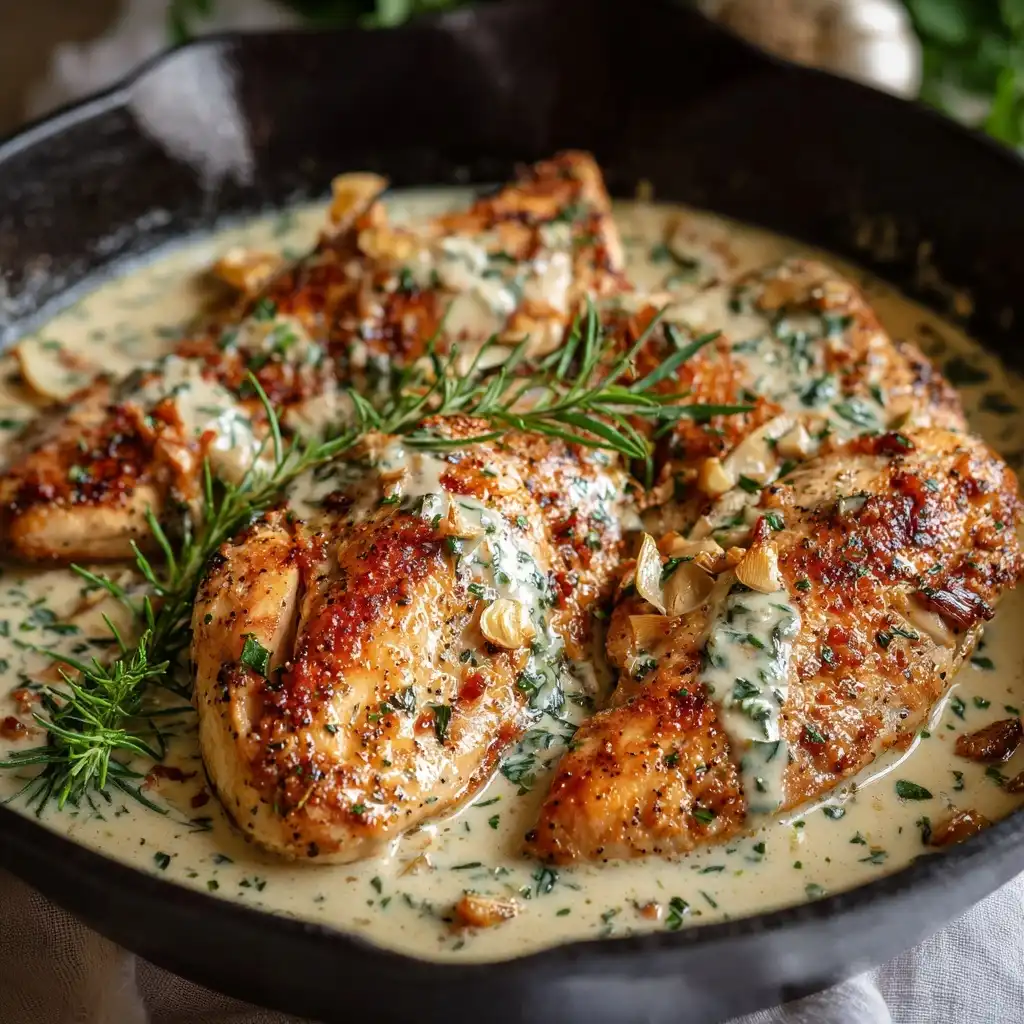
Garlic Butter Chicken with Creamy Tuscan Sauce is a restaurant-worthy, weeknight-elevating dish that marries the bold, aromatic richness of browned garlic and golden butter with the velvety elegance of a herb-infused, parmesan-kissed Tuscan-style cream sauce. This dish delivers an irresistible balance—crispy-edged, tender chicken breasts or thighs enveloped in a luxuriously smooth, savory-sweet sauce punctuated by sun-dried tomatoes, fresh spinach, and fragrant herbs. Whether served over al dente pasta, creamy polenta, roasted potatoes, or even as a low-carb delight alongside steamed vegetables, it satisfies deeply without demanding hours in the kitchen. Its versatility, crowd-pleasing flavor profile, and comforting warmth make it a beloved staple for family dinners, date nights, and casual entertaining alike.
The History
While “Garlic Butter Chicken” has roots in classic French poulet à la provençale and American bistro traditions—where pan-searing chicken in butter and aromatics became a hallmark—the “Creamy Tuscan Sauce” component draws inspiration from central Italy’s rustic, dairy-forward regional cooking. Tuscany itself traditionally favors olive oil over butter and rarely uses heavy cream (relying instead on panna da cucina or reduced whole milk in modern adaptations), but the globally popular “Tuscan” sauce emerged in the late 20th century through Italian-American fusion kitchens and contemporary food media. Chefs and home cooks began blending Tuscan hallmarks—sun-dried tomatoes, basil, oregano, garlic, and Parmigiano-Reggiano—with the indulgent texture of cream and butter to create a universally approachable, rich, and herbaceous sauce. The marriage of these two culinary ideas—American-style garlic-butter seared chicken and Italian-American creamy Tuscan sauce—solidified in the early 2000s via food blogs, cable cooking shows, and viral recipe platforms, evolving into the now-iconic, globally recognized dish we celebrate today.
Ingredients Breakdown
Every element in Garlic Butter Chicken with Creamy Tuscan Sauce plays a deliberate role in building layers of flavor, texture, and aroma:
- Chicken: Boneless, skinless chicken breasts (for lean tenderness) or thighs (for deeper flavor and forgiving moisture retention). Pounded to even thickness ensures uniform cooking and maximum surface area for browning.
- Garlic: Fresh, minced or finely grated—never powdered. Raw garlic mellows and sweetens when gently cooked in butter; overcooking causes bitterness, so timing is essential.
- Unsalted Butter: Provides luxurious mouthfeel, nutty depth when browned slightly, and emulsifies the sauce. Unsalted allows precise sodium control.
- Dry White Wine (e.g., Sauvignon Blanc or Pinot Grigio): Adds brightness and acidity to cut richness, deglazes the fond, and enhances umami. Substitute with low-sodium chicken broth + 1 tsp lemon juice if avoiding alcohol.
- Heavy Cream (36–40% fat): Delivers silkiness, body, and stability. Lower-fat alternatives like half-and-half or whole milk may curdle or yield a thin, watery sauce—unless thickened carefully with a roux or cornstarch slurry.
- Fresh Spinach: Adds color, earthy sweetness, and nutritional density. Baby spinach wilts quickly and integrates seamlessly; mature spinach requires longer cooking and stem removal.
- Sun-Dried Tomatoes (oil-packed): Concentrated sweetness, chewy texture, and tangy umami. Oil-packed varieties contribute extra flavor and richness; pat dry before chopping to avoid greasiness.
- Parmigiano-Reggiano: Aged, granular Italian cheese offering salty, nutty, umami complexity. Freshly grated melts smoothly and avoids anti-caking agents found in pre-grated versions.
- Fresh Herbs: Basil adds bright, peppery sweetness; oregano lends Mediterranean warmth; parsley contributes freshness and visual appeal. Dried herbs may be substituted at ⅓ the volume but lack vibrancy.
- Seasonings: Kosher salt and freshly ground black pepper form the foundational seasoning; a pinch of red pepper flakes adds subtle heat (optional but recommended for dimension).
Step-by-Step Recipe
- Prep the Chicken: Place chicken breasts between two sheets of parchment or plastic wrap. Gently pound with a meat mallet or rolling pin to an even ½-inch thickness. Pat thoroughly dry with paper towels—this is critical for achieving a golden sear, not steam.
- Season Generously: Lightly season both sides with kosher salt and black pepper. Optional: dust very lightly with all-purpose flour (½ tsp per breast) to encourage crust formation and aid sauce emulsification later.
- Heat & Sear: In a large stainless steel or cast-iron skillet, melt 1 tbsp unsalted butter with 1 tbsp olive oil over medium-high heat until shimmering (not smoking). Carefully place chicken in the pan without crowding. Cook undisturbed for 5–6 minutes, until deeply golden brown and easily releases from the pan. Flip and cook 4–5 more minutes until internal temperature reaches 160°F (71°C). Transfer to a clean plate, tent loosely with foil, and rest for 5 minutes (carryover cooking will bring it to 165°F/74°C).
- Build the Aromatics: Reduce heat to medium-low. Add remaining 3 tbsp butter. Once melted and foaming subsides, add minced garlic and red pepper flakes. Stir constantly for 30–45 seconds—just until fragrant and pale gold. Do not let garlic brown or burn.
- Deglaze & Reduce: Pour in white wine, scraping vigorously with a wooden spoon to lift all the flavorful browned bits (fond) from the pan bottom. Simmer 2–3 minutes until liquid reduces by half and smells intensely aromatic.
- Incorporate Cream & Cheese: Whisk in heavy cream and simmer gently for 2 minutes, stirring occasionally. Reduce heat to low. Gradually whisk in grated Parmigiano-Reggiano, ¼ cup at a time, allowing each addition to melt fully before adding more. Simmer 1–2 minutes longer until sauce thickens slightly and coats the back of a spoon.
- Add Vegetables & Herbs: Stir in chopped sun-dried tomatoes and fresh spinach in batches, allowing each handful to wilt before adding more. Cook just until spinach is vibrant green and tender—about 1 minute total. Fold in fresh basil and oregano. Taste and adjust seasoning: add salt only if needed (Parmesan and sun-dried tomatoes are naturally salty), freshly cracked black pepper, and a squeeze of lemon juice (½ tsp) for brightness if sauce tastes flat.
- Finish & Serve: Return rested chicken to the skillet, spooning sauce generously over each piece. Let warm gently for 1–2 minutes—do not boil, or cream may separate. Garnish with extra grated Parmigiano-Reggiano, chopped parsley, and a drizzle of high-quality olive oil or reserved sun-dried tomato oil.
Tips
- Don’t Skip the Rest: Allowing chicken to rest after searing locks in juices and prevents dryness when reintroduced to the warm sauce.
- Brown, Don’t Burn Garlic: Garlic burns in seconds. Keep heat at medium-low and stir constantly during this step. If you smell acrid smoke, remove from heat immediately and start over with fresh garlic.
- Use Cold Cream: Adding cold heavy cream to hot liquid helps prevent curdling. Never pour warm cream into a scorching-hot pan—temper it first by whisking in 2 tbsp hot sauce before adding the rest.
- Low & Slow for Emulsion: Cream-based sauces rely on gentle heat and constant whisking to create a stable emulsion. Boiling destabilizes fats and proteins, causing separation.
- Grate Your Own Cheese: Pre-grated cheeses contain cellulose or potato starch to prevent clumping—these additives interfere with melting and can make your sauce grainy or gluey.
- Wine Matters—But It Doesn’t Need to Be Expensive: Choose a dry, acidic white you’d actually drink. Avoid “cooking wine”—its high salt and preservatives ruin delicate balances.
- Acid Is Your Friend: A final touch of lemon juice or white wine vinegar lifts the entire dish, balancing fat and salt. Add it at the very end, tasting as you go.
- Sauce Consistency Control: Too thin? Simmer 1–2 minutes longer. Too thick? Whisk in warm broth or cream, 1 tsp at a time. For gluten-free thickening, mix 1 tsp cornstarch with 1 tbsp cold water and whisk in during the cream stage.
- Make-Ahead Friendly: Sear chicken and prepare sauce base (through deglazing) up to 1 day ahead. Refrigerate separately. Reheat sauce gently, then finish with cream, cheese, spinach, and chicken.
Variations and Customizations
This recipe is wonderfully adaptable to dietary preferences, seasonal produce, pantry constraints, and global flavor twists:
- Protein Swaps: Try boneless pork chops, shrimp (add in last 2 minutes), scallops, firm tofu (pressed & pan-fried), or chickpeas (for vegan version—see below).
- Vegan Version: Replace chicken with pan-seared marinated tempeh or crispy cauliflower steaks; use vegan butter, full-fat coconut milk (canned, stirred well) instead of heavy cream, nutritional yeast + white miso for umami depth, and omit cheese or use aged cashew “parm.” Sun-dried tomatoes and spinach remain stars.
- Gluten-Free: Naturally GF—just verify wine and broth labels for hidden gluten. Use tamari instead of soy sauce if adding umami boosters.
- Keto/Low-Carb: Serve over zucchini noodles (“zoodles”), shirataki rice, or cauliflower mash. Skip flour dredge; increase healthy fats with extra butter or olive oil.
- Mediterranean Twist: Add kalamata olives, crumbled feta, artichoke hearts, and oregano. Swap basil for mint.
- Spicy Arrabbiata Style: Double red pepper flakes, add 1 tsp Calabrian chili paste, and finish with fresh arugula instead of spinach.
- Herb Garden Edition: Use equal parts fresh thyme, rosemary, and sage in place of oregano and basil—ideal with chicken thighs and roasted garlic.
- Creamy Mushroom Tuscan: Sauté 8 oz sliced cremini mushrooms in the same pan before adding garlic—cook until deeply caramelized and their liquid evaporates.
- Lighter Cream Option: Replace half the heavy cream with whole milk + 1 tsp Dijon mustard (emulsifier + flavor) and a ¼ tsp xanthan gum (for viscosity).
- One-Pan Sheet Bake: Arrange pounded chicken on parchment-lined sheet pan, top with garlic-butter mixture and veggies, roast at 400°F (200°C) for 20–22 minutes, then broil 1 min. Whisk sauce separately and pour over hot chicken.
Health Considerations and Nutritional Value
A balanced perspective on Garlic Butter Chicken with Creamy Tuscan Sauce reveals both nourishing strengths and mindful considerations. Per standard serving (one 6-oz chicken breast + ¾ cup sauce + ½ cup cooked spinach + 2 tbsp sun-dried tomatoes + 2 tbsp Parmigiano-Reggiano), approximate nutrition includes:
- Calories: ~620–710 kcal (varies with butter/cream amounts)
- Protein: 42–48 g — excellent source supporting muscle maintenance, satiety, and metabolic health
- Fat: 40–48 g (mostly unsaturated from olive oil, sun-dried tomato oil, and dairy fats); saturated fat ~22–26 g (within moderate daily limits for most adults)
- Carbohydrates: 8–12 g — primarily from natural sugars in sun-dried tomatoes and minimal starches; fiber ~2 g from spinach and tomatoes
- Vitamins & Minerals: Rich in B6 and B12 (chicken), calcium and vitamin A (Parmesan), vitamin K and folate (spinach), lycopene and vitamin C (sun-dried tomatoes), and selenium (garlic). Garlic also offers allicin—a compound studied for cardiovascular and immune support when consumed raw or lightly cooked.
Considerations: While decadent, this dish fits well within a varied, whole-foods diet. To enhance nutritional density: increase spinach to 1 cup, add cherry tomatoes or roasted bell peppers, or serve with a side salad dressed in lemon-tahini vinaigrette. Those managing sodium should opt for low-sodium broth, skip added salt, and rinse sun-dried tomatoes. Individuals with lactose sensitivity may tolerate small amounts of aged Parmigiano-Reggiano (naturally low in lactose), or substitute lactose-free cream and hard cheeses. Always consult a registered dietitian for personalized guidance related to hypertension, diabetes, or cholesterol management.
Ingredients
- 2 (6- to 7-oz) boneless, skinless chicken breasts (or 4 thighs), pounded to ½-inch thickness
- 1½ tsp kosher salt, divided
- 1 tsp freshly ground black pepper, divided
- 1 tbsp unsalted butter
- 1 tbsp extra-virgin olive oil
- 4 tbsp unsalted butter, divided
- 6 cloves garlic, finely minced or grated (≈ 2 tbsp)
- ¼ tsp red pepper flakes (optional, for heat)
- ½ cup dry white wine (e.g., Sauvignon Blanc or Pinot Grigio)
- 1 cup heavy cream (36–40% fat)
- ½ cup freshly grated Parmigiano-Reggiano (plus extra for garnish)
- ⅓ cup oil-packed sun-dried tomatoes, drained and finely chopped
- 4 cups fresh baby spinach (about 4 oz)
- 2 tbsp fresh basil leaves, thinly sliced (chiffonade)
- 1 tbsp fresh oregano leaves, finely chopped
- 2 tbsp fresh flat-leaf parsley, chopped (for garnish)
- 1 tsp fresh lemon juice (optional, for finishing)
- High-quality extra-virgin olive oil (for drizzling)
Directions
- Place chicken between two sheets of parchment paper. Using a meat mallet or heavy skillet, gently pound to an even ½-inch thickness. Pat extremely dry with paper towels. Season both sides with 1 tsp salt and ½ tsp black pepper.
- Heat a large 12-inch stainless steel or cast-iron skillet over medium-high heat. Add 1 tbsp butter and 1 tbsp olive oil. When butter is melted and shimmering (not smoking), carefully place chicken in pan without overcrowding. Cook undisturbed 5–6 minutes until deeply golden brown and releases easily. Flip and cook 4–5 minutes more until internal temperature reaches 160°F. Transfer to a plate, tent with foil, and rest 5 minutes.
- Reduce heat to medium-low. Add 3 tbsp butter to same skillet. Once melted and foaming subsides, add garlic and red pepper flakes. Stir constantly 30–45 seconds until fragrant and pale gold—do not brown.
- Pour in white wine, scraping vigorously with a wooden spoon to lift all browned bits. Simmer 2–3 minutes until reduced by half and aromatic.
- Whisk in heavy cream. Reduce heat to low and simmer gently 2 minutes, stirring occasionally.
- Gradually whisk in Parmigiano-Reggiano, ¼ cup at a time, allowing full melting before next addition. Simmer 1–2 minutes until sauce coats the back of a spoon.
- Add sun-dried tomatoes and spinach in batches, stirring until each addition wilts (≈1 minute total).
- Fold in basil and oregano. Taste and adjust: add remaining ½ tsp salt *only if needed*, remaining ½ tsp pepper, lemon juice, and more red pepper flakes if desired.
- Return rested chicken to skillet, spooning sauce over top. Warm gently 1–2 minutes—do not boil.
- Garnish with extra Parmigiano-Reggiano, parsley, and a drizzle of olive oil. Serve immediately.
FAQ
- Can I use frozen chicken?
- Yes—but thaw completely in the refrigerator overnight. Pat *extremely* dry before seasoning and searing; excess moisture prevents browning and creates steam.
- Why does my sauce break or look curdled?
- Curdling usually results from overheating (boiling after adding cream), sudden temperature shock (cold cream into hot pan), acid overload (too much wine or lemon), or using ultra-pasteurized cream. To fix: remove from heat, whisk in 1 tsp cold butter off-heat, or blend with an immersion blender. Prevention is best—keep heat low and temper cream.
- Can I make this ahead and reheat?
- Absolutely. Prepare sauce (up to step 6) and sear chicken separately. Store refrigerated up to 3 days. Reheat sauce gently over low heat, stirring constantly; add chicken and spinach just before serving to preserve texture.
- What’s the best pasta to serve with this?
- Short, ridged pastas like fusilli, campanelle, or casarecce hold sauce beautifully. For gluten-free, try brown rice penne or lentil fusilli. Reserve ¼ cup starchy pasta water before draining—it helps bind and loosen the sauce.
- Can I freeze this dish?
- Freezing is possible but not ideal—dairy-based sauces may separate or grain upon thawing and reheating. For best results, freeze *unsauced* seared chicken and sauce base (without cream, cheese, or spinach) separately. Thaw overnight, then finish with fresh cream, cheese, greens, and herbs.
- Is there a way to reduce the calories or fat?
- Yes—substitute half the heavy cream with evaporated skim milk + 1 tsp cornstarch; use light butter or ghee; increase spinach to 6 cups for volume and fiber; serve over roasted vegetables instead of pasta; and reduce butter to 2 tbsp total (using more olive oil for searing).
- My garlic tasted bitter—what went wrong?
- Bitterness signals burned garlic. Garlic burns at ~300°F (150°C). Always add it to warm—not scalding—butter and stir constantly over low-medium heat. If you see browning or smell sharp acridness, discard and restart that step.
- Can I use dried herbs instead of fresh?
- You can—but use 1 tsp dried basil and ½ tsp dried oregano (⅓ the volume of fresh). Add them with the garlic to rehydrate and bloom in fat. Fresh herbs added at the end provide irreplaceable brightness.
- What wine pairs best with this dish?
- A crisp, high-acid white like Vermentino, Verdicchio, or unoaked Chardonnay complements the richness. For red lovers, choose a light-bodied, low-tannin option like chilled Frappato or Barbera d’Alba.
- How do I store leftovers?
- Cool completely, then store in an airtight container in the refrigerator for up to 4 days. Reheat gently on the stove over low heat, stirring frequently and adding a splash of broth or cream if too thick. Avoid microwaving uncovered—it encourages separation.
Summary
Garlic Butter Chicken with Creamy Tuscan Sauce is a harmonious fusion of golden, herb-kissed seared chicken and a luscious, umami-rich sauce built from slow-cooked garlic, velvety cream, sun-dried tomatoes, fresh spinach, and aged Parmigiano-Reggiano—ready in under 40 minutes with pantry staples and flexible for countless dietary needs.
It’s a deeply satisfying, restaurant-caliber meal that celebrates simplicity, technique, and bold, layered flavor—equally at home on a Tuesday night dinner table or a special-occasion menu, proving that extraordinary taste doesn’t require extraordinary effort.